 Zoneding Mining

Site Search
Search products, equipment and solution articles
整站搜索产品中心新闻中心
点击开始搜索
热门搜索
UltraForm-MXFlexiPoly-RNanoForm Z300EcoFab P200
Search products, equipment and solution articles
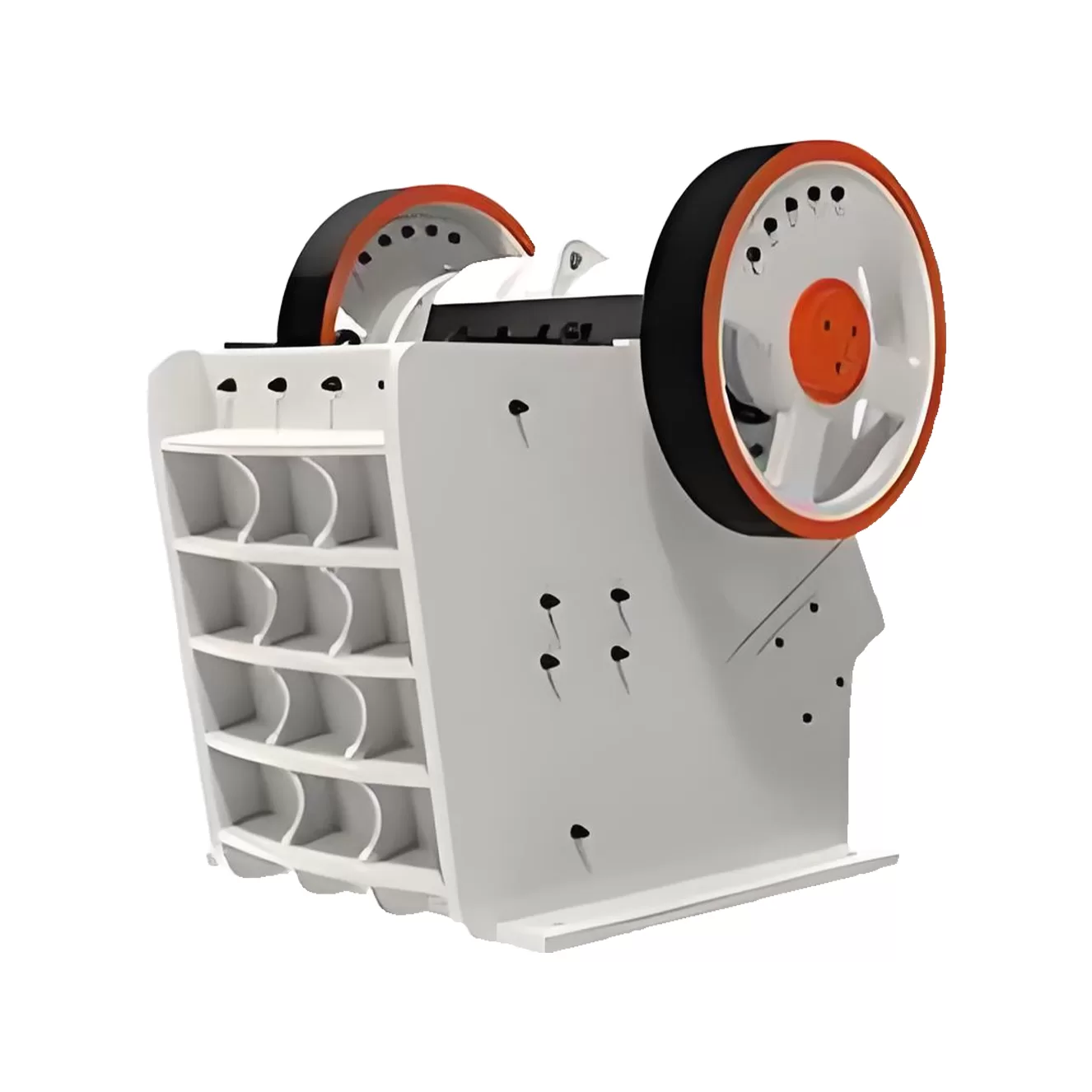
Stone Jaw Crusher machine is kind of coarse crusher, mainly used in mining, building materials, infrastructure construction etc. The stone crusher machine can crush various materials with compressive strength not exceeding 320MPa.
When you need a powerful crushing operation and are looking for an efficient and stable crushing solution, our jaw crusher is the right choice for you. As a highly acclaimed crushing equipment in the industry, the jaw crusher meets your needs in different crushing scenarios with its excellent performance, simple operation and outstanding durability. Whether it is mining, construction crushing or highway and railroad construction, it can easily perform and bring you considerable production benefits.
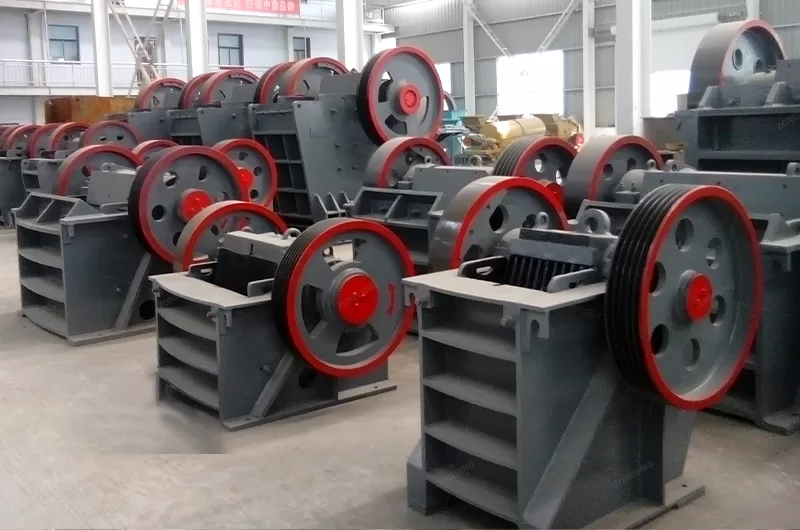
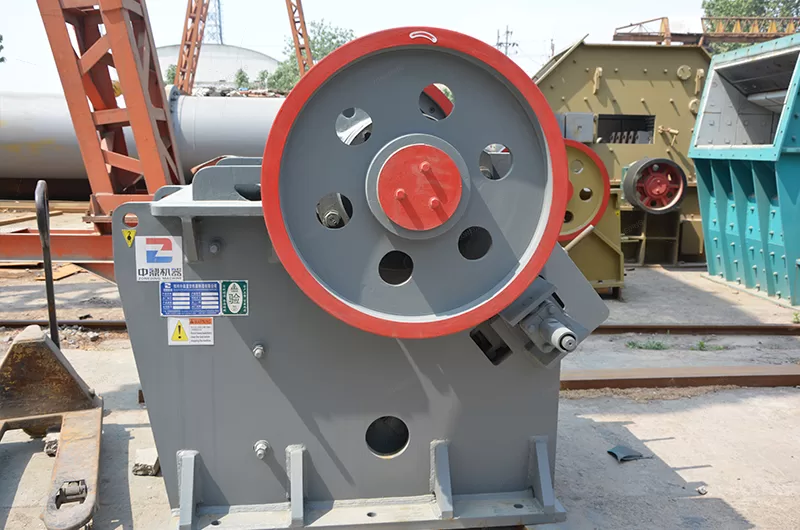
A Jaw Crusher is a simple but very powerful machine. It uses two heavy metal plates to crush rock. One plate is fixed in place. The other plate moves back and forth. We call these the jaw plates. The moving plate is called the swing jaw. It works just like a human mouth chewing food. When the swing jaw moves forward, it squeezes the rock against the fixed plate. The rock breaks into smaller pieces and falls out through the bottom.
This rock crusher machine matters because it handles the hardest work. It takes the “raw” pressure of the giant boulders. Without a good jaw crusher, your secondary machines like the Impact Crusher will break. ZONEDING designs these machines to be very tough. We use high-manganese steel for the plates. This material gets harder as it hits more rock. It is a smart engineering choice for long-term use. You can trust this machine to give you a steady flow of materials every single day.
You might wonder if a Primary Jaw Crusher is better than other types. For most medium and large projects, the answer is yes. It is much easier to maintain than a gyratory crusher. It also costs much less to buy at first. The design is very simple. There are fewer parts that can go wrong. This means you spend less time on repairs and more time making money. It is the most common choice for quarries and mines all over the world.
ZONEDING models are famous for being reliable in any weather. Whether you work in a hot desert or cold mountains, our machines stay strong. A jaw crusher handles “dirty” feed very well. If your rocks have a bit of clay or dirt, the jaw will not get blocked easily. This flexibility makes it the best choice for a new site. You do not need a perfect environment to start crushing. It is the most forgiving machine in our Stone Crusher Plant lineup. It is built for real-world heavy labor.
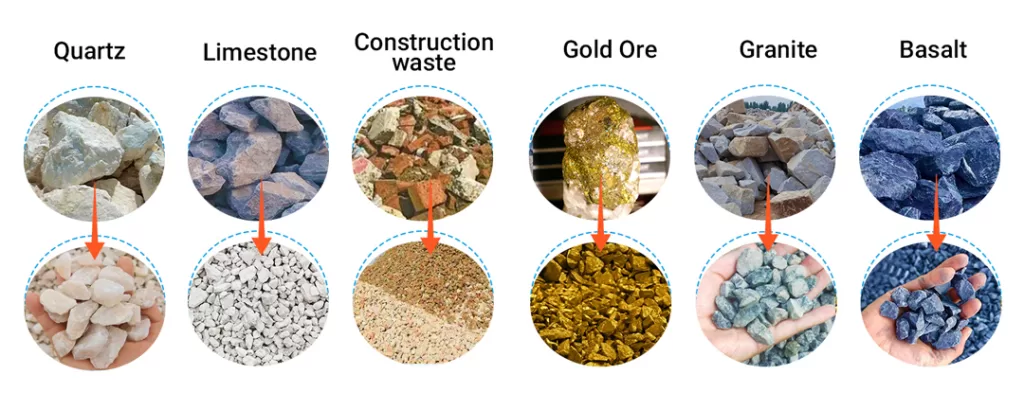
A heavy-duty jaw crusher can handle almost any material you find in the earth. It is perfect for very hard rocks like granite and basalt. It also works great for limestone, quartz, and iron ore. These materials are very tough and would break lighter machines. The squeezing force of a jaw crusher is extremely high. It uses the weight of its heavy flywheels to create this force. This allows it to break stones that are as big as a small car.
At ZONEDING, we test our machines with many different minerals. We know that every rock is different. Some are brittle and break easily. Others are “tough” and need more pressure. Whether you are in mining or construction, this Stone Jaw Crusher is your best friend. It can also handle abrasive materials without wearing out too fast. That is why so many B2B buyers choose ZONEDING for their granite crushing production line. We provide the strength you need to process thousands of tons of material every week.
Jaw crusher applied materials: limestone, pebble, calcite, granite, quartz, concrete, dolomite, bluestone, iron ore, coal gangue, construction waste, ferrosilicon, basalt, sandstone, rocks, ore, glass, cement clinker and some metal.
① Deep crushing cavity which improves capacity.
② High crushing ratio and uniform finished production size.
③ Single jaw crusher can save power 15% – 30%
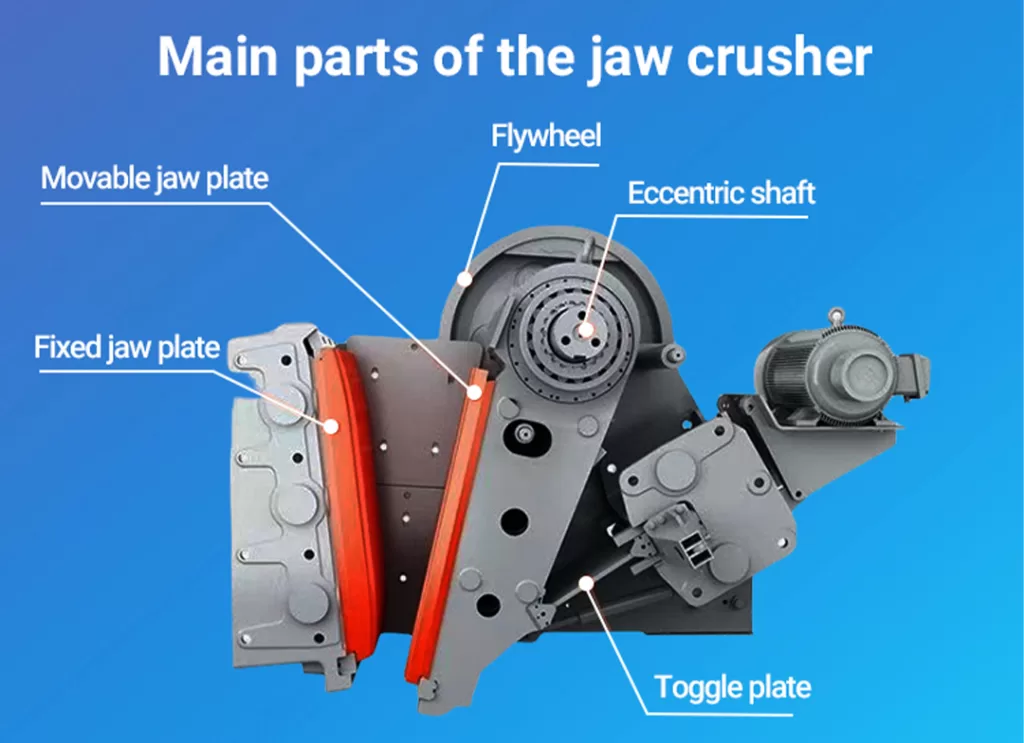
Here’s how a stone jaw crusher operates: First, the motor provides the power. It turns the belt wheel, which in turn makes the eccentric shaft rotate. This shaft’s rotation causes the movable jaw plate to swing rhythmically. It moves towards the fixed jaw plate and then away from it, over and over. This action creates strong forces – pressing, rubbing, and grinding – on the raw stone material placed between the jaws. As the stone gets crushed smaller, it gradually falls downwards. Once the particles reach the desired size setting, they are discharged from the bottom opening of the crusher.
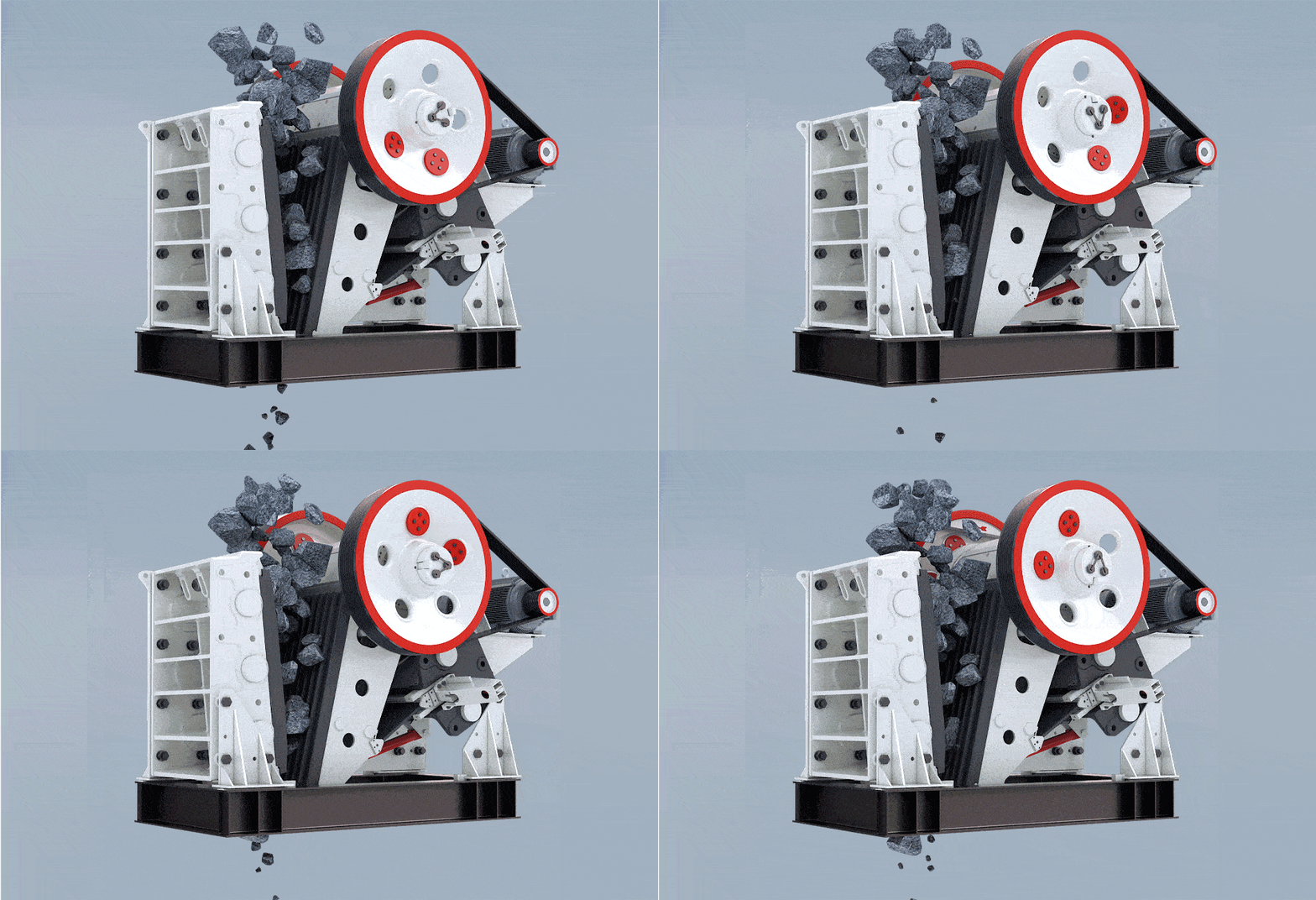
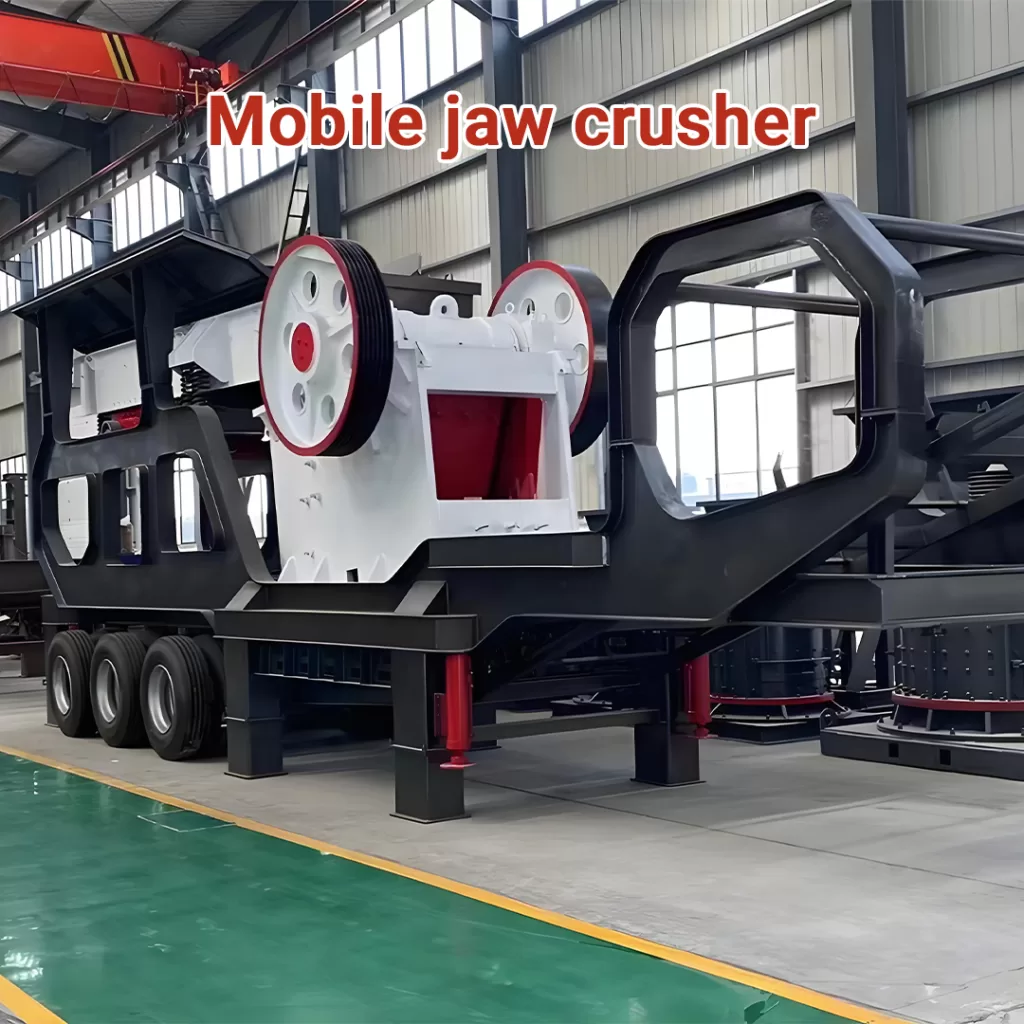
As ideal primary or secondary crusher equipment, stone jaw crusher machines with different types are often used in various industries. Depending on different ways of moving or engine, stone jaw crushers are divided into three types: PE/PEX Motor jaw crusher, Diesel jaw crusher, and Mobile jaw crusher.
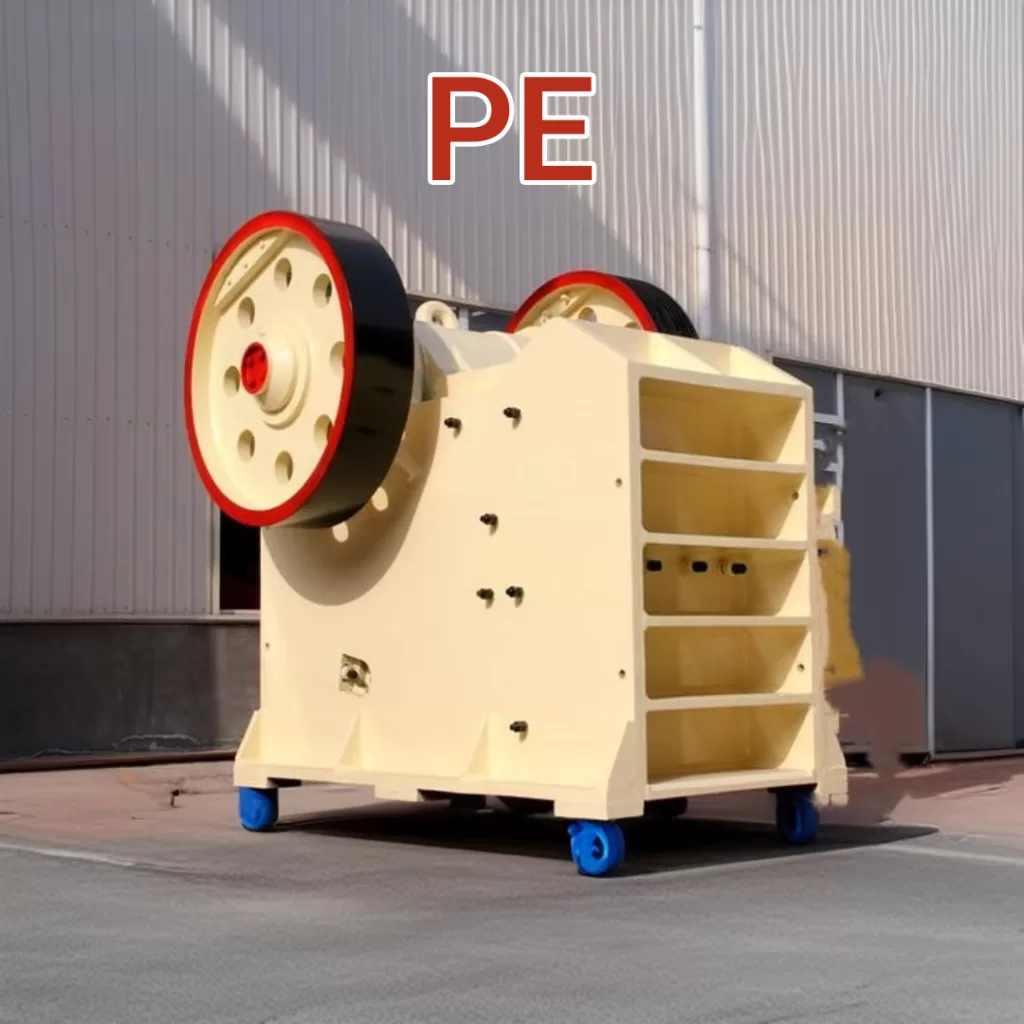
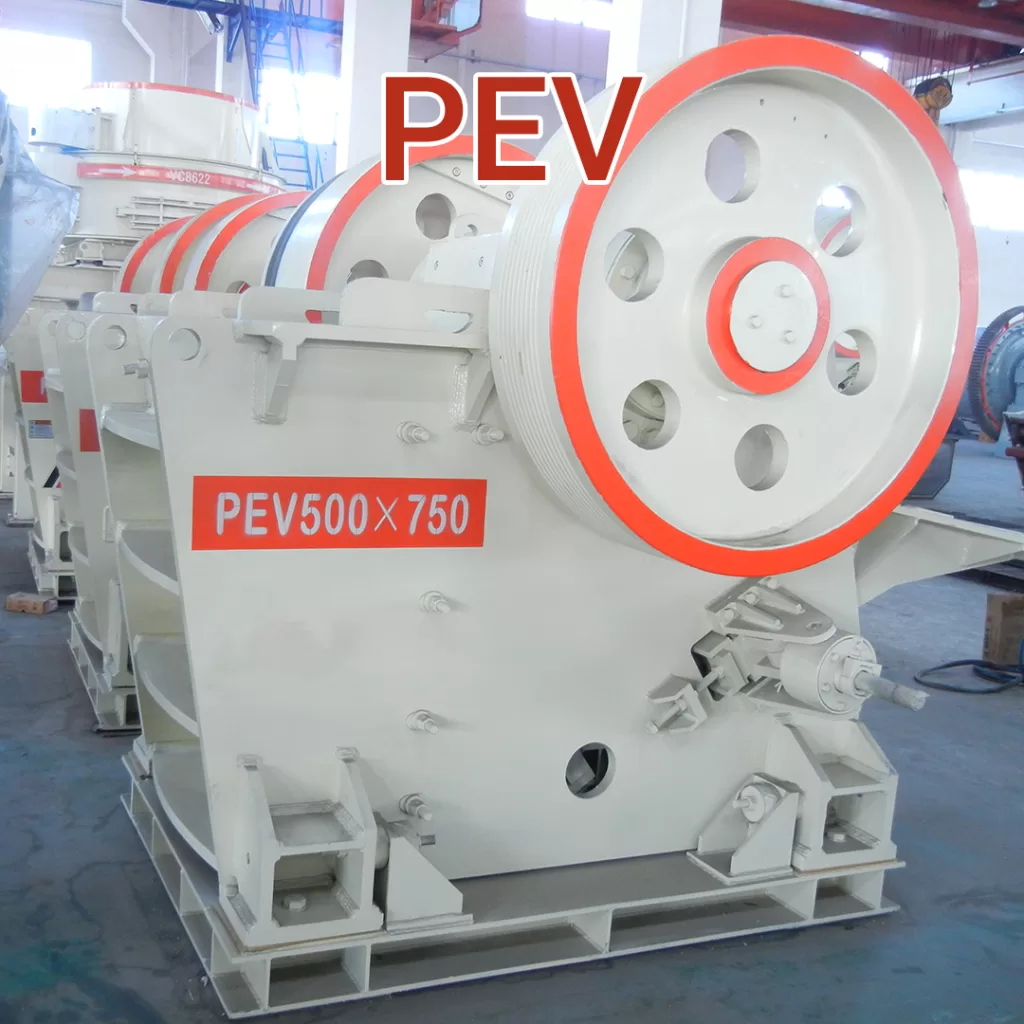
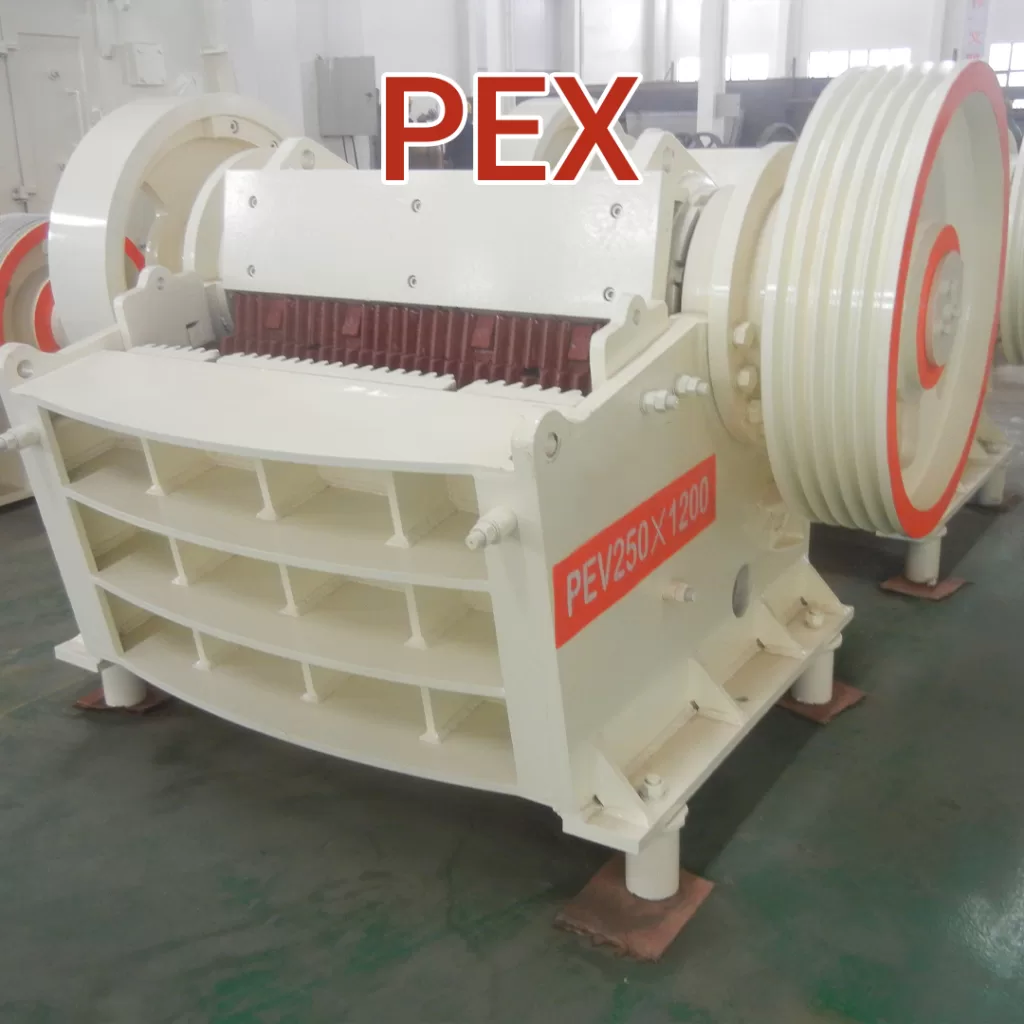
You will see two main types of jaw crushers: PE and PEX. The “PE” series is for primary crushing. It has a very large opening at the top. This means you can feed it big boulders. It produces medium-sized rocks. The “PEX” series is often used for secondary crushing. It has a wider but shorter opening. It takes the medium rocks and makes them even smaller. PEX models are great if you don’t need a massive machine but need a fine output.
ZONEDING offers a full PE series jaw crusher specifications list for your review. If you are starting from zero at a quarry, you usually need a PE model first. If you are recycling old bricks or concrete, a PEX might be enough. We help you look at your feeding size and your final goal. We make sure the machine fits perfectly into your plan. Buying the wrong size can waste your electricity and your time. Our engineers will tell you exactly which model gives you the best results for your specific rock.
The crushing ratio is how much the machine can reduce the size of the rock. For example, if you put in a 500mm rock and get out a 100mm rock, the ratio is 5. A high ratio is better for your ROI (Return on Investment). It means the machine does more work in one pass. This saves you from buying too many extra machines. A good Jaw Crusher from ZONEDING offers a high crushing ratio with very little energy consumption.
Low energy use means more profit in your pocket. Electricity is expensive in 2025. You want a machine that gets the job done without using too much power. Also, a high ratio reduces the workload on your secondary machines. This makes your whole plant last longer. When you look at the total cost of your plant, a high-efficiency jaw crusher is the heart of the savings. We provide data sheets that show the exact ratio for every model we build. This transparency helps you plan your business with confidence.
Old machines were often made with cast iron frames. These frames can be brittle. If a very hard rock hits them too hard, they can crack. Modern ZONEDING machines use a welded steel frame. We use high-quality steel plates and advanced welding technology. This makes the frame much tougher and more flexible. It can handle the vibration and the shock of heavy crushing for many years. It is a much more durable design for modern mining needs.
A welded frame is also easier to repair if there is an accident. You can weld a steel frame on-site, but you cannot easily fix cast iron. Also, our welded frames go through a special heat treatment. This removes the stress from the metal after welding. It ensures the machine will not warp or bend during heavy use. This attention to detail is why ZONEDING is a leader in the industry. We build machines that are meant to work for 20 or 30 years without failing.
The discharge opening is the gap at the bottom of the machine. It determines the size of the finished stones. You need to adjust this as your jaw plates wear down or if you want a different product. In old machines, this was a very hard job. You had to use huge wrenches and lift heavy shims. It was dangerous and took a lot of time. Your plant would stop for hours just for one adjustment.
ZONEDING makes this easier. We use a wedge adjustment system or a hydraulic system in our latest models. You just turn a single bolt or push a button to change the setting. This saves you a lot of labor time. Your workers will be safer and happier. Fast adjustments mean your production is more flexible. You can change your stone size to meet a special customer order in just 15 minutes. This speed is a big competitive advantage in the B2B market.
The jaw crusher wear parts price can be a big cost for your business. Jaw plates are the main wear parts. The secret to making them last longer is “flipping.” Our ZONEDING jaw plates are symmetrical. The bottom of the plate always wears out faster because that is where most of the crushing happens. When the bottom is worn, you can take the plate out, turn it upside down, and put it back in. Now you have a fresh, thick surface at the bottom.
This simple trick effectively doubles the life of your expensive plates. We also use high-manganese steel with added chrome. This makes the steel even tougher against hard rocks. Another secret is to make sure your feed is consistent. Do not let the machine run empty, and do not put in rocks that are too small. Proper feeding prevents “spot wear” and keeps the plates even. We include a detailed guide on how to maximize your parts life with every purchase. Saving money on parts is the fastest way to increase your profit.
The eccentric shaft is the part that makes the swing jaw move. It is the most critical mechanical part of the machine. It has to handle huge pressure every time the jaw closes. If the shaft is weak, it will bend or snap. ZONEDING uses 40Cr steel for our shafts. We use a heavy forging process to make the steel very dense and strong. Then we use high-precision CNC machines to finish the surface.
Our shafts are thicker than many other brands. This extra thickness helps manage heavy impact loads from big rocks. We also use very large, high-quality bearings. These bearings allow the shaft to spin smoothly even under thousands of tons of pressure. Good bearings also stay cooler during long work shifts. This mechanical strength is the reason why ZONEDING machines have such a high resale value. Other people know that a ZONEDING shaft is built to last a lifetime.
Yes, a jaw crusher is perfect for construction waste. In 2026, recycling is a huge business. You can take old concrete from roads or old bricks from buildings. The jaw crusher breaks them into new aggregate. This recycled stone is very popular for new building foundations and road bases. It is much cheaper than new rock from a quarry. This is a great way to start a profitable business in a city.
The jaw crusher can even handle small pieces of rebar (steel) that are inside the concrete. The steel gets flattened and pushed out by the jaws. You can then use a magnet to take it away. ZONEDING machines are great for this because they are easy to clean. If a piece of wood or plastic gets inside, it will not hurt the machine. This makes it the ideal tool for a mobile jaw crushing plant for sale. You can take the machine directly to the demolition site and start making money right away.
Safety is the most important thing at your site. You must perform daily checks to keep your workers safe. First, check the lubrication. You must grease the bearings every morning. This stops the machine from overheating. Second, check the tension of the bolts. Vibration can loosen bolts over time. A loose bolt can be very dangerous. Third, listen to the machine. If you hear a high-key squeak or a loud bang, stop the motor immediately.
Also, check the V-belts every day. If they are frayed or cracked, replace them. Broken belts can fly off and hit someone. ZONEDING provides a safety manual in many languages. We also put clear warning labels on the machine. We want you to have a zero-accident site. Our machines have protective covers for all moving parts. If you follow our simple daily checklist, your machine will stay safe and productive for many years. Good maintenance is the best insurance for your business.
The cost depends on your production goal. For a small site, a simple jaw crusher might cost a few thousand dollars. For a large, complete granite crushing production line, the investment will be much higher. You have to think about the crusher, the screens, the conveyors, and the power supply. At ZONEDING, we help you find the best balance. We do not want you to buy a machine that is too big and wastes your money. We also do not want you to buy one that is too small for your goals.
We provide a detailed quote that shows all the costs. We also help you calculate the “payback period.” This shows you how many months of work it takes to pay for the machine. In most cases, a good ZONEDING plant pays for itself in less than a year. The high-quality aggregate you produce is always in high demand. We offer different grades of machines to fit every budget. Whether you are a small startup or a large corporation, we have the right price for your project.
We know that setting up a big machine can be scary. That is why ZONEDING provides full support. We send our expert engineers to your site to help with the installation. They will manage the assembly and make sure every bolt is tight. They also stay to train your workers. They teach your team how to operate the machine safely and how to do daily maintenance. This training is vital for a long machine life.
If you are in a remote area, we can also do online installation through video calls. We use detailed 3D drawings and videos to guide you. We are always just a phone call away. Our service team works 24/7 to help our international clients. We speak many languages to ensure clear communication. From the moment the machine arrives at your port until it starts crushing its first rock, we are your support team. You are never alone when you buy a ZONEDING machine.
| Model | Feeder Opening Size(mm) | Max. Feeding Size (mm) | Discharging Opening Size(mm) | Capacity (t/h) | Motor Power (kw) | Overall Dimension (mm) |
| PE400x600 | 400×600 | 350 | 40-90 | 15-60 | 30 | 1700x1750x1680 |
| PE500x750 | 500×750 | 425 | 50-100 | 40-130 | 45 | 2150x1900x1950 |
| PE600x900 | 600×900 | 500 | 60-125 | 90-180 | 55 | 2500x2010x2350 |
| PE750x1060 | 750×1060 | 630 | 60-150 | 110-380 | 110 | 2630x2310x3110 |
| PE900x1200 | 900×1200 | 750 | 95-165 | 220-450 | 132 | 3720x2850x3250 |
| PE1000x1200 | 1000×1200 | 850 | 200-300 | 280-560 | 160 | 3820x2850x3250 |
| PE1200x1500 | 1200×1500 | 1020 | 150-300 | 400-800 | 220 | 3710x3446x4075 |
| PE1500x1800 | 1500×1800 | 1200 | 210-360 | 520- 1100 | 280 | 5100x4700x4300 |
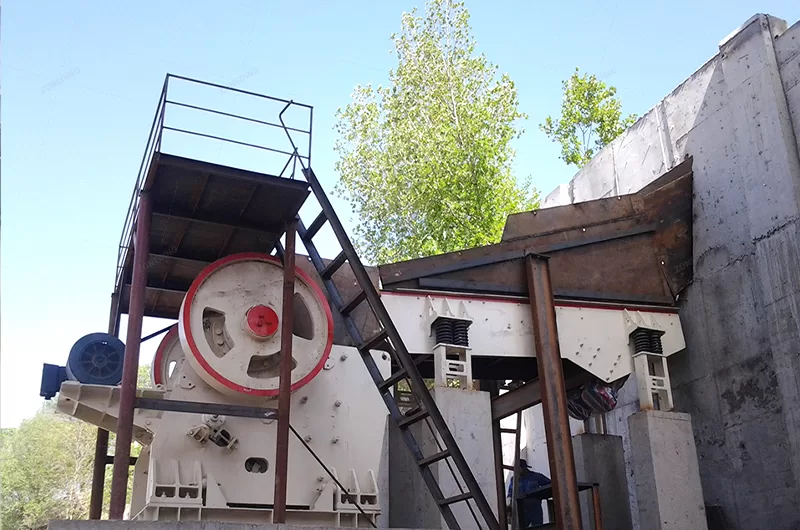
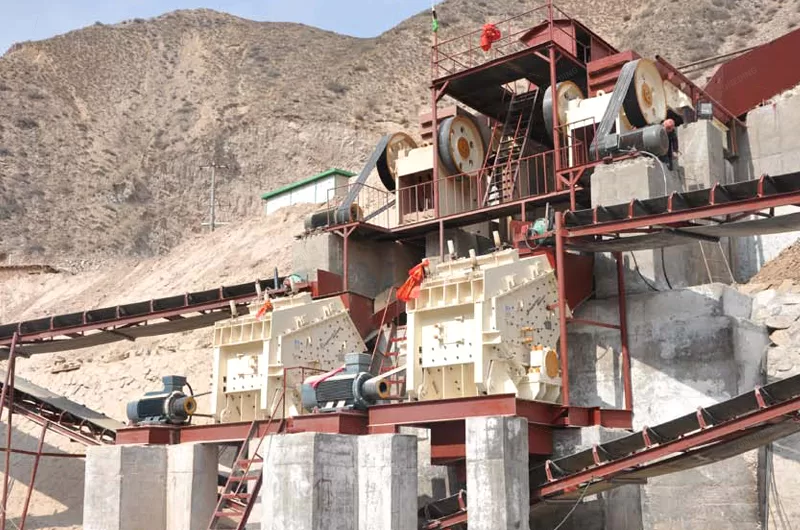
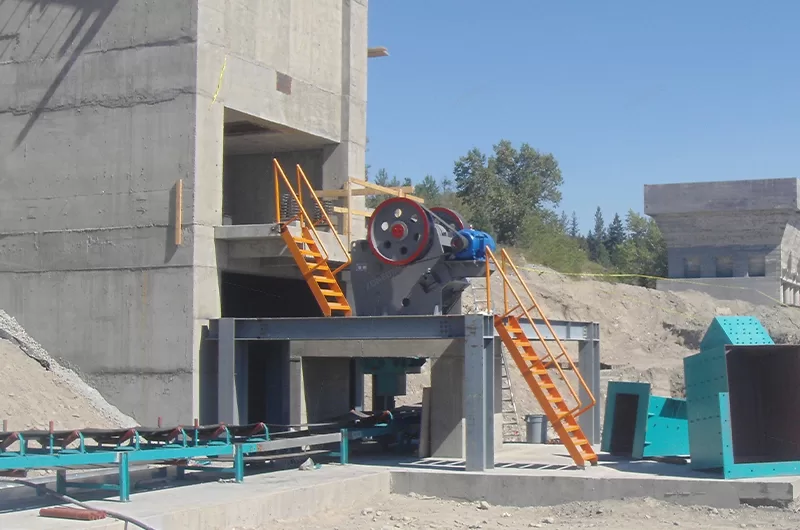
Selection hinges on material characteristics (max feed size, hardness, abrasiveness), required throughput (tph), desired output size (CSS), available motor power, and budget. Careful analysis ensures optimal, cost-effective performance.
Proper installation requires a robust, level foundation and precise alignment. Correct operation involves thorough pre-checks, empty start-up, controlled uniform feeding, avoiding overload/choking, and following the proper shutdown sequence.
Daily checks include fasteners, lubrication, and visual inspection of wear parts. Regular maintenance involves deeper inspections and component servicing. Extend jaw plate life significantly through proper material selection, uniform feeding, pre-screening, and strategically rotating or flipping the plates.
Common faults include sudden stops (choking), reduced output, jaw plate issues, bearing overheating, excessive vibration, and toggle plate breakage. Troubleshooting involves systematically identifying causes like blockages, wear, loose parts, or improper settings.
Jaw crushers excel at primary crushing of large, hard materials due to their robustness. Cone crushers are better suited for secondary/tertiary hard rock crushing, offering higher reduction and better shape. Impact crushers produce excellent cubical product but wear much faster on hard, abrasive rock.