 Zoneding Mining

Site Search
Search products, equipment and solution articles
整站搜索产品中心新闻中心
点击开始搜索
热门搜索
UltraForm-MXFlexiPoly-RNanoForm Z300EcoFab P200
Search products, equipment and solution articles
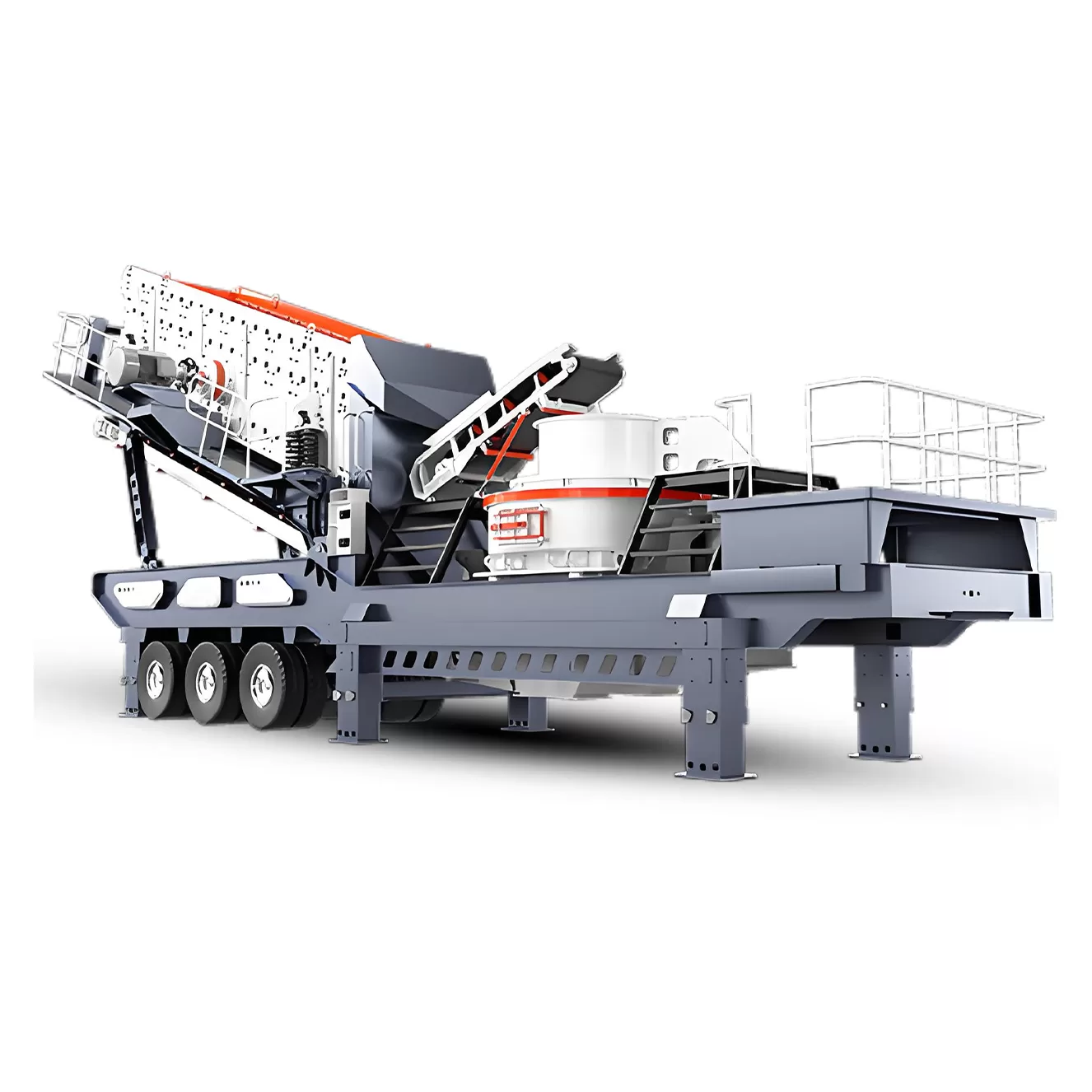
Tire type mobile cone crusher station is mainly used in metallurgy, chemical industry, building materials, water and electricity industries for processing materials need to be moved, especially used for stone crushing in highways, railways, hydroelectric projects and other liquidity operations.
A mobile cone crusher is ideal because its compression crushing handles hard, abrasive rock effectively. It creates the cubical product shape needed for high-specification aggregates. Plus, its mobility allows flexible operation on different sites or within large quarries, reducing transport costs.
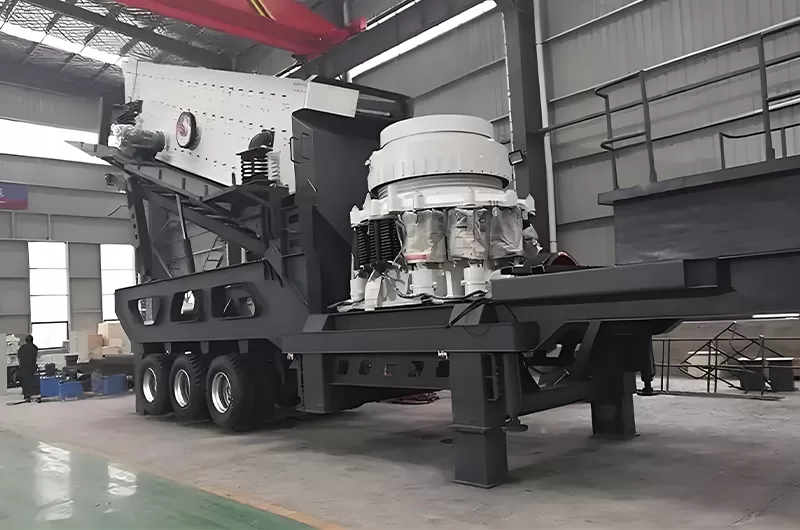
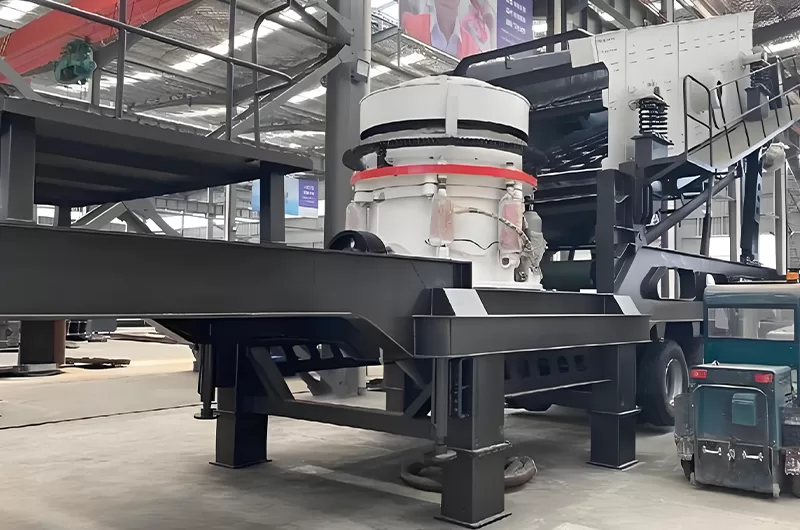
A mobile unit is much better than a stationary plant for most modern construction projects. We know that building a permanent stone plant takes many months of planning. You must get permits and pour tons of concrete for the base. This process is very slow and it is also very expensive. If your rock supply runs out, your stationary plant becomes useless and you cannot move it. A Track-Mounted Cone Crusher solves all these problems because it moves with your project. You bring the machine to the rock source and you eliminate the cost of dump trucks.
You save a massive amount of money on fuel every single day. Also, you do not need to wait for permits to build a fixed structure. You can start your project today and finish it much earlier. When you finish one site, you drive the machine onto a trailer and go to the next town. This flexibility allows you to bid on small jobs that were too expensive before. ZONEDING mobile units are designed to be compact so they fit on standard roads. They are ready to work within thirty minutes of arriving at a new location. You gain more working hours and you lose less time on setup. This is why mobile units are replacing fixed plants in many countries today.
Mobile cone crushers mainly work in secondary or tertiary crushing stages. They are common in mining, quarrying (aggregate production), and construction waste recycling industries, especially for hard and abrasive materials.
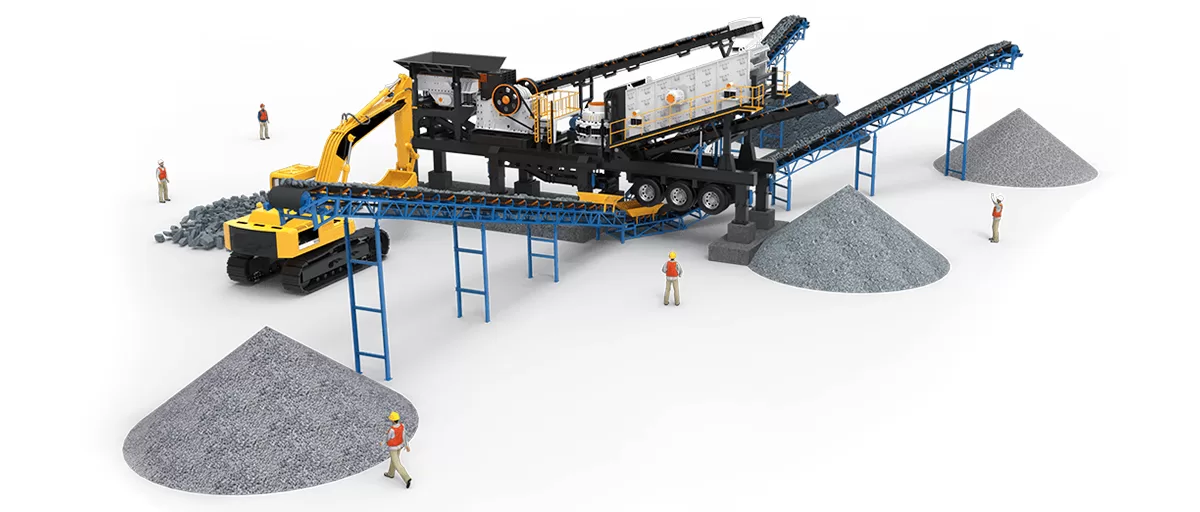
Mobile cone crushers are versatile workhorses found in several demanding sectors:
Niche Applications: They also process materials like slag (steel, copper), quartz, and other hard industrial minerals where mobility and product shape are important.
Mining: Essential for breaking down hard ores like iron, copper, gold, and basalt after primary crushing. Their ability to handle abrasive materials makes them durable choices.
Aggregate Production: Widely used in quarries to produce high-quality cubical aggregate from materials like granite, river stone, and limestone for concrete, asphalt, and construction fill.
Construction Waste Recycling: Effective at processing crushed concrete and asphalt into reusable aggregates. Their mobility is a huge plus for temporary recycling sites.
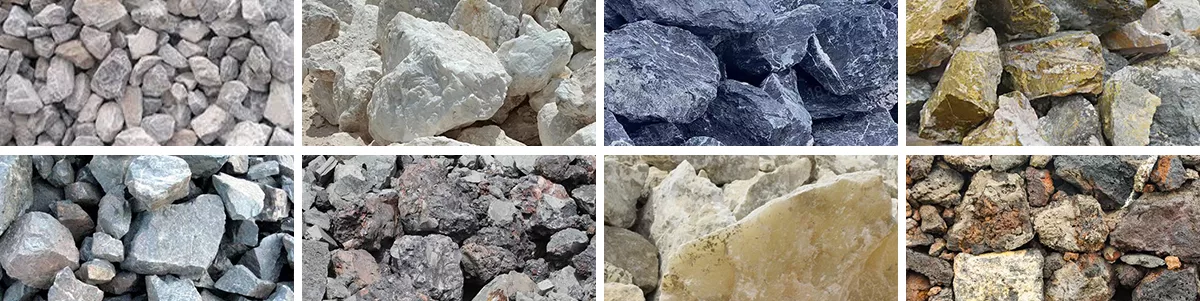
Making the wrong decision leads to inefficiency or even equipment damage. Understanding their strengths guides the right choice.
A mobile cone crusher has the advantage with very hard and abrasive materials like granite or basalt. A mobile impact crusher generally works better with softer, less abrasive materials like limestone and performs well in recycling applications.
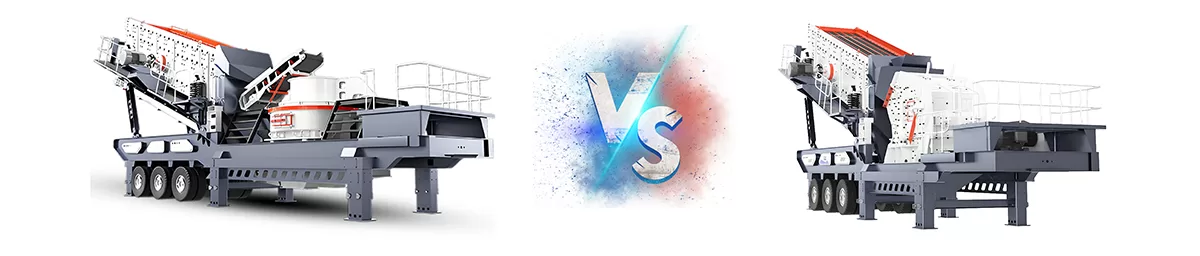
Here’s a quick comparison:
| Feature | Mobile Cone Crusher | Mobile Impact Crusher |
|---|---|---|
| Hardness | Best for Hard / Very Hard | Best for Soft / Medium-Hard |
| Abrasiveness | Handles High Abrasiveness Well | Sensitive to High Abrasiveness |
| Reduction Ratio | Lower (typically 3:1 to 5:1) | Higher (can be 10:1 to 20:1) |
| Fines Output | Generally Lower | Generally Higher |
| Product Shape | Excellent Cubical Shape | Good Cubical Shape (esp. in recycling) |
| Common Use | Secondary/Tertiary, Hard Rock Quarry | Primary/Secondary, Limestone, Recycling |
Essentially, if you’re dealing with tough, abrasive feed and need a cubical product in secondary or tertiary stages, the mobile cone crusher is likely your machine. If you have softer rock, need a higher reduction ratio in one pass, or are focused on recycling, a mobile impact crusher be better.
Yes, the cone crusher is the absolute king for processing hard and abrasive rocks. I have seen impact crushers fail miserably when they hit granite or basalt. Hard rocks act like sandpaper and they eat standard metal parts in just a few days. A Secondary mobile crusher for hard rock does not hit the rock like a hammer. Instead, it slowly squeezes the rock until it naturally breaks along its stress lines. This compression method protects the machine from sudden shocks and high wear. It is the only cost-effective way to process minerals like quartz, iron ore, and river pebbles.
The manganese steel liners inside the cone are very thick and they last a long time. You do not have to stop the work to change parts every week. This makes your daily production much more stable and predictable. ZONEDING uses a special heavy-duty shaft design to handle these extreme pressures. Our machines do not snap or crack when the rocks get very tough. You can run the machine all day on a mountain of basalt without any fear. This durability is why road builders prefer cone crushers for highway stones. You get a steady supply of high-strength material for your biggest infrastructure projects. Hard rocks are no longer a problem for your business when you use the right tool.
Producing the right stone for building bricks is a science that I take very seriously. You need stones that are clean, small, and very uniform. A High-efficiency crawler cone crusher allows you to set the exit gap very precisely. This gap determines the maximum size of the stones that leave the machine. If you need 10mm stones for paving blocks, you adjust the machine to that exact size. The machine produces a massive amount of “fine aggregate” that is perfect for cement mixing. It does not create too much useless dust or too many oversized rocks.
You get a consistent product that makes your block machine work much better. Our DURABLE block machines perform best when the stone size is always the same. This consistency prevents the block molds from jamming or wearing out early. ZONEDING cone crushers feature a high-speed rotation that produces a lot of small material in one pass. You can even add a screen to the machine to separate the stones into different piles. This way, you have one pile for wall bricks and another for road gravel. You become a one-stop shop for all building materials in your local area. Your customers will appreciate the high quality and the exact sizing of your aggregate.
Mobile cone crushers offer different cavity (liner) types. Choosing incorrectly leads to poor performance, high wear, and frustration. Matching the cavity to your feed material and desired product is crucial.
Select the crushing cavity (like Fine, Medium, Coarse, Extra Coarse) based on the feed size distribution and the target product size. The right cavity ensures efficient crushing and optimal liner wear.
| Model | ZDM3S185GYS300 | ZDM3S216GYS400 | ZDM3S216HP300 |
| Transportation Length(mm) | 14500 | 15000 | 16000 |
| Transportation Width(mm) | 3000 | 3000 | 4550 |
| Transportation Height(mm) | 4400 | 4500 | 17000 |
| Maximum Length(mm) | 17000 | 16000 | 4600 |
| Maximum Width(mm) | 3400 | 3900 | 6900 |
| Maximum Height(mm) | 5800 | 6500 | 4700 |
| Weight(t) | 34.5 | 49.5 | 41 |
| Tyre Configuration | biax fitted | triaxial fitted | triaxial fitted |
| Tire Configuration | GYS300 | GYS400 | HP300 |
| Feeding Belt Conveyor | B650×15M×2 | B800×15M×2 | B800×15M×2 |
| Discharging Belt Conveyor | B650×14M | B800×14M | B800×16M |
| Conveyor Belt for final products | B500×15M | B800×6M | B650×15M×2 |
| Under vibrating screen | B800×7M | B800×8M | B800×9M |
| Vibrating Screen Model | 3YK1854 | 3YK2160 | 3YK2160 |
Choosing the right liner set (mantle and bowl liner) goes beyond just picking a name. It’s about optimizing the crushing process.
Zoneding offer various profiles, generally categorized by the feed opening size they accept:
Mobile cone crushers work hard, and parts wear out. Unplanned downtime for replacements and high consumable costs can eat into profits. Knowing the wear life and cost is essential for budgeting and maintenance planning.
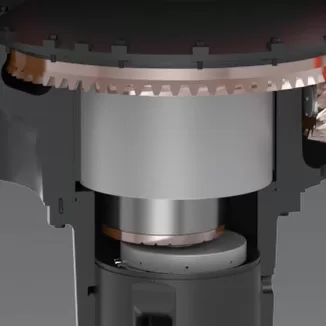
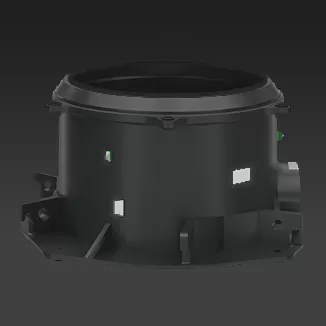
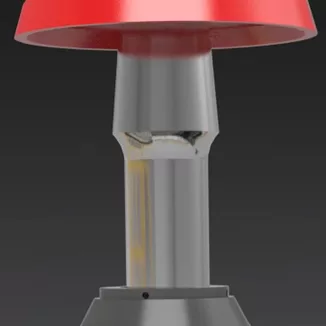
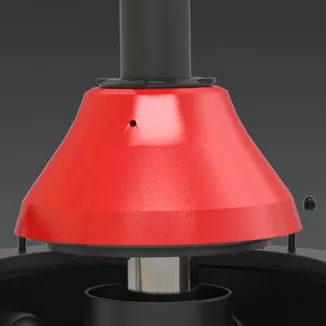
The main wear parts are the mantle (on the cone head) and the bowl liner/concave (lining the upper frame). Their lifespan varies greatly depending on material abrasiveness, feed conditions, and operation. Replacement costs are significant but predictable.
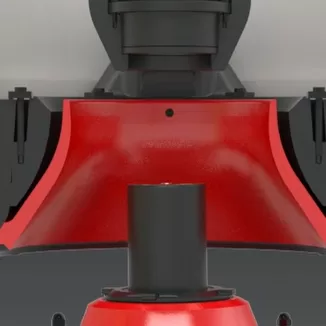
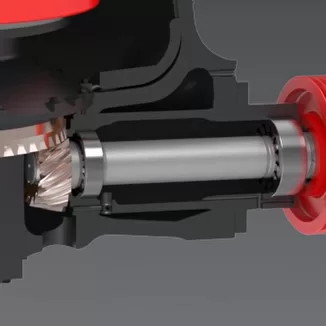
Managing wear parts effectively is key to controlling operating costs.
You can maintain consumable parts and improve crusher performance by paying attention to the following factors:
Regular checks prevent minor issues from becoming major problems, especially given the harsh conditions mobile units face.
A mobile cone crusher rarely works alone. It needs feeding and its product needs sizing. Mis-matched equipment in the line creates bottlenecks and inefficiency. Understanding common setups helps plan a productive system.
A mobile cone crusher usually works after a mobile primary jaw crusher and before a mobile screening plant. The jaw crusher handles large feed, the cone reduces it further, and the screen separates products.
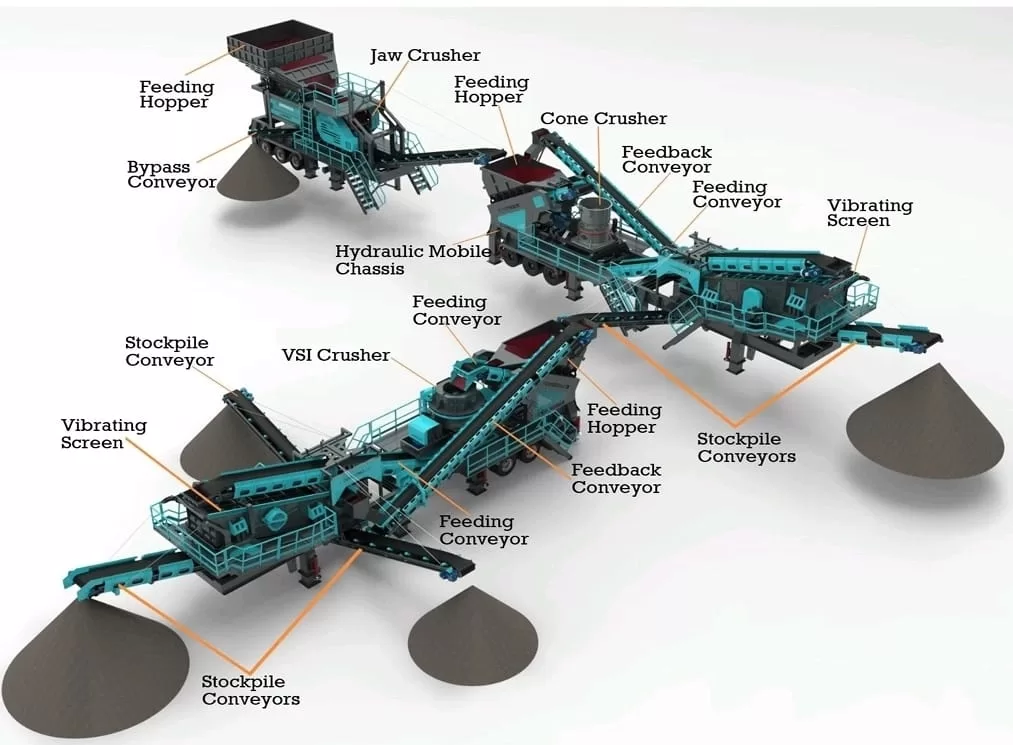
Creating an efficient mobile production line involves combining the right units.
The most common setup for hard rock processing involves three main mobile units:
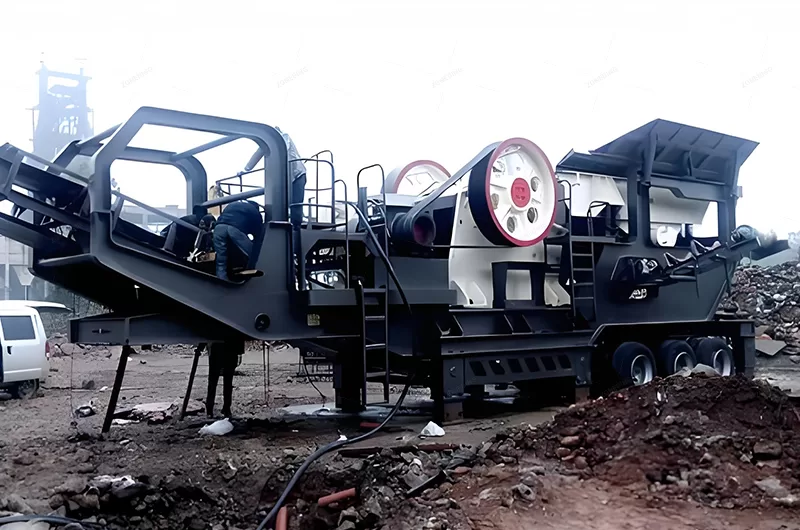
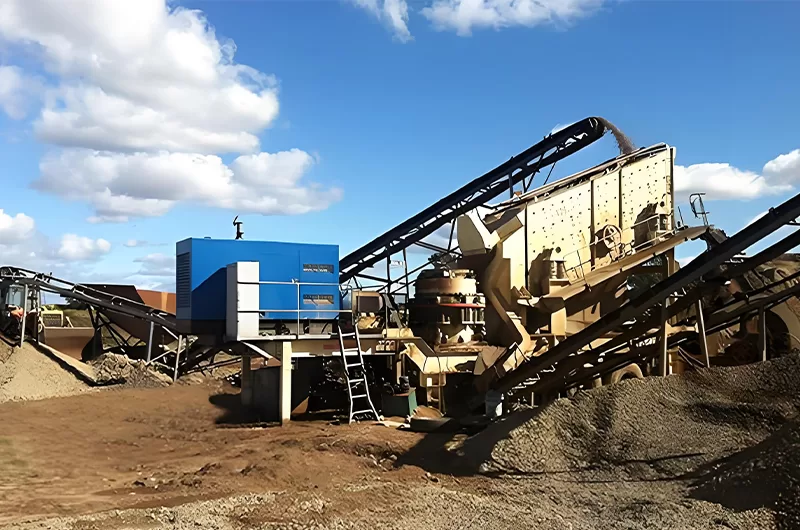
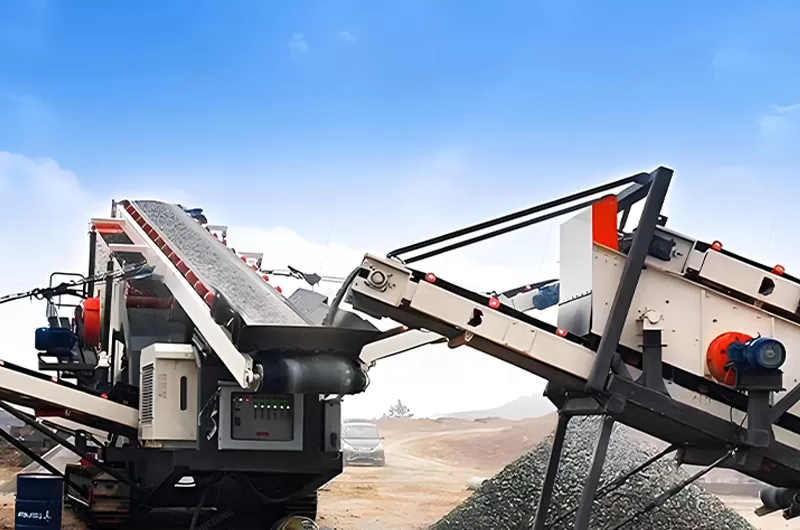
Choosing a supplier for a major investment like a mobile cone crusher is critical. A poor choice can lead to unsuitable equipment, inadequate support, and costly problems. Evaluating suppliers carefully minimizes risk.
Look for a supplier with proven manufacturing capability, high-quality components, reliable parts availability, strong technical support (including application knowledge), and verifiable experience in mobile crushing solutions.
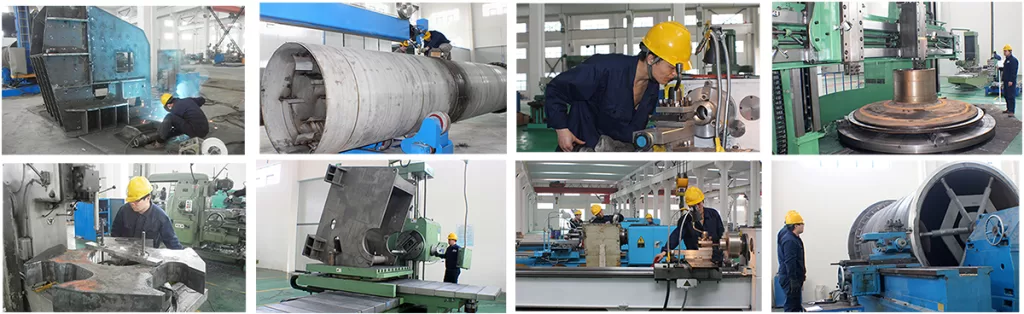
Partnering with the right supplier ensures you get equipment that performs and support you can count on.
Our extensive global reach, with exports to over 130 countries across Europe, Africa, Asia, the Americas, and Australia, is underpinned by mature and well-established logistics conditions. This ensures efficient, reliable, and timely delivery of both complete mobile crushing plants and essential spare parts directly to your site, minimizing potential delays and supporting your operation effectively, wherever it is located in the world.
The shape of each tiny stone is the secret to building blocks that never break. I have tested many bricks in my career. Bricks made with flat or thin stones are very weak. These shapes leave empty spaces or “voids” inside the concrete mixture. When a building sits on these bricks, the flat stones snap and the whole wall cracks. You need a “cubic” shape, which means the stone looks like a small cube. Cubic stones lock together tightly like a puzzle inside the cement. This interlocking creates a much higher density and much more strength.
A mobile cone crusher is the best tool to create this cubic shape from hard minerals. The squeezing action of the cone grinds away the sharp edges of the stones. This produces a rounded but cubic material that flows easily into the block mold. This shape also requires less cement to coat the surface area of the stones. You save money on expensive cement while making a better product. ZONEDING adjust the crushing chamber angle to maximize this cubic output. You can prove to your clients that your bricks are the strongest on the market. Better shape leads to better sales and a better reputation for your factory.
Our modern hydraulic system makes running a crusher as easy as driving a car. I remember when workers had to use giant wrenches to change the stone size. That old way was very dangerous and it took many hours of hard work. Our Mobile hydraulic cone crusher specifications include a smart hydraulic motor system. You simply push a button on the control panel. The hydraulic system then moves the outer bowl up or down to change the gap. You can change the size of your gravel in just a few seconds while the machine is idling.
This system is also very precise and it does not slip over time. The computer monitors the gap distance and shows it clearly on the screen. Also, the hydraulics help when you need to change the wear liners. You use the hydraulic power to lift the heavy metal parts out of the machine. This saves your workers’ backs and it prevents accidents on the site. ZONEDING uses high-pressure pumps and valves from world-famous brands to ensure reliability. You do not worry about oil leaks or sudden pressure drops in the heat. This technology allows you to respond quickly to different customer orders. You stay productive and you stay in control of your final product.
Yes, our machines can clear a jammed chamber with the touch of a single button. I have seen many operators waste a whole day digging rocks out with their hands. This happens when the machine stops suddenly while it is full of heavy stone. It is a very slow and very dangerous job to do manually. Our mobile cone units feature a “hydraulic clearing” function. The system uses powerful cylinders to lift the entire bowl assembly up. This wide opening allows all the jammed rocks to fall through to the belt.
Then, you lower the bowl back to its working position and you start again. This whole process takes less than five minutes of your time. Your workers stay safe on the ground and away from the moving parts. This feature is essential when you have a power failure or a conveyor belt jam. ZONEDING builds this safety system into every mobile unit we manufacture. We want you to focus on crushing rock, not on digging it out by hand. This automation increases your total production hours every month. You get a machine that helps you when things go wrong instead of causing more work.
Overload protection is like an insurance policy for your most expensive machine parts. I know that sometimes people accidentally drop a steel hammer or a tooth from an excavator into the hopper. A cone crusher cannot break a solid piece of iron. If the iron tries to pass through, it will put a massive shock on the main shaft. This shock can snap the heavy steel shaft or ruin the bronze bearings in an instant. Our hydraulic protection system feels this sudden rise in pressure. It immediately releases the oil and lets the cone drop down.
The piece of iron passes through the machine safely and falls onto the conveyor. Then, the system automatically resets itself and returns the cone to the right gap. You do not have to replace a broken shaft that costs thousands of dollars. ZONEDING uses high-speed sensors to catch these “tramp iron” events in milliseconds. This system is much better than old spring systems because it is faster and more reliable. You protect your big investment and you avoid the cost of major repairs. Your machine stays alive and healthy for many years of hard service. You can work in messy demolition sites with total peace of mind.
Tracked mobility allows you to work in places where wheels would get stuck forever. I have seen worksites in the rainy season where the ground turns into a deep mud pool. A machine with tires would sink and you would need a crane to pull it out. Our crawler tracks are made of heavy duty steel that spreads the weight of the machine. This low ground pressure allows the machine to walk over soft dirt and loose sand easily. You can climb steep hills in a mountain quarry without losing any traction.
The tracks are powered by two heavy hydraulic motors that give the machine incredible torque. You can turn the machine in a circle in one spot to position it exactly where you want. Also, you do not have to worry about sharp rocks popping your expensive tires. Steel tracks are nearly impossible to break in a normal working environment. ZONEDING uses a heavy duty track frame that resists bending and cracking under load. This mobility means you can move the crusher closer to the rock wall as you dig. You keep your excavators moving less and you keep your conveyor belts full. You own the ground you walk on and you control the pace of the work.
Manganese steel is a special metal that actually gets harder when you hit it. We recommend this material because it is the only thing that survives crushing hard rock. We use 18% manganese or even 22% manganese for our inner mantles and outer bowl liners. When a hard rock hits this metal, the surface of the steel becomes extremely tough. This is called “work hardening,” and it is perfect for mining and stone processing. These liners act as the protective skin of your machine.
Without good liners, the main body of your crusher would be destroyed in a few hours. Changing these liners is a normal part of your maintenance schedule. However, ZONEDING liners are designed to wear down evenly so you use every millimeter of the metal. This ensures you get the most “tonnage” out of every set of parts you buy. We use precision casting to make sure they fit perfectly inside the machine without any gaps. Replacing them is fast because our design includes easy access doors. You keep your running costs low and your machine health high. Good liners are the foundation of a profitable aggregate business.
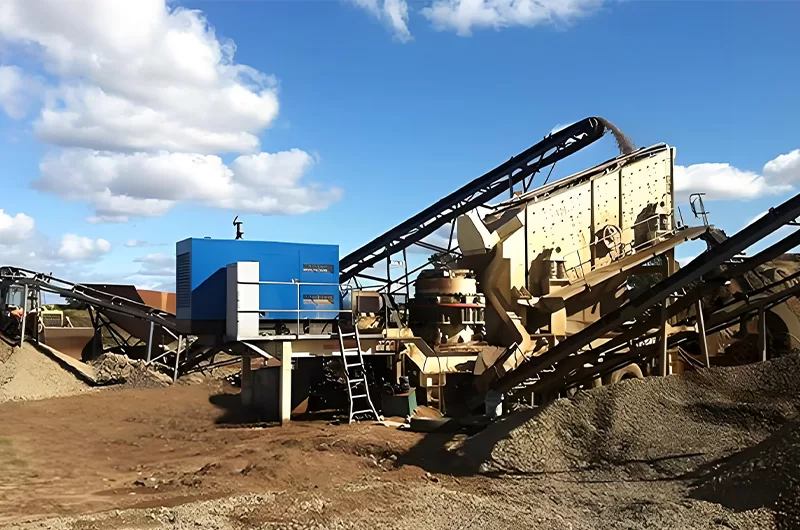
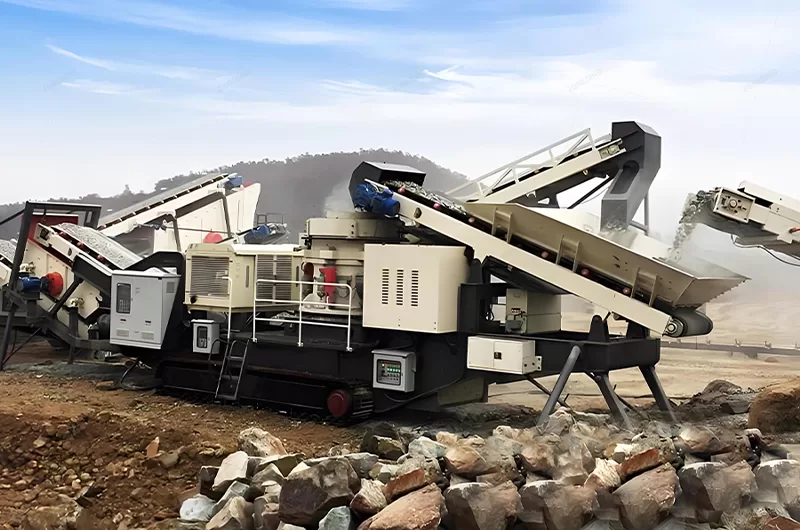
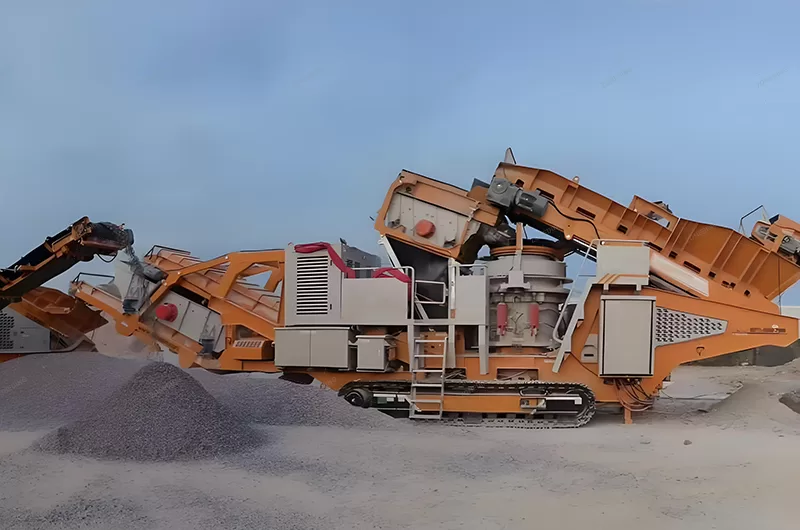
A Mobile Cone Crusher is a portable crushing machine, often wheel- or track-mounted, employing a cone-shaped crushing chamber for material reduction.
It crushes material between a rotating mantle and a stationary bowl liner, providing consistent particle size reduction for secondary or tertiary crushing.
Mobile Cone Crushers offer portability, efficient crushing for consistent product, and on-site material processing for reduced transportation costs.
They’re ideal for quarrying, mining, aggregate production, and construction sites requiring flexible crushing and material sizing solutions.
Mobile Cone Crushers are excellent for hard and abrasive materials like granite, basalt, gravel, and recycled concrete, providing precise sizing.