 Zoneding Mining

Site Search
Search products, equipment and solution articles
整站搜索产品中心新闻中心
点击开始搜索
热门搜索
UltraForm-MXFlexiPoly-RNanoForm Z300EcoFab P200
Search products, equipment and solution articles
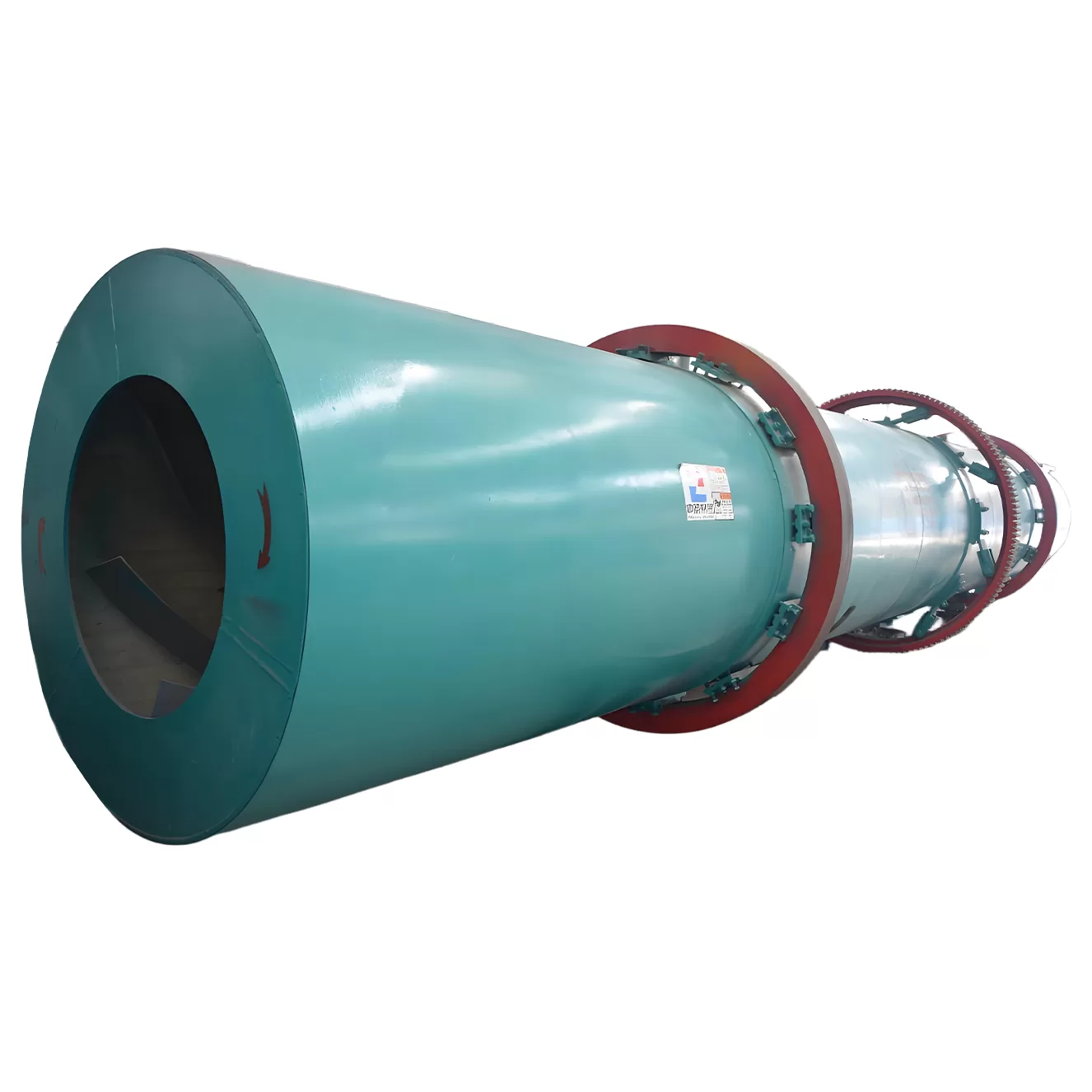
Palm fiber dryer is dedicated for drying the waste material from the production of palm oil. After drying, the moisture content of the finished product is less than 15%, which is proper for pelletizing.
A palm fiber dryer is an industrial machine engineered specifically to reduce the high moisture content of fibrous residues from palm oil processing, primarily using thermal energy within systems designed to handle long, potentially abrasive fibers.
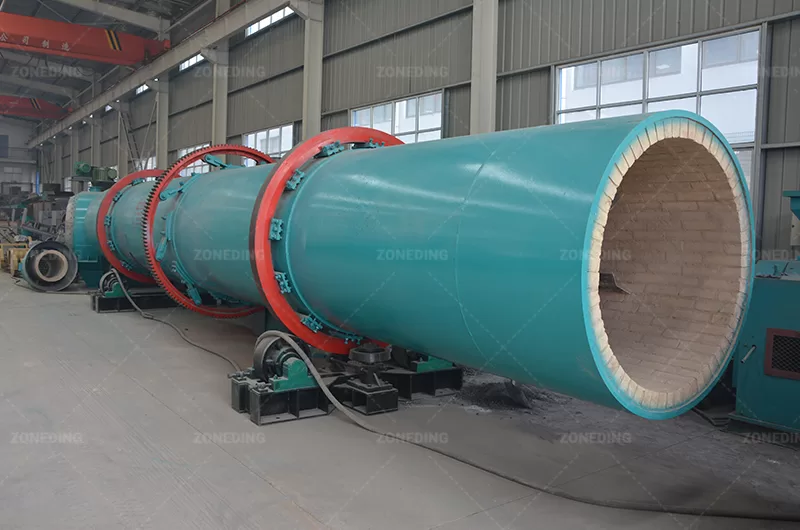
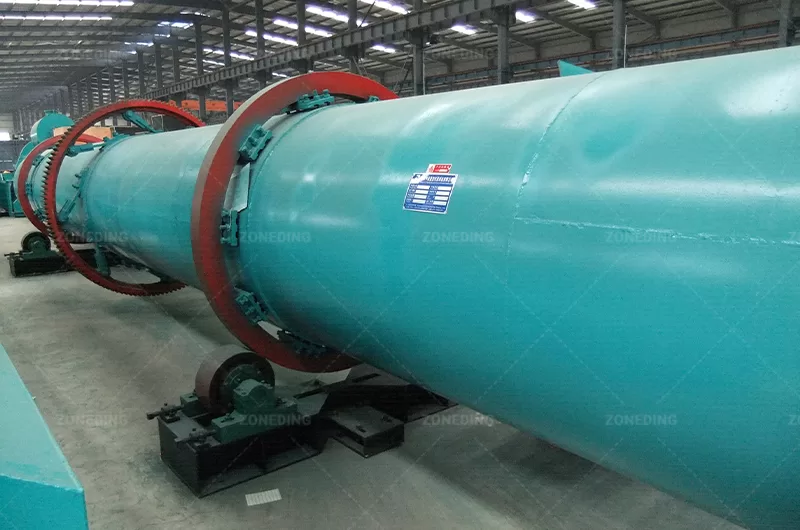
ZONEDING designs these dryers, often robust rotary drum types, with specific internal configurations and safety systems essential for reliable palm fiber processing.
Wet palm fiber is 70% water and this is a massive problem for your mill. First, it is very heavy to move. You are paying for big trucks just to move water from one place to another. Second, wet EFB rots very fast in the heat. It starts to fermentation and creates “leachate” which is a dirty liquid that poisons the ground. This can lead to big fines from the government. Third, you cannot burn wet fiber as a fuel because it will just put the fire out. It has zero value when it is soaking wet.
ZONEDING understands that you need an EFB fiber moisture reduction system to stay competitive. If you don’t dry your waste, it stays as a “cost” on your balance sheet. Our dryers take that moisture from 70% down to under 15% in one single pass. Once it is dry, it stops rotting and becomes a stable product. You can stack it high in a warehouse without it catching fire from fermentation or smelling bad. Drying is the only way to turn a “waste headache” into a “product asset” for your company.
Yes, and this is where the big profit is hidden. Dry palm fiber is a fantastic biofuel. In 2025, many power plants and factories are looking for “green fuel” to replace coal. You can sell your dried fiber as loose material or press it into pellets. This is what we call Palm fiber pellet production equipment. The price per ton of dry fiber is very high compared to the zero value of wet waste. You are creating “renewable energy” from a material that usually just sits in the mud.
My company has seen many mills double their annual profit by adding a Palm Waste Dryer to their site. You already have the raw material for free because it is your own waste. You just need the machine to “unlock” its value. Some of our clients even sell the dried fiber to mattress companies who use it for padding. The fiber is strong and natural so it has many uses. When you dry it, you are no longer a palm mill; you are a biomass supplier. This diversification is a smart move for any business looking to grow.
You cannot put a whole empty fruit bunch into a dryer and expect it to work. The bunches are too thick and the heat cannot reach the inside. You must shred the EFB into separate fibers first. This is a vital step in any Large scale palm fiber processing plant. Shredding increases the surface area of the material. When the surface area is bigger, the hot air can touch more of the fiber at once. This makes the drying process much faster and saves you a lot of fuel.
ZONEDING provides the complete line, including the shredders. We make sure the shredder produces the perfect length of fiber for the dryer. If the fiber is too long, it will get stuck. If it is too short, it might blow away. Our engineers help you find the right balance for your specific goals. For example, if you want to make a manual brick machine type of organic block, the fiber size must be consistent. We design the whole system to work together so you don’t have to worry about the details.
Drying palm fiber drastically reduces its weight and volume, stops decomposition, and converts it into a valuable, stable resource, most commonly used as biomass fuel for boilers.
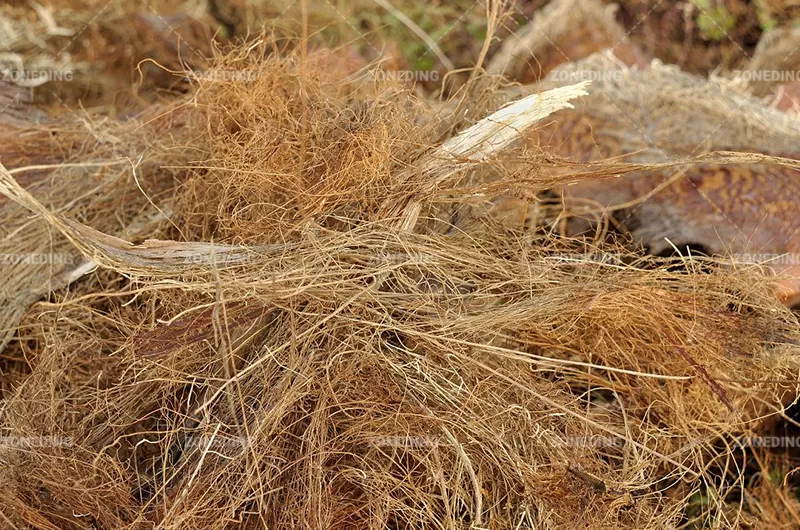
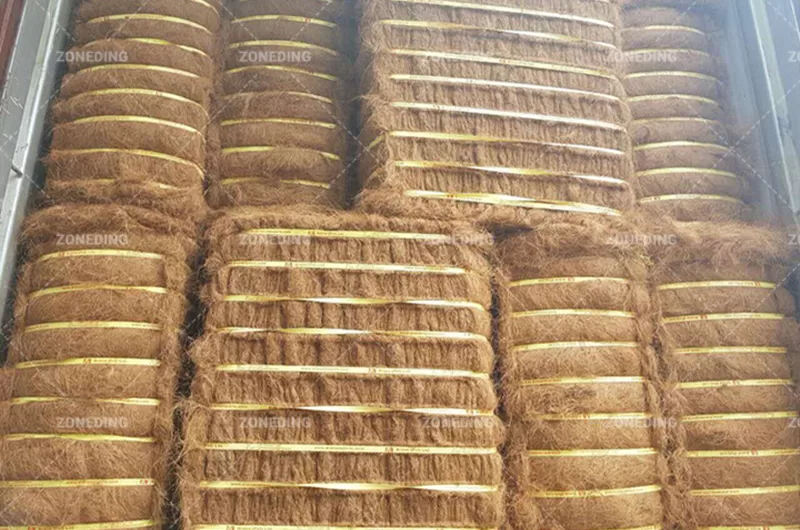
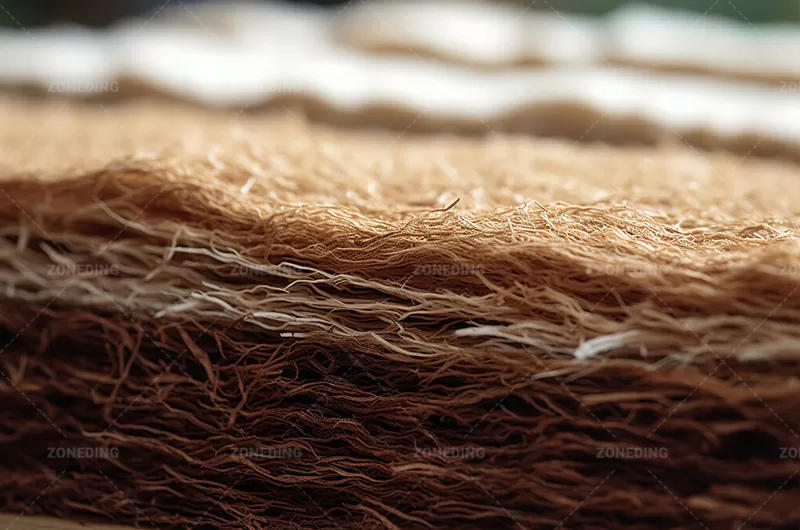
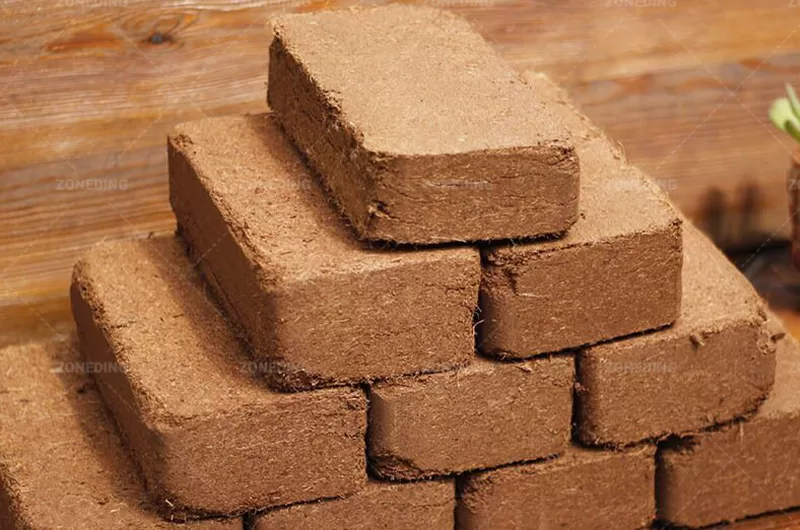
Drying transforms a problematic byproduct into a usable commodity with several applications, primarily driven by economics and sustainability.
ZONEDING helps design drying systems optimized for your primary intended use, ensuring the final product meets the required specifications, especially for fuel applications.
Rotary drum dryers, specifically designed with anti-tangling features, are generally the most reliable and widely used technology for drying challenging palm fiber like EFB. Belt dryers often struggle with feeding and handling long, non-uniform fibers.
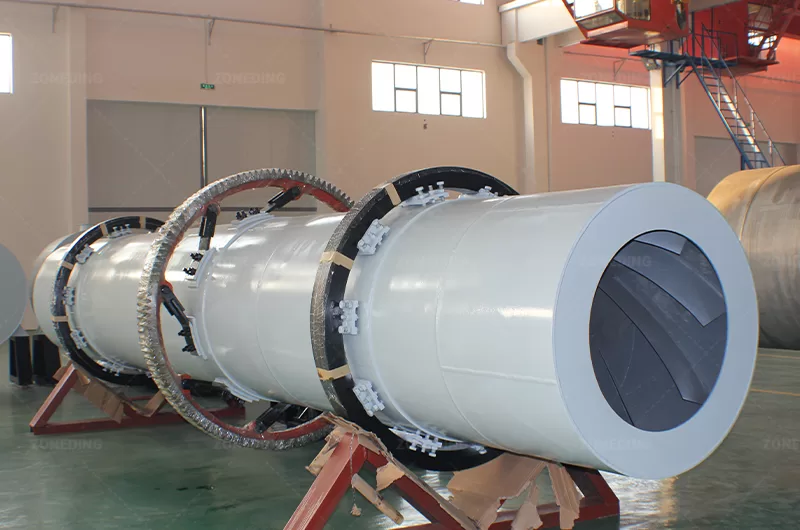
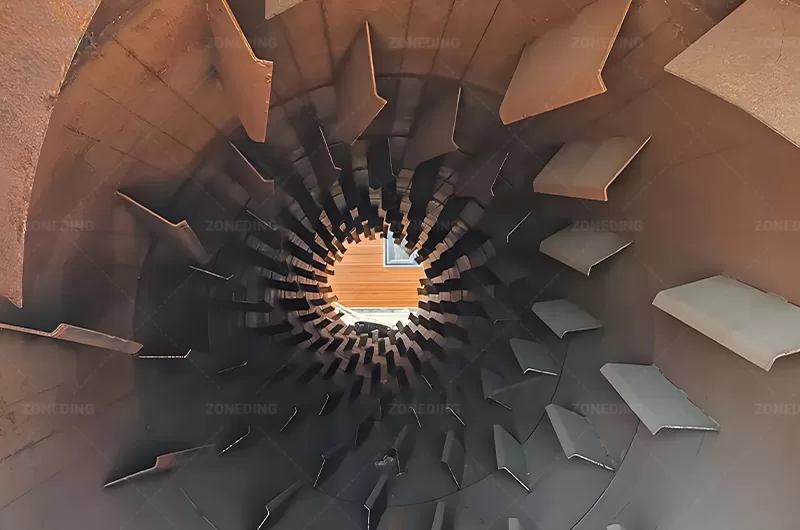
The physical characteristics of palm fiber heavily favor certain drying technologies.
| Dryer Type | Handling Long/Tangling Fiber | Tolerance to Impurities (Insight #5) | Throughput Capacity | Common Use for Palm Fiber |
|---|---|---|---|---|
| Rotary Dryer | Good (with proper design) | Moderate to Good | High | Most Common |
| Belt Dryer | Poor to Fair (Difficult feed) | Lower | Moderate | Rare |
Crucial Prerequisite : Regardless of the dryer type, effective pre-treatment (shredding/crushing) to shorten and loosen the fiber is absolutely essential before feeding it into any dryer. ZONEDING focuses on robust, appropriately configured rotary dryers as the core of reliable palm fiber drying systems.
A palm fiber dryer, typically a rotary drum type, works by tumbling the pre-treated fiber through a rotating cylinder while hot gas flows through it. Specially designed lifters shower the fiber through the hot gas stream, promoting heat transfer and water evaporation.
The process involves several coordinated steps within the rotary system:
ZONEDING designs these rotary systems with optimized drum speed, inclination, lifter configuration, and airflow to ensure efficient and uniform drying specific to palm fiber.
A typical palm fiber drying line includes a shredder/crusher for pre-treatment, conveyors, potentially a dewatering press, the rotary dryer, a hot gas furnace (often biomass-fueled), fans, cyclones and/or baghouses for dust control, a cooling system, and an integrated control system.
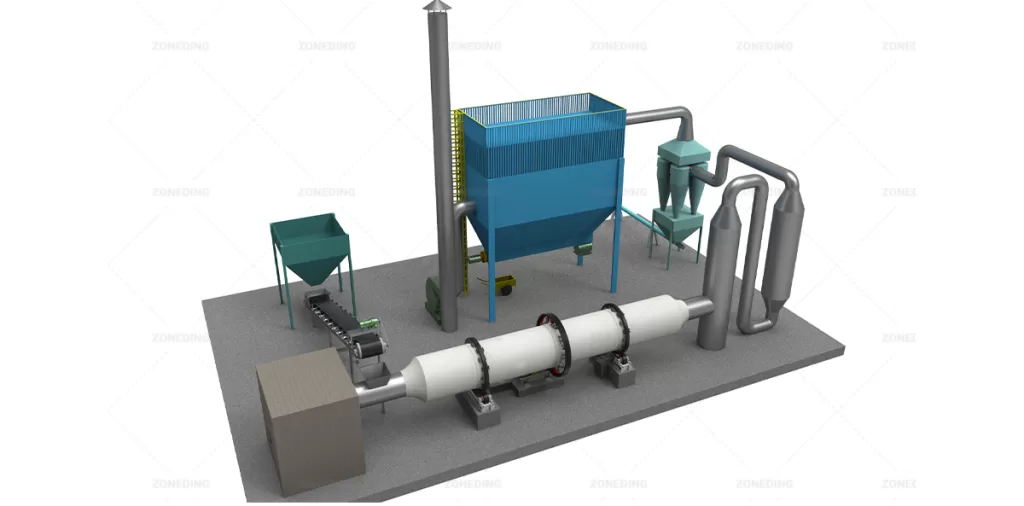
Here’s a breakdown of the essential components for a functional production line:
ZONEDING provides complete, integrated palm fiber drying lines, ensuring all components are correctly sized and work together efficiently and safely.
Choose ZONEDING for our capability in engineering heavy-duty, customized drying solutions, deep understanding of handling difficult materials, focus on integrating essential safety features for high-risk fibers, and ability to deliver complete, reliable production lines.
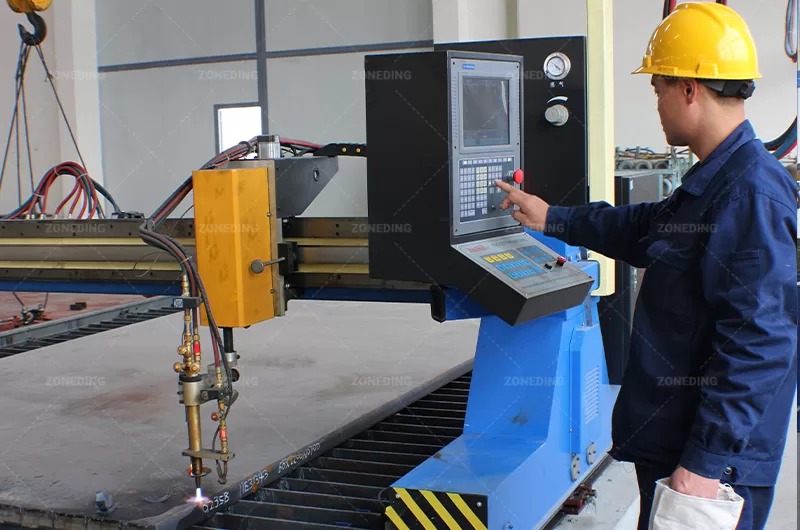
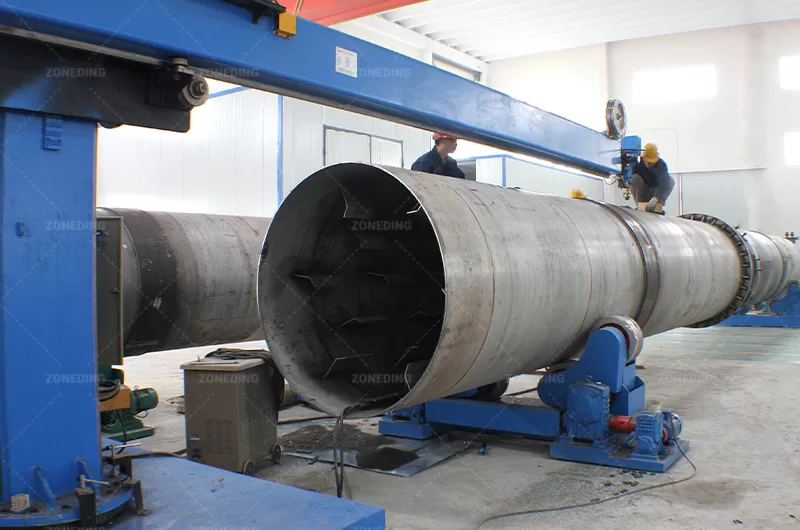
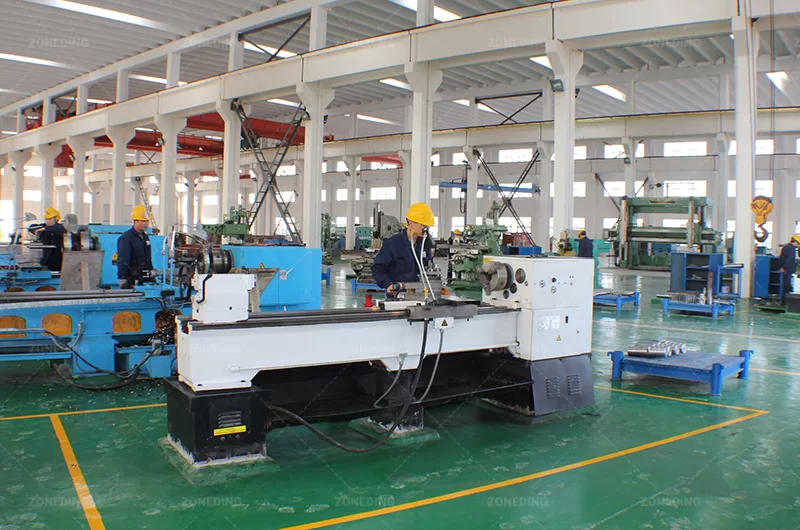
Our core strengths align well with the specific challenges of drying palm fiber:
Partnering with ZONEDING means leveraging our engineering expertise to achieve a safe, efficient, and reliable palm fiber drying operation tailored to your specific needs.
Palm fiber is very long and sticky because of the leftover oil. In a normal rotary drum, the fibers tend to knot together like a big birds’ nest. This is called “tangling” and it stops the machine from working. If the fiber tangles, the hot air cannot get inside the knot and the fiber stays wet. It can also block the exit of the dryer. ZONEDING uses a special internal plate design to solve this. We use “staggered” flights that continuously pull the fibers apart as the drum turns.
Our Rotary drum dryer for oil palm waste is basically a giant agitator. We don’t just spin the drum; we use the internal plates to throw the fiber through the air. This keeps the fibers separate and distinct. It also prevents the “oil glue” from making a mess. We have spent years testing different angles for these plates. Our 2025 design ensures that even the stickiest EFB flows through the machine like water through a pipe. This “no-clog” technology is why our customers stay happy and productive.
If you want to make pellets, you must get the moisture exactly right. The ideal level is usually between 10% and 12%. If the fiber is 20% moisture, the pellets will be soft and will break during shipping. If the fiber is 5% moisture, it won’t stick together and the pellet machine will get too hot. A ZONEDING EFB Dryer is built to give you this exact control. We use digital heat sensors at the end of the drum to monitor the fiber every minute.
Hitting the “sweet spot” of 12% moisture makes your pellets high-quality and “export-ready.” Buyers in 2025 are very strict about quality. They will test your pellets with a meter. If your moisture is wrong, they will pay you less. My team teaches you how to adjust the dryer speed to hit that 12% target every time. It is a simple adjustment but it makes a huge difference in your bank account. Our Palm fiber pellet production equipment lines are designed for this exact precision.
Palm mills produce a lot of waste every hour. You cannot have a small dryer that creates a “traffic jam” in your factory. ZONEDING builds large drums that can handle up to 20 or 30 tons of wet material per hour. These are massive machines that need strong foundations and powerful motors. We use high-grade steel for the drum shell so it doesn’t bend under the weight of the wet EFB. Our rollers and gears are built to run 24 hours a day without stopping.
We use the same heavy-duty engineering that we use for a Jaw Crusher in a rock mine. The machine is simple because simple things don’t break. You put the wet fiber in one end and the dry fiber comes out the other end. We can also build a “triple-pass” dryer if you have a small space. This design puts three drums inside each other to save floor space. It is a very clever way to get high capacity in a small area. We help you choose the best layout for your specific mill size.
This is the smartest way to run your dryer. You already have palm shells and fiber as waste. Why would you buy expensive diesel or gas? Our ZONEDING furnaces are designed to burn palm shells or even dried EFB fiber. This means your “fuel cost” is basically zero. You are using one waste product to dry another waste product. This is what people call a “circular economy” and it is the most profitable way to operate in 2026.
Our furnaces use a “multi-step” burning process to ensure the fire is very clean. We don’t want black smoke in your factory. The heat is moved into the dryer by a large industrial fan. We can also add a “heat exchanger” so the smoke never touches the fiber. This keeps your fiber very clean and white which is important for mattress companies. Using your own waste for fuel makes you independent from the high price of oil. It is a big “win” for your bottom line.
Dry fiber is very flammable and palm oil is a fuel. This means you must be very careful about fire inside the dryer. If a spark hits the dry fiber, it can cause a big problem. At ZONEDING, we put safety first. Every Palm Fiber Dryer we build has multiple fire prevention features. We have temperature sensors that will shut down the furnace if things get too hot. We also install water sprayers or “atomizers” at the end of the drum. These can instantly cool the fiber if a fire risk is detected.
We also use a “low-oxygen” design. This means we control the air so there is not enough oxygen for a big fire to start inside the drum. Our engineers train your staff on how to watch the “safety dials” every hour. We have been doing this since 1990 and we have a perfect safety record. You are a business owner and you want to sleep well at night knowing your factory is safe. Our Industrial Fiber Drying Machine is built with your peace of mind in mind.
Tensile strength is how strong the fiber is when you pull it. If you use too much heat, you will make the fiber “brittle” or easy to break. This is a big problem if you are selling the fiber to make ropes or mattresses. They need the fiber to be strong and flexible. ZONEDING uses a “gentle drying” curve. We use a lot of warm air instead of a small amount of “scorchingly hot” air. This dries the fiber from the inside out without burning the surface.
Our EFB fiber moisture reduction system is designed to keep the natural strength of the palm fiber. We have tested our fiber in labs to prove it stays strong. This high quality means you can sell your product to “premium” buyers who pay more. They don’t want dusty, broken fiber; they want long, strong strands. By controlling the heat perfectly, you protect the “structure” of the fiber. It is the difference between a high-value product and a low-value dust.
Inside a ZONEDING Palm Waste Dryer, you will see hundreds of metal plates. These are not just for decoration. They are “thermal exchange” tools. Their job is to pick up the fiber and spread it out. If the fiber is in a big clump, the hot air only touches the outside. The inside stays wet. The plates lift the fiber to the top of the drum and let it fall like rain. We call this the “material curtain.” This curtain ensures 100% of the hot air touches 100% of the fiber.
Better efficiency means you can dry more ton of fiber with less fuel. It also means you can use a smaller drum to do a big job. We at ZONEDING use computer models to find the perfect shape for these plates. We even have “specialzed” plates for palm fiber that are different from the ones in an automatic brick machine or a stone dryer. This specialized knowledge is what makes our machines the most efficient in the world. You get more dry fiber for every dollar you spend on heat.
Our dryers are built to work as hard as you do. A standard ZONEDING line can process anywhere from 24 tons to 500 tons of wet EFB per day. We work with you to find the right size. If your mill is small, we have “modular” dryers that are easy to install. If you have a massive industrial operation, we can build a “multi-drum” system. Our 8,000 square meter factory in China allows us to build these giant machines quickly and with very high quality.
We use the same “big thinking” that we use for an Impact Crusher project. We look at the “flow” of your whole factory. We make sure the conveyors can feed the dryer fast enough. We also make sure the storage area is big enough for the daily output. One ZONEDING dryer can replace ten smaller machines from other companies. This saves you money on electricity and maintenance. It is an industrial solution for an industrial-scale problem.
Drying palm fiber creates a lot of fine dust and tiny fibers. If these escape into the air, your factory will be a mess and your neighbors will complain. ZONEDING includes a complete “dust management” system with every dryer. We use high-efficiency “cyclones” that use spinning air to pull the dust out. We also provide “bag filters” for the very fine particles. This keeps the air coming out of your factory clean and safe.
Our Industrial Fiber Drying Machine is designed to meet strict 2026 environmental rules. You don’t want to get in trouble with the government over air pollution. Our system also catches the “waste” dust so you can use it as fuel too. Nothing is wasted. A clean factory is a safe factory and a happy workplace. We help you design the exhaust stacks to match your local rules in any of the 120 countries we serve.
| Spec./m (Dia.×Length) | Shell Cubage (m³) | Capacity (t/h) | Installation Obliquity(%) | Highest Inlet Air Temperature(℃) | Main Motor (kw) | Weight (t) |
| Φ1.2×8.0 | 9.0 | 1.9~2.4 | 3~5 | 700~800 | 7.5 | 9 |
| Φ1.2×10 | 11.3 | 2.4~3.0 | 3~5 | 700~800 | 7.5 | 11 |
| Φ1.5×12 | 21.2 | 4.5~5.7 | 3~5 | 700~800 | 15 | 18.5 |
| Φ1.5×14 | 24.7 | 5.3~6.6 | 3~5 | 700~800 | 15 | 19.7 |
| Φ1.5×15 | 26.5 | 5.7~7.1 | 3~5 | 700~800 | 15 | 20.5 |
| Φ1.8×12 | 30.5 | 6.5~8.1 | 3~5 | 700~800 | 18.5 | 21.5 |
| Φ1.8×14 | 35.6 | 7.6~9.5 | 3~5 | 700~800 | 18.5 | 23 |
| Φ2.2×12 | 45.6 | 9.7~12.2 | 3~5 | 700~800 | 22 | 33.5 |
| Φ2.2×14 | 53.2 | 11.4~14.2 | 3~5 | 700~800 | 22 | 36 |
| Φ2.2×16 | 60.8 | 13.0~16.2 | 3~5 | 700~800 | 22 | 38 |
| Φ2.4×14 | 63.3 | 13.5~16.9 | 3~5 | 700~800 | 37 | 45 |
| Φ2.4×18 | 81.4 | 17.4~21.7 | 3~5 | 700~800 | 37 | 49 |
| Φ2.4×20 | 90.4 | 19.3~24.1 | 3~5 | 700~800 | 45 | 54 |
| Φ2.4×22 | 99.5 | 21.2~26.5 | 3~5 | 700~800 | 45 | 58 |
| Φ2.6×24 | 127.4 | 27.2~34.0 | 3~5 | 700~800 | 55 | 73 |
| Φ3.0×20 | 141.3 | 30.1~37.7 | 3~5 | 700~800 | 75 | 85 |
| Φ3.0×25 | 176.6 | 37.7~47.1 | 3~5 | 700~800 | 75 | 95 |
| Φ3.2×25 | 201 | 42.9~53.6 | 3~5 | 700~800 | 90 | 110 |
| Φ3.6×28 | 285 | 60.8~76.0 | 3~5 | 700~800 | 160 | 135 |
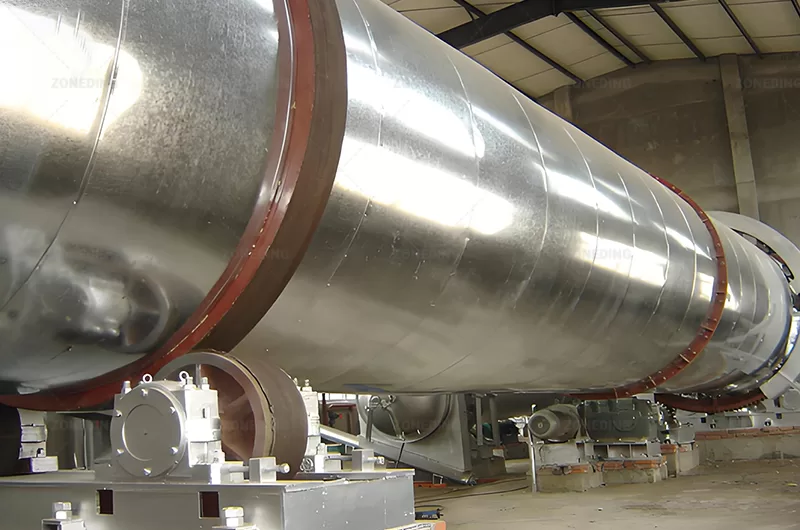
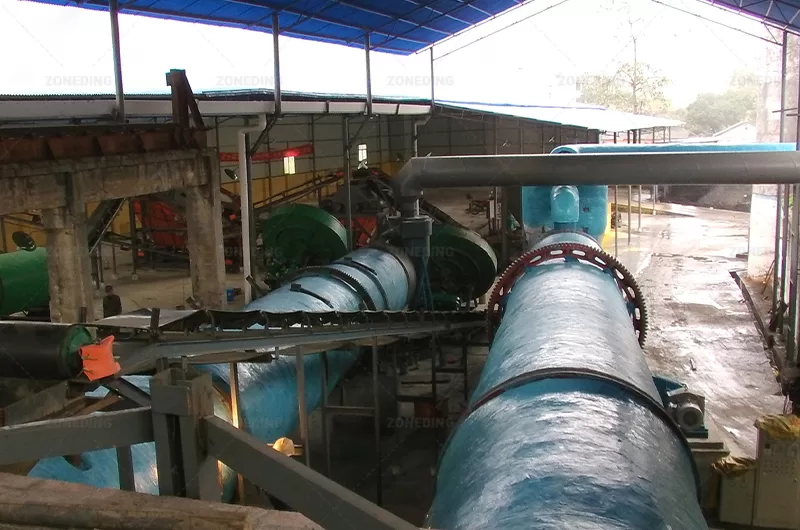
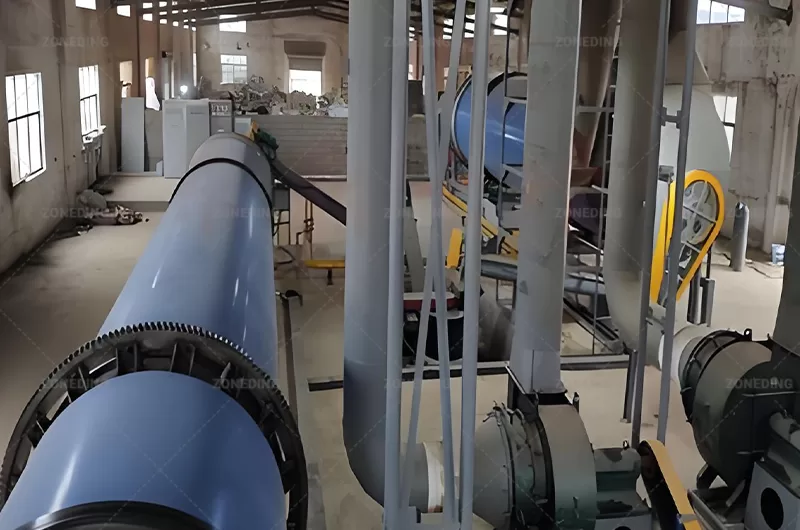
A palm fiber dryer is a machine used to reduce the moisture content of palm fibers, a byproduct of palm oil processing. Drying improves its value as fuel or for other applications. Creates a valuable material.
Drying palm fiber prevents spoilage, reduces transportation costs, and prepares it for use as biomass fuel, composting material, or in other industrial applications. Promotes sustainable practices.
Palm fiber dryers come in several designs, including rotary drum dryers, belt dryers, and flash dryers, each suitable for different throughput requirements and desired dryness levels. Ensures drying efficiency.
Palm fiber dryers use heated air circulating through the fibers to evaporate moisture. The dried fiber is then separated, resulting in a product with reduced moisture content. Delivers consistent results.