 Zoneding Mining

Site Search
Search products, equipment and solution articles
整站搜索产品中心新闻中心
点击开始搜索
热门搜索
UltraForm-MXFlexiPoly-RNanoForm Z300EcoFab P200
Search products, equipment and solution articles
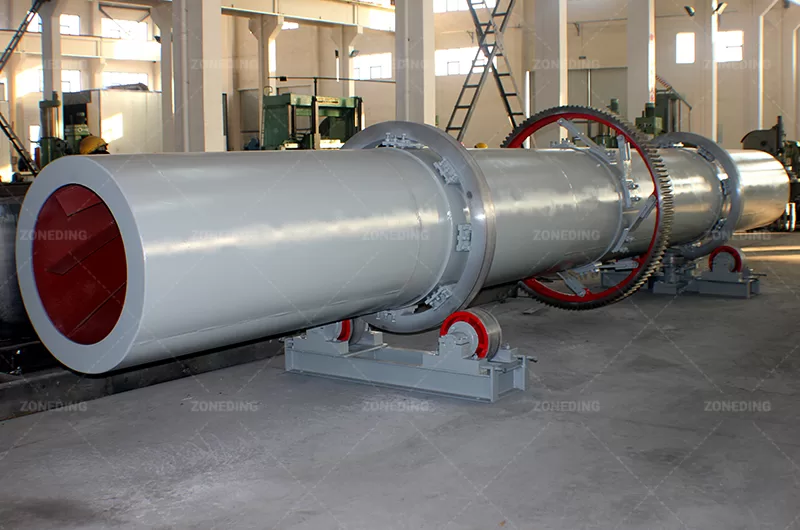
The cassava residue dryer is equipped with devices for temperature regulation, material lifting, guiding and dispersing, which effectively avoids wall sticking and blockage. The dried cassava residue material has good color and quality, and is energy-saving and environmentally friendly.
A cassava residue dryer is an industrial machine specifically designed to remove moisture (water) from cassava residue.
Wet cassava residue is sticky, so it is hard to dry. Choosing the right type of dryer makes handling sticky cassava residue manageable. A properly designed machine prevents clogging and efficiently transforms this waste into valuable animal feed or biomass fuel, potentially saving you money.
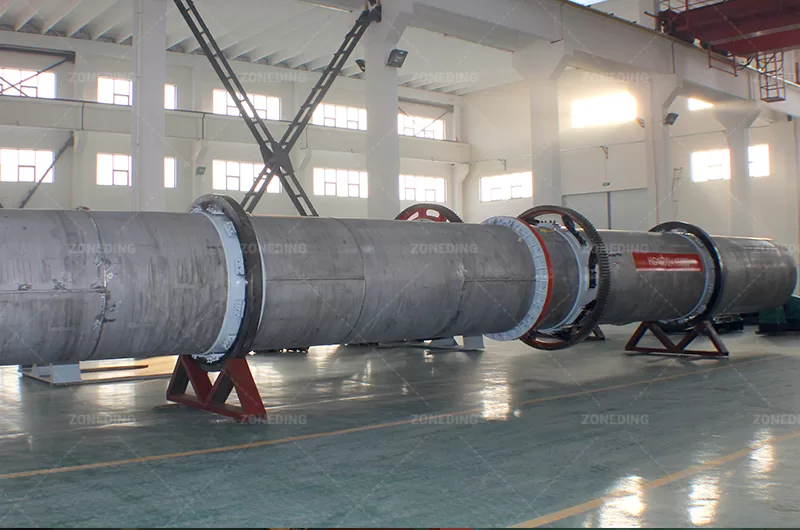
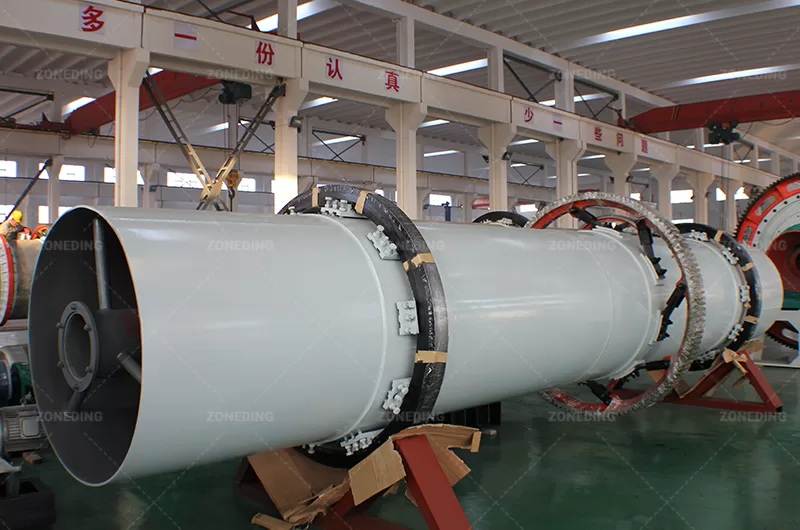
Wet cassava pulp is about 70% to 80% water. It also contains a lot of sugar and starch. This is the perfect environment for bacteria and mold to grow. If you leave a pile of wet dregs outside, it will start to ferment in just one day. The smell becomes terrible, and the nutritional value disappears. This is why you cannot ship wet pulp over long distances. The water makes it too heavy, and the rot makes it dangerous. You are basically transporting a “ticking time bomb” of waste.
At ZONEDING, we tell our clients that speed is the most important factor. You must dry the dregs before the bacteria take over. A Cassava Dregs Dryer stops the clock. By removing the water, you put the bacteria to sleep. Dry residue does not rot. It does not smell. It becomes a stable commodity that you can bag and store for months. This allows you to wait for the best market price to sell your product. Drying turns a liability into a stable asset for your company’s balance sheet.
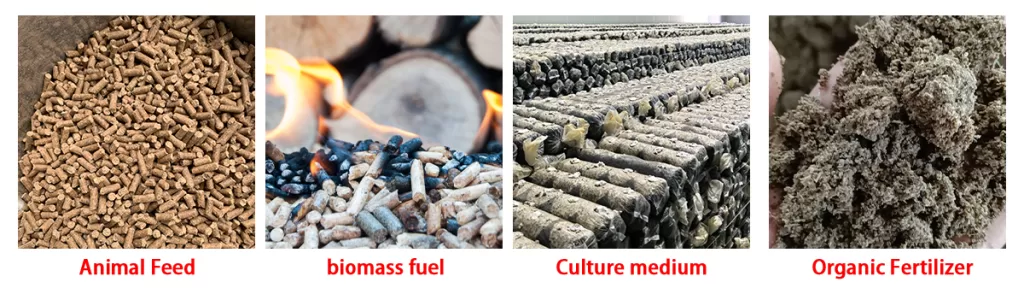
Drying cassava residue is much more than waste management. It upgrades a problematic byproduct into valuable, sellable commodities like animal feed or renewable biomass fuel. This reduces disposal costs and creates new income opportunities.
Cassava residue isn’t just wet; it’s sticky. This is the core challenge, often worse than materials that are just fibrous, like bagasse. Here’s a breakdown:
Thinking beyond simple disposal opens up possibilities for cost savings and profit generation.
Yes, you can, and this is the “secret sauce” of the starch industry. Cassava residue still has a lot of energy and some protein left in it. Pig farmers and cow farmers are very interested in buying this. But they only want it if it is dry and clean. When you use an Industrial Cassava Dryer, you are creating a product called “Dried Cassava Dregs.” This is a premium ingredient for the animal feed industry. In 2025, many factories are seeing their feed sales become as profitable as their starch sales.
We have seen this success in over 120 countries. One factory might use a Stone Crusher Machine to handle mineral waste, but they use our dryer for their organic waste. It is all about “value-adding.” You take something that was worth zero dollars and make it worth $150 per ton. We call this Animal feed from cassava residue equipment. It is a perfect example of a circular economy. You use the whole root, leave no waste, and create an extra stream of income for your B2B business.
You should never put soaking wet 80% moisture pulp directly into a dryer. If you do, your fuel bill will be very high. It takes a huge amount of heat to turn liquid water into steam. The smart way is to use a Spent cassava pulp dewatering machine first. This is usually a screw press or a belt press. This machine squeezes the water out mechanically. It can lower the moisture from 80% to 55% in a few seconds. Squeezing is much cheaper than burning gas or coal.
ZONEDING always includes a dewatering stage in our Cassava dregs drying production line. We build the screw press to be extremely strong because cassava fiber is tough. Once you squeeze out that extra water, the dryer only has to do half the work. This saves you about 40% on your energy costs. It also means you can buy a smaller, cheaper dryer to handle the same amount of material. This is the first rule of efficient drying: squeeze first, then heat.
Cassava is very sticky because of the leftover starch. In a normal dryer, the dregs would stick to the walls and form a thick, hard crust. This is a nightmare for production. It blocks the heat and can even cause a fire. To prevent this, a real Cassava Residue Dryer must have anti-sticking features. At ZONEDING, we use a special internal design. We install high-speed “breaking” plates and vibrating “knockers” on the outside of the drum. These keep the material in the air and away from the steel walls.
We also use the same high-quality engineering found in our automatic brick machine lines. We focus on smooth surfaces and precise angles. As the drum spins, the internal “flights” shower the material through the hot air. This “showering” effect prevents the dregs from clumping together. Your final product will be fluffy and consistent, not a bunch of hard, burnt rocks. If your dryer doesn’t have these anti-stick features, you will spend more time cleaning it than using it.
The main difficulty comes from its high moisture content combined with residual starch. This mix creates extreme stickiness. Material builds up severely on dryer walls and internal parts, forming clumps, reducing heat transfer, and causing blockages.
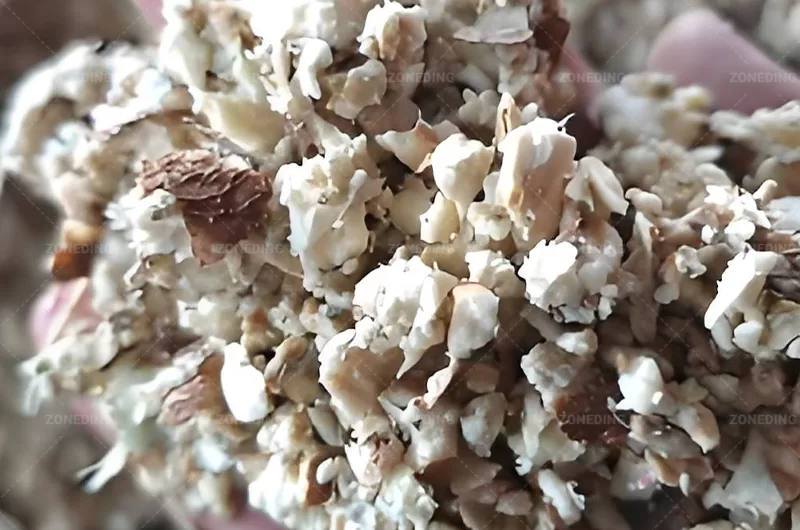
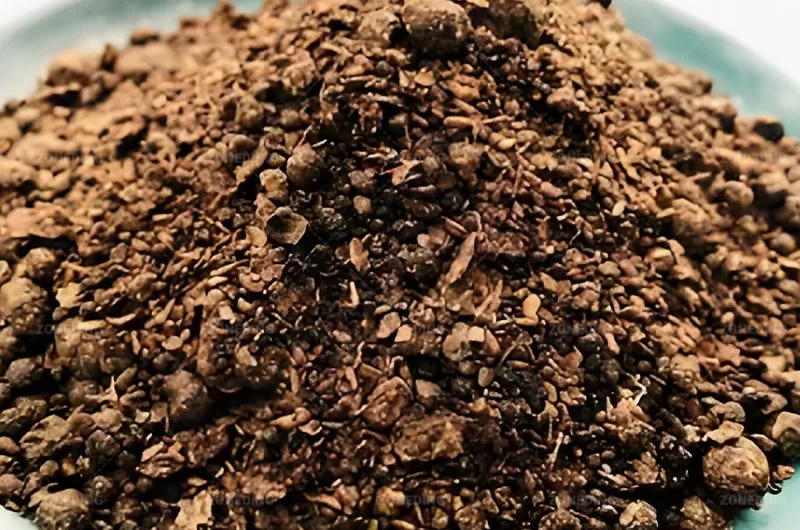
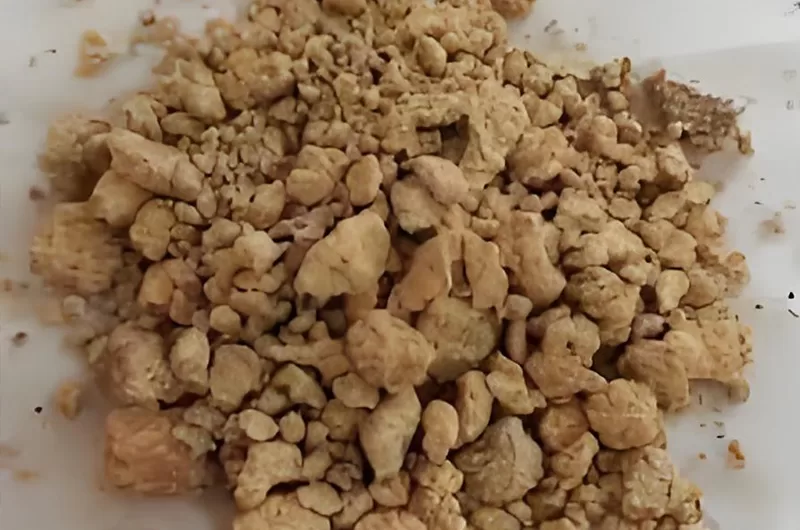
Cassava residue isn’t just wet; it’s sticky. This is the core challenge, often worse than materials that are just fibrous, like bagasse. Here’s a breakdown:
| Problem | Description | Impact |
|---|---|---|
| Wall Adhesion | Sticky material coats the inner drum shell and lifters. | Insulates material from heat, drastically reducing drying efficiency. |
| “Snowballing” / Clumping | Material sticks to itself and existing buildup, forming large, wet clumps or balls. | Inner core doesn’t dry; large clumps can block discharge or damage drive. |
| Reduced Heat Transfer | Layers of stuck material prevent hot air from reaching the fresh, wet feed effectively. | Longer drying times needed, higher fuel consumption, lower throughput. |
| Blockages | Buildup restricts material flow through the dryer, potentially jamming inlet/outlet or internal components. | Production halts, requires frequent and difficult manual cleaning. |
| Increased Wear & Strain | Heavy buildup and blockages put extra load on the drive system (motor, gearbox, rollers). | Potential for equipment damage and premature failure. |
This inherent stickiness means standard dryer designs often fail quickly. They aren’t equipped to handle the severe adhesion and clumping, leading to frustration, downtime, and inefficiency. Special designs are essential.
Modified rotary drum dryers are generally the most suitable and efficient for sticky, high-moisture cassava residue. Their robust design handles bulk flow, and specific internal modifications actively prevent sticking and buildup. Flash dryers often struggle with lumpy feed, while paddle dryers might have capacity limitations.
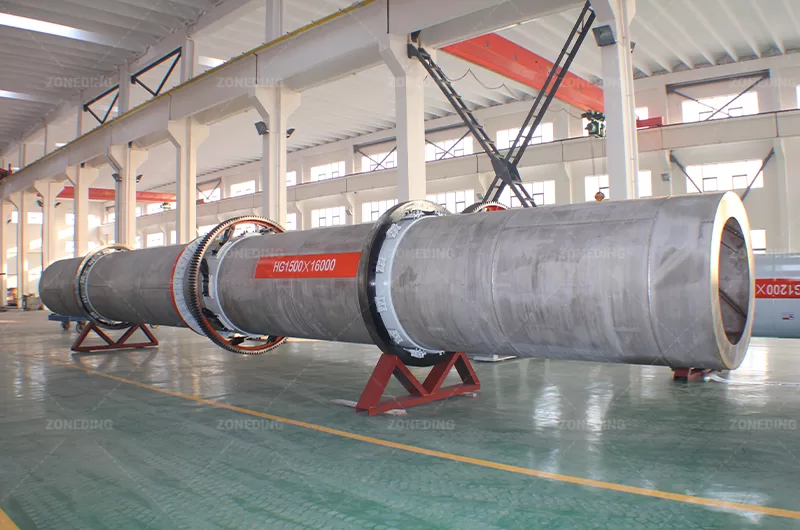
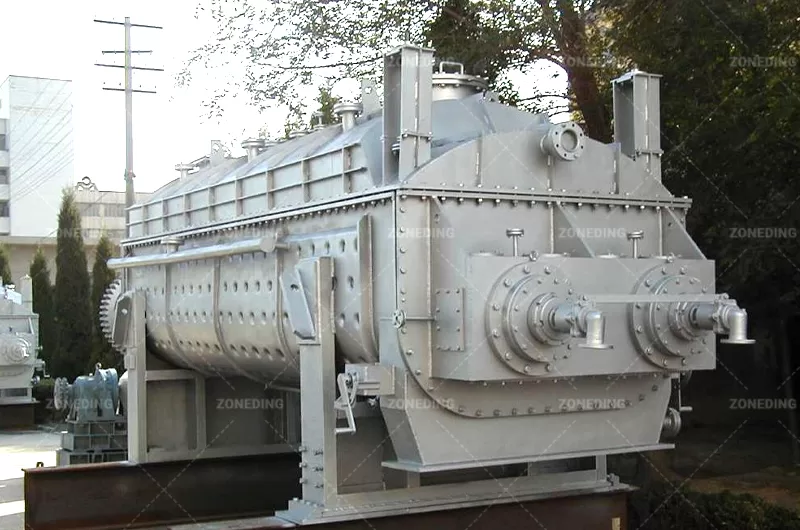
Selecting the right dryer involves understanding the pros and cons of each type in relation to cassava residue’s unique properties:
For handling the bulk, wet, sticky nature of cassava residue efficiently, a rotary dryer equipped with specific anti-sticking features usually offers the best balance of throughput, robustness, and cost-effectiveness.
Effective cassava residue dryers incorporate specific mechanical designs. Key features include specialized inlet chutes, anti-clogging feeders, optimized internal lifters (flights), and active cleaning mechanisms like chains or knockers inside the drum.
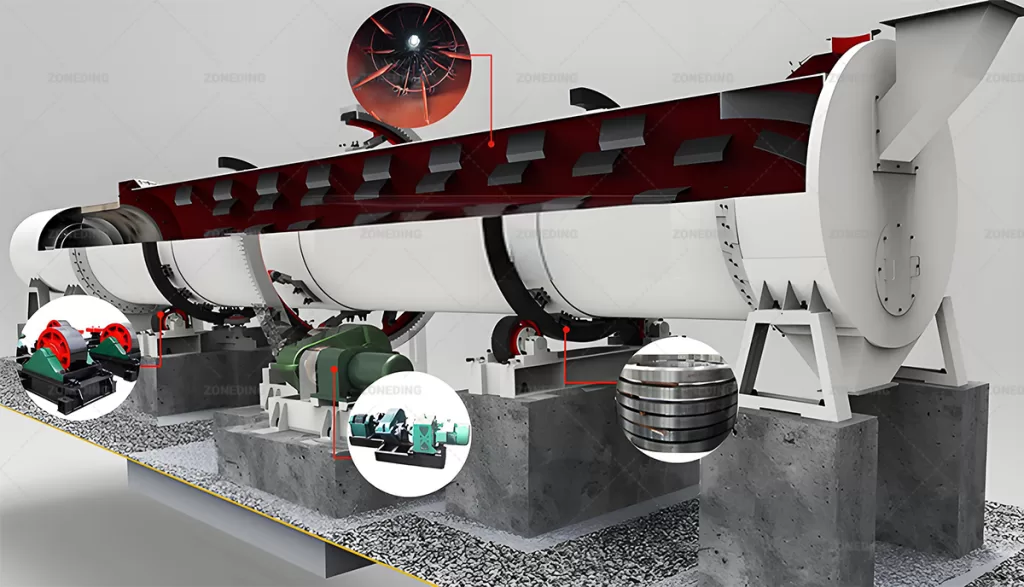
Overcoming the severe stickiness of cassava residue requires thoughtful engineering. Standard dryer components are simply not enough. Here are crucial design elements based on practical experience:
| Feature | Purpose & How it Works | Why it’s Critical for Cassava Residue |
|---|---|---|
| Special Inlet Chute | Designed with steep angles and smooth surfaces (possibly specific materials like UHMW liners) to prevent wet material from bridging or sticking at the entry point. | Ensures consistent feed into the drum, prevents initial blockage. |
| Anti-Clog Feeder | Often uses screw feeders with specific pitch, variable speed, or even active cleaning elements within the feeder itself. | Prevents wet, sticky mass from jamming the feeding mechanism. |
| Optimized Lifters | Internal plates (flights) designed not just to lift and shower material, but also shaped to minimize flat surfaces where buildup starts. Strategic placement matters. | Promotes better heat transfer by exposing material to hot air, reduces dead spots. |
| Internal Cleaning | Crucial: Systems like heavy chains draped inside the drum or external hammers/knockers that periodically strike the shell. | Actively dislodges material sticking to the drum wall and lifters. |
| Variable Drum Speed | Allows adjustment of the material’s residence time and tumbling action. Slower rotation might reduce “plastering” effect for very sticky phases. | Helps optimize drying and minimize sticking under different conditions. |
| Temperature Control | Precise zone control to avoid overheating, especially in early stages where starch gelatinization worsens sticking. | Prevents making the material even stickier or causing scorching. |
These aren’t optional extras when dealing with cassava residue; they are fundamental requirements for reliable and efficient operation. Without features like internal cleaning chains or knockers, even a well-designed rotary dryer will likely succumb to buildup and blockages over time. Always inquire about these specific anti-sticking measures.
Lower energy costs significantly by using mechanical dewatering before thermal drying. Also, choose energy-efficient rotary dryers with good insulation, optimized airflow (often low-temperature, high-volume), and potentially heat recovery systems.
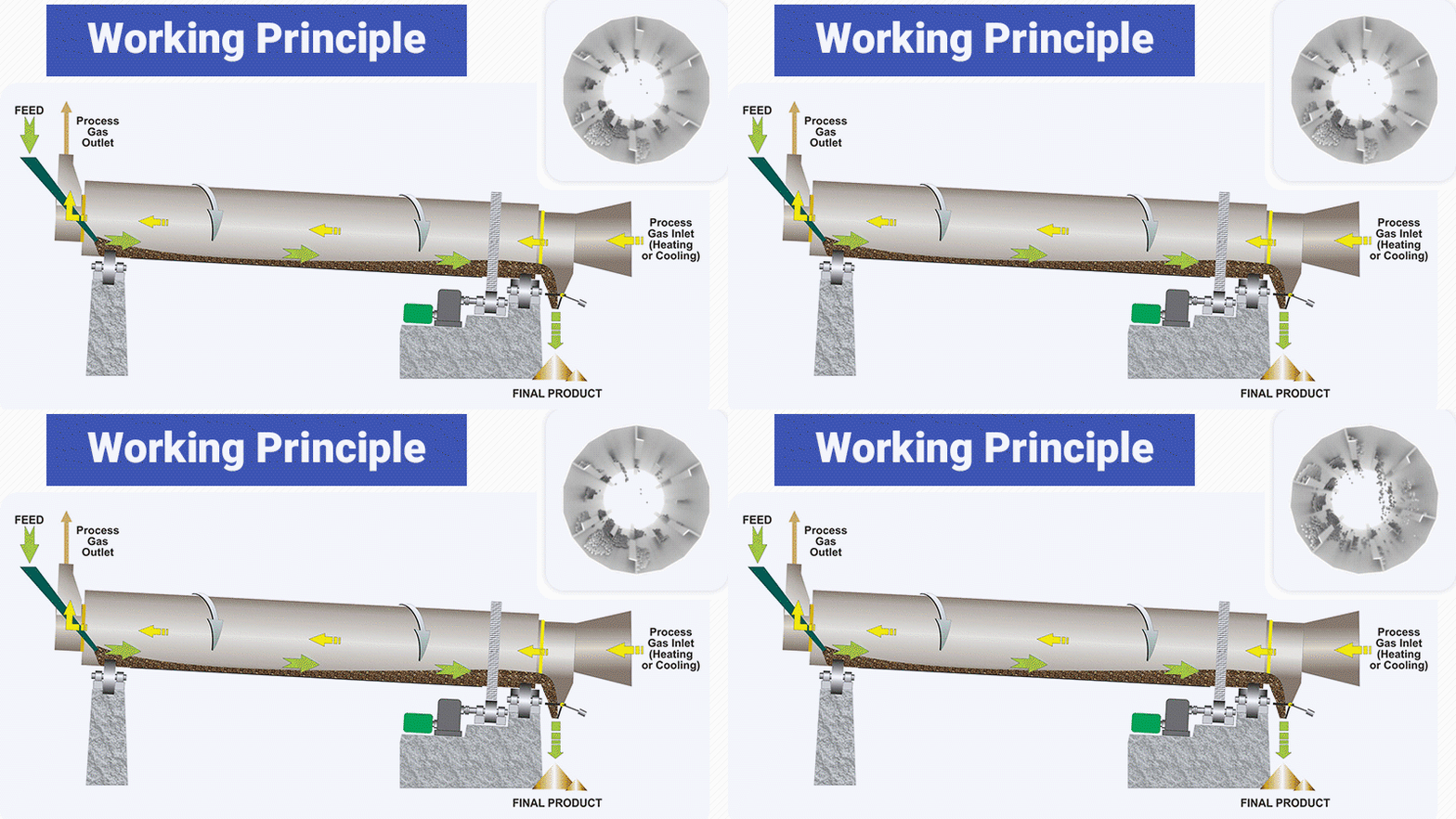
Drying is inherently energy-intensive because evaporating water takes a lot of heat. However, several strategies dramatically reduce the energy needed for cassava residue:
| Factor | Impact on Energy Consumption | Notes |
|---|---|---|
| Mechanical Dewatering | Massive Reduction: Removes large amounts of water with minimal energy input. | Highest priority for cost savings. |
| Insulation & Seals | Significant Reduction: Prevents wasteful heat loss. | Essential for any thermal process. |
| Airflow Optimization | Improved Efficiency: Ensures heat is used effectively for drying, not overheating. | Co-current flow, correct air volume are key. |
| Efficient Heat Source | Direct Impact: Burner efficiency directly translates to fuel savings. | Match fuel type and burner to local availability and cost. |
| Heat Recovery | Potential Savings: Recycles waste heat. | Evaluate cost, complexity, and potential fouling/corrosion carefully. |
By combining mechanical pre-dewatering with an efficiently designed thermal dryer, the energy costs of drying cassava residue can be managed effectively, making the process economically attractive.
Achieving uniform final moisture requires precise control over the drying process. This includes stable feed rate, optimized residence time inside the dryer, even temperature distribution, consistent airflow, and potentially automated moisture monitoring.
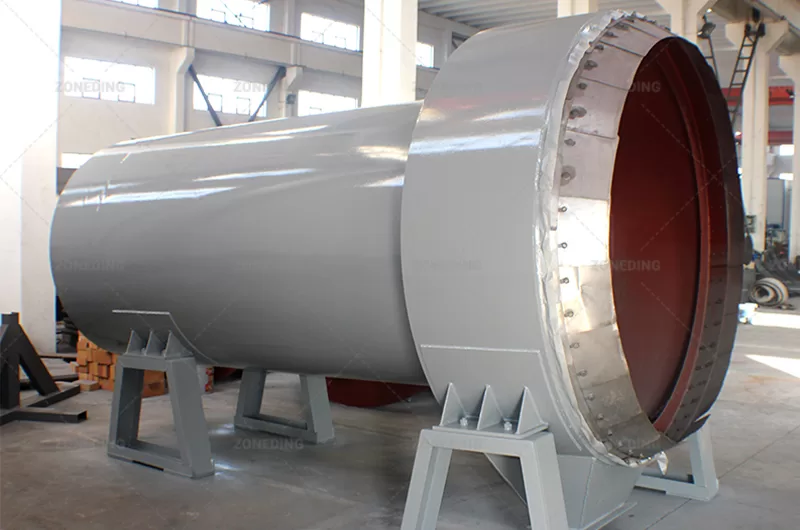
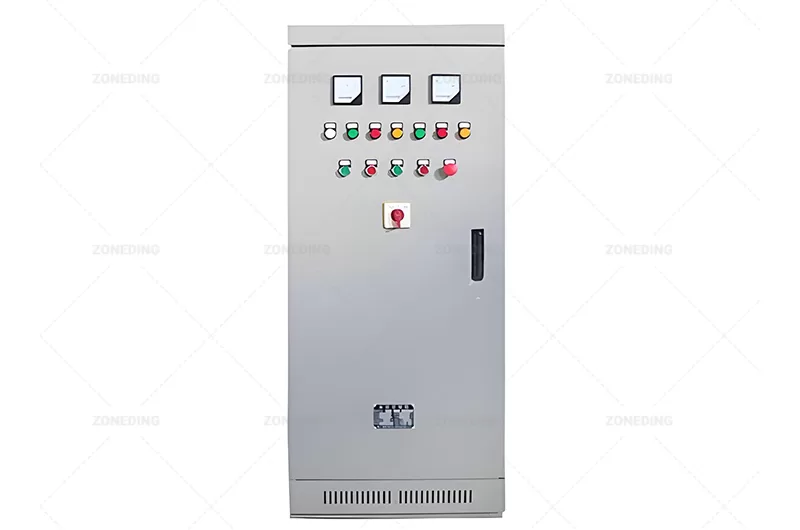
Uniformity is crucial, especially for animal feed where specific moisture levels (e.g., 12-14%) are needed for stability and quality. Here’s how a well-designed system achieves it:
Achieving uniform moisture isn’t just about the dryer drum itself; it’s about the entire system working together in a controlled manner. Precise control prevents over-drying (wasting energy, potentially damaging nutrients) and under-drying (leading to spoilage or failing quality specs).
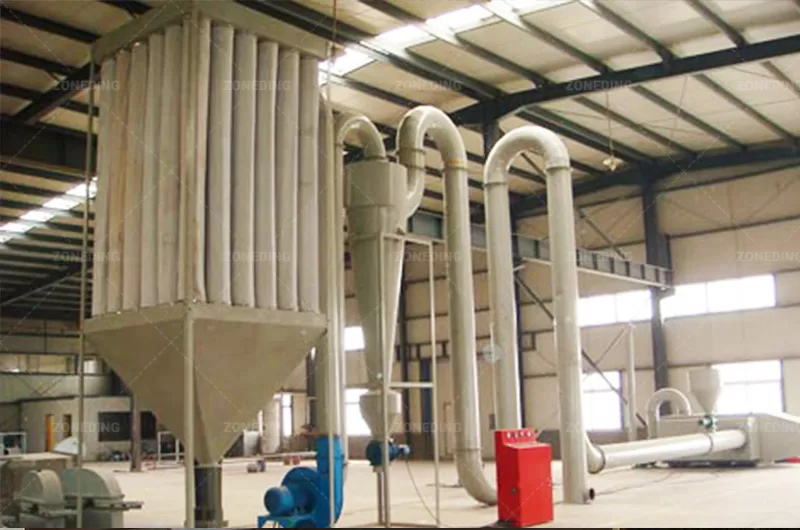
A complete, functional cassava residue drying system requires several key components beyond the dryer itself. These typically include a reliable feeding system, the dryer unit, a discharge system, and crucially, an effective dust collection system for safety and environmental compliance.
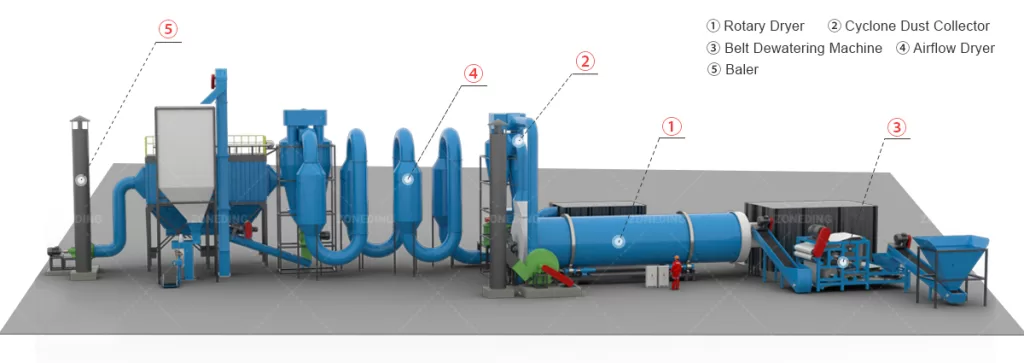
Thinking of the dryer in isolation is a common mistake. A successful installation integrates several pieces of equipment working together:
Ignoring any of these parts, especially feeding and dust control, will lead to an inefficient, unsafe, or non-compliant operation. Plan for the complete system from the start.
When selecting a cassava residue dryer, look beyond the basic specs. Critically assess the supplier’s experience with sticky materials, options for material testing, customization capabilities, materials of construction (corrosion!), verified energy efficiency, and built-in safety features.
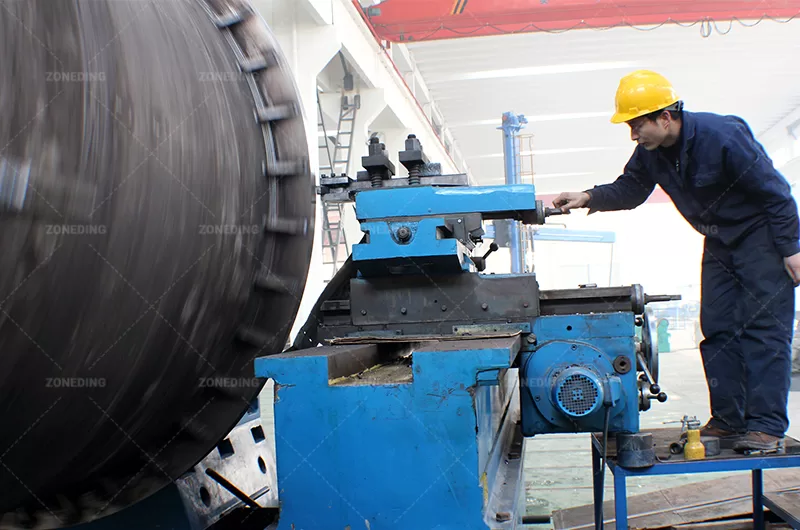
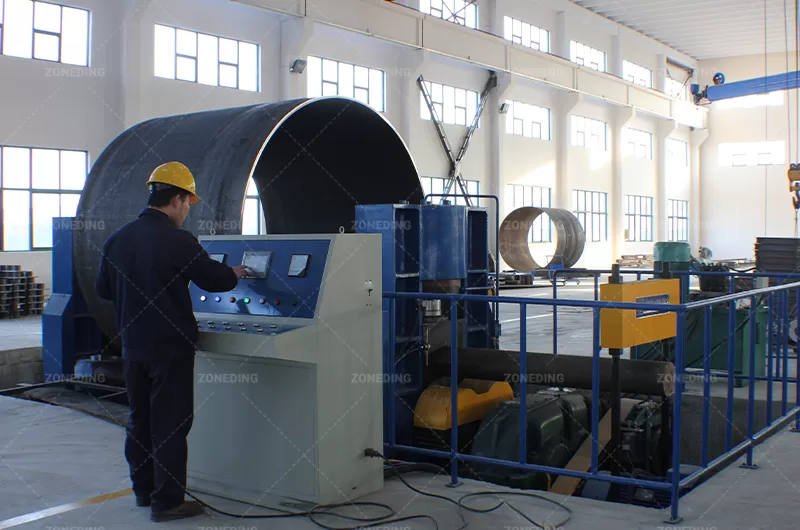
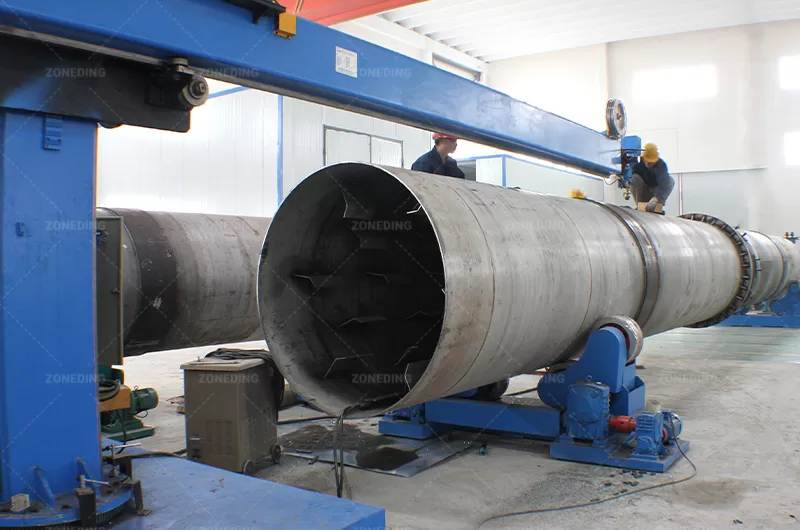
Making the right investment requires looking closely at several crucial aspects:
Investing time in these checks significantly increases the chances of purchasing a dryer that performs reliably and economically for your specific cassava residue application.
Evaluate ZONEDINGMACHINE based on their track record specifically with cassava residue or similar sticky, fibrous materials. Assess their engineering depth, manufacturing quality, installation support, spare parts availability, technical assistance responsiveness, and warranty terms.
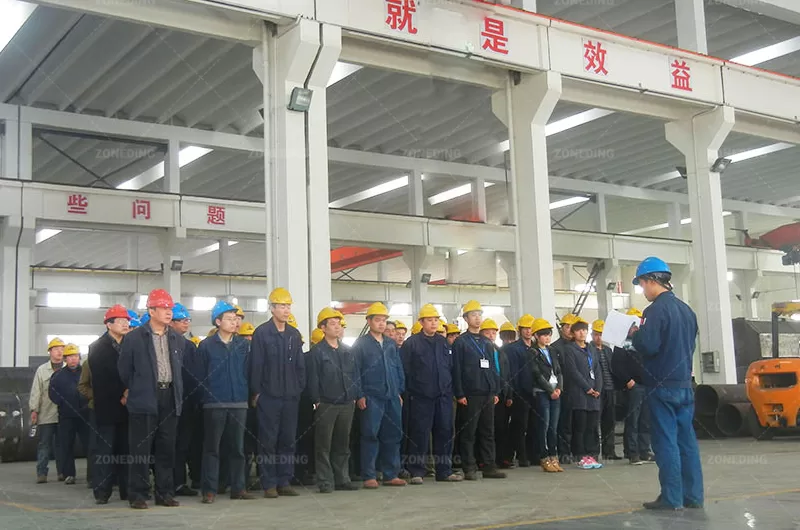
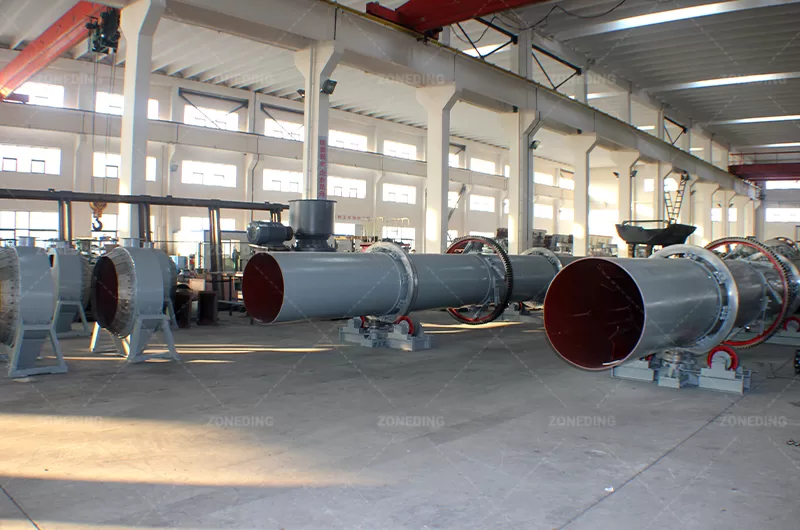
ZONEDINGMACHINE with demonstrated expertise in handling challenging materials like cassava residue and a strong commitment to after-sales support provides peace of mind and ensures better long-term operational success.
A standard dryer is one long tube. But a triple-pass dryer is three tubes inside one. The material moves back and forth three times before it leaves. This is the Rotary drum dryer for cassava starch waste design of the future. It is much more efficient because the heat stays inside the machine longer. The outer layers of the drum act as insulation for the inner layers. This design can save you 20% to 30% on fuel. It also takes up much less space in your factory.
ZONEDING specializes in these triple-pass models. If your factory has a small footprint, this is the perfect solution. It gives the sticky cassava dregs a very long “travel path” in a short machine. This ensures every flake is perfectly dry. We use the same space-saving logic when we design a manual brick machine for small sites. In 2025, energy efficiency is your biggest advantage over your competitors. A triple-pass dryer is the fastest way to lower your “cost per ton.”
The cost of fuel is your biggest daily expense. A ZONEDING Industrial Cassava Dryer is very flexible. You can use coal, natural gas, diesel, or even biomass. Many of our clients in Southeast Asia and Africa use cassava peel or wood chips as fuel. This is almost free for them. If you use waste wood to dry your waste dregs, your operational cost is extremely low. We can design a specialized furnace that burns whatever fuel is cheapest in your local area.
We also offer “indirect” heating systems. This means the smoke from the fire never touches the cassava. This is important if you want to sell your dregs to high-end food companies. For the Cost of cassava dregs drying production line, choosing the right furnace is key. A gas burner is clean and easy but expensive. A biomass furnace is cheaper to run but needs more work. We will help you do the math to see which one makes the most sense for your 5-year plan.
If you get the dregs too hot, you will “burn” the nutrients. The sugar will caramelize and the protein will break down. This lowers the value of the animal feed. This is the main difference in the Cassava residue flash dryer vs rotary dryer debate. A flash dryer uses very high heat for a few seconds. A rotary dryer uses lower heat for a longer time. For cassava, the rotary drum is usually better. It provides a more “gentle” dry that keeps the color light and the nutrition high.
ZONEDING uses “intelligent temperature control.” Our sensors track the heat every second. If the drum gets too hot, the burner automatically turns down. This ensures that the cassava leaves the machine with all its energy intact. Farmers will pay more for feed that looks bright and smells good. By preserving the nutritional value, you find better B2B customers. You want your product to be the first choice for the big feed mills.
To stop rot and mold, you must get the moisture down to 13% or lower. This is the international standard for dry animal feed. At 13%, the material is very light and can be bagged easily. If you leave it at 18%, it might look dry, but it will grow mold inside the bag within a month. A ZONEDING Cassava Residue Dryer is calibrated to hit this 13% target perfectly. We can add an automatic moisture meter at the outlet to ensure every bag is perfect.
This weight reduction also saves you money on shipping. Every ton you ship will be 87% product and only 13% water. Compare this to the wet dregs where you were shipping 80% water. You can fit much more “real value” onto a single truck. This is why the Cassava Waste Processing business is so profitable. You are cutting your logistics costs by more than half while creating a product that stays good for a year.
If your starch factory processes 500 tons of cassava a day, you will have a lot of residue. You need a machine that can keep up. You cannot have the dregs piling up on the floor. At ZONEDING, we offer dryers that can handle from 1 ton to 20 tons of wet dregs per hour. We design the whole line so that the raw material moves on conveyors. It goes from the starch machine, into the dewatering press, and straight into the dryer. No human hands need to touch it.
We use heavy-duty motors and gearboxes, similar to what we use on a Jaw Crusher for mining. This ensures the machine does not break when it is full of heavy, wet pulp. For high-capacity plants, we suggest a twin-dryer system. This means if you need to do maintenance on one machine, the other one keeps working. Your factory never has to stop. In the starch world, “time is money,” and we ensure your capacity is never a bottleneck.
Yes, they can. In 2026, labor is expensive. You don’t want five people standing around a machine. ZONEDING dryers come with a fully automatic PLC control system. We often use Siemens or Omron components. One operator can sit in a control room and watch the temperature, the speed, and the moisture of the grain on a screen. If there is a problem, the computer will sound an alarm and show exactly where the trouble is.
This automation is much safer than old-fashioned manual machines. It also makes the product more consistent. The computer never gets tired and never forgets to check the temperature. This level of control is why we are the leaders in our industry. It is the same technology we put into our Impact Crusher systems. We make sure that even if your staff is not highly trained, they can still run the machine perfectly every day.
Drying cassava creates some dust and steam. If you just let this go into the air, it will coat your factory in white powder. This is messy and can be a fire risk. To solve this, a modern Cassava Residue Dryer must have a high-quality dust collection system. At ZONEDING, we include a “cyclone dust collector” with every dryer. The air spins inside the cyclone, and the dust falls down into a bag while the clean air goes out the top.
We can also add a “water scrubber” if you need to meet very strict city rules. This removes any tiny smells or fine dust. This keeps your factory clean and your neighbors happy. Being a “good neighbor” is important for your business license. Our dust collectors also save you money because they catch the fine cassava powder that you can still sell. It turns a pollution problem into a “tiny bit more profit.”
Investing in a large industrial dryer requires careful specification. Focusing on the right technical details ensures you get a machine that meets your needs efficiently and reliably.
| Spec./m (Dia.×Length) | Shell Cubage (m³) | Capacity (t/h) | Installation Obliquity(%) | Highest Inlet Air Temperature(℃) | Main Motor (kw) | Weight (t) |
| Φ1.2×8.0 | 9.0 | 1.9~2.4 | 3~5 | 700~800 | 7.5 | 9 |
| Φ1.2×10 | 11.3 | 2.4~3.0 | 3~5 | 700~800 | 7.5 | 11 |
| Φ1.5×12 | 21.2 | 4.5~5.7 | 3~5 | 700~800 | 15 | 18.5 |
| Φ1.5×14 | 24.7 | 5.3~6.6 | 3~5 | 700~800 | 15 | 19.7 |
| Φ1.5×15 | 26.5 | 5.7~7.1 | 3~5 | 700~800 | 15 | 20.5 |
| Φ1.8×12 | 30.5 | 6.5~8.1 | 3~5 | 700~800 | 18.5 | 21.5 |
| Φ1.8×14 | 35.6 | 7.6~9.5 | 3~5 | 700~800 | 18.5 | 23 |
| Φ2.2×12 | 45.6 | 9.7~12.2 | 3~5 | 700~800 | 22 | 33.5 |
| Φ2.2×14 | 53.2 | 11.4~14.2 | 3~5 | 700~800 | 22 | 36 |
| Φ2.2×16 | 60.8 | 13.0~16.2 | 3~5 | 700~800 | 22 | 38 |
| Φ2.4×14 | 63.3 | 13.5~16.9 | 3~5 | 700~800 | 37 | 45 |
| Φ2.4×18 | 81.4 | 17.4~21.7 | 3~5 | 700~800 | 37 | 49 |
| Φ2.4×20 | 90.4 | 19.3~24.1 | 3~5 | 700~800 | 45 | 54 |
| Φ2.4×22 | 99.5 | 21.2~26.5 | 3~5 | 700~800 | 45 | 58 |
| Φ2.6×24 | 127.4 | 27.2~34.0 | 3~5 | 700~800 | 55 | 73 |
| Φ3.0×20 | 141.3 | 30.1~37.7 | 3~5 | 700~800 | 75 | 85 |
| Φ3.0×25 | 176.6 | 37.7~47.1 | 3~5 | 700~800 | 75 | 95 |
| Φ3.2×25 | 201 | 42.9~53.6 | 3~5 | 700~800 | 90 | 110 |
| Φ3.6×28 | 285 | 60.8~76.0 | 3~5 | 700~800 | 160 | 135 |
When you are ready to purchase a cassava residue dryer, providing detailed information to the manufacturer is crucial for getting the right equipment.
At ZONEDING, several key technical parameters is needed to design and quote accurately:
ZONEDINGMACHINE will design a suitable cassava residue dryer for you according to your needs.
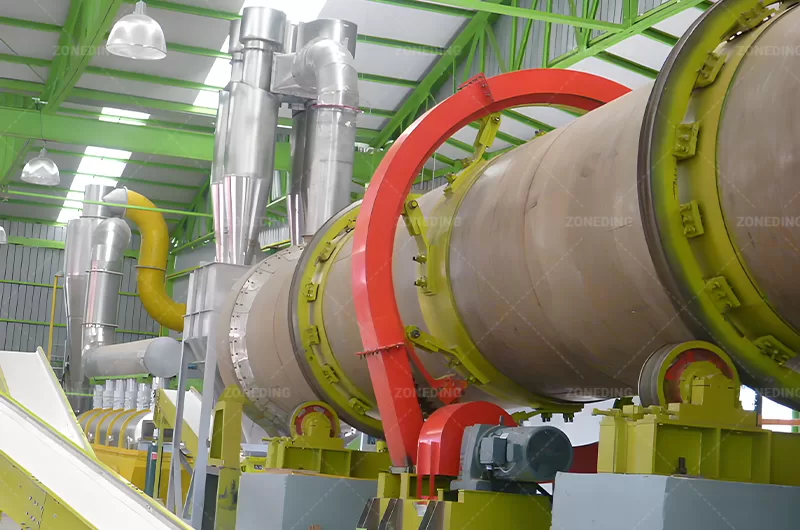
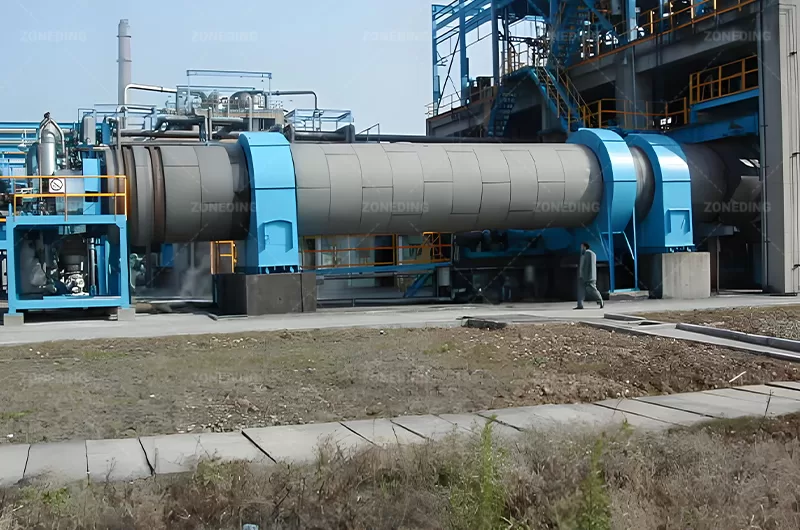
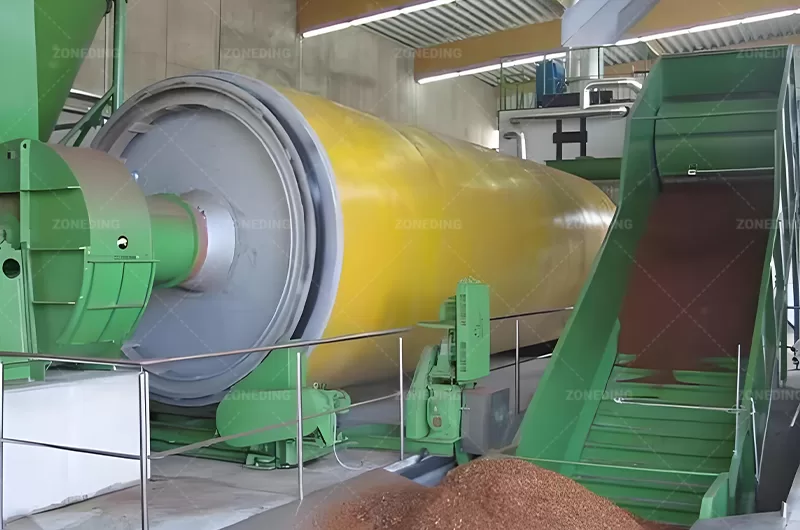
A cassava residue dryer is a machine that removes moisture from cassava pulp, also known as cassava pomace, a byproduct of cassava starch or flour production. Creates a valuable dried product.
Drying cassava residue prevents spoilage, reduces volume for storage/transport, and transforms it into valuable animal feed or biofuel feedstock. Promotes waste utilization.
Common cassava residue dryer types include rotary drum dryers, flash dryers, and fluidized bed dryers, each suited to different throughputs and particle sizes. Offers drying flexibility.
Cassava residue dryers use heated air to evaporate water from the wet pulp as it’s conveyed through the system, reducing the moisture to a safe storage level. Provides efficient drying.
