 Zoneding Mining

Site Search
Search products, equipment and solution articles
整站搜索产品中心新闻中心
点击开始搜索
热门搜索
UltraForm-MXFlexiPoly-RNanoForm Z300EcoFab P200
Search products, equipment and solution articles
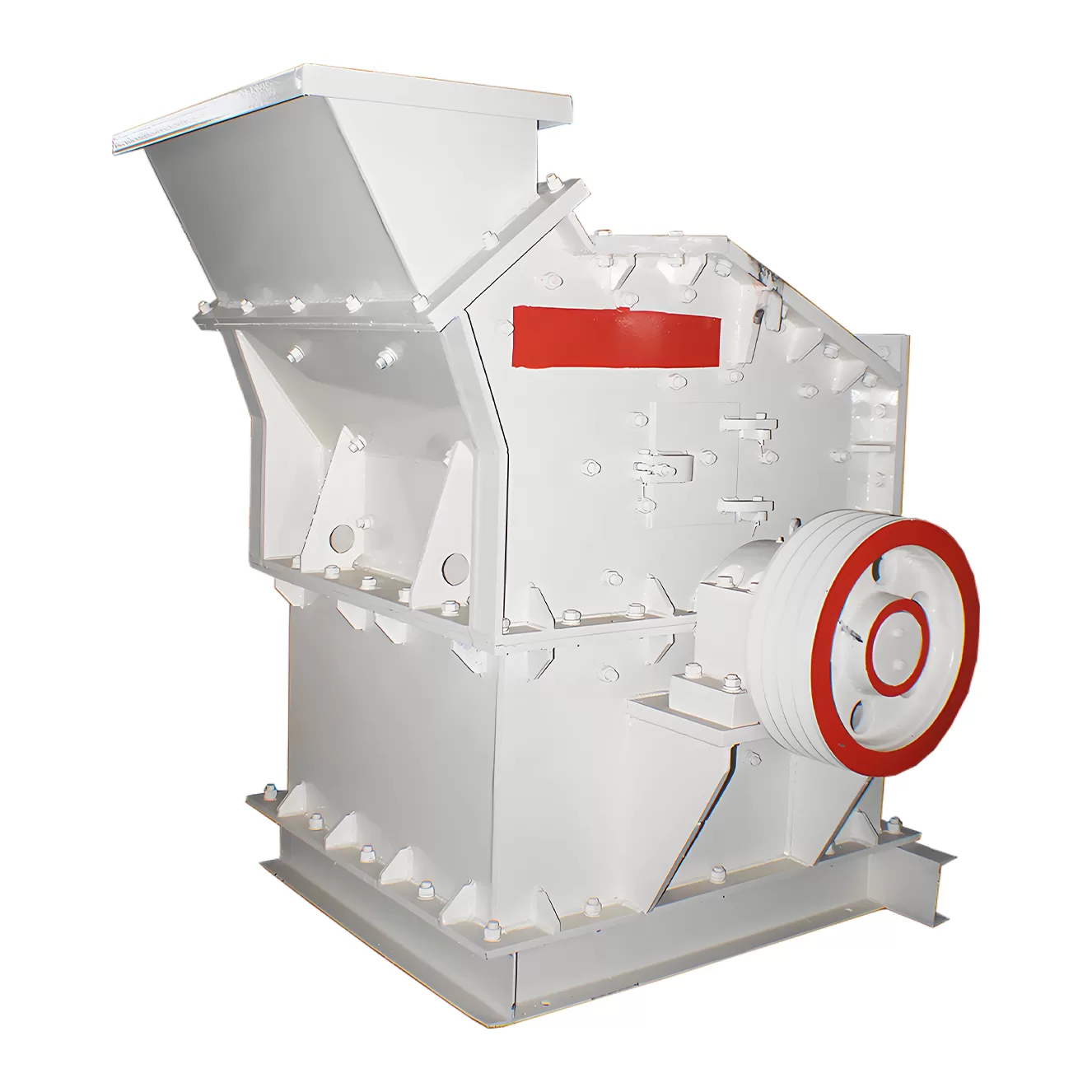
Fine crusher is also called tertiary crusher, which adopts the principle of “stone hit stone” to crush materials. It upgrades the traditional three crushing stages to the two crushing stages.
Fine jaw crusher is a robust and precise solution for pre-crushing a wide range of materials from middle hard to hard and brittle substances. Ideal for laboratories and processing companies, this stone crusher plant ensures fast and accurate sample processing. Its innovative design allows for easy maintenance with replaceable wear parts, minimizing downtime.
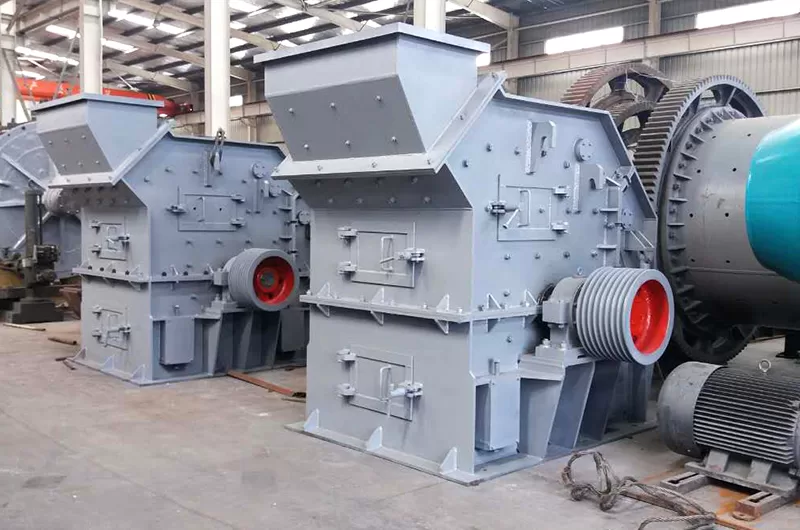
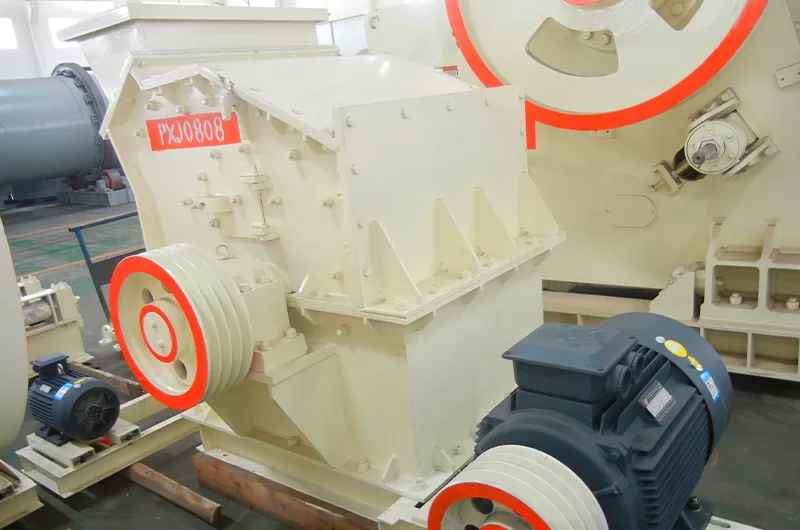
A Fine Crusher (PXJ Series) is a tertiary crushing machine designed to reduce medium-sized stones (50mm-100mm) into fine sand or powder (0-5mm).
It is a hybrid beast. It combines the high-speed impact of a Hammer Crusher with the crushing chamber efficiency of an impact crusher. It sits at the end of the production line.
While it lacks the “stone-on-stone” shaping technology of a Vertical Shaft Impactor (VSI), it makes up for it with sheer reduction power. It is widely used in smaller sand plants where the capital investment (CAPEX) needs to be kept low.
Why would you choose this over more advanced technology?
This machine is not for everyone. It has a specific diet.
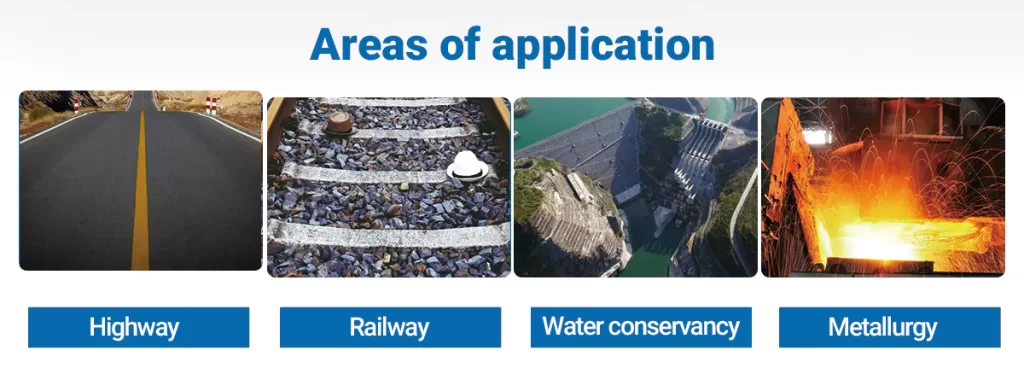
The fine crusher is mainly suitable for grinding and processing in metallurgy, building materials, chemical, mining, railway, water conservancy and other industries. The jaw crusher plant is used before the ball mill to increase the production efficiency of the ball mill by 50%.
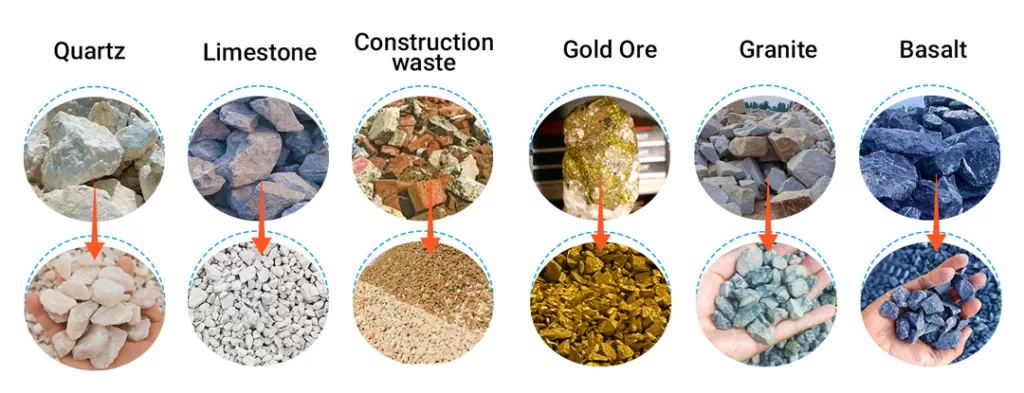
Fine jaw crusher is especially suitable for fine and medium crushing of materials with hardness below 9 such as quartz, feldspar, calcite, marble, ceramics, iron ore, copper ore, gangue, phosphate rock, granite, basalt, silicon carbide, corundum, insulation materials and other brittle materials.
The fine jaw crusher is mainly composed of the rotary part, guard plate and box part.
Some non-overlapping hammer carriers are arranged on the wheel core of the rotary part. The hammer head, whose width is larger than the hammer carrier and the wheel hub, is fixed on the hammer carrier. The wheel core is composed of several wheel hubs, which are fixed on the main shaft. The two ends of the main shaft are supported on the frame with rolling bearing seats.
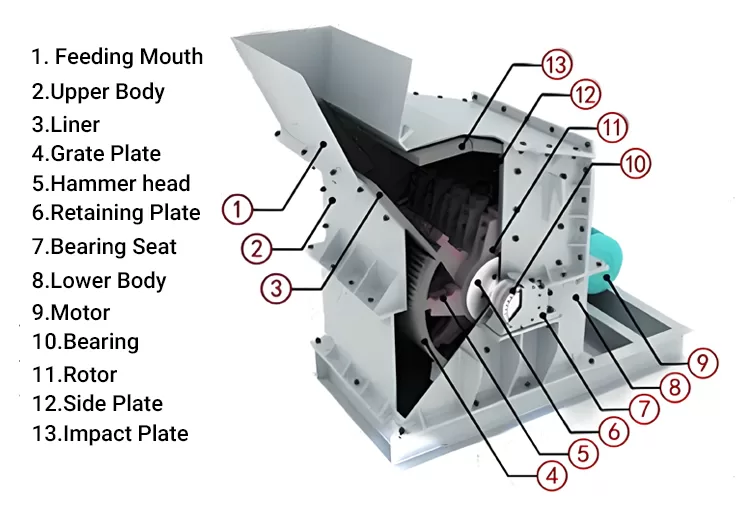
Understanding the anatomy helps you plan your spare parts inventory.
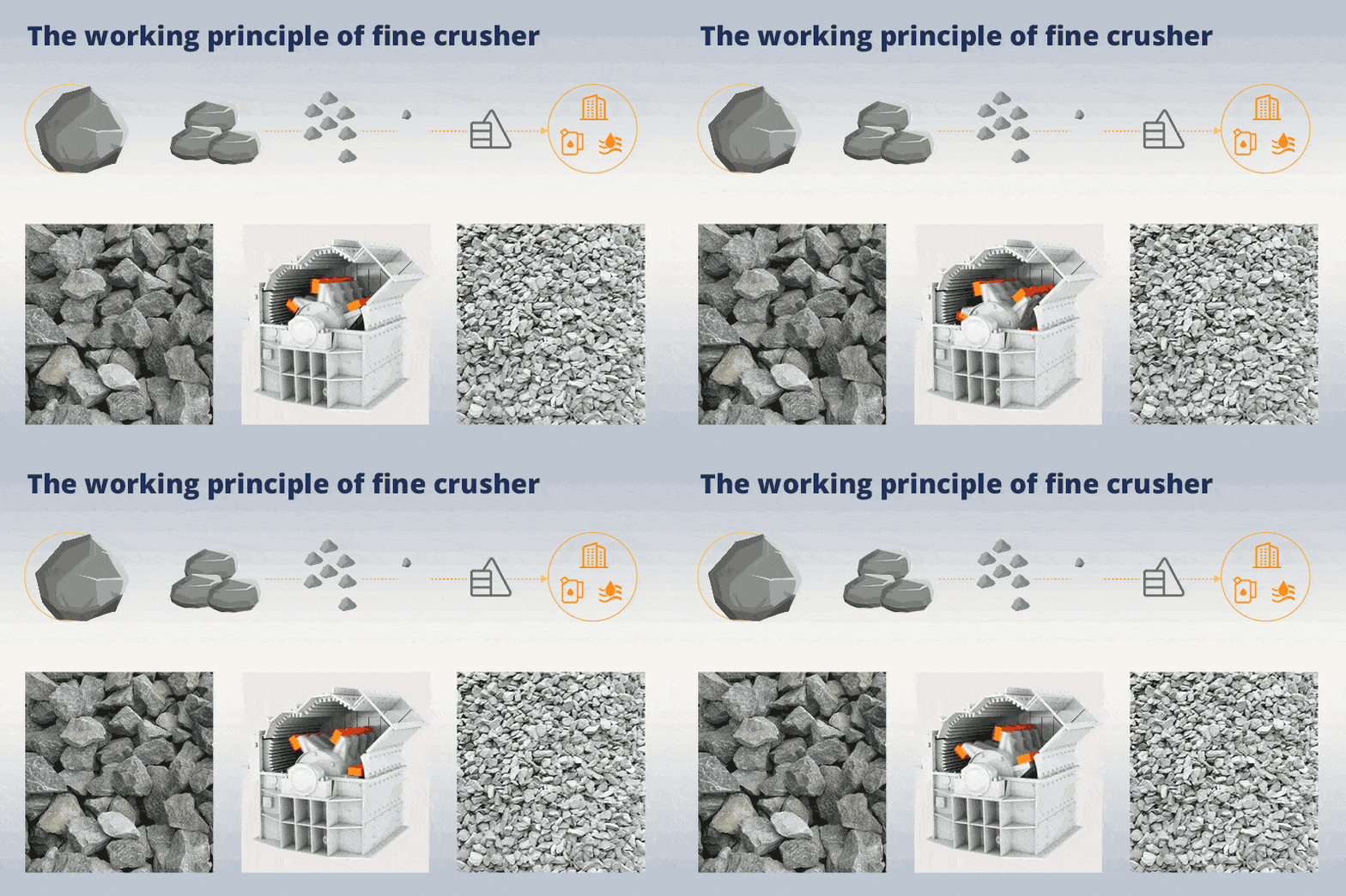
The material is sent to the cavity from the inlet and falls on the high-speed rotating hammer head. The material is initially crushed between the hammer and the impact plate.
After the material is repeatedly hammered and impacted with high frequency, it forms a pile on the median septum, then falls on the material plate of the high-speed rotating lower rotor. Finally, it is thrown to the impact plate at high speed to be impacted, crushed and ground by the mobile plate hammer.
Therefore, the material undergoes multiple compound pulverization, scouring and grinding in the process of falling by its own weight to achieve an ultra-fine effect, and then is discharged through the discharging port.
It is a three-stage assault on the rock.
Because the design is simpler, the price is very attractive.
Estimated Market Prices:
Cost Comparison:
A 100 TPH VSI Sand Maker might cost $60,000+. A 100 TPH Fine Crusher is half that price. However, remember that the VSI produces better-shaped sand.
They look similar, but they have different jobs.
This is the most common question I get from customers. Here is the decision matrix.
The secret to size control is the bottom grate.
The Mechanism:
The grate bars are adjustable. By tightening the bolts on the adjustment frame, you can move the grate closer to the rotor.
Operational Tip:
Never adjust this while the machine is running. Stop the machine, open the inspection door, and use a gauge to measure the gap. Ensure the gap is uniform across the entire width.
If your Fine Crusher starts shaking the floor, shut it down immediately.
1. Unbalanced Rotor (Most Common):
The hammers wear unevenly. If you change hammers, you must change the entire set at once. If you only change one side, the weight difference will destroy the bearings.
2. Material Blockage:
Wet material (clay) can clog the grate bars.
3. Loose Foundation:
The anchor bolts may have rattled loose. Tighten them.
The hammers are the biggest consumable cost. Here is how to save money.
Flipping the Hammers:
ZONEDING hammers are designed to be reversible. When the leading edge wears down and becomes rounded, the crushing efficiency drops.
Replacement Strategy:
Weigh your hammers before installing. Group them so that opposite hammers have the exact same weight. This keeps the rotor balanced.
We improved the classic design to handle modern workloads.
1. Multicomponent Alloy Hammers:
Standard high-manganese steel is too soft. We add chromium and molybdenum to our alloy. Our hammers last 1.5x longer than standard market parts.
2. Heavy-Duty Box Frame:
We use thicker steel plate for the casing. This reduces noise and ensures the machine doesn’t warp under high vibration.
3. Integrated Discharge Control:
Our PXJ series features an optimized grate design that resists clogging, even when the limestone is slightly damp.
| PXJ tertiary impact crusher | Rotorø×Width (mm) | |||||||
| Specification | 800×400 | 800×600 | 800×800 | 1010×1010 | 1200×1200 | 1400×1400 | 1600×1600 | 1800×1800 |
| Feed opening size(mm) | 400×185 | 500×250 | 550×300 | 1000×350 | 1200×450 | 1500 | 1600×550 | 1800×800 |
| Feeding size (mm) | <120 | <180 | <180 | <180 | <180 | <190 | <190 | <190 |
| Discharging size (mm) | 0-10 | 0-10 | 0-10 | 0-10 | 0-10 | 0-10 | 0-10 | 0-10 |
| Adjustable range of discharge opening (mm) | 5-50 | 5-50 | 5-50 | 5-50 | 5-50 | 5-50 | 5-50 | 5-50 |
| Cement Clinker(t/h) | 10-30 | 1040 | 20-45 | 25-55 | 35-90 | 50-150 | 85-210 | 125-270 |
| Limestone(t/h) | 18-45 | 23-55 | 28-65 | 35-75 | 45-110 | 50-150 | 95-260 | 140-310 |
| Power(kw) | 4P 37KW | 4P 45KW | 4P 45KW | 4P 55KW | 6P 110KW | 6P 160KW | 4P 250KW | 4P 315KW |
| Theoretical weight | 3.9 | 4.5 | 6 | 10.5 | 14.4 | 22 | 35 | 49.7 |
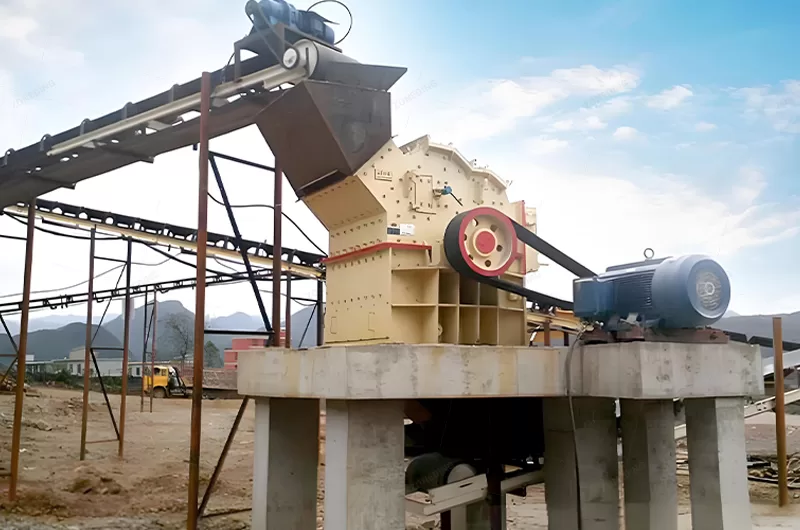
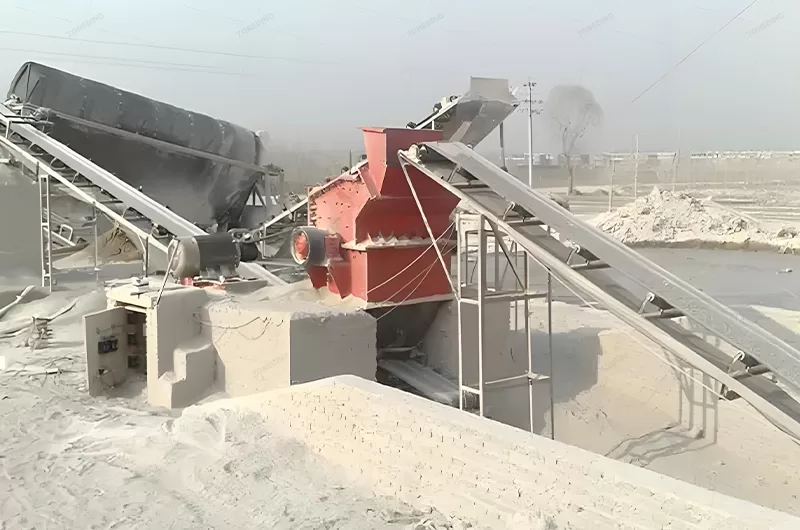
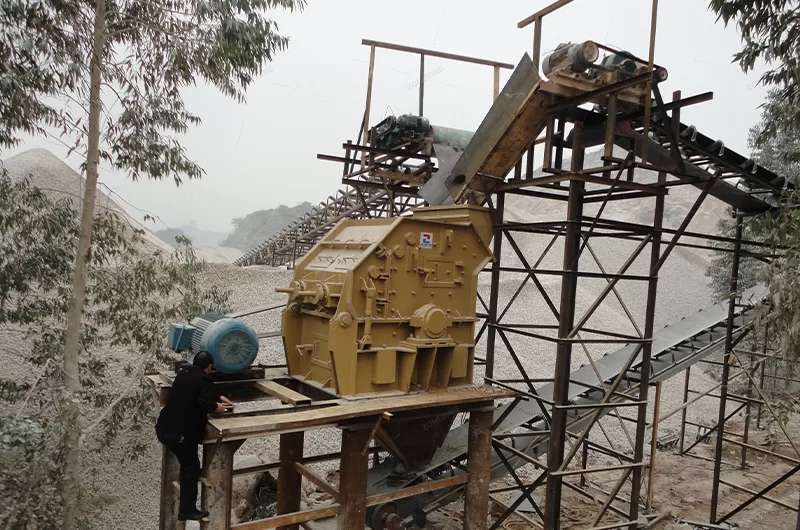
A fine crusher is a machine designed to reduce materials into very small sizes, often powders or fine granules. Suitable for minerals, aggregates, and chemical materials. Essential for particle size reduction.
Fine crushers produce a consistently fine output, require less maintenance than some other crushers, and are energy-efficient for fine crushing applications. High crushing efficiency assured.
Output particle sizes vary, but typically range from 0-5mm, depending on the crusher model and material. Achieve precise particle size control with adjustable settings.
Consider the material’s hardness, desired output size, and required production capacity. Consult with a crusher supplier to determine the best model for your needs. Optimise your crushing process.
Regular maintenance includes checking wear parts (hammers, liners), lubrication, and clearing any blockages. Consistent maintenance ensures reliable crusher performance and longevity.