 Zoneding Mining

Site Search
Search products, equipment and solution articles
整站搜索产品中心新闻中心
点击开始搜索
热门搜索
UltraForm-MXFlexiPoly-RNanoForm Z300EcoFab P200
Search products, equipment and solution articles
Hammer crusher relies on the impact force to crush materials, which can crush various sized materials into uniform particles and then move to the next working step.
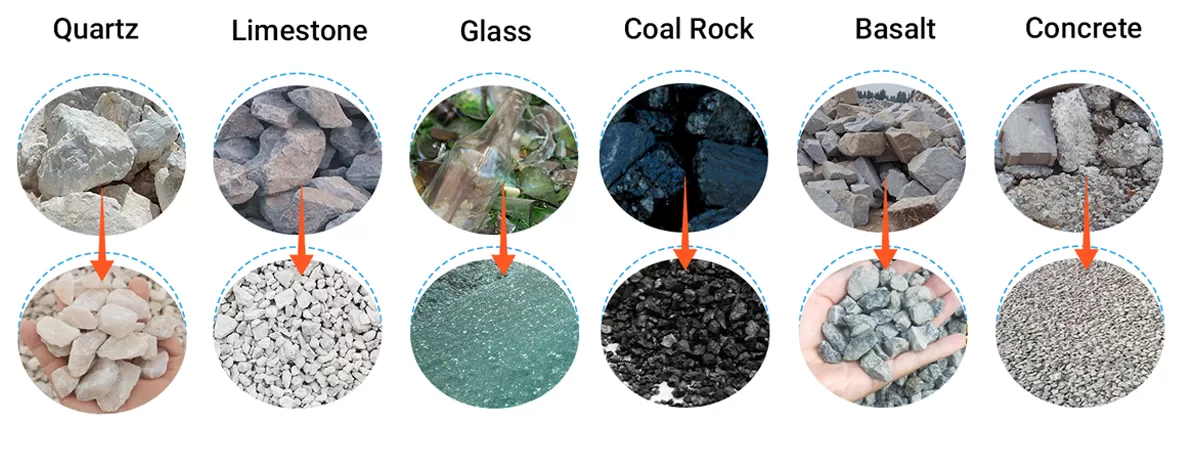
Hammer crusher is suitable for crushing various medium hardness and brittle materials, such as limestone, coal, salt, white ore, gypsum, alum, brick, tile, coal gangue, etc. The compressive strength of the crushed materials does not exceed 150MPa, and the water content is less than 15%. It is widely used in cement, coal preparation, power generation, building materials and compound fertilizer industries. It can crush raw materials of different sizes into uniform particles to facilitate the next process. It has reliable mechanical structure, high production efficiency and good applicability.
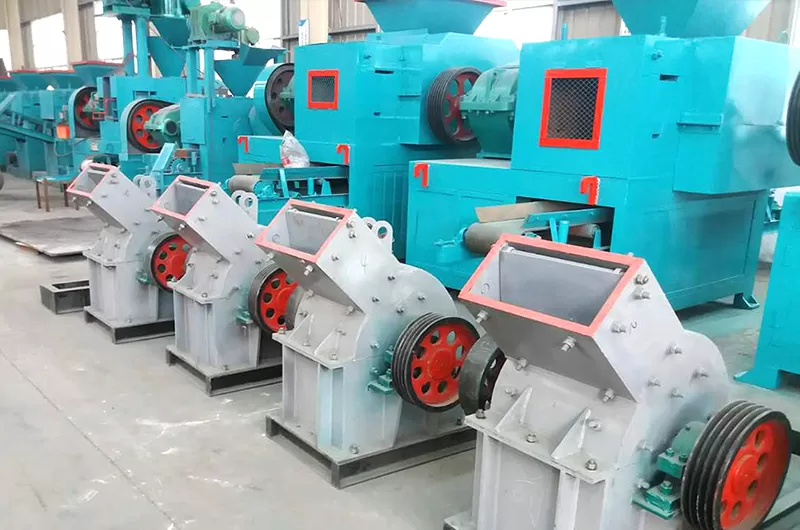
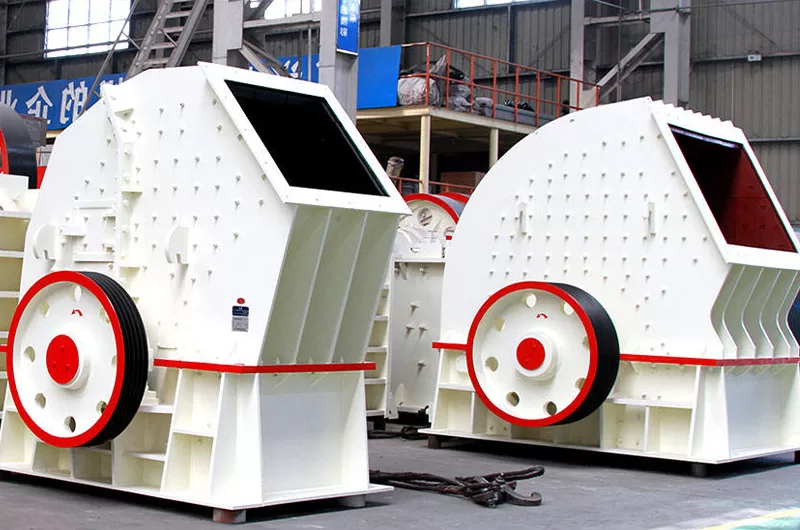
A Hammer Crusher, also known as a Hammer Mill, is a type of rock crusher that uses high-speed rotating hammers to shatter material. It is a very simple and efficient impact-style crusher. The main purpose of this machine is to achieve a large reduction ratio in one single stage. It excels at breaking soft and medium-hard materials.
The machine has a straightforward design. Inside a heavy steel box, a large rotor spins at high velocity. Heavy metal hammers are attached to this rotor. When you drop rocks into the machine, the spinning hammers strike them with extreme force. The rocks shatter instantly. A metal screen called a grate bar at the bottom controls the final size of the product. This simple mechanism makes the hammer crusher a low-cost and reliable choice for many operations.
This machine is very versatile. You can find it working in many different industries. Its ability to produce a uniform, fine product makes it essential for specific applications. Many plants use it as a primary or secondary hammer crusher.
Here are its most common uses:
Hammer crusher is suitable for crushing various medium hardness and brittle materials, such as limestone, coal, salt, white ore, gypsum, alum, brick, tile, coal gangue, etc. The compressive strength of the crushed materials does not exceed 150MPa, and the water content is less than 15%. It is widely used in cement, coal preparation, power generation, building materials and compound fertilizer industries. It can crush raw materials of different sizes into uniform particles to facilitate the next process. It has reliable mechanical structure, high production efficiency and good applicability.
You need this machine if you want a simple and powerful solution for crushing medium-hard rocks. It offers several key advantages that make it a smart investment for many projects.
There are several types of hammer crushers. You must choose the right type based on the material and the required output. The main classifications relate to the rotor design and direction of rotation.
Hammer crusher whose purpose is to shred or crush aggregate material into smaller pieces by the repeated blows of little hammers. The basic principle is straightforward. A hammer crusher is essentially a steel drum containing a vertical or horizontal rotating shaft or drum on which hammers are mounted. The hammers are free to swing on the ends of the cross, or fixed to the central rotor. The rotor is spun at a high speed inside the drum while material is fed into a feed hopper. The material is impacted by the hammer bars and is thereby shredded and expelled through screens in the drum of a selected size. The hammer crusher can be used as a primary, secondary, or tertiary crusher.
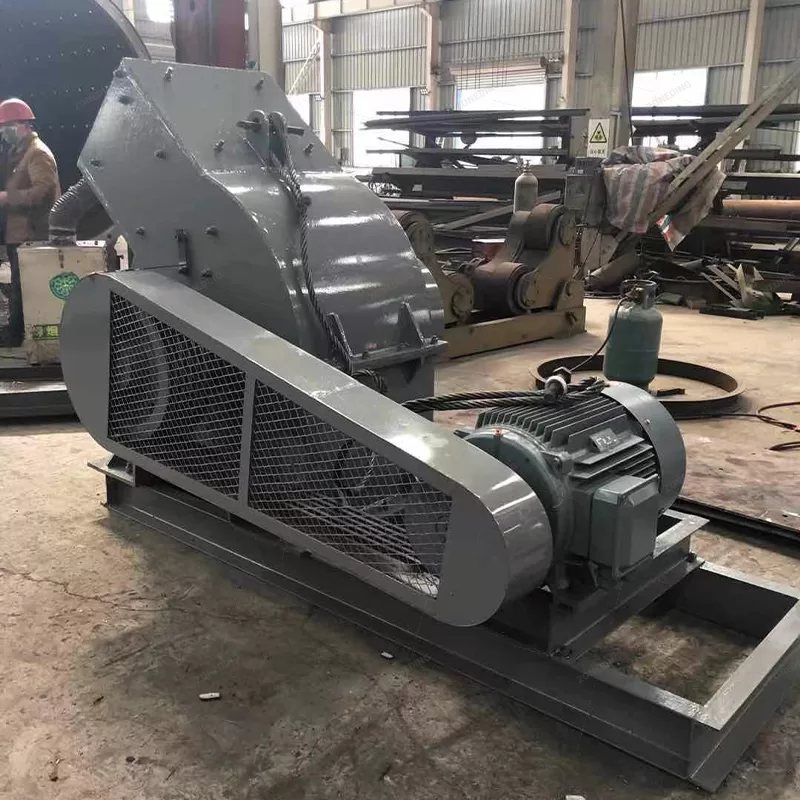
hammer crusher
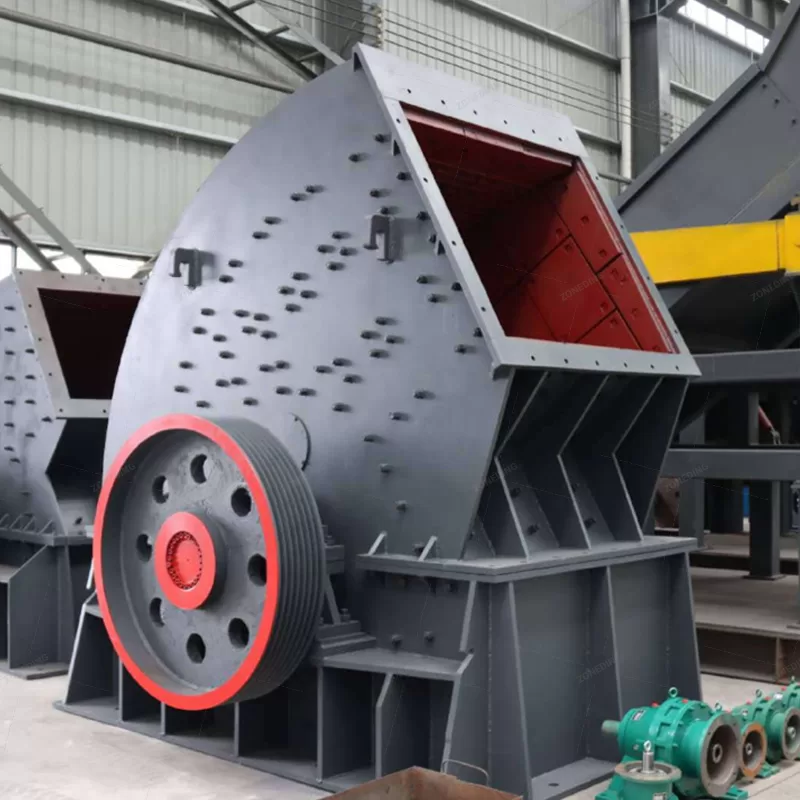
Heavy type hammer crusher
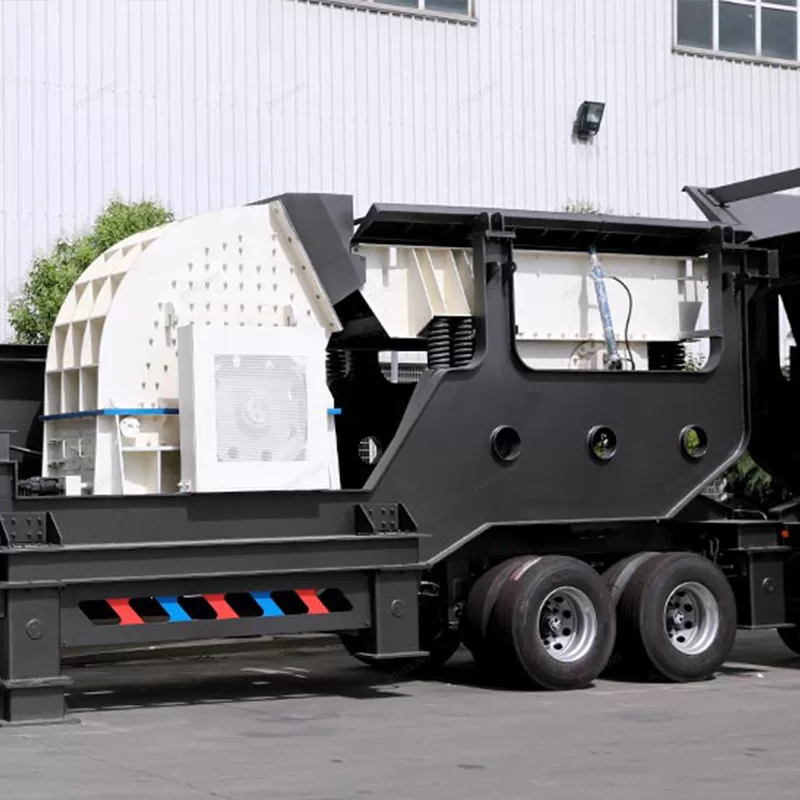
Mobile Hammer Crusher
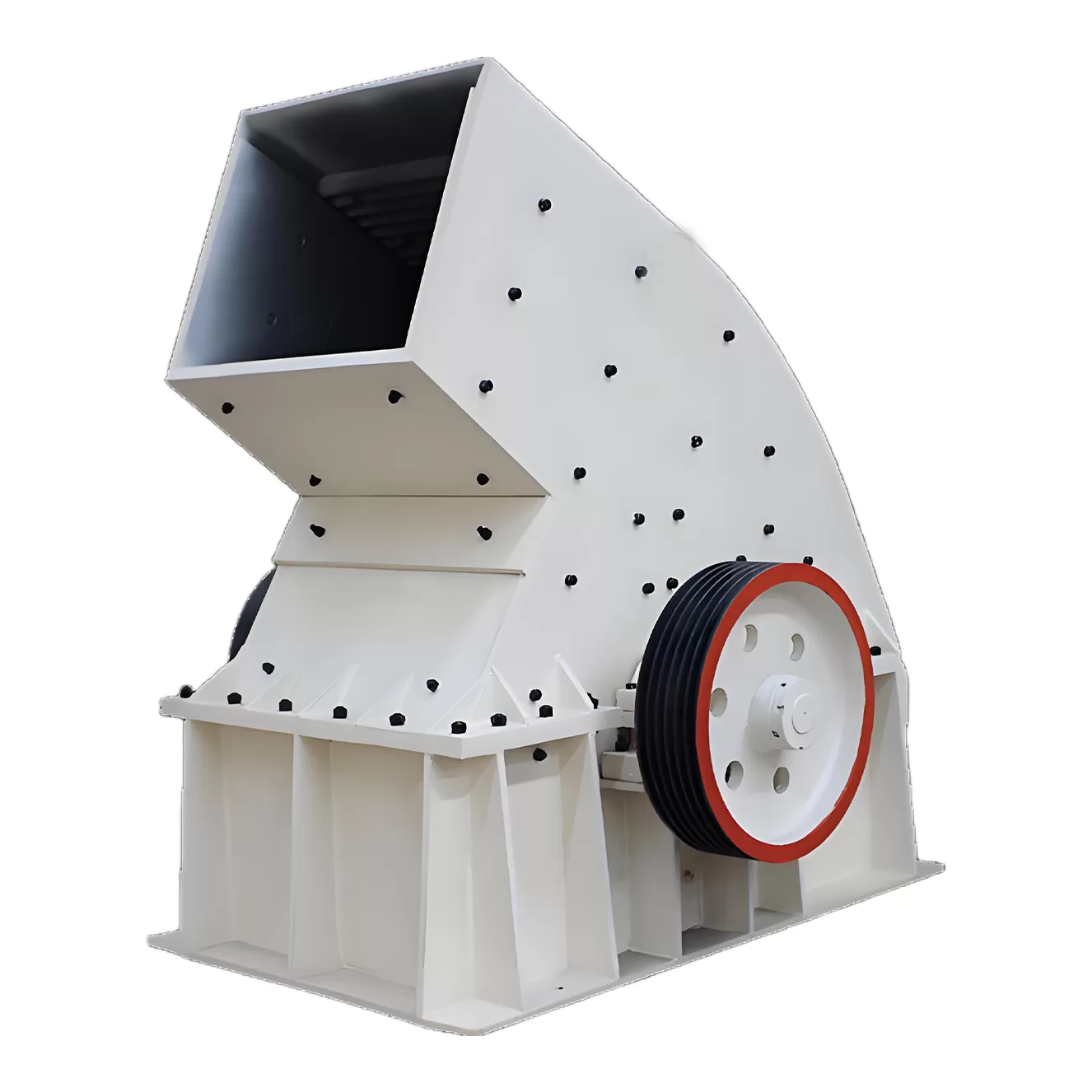
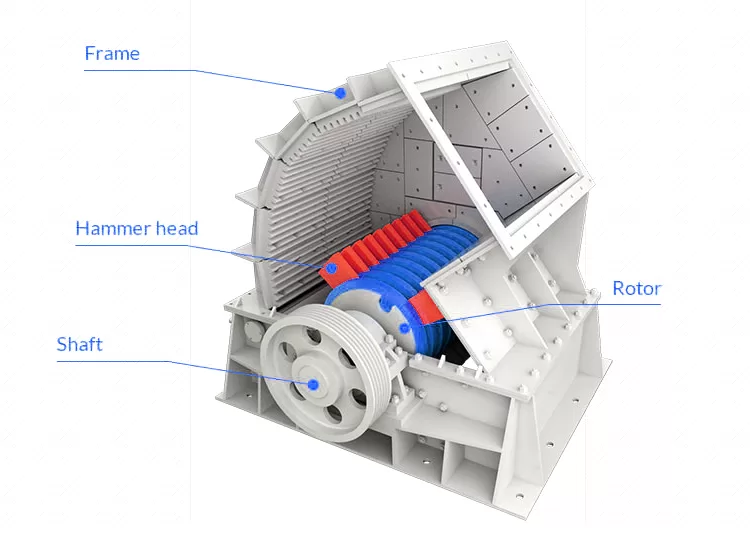
A hammer mill crusher is mainly composed of the frame, rotor, hammer head, main shaft, and other components.
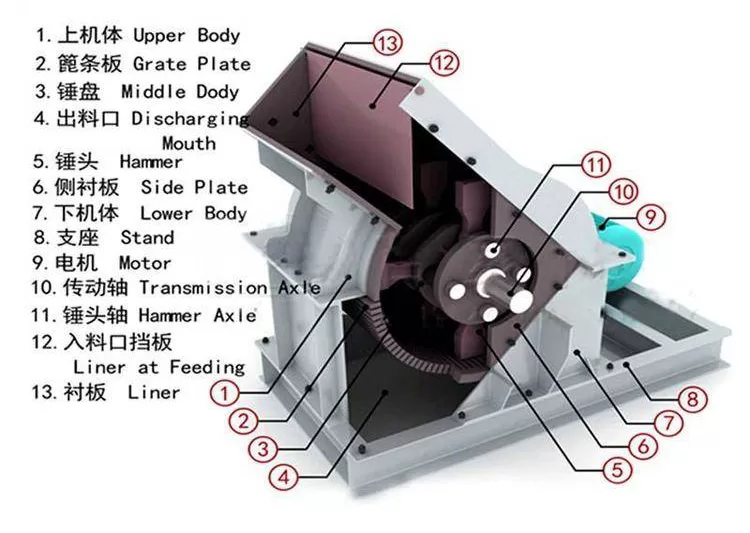
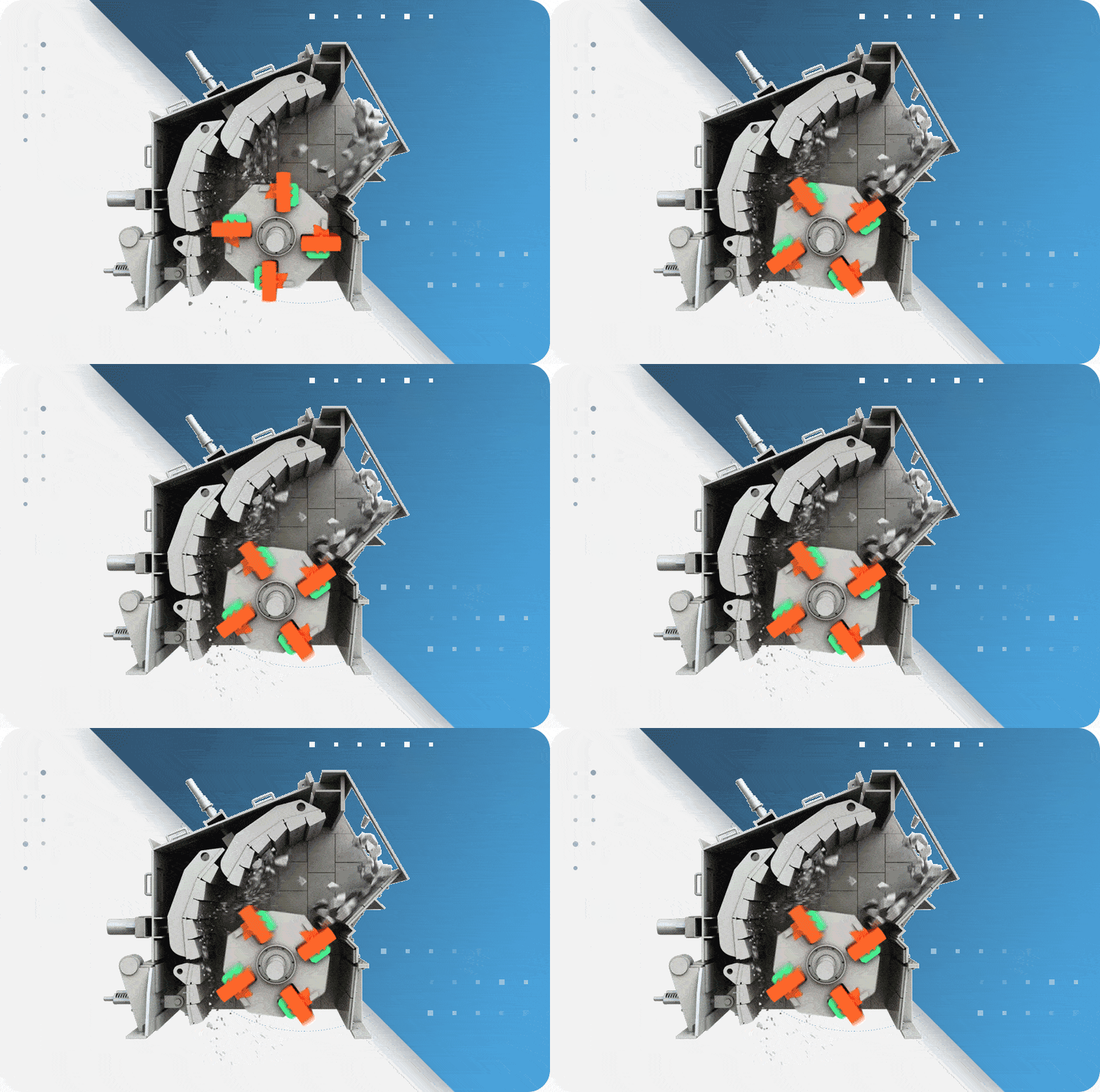
In the hammer crusher, the motor drives the rotor to rotate at a high speed through the belt, and on the rotor there are series of hammers. When the materials get into the working area of hammers, the rotating hammers with high rotation speed are crushing them; the crushed products meeting the required size can be discharged by the outlet and become the final products; the large size products are brought back to the crushing area by the hammers for being re-crushed until they reach the required size.
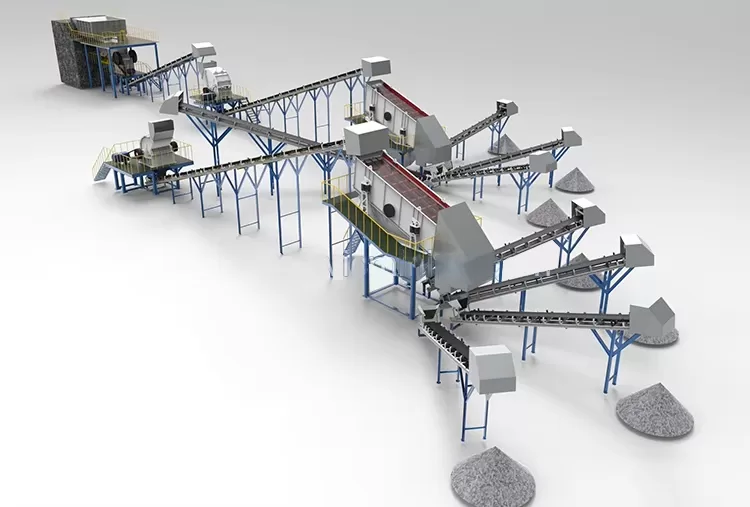
Understanding the main hammer crusher parts helps you with maintenance and troubleshooting. The machine’s simple design is one of its biggest strengths.
The hammer crusher price varies significantly based on its size, motor power, and the quality of its components. It is generally one of the most affordable types of crushers on the market.
The final cost depends on factors like the hammer material (high-chromium is more expensive but lasts longer) and if you include features like a hydraulic opening system for easier maintenance.
Choosing the correct machine is critical for your success. You must consider your material, your desired output, and your budget.
First, analyze your raw material. What is its hardness and moisture content? Hammer crushers are best for soft to medium-hard rock (compressive strength < 150 MPa) like limestone or coal. For very hard rock like granite or basalt, you must choose a Jaw Crusher for the primary stage to avoid extreme hammer wear.
Second, determine your required capacity (tons per hour) and final product size. This will determine the model size and motor power you need. Always choose a machine with about 20% more capacity than your target. This gives you room to grow and prevents you from overworking the machine.
Finally, think about your operational costs. A cheaper machine might have higher wear costs. Investing in a ZONEDING crusher with high-quality, long-life hammers may cost more initially but will save you a lot of money on spare parts and downtime in the long run.
Proper installation and regular maintenance will keep your machine running efficiently for many years. A good foundation is the most important first step. The crusher must sit on a solid, level concrete base to handle the intense vibrations. Secure the machine firmly with anchor bolts.
Daily maintenance is simple. Before starting, always check that the crushing chamber is empty. Inspect the hammers and grate bars for wear or damage. Check the tension of the V-belts. They should be tight but not over-tightened. Listen for any unusual noises during operation, as this can indicate a problem.
Greasing the main bearings is essential. Follow the manufacturer’s schedule. Use high-quality grease to protect the bearings from heat and pressure. A regular maintenance schedule prevents unexpected breakdowns and maximizes your production time.
Downtime is expensive. Having critical spare parts on hand is the best way to get your crusher back online quickly after a breakdown or during scheduled maintenance.The most important spare parts are the primary wear components. You should always have these in your workshop:
ZONEDING has been manufacturing crushers since 1990. We have refined the PC Series Crusher to maximize performance and minimize operational costs.
Our crushers feature an optimized crushing chamber design. This shape improves material flow and increases the efficiency of each hammer strike, reducing your energy consumption per ton. The rotor is dynamically balanced in our factory, which ensures smooth operation with minimal vibration. This extends the life of the bearings and the entire machine structure.
The most critical feature is our hammer technology. We use a proprietary high-chromium composite casting process. These hammers have a much higher resistance to wear than standard manganese steel hammers. They last longer, meaning you spend less time and money on replacements. Finally, many of our models come with a hydraulic casing that opens the crusher for quick and safe access to the hammers and liners.
This is a common question. The choice between a hammer crusher vs jaw crusher depends entirely on your rock type and your position in the crushing line.
| Feature | Hammer Crusher | Jaw Crusher |
|---|---|---|
| Crushing Method | High-speed impact (striking) | Low-speed compression (squeezing) |
| Best For | Secondary/Tertiary Crushing | Primary Crushing |
| Rock Type | Soft to medium-hard (Limestone, Coal) | Medium to very hard (Granite, Basalt) |
| Reduction Ratio | Very High (up to 20:1) | Low (around 6:1) |
| Product Shape | Good, but can produce more fines | Flaky, requires further shaping |
| Wear Costs | High on abrasive rock | Lower on abrasive rock |
You should use a Jaw Crusher as the first machine in your line to break down large, hard boulders. You should use a Hammer Crusher after the Jaw Crusher to reduce the material further, or as the primary crusher if your raw material is already small and soft.
Hammer wear is the biggest operational cost for this machine. Learning how to reduce hammer wear will directly increase your profit.
First, control your feed. Do not feed rocks that are too large or too hard. Use a grizzly feeder to scalp out fines and dirt before they enter the crusher; this unnecessary material only wears down the hammers. Ensure a consistent feed rate. Dropping huge loads all at once puts massive stress on the hammers and motor.
Second, use the correct hammer material for your rock. For low-abrasion limestone, standard manganese steel might be okay. For more abrasive materials like clinker or gravel with high silica content, you absolutely must invest in high-chromium or composite alloy hammers. They cost more but can last two to three times longer.
Finally, perform regular maintenance. Rotate or flip the hammers to use all the wear surfaces. A reversible hammer crusher is an excellent investment because it automates this process. Make sure the gap between the hammers and the grate bar is correct to ensure efficient crushing.
You have two main ways to control the final particle size. The hammer crusher working principle provides simple and direct control over your output.
The primary method is by changing the grate bars. The grate is a modular screen at the bottom of the machine. The size of the openings in the grate determines the maximum size of the material that can exit. To produce a smaller product, you install a grate with smaller openings. To produce a larger product, you use a grate with larger openings.
The second method is by adjusting the rotor speed. A faster rotor speed results in a more powerful impact and a finer grind. It also increases the chances of material being struck multiple times before it reaches the grate. A slower speed results in a coarser product and less fine dust. You must find the optimal speed that balances product size, capacity, and energy consumption.
Yes, it can be an excellent investment, but only if it matches your quarry’s geology. If your quarry has reserves of soft to medium-hard rock like limestone, dolomite, or marble, a hammer crusher is a perfect choice. It can act as a single-machine solution, providing a high-reduction ratio and lowering your initial capital investment significantly.
However, if your quarry has hard, abrasive rock like granite or basalt, a hammer crusher is a poor choice for the primary station. The wear costs on hammers would be extremely high and lead to constant downtime. In that scenario, the correct investment is a Jaw Crusher for the primary stage, followed by a Cone Crusher or Impact Crusher for the secondary stage.
No, they are not the same, but they are related. Both are impact hammer crusher types, meaning they use impact force instead of pressure. However, their internal mechanism for controlling product size is different.
A Hammer Crusher has grate bars at the bottom. Material is repeatedly struck by hammers until it is small enough to pass through the openings in the grate. This gives you very precise control over the maximum product size.
An Impact Crusher does not have grate bars. Instead, it has a series of “impact plates” or “curtains” inside the chamber. Rock is thrown against these plates, shatters, and then bounces back into the path of the hammers for another strike. The final product size is controlled by the rotor speed and the distance between the hammers and the impact plates. Impact crushers typically produce a better, more cubical shape, which is highly valued in concrete production.
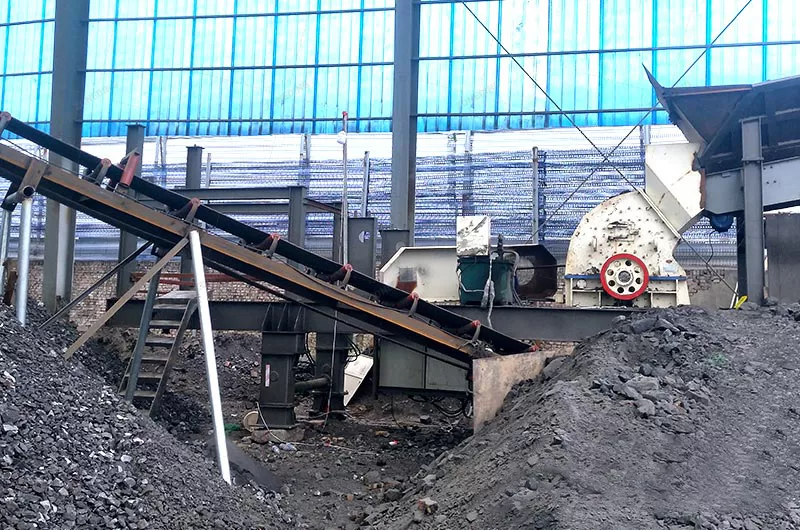
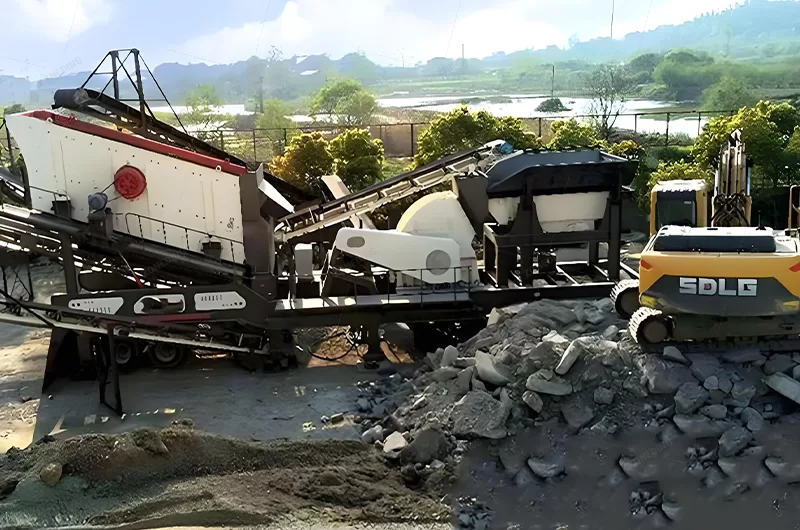
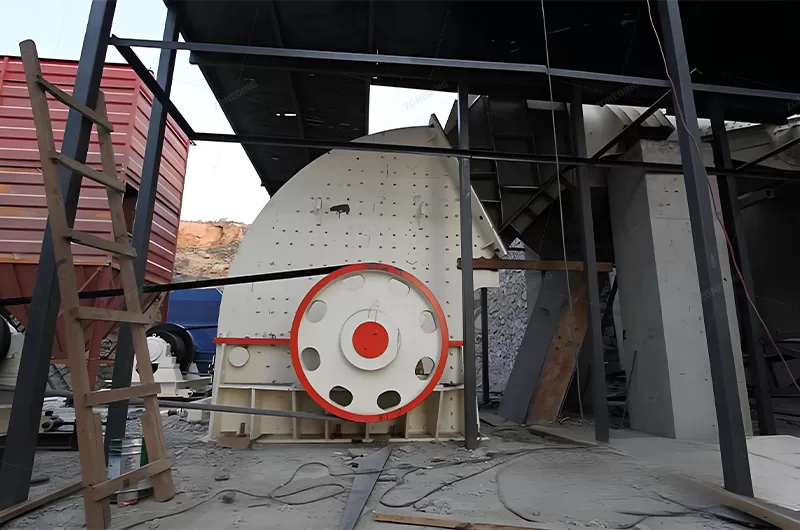
A hammer crusher uses rotating hammers to impact and crush materials. Commonly used for crushing brittle materials like limestone, coal, and gypsum. Offers efficient material crushing.
Hammer crushers provide a high reduction ratio, simple structure, and are relatively inexpensive. They are efficient for crushing medium-hard and brittle materials. Cost-effective crushing solutions.
Hammer crushers effectively process materials like limestone, coal, gypsum, shale, and various other friable minerals. Versatile for different crushing needs.
Material is fed into the crusher and impacted by high-speed rotating hammers, then crushed against breaker plates. Achieve consistent particle reduction with impact crushing.
Regularly inspect and replace worn hammers, check the liners, and lubricate bearings. Proper maintenance ensures optimal performance and extends the crusher lifespan.