 Zoneding Mining

Site Search
Search products, equipment and solution articles
整站搜索产品中心新闻中心
点击开始搜索
热门搜索
UltraForm-MXFlexiPoly-RNanoForm Z300EcoFab P200
Search products, equipment and solution articles
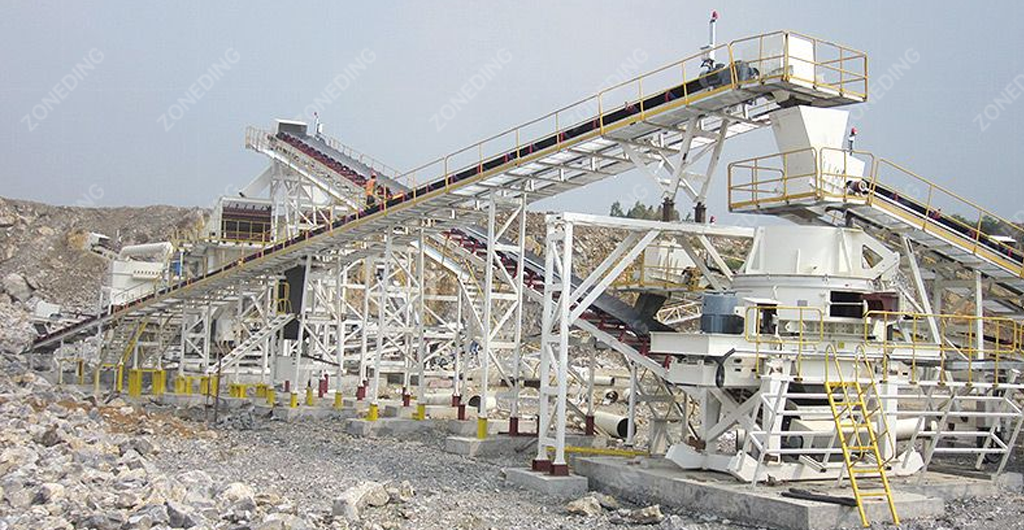
A sand making machine is a piece of heavy equipment that crushes rocks into fine sand particles. You use it to produce manufactured sand, also known as M-sand or artificial sand. This machine takes large gravel or quarry waste and turns it into a valuable product for concrete. You need this machine because natural river sand is becoming scarce and restricted in many countries. We design our machines to provide you with a high-quality alternative that is cleaner and more cubical in shape. You will find these machines at the heart of modern aggregate production lines and mining operations.
Last Updated: April 2026 | Estimated Reading Time: 25 Minutes
You likely realize that the world is facing a shortage of natural river sand. Construction projects for roads and buildings require billions of tons of sand every year. Many governments have banned the dredging of rivers to protect the environment. This makes natural sand very expensive and difficult to source for your projects. A sand making machine solves this problem by creating sand from local rocks like limestone, granite, or basalt. You take raw stones from your quarry and process them through the machine to get the exact size you need. This machine is not just a simple crusher. It is a specialized tool that shapes the particles.
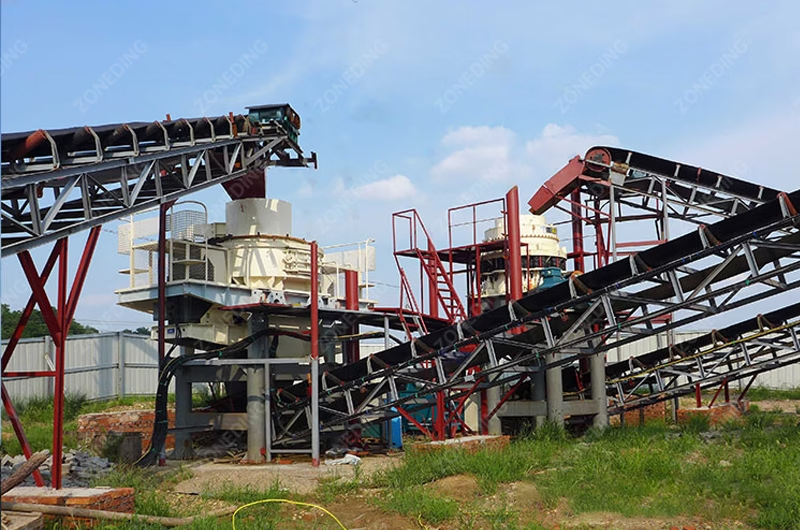
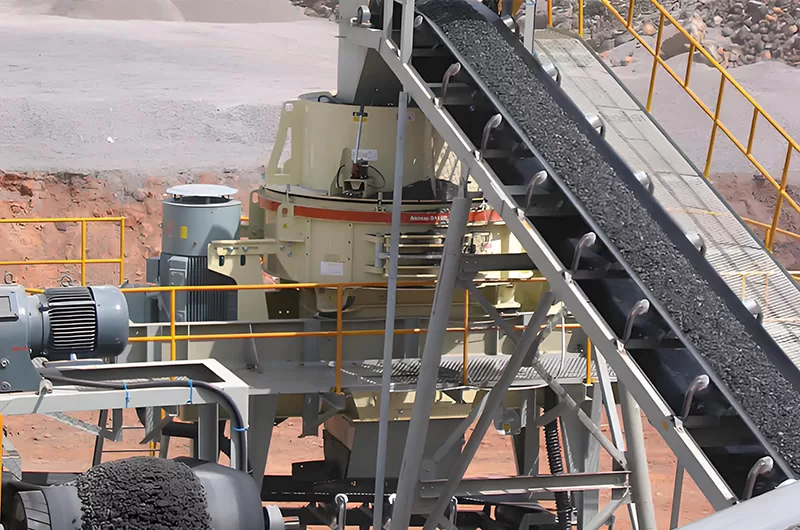
We at ZONEDING focus on high-efficiency sand production. Our machines produce sand that has a very consistent grain size. This consistency is vital for making high-strength concrete. Natural sand often contains dirt, clay, and organic matter that weakens your mortar. Manufactured sand from a ZONEDING machine is clean and free of impurities. You reduce the amount of cement you need when your sand has a good cubical shape. This saves you a massive amount of money on every cubic meter of concrete you pour. You gain total control over your supply chain by making your own sand on-site. You no longer have to wait for expensive truck deliveries from distant rivers. You turn low-value rock waste into a premium product that every builder wants to buy.
| Feature | Natural River Sand | Manufactured Sand (M-Sand) | Your Advantage |
|---|---|---|---|
| Particle Shape | Rounded/Irregular | Cubical/Consistent | Better concrete strength |
| Silt Content | Often High | Very Low/Washable | No weak points in mortar |
| Availability | Limited/Banned | Unlimited/Produced | Secure project timelines |
| Price | High/Fluctuating | Lower/Stable | Predictable project costs |
You should understand the Vertical Shaft Impactor (VSI) principle because it is the most common method. The machine has a high-speed rotor at the center. You feed the raw stones into the top of the machine. These rocks drop into the spinning rotor. The rotor flings the rocks outward at speeds of up to 80 meters per second. The rocks hit a layer of other rocks that are trapped around the inner wall of the chamber. Engineers call this the “rock-on-rock” principle. The rocks smash each other into tiny pieces. This natural collision shapes the particles into perfect cubes.
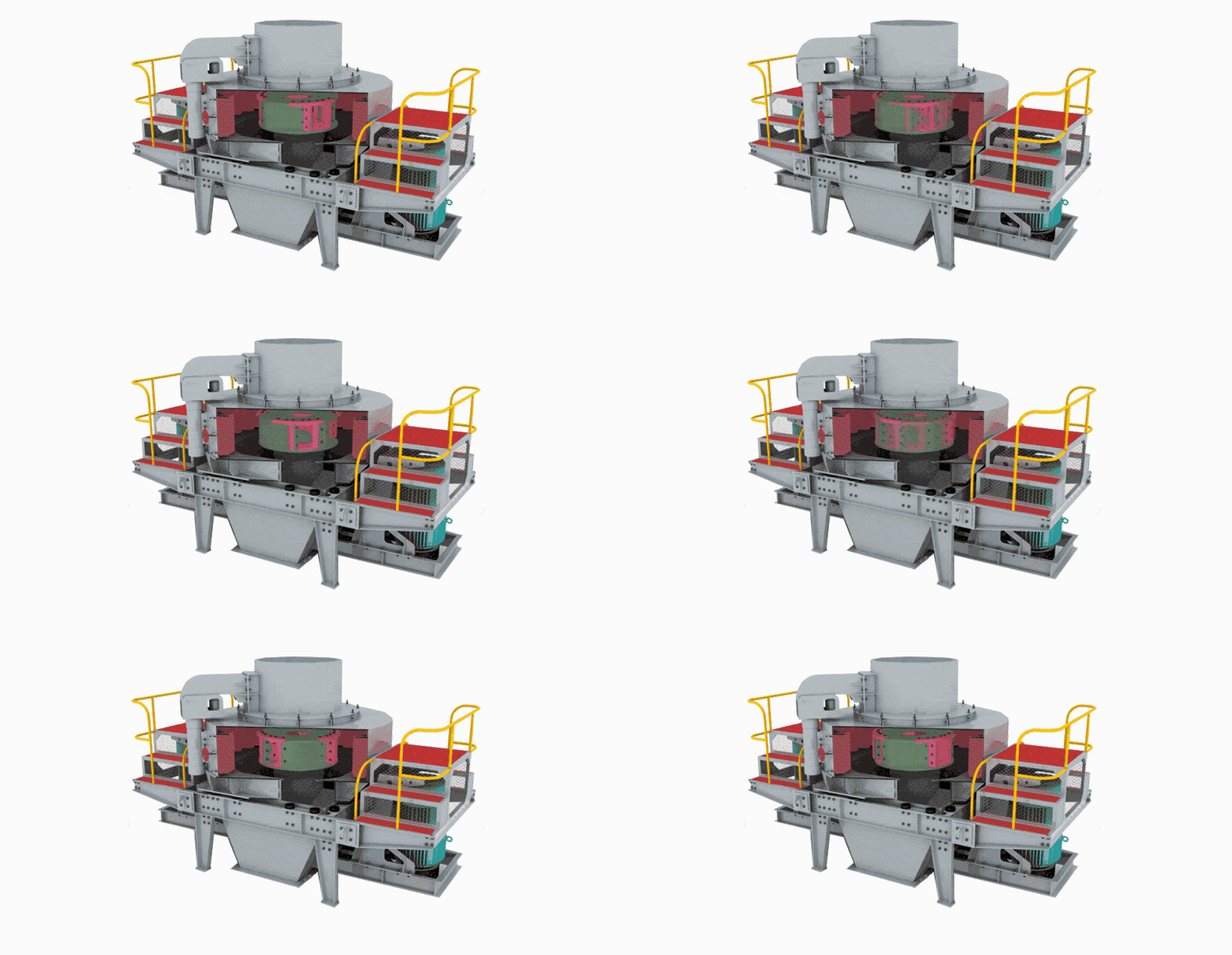
We design ZONEDING VSI crushers with a secondary option called “rock-on-iron.” In this mode, the rocks hit heavy metal plates instead of other rocks. This is better for softer rocks where you want more fine dust. The rock-on-rock method is better for hard rocks because it reduces the wear on your metal parts. You spend less money on replacement parts because the rocks are doing the work of breaking each other. The fine sand then falls out through the bottom of the machine. You can adjust the speed of the rotor to make the sand finer or coarser. Higher speeds produce more fine dust. Lower speeds produce larger grains. This flexibility allows you to meet different construction standards for different clients. You get a machine that adapts to your specific market needs.
You will find several different types of technology for making sand. The Vertical Shaft Impactor (VSI) is the industry leader for high-quality aggregate. It produces the best cubical shape for concrete. Another type is the Hammer Crusher. This machine uses spinning metal bars to smash the rocks. It is cheaper to buy but it creates a lot of dust and the parts wear out very fast. You also have Roller Crushers. These machines squeeze the rocks between two heavy cylinders. They are good for small capacities but they do not shape the sand as well as a VSI.
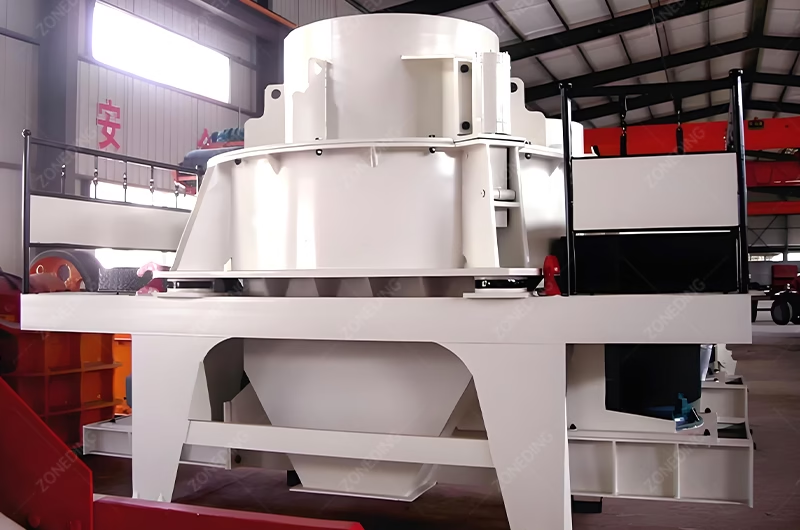
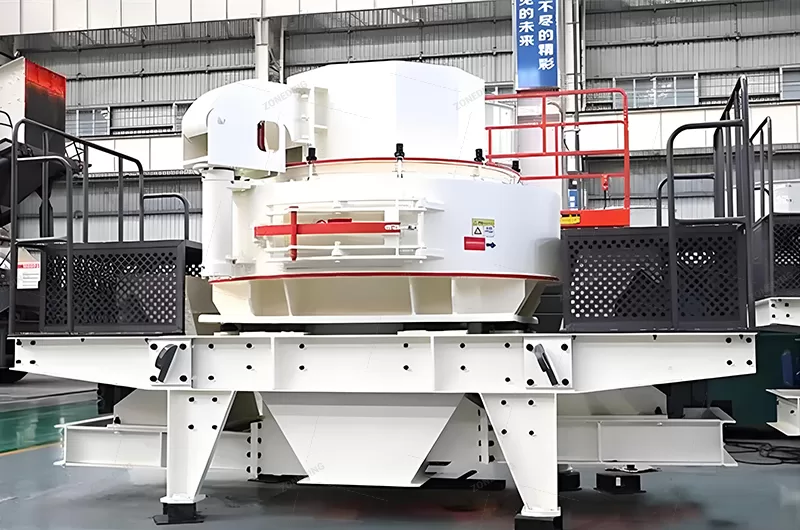
We at ZONEDING specialize in VSI technology. We offer the 5X and VSI6X series which represent the latest engineering. These machines have a deep rotor design that can handle larger feed rocks. They also have an automated lubrication system to keep the bearings cool. You choose a VSI machine if you want to sell sand to professional construction companies. They will pay more for your sand because the shape is perfect. If you are doing a small private project, a simple hammer mill might be enough. But for long-term profit and high output, the VSI is the winner. You must match the machine type to your production goals and your budget. We help you calculate the return on investment for each model.
| Machine Type | Best For | Output Shape | Wear Cost |
|---|---|---|---|
| ZONEDING VSI | Professional M-Sand | Perfect Cubes | Low (Rock-on-Rock) |
| Hammer Crusher | Small Private Use | Flaky/Irregular | High (Metal Impact) |
| Roller Crusher | Soft Material | Flat/Thin | Medium |
You will find these machines in many different industries. The most common use is in aggregate plants to produce M-sand for concrete. But you also need them for making asphalt for roads. Asphalt requires very fine and dry sand to bond with the bitumen. You also use these machines in the dry mortar industry. Dry mortar is the premixed cement and sand that comes in bags. It requires very precise grading of the sand particles. Our machines give you that precision.
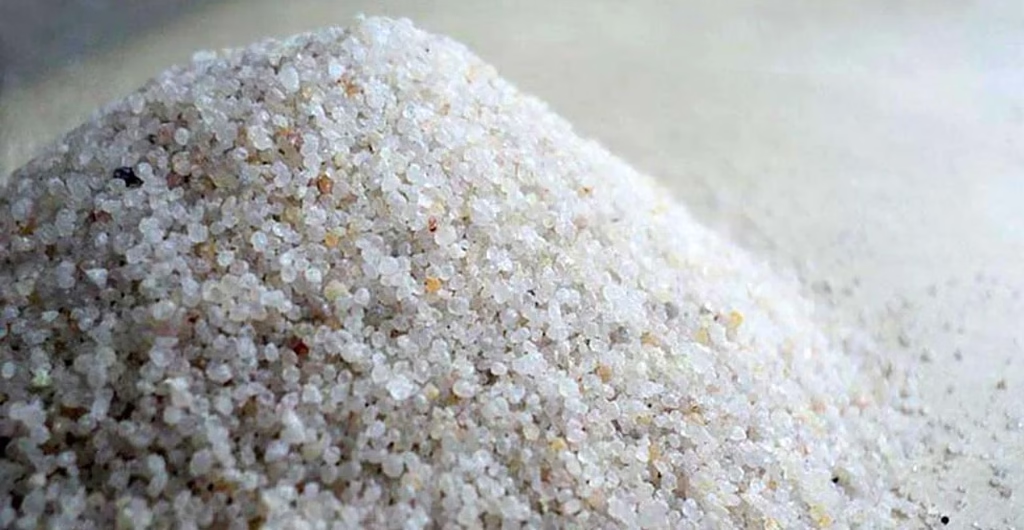
Another interesting use is in the glass industry. You can use a sand making machine to crush quartz into fine silica sand for glass factories. You can also use it for recycling construction waste. You take old bricks and concrete from building sites and turn them back into usable sand. This is a very big trend in green building and urban development. ZONEDING machines are also used in mining to prepare ore for grinding mills. By making the ore smaller in a VSI machine, you save electricity in your ball mill. You find many ways to make money with a single machine. It is a versatile tool that fits many different business models. You expand your service offerings to reach more customers and grow your revenue.
A large quarry owner in Southeast Asia had a problem with their limestone waste. They had mountains of small rocks that they could not sell. They were buying expensive river sand for their own concrete blocks. They decided to invest in a ZONEDING VSI6X sand making machine. They wanted to produce 100 tons of high-quality M-sand per hour.
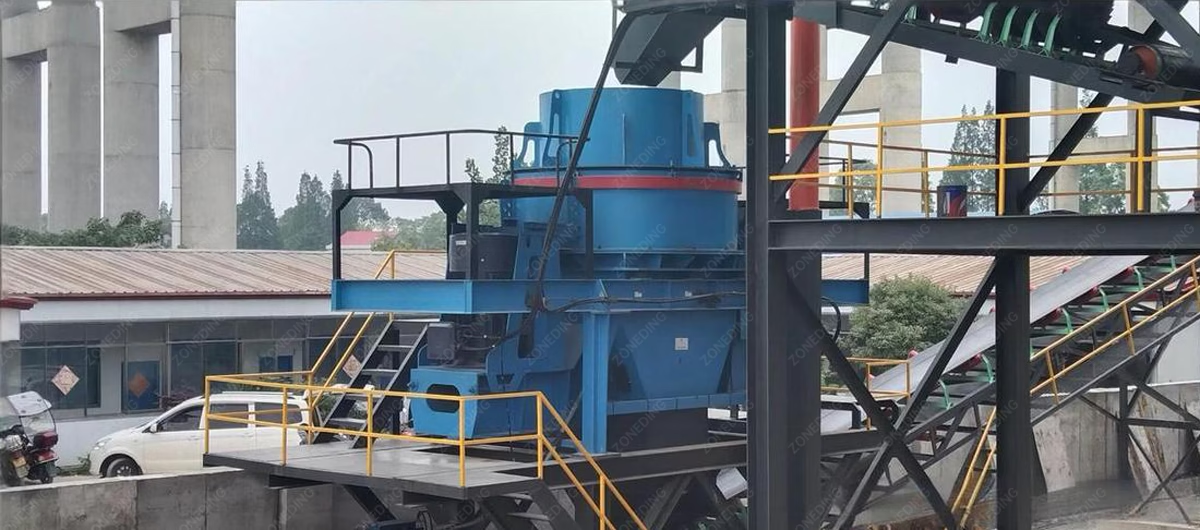
We designed a complete production line for them. It included a vibrating feeder, the VSI crusher, and a circular vibrating screen. We also added a sand washing machine to remove the extra dust. The project was a massive success. They stopped buying river sand entirely. They now sell their “waste” as premium M-sand to other construction companies. They told us that the cubical shape of the sand reduced their cement use in concrete blocks by 10%. This saved them over $50,000 in the first year alone. The machine has run for two years with very little maintenance. They are now planning to buy a second machine to double their capacity.
You must be careful when selecting a supplier for your heavy machinery. Many companies act as traders. They buy from a factory and add a premium to the price. They often do not have their own engineers or spare parts. When your machine breaks down, they cannot help you. You should look for a manufacturer that owns their own factory. A real factory will have massive workshops and heavy testing equipment.
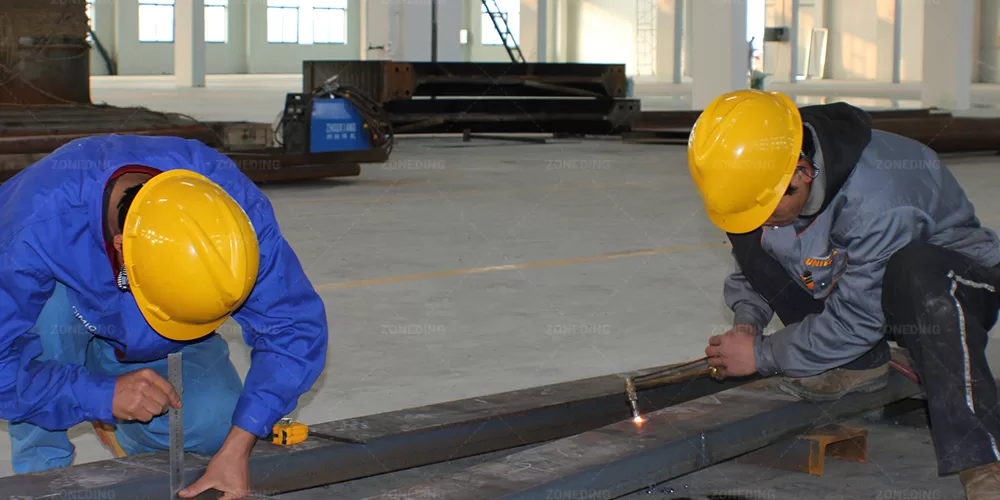
We at ZONEDING invite you to visit our 8000-square-meter factory in China. You can see our CNC machines and our quality control process. You should also check if the supplier provides a full-service package. Do they help with the site design? Do they send engineers for the installation? We provide all these services to our global clients. You also need to ask about the availability of spare parts. You do not want your machine to sit idle for weeks waiting for a small part. We keep a massive stock of rotors, blow bars, and bearings. We ship them fast to keep your production running. You choose a partner, not just a seller. You want a company that will support you for the next ten years.
The sand making industry is moving toward more automation and environmental protection. In 2025, you are seeing more “Dry Sand Making” systems. These systems use air to separate the dust instead of water. This is a huge advantage if your quarry is in a dry area or if water laws are strict. You do not need a settling pond and you do not create a muddy mess. You get clean, dry sand that is ready for the market immediately.
We at ZONEDING are leading these innovations. We now offer fully enclosed sand making stations that are very quiet and produce zero dust clouds. You can operate these machines near residential areas without getting complaints. You stay ahead of the regulations and you protect the health of your workers. You use data to track your production in real-time on your phone. This technology makes you a more professional operator and increases your bottom line.
You now know that a sand making machine is the key to modern aggregate production. You use it to produce high-value M-sand from raw stones or waste. You need to focus on VSI technology if you want the best quality for your customers. You must maintain your machine by checking the rotor and the lubrication every day. You should choose a manufacturer like ZONEDING that offers full engineering support and fast spare parts.
You should start by analyzing your local market. What kind of sand do builders want? What rocks are available to you? We suggest you send us a sample of your rock for testing. We will tell you exactly how much sand you can make and what your costs will be. You take the first step toward a more profitable and independent business today.
Last Updated: April 2026
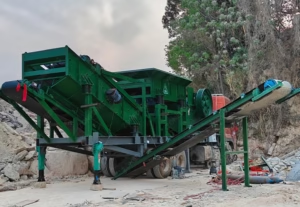
A comprehensive mobile crushing guide for buyers. Compare factors like material hardness, capacity, and mobility (track vs. wheel) to maximize your mining ROI.
View details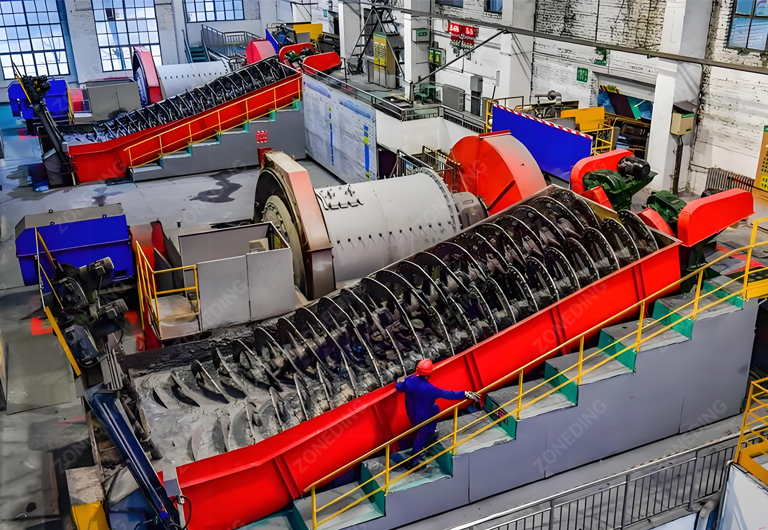
Avoid expensive CAPEX and OPEX blunders. Learn the 7 critical pitfalls in choosing mineral processing machinery that can drain your project's ROI.
View details
Delve into dolomite:definition, properties,formation, and industrial processes for mining, crushing, grinding, and calcining it for various applications.
View details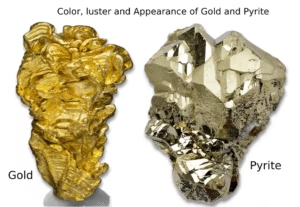
This guide tells the key differences between pyrite (Fool's Gold) and real gold. Compare color, streak, brittleness, and crystal shape before you get excited.
View details