 Zoneding Mining

Site Search
Search products, equipment and solution articles
整站搜索产品中心新闻中心
点击开始搜索
热门搜索
UltraForm-MXFlexiPoly-RNanoForm Z300EcoFab P200
Search products, equipment and solution articles
We know how much a sudden machine stop hurts your business. You invest a lot of money into a ball mill for your mineral processing plant. This machine is the heart of your production line. If the ball mill stops, your entire gold or copper mine goes silent. You lose thousands of dollars every hour the mill stays still. We want to help you prevent these expensive problems. Proper ball mill maintenance is the only way to keep your project profitable. This guide gives you expert steps to keep your equipment running for many years. You will learn the best ways to check your gears and liners today.
Last Updated: April 2026 | Estimated Reading Time: 25 Minutes
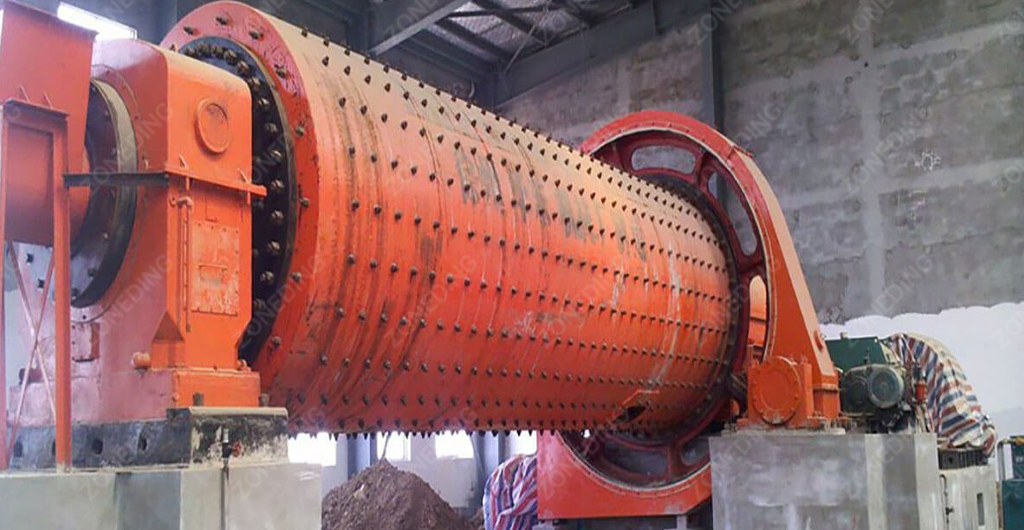
Regular maintenance prevents small cracks from turning into total machine failures. A ball mill works by rotating a giant steel drum filled with heavy rocks and steel balls. This process creates massive force and constant vibration every second. This force eventually loosens every bolt and wears down every gear tooth. We at ZONEDING build our mills with high-strength steel. However, even the strongest steel needs a human eye to check it weekly. You must catch a loose bolt before it flies off and breaks a gear. This simple habit saves you from buying a whole new mill later.
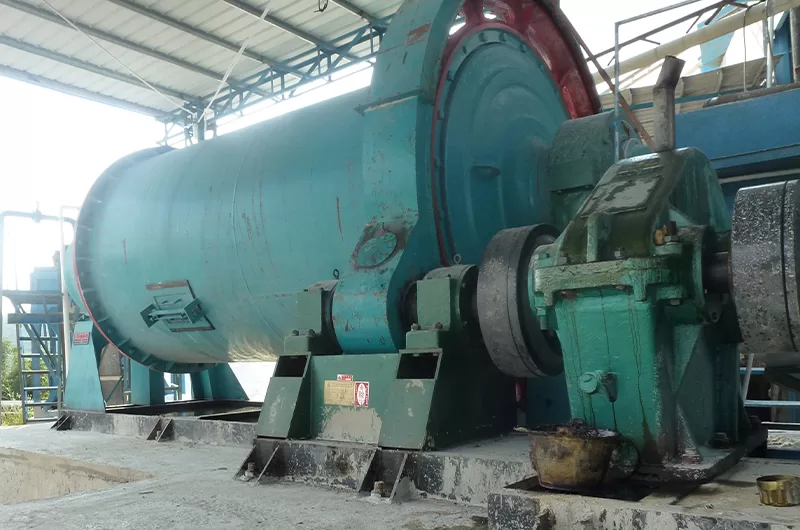
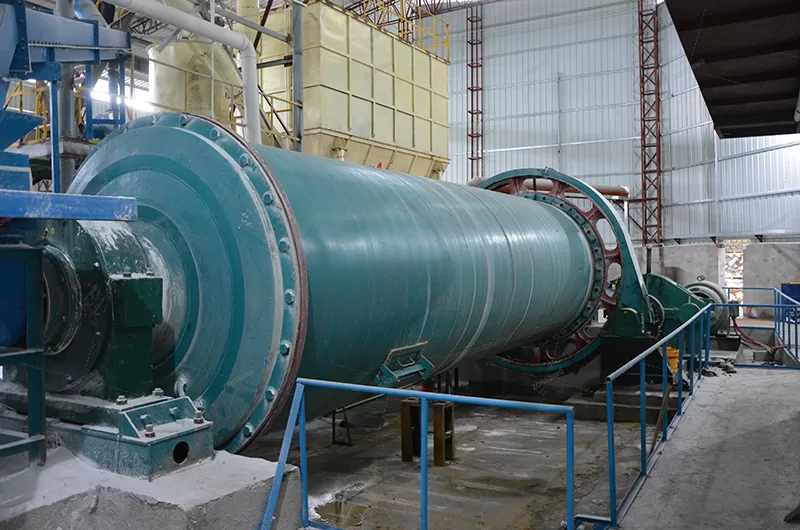
We have seen many mines ignore their daily checks to save time. These owners usually end up spending ten times more money on emergency repairs. Maintenance is not a waste of time. It is a smart financial strategy for your business. When you clean the dust off the bearings, they stay cool. When you tighten the liner bolts, the shell stays safe. We design ZONEDING mills to be easy to service. We provide clear access points for your workers. You increase your equipment lifespan effectively by following a strict schedule. This keeps your production steady and your bank account full.
| Component | What to Check | Why it Matters | Your Practical Benefit |
|---|---|---|---|
| Main Bearings | Temperature and oil flow | Prevents the bearing from melting | Stops expensive shaft damage before it starts |
| Girth Gear | Vibration and noise | Protects the teeth from breaking | Keeps the mill turning smoothly for decades |
| Motor | Current and vibration | Prevents electrical burnout | Avoids total power failure in your plant |
You must keep the lubrication oil clean to protect the heavy bearings. Oil is the lifeblood of your mineral processing equipment. The main bearings support hundreds of tons of weight. Without a thick layer of oil, the metal surfaces will touch and melt together. This friction creates extreme heat very fast. We at ZONEDING equip our ball mills with advanced automatic lubrication stations. These systems pump oil directly to the parts that need it most. You must monitor the oil pressure on the screen every hour. High pressure often means a pipe is blocked by dirt.
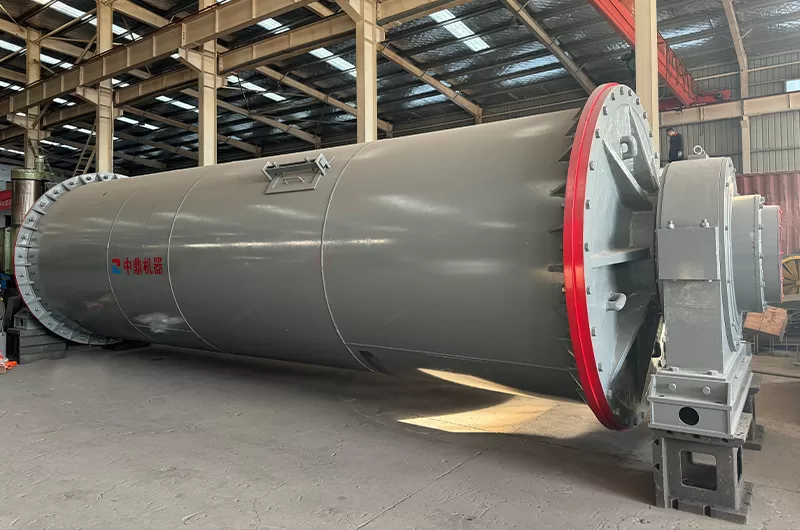
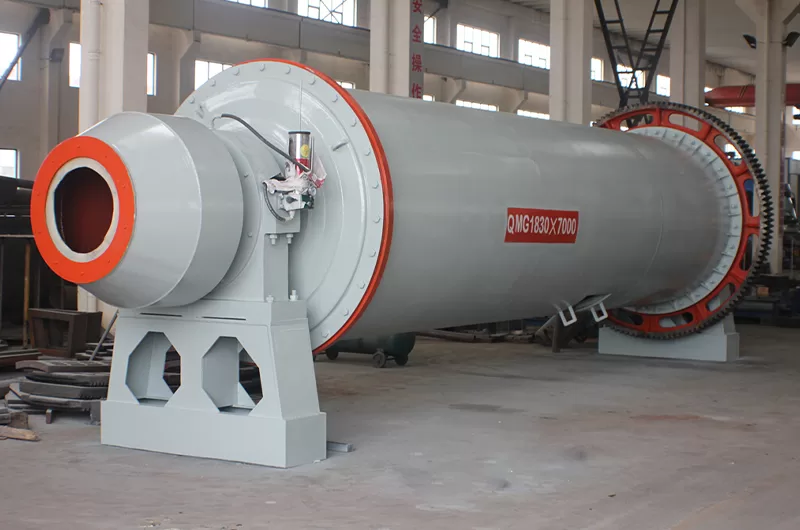
We suggest checking the oil quality every single month. Rocks create a lot of fine dust in a mine. This dust finds its way into your oil tanks easily. Dirty oil acts like sandpaper inside your bearings. It grinds away the smooth metal surfaces. You should change the oil filters every time you see the pressure rise. Also, check the oil cooling system. If the oil gets too hot, it becomes thin like water. Thin oil cannot support the heavy drum. We design our cooling systems to work in hot climates. You keep your ball mill healthy by keeping the oil cool, clean, and flowing.
Replace your steel liners when they reach 20 percent of their original thickness. The liners protect the expensive steel shell of the ball mill. Thousands of steel balls hit these liners every minute. This impact crushes the ore but also wears down the liner. If the liner gets too thin, it will crack and fall off. Then, the steel balls will hit the shell directly. This will destroy the entire mill drum very quickly. I tell my customers to check the liner bolts for leaks every week. A wet spot on the outside of the shell means a bolt is loose.
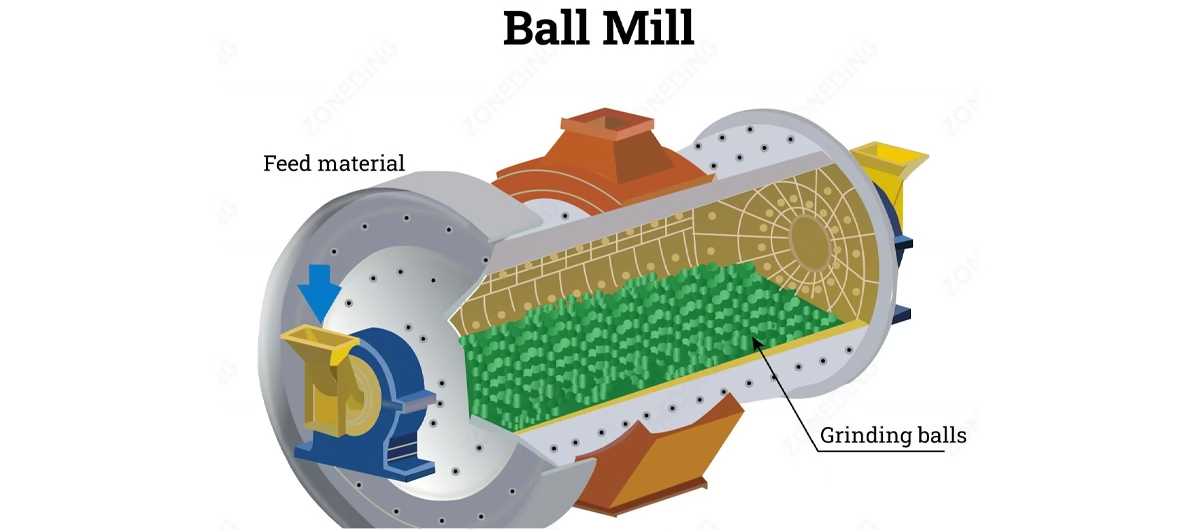
You should measure the thickness of the liners during every long stop. We at ZONEDING provide high-manganese steel liners for maximum wear life. Different ores wear down liners at different speeds. Hard quartz is much more abrasive than soft limestone. You should keep a map of the wear pattern inside the mill. Usually, the liners near the feed end wear out first. You don’t always need to replace the whole set. Sometimes you only replace the first two rows. This strategy saves you a lot of money. You keep the mill efficient and protect the drum shell at the same time.
We suggest you check the ball charge level every week. As the balls grind the rock, they also get smaller. If the balls are too small, they cannot break the big rocks. Your production speed will drop.
You must look for excessive vibration to find hidden mechanical problems. A well-maintained ball mill should drum consistently. It should not shake the ground or jump on its base. If you feel heavy vibration, the mill is likely out of balance. This often happens because the liners are worn unevenly. Or, it might mean the foundation bolts are loose. We at ZONEDING provide heavy-duty anchor bolts with every machine. You must check these bolts with a torque wrench every month. A loose foundation will eventually crack the concrete base and tilt the mill.
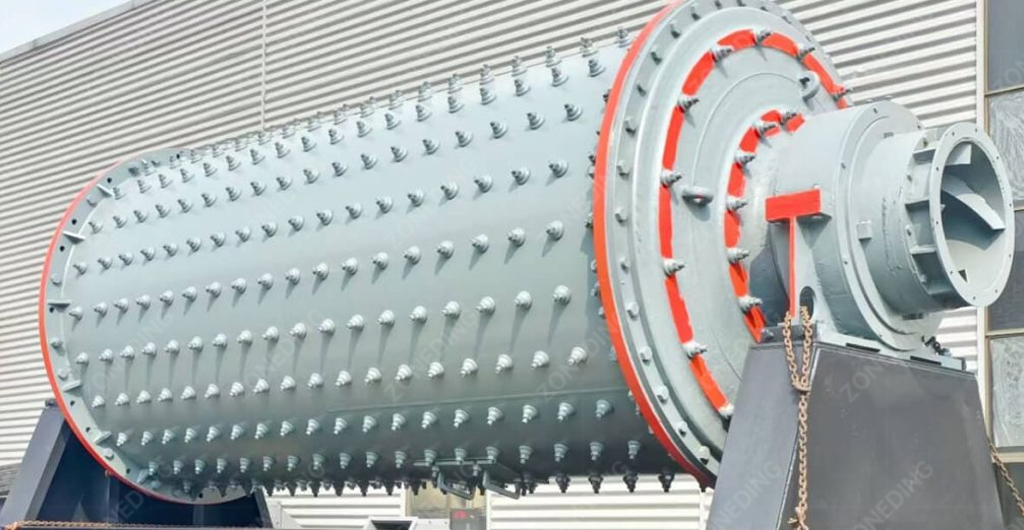
Heat is another warning sign of mechanical failure. Check the temperature of the electric motor housing. If the motor is too hot to touch, it is working too hard. This might mean you put too many rocks inside the mill. Or, the internal parts are rubbing together. We suggest using an ammeter to watch the motor current. If the current jumps up suddenly, stop the mill. Look for a blockage in the discharge screen. We design our mills with safety sensors to help you. These sensors can turn off the power before the motor burns out. You solve problems faster when you watch the data.
You must monitor the electric motor temperature to prevent total power failure. The main motor drives the heavy drum. Dust from the rocks enters the motor vents. This dust blocks the internal cooling air. The copper wires inside get very hot. The insulation melts. The motor burns out completely. This sudden failure stops your mineral processing plant. You must blow compressed air through the motor vents every single week. This simple action keeps the motor spinning.
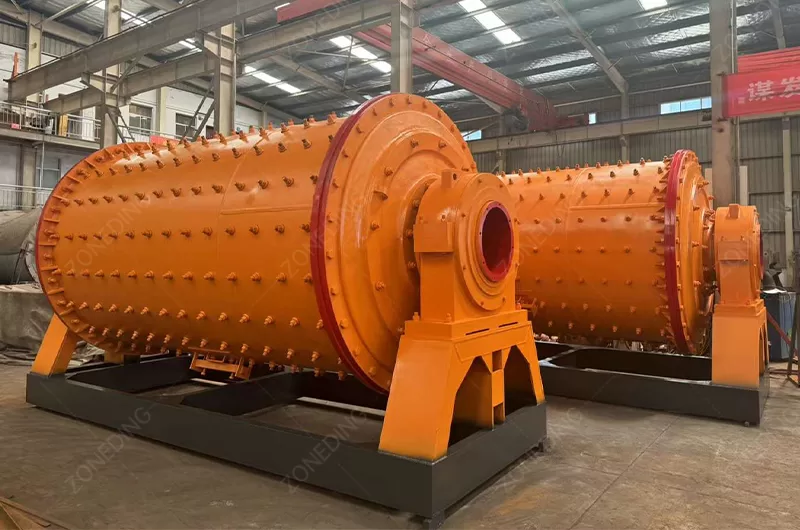
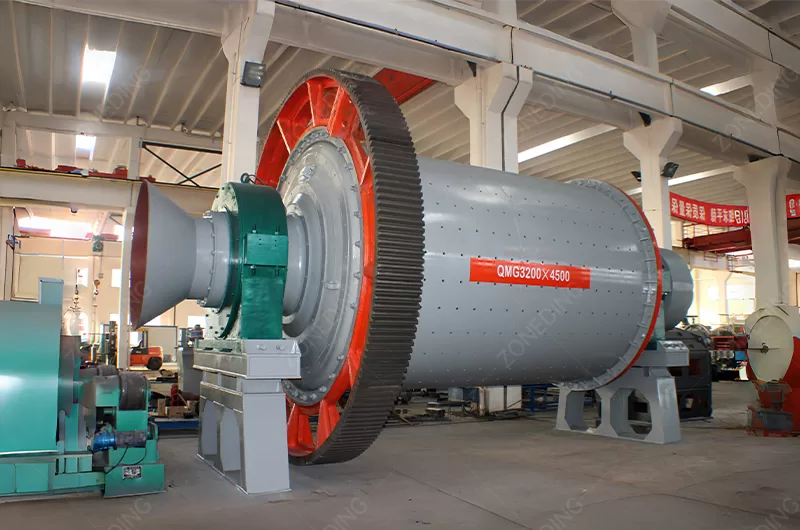
Electrical failures cost you massive amounts of money. A burnt motor requires expensive factory rebuilding. You cannot fix it on a remote mine site. We at ZONEDING equip our ball mills with premium sealed motors. We use international standard electrical parts for maximum safety. However, you still need to check the power cables for physical damage. Sharp rocks cut thick rubber cables. Water enters the cut cables and causes dangerous short circuits. I advise your electricians to measure the voltage and current daily. High working current means the mill is overloaded with ore. You must reduce the feed rate immediately. Proper electrical maintenance protects your most expensive mill component directly.
You must control the feed rock size strictly to stop chute blockages. The feed chute guides raw ore into the spinning drum. Excavators sometimes dump oversized rocks onto the conveyor belt. These big rocks get stuck inside the narrow chute opening. The wet ore builds up behind the blockage. The conveyor belt spills expensive material onto the dirty ground. You must stop the entire grinding process to clear the heavy mud. You lose hours of valuable production time.
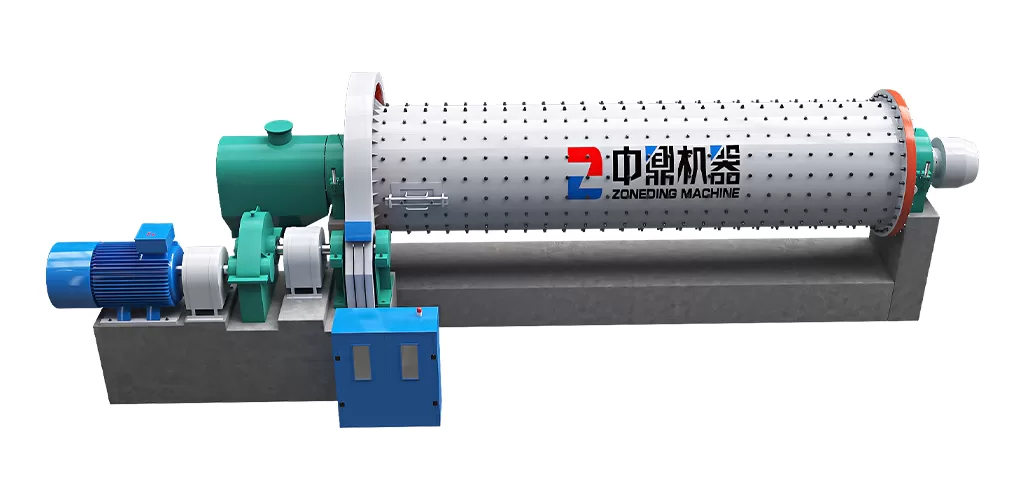
You should install a heavy steel screen before the mill chute. This screen catches large rocks before they enter the machine. Wet clay creates different feeding problems. Sticky clay clings to the steel chute walls tightly. It chokes the opening. We at ZONEDING design our feed chutes with steep angles. We line the inside with ultra-smooth steel plates. The sticky ore slides down into the ball mill fast. I recommend your operators wash the feed chute with high-pressure water every shift. They should never hit the chute shell with heavy steel hammers. Hammers dent the smooth metal and create more blockages later. Clean chutes keep your ore flowing perfectly.
You must check the foundation alignment to stop fatal gear wear. A ball mill weighs hundreds of tons fully loaded. It sits on massive concrete pillars. Heavy machines settle into the dirt over many years. One side usually sinks deeper than the other side. This uneven sinking bends the main steel drum. The huge girth gear does not mesh perfectly with the pinion gear anymore. The sharp steel teeth grind against each other. This destroys the expensive transmission system fast.
Misalignment causes terrible machine vibration instantly. You will hear a loud banging noise on every rotation. The main bearings will heat up rapidly due to uneven pressure. We at ZONEDING provide detailed civil engineering drawings for your site. Our 15 professional engineers calculate the exact concrete strength you need. We send our expert technicians to check the initial alignment using laser tools. We tell my customers to hire a surveyor every two years. The surveyor must measure the exact height of both bearing bases. You can add thin steel shims under the bearing housings if the concrete sinks. This careful adjustment brings the mill back to a perfect level. A perfectly level mill runs smoothly for decades.
You must keep the cold water flowing to prevent main bearing fires. The massive weight of the drum creates extreme friction heat inside the bearings. Thick oil alone cannot remove all this dangerous heat. We flow cold water through special jackets around the bearing housings. The water absorbs the high heat and carries it away. If the water pump breaks, the bearing temperature shoots up in minutes. The costly Babbitt metal inside the bearing melts like soft butter.
Hard mine water causes major problems inside cooling pipes. Minerals in the water create hard white scale on the pipe walls. This scale blocks the narrow water channels completely. The water stops moving. We at ZONEDING design open cooling water tanks for easy visual checks. I advise you to install a simple water flow alarm on the pipe. This alarm rings loudly if the water pressure drops suddenly. Your workers must flush the cooling pipes with safe cleaning chemicals every six months. This removes all the dangerous calcium scale inside. You should also check the rubber water hoses for external cracks. Sun and dirt ruin standard rubber. Good cooling systems keep your machine safe.
Technology is changing how we look after machines in 2025. Smart sensors are the biggest trend this year. These sensors live inside the mill and talk to your phone. They tell you exactly how thick the liners are without you opening the door. This saves hours of inspection time. We at ZONEDING are starting to install these smart vibration monitors on our new mills. You can see your machine health on a tablet in your office. This is the future of mining.
The global market is moving toward “Predictive Maintenance.” This means the machine tells you it will break before it actually happens. AI software looks at the vibration patterns and smells a problem coming. This allows you to plan your repairs for a quiet weekend. You do not get surprised by a failure on a busy Monday morning. ZONEDING stays at the front of these trends. We help you use this new technology to make your mine more efficient.
Maintenance is the key to a successful mining business. You must check your oil flow and bearing temperatures every day. You must replace your liners before they get too thin and break. You should listen for new noises and watch for vibrations. Using a strict checklist keeps your workers safe and your machine healthy. Proper care can make your ball mill last for over 20 years.
We suggest you start a maintenance logbook today. Write down every repair and every oil change. This data helps you predict when you will need new parts. Contact the ZONEDING engineering team for a free maintenance plan. We can help you choose the right spare parts for your specific ore type. Do not wait for a breakdown. Start your prevention plan now.
Contact us today to get a quote and a free technical drawing for your next mill.
Last Updated: April 2026
This guide tells steps for tungsten ore processing like crushing, grinding, gravity separation, flotation, magnetic separation to produce tungsten concentrate.
View details
This guide tells what mineral processing is, explaining how valuable materials are extracted through essential steps like crushing, grinding, and separation.
View details
Looking to improve your sand and gravel making process? This guide provides practical tips on optimizing your operations, reducing waste, and increasing output.
View details
A comprehensive mobile crushing guide for buyers. Compare factors like material hardness, capacity, and mobility (track vs. wheel) to maximize your mining ROI.
View details