 Zoneding Mining

Site Search
Search products, equipment and solution articles
整站搜索产品中心新闻中心
点击开始搜索
热门搜索
UltraForm-MXFlexiPoly-RNanoForm Z300EcoFab P200
Search products, equipment and solution articles
Copper stands as an indispensable material in modern life. Its unique properties drive its countless applications across diverse industries. From conducting electricity to enabling renewable energy, copper’s role remains critical. This guide explores why copper is an essential material. It empowers many aspects of our technology and infrastructure.
ZONEDING MACHINE, a leading manufacturer of mineral processing equipment, supports the copper industry. We provide the essential technology for extracting and preparing copper ore. This ensures a steady supply for these vital uses.
Copper’s exceptional versatile applications stem from a unique combination of its physical and chemical properties. Its high electrical conductivity, superior thermal conductivity, excellent corrosion resistance, and remarkable malleability define its widespread use. These characteristics position copper as an essential material in almost every sector of modern industry. Understanding these core properties helps explain why industries rely so heavily on copper. They find it critical for everything from wiring to complex machinery.
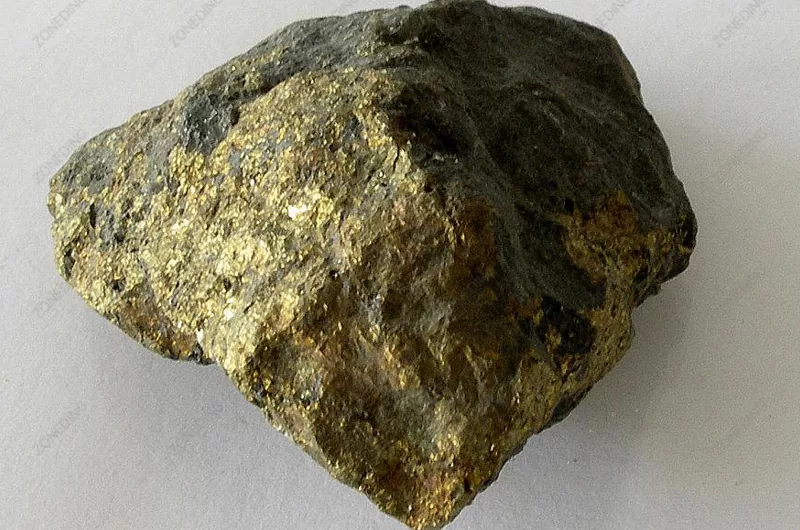
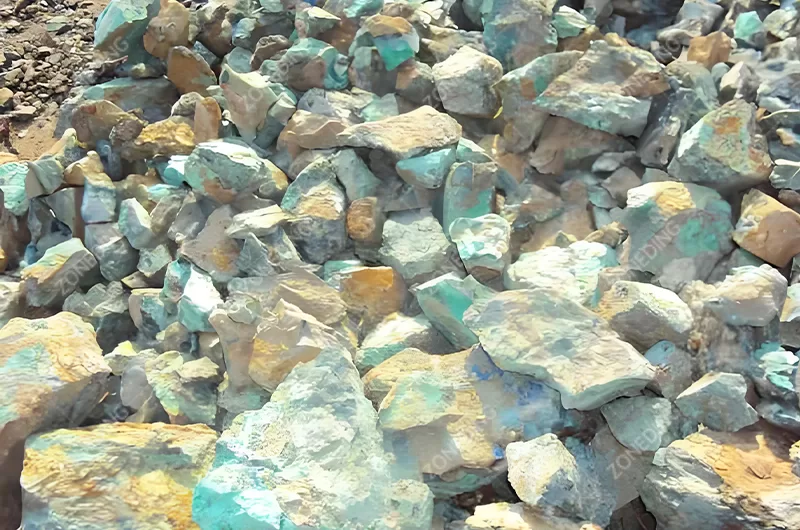
Copper ore processing plants, using ZONEDING’s mineral processing equipment, efficiently extract this valuable metal. Our grinding equipment and flotation machines prepare copper concentrate. This vital first step ensures industries receive high-quality copper for countless applications. Without efficient extraction, many modern technologies would not be possible.
Copper exhibits exceptional electrical conductivity. Only silver surpasses it among non-precious metals. This property makes copper critical for all electrical wiring, power transmission, and electronic circuits. Its ability to efficiently transfer electrons minimizes energy loss. This ensures reliable power delivery and data transfer. Similarly, copper boasts excellent thermal conductivity. This allows it to quickly absorb and dissipate heat. This makes it ideal for heat exchangers, radiators, and cooling systems found in various industrial and consumer products. These dual conductivities form the bedrock of copper’s utility in modern technology.
Beyond conductivity, copper offers impressive corrosion resistance. This trait allows it to withstand harsh environments without significant degradation. It ensures longevity in plumbing systems, marine applications, and roofing. Copper also exhibits remarkable malleability and ductility. Manufacturers can easily draw it into thin wires, stamp it into sheets, or form it into intricate shapes. This ease of fabrication reduces manufacturing costs and expands design possibilities. This combination of properties makes copper a truly versatile and essential material across countless industries.
Copper forms the undisputed foundation of electrical infrastructure and electronic devices due to its superior electrical conductivity. This property allows efficient and reliable power transmission and signal transfer. Consequently, copper remains central to nearly every aspect of modern daily life. From the power grid that lights our homes to the smartphones in our pockets, copper silently performs its critical function. No other non-precious metal offers such a cost-effective and high-performance solution for electrical applications.
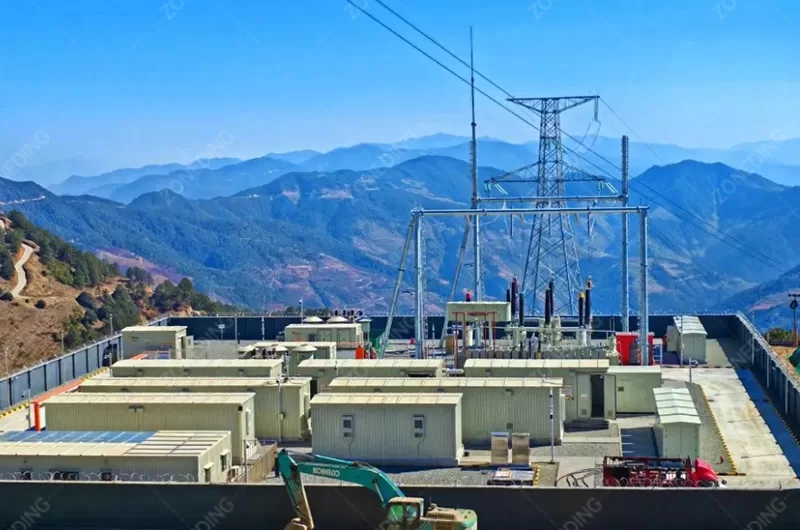
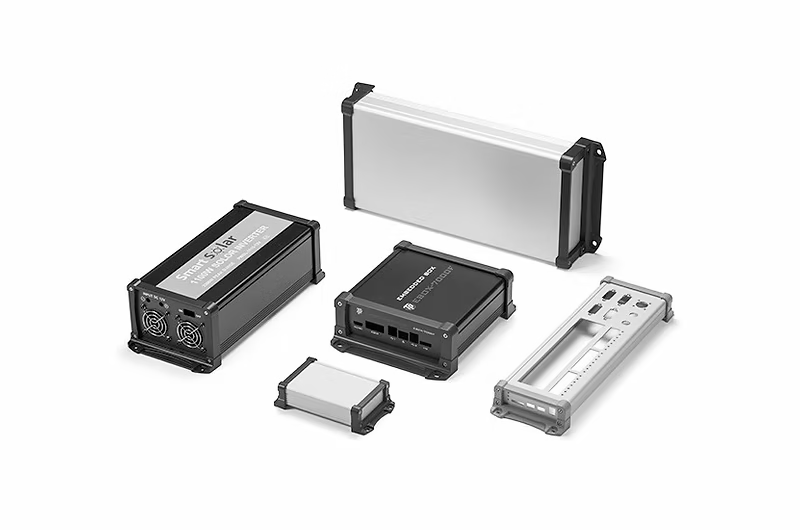
ZONEDING provides essential mining equipment for copper extraction. This crucial phase ensures a steady supply of this vital metal. Our crushing equipment processes copper ore efficiently. This makes available pure copper for electrical wires and electronic components globally. By ensuring efficient initial processing, ZONEDING directly contributes to the functionality of modern power systems and electronic devices.
Copper cables form the lifeline of our electrical grid. They transmit electricity from power plants to homes and businesses globally. Its high conductivity minimizes energy loss over long distances. This makes it the preferred material for wiring in power generation, transmission, and distribution systems. Residential and commercial buildings use extensive copper wiring to deliver electricity safely throughout structures. These robust systems ensure reliable access to power. They underpin virtually all modern activities.
The electronics industry relies heavily on copper’s conductivity and malleability. Printed circuit boards (PCBs), found in almost every electronic device, feature intricate copper traces. These traces connect components and form complex circuits. Computers, televisions, and home appliances all depend on copper. In telecommunications, copper wires transmit data and voice signals. While fiber optics handle long-distance data, copper remains crucial for “last-mile” connections and internal device wiring. Its reliability ensures seamless communication and information flow.
Copper’s durability, aesthetic appeal, and remarkable corrosion resistance make it a favored material in construction and architecture. Builders and designers value copper for its long lifespan and minimal maintenance requirements. Its ability to develop a distinctive patina over time also adds unique visual character to buildings. This makes it a popular choice for both functional and decorative elements. Copper does more than simply function; it enhances a structure’s longevity and visual quality.
ZONEDING plays a key role in making copper available for these enduring structures. Our mineral processing equipment efficiently separates copper from its ore. This produces high-purity copper. Architects and builders then incorporate this into various building components. Through our contribution to efficient copper extraction, ZONEDING helps construct resilient and aesthetically pleasing buildings worldwide.
Copper piping remains a top choice for plumbing systems in residential and commercial buildings. Its inherent corrosion resistance ensures a clean and safe water supply. Unlike some other materials, copper does not leach harmful substances into water. Its antimicrobial properties also inhibit bacterial growth within pipes. This contributes to better water hygiene. The durability of copper pipes translates into fewer leaks and longer-lasting systems, reducing future maintenance costs.
Architects often choose copper for prestigious roofing and architectural cladding projects. Its exceptional durability means copper roofs can last for centuries. This offers unparalleled longevity compared to other materials. The characteristic green patina that forms on copper surfaces over time is highly prized. It protects the metal and adds a unique aesthetic appeal to buildings. Copper also features in gutters, downspouts, flashing, and decorative elements. These components combine functionality with timeless elegance.
Copper plays an increasingly vital role in the transportation sector. It enables the advancement of automotive, aerospace, and marine industries. This is especially true with the global push toward electrification. Its excellent electrical and thermal conductivity, combined with corrosion resistance, makes it ideal for managing power and heat in modern vehicles. As transportation systems become more advanced and sustainable, copper’s demand continues to grow.
ZONEDING’s ore processing solutions ensure a steady supply of processed copper ore. This supports technological advancements in transportation. Our complete production line offerings assist miners in extracting copper efficiently. This directly fuels the future of electric vehicles and high-performance aircraft. Copper lies at the heart of innovations driving cleaner, more efficient modes of transport.
Electric vehicles utilize significantly more copper than traditional gasoline-powered cars. Copper is crucial for EV motors, inverters, and battery packs. It also comprises essential wiring harnesses. A typical EV contains about 83 kilograms (183 pounds) of copper. This compares to roughly 23 kilograms (50 pounds) in internal combustion engine vehicles. The charging infrastructure for EVs also relies heavily on copper. It quickly and safely transfers high currents. This makes copper a cornerstone of the burgeoning EV revolution.
In aerospace, copper’s light weight (when drawn into fine wires), superior conductivity, and thermal resistance make it essential. Aircraft use it for extensive wiring, control systems, and specialized heat exchangers. Its reliability ensures critical safety functions. In marine environments, copper-nickel alloys offer exceptional resistance to saltwater corrosion and biofouling. Shipbuilders use them for shipbuilding. They appear in piping systems, heat exchangers, and even propeller components. This ensures longevity and performance in harsh oceanic conditions.
Copper sits at the forefront of the global transition to renewable energy. It proves indispensable in systems generating, storing, and transmitting clean power. Solar panels, wind turbines, and energy storage devices heavily rely on copper. Its high electrical efficiency ensures minimal energy loss throughout the renewable energy chain. This makes it an indispensable component in building a sustainable future.
ZONEDING plays a direct role in empowering this green revolution. We supply complete production line equipment for copper ore processing. This helps ensure a steady and efficient source of copper. Our flotation machine and other mineral beneficiation equipment maximize copper recovery. This directly supports the growing demand from the renewable energy sector.
Solar panels extensively use copper for wiring the photovoltaic cells. It also appears in junction boxes and inverters. Copper facilitates the efficient collection and conversion of solar energy into usable electricity. Its excellent conductivity minimizes resistance. This ensures maximum power output from each panel. Furthermore, copper contributes to the durability of solar modules. This allows them to withstand various environmental conditions over their long operational lives.
Wind turbines contain significant amounts of copper, primarily in their generators and power cables. Large offshore wind turbines, in particular, use several tons of copper. It efficiently captures mechanical energy and converts it into electrical power. Additionally, copper plays a crucial role in energy storage systems. These include large-scale batteries and electric vehicle charging stations. Copper busbars and wiring efficiently handle charging and discharging currents. This helps manage intermittent renewable energy sources.
Copper’s robust properties make it essential in a wide array of industrial processes and machinery. Beyond its high-profile roles in electricity and construction, copper, and its many alloys, often serve as the unseen workhorses of industry. Its versatility allows use in diverse applications. These range from heat exchange systems to specialized tools and even medical devices. Industries value copper for its unique combination of strength, conductivity, and durability.
ZONEDING supports these varied industrial needs. We provide efficient mineral processing equipment that ensures a steady and high-quality supply of copper. Our crushing equipment and grinding equipment help prepare copper ore. This is critical for metallurgy. It enables the production of copper-based alloys. These alloys then serve numerous industrial purposes.
Copper’s exceptional thermal conductivity makes it the material of choice for heat exchangers. These appear in industrial cooling systems, HVAC (heating, ventilation, and air conditioning) units, and refrigeration. Copper tubing efficiently transfers heat, ensuring optimal performance and energy economy in these applications. Its corrosion resistance also ensures longevity and reliability, even when exposed to various fluids and refrigerants. This makes it an indispensable component for precise temperature control.
Copper forms the base of many important alloys. Brass, a copper-zinc alloy, offers high strength, corrosion resistance, and good machinability. It appears in valves, fittings, musical instruments, and decorative items. Bronze, primarily copper and tin, provides even greater strength and wear resistance. It serves for bearings, gears, and propellers. Additionally, copper’s natural antimicrobial properties have found use in medical equipment. It sterilizes surfaces and high-touch areas in hospitals. This helps reduce the spread of infections.
Selecting the right partner for copper processing significantly impacts a mining operation’s success and profitability. Copper extraction and beneficiation are complex processes. They demand specialized mineral processing equipment and deep industry knowledge. A reliable partner offers more than just machinery; they provide expertise, comprehensive support, and tailored ore processing solutions for various copper ore types.
When sourcing mining equipment, partners should consider the supplier’s experience with different copper mineralogies. They should also evaluate their reputation for equipment reliability and their ability to offer complete complete production line solutions. ZONEDING stands out as a leading expert. We offer robust and efficient grinding equipment, flotation machine, and other essential tools for optimizing copper recovery.
Choosing a supplier for copper ore processing equipment requires evaluating several key factors. First, assess their technical expertise in handling diverse copper ore bodies. This includes sulfide, oxide, and mixed ores. Second, check the quality and durability of their crushing equipment, grinding equipment, and mineral beneficiation equipment. These products must withstand the abrasive nature of copper ores. Third, consider their ability to provide custom solutions. Plant design and equipment configurations should optimize for specific project requirements. Finally, a strong commitment to after-sales service, including installation, training, and spare parts, ensures smooth and continuous operation.
The global landscape for copper applications evolves rapidly. Several key trends shape its future demand and usage patterns in 2025 and beyond. The accelerating transition to a green economy and continued technological advancements drive these developments. Copper’s inherent properties position it perfectly for these emerging needs. Miners anticipate significant shifts in demand sectors. This influences global copper ore processing strategies.
The growing emphasis on sustainability also shapes copper’s future. Industries increasingly recognize its recyclability and the importance of responsible sourcing. ZONEDING, as a provider of mining equipment, remains at the forefront of these trends. We constantly adapt our mineral processing equipment to support efficient and environmentally sound copper extraction.
Analysts often refer to copper as the “green” metal due to its critical role in sustainable technologies. Global demand for copper is projected to grow significantly. Some estimates suggest a 50% increase by 2050 to meet net-zero emissions targets. This underscores the importance of efficient copper ore processing and responsible mining solutions. ZONEDING’s advanced mineral beneficiation equipment helps meet this crucial global demand sustainably.
Copper truly earns its title as an essential material in modern life. Its unparalleled combination of properties drives countless applications across electrical, construction, transportation, and renewable energy sectors. As technology advances and the world transitions to a more sustainable future, copper’s demand will only continue to grow. Its recyclability further enhances its value, making it a critical component of global circular economies.
The continuous efficient extraction and processing of copper ore remain paramount. Mining companies must invest in reliable and advanced mineral processing equipment to meet this surging demand sustainably. Partnering with experienced manufacturers like ZONEDING ensures optimal recovery and preparation of this vital resource.

From panning to separation, get ultimate guide on how to process black sand for gold. Learn tips to improve yield and identify gold-rich black sand deposits.
View details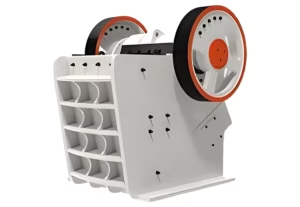
A jaw crusher is a primary stone crusher in mining&aggregate. Learn its types, parts, work principle, maintenance, how to choose. ZONEDING provides good choice!
View details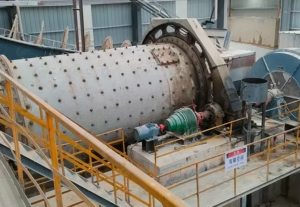
Learn 5 common methods, processes & work principles of mineral ore dressing. From crushing to separating, discover key tips for efficient mineral separation.
View details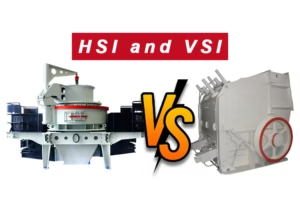
Confused between an HSI and VSI impact crusher? This guide breaks down the key differences in application, feed material, product shape (cubicity), and cost.
View details