 Zoneding Mining

Site Search
Search products, equipment and solution articles
整站搜索产品中心新闻中心
点击开始搜索
热门搜索
UltraForm-MXFlexiPoly-RNanoForm Z300EcoFab P200
Search products, equipment and solution articles
Zeolite is a naturally occurring volcanic mineral with a unique crystalline structure. This mineral acts as a molecular sieve because its internal pores trap specific molecules and ions. In its raw earth form, zeolite contains impurities and trapped water that limit its industrial performance. For this reason, a professional Mineral Processing Plant is necessary to clean, crush, and activate the rock. Processing unlocks the full potential of zeolite for high-value applications like water filtration, catalyst support, and soil conditioning.
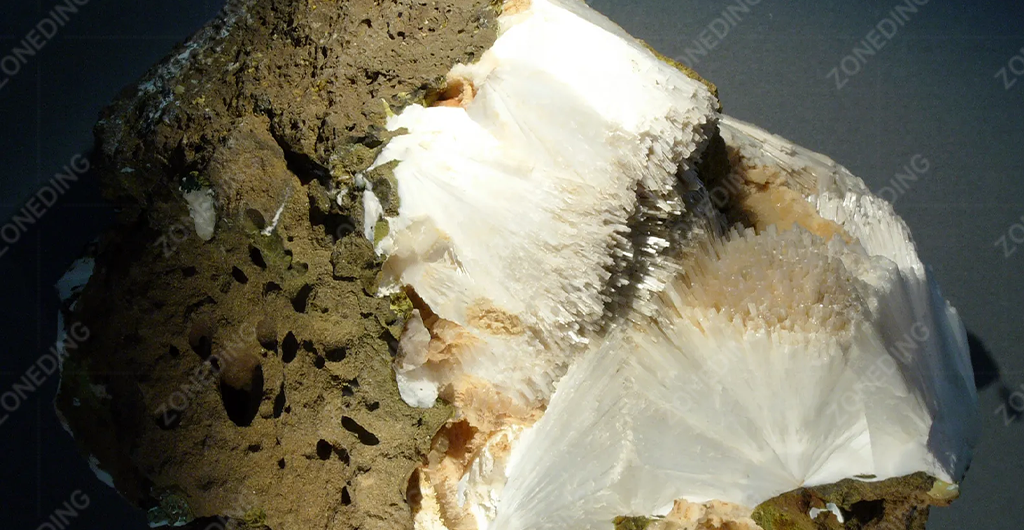
A standard zeolite production workflow includes several critical stages. These stages are primary crushing, fine grinding, drying, and activation. Activation is the most important step because it opens the internal pores for adsorption. Thermal activation removes moisture through heat. Chemical activation replaces existing ions with more useful alternatives like sodium or silver. ZONEDING MACHINE provides all the specialized equipment needed for these stages. This includes jaw crushers, ball mills, and rotary kilns. Proper industrial processing ensures the final powder reaches the specific surface area and ion-exchange capacity required by modern buyers in 2025.
Last Updated: March 2026 | Estimated Reading Time: 25 Minutes
Raw zeolite ore comes from the earth in large, irregular blocks. These blocks are often mixed with clay, sand, and other volcanic rocks. The first goal of zeolite processing is to liberate the pure mineral from these contaminants. Primary crushing reduces large boulders into smaller, manageable fragments for further milling. Without this stage, the fine-grinding equipment would suffer from excessive wear and mechanical damage. High-efficiency plants use a series of crushers to achieve the desired particle size for the activation kiln. This stage also allows for the removal of non-zeolite rocks through manual or automated sorting systems.
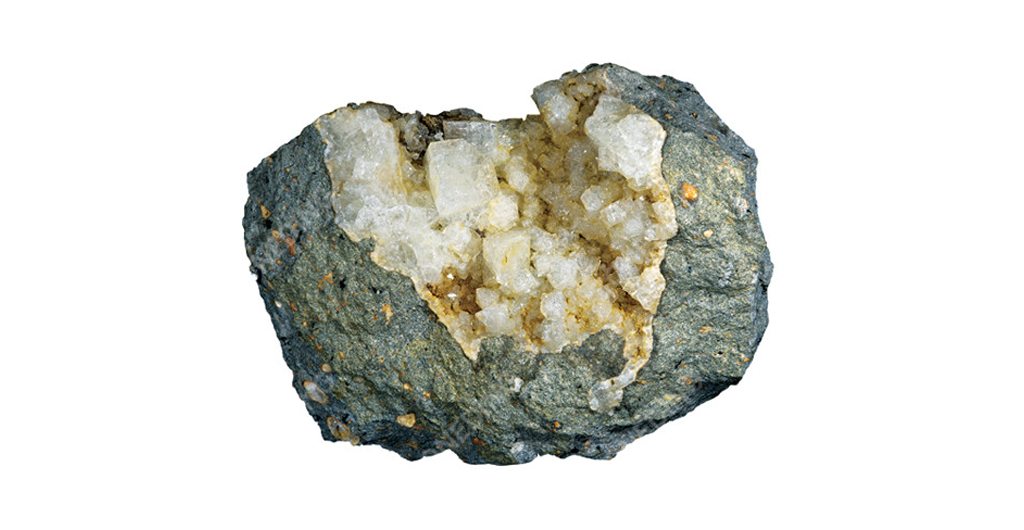
ZONEDING Jaw Crushers are the ideal choice for this primary stage. These machines handle the toughness of volcanic rock with ease. After the primary crush, the material typically moves to a secondary impact crusher or a ball mill. The target size for most industrial zeolite powders is between 100 microns and 1 mm. Fine grinding increases the total available surface area. This bigger surface area is key for ion exchange and adsorption tasks in chemical filters. The equipment must be durable because zeolite is abrasive and can wear down standard steel parts quickly.
After the zeolite is crushed, it enters a ZONEDING Ball Mill. This machine uses steel or ceramic balls to grind the rock into a fine, uniform powder. For filtration applications, the grain size must be very precise. If the powder is too fine, it will clog the filter system. If it is too coarse, it will not trap enough impurities. A ball mill provides the control needed to reach the ideal particle size for every B2B buyer. Ceramic liners are often used in these mills to prevent iron contamination during the process. This maintains the high purity required for pharmaceutical or food-grade applications.
Magnetic separators and vibrating screens are used alongside the crushers. These machines remove iron-bearing minerals and oversized rocks. ZONEDING Vibrating Screens sort the material into different grades. This allows the plant to sell several different products from a single batch of ore. Clean, well-sorted zeolite commands a much higher price in the global market. Effective screening also protects the downstream rotary kiln from grit and sand that does not activate well. The accuracy of the screen determines the consistency of the final product.
| Processing Stage | Machine Type | Feed Size | Final Size | Action for You |
|---|---|---|---|---|
| Primary Crushing | Jaw Crusher | 500mm | 50-100mm | Reduce bulk size |
| Secondary Milling | Ball Mill | 20mm | 0.1-1.0mm | Create surface area |
| Drying | Rotary Dryer | Variable | <5% Moisture | Prevent clogging |
| Activation | Rotary Kiln | Milled Powder | Activated State | Open internal pores |
Activation is the process of making the mineral’s internal pores accessible. In nature, these pores are often filled with water or small volcanic molecules. Thermal activation involves heating the zeolite to specific, controlled temperatures. Heating zeolite to 300°C–500°C removes the zeolitic water without destroying the crystal framework. This transforms the mineral into a powerful desiccant and adsorbent. It creates a vacuum-like effect inside the microscopic cages of the rock. Without this heat treatment, the zeolite remains “dormant” and has very little industrial value.
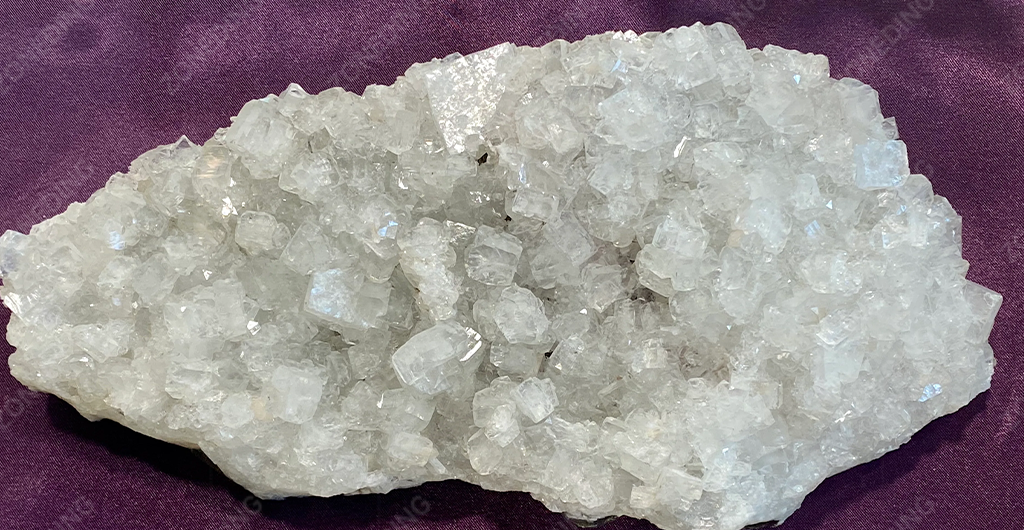
A ZONEDING Rotary Kiln is the standard equipment for this process. The kiln rotates the zeolite slowly as hot air passes through the internal chamber. This ensures that every grain is heated evenly from the outside in. If the temperature is too low, the pores stay closed. If the temperature is too high (above 700°C), the crystal structure collapses. The zeolite then turns into a useless glass-like stone. ZONEDING kilns feature advanced temperature sensors to prevent this outcome. Precise control of the kiln speed also dictates the residence time of the mineral.
Precise temperature control is vital for high-performance zeolite grades. The ZONEDING kiln system uses automated sensors to track the heat along the entire length of the tube. Different types of zeolite, such as clinoptilolite or mordenite, require different heating durations. A well-managed activation stage can increase the adsorption capacity of the mineral by more than 200%. This high-activity zeolite is perfect for removing ammonia from aquaculture or radioactive isotopes from wastewater. The moisture must be removed slowly to prevent the crystals from cracking under steam pressure.
Once the zeolite leaves the rotary kiln, it must be cooled quickly in a dry environment. If it is exposed to humid air, it will immediately re-absorb moisture from the atmosphere. ZONEDING provides integrated cooling systems that protect the activated state following the kiln discharge. The final product is then packed in airtight bags or sealed containers. This ensures the customer receives the mineral in its most powerful, activated form for immediate use. Storage in a low-humidity warehouse is the final step in maintaining high-grade quality.
Chemical activation involves changing the chemical makeup within the zeolite pores. Natural zeolite usually contains ions like sodium (Na+), calcium (Ca2+), or potassium (K+). Chemical activation replaces these existing ions with more active ones through a process called Ion Exchange. This tailors the mineral for specific chemical tasks. For example, sodium-activated zeolite is widely used for softening hard water in residential and industrial systems. It works by grabbing calcium from the water and releasing sodium into it.
This process usually happens in a “Wet Processing” system. The crushed zeolite is soaked in a salt or acid solution. The concentration and temperature of the solution are carefully controlled. ZONEDING provides the tanks, agitators, and Spiral Classifiers needed to handle these chemical reactions safely. Chemical activation creates a targeted adsorbent that can pick out specific poisons or minerals from a complex liquid mixture. This targeted behavior makes them invaluable in modern pharmaceutical and petrochemical sectors.
After the chemical soak, the zeolite must be washed to remove excess chemicals and salts. This is followed by a final drying stage in a ZONEDING Rotary Dryer. The dryer must operate at lower temperatures to avoid reversing the chemical exchange. ZONEDING dryers feature delicate speed controls to ensure the zeolite granules stay intact and functional throughout the heating phase. The result is a high-purity chemical product ready for global shipping and specialty chemical sectors.
| Feature | Thermal Activation | Chemical Activation | Your Choice Factors |
|---|---|---|---|
| Main Goal | Remove moisture / open pores | Swap internal ions for tasks | Chemical goal vs. Drying goal |
| Primary Machine | Rotary Kiln | Mixing Tanks / Spiral Classifier | Cost of fuel vs. Cost of chemicals |
| Target Use | Gas adsorption / Desiccants | Water softening / Catalysts | Adsorption vs. Ion Exchange |
| Maintenance | Higher fuel consumption | Higher chemical and water costs | Fuel availability vs. Water access |
Processed zeolite serves as a molecular sieve in many modern industries. The most common application is water filtration, where zeolite removes ammonia, heavy metals, and radioactive isotopes. In aquaculture, it is placed in fish ponds to prevent toxic ammonia buildup from feces and feed. Because it is a natural mineral, it is safe for livestock and the environment. ZONEDING Mining Equipment ensures the zeolite is processed to the exact grade needed for these sensitive biological and environmental filters.
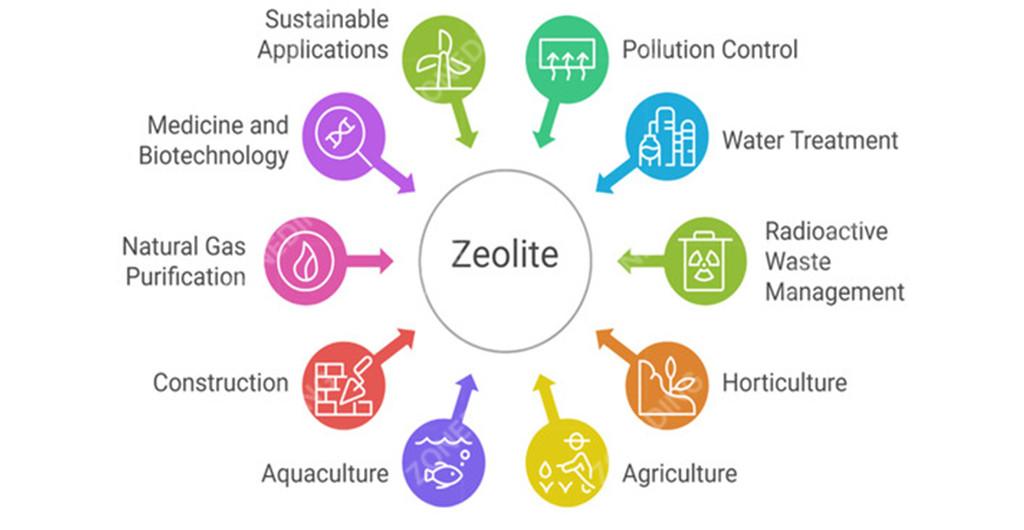
In the agricultural sector, zeolite is used as a slow-release fertilizer carrier. It absorbs nitrogen and releases it slowly into the soil over many months. This prevents the fertilizer from washing away in the heavy rainy seasons. Processed zeolite is also used in the construction industry as a lightweight aggregate for concrete. It can make concrete stronger and more resistant to chemical attacks in industrial floors. The diversity of zeolite applications makes it a very stable and profitable B2B mineral investment for modern mining groups.
High-purity zeolite is used in oxygen concentrators and natural-gas purification. It can separate nitrogen from oxygen based on the size of the molecules. This requires the internal pores to be perfectly clean and activated through consistent heat. ZONEDING’s high-temperature kilns provide the level of activation needed for these technical gases. This grade of zeolite is among the most expensive and profitable on the global market. Companies in the medical field depend on this activated mineral for life-support systems.
Fine-grade zeolite powder is often added to animal feed as a supplement. It helps digestion by trapping nitrogen and toxins in the animal’s gut before they enter the bloodstream. This results in healthier livestock and better waste management for large-scale farmers. A ZONEDING Ball Mill can produce the extremely fine feed-grade powder (less than 75 microns) required for this application. Consistent particle size is the key to animal safety and effective absorption in the digestive tract.
Selecting a supplier for a zeolite processing line is a critical business decision. The manufacturer should have specific experience with volcanic minerals and high-temperature thermal technology. Zeolite is abrasive and heat-sensitive rock. A standard stone crusher is not enough for high-end powder production. The supplier must understand the physics of the molecular cage structure. High quality is consistent only when the processing equipment matches the chemical nature of the ore.
The zeolite industry is expanding into green technology and carbon capture sectors in 2025.
ZONEDING MACHINE is a specialized Chinese manufacturer of mineral processing equipment. The company has over 20 years of experience in the design and manufacture of crushing, grinding, and thermal machinery. The 8,000 square meter factory annually serves hundreds of B2B clients in the mining and aggregate sectors. ZONEDING specializes in full-service support, taking projects from basic ore analysis to a fully operational production line. This approach reduces costs for the client and ensures machine compatibility.
The equipment is designed for the high-intensity needs of volcanic mineral processing. High-grade materials are used to ensure that all spare parts satisfy long-term durability requirements. ZONEDING has exported to over 120 countries, proving its status as a global leader in mineral technology. By choosing ZONEDING, customers receive factory-direct pricing and direct access to expert engineers who understand the science of zeolite activation. The company remains committed to high-efficiency and energy-saving designs for the processing plants of the future.
Processing zeolite is the difference between selling cheap rock and premium industrial mineral.
Last Updated: March 2026
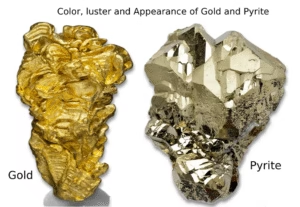
This guide tells the key differences between pyrite (Fool's Gold) and real gold. Compare color, streak, brittleness, and crystal shape before you get excited.
View details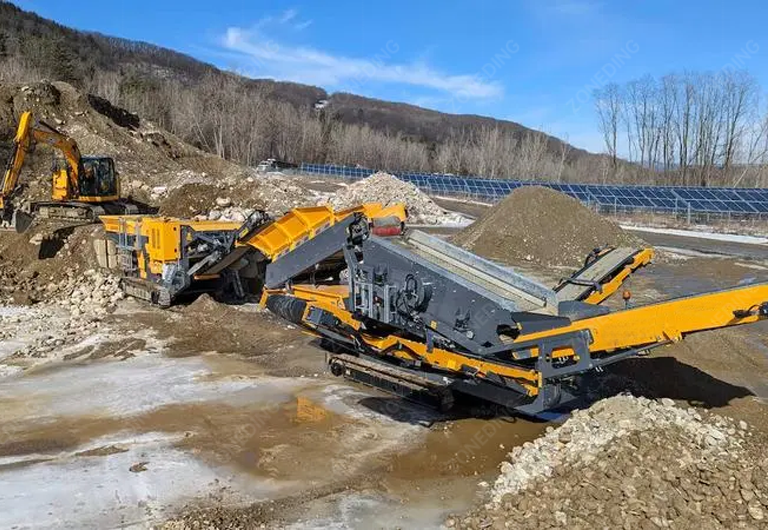
Optimize your waste management with our integrated crushing processing line. Efficiently process diverse solid waste into usable materials with high throughput.
View details
A comprehensive mobile crushing guide for buyers. Compare factors like material hardness, capacity, and mobility (track vs. wheel) to maximize your mining ROI.
View details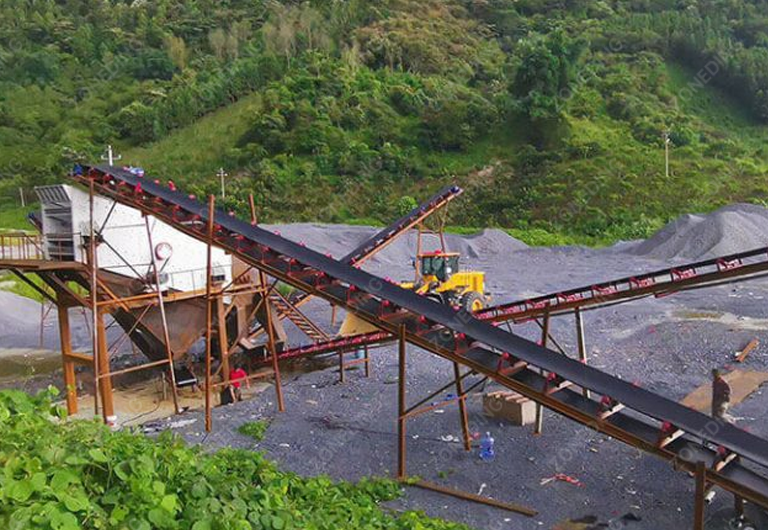
Diabase is tough, but our crushing plants are tougher. Explore our optimized setups featuring cone crushers and VSI sand makers for maximum durability.
View details