 Zoneding Mining

Site Search
Search products, equipment and solution articles
整站搜索产品中心新闻中心
点击开始搜索
热门搜索
UltraForm-MXFlexiPoly-RNanoForm Z300EcoFab P200
Search products, equipment and solution articles
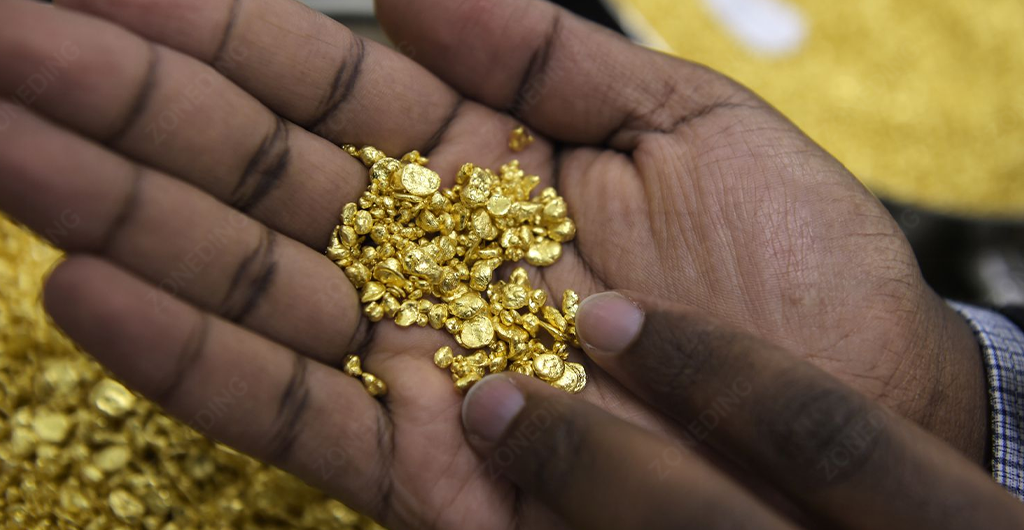
You want to extract pure gold from raw mined ore. You can achieve this goal using a physical sorting method called gravity beneficiation. We will show you the exact steps to build a complete processing line. This natural washing method saves you money. You eliminate the need for expensive and toxic processing chemicals entirely. You get clean gold concentrate ready for the final smelting stage.
Last Updated: April 2026 | Estimated Reading Time: 25 Minutes
Gold gravity separation uses flowing water to separate heavy gold particles from lighter waste rock. Gold has a very high specific gravity of 19.3. Normal quartz rock has a low specific gravity of 2.6. You use this massive weight difference to catch the valuable metal.
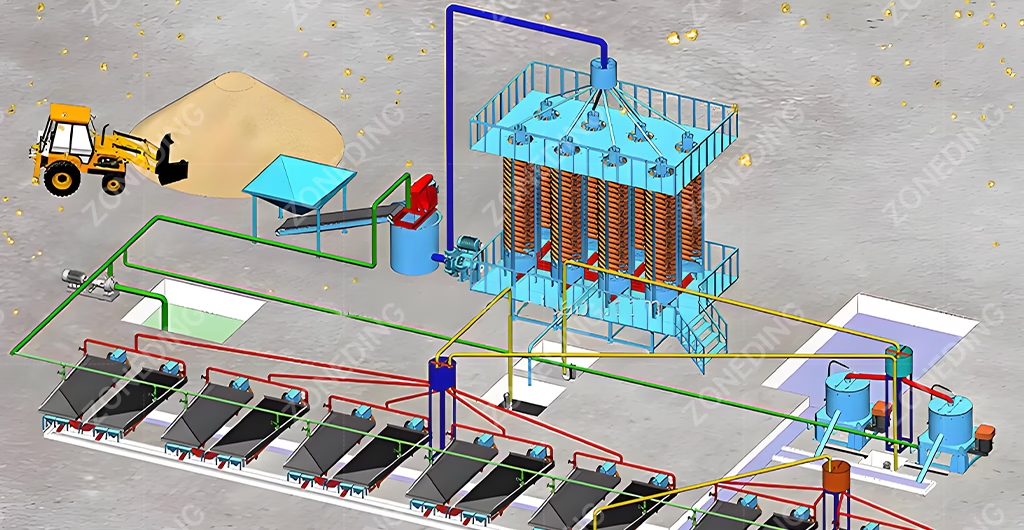
We know you want to process massive volumes of dirt at a low daily cost. You feed crushed raw ore into specialized washing machines. The heavy gold particles sink to the bottom of the water flow. The moving water pushes the lighter waste rock over the edge. Your workers collect the trapped gold concentrate at the end of the shift. This method presents zero chemical risks to your local environment. You can process hundreds of tons of material every single hour using this simple principle.
We at ZONEDING manufacture a complete catalog of physical separation equipment. Our engineers study your specific ore conditions. We design complete water-washing layouts to trap the maximum amount of gold. You get a sustainable production line. Your daily operating expenses stay very low. You increase your overall profit margins.
You might wonder why you should skip chemical leaching. Cyanide leaching takes a long time to dissolve gold. You have to build massive holding ponds. You face strict government environmental fines. Gravity beneficiation gives you immediate results. You see the gold on the table the same day. You do not buy dangerous toxins. You protect your local groundwater. Your initial equipment cost is much lower. You need fewer special permits to start mining.
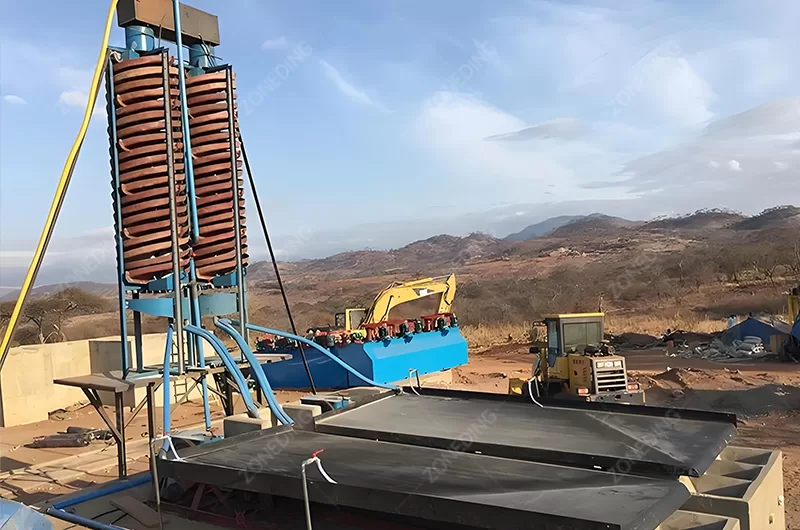
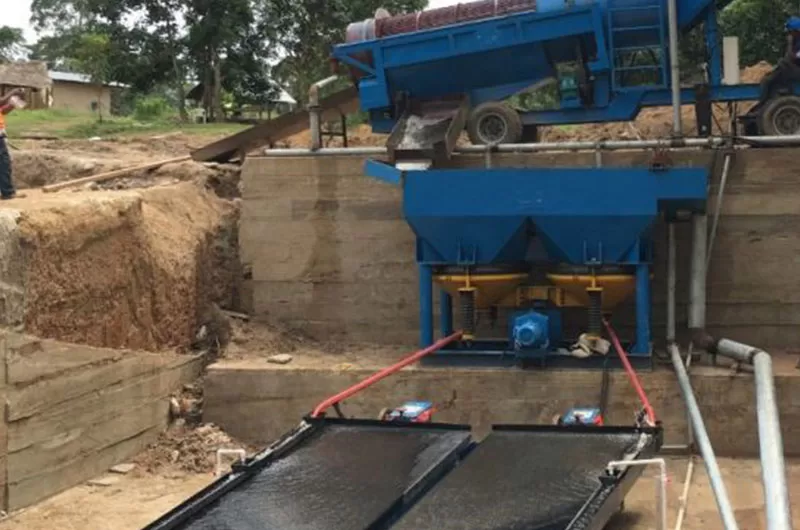
We at ZONEDING recommend starting with gravity separation for most alluvial deposits. Our physical washing stations generate quick cash flow. You can use this money to expand your mine later. Many large plants use our gravity equipment first to catch the heavy coarse gold. They only use chemicals later for the microscopic leftovers. You save massive amounts of money on daily processing consumables. You keep your workers safe from hazardous chemical exposure. You simplify your daily plant management tasks.
You must break the hard rock blocks before doing any water washing. Large jaw crushers handle the massive boulders first. Smaller cone crushers reduce those rocks into fine gravel. You set up a vibrating screen to control the final particle output.
| Equipment Type | Feed Material Size | Output Size | Practical Benefit for You |
|---|---|---|---|
| Primary Jaw Crusher | Up to 500mm boulders | 100mm broken rocks | Accepts raw dump truck loads |
| Secondary Cone Crusher | 100mm rocks | Under 15mm gravel | Produces consistent fine gravel feed |
| Circular Vibrating Screen | Mixed crushed gravel | Exact sized particles | Prevents machine jams downstream |
You cannot wash solid boulders with water to get gold. The valuable gold grains stay trapped deep inside the hard quartz veins. You have to smash the host rock to free the heavy metal. You truck the blasted ore to a heavy primary jaw crusher. The massive steel plates crush large blocks down to manageable rocks. You transfer these broken rocks to a secondary processing stage. A cone crusher takes the material and grinds it down into small gravel. You want the final crushed size to be under 15 millimeters. This size reduction exposes the larger visible gold pieces.
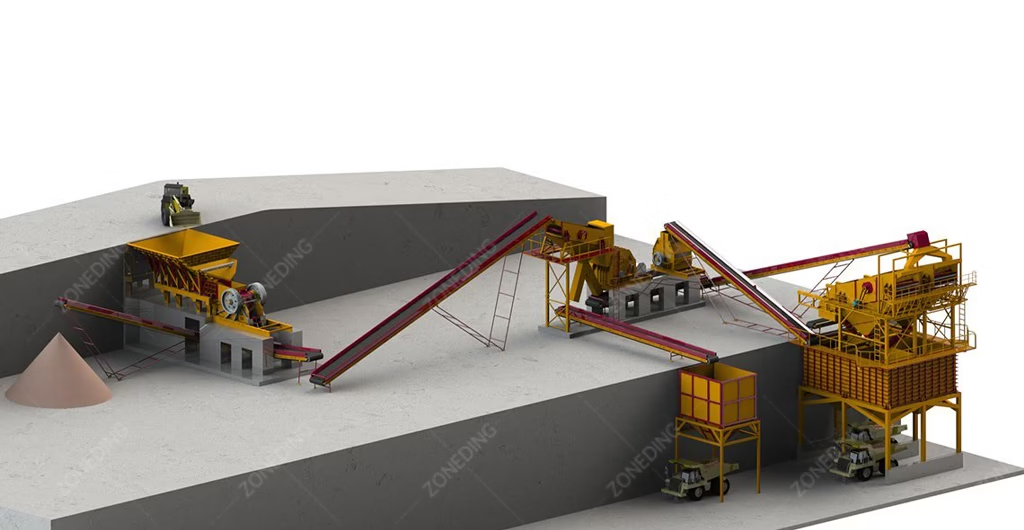
ZONEDING builds these rock crushers using thick wear-resistant manganese steel. Processing rough quartz creates massive friction and heat. Our machines resist this extreme wear to run continuously for long hours. You keep your production line moving without sudden mechanical failures. You guarantee a steady feed of raw material hits your washing plant. You protect your daily revenue targets without constantly repairing broken metal plates.
Simple crushing stops working when gold grains become microscopic. You face a new challenge with ultra-fine gold locked inside tiny sand particles. You solve this problem by installing a heavy-duty ball mill. This huge steel cylinder rotates on large bearings. The cylinder contains hundreds of heavy steel balls. You feed your crushed gravel and clean water into one end. The tumbling steel balls smash the sand grains into a very fine liquid mud. We call this mud wet slurry.
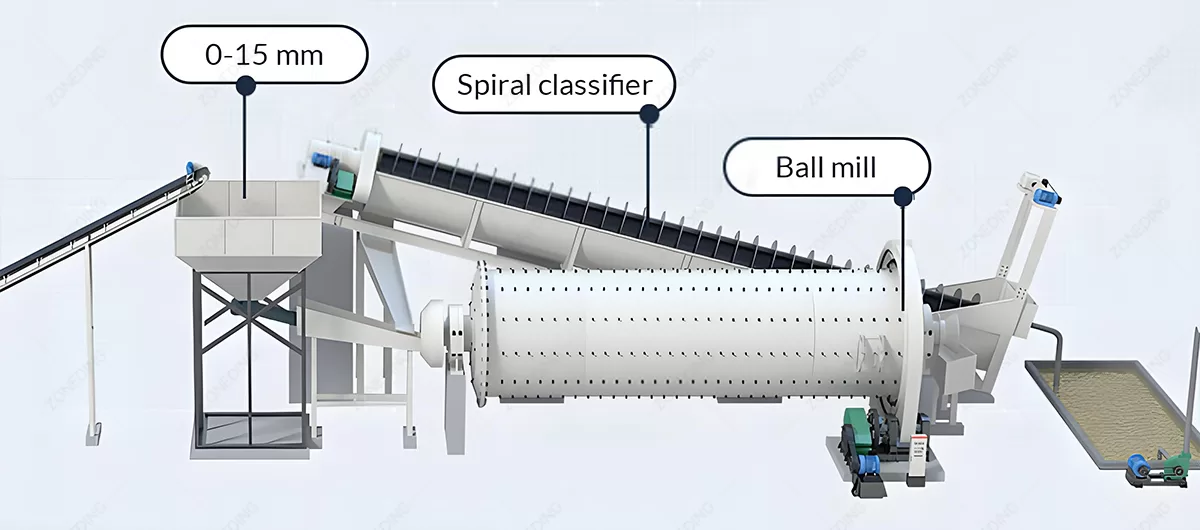
You set up a spiral classifier machine next to the ball mill. The slurry flows from the mill to the classifier. The classifier blades push coarse heavy sand back into the ball mill. The fine mud flows away to the gravity separation stage. This creates a closed grinding circuit. You maintain precise control over the final powder size. ZONEDING ball mills feature heavy rubber or steel inner linings. Our engineers match the mill size to your required daily tonnage. You unlock every tiny fraction of gold to maximize your final yield.
Your fine slurry is now ready for physical separation. You send the different sizes of mud to specific water washing machines. The coarse slurry flows into a gold jig machine. The water inside the jig pulses up and down. The large gold flakes fall through a metal screen into a catch basin. You send the ultra-fine mud into a high-speed centrifugal concentrator. The outer bowl spins at massive speeds to create high artificial gravity. The fine gold dust gets trapped against the spinning wall grooves.
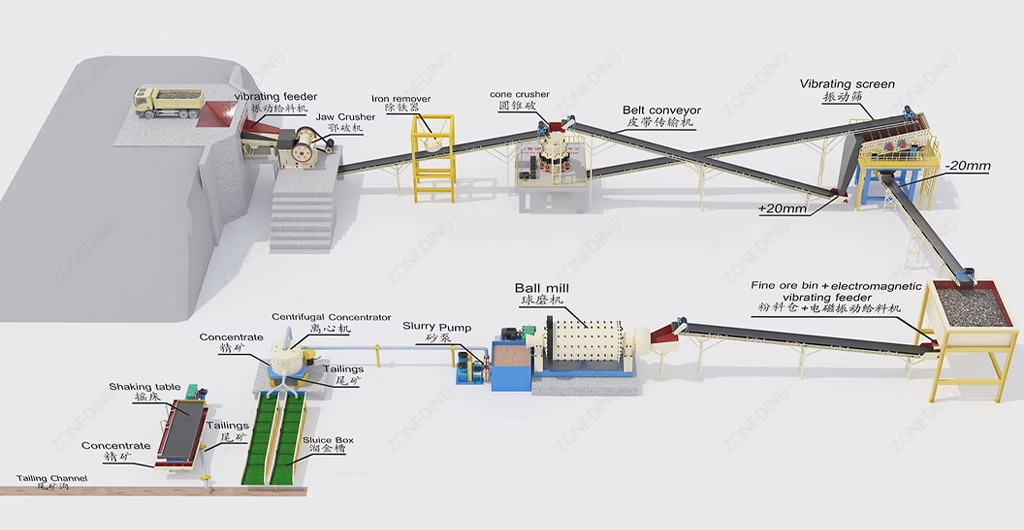
You must process both machine outputs a final time. You take the rough gold concentrate and put it on a shaking table for gold. The angled table vibrates rapidly back and forth. Clean wash water flows down the deck surface. The pure gold forms a bright yellow line on the far edge. The heavy black sand washes away into a waste drain. ZONEDING manufactures these three core machines using precise factory molds. We install premium fiberglass decks on our shaking tables to catch microscopic dust. You gather a high-purity product ready for the refinery.
Gravity separation demands a massive continuous water supply. You cannot operate the shaking tables with dry sand. You must secure a constant water source near your mine. A dry season can stop your entire production line. You need to pump water from a local river or deep well. Many governments now restrict fresh water usage. You solve this by building a closed water loop system.
You collect the dirty mud exiting the machines. You pump this waste into a tall thickener tank. The heavy dirt sinks to the bottom of the tank. The clean water rises to the top edge. You pump this clean water back to the gold jig machines. ZONEDING engineers design these water recycling systems for every new plant. We help you cut your fresh water needs by eighty percent. You operate safely even during dry summer months. Our water pumps and pipes integrate perfectly with the main washing layout. You maintain steady water pressure for accurate gold recovery.
Many new miners fail to catch their gold. You must avoid three common processing mistakes. First, you cannot feed massive rocks directly into a gold jig machine. The big rocks will break the internal screen. You must use a vibrating screen to block oversized stones. Second, you cannot push too much dirt into the machines at once. You will choke the water flow. The heavy gold will wash away with the waste rock. You must use an automatic feeder to control the material speed.
Third, you cannot ignore sticky clay. Clay surrounds the gold flakes. The machines cannot separate the gold if clay holds it tight. You must install a heavy rotary scrubber first. ZONEDING sales teams ask about your clay content immediately. We design the plant to break the worst clay deposits. Our equipment prevents these costly mistakes. You catch the gold instead of washing it into the tailings pond. Complete plant testing prevents unpleasant surprises and secures your investment capital.
You face a major decision when importing mining machinery from China. You should ignore the cheapest internet price tags. You need to inspect the actual manufacturing factory via video call. Real manufacturers own huge production workshops and large metal cutting tools. You gain a massive price advantage by avoiding trading companies and middlemen. You also require a supplier with a dedicated engineering department. Good engineers analyze your raw rock samples before they sell you any steel.
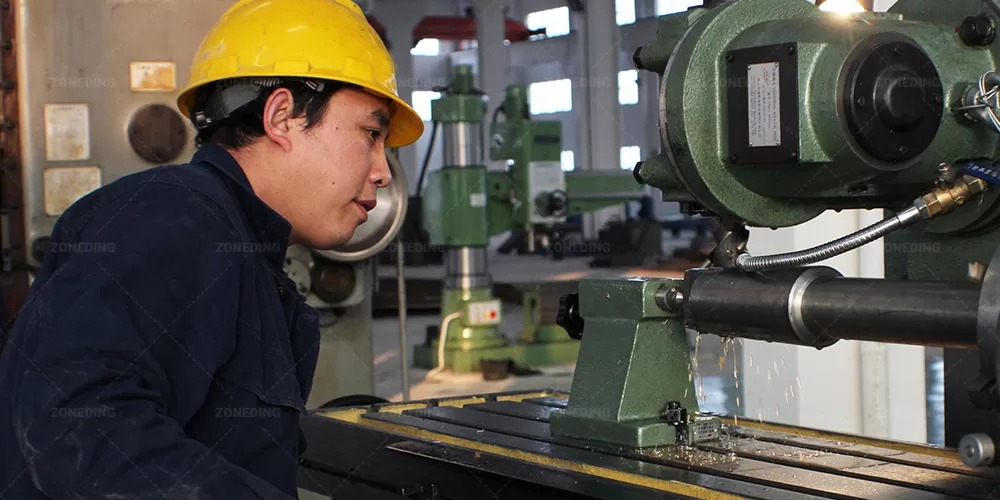
You must consider the machine downtime risks. You need immediate access to common spare parts like screen meshes and crusher liners. Every day a machine sits broken costs you thousands of dollars in lost gold. ZONEDING MACHINE operates a modern 8000-square-meter factory floor. We manufacture over 500 complete processing machines every year. Our team includes 15 expert mineral processing technicians. We help you design the plant layout to fit your specific land shape. We keep a massive inventory of original spare parts ready for global shipping. You get a reliable partner from the first raw sketch to the final factory test run.
ZONEDING MACHINE holds a strong reputation as a premium Chinese manufacturer of mineral processing equipment. We focus entirely on helping B2B clients build complete production lines. We build robust rock crushers, heavy ball mills, and precision gold separation tables. We manage everything directly from our 8000-square-meter facility. You purchase reliable heavy machinery straight from the source.
Our 15 dedicated engineers understand complex ore challenges. We design solutions for sticky clay deposits and hard quartz rock veins. We test your material samples in our factory laboratory. We ship the machines, provide the installation drawings, and train your local operators. We support your mining business for the long term. Contact our sales team today to discuss your next gold project.
The gold mining equipment market features new changes this year. You see a massive rise in modular and portable processing plants. Miners mount entire gravity separation circuits on wheeled trailers. You tow the wash plant directly to the dirty riverbank. You avoid buying heavy dump trucks to move the dirt to a fixed factory. We also see modern plants adopting automated control systems.
Miners face very strict environmental laws regarding fresh river water usage today. You cannot dump dirty clay water back into the local streams. You must install a closed-loop water system. You pump the waste mud into tall cone tanks. The heavy mud drops down. The clear water spills over the top. You pump this clear water back to your shaking tables. ZONEDING includes these vital water recovery systems in our new plant designs.
Gravity beneficiation gives you a safe method to extract pure gold. You start by crushing the hard rocks with heavy jaw crushers. You grind the gravel into fine slurry using a ball mill. You run this mud through jigs, concentrators, and shaking tables to separate the heavy metal. You recover high-purity gold without toxic chemical costs.
You need to test your raw dirt first. You must determine the exact particle size of your hidden gold. You need to secure a reliable source of clean wash water. Contact a professional mining engineer to draw a custom blueprint. You can order the exact machinery size you need once the blueprint is ready.
Last Updated: April 2026
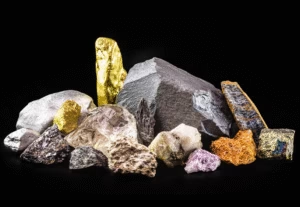
Learn the list of the top 10 most precious metals. Understand their critical uses, market value, and the scientific reasons behind their exceptional scarcity.
View details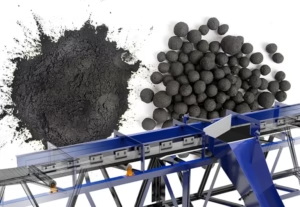
Understand the machine and methods processing coal into pulverized coal. This Guide explains the roles of crushers, pulverizers, classifiers, and dryers.
View details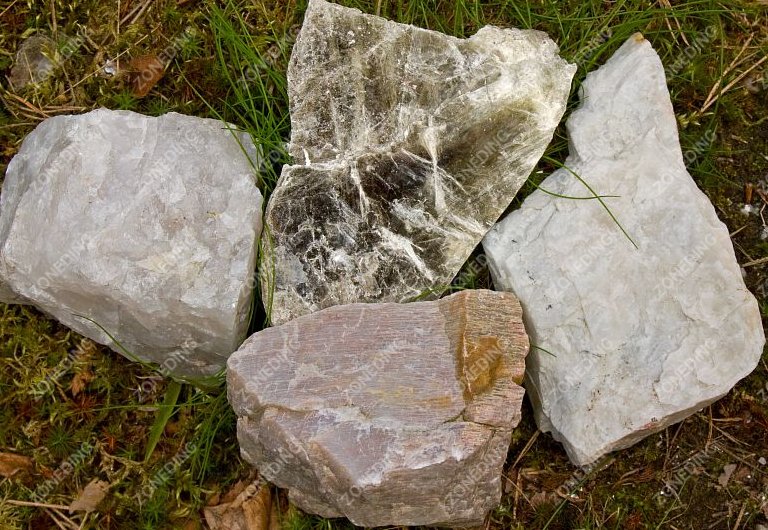
Explore whole process of pegmatite tailings processing. Learn latest technology to extract valuable minerals from mining waste and maximize efficiency.
View details
Crushing aggregate? This blog tells 5 essential cone crusher types you need to know for efficient and profitable aggregate production. Learn from the experts!
View details