 Zoneding Mining

Site Search
Search products, equipment and solution articles
整站搜索产品中心新闻中心
点击开始搜索
热门搜索
UltraForm-MXFlexiPoly-RNanoForm Z300EcoFab P200
Search products, equipment and solution articles
Diatomite, also known as Diatomaceous Earth, is a naturally occurring, soft, siliceous sedimentary rock. It consists of the fossilized skeletal remains of microscopic, single-celled aquatic algae called diatoms. These unique skeletal structures are highly porous and have a very low density. In 2026, diatomite is a critical industrial mineral used in filtration, functional fillers, and thermal insulation. A professional Diatomite Processing Plant transforms raw ore into high-purity filter aids. These aids are essential for the food and beverage industry. Processing this mineral requires specialized drying and calcining equipment to remove organic impurities and enhance natural porosity.
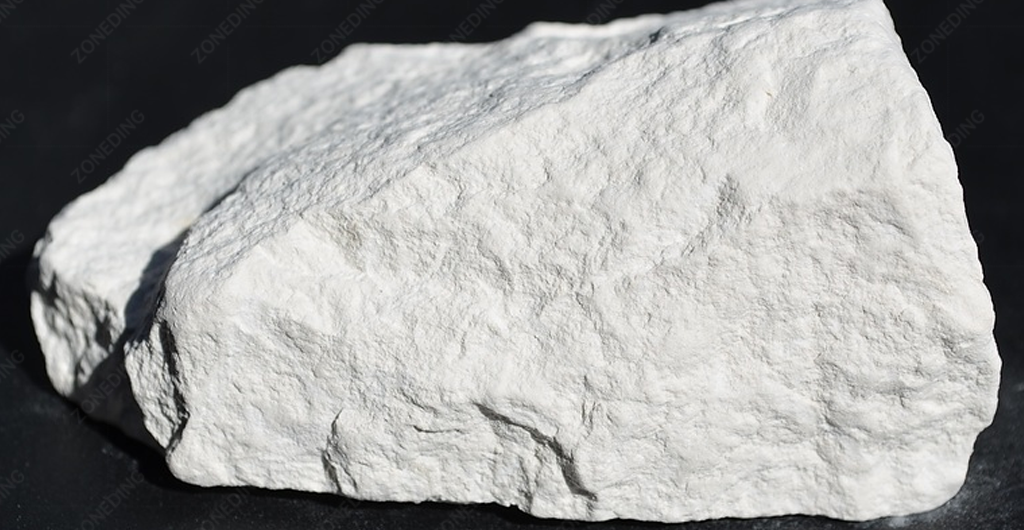
This guide provides a detailed look at the physical properties of diatomite and the industrial methods used to process it. Understanding the Diatomite skeletal structure is the key to unlocking its value in high-end applications. Proper processing ensures that the final product meets the strict purity standards required for chemical and pharmaceutical filtration. ZONEDING MACHINE provides the heavy-duty machinery, including rotary dryers and kilns, needed to achieve these high-purity results. The engineering team focuses on preserving the delicate skeletons during every stage of production.
Last Updated: March 2026 | Estimated Reading Time: 25 Minutes
Diatomite is defined by its complex, microscopic geometry. The Diatomite skeletal structure is made of amorphous silica. These skeletons feature thousands of tiny pores. These pores give the material an incredibly high surface area. The most notable properties of diatomite include high porosity (80-90%), low thermal conductivity, and chemical stability. Because it is mostly silica, it is resistant to most acids and can withstand high temperatures. These characteristics make it the perfect material for high-performance filtration and insulation products.
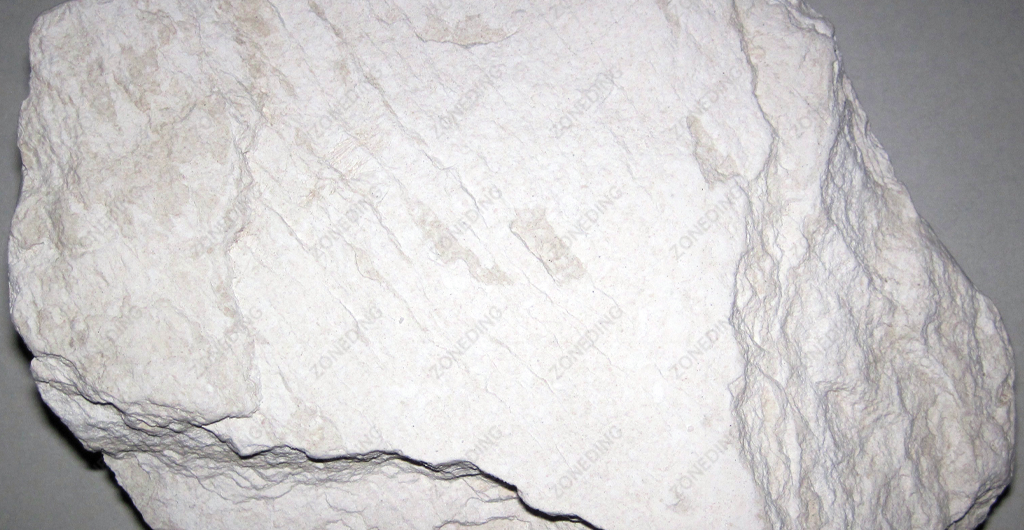
The physical color of raw diatomite ranges from white to light grey or brown. This depends on the level of organic matter and clay present. When processed in a ZONEDING Rotary Dryer, the moisture is removed and the material becomes a fine, lightweight powder. The low bulk density of diatomite (typically 0.15 to 0.4 g/cm3) means it can float on water until it becomes saturated. In industrial applications, the specific gravity and particle size distribution must be carefully controlled to match buyer needs. ZONEDING equipment ensures this consistency.
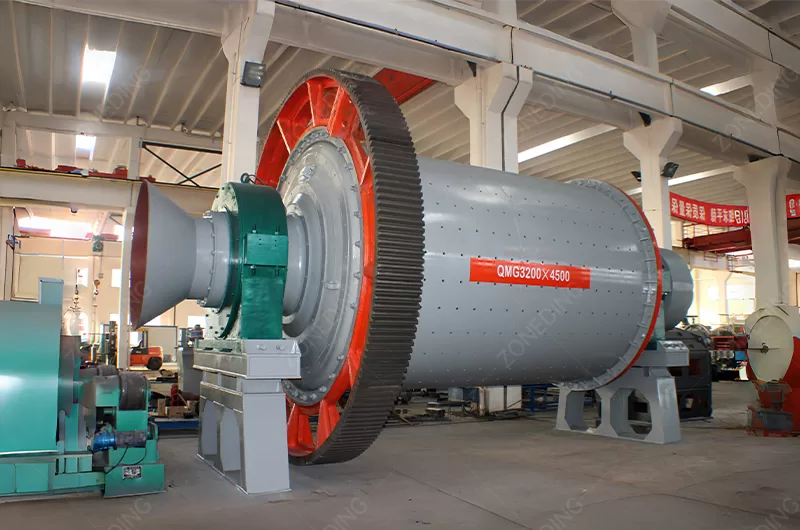
The chemical formula of the primary component is SiO2⋅nH2O. Besides silica, diatomite may contain small amounts of alumina (Al2O3) and iron oxide (Fe2O3). The skeleton itself is a complex lattice of ribs and holes. This lattice traps microscopic particles during filtration. A ZONEDING Ball Mill is often used in the final stages of processing. It ensures these skeletons are liberated without being destroyed. Maintaining the integrity of the frustule is critical for the “filter aid” grade.
High porosity is the most valuable commercial trait of diatomite. One gram of high-quality diatomite has a surface area of up to 30 square meters. This porosity allows it to absorb up to four times its own weight in liquid. In a ZONEDING Mineral Processing Plant, the goal is to preserve this porosity while removing unwanted sand or clay. Preserving the skeleton structure is vital for diatomite filter aids. Destroyed skeletons clog the filter instead of helping it. The ZONEDING flowsheet design protects these delicate structures.
| Property | Typical Value | Practical Application |
|---|---|---|
| Silica Content (SiO2) | 80% to 95% | Determines chemical resistance and purity |
| Porosity | 85% to 90% | Enables high-performance liquid filtration |
| Surface Area | 10 to 30 m2/g | Improves absorption of oils and chemicals |
| Bulk Density | 0.15 to 0.4 g/cm3 | Makes it a lightweight functional filler |
Diatomite is a multi-functional mineral with hundreds of applications. Its most significant role is as a filter aid. In the beverage industry, diatomite clarifies beer, wine, and fruit juices by removing fine yeasts and proteins. It acts as a mechanical filter that prevents primary filter membranes from clogging. Because it is chemically inert, it does not change the flavor or color of the liquid. A ZONEDING Diatomite Processing Plant produces the specific grades needed for these food-grade applications.
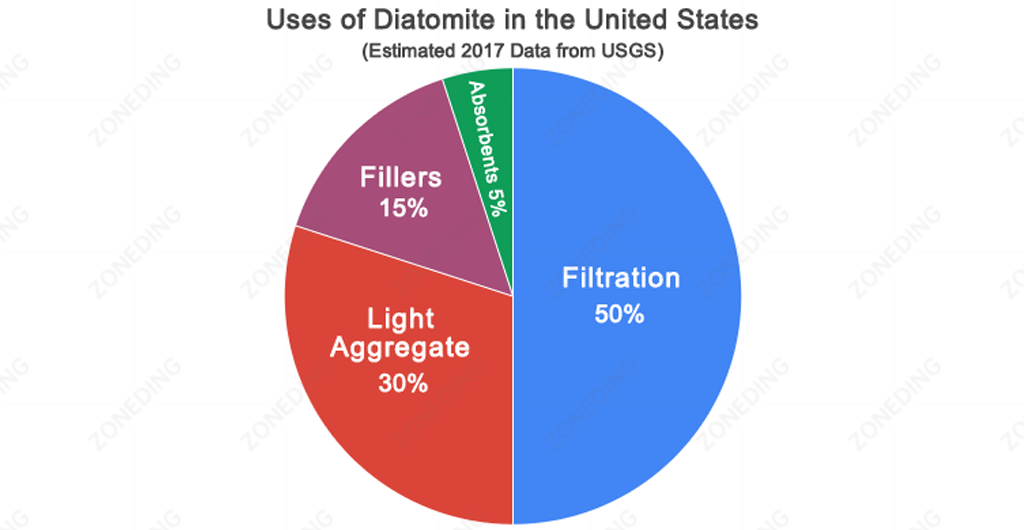
Beyond filtration, diatomite is an excellent functional filler. It is used in paints and coatings to control gloss and improve scrub resistance. In the papermaking industry, it increases the bulk and opacity of the paper. It is also used in agricultural products as a natural insecticide and a soil conditioner. The tiny skeletons are sharp to insects but harmless to mammals. This provides a non-toxic way to protect stored grains. This diversity of use maintains high demand for processed diatomite in 2025.
Roughly 60% of global diatomite production goes into filtration. It is used in swimming pools, municipal water treatment, and waste-oil recycling. The variety of diatomite filter aids depends on the particle size. Large particles allow for fast flow rates. Fine-grade diatomite provides the highest clarity. ZONEDING provides the classification technology, such as spiral classifiers or air separators. This technology ensures the final product meets specific flow-rate requirements.
As a filler, diatomite adds volume without adding weight. It is valued in the plastics and rubber industries. It improves the heat resistance and dimensional stability of the final product. As an absorbent, it is used in cat litter, industrial spill cleanup, and as a carrier for catalysts. A ZONEDING Rotary Kiln can be used to activate the diatomite. This increases its absorption capacity for specialized industrial cleanup tasks.
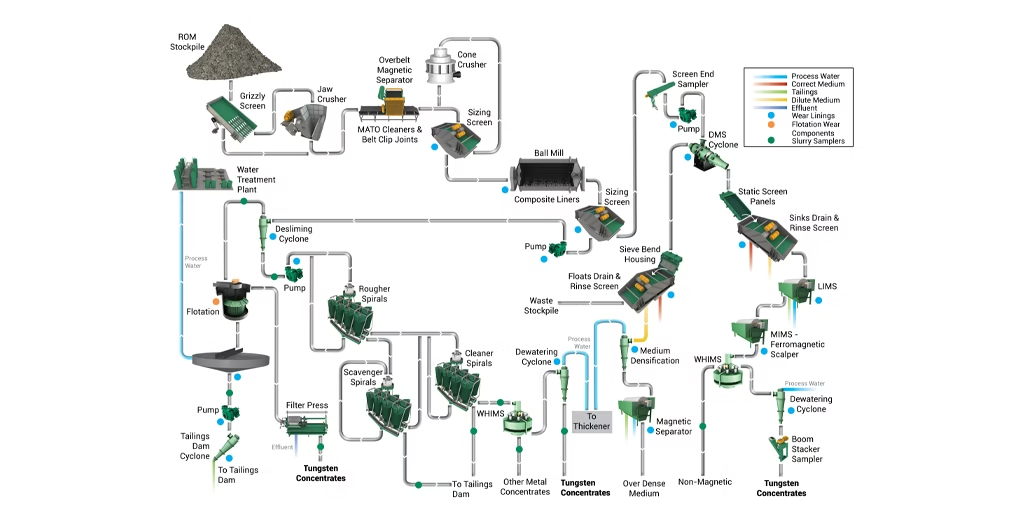
Processing diatomite is a balance of physical separation and thermal treatment. The process begins with milling and drying to reduce raw ore moisture from 60% to under 10%. This is followed by air classification to remove sand and heavy minerals. The most critical step is calcination. This involves heating the dried diatomite in a ZONEDING Rotary Kiln to temperatures between 800°C and 1100°C. This stage removes organic matter and hardens the silica skeletons. This makes them much more effective for filtration.
There are three main types of finished diatomite products: natural, calcined, and flux-calcined. Natural diatomite is simply dried and milled. Calcined diatomite is treated with heat to change the color to pink and improve filtration properties. Flux-calcined diatomite involves adding a fluxing agent like soda ash before the kiln. This process causes fine skeletons to sinter into larger agglomerates. This creates a white product with ultra-high flow rates. ZONEDING provides the complete equipment line for all three categories.
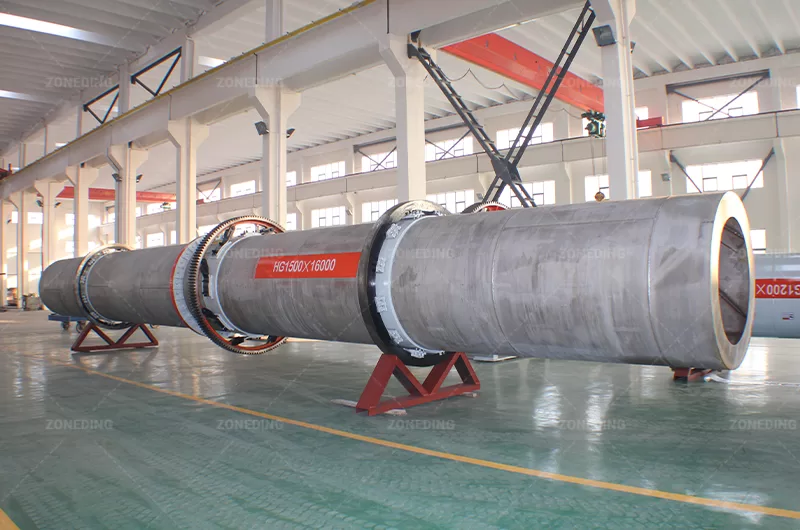
Because raw diatomite holds so much water, drying energy cost is a major factor. A ZONEDING Rotary Dryer uses a specialized internal flight design. It lifts and showers the diatomite through the hot air stream. This maximizes heat transfer and ensures the material does not clump into balls. Efficiency in the drying stage is the difference between a profitable plant and one that fails. ZONEDING dryers are built for this specific high-moisture challenge.
In the rotary kiln, diatomite undergoes a physical and chemical transformation. Organic matter from the original algae is burned away. This increases the brightness and the purity of the silica. For filter aids, calcination also sinters the edges of the skeletons. This makes them more rigid and resistant to pressure. ZONEDING kilns include precise temperature monitoring. This prevents over-calcining which would destroy the valuable skeletal pores.
| Step | Equipment | Goal | Outcome |
|---|---|---|---|
| Crushing | Jaw Crusher | Reduce ore size | Easier feeding into the dryer |
| Drying | Rotary Dryer | Remove moisture | Allows for fine pneumatic separation |
| Separating | Air Classifier | Remote grit/sand | Increases SiO2 purity |
| Calcining | Rotary Kiln | Remove organics | Produces industrial filter aids |
A diatomite processing plant requires machinery that handles bulk material and fine dust. The primary equipment includes Rotary Dryers, Rotary Kilns, Air Classifiers, and Ball Mills. Because diatomite is lightweight and abrasive, equipment must have dust-tight seals. It also needs wear-resistant liners. ZONEDING specializes in building these integrated lines. This ensures each machine matches the capacity of the others.
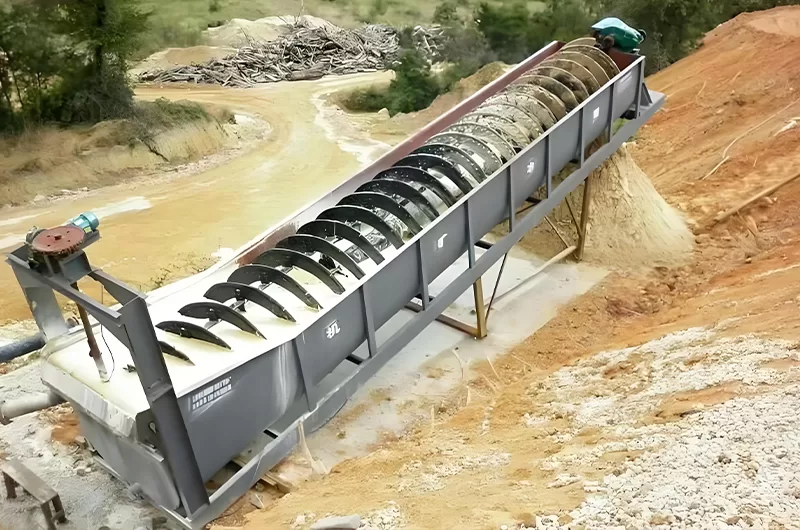
To produce high-value filter aids, the diatomite must be uniform. Air classifiers use centrifugal force to sort particles by size and density. ZONEDING air separators can be adjusted to pull out high-quality skeletons. They leave behind any grit or un-calcined clumps. This ensures the final powder is high-purity and safe for food-grade filtration. The accuracy of the classification determines the market price of the powder.
While the kiln sinters the particles, the ball mill brings them to the final required size. ZONEDING Ball Mill designs use ceramic or rubber liners. These liners prevent iron contamination from the steel. Iron contamination discolors the diatomite and makes it unusable for pharmaceuticals. Precision grinding is the final step in the quality control chain.
Selecting a supplier for specialized diatomite processing requires technical evaluation. A buyer should prioritize suppliers who offer integrated thermal technology and raw ore testing. Diatomite processing is not a one-size-fits-all business. The design of the kiln and dryer must be tailored to the specific diatom species in the local deposit.
The diatomite market in 2025 is shaped by sustainability and advanced materials science.
Diatomite is a versatile mineral providing high value through its unique porosity and skeletal structure.
Last Updated: March 2026
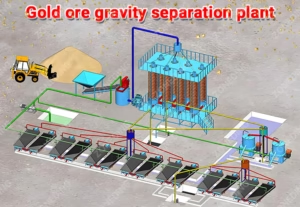
Discover the gravity separation in mineral processing. Learn how density differences can separate valuable minerals,its basic principles, methods,machines etc..
View details
Get answer to the questions about coarse material washing, including equipment selection, maintenance tips, and troubleshooting advice from our team of experts.
View details
Discover why mine dewatering is crucial. Explore equipment like dewatering screens, learn about costs, maintenance, and see how ZONEDING can boost efficiency.
View details
Learn differences between Ball mill and hammer mill in working principles, reduction ratios, and output size (mesh). Learn which grinder suits your material.
View details