 Zoneding Mining

Site Search
Search products, equipment and solution articles
整站搜索产品中心新闻中心
点击开始搜索
热门搜索
UltraForm-MXFlexiPoly-RNanoForm Z300EcoFab P200
Search products, equipment and solution articles
Choosing the right glass crusher can hugely impact your glass recycling efforts. Whether you handle bottles, plate glass, or mixed debris, the right equipment ensures efficient cullet production and successful processing operations. This essential guide will clarify the 7 most common types of glass crushers. You will understand their pros, cons, and ideal uses. This will help you make an informed decision for your processing needs.
ZONEDING MACHINE designs and supplies a wide range of robust glass crushing equipment. This ensures you find the perfect match for your specific application. You need efficient size reduction to create high-quality glass cullet. You also need to manage high throughputs for your glass recycling plant. ZONEDING provides the reliable machinery to power your operations.
Jaw crushers are the workhorses of primary crushing in many industries. They are also highly effective for glass recycling. These machines reduce large chunks of glass or mixed waste into smaller, manageable sizes. A jaw crusher works by compressing material between a fixed and a moving jaw plate. It exerts immense pressure, breaking the glass efficiently. This type of glass crusher proves particularly robust. It handles even thick, stubborn glass pieces that might pose a challenge for other crusher types. Its durable design tackles heavy-duty applications. This includes mixed construction and demolition (C&D) waste containing glass. It also handles large-scale bottle recycling operations.
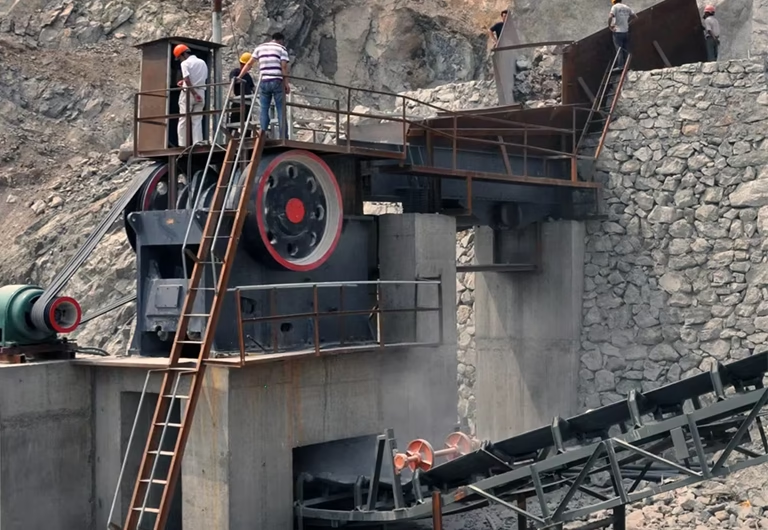
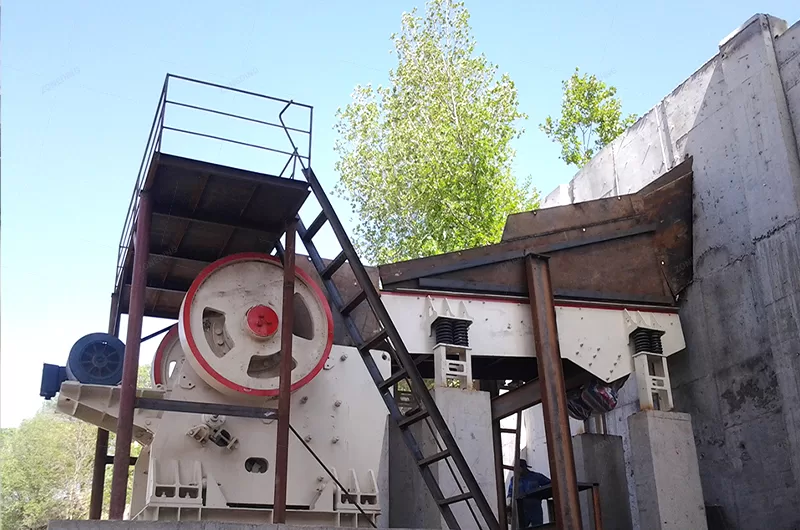
ZONEDING’s jaw crushers are known for their strength and reliability. They deliver consistent performance in demanding glass crushing operations.
You will find jaw crushers valuable where initial size reduction of varied glass input is key. They are often the first step in a multi-stage glass recycling process. They break down bulky items. This prepares the material for secondary crushing or further sorting. This primary crushing protects downstream equipment from damage. It also reduces wear and tear. ZONEDING offers a range of jaw crushers. They are customizable to your specific capacity and input material size. These machines are engineered for heavy use. They provide excellent value for cullet production facilities.
Horizontal Shaft Impactor (HSI) crushers are often favored in glass recycling for their ability to produce uniformly sized, cubical cullet. Unlike jaw crushers, which compress material, HSIs use high-speed rotor blows to impact and break the glass. The material hits rotating hammers and then impacts against breaker plates. This causes fracture. This impact action generates clean cuts and shapes. This results in high-quality cullet production with excellent particle shape. This is particularly valuable for applications where the cullet needs to be consistent and free from sharp edges. For example, it is useful for fiberglass or new bottle manufacturing. ZONEDING provides efficient impact crushers that excel in creating desirable glass cullet.
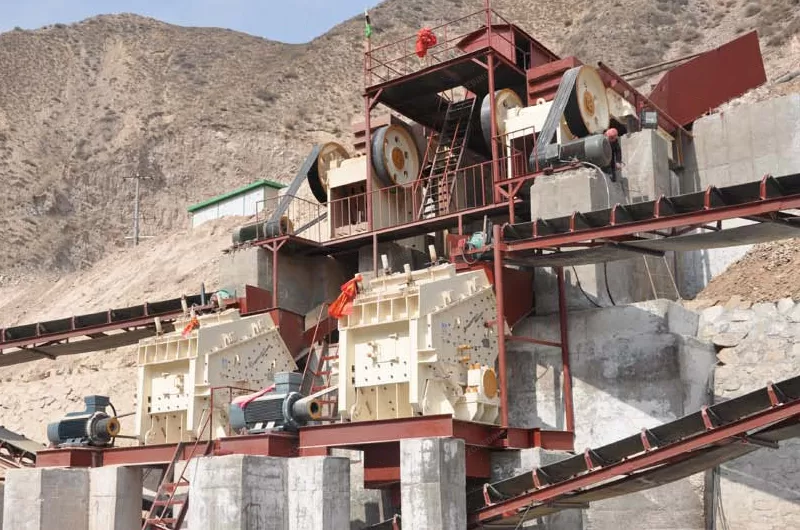
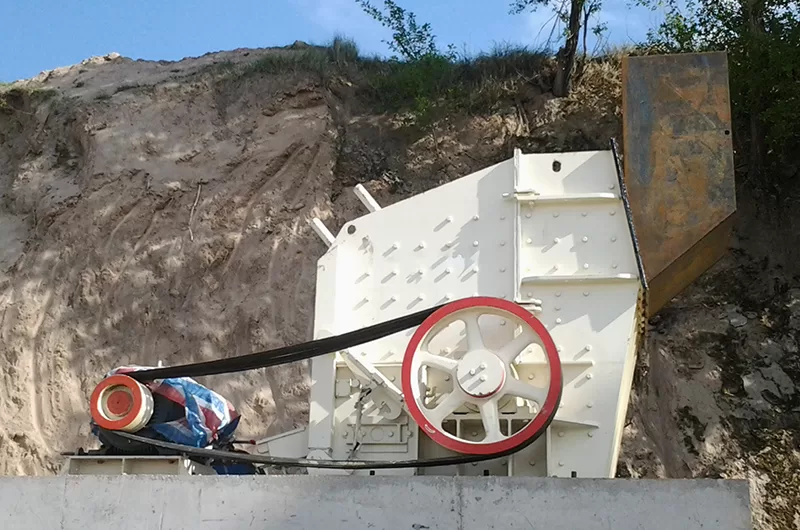
You choose HSI crushers when the final aggregate shape matters most. Their impact crushing mechanism also helps clean the glass. It dislodges labels or other small contaminants through attrition. This type of glass crushing equipment is often used as a secondary or tertiary crusher. It takes smaller, pre-crushed material from a jaw crusher. It then refines it into the final cullet product. ZONEDING’s impact crushers are designed for high throughput and consistent output. They offer a reliable solution for advanced glass recycling processing operations.
Hammer mill crushers are another form of impact crusher, often used for glass recycling when a finer cullet or even glass sand is desired. They operate using a rotating shaft with multiple hammers. These hammers swing freely. As glass material enters the mill, the hammers strike it at high speed. This shatters the glass. The crushed material then passes through a screen or grate. This controls the final output size. The mechanism allows for significant size reduction in a single pass. This can transform bottles into sand-like particles. This type of glass crushers proves highly effective for breaking down various glass types. This includes bottles, jars, and even small plate glass pieces. It offers flexibility in achieving different particle sizes.
ZONEDING provides robust crushing equipment, including hammer mills suitable for your distinct glass crushing requirements.
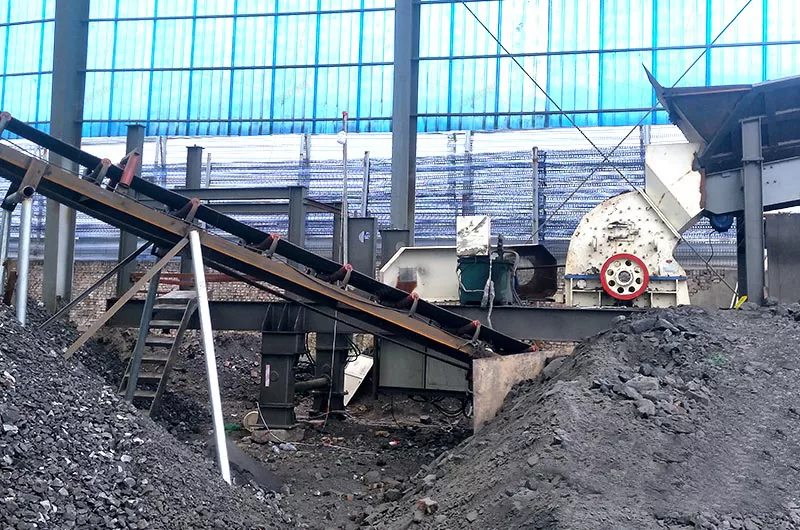
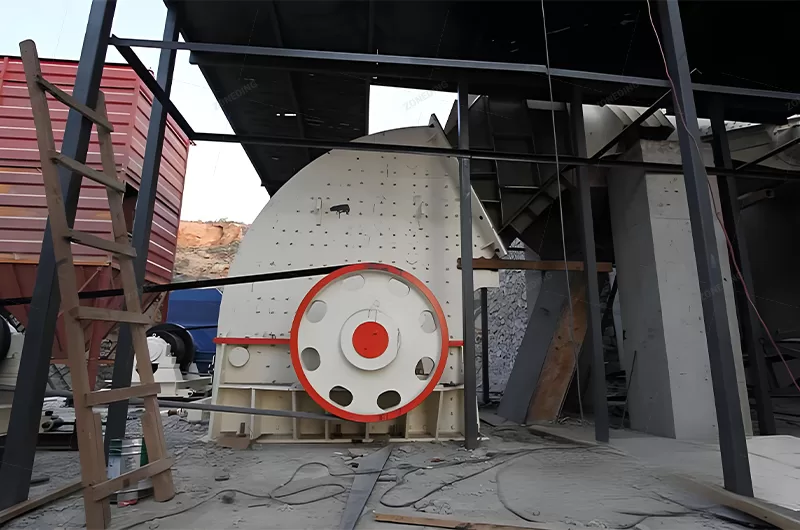
Hammer mills are chosen for their ability to achieve finer products. They are often used when glass powder for concrete is the target. Or for other applications requiring fine particulates. However, they also produce significant dust. This needs appropriate dust collection systems. They are suitable for mid-to-high capacity cullet production depending on the specific model. Their simplicity and relative low capital cost make them an attractive option for many glass recycling processing operations.
Roll crushers offer a unique method for glass crushing, particularly when you need precise control over output size and desire minimal fines. Unlike impact or jaw crushers, roll crushers use compression and shear forces. Glass material passes between two rotating cylindrical rolls, which crush it. These rolls can be either smooth or toothed, depending on the desired outcome. Smooth rolls create a more consistent, cubical product with fewer fines. Toothed rolls impart a more aggressive break. This makes them suitable for larger material. This type of glass crushing equipment minimizes over-crushing. This means less dust and fewer unwanted fine particles. This is a significant advantage for specific cullet production needs.
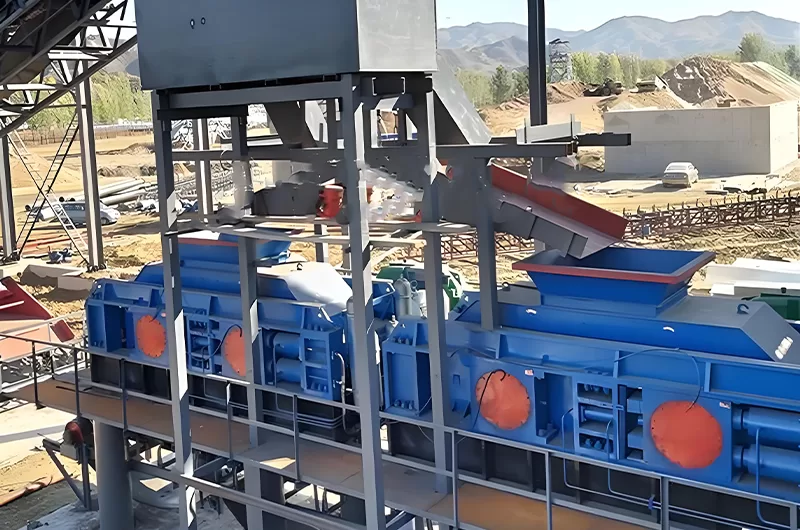
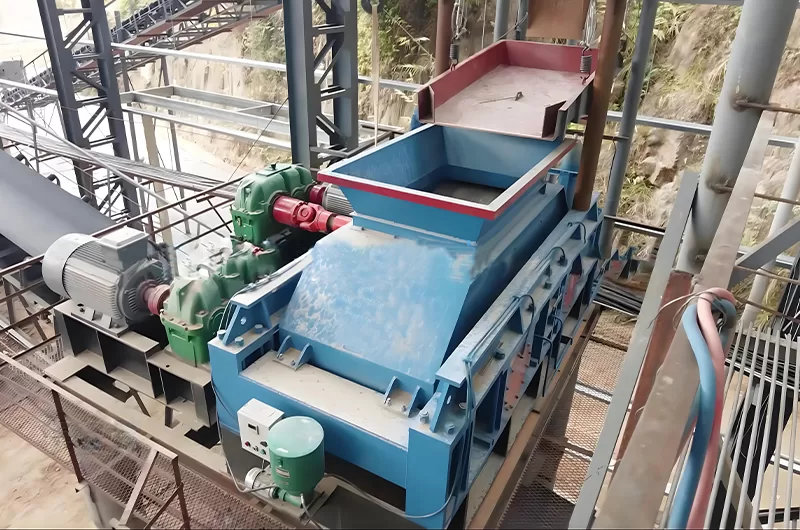
You choose roll crushers when applications demand a high percentage of specific size ranges, with very little material outside that range. This precision helps maximize the value of your glass recycling output. They are often used for secondary or tertiary crushing. They further refine pre-crushed glass into exact specifications. ZONEDING can integrate precise roll crushers into your recycling line. This ensures consistent, high-quality glass cullet.
Dedicated glass bottle crushers, often referred to simply as bottle crushers, are specifically designed for smaller-scale glass recycling. These compact machines are not for heavy industrial use. Instead, they excel at rapidly reducing glass bottles and jars into safe cullet. You typically find them in bars, restaurants, hotels, or small recycling centers. Their primary purpose is volume reduction. This saves space and lowers transportation costs for waste glass. A dedicated glass bottle crusher usually features robust internal hammers or rotors. They rapidly shatter bottles as they are fed into the machine. The crushed glass then exits through an adjustable screen. This controls the output size.
These personal- or commercial-grade glass crushers create cullet ranging from coarse shards to fine sand-like particles. The exact output depends on the model. They are straightforward to operate. They offer excellent safety features to protect users. While ZONEDING focuses on larger industrial crushing equipment, it understands the need for efficient small-scale solutions. The principles of effective fracture are similar. For small businesses, these specialized crushers represent an invaluable tool for sustainable waste management.
Vertical Shaft Impactor (VSI) crushers are the go-to choice when your glass recycling goal is to produce very fine, consistent glass sand. Unlike HSI crushers that use external impact, VSI crushers use a high-speed rotor to throw glass material against a stationary anvil ring or a cascade of incoming material. This “rock-on-rock” or “rock-on-steel” crushing action creates intense attrition. This action results in a high percentage of finely ground, cubical product. This is suitable for manufacturing sand or glass powder for concrete. This type of glass crusher excels in shaping particles, making them well-graded and free from splinters. This quality is critical for high-performance applications.
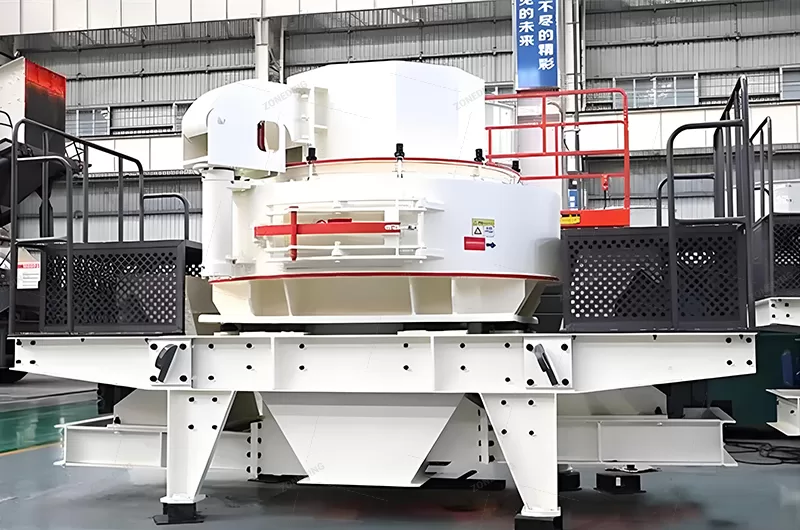
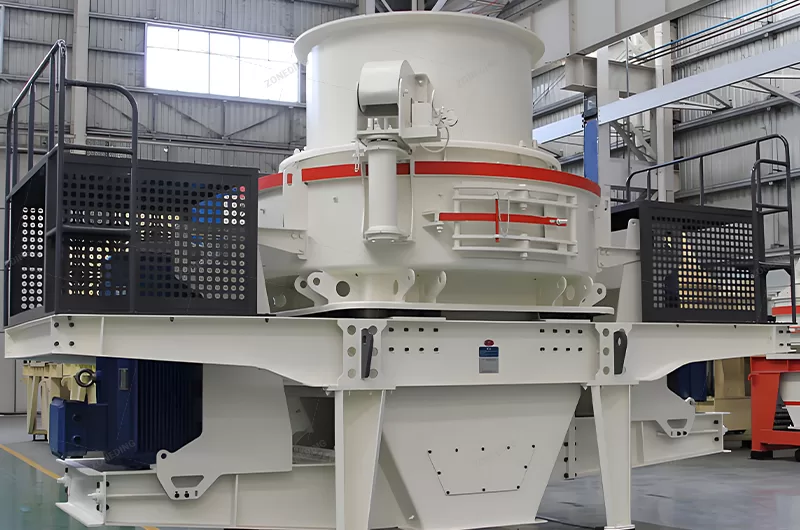
You select VSI crushers for the final stage of glass processing operations. Especially when high-quality manufactured sand is the target. They are effective at taking pre-crushed material from jaw or cone crushers. They convert it into fine, uniform glass sand. ZONEDING’s advanced VSI crushers are engineered for efficient sand production from glass. They offer superior particle shape and gradation. This boosts the value and usability of your recycled glass. They ensure your glass recycling efforts yield profits.
Shear crushers, often referred to as shredders, are a specialized type of glass crusher. They are particularly effective for handling large, flat pieces of glass. This includes plate glass, windows, or automotive glass. These types of glass can be problematic for traditional jaw or impact crushers. They tend to shatter unpredictably or jam the feed opening. A shear crusher operates with two counter-rotating shafts equipped with sharp blades or teeth. These blades rip and tear the glass material apart with high torsional forces. This action efficiently reduces the glass into smaller, more manageable pieces. It prepares them for subsequent primary or secondary crushing.
You choose shear crushers when the material is bulky, flat, or has other attributes that would typically cause bridging or jamming in conventional crushers. Their low-speed, high-torque operation ensures efficient size reduction. It also minimizes dust generation compared to impact crushers. While ZONEDING manufactures a broad range of crushing equipment, the principle of robust, reliable size reduction extends to specialized solutions like these. Shear crushers are an essential pre-processing step. They protect and optimize the performance of other glass crushing equipment in your glass recycling processing operations.
The glass recycling industry constantly evolves, driven by sustainability goals and technological advancements. In 2025, several key trends are shaping the future of glass crushing equipment and processing operations. These developments aim to improve efficiency, reduce operational costs, and enhance the quality of cullet production. Staying abreast of these trends helps recyclers adapt and thrive in a dynamic market. ZONEDING actively integrates these innovations into its mineral processing equipment and complete plant designs.
These trends focus on smarter, more flexible operations. They address challenges like varied input materials and the need for higher purity outputs. Technology plays an increasingly vital role.
Understanding the diverse types of glass crushers is fundamental to successful glass recycling and cullet production. Each crusher type – from robust jaw crushers for primary reduction to precise roll crushers for minimal fines, and dedicated bottle crushers for smaller scales – offers unique advantages. They cater to different input materials, output requirements, and processing operations.
Choosing the right glass crushing equipment involves carefully matching the crusher’s capabilities with your specific needs. This ensures efficiency, profitability, and high-quality recycled glass. Integrating modern trends like automation and advanced sorting further optimizes your efforts.
To make an informed decision, assess your raw glass type, desired output size and purity, processing capacity, and budget. Partner with a knowledgeable supplier who can offer not just equipment but also expert guidance and comprehensive support throughout your project.
To optimize your glass recycling operations and produce high-quality cullet, contact ZONEDING today for expert advice and a customized glass crushing equipment solution!

Unlock performance in apatite processing. Discover beneficiation methods, from crushing to flotation, ensuring max recovery and purity for phosphate products.
View details
Deciding between gravity separation vs flotation? Learn how to choose the right mineral processing method based on ore type, particle size, and recovery goals.
View details
Wondering what a modular crushing plant is? Discover how these pre-engineered, skid-mounted systems offer fast setup and high efficiency for mining.
View details
We clearly explain what andalusite is, its thermal properties, and the essential steps used to process it for applications in steel, ceramics, and foundries.
View details