 Zoneding Mining

Site Search
Search products, equipment and solution articles
整站搜索产品中心新闻中心
点击开始搜索
热门搜索
UltraForm-MXFlexiPoly-RNanoForm Z300EcoFab P200
Search products, equipment and solution articles
Titanium. The very name evokes images of strength and lightness. This remarkable metal and its oxide derivatives are vital to aerospace, medical devices, paints, and many other industries. But getting titanium from the ground to a usable form involves a complex journey. This journey is the Titanium Ore Processing process.
As ZONEDING MACHINE, a leading manufacturer of mineral processing equipment, I help companies around the globe unlock the value of their titanium deposits. This guide will walk you through the essential methods and advanced machines. It covers everything from initial crushing to final concentrate separation. Understanding these steps is crucial for efficient Titanium Mineral Recovery and successful Titanium Ore Beneficiation.
Titanium ore refers to naturally occurring rock or mineral deposits. These deposits contain titanium in sufficient quantities for economic extraction. Titanium is the ninth most abundant element in the Earth’s crust. Yet it does not occur naturally in its metallic form. Instead, you find it in various minerals. The two most commercially important titanium ore minerals are ilmenite and rutile. Ilmenite is an iron-titanium oxide. Rutile is a purer form of titanium dioxide.
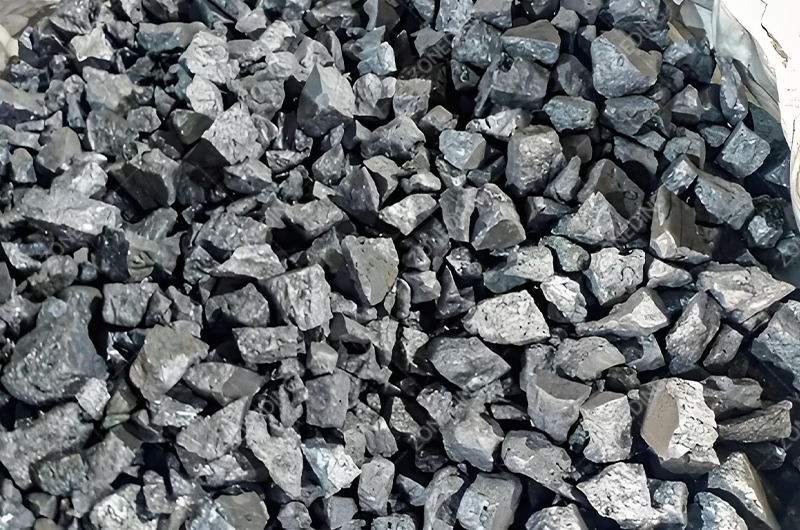
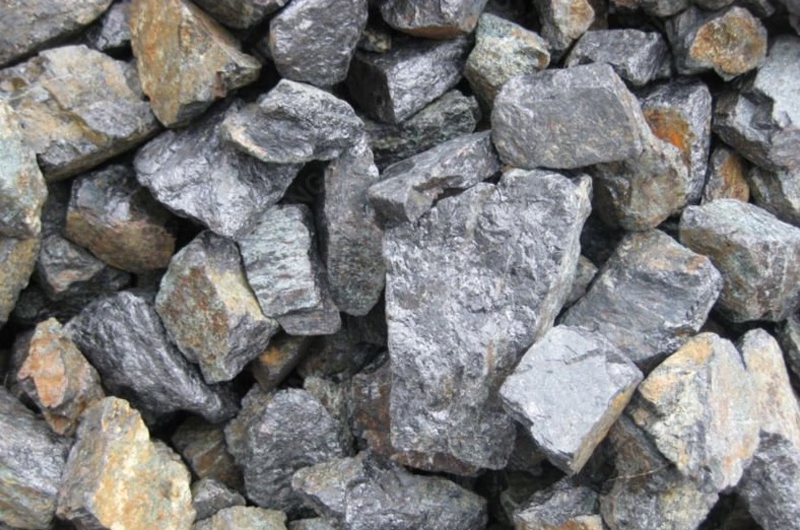
Ilmenite Processing is typically more common. It accounts for about 90% of the world’s titanium mineral production. Ilmenite (FeTiO3) is a black, opaque mineral with a metallic luster. Rutile (TiO2) is a mineral that contains about 95% titanium dioxide. It is often reddish-brown to black. Understanding the specific mineralogy of your titanium ore is foundational. It designs the entire Titanium Ore Processing strategy. ZONEDING’s expertise in Mineral Processing Equipment helps you effectively handle these varied mineral types.
Titanium extraction is crucial because of titanium’s unique properties. Both titanium metal and titanium dioxide have wide industrial uses.
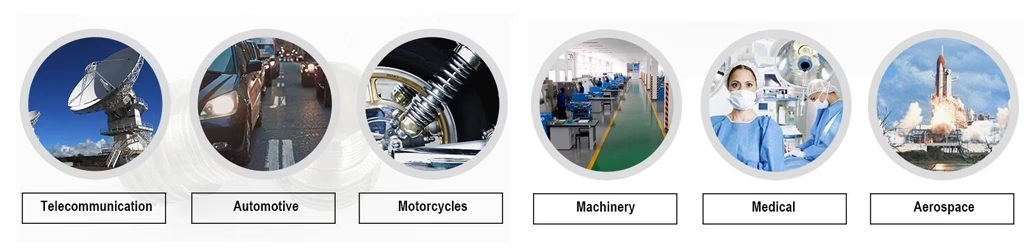
The importance of Titanium extraction spans countless Industrial titanium applications. From whitening our teeth in toothpaste to strengthening jet engines, titanium’s influence is pervasive. The demand for lightweight, durable, and corrosion-resistant materials continues to grow. This growth directly fuels the need for efficient Titanium Ore Processing. Our Mineral Processing Equipment plays a crucial role in enabling these innovations. It ensures the world has access to this vital element.
Titanium ore deposits are found globally, primarily as ilmenite and rutile. These minerals occur in two main geological settings:
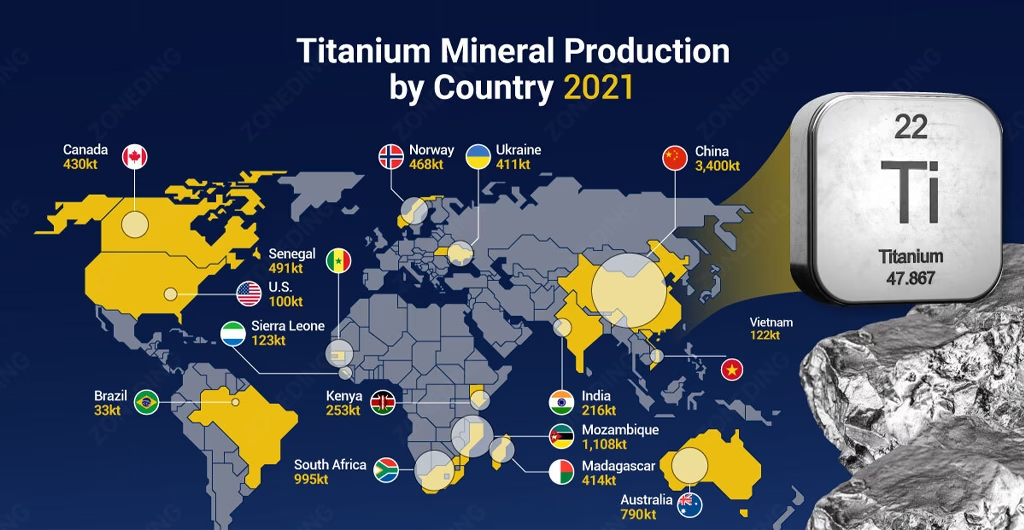
Major titanium ore producing regions include Australia, South Africa, China, India, and North America. Rutile Processing and Ilmenite Processing from these sands are typically simpler. They often involve Gravity Separation techniques. ZONEDING offers specialized Mineral Processing Equipment for both hard rock and heavy mineral sands operations. This ensures efficient Titanium Ore Beneficiation. We help you recover valuable titanium minerals from these diverse sources effectively.
Understanding the physical and chemical properties of titanium ore is critical for efficient Titanium Ore Processing. These properties guide the selection of Titanium Extraction Methods and equipment.
ZONEDING’s Mineral engineering solutions leverage these properties to design efficient plants.
Processing titanium ore presents several unique challenges. These demand advanced Mineral engineering solutions. They influence the complexity and cost of Titanium Ore Beneficiation.
Titanium Ore Processing involves a systematic series of steps. These steps transform raw ore into a high-grade titanium concentrate. Each stage is crucial for efficient Titanium Mineral Recovery. It also prepares the material for further refining. This guide covers the essential stages, from initial size reduction to final concentrate separation. ZONEDING provides the complete range of Advanced Beneficiation Machines. This helps you build a fully integrated Titanium Ore Processing solution.
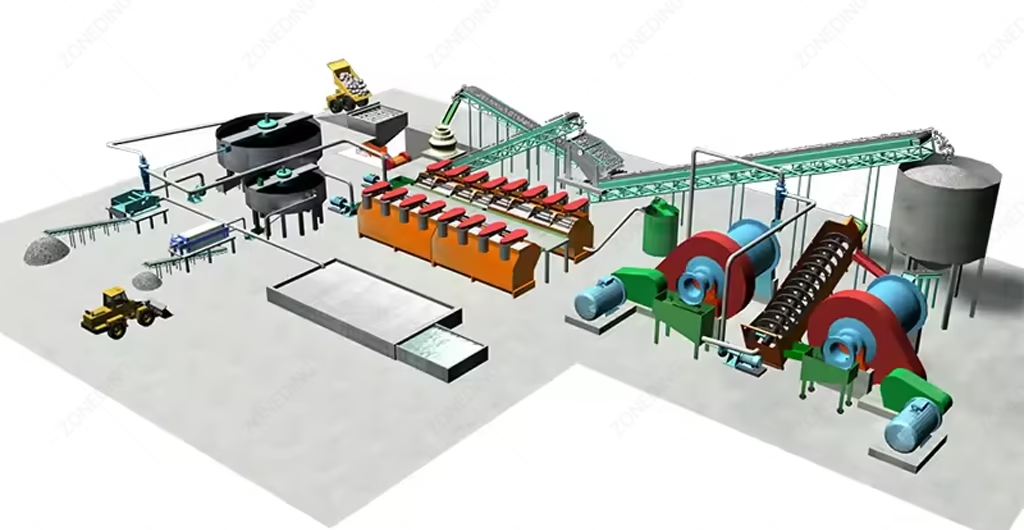
The process always begins with Titanium Crushing. Large Run-of-Mine (ROM) ore from the mine is too big for direct processing. Primary jaw or gyratory crushers reduce the ore to a manageable size, usually down to 150-200mm. This pre-crushing prepares the material for the next stage. It also protects subsequent Mineral Processing Equipment. We provide robust crushing equipment. It handles even the toughest titanium ore bodies. This ensures consistent feed for optimal operation. Our solutions enhance efficiency by providing reliable initial breakdown. This is a critical first step for all Titanium Ore Beneficiation.
After crushing, the ore undergoes Titanium Grinding. Ball mills or rod mills grind the material to a much finer size. The goal is to liberate the titanium minerals (ilmenite or rutile) from the gangue. The optimal liberation size is determined by mineralogical studies. Effective Titanium Grinding is vital. It maximizes surface exposure for subsequent separation. Our grinding equipment ensures efficient liberation. It minimizes over-grinding, which produces hard-to-recover fines. This precise grinding is crucial. It maximizes the yield in later Titanium Mineral Recovery stages.
For heavy mineral sands, attrition scrubbing is often an important step. This process vigorously agitates the ore. This removes clay, slimes, and other deleterious coatings from the surface of the titanium minerals. These coatings can hinder effective separation in later stages. Attrition scrubbing results in a cleaner mineral surface. This enhances the efficiency of Titanium Mineral Recovery. It ensures higher purity concentrates. This step is particularly vital for deposits with significant clay or silt content. It prepares minerals for optimal Gravity Separation.
Gravity Separation is a cornerstone of Titanium Ore Beneficiation. It exploits the density difference between titanium minerals and lighter gangue. Equipment like spiral concentrators, jigs, and shaking tables effectively separates these minerals. Spirals are common for initial roughing and cleaning. They can process large volumes. Jigs are effective for coarser particles. Shaking tables provide a very fine separation for cleaner concentrates. ZONEDING’s mineral processing/beneficiation equipment includes advanced Gravity Separation units. They ensure high recovery rates. This method is highly sustainable. It minimizes chemical usage.
Magnetic Separation is particularly important for Ilmenite Processing. Ilmenite is weakly magnetic. Many gangue minerals are non-magnetic. Wet high-intensity magnetic separators (WHIMS) or dry high-intensity magnetic separators (DHIMS) are used. They effectively separate ilmenite from non-magnetic minerals like quartz, zircon, and rutile. This step is crucial for achieving a clean ilmenite concentrate. This then moves to further refining. The precision of ZONEDING’s magnetic separators ensures high-purity concentrates. This enhances the value of your High-grade titanium concentrate.
Flotation might be used for specific Titanium Ore Processing scenarios. It is typically employed to recover very fine titanium minerals. These are hard to separate by gravity or magnetism. Or it might be used to remove specific impurities. Flotation involves introducing air bubbles into a slurry. Chemical reagents selectively attach to the titanium mineral particles. These then float to the surface. They form a froth that is skimmed off. This achieves selective Titanium Mineral Recovery. This method offers flexibility for challenging mineral assemblages.
After separation, the titanium concentrate is often dewatered using thickeners and filters. It then undergoes Drying and Calcination. Rotary dryers or kilns remove moisture. They may also induce chemical changes to further upgrade the concentrate. This is particularly relevant for Rutile Processing or some ilmenite concentrates. They lead to High-grade titanium concentrate. Our drying and calcining equipment ensures the final product meets stringent quality standards. This process ensures the concentrate is ready for market or further refining.
A modern titanium ore processing plant relies on a wide array of specialized Mineral Processing Equipment. This ensures efficient Titanium Mineral Recovery at every stage. We at ZONEDING MACHINE offer a complete production line of Advanced Beneficiation Machines. These are designed for your specific Titanium Ore Beneficiation needs. Our comprehensive range provides robust solutions. These are tailored to the demands of Titanium Ore Processing.
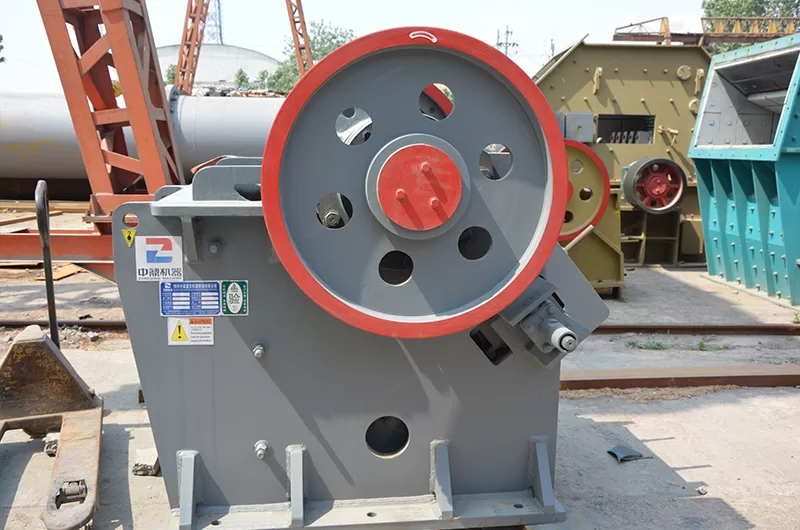
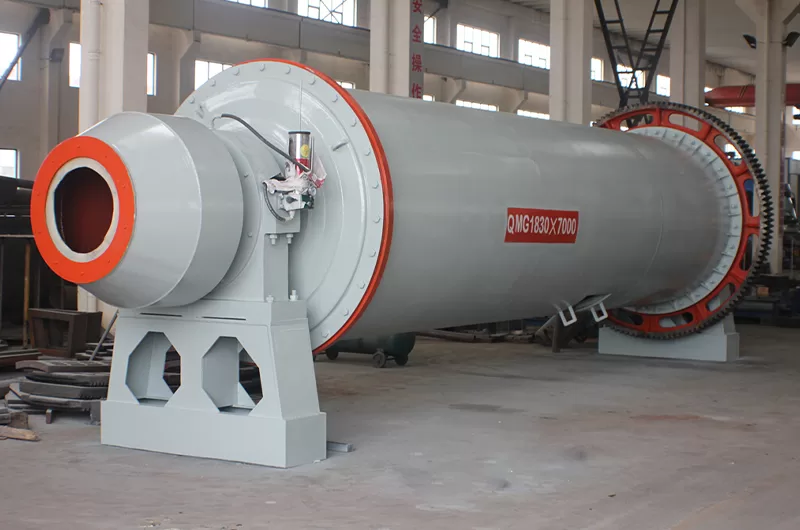
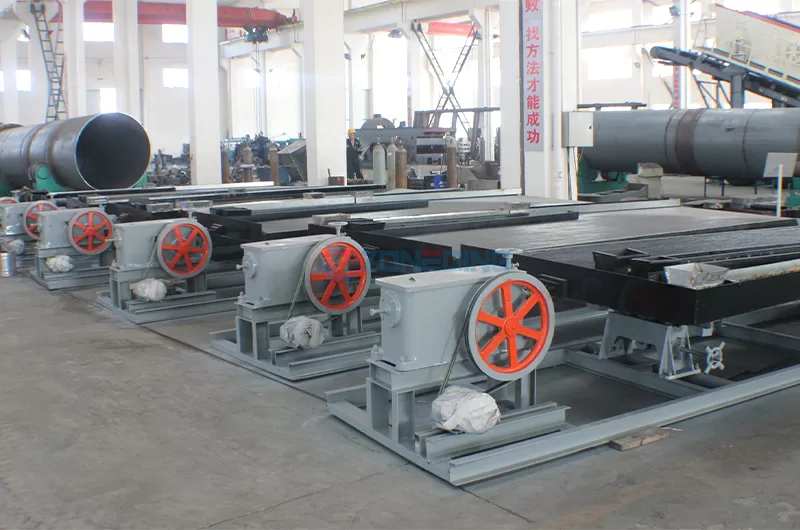
All ZONEDING equipment, from crushing equipment to drying and calcining equipment, is built for durability and efficiency. We ensure seamless integration within your Titanium Ore Processing plant. My company’s products guarantee robust performance.
Designing an efficient and profitable titanium ore processing plant requires careful consideration of numerous key factors. Overlooking any single element can lead to significant operational challenges and financial losses. As your mineral engineering solutions partner, I emphasize these points to ensure your Ore Beneficiation Plant Design is robust and optimized. We help you make informed decisions.
ZONEDING provides expert Mineral engineering solutions for your unique project. My company’s engineers help you navigate these considerations. They create an optimized Ore Beneficiation Plant Design. This ensures efficient Titanium Mineral Recovery.
Embarking on a titanium ore processing project is a significant undertaking. It requires specialized knowledge and reliable Mineral Processing Equipment. Partnering with an expert like ZONEDING MACHINE offers unparalleled advantages. My company provides Advanced Beneficiation Machines and comprehensive Mineral engineering solutions. This ensures your project’s success.
Key reasons to partner with an expert include:
The journey from raw titanium ore to a valuable High-grade titanium concentrate is an intricate and demanding process. It requires a sophisticated understanding of Titanium Ore Processing principles. It also requires the deployment of Advanced Beneficiation Machines. You have to efficiently liberate and recover titanium minerals from diverse geological settings. This unlocks the true potential of this vital element.
To achieve successful Titanium Mineral Recovery and ensure the profitability of your operation, choosing the right Mineral Processing Equipment and a knowledgeable partner is paramount. ZONEDING offers the expertise, technology, and comprehensive support to optimize your Titanium Ore Beneficiation project. We empower you to meet the global demand for titanium.
Contact ZONEDING today to discuss your Titanium Ore Processing needs and let us engineer a tailored, high-performance solution for your project!
Our guide diagnoses 7 common problems, from bearing overheating to low capacity, and provides clear maintenance solutions to fix them fast.
View details
We clearly explain what andalusite is, its thermal properties, and the essential steps used to process it for applications in steel, ceramics, and foundries.
View details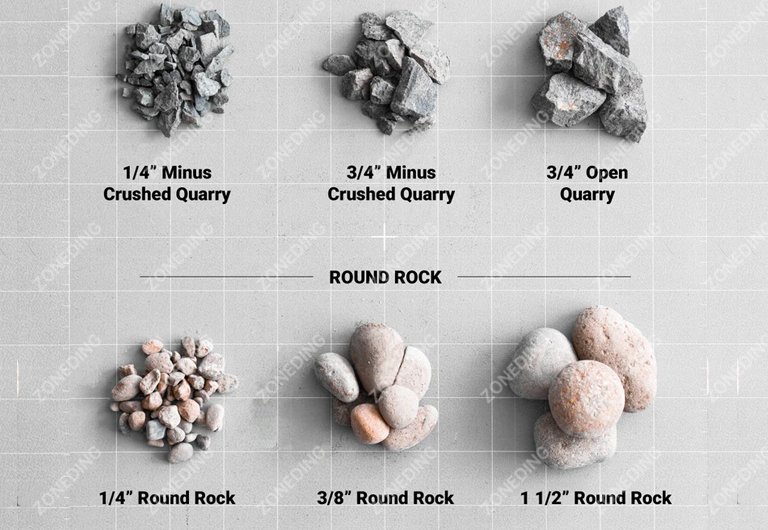
Confused by stone sizes like #57 or #8? Our guide explains the crushed stone grading system and production line to choose the right size for your project.
View details
Discover 7 practical and effective methods to enhance gold recovery from ore, tailings, or waste materials, minimizing loss and maximizing yield.
View details