 Zoneding Mining

Site Search
Search products, equipment and solution articles
整站搜索产品中心新闻中心
点击开始搜索
热门搜索
UltraForm-MXFlexiPoly-RNanoForm Z300EcoFab P200
Search products, equipment and solution articles
Choosing the correct machine for your material processing needs is a crucial decision. It directly impacts your project’s efficiency, cost, and final product quality. When it comes to size reduction, two common types of crushing equipment often come into consideration: cone crushers and hammer crushers. But how do you decide which one is right for you? This guide breaks down 7 fundamental distinctions between cone crushers and hammer crushers. You will learn about their working principles, material suitability, product shape, applications, wear parts, and overall efficiency.
At ZONEDING MACHINE, a leading manufacturer of specialized crushing equipment, I help businesses like yours make informed decisions. Understanding these differences is key to optimizing your operation and achieving profitable mineral processing.
Understanding the working principle of each machine is the first step in differentiating them. This key difference directly influences their performance and suitability for various tasks.
Cone crushers operate primarily on the principle of compression. A cone crusher has a steep, circular moving cone inside a fixed outer shell. The inner cone rotates eccentrically. It crushes material between its mantle (the lining of the moving cone) and the concave (the lining of the fixed shell). The gap between these two surfaces continuously opens and closes. This compresses the rock. The crushing action is continuous.
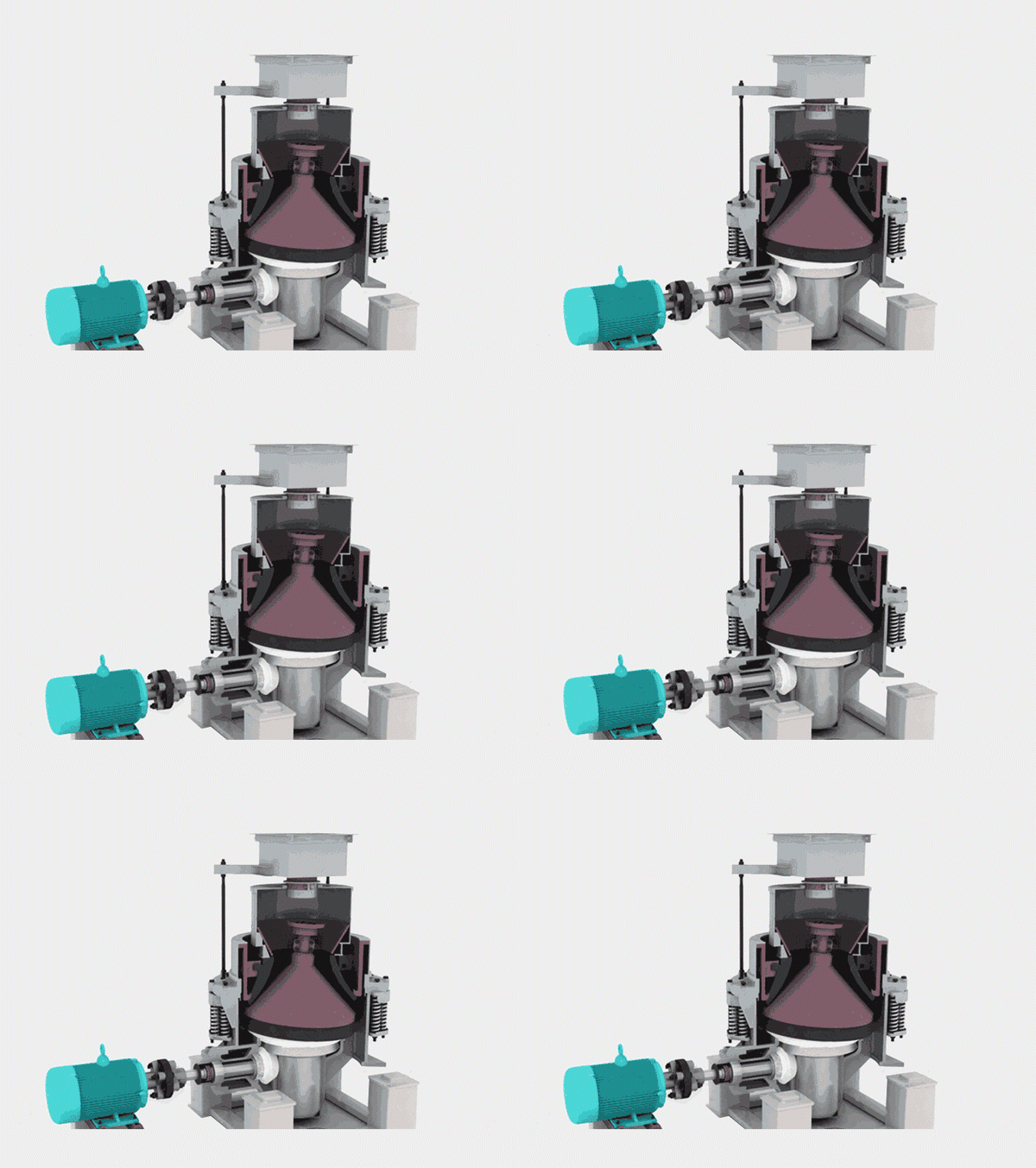
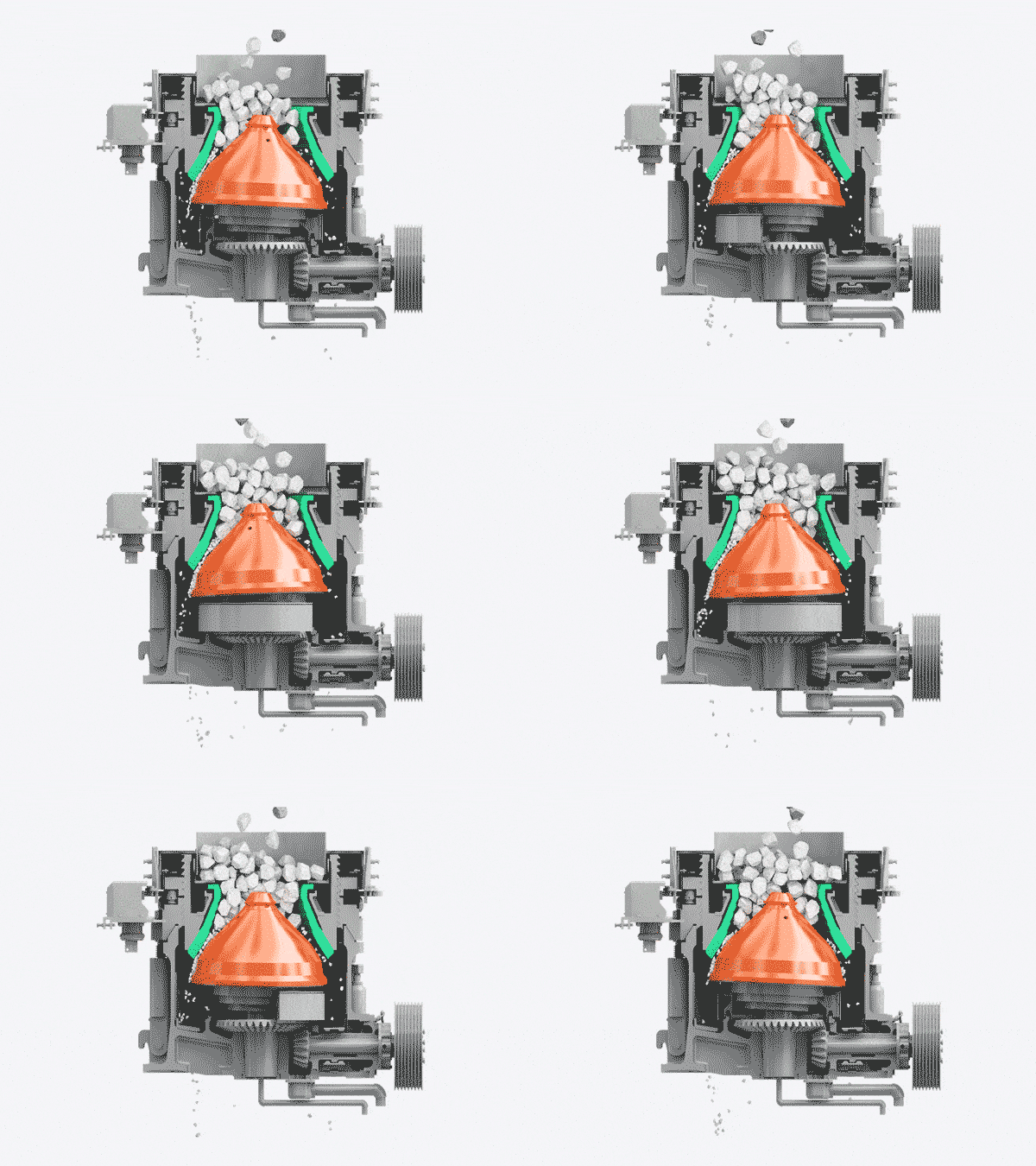
As the material moves down, the gap narrows, reducing the material size. This compression mechanism makes cone crushers very effective in breaking down hard and abrasive materials. It generates a uniform final product. This method is common in secondary and tertiary stages of large-scale crushing equipment lines.
Hammer crushers, however, use the principle of impact. A hammer crusher has a rotating shaft with hammers attached. These hammers rotate at high speed inside a reinforced casing. When material enters the crushing chamber, the rapidly swinging hammers impact the material. They throw it against breaker plates or grates. This high-energy impact shatters the material into smaller pieces.
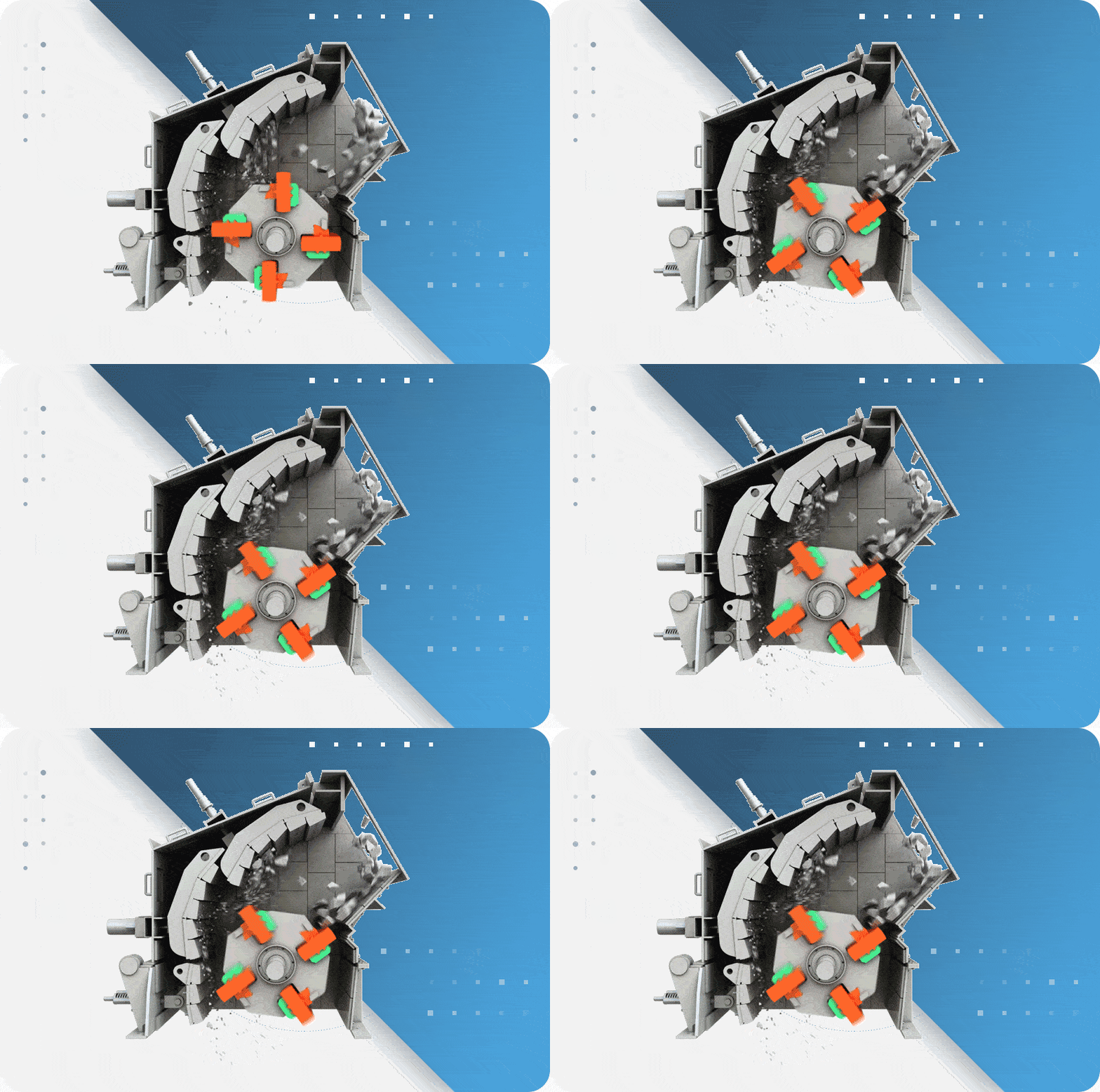
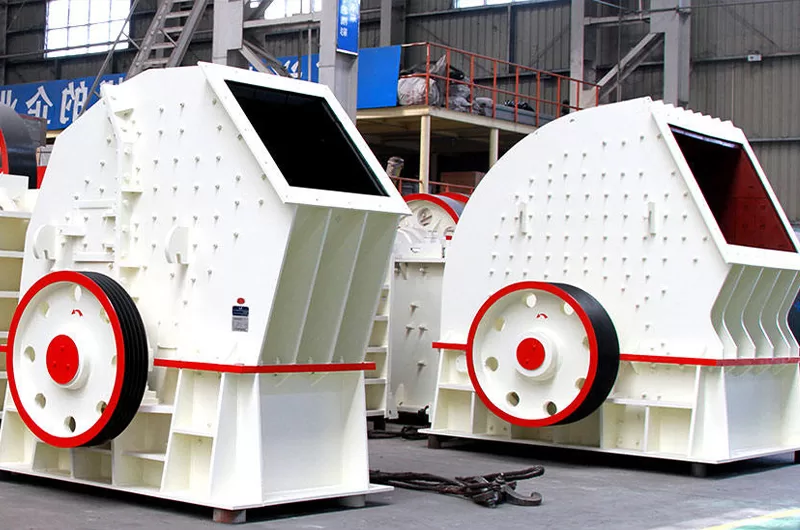
The process combines impact with some shearing and attrition. Material continues to be struck until it is small enough to pass through the screen bars at the bottom. This impact-based working principle is especially suitable for brittle and medium-hard materials. It is a common choice for primary or secondary crushing where the material needs significant reduction in one stage.
The material suitability of your raw input is a critical factor. It dictates whether a cone crusher or hammer crusher will perform best. Matching the crusher type to your material avoids inefficiencies and costly breakdowns.
Cone crushers excel in handling hard, abrasive, and tough materials. These include granite, basalt, river stone, iron ore, and other metallic and non-metallic ores. The compression crushing action is slow and powerful. It is ideal for materials that resist shattering quickly. The design features robust wear parts that can withstand severe abrasion. This makes cone crushers a go-to choice for aggregates production and mining operations. They perform well in secondary and tertiary crushing stages. Here, the primary goal is to produce cubical-shaped final products from hard feed.
ZONEDING’s cone crusher models are engineered for maximum durability with abrasive materials. This ensures a long service life and consistent performance.
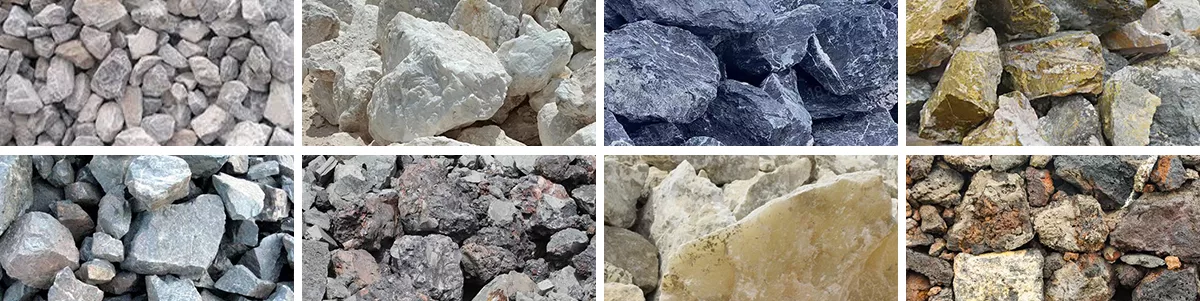
Hammer crushers are better suited for brittle, medium-hard, and less abrasive materials. These typically include limestone, coal, gypsum, shale, and certain types of recycling materials like construction and demolition waste. The impact crushing action is highly effective at shattering these types of materials. They break along their natural cleavage planes. Hammer crushers can also handle materials with some moisture or stickiness due to their open design and self-cleaning action. However, highly abrasive materials can cause rapid wear on the hammers. This increases maintenance frequency.
ZONEDING’s hammer crushers are renowned for their ability to deliver high reduction ratios for these specific materials. They provide an efficient and cost-effective solution for many primary and secondary crushing needs, especially in producing aggregate for roads and cement.
| Material Characteristic | Cone Crusher | Hammer Crusher | Your Application Impact |
|---|---|---|---|
| Hardness | High (granite, basalt) | Medium (limestone, coal) | Maximize efficiency, minimize wear |
| Abrasiveness | High (quartz, ore) | Low to Medium (gypsum) | Reduce operational costs effectively |
| Brittleness | Low (tough rock) | High (shale, concrete) | Achieve desired product size quickly |
| Moisture/Stickiness | Low tolerance | Moderate tolerance | Avoid clogging, maintain flow |
The product shape and size distribution are often critical metrics. They define the quality of the final aggregate or processed material. This is particularly important for construction.
Cone crushers are known for producing a cubical-shaped product. The compression action breaks material along natural fault lines and planes of weakness. This results in well-graded, consistent, and mostly cubical aggregates. Cubical particles are highly desirable in the construction industry. They improve concrete strength and asphalt mix performance. This is because cubical shapes create better interlocking structures.
Cone crushers also offer precise control over the output size. You can easily adjust the crusher settings. This allows you to produce a uniform product size distribution within a narrow range. This level of control and product quality makes cone crushers indispensable for producing high-quality construction aggregates and fine crushing in mining. Our cone crusher technology provides superior shaping capabilities.
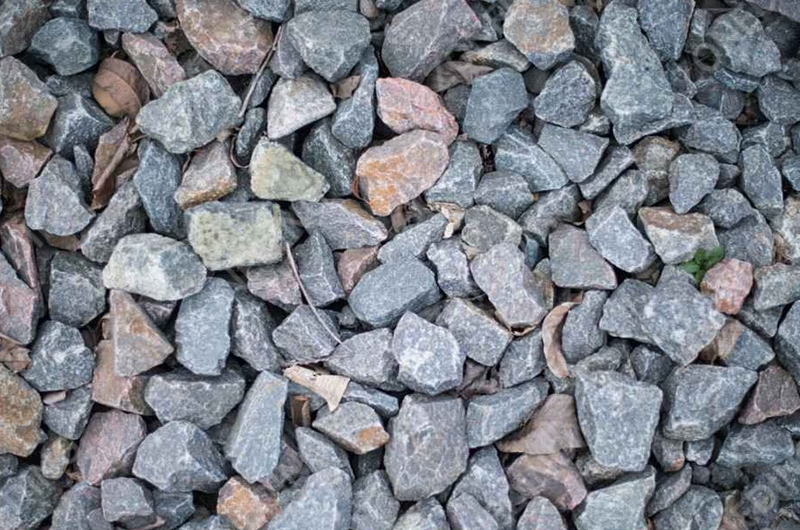
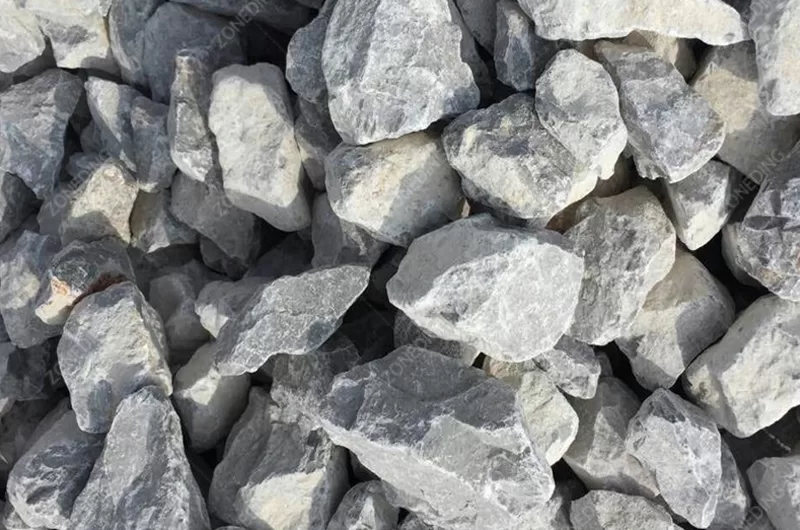
Hammer crushers typically produce a more irregular, flaky, or elongated product shape. The high-speed impact shatters the material. But it often doesn’t break along inherent weaknesses. This can result in a higher percentage of flat or elongated particles. While suitable for many applications, this might be less desirable for high-spec concrete or asphalt.
However, if the goal is simply size reduction for further processing or if the end-use doesn’t require strict cubicity (e.g., filler material, road base), hammer crushers are efficient. They can also produce a wider range of particle sizes within a single pass. This can be beneficial when a broad size distribution is acceptable. ZONEDING’s crushing equipment offers models of hammer crushers designed to optimize product shape based on material characteristics.
The applications for cone crushers and hammer crushers often overlap but also have distinct specializations. Choosing correctly optimizes your entire complete production line. ZONEDING’s complete production line solutions integrate the best crusher for each stage.
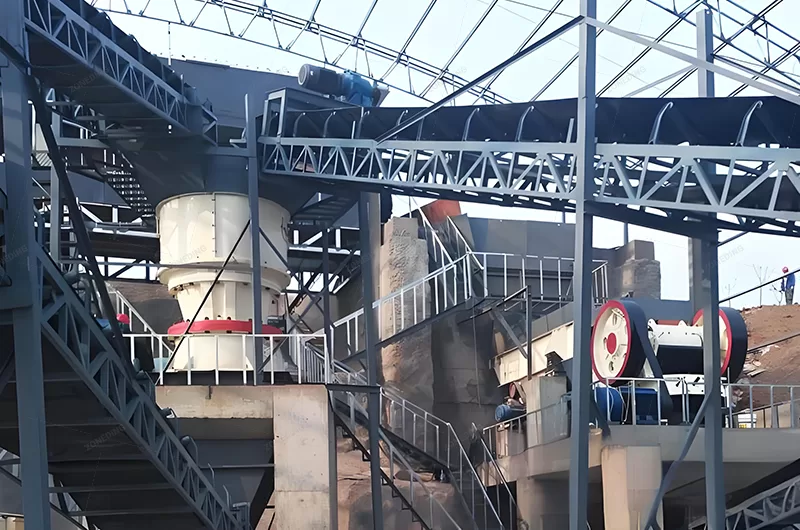
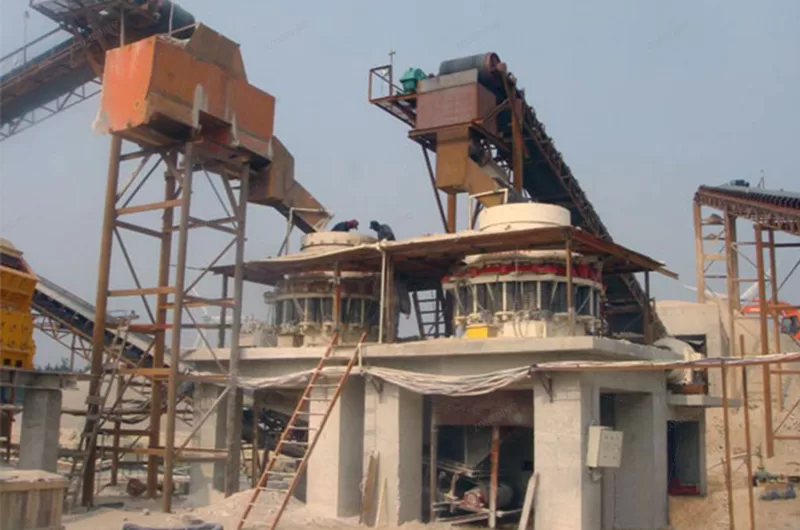
Cone crushers are versatile. They are predominantly used in secondary, tertiary, and even quaternary crushing stages. Their primary applications include:
Cone crushers are ideal when continuous operation and consistent product quality are priorities. They handle large capacities efficiently. Their ability to deliver a cubical product is a significant advantage in many aggregate markets. This makes them a mainstay in complex mineral processing equipment setups.
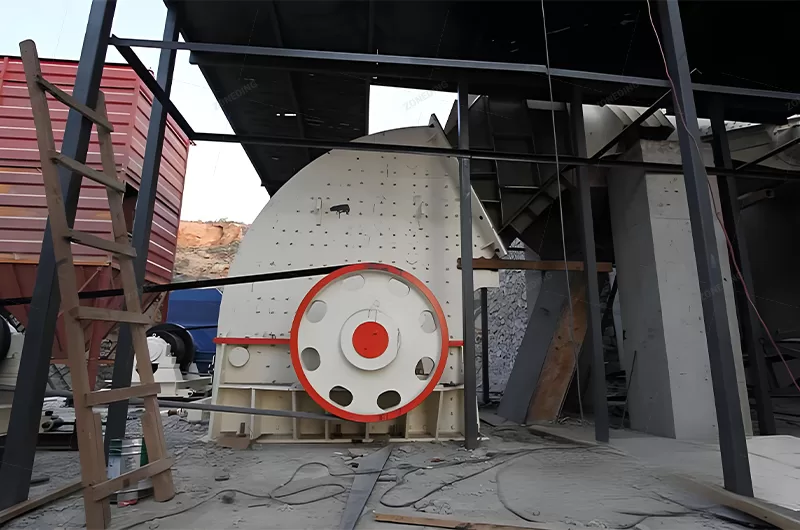
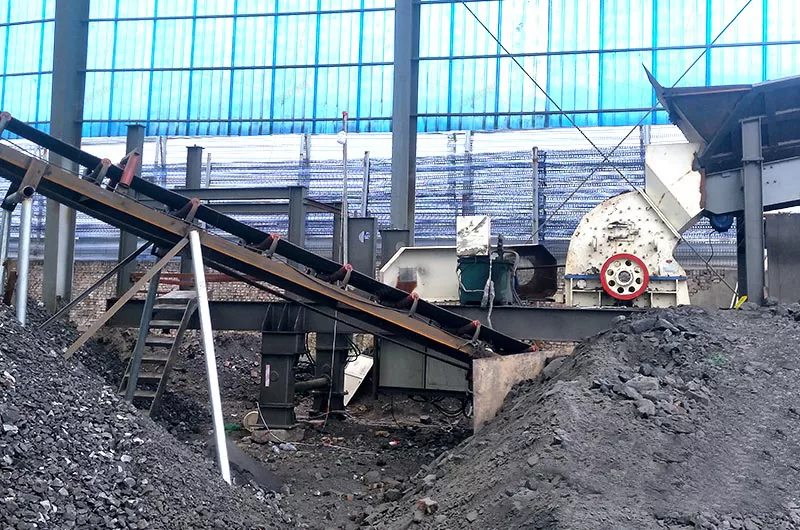
Hammer crushers have a broader range of applications, often serving as primary or secondary crushers. Their key uses include:
Hammer crushers are often chosen for their high reduction ratio in a single pass. This simplifies the crushing circuit. ZONEDING’s crushing equipment range ensures you find the right hammer crusher for these diverse needs.
| Feature | Cone Crusher | Hammer Crusher |
|---|---|---|
| Primary Use | Secondary, Tertiary, Quaternary Crushing | Primary, Secondary crushing |
| Key Industries | Aggregates, Mining (hard rock), Quarrying | Cement, Coal, Recycling, Construction demolition |
| Output Quality | Cubical product, consistent grading | Irregular product, varied grading |
The wear parts and associated maintenance requirements differ significantly. This impacts your operating costs and overall uptime.
Cone crushers feature robust wear parts designed for high compression and abrasion. The primary wear components are the mantle (on the moving cone) and the concave (on the fixed shell). Both are typically made from manganese steel. This material offers excellent wear resistance. The wear parts generally have a longer lifespan compared to hammer crusher components. This is due to the compression-based crushing action.
Maintenance usually involves periodic inspection and replacement of these linings. This replacement can be a more involved process. But it is less frequent. Cone crushers also require lubrication systems and regular bearing checks due to their mechanical complexity. ZONEDING’s crushing equipment is designed for easy access to wear parts, simplifying maintenance and reducing downtime. We ensure your cone crusher operates reliably with minimal interruption.
Hammer crushers have more frequently changing wear parts. The hammers themselves are the main components that abrade and break down. They are typically made from manganese steel or alloy steels. Hammers wear quickly, especially when processing even moderately abrasive materials. This happens due to the direct impact. Regular inspection, rotation, or replacement of hammers is crucial. This helps maintain crushing efficiency.
Breaker plates and grates also experience wear. Their replacement frequency is lower than hammers. Maintenance for hammer crushers focuses more on the hammers, rotor balance, and liner plates. While individual hammer replacement can be simpler, its frequency increases operating time devoted to maintenance. This is a key factor if your material is tough. ZONEDING’s crushing equipment designs prioritize quick-change hammer systems to minimize downtime for our clients.
Energy efficiency and total operating costs are major considerations for any mineral processing plant. They directly affect your bottom line.
Cone crushers are generally considered more energy efficient for crushing hard, abrasive materials. The compression crushing action uses energy more effectively to reduce particle size. It causes less wasted energy from impact or attrition. This translates to lower power consumption per ton of processed material. Their longer wear parts lifespan also contributes to lower operating costs. Fewer replacements mean less expenditure on parts and less downtime for maintenance.
However, the initial capital investment for a cone crusher can be higher. This is due to sophisticated engineering and heavy-duty construction. But their long-term energy efficiency and lower part consumption often lead to better overall economic performance for demanding applications.
Hammer crushers can offer good energy efficiency for softer, brittle materials. They achieve high reduction ratios in a single pass. This can simplify the crushing circuit and save energy by running fewer machines. However, if used for abrasive materials, the rapid wear on hammers significantly increases operating costs. Frequent hammer replacement adds to both parts cost and downtime.
This reduces overall productivity. The power consumption for a hammer crusher crushing hard material can be higher per ton due to less efficient impact crushing. This also leads to greater heat generation. For the right materials (like limestone or coal), their initial lower capital cost combined with efficient single-stage reduction makes them economical. But careful material matching is key to avoid high operating costs.
The initial investment and physical footprint of a crusher plant greatly influence project planning and financial viability.
Cone crushers typically have a higher initial investment. This reflects their precision engineering, heavy-duty construction, and more complex mechanical design. They often require a larger footprint as they are usually part of multi-stage crushing circuits. These circuits include primary, secondary, and tertiary crushing. This needs more conveyors and screening equipment. The installation process for cone crushers can also be more complex. This requires specialized foundations and setup.
However, this higher upfront cost is often justified by their long lifespan, low long-term operating costs, and the superior quality of their final product.
Hammer crushers generally have a lower initial investment. Their design is simpler. They feature fewer complex components. This makes them more affordable to purchase and install. They can also offer a smaller footprint in some applications, especially if they are used for primary crushing with a high reduction ratio in a single machine. This reduces the need for multiple crushing stages. This simplicity and compact nature make hammer crushers an attractive option for projects with tighter budget constraints or limited space. However, as noted before, their operating costs can be higher if used for unsuitable, abrasive materials.
Choosing the right crushing equipment supplier is crucial for your project’s success. This investment is not only about the equipment itself. It is also about the long-term partnership, service support, and technological innovation. When you evaluate suppliers, please consider these vital factors:
The crushing equipment industry is undergoing significant transformation. These changes aim to improve efficiency, sustainability, and intelligence. By 2025, some key trends are shaping the future of this sector. These trends influence the development of both cone crushers and hammer crushers.
Selecting the right crushing equipment—whether a cone crusher or a hammer crusher—is paramount for your project. That decision directly impacts your operating costs, product quality, and overall efficiency. We have explored their seven key differences. These include working principle, material suitability, product shape, applications, wear parts, energy efficiency, and initial investment. Understanding these distinctions is fundamental to making an informed decision.
My recommendation is to carefully analyze your raw material characteristics. Clearly define your final product needs. At the same time, consider your budget and long-term operating costs expectations. Collaborating with a professional mineral processing equipment manufacturer like ZONEDING can ensure you get a tailored solution.
Contact ZONEDING today for customized crushing solutions. Let our experts help you choose the most suitable crushing equipment for your needs. Optimize your mineral processing workflow!
Unlock economic potential of gabbro deposits. Learn what gabbro is and how the crushing plant can turn gabbro into valuable resource for construction projects.
View details
Feeling overwhelmed by vibrating feeder options? Follow 7-step checklist to select the perfect model based on material size, capacity, and operating conditions.
View details
Everything you need to know about beryl. Learn the properties, discover how it's processed from raw stone to finished gem, and explore all its uses.
View details
Discover how thickeners are essential for efficient solid-liquid separation in mining. This guide covers types, uses, and best practices.
View details