In the mining and aggregate industries, the crushing plant serves as the heartbeat of production. When the crusher stops, revenue stops. Unplanned downtime costs operations thousands of dollars per hour, not merely in lost production but in emergency repair costs and idle labor. Yet, despite these high stakes, many operators rely on reactive “run-to-failure” strategies rather than proactive preventative maintenance.
A rigorous maintenance schedule makes the difference between a machine that lasts 20 years and one that suffers catastrophic failure in five. Maintenance is not simply about fixing broken components; it represents a strategic approach to monitoring machine health to predict failures before they occur.
This comprehensive guide provides a structured daily, weekly, and monthly maintenance checklist suitable for Jaw Crushers, Cone Crushers, and Impact Crushers. It incorporates modern best practices and engineering insights from ZONEDING to ensure maximum availability and efficiency.
Last Updated: January 2026 | Estimated Reading Time: 16 Minutes
Before utilizing the checklist, understanding the philosophy behind preventative maintenance (PM) is essential. The harsh environment of a quarry—defined by extreme dust, heavy vibration, and high-impact forces—accelerates mechanical wear significantly faster than in other industries.
The Cost of Neglect
Ignoring regular checks leads to a “domino effect.” A loose bolt on a vibrating feeder might seem minor, but if ignored, that loose fastener can lead to a cracked frame. A lack of grease on a conveyor bearing can cause overheating, leading to a seized shaft, fire risk, and a production halt requiring days to repair.
Safety Implications
Maintenance is fundamentally a safety issue. Worn-out parts can break loose and become projectiles. Accumulated debris can conceal structural cracks or create fire hazards. A well-maintained machine is inherently safer for operators. Manufacturers like ZONEDING design equipment with maintenance access in mind, but site management must enforce the schedule.
Safety First: Lockout/Tagout (LOTO)
No maintenance task should ever commence without proper safety protocols. The “Lockout/Tagout” (LOTO) procedure is non-negotiable in the mining sector.
The Golden Rule of Maintenance:
Before any inspection involving physical contact with the machinery or entering the crushing chamber, all power sources must be isolated.
Shutdown: Turn off the main power at the control panel.
Isolate: Disconnect the electrical breaker or disconnect switch.
Lock: Place a physical padlock on the switch to prevent re-energization.
Tag: Attach a durable tag identifying who locked it, the date, and the reason.
Test: Attempt to start the machine to verify zero energy state.
Block: Physically block any moving parts (like a jaw swing stop or conveyor gravity take-up) to prevent movement due to stored energy or gravity.
The Daily Maintenance Checklist (Every 8-10 Hours)
The daily inspection serves as the first line of defense. It relies heavily on the operator’s sensory observation—sight, sound, and touch. This routine should occur at the start of every shift and periodically during operation.
1. Pre-Start Visual Inspection
Before the “Start” button is engaged, a complete walk-around is necessary.
Check the Chamber: Ensure the crushing cavity is completely empty. Starting a crusher under load (with rock inside) creates massive torque spikes that can burn out motors or snap shafts.
Inspect Conveyors: Verify that discharge belts are clear of debris. A blocked discharge chute will cause material to back up into the crusher, known as “packing,” which can damage the eccentric shaft or frame.
Fluid Levels: Check oil levels in the lubrication tank and hydraulic reservoirs via the sight glass. Low oil levels lead to immediate bearing failure.
Safety Guards: Verify that all flywheels, belt guards, and coupling covers are securely in place to protect personnel.
2. Operational Checks (During the Shift)
Once the machine runs, the operator must remain vigilant.
Listen for Anomalies: A crusher possesses a rhythmic, consistent operating sound. A change in pitch, a rhythmic knocking, or a grinding noise indicates a problem. For example, a metallic “clanking” in a cone crusher might indicate loose mantle bolts or tramp iron passing through.
Monitor Amperage: The ammeter (amp gauge) acts as the crusher’s health monitor. If the crusher draws higher amps than usual for the same feed material, it indicates mechanical resistance—possibly failing bearings, worn liners, or improper belt tension.
Vibration Analysis: While sophisticated sensors are optimal, a simple touch (on non-moving parts like the frame) can reveal excessive vibration. If the frame shakes more than usual, foundation bolts may be loose, or rotor balance may be compromised.
3. Temperature Checks
Heat acts as the enemy of machinery.
Bearing Temperatures: Use a laser thermometer to check bearing housings. A sudden spike in temperature suggests lubrication failure or contamination. Bearings generally should not exceed 60°C-70°C above ambient temperature.
Oil Temperature: Ensure the return oil temperature is within the manufacturer’s specified range. If it is too high, the oil cooler may be clogged or the fan may be broken.
The Weekly Maintenance Checklist (Every 40-50 Hours)
The weekly schedule moves beyond observation into active adjustment and minor servicing. This usually requires a short planned shutdown, typically scheduled for a Friday afternoon or Monday morning.
1. Lubrication Systems (Grease and Oil)
Proper lubrication is the single most important factor in crusher longevity.
Manual Greasing: For toggle seats, labyrinth seals, and conveyor bearings, apply the specified amount of high-pressure lithium grease. Critical Note: Do not over-grease. Over-greasing causes internal pressure that can burst seals, allowing dust to enter the bearing interface.
Oil Filters: Check the pressure drop indicators on oil filters. Replace dirty filters immediately to prevent contaminated oil from circulating.
Breathers: Clean or replace the air breathers on hydraulic reservoirs. A clogged breather creates a vacuum, starving the pumps and causing cavitation.
2. Conveyor and Drive Belt Tensioning
Loose belts slip, reducing power transmission efficiency and causing the belts to burn. Overly tight belts place excessive side-load on motor storage bearings, leading to premature failure.
Check the tension on the V-belts connecting the motor to the crusher sheave.
Inspect belts for cracking, glazing, or fraying.
Alignment: Ensure the drive sheave and flywheel are perfectly aligned. Misalignment causes rapid belt wear and vibration.
3. Bolt Tightening (Torque Check)
Operation vibration inevitably loosens fasteners over time.
Liner Bolts: Check the bolts holding the cheek plates and jaw dies. If these loosen, the liners will hammer against the frame, damaging the machined surfaces of the main body (a very expensive repair).
Foundation Bolts: Ensure the nuts holding the crusher to the concrete pad or mobile steel skid are tight.
Frame Bolts: For modular crushers, check the bolts holding the upper and lower frame sections together.
4. Toggle Plate and Recoil System
For Jaw Crushers, inspect the toggle plate and toggle seat. Ensure the tension rod spring is adjusted correctly. It should be tight enough to prevent the toggle plate from falling out during the machine’s rebound stroke, but not so tight that it restricts necessary movement or overloads the spring.
The Monthly Maintenance Checklist (Every 200-250 Hours)
Monthly maintenance focuses on wear analysis and preventative replacements. This is a deeper dive into the machine’s internal condition.
1. Wear Part Analysis (Liner Profiling)
Crusher liners (Jaw plates, Mantles, Blow bars) are consumables. They are designed to wear out so the machine structure does not.
Measure Wear: Do not guess. Measure the thickness of the liners at the high-wear zones (usually the bottom of the cavity).
Rotate Liners: For Impact Crushers and some Jaw Crushers, liners can be flipped or rotated. If the bottom of a jaw die is worn but the top is pristine, flipping it effectively doubles its service life.
Plan Replacement: Based on the wear rate, order replacement parts now so they are on-site when needed. ZONEDING recommends maintaining a “safety stock” of one full set of liners on site at all times to prevent supply chain delays.
2. Oil Analysis
Taking an oil sample is comparable to a blood test for the machine.
Send a sample of the lubrication oil to a qualified lab.
Look for Metals: High levels of copper indicate bushing wear. High levels of iron indicate gear or shaft wear. High silica levels mean dust is penetrating the seals.
Change Oil: If the oil is degraded or contaminated, perform a complete drain and flush.
3. Dust Suppression and Seals
Inspect dust seal rings and wipers. If dust enters the lubrication system, it acts like a grinding compound, destroying bearings in hours.
Clean or replace spray nozzles on the water suppression system to ensure dust is managed at the source.
Inspection Item
Daily
Weekly
Monthly
Annual
Visual Walkaround
X
Clear Discharge Chute
X
Check Oil Levels
X
Grease Bearings
X
Check V-Belt Tension
X
Tighten Foundation Bolts
X
Oil Sample Analysis
X
Measure Wear Liners
X
Align Motor
X
Change Hydraulic Fluid
X
Structural Frame Inspection
X
Specific Maintenance Tips by Crusher Type
Different crushing technologies possess unique “pain points” that require specific attention.
Jaw Crusher Maintenance
The Jaw Crusher is a rugged machine, but the toggle plate serves as its safety fuse.
Toggle Safety: Never replace a broken toggle plate with a steel plate or a stronger material. If uncrushable material (like a loader tooth) enters the jaw, the toggle acts as a fuse and snaps to protect the expensive main eccentric shaft. Using the wrong material bypasses this protection, leading to catastrophic shaft failure.
Cheek Plates: Monitor the gap between the jaw dies and cheek plates. If this gap widens, rock can get wedged, damaging the side frame.
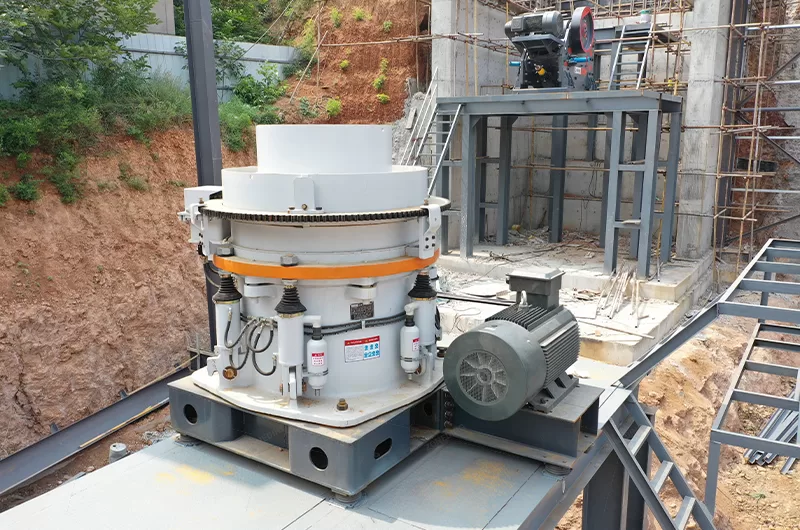
Cone Crusher Maintenance
The Cone Crusher relies heavily on hydraulics and precision clearances.
Tramp Release: Test the hydraulic tramp release system. If a piece of iron enters, the system must drop the bowl to let it pass. If the accumulators are low on nitrogen, this system will fail, causing immense pressure that can snap the main shaft.
Feed Distribution: Ensure the feed is centered. If rock is fed only to one side (segregated feed), it causes uneven bearing wear and “ring bounce,” which severely damages the seal and socket liner.
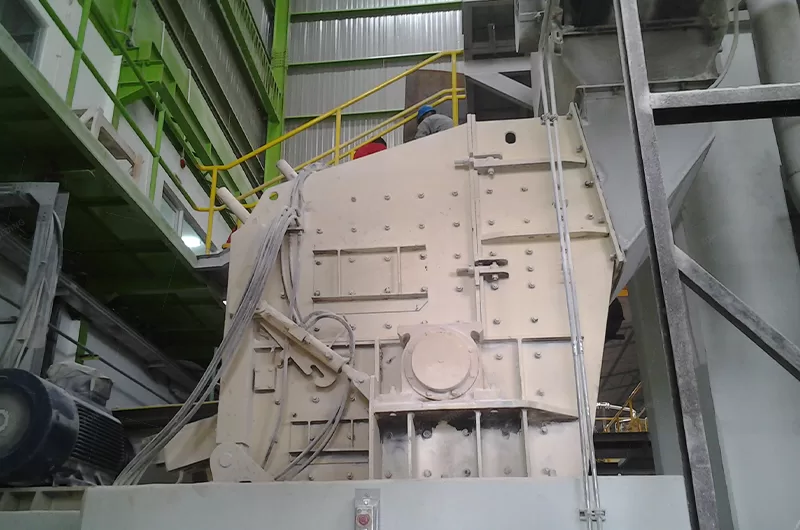
Impact Crusher (HSI/VSI) Maintenance
Impact crushers are extremely sensitive to feed size and tramp metal.
Blow Bars: Inspect blow bars daily for cracks. A blow bar detaching at high RPM acts like a missile inside the chamber.
Rotor Balance: If wear is uneven on the rotor, it will become unbalanced, causing severe vibration that can rip the machine from its foundation. Always change blow bars in weighted pairs (opposite each other) to maintain rotor balance.
Common Maintenance Mistakes to Avoid
Even experienced crews make mistakes. Avoiding these common pitfalls can save significant operational budget.
1. Over-Greasing
More is not better. Over-greasing bearings increases friction and temperature (“churning”), leading to seal failure. Always follow the manufacturer’s specified volume in grams or ounces per pump.
2. Ignoring “Prophet” Signs
Machines rarely fail without warning. They get hot, they generate noise, or they vibrate. Ignoring a slight increase in vibration because “production must continue” usually leads to a breakdown that stops production for days instead of a simple hour-long repair.
3. Using Non-OEM Parts
While aftermarket parts may appear cheaper initially, they often lack the precise metallurgy and dimensional tolerances of Original Equipment Manufacturer (OEM) parts. A slightly softer jaw die will wear out twice as fast. A slightly incorrect dimension on a bronze bushing can starve a bearing of oil. Companies like ZONEDING engineer their spare parts to match the exact tolerances required for optimal performance.
Frequently Asked Questions
Q1: How often should crusher oil be changed?
Typically, every 1000 to 2000 operating hours, or annually. However, this depends entirely on the environment. In extremely dusty or humid conditions, oil may need changing every 500 hours. Oil analysis is the only definitive way to determine the optimal schedule.
Q2: Can manganese liners be welded?
It is generally discouraged. Manganese steel work-hardens and changes structure when heated. Welding on it without strict temperature controls can cause embrittlement and cracking. If welding is necessary (e.g., for hardfacing), specific thermal procedures and manganese electrodes must be used.
Q3: Why is the crusher vibrating excessively?
Common causes include: loose foundation bolts, an unbalanced rotor (due to uneven wear or breakage), broken internal components, or a build-up of material caked on the rotor. The machine should be stopped immediately for inspection.
Q4: How should spare parts be stored?
Bearings must be stored in a clean, dry, vibration-free environment, laying flat. V-belts should hang on racks to prevent crimping. Motors must be stored in dry areas to prevent condensation in the windings.
Conclusion
A disciplined maintenance routine is the most profitable investment a quarry operator can make. It transforms the crusher from a source of anxiety into a reliable, profit-generating asset. By adhering to a strict daily, weekly, and monthly checklist, operators maximize uptime, ensure safety, and deliver consistent product quality.
Whether operating a rugged Jaw Crusher or a precision Cone Crusher, the principles remain the same: keep it clean, keep it lubricated, and keep it tight.
Need spare parts or maintenance support? ZONEDING offers a comprehensive range of OEM wear parts and technical support services to keep plants running at peak performance. Contact the support team today for a maintenance audit or parts catalog.
Explore titanium ore processing methods&machines. Learn about crushing, grinding, gravity, magnetic separation, and flotation for titanium mineral recovery.
Get answer to the questions about coarse material washing, including equipment selection, maintenance tips, and troubleshooting advice from our team of experts.
From jaw crushers to impactors, discover the 7 essential rock crusher types you need to know for crushing operations. Learn when and where to use each one.
Explore the main types of vibrating screens. Learn how to choose the right screening equipment for mining & aggregate project. ZONEDING is your expert supplier.
 Zoneding Mining