 Zoneding Mining

Site Search
Search products, equipment and solution articles
整站搜索产品中心新闻中心
点击开始搜索
热门搜索
UltraForm-MXFlexiPoly-RNanoForm Z300EcoFab P200
Search products, equipment and solution articles
Mining historically generated significant waste. Rock and fine particles remain after extraction. These materials are called mining tailings. They fill large impoundments. These tailings contain valuable elements. Critical minerals, rare earths, and other metals are often present. Reprocessing these tailings offers a dual benefit. It reduces environmental impact. It creates new economic opportunities. This method transforms waste into a valuable resource. It drives a resource valorization trend.
Tailings reprocessing is gaining momentum. It offers a solution to increasing mineral demand. It also addresses environmental concerns. Traditional mining wastes become a new ore source. This path supports a circular economy. It maximizes resource utilization. New technologies make this possible. Economic viability continues to improve.
Mining tailings represent residual materials. They remain after ore processing. Valuable minerals are extracted from mined rock. The leftover material becomes tailings. Tailings contain crushed rock particles. They hold water and processing chemicals. They are often fine, like silt or sand. Miners store them in large ponds. These are called tailings dams or impoundments. Tailings are a significant byproduct of mining.
Historically, tailings were considered waste. Their disposal focused on containment. Environmental and safety risks emerged over time. These include dam failures and pollution. Tailings compositions vary greatly. They depend on the original ore body. They also rely on the processing method used. And They often retain small amounts of primary minerals. They can also hold secondary valuable minerals. These minerals were not targeted initially.
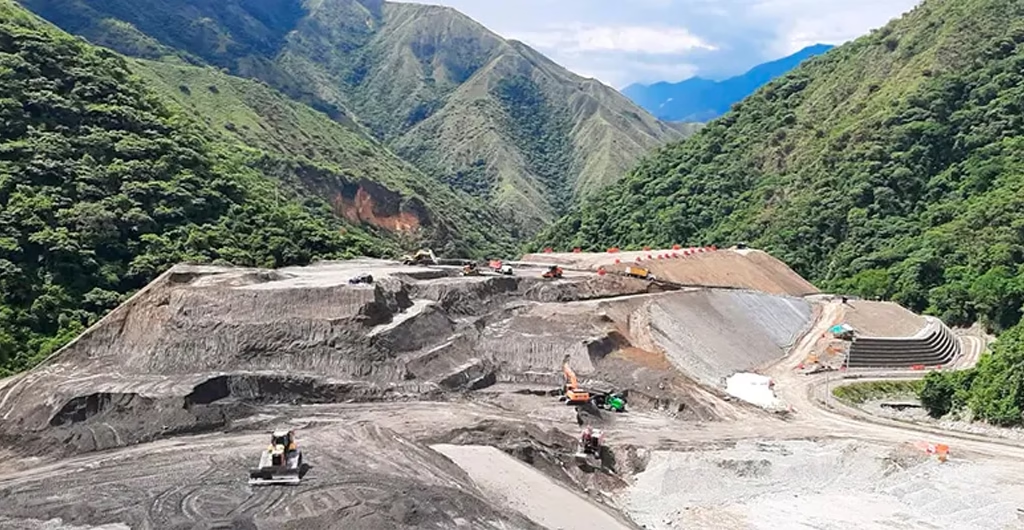
Tailings consist mostly of finely ground rock. This rock once encased valuable ore. Particle sizes range from coarse sand to ultrafine clays. The mineralogy reflects the host rock. Quartz, feldspar, and micas are common. Gangue minerals make up the bulk. Water content can vary greatly. Some tailings are slurries. Others are dewatered and stacked.
Chemical residues also exist. These come from the original processing. Examples include flotation reagents or cyanide. These chemicals pose environmental risks. They can leach into soil and water. Proper management is essential. Reprocessing offers a solution. It extracts residual value. It also mitigates environmental hazards.
Traditional tailings disposal carries risks. Tailings dams can fail. This causes catastrophic environmental damage. Toxic elements can leach from impoundments. This pollutes groundwater and surface water. Large land areas are often dedicated to tailings. This impacts biodiversity. It changes local landscapes. Dust generation is also a concern. It can spread contaminants. Addressing these burdens is critical. Tailings reprocessing provides an answer. It transforms a liability into an asset.
Mining tailings hold surprising value. They often contain critical minerals. Rare earths and other valuable metals are present. This latent value comes from several factors. Historical processing methods were less efficient. They left behind significant quantities of desired elements. Economic conditions also shifted. Elements once considered uneconomical are now precious. Tailings reprocessing unlocks this hidden potential. It transforms mining waste into profit streams. This represents a major shift in resource management.
Depleting primary ore grades add to tailings’ appeal. New mining projects face lower concentrations. Tailings, in contrast, offer pre-crushed material. They require no drilling or blasting. This lowers initial processing costs. Their existing infrastructure can be repurposed. Tailings represent a giant, untapped resource. Miners worldwide recognize this. They pursue advanced recovery technologies.
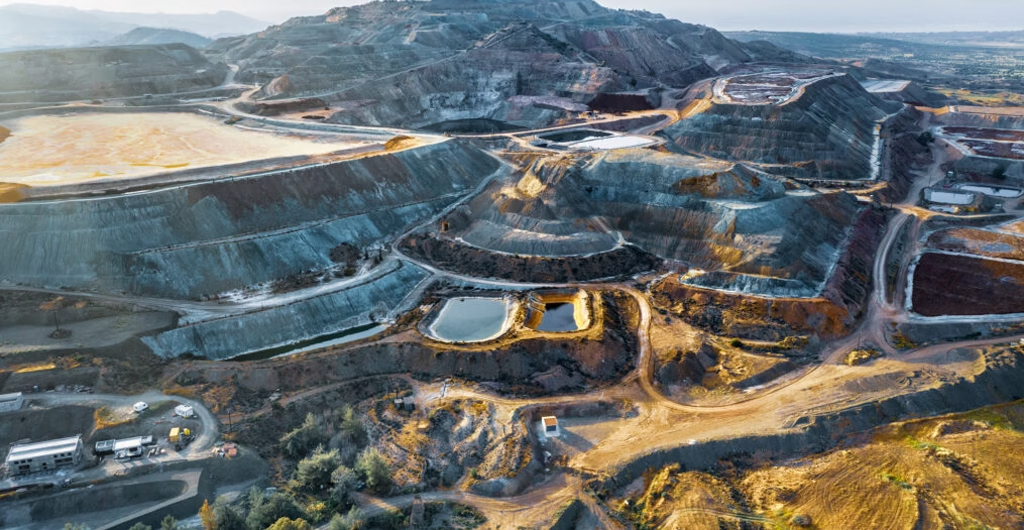
Critical minerals are essential for modern technology. They include lithium, cobalt, nickel, and copper. Demand for these elements grows quickly. Tailings often contain these minerals. They were not always the primary target. For instance, old copper tailings might hold significant cobalt. Cobalt was a byproduct then. Now, it is a critical resource.
Reprocessing creates a secure supply. It reduces reliance on volatile global markets. It diversifies mineral sources. This adds resilience to supply chains. This aligns with national resource strategies. It ensures availability for electric vehicles and electronics.
Rare Earth Elements (REEs) are vital. They power magnets, electronics, and green technologies. Many REEs are dispersed in primary ores. They are often left behind in tailings. Traditional processing focused on bulk metals. REEs were simply gangue. Now, technologies can extract them. This unlocks a crucial supply. Tailings become a domestic REE source. This reduces dependency on foreign suppliers. It strengthens national security.
Beyond critical minerals and REEs, tailings contain other metals. Gold, silver, zinc, and lead are often present. Old tailings stockpiles exist near historic mines. These mines operated with less advanced methods. Their recovery rates were lower. Current technologies can recover these metals. This transforms historical waste. It changes it into a modern bonanza. This offers a sustainable way to increase metal production.
Processing mining tailings requires specialized technologies. These technologies selectively extract valuable minerals. They overcome challenges posed by fine particles and complex compositions. The goal is to achieve high mineral recovery from tailings. Various beneficiation methods find application. Their selection depends on the specific tailings characteristics. Effective processing makes resource valorization successful.
These methods build upon traditional mineral processing techniques. They adapt them for finer material and lower concentrations. They also integrate new advancements. ZONEDING offers robust tailings reprocessing solutions. These solutions use modern processing technologies.
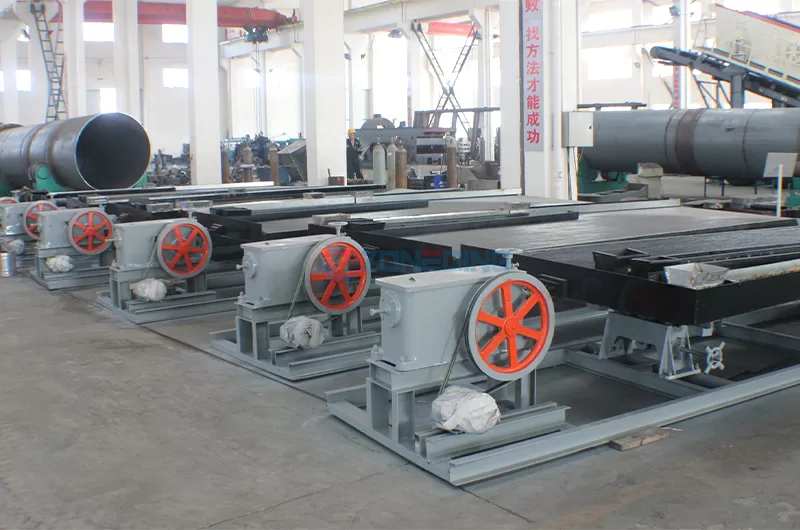
Physical separation utilizes differences in mineral properties. These properties include density, size, and magnetic susceptibility.
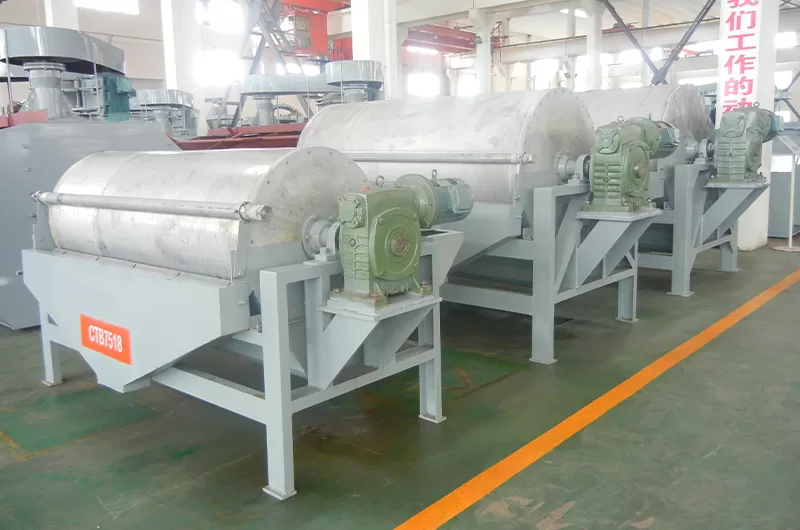
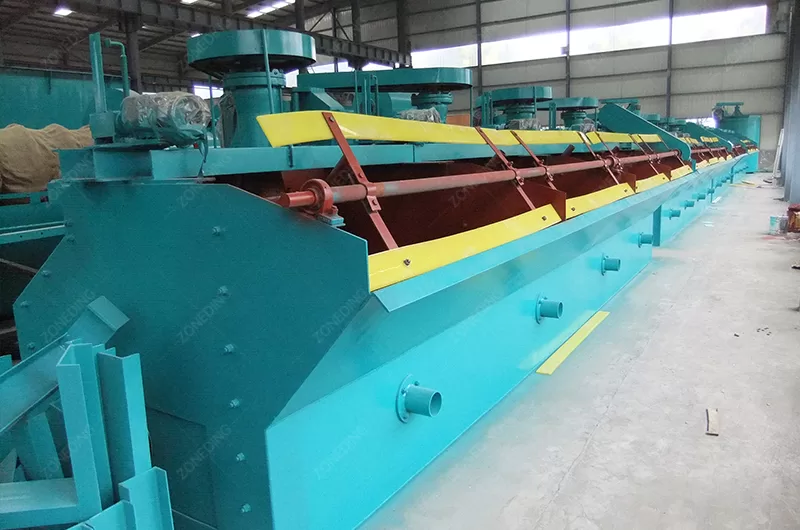
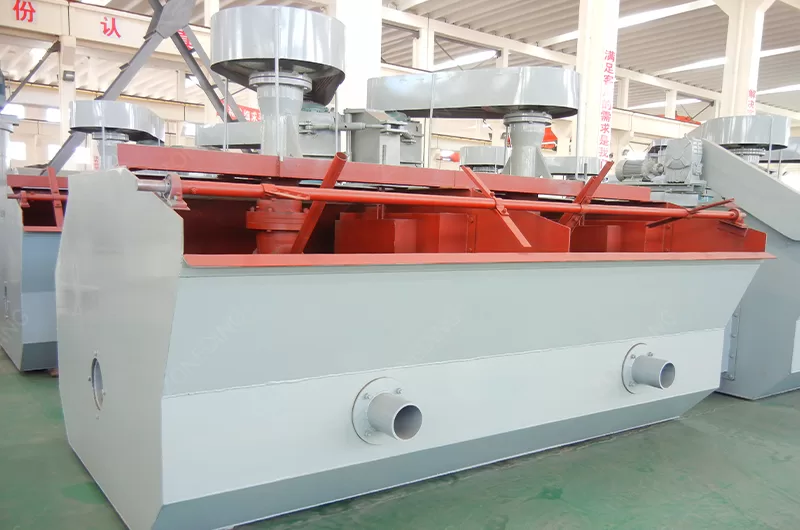
Flotation is a versatile technique. It recovers finely disseminated minerals. It works by making mineral surfaces hydrophobic. Air bubbles then attach to these surfaces. The bubbles carry minerals to the surface as froth.
Chemical leaching dissolves target metals. It uses chemical reagents. This method applies to very fine minerals. It also works for refractory ores.
Efficient dewatering and drying are critical. They prepare concentrates for further processing. They also reduce the volume of residual waste.
Economics strongly drive tailings reprocessing. Several factors make it an attractive venture. Rising commodity prices increase the value of residual minerals. Lower extraction costs enhance profitability. Reduced waste disposal costs provide further incentive. Environmental compliance drives investment. This supports the resource valorization trend. Reprocessing transforms a liability into an asset.
The economic landscape has shifted. Elements once ignored are now precious. This encourages miners to revisit old waste. Tailings become a viable alternative to new mines. This promotes economical and sustainable practices.
Tailings are already mined and crushed. This significantly reduces upfront costs. No drilling, blasting, or primary crushing is needed. This removes expensive early mining stages. Material transport costs are also often lower. Tailings are stored in known locations. This further reduces operational expenses. These savings make reprocessing economically attractive.
Global demand for critical minerals and rare earths continues to grow. Supply chains face pressure. This leads to higher commodity prices. Elements in tailings become valuable. What was once waste is now a profitable resource. Old stockpiles gain new economic potential. This stimulates investment in tailings reprocessing.
Traditional tailings management incurs high costs. Maintenance of dams, environmental monitoring, and liabilities are expensive. Reprocessing reduces the volume of active tailings. It can also produce benign, reusable residual materials. This significantly lowers long-term waste disposal costs. It often generates revenue simultaneously. This dual benefit champions the circular economy.
Environmental regulations become stricter worldwide. Companies face pressure to minimize environmental footprints. Tailings reprocessing offers a solution. It reduces dam risks. It prevents pollution. Governments sometimes offer incentives for such projects. These include tax breaks or grants. Compliance costs transform into investment opportunities. This supports sustainable mining.
Tailings valorization provides significant environmental benefits. It transforms mining waste into valuable resources. This process reduces pollution risks. It minimizes land disturbance. It fosters more sustainable mining practices. This approach lessens the environmental footprint of mining. It contributes to a cleaner, healthier planet.
The focus shifts from waste management to resource creation. This aligns with circular economy principles. It creates a positive cycle. This cycle benefits both industry and the environment.
Reprocessing old tailings directly reduces their harmful potential. It removes toxic elements. This prevents them from leaching into ecosystems. Tailings dams pose large stability risks. Re-processing can reduce the volume of stored material. It may even allow for dam removal or smaller designs. This minimizes the risk of catastrophic failures. This protects local communities and environments.
Tailings impoundments consume vast land areas. Reprocessing reduces the stored volume. This frees up land for other uses. Land restoration becomes more feasible. This activity decreases pressure on pristine natural areas. It also reduces the need for new tailings facilities. This supports biodiversity. It also supports ecosystem health.
Tailings typically contain much water. This water comes from processing. Reprocessing often involves dewatering. This recovers and recycles water. It reduces the demand for fresh water resources. This is particularly important in arid mining regions. Water savings contribute to overall sustainable mining.
Tailings valorization provides a secondary source of minerals. This lessens the immediate need for new primary mines. Mining new sites involves significant environmental disturbance. It includes deforestation and habitat destruction. Utilizing existing waste reduces this pressure. It extends the life of existing mining districts. This also reduces the overall environmental burden of mineral extraction.
A major mining company faced challenges. Large copper tailings accumulated for decades in a South American country. The tailings contained significant residual copper. They also held valuable gold and silver. However, fine particle sizes made recovery difficult. The company wanted to improve mineral recovery from tailings. It also aimed to reduce environmental liability. Their existing beneficiation plant could not efficiently handle these tailings. They sought advanced processing technologies.
ZONEDING developed a customized solution. The project used an integrated mobile crushing and grinding unit. This prepared the tailings efficiently. The unit handled the sticky, varied material. It made a fine slurry suitable for flotation. ZONEDING supplied specialized flotation machines. These machines could manage fine particles. They achieved high recovery rates for copper. They also captured gold and silver.
The ZONEDING solution focused on efficiency and sustainability. ZONEDING provided a state-of-the-art dewatering system. It used thickeners and filter presses. This maximized water recovery. It reduced the volume of final processed residue. The client achieved a 25% increase in copper recovery. Gold and silver byproducts also contributed to revenue. The project significantly reduced the environmental footprint of the old tailings dam. It established a new model for tailings reprocessing in the region. ZONEDING’s equipment and expertise proved critical to the project’s success.
The field of tailings reprocessing continues to evolve. Several future trends emerge. These trends aim to enhance efficiency. They also target environmental performance. Innovative processing technologies are under development. They promise even greater mineral recovery from tailings. Sustainable practices will integrate more fully. This pushes towards a truly circular economy in mining.
These trends represent opportunities. They offer new ways to unlock value from mining waste. They also address pressing environmental concerns.
New sensor technologies allow for better material pre-sorting. This applies even before fine grinding. Hyperspectral imaging and X-ray transmission sensors identify mineral particles. This removes inert material early. It reduces energy consumption in downstream processes. It increases the concentration of valuable minerals. This improves overall recovery efficiency.
Biotechnology offers new avenues for metal extraction. Microorganisms can selectively leach metals. Bioleaching presents a more environmentally friendly method. It avoids harsh chemicals. It works for low-grade materials. This is particularly promising for tailings. Bio-oxidation and bio-flotation technologies also show potential. They improve recovery for specific minerals.
Modular processing plants gain popularity. They offer flexibility. These plants can easily relocate to different tailings sites. This reduces setup time and capital costs. Mobile crushing plants are already common. The concept extends to entire beneficiation circuits. This allows for rapid deployment. It adapts to varied tailings characteristics. ZONEDING supplies such adaptable equipment.
Future trends involve a holistic view of mining waste. Tailings are not just for metal recovery. They also become raw materials. They serve for construction aggregate. And They can produce geopolymers or other industrial products. This transforms waste into multiple revenue streams. It achieves complete resource valorization. This drives a true circular economy.
ZONEDING offers extensive expertise. This expertise supports tailings reprocessing projects. The company’s in-depth knowledge and advanced feldspar equipment solutions ensure project success. ZONEDING provides a holistic approach. It moves from initial design to operational optimization. It guarantees efficient mineral recovery from tailings.
Choosing ZONEDING means partnering with a leader. The company prioritizes efficiency, recovery, and sustainability. They are committed to transforming mining waste. This helps clients unlock new value.
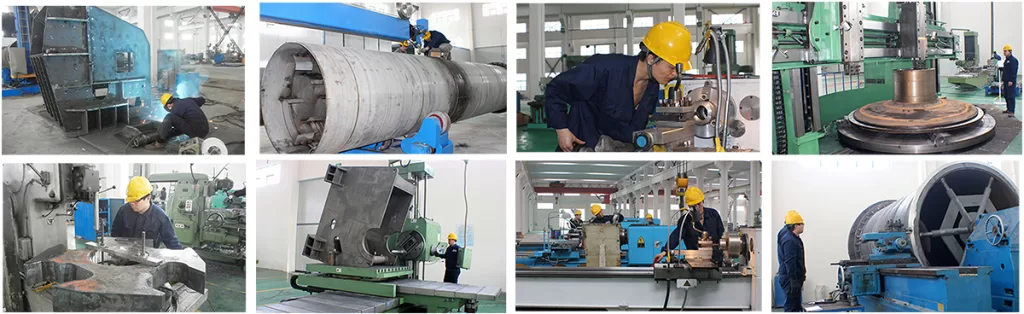
ZONEDING’s expert engineers analyze specific tailings characteristics. They consider the target critical minerals. This results in an optimized flowsheet. This design maximizes mineral recovery from tailings. Custom solutions address unique challenges. They ensure cost-effective resource valorization. Each project receives a tailored approach.
ZONEDING manufactures a full range of high-performance equipment. This includes powerful mobile crushing plants. These plants efficiently prepare tailings. Efficient flotation machines achieve high selectivity. Robust magnetic separators extract valuable metals. Reliable drying equipment reduces moisture content. All machinery builds for durability. Their designs ensure minimal maintenance. They guarantee consistent performance. This supports sustainable mining.
ZONEDING provides comprehensive project support. This includes feasibility studies and plant design. It covers installation supervision and commissioning. Operator training ensures efficient plant operation. After-sales service provides long-term reliability. ZONEDING acts as a partner. It assists clients at every project stage. This makes their tailings reprocessing project a success.
ZONEDING designs plants with environmental responsibility. Solutions prioritize water recovery. They minimize chemical use. They aim to reduce waste volume. This commitment contributes to sustainable mining. It ensures compliance with all regulations. ZONEDING helps clients achieve both economic and environmental goals.
Explore the machinery behind crushed stone and gravel production. From crushing blasted rock to washing river deposits, we provide complete plant solutions.
View details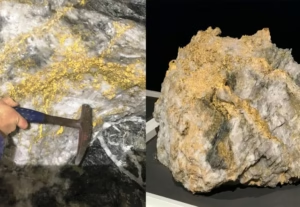
Understand how the different types of gold ore influence gold mining strategies, extraction processes, and overall recovery rates for better decision-making.
View details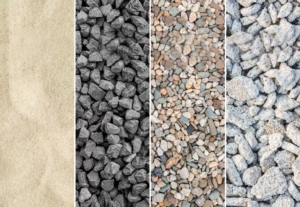
This guide compares 8 common rock types, analyzing properties, pros, and cons to help you select durable and efficient aggregate for your construction project.
View details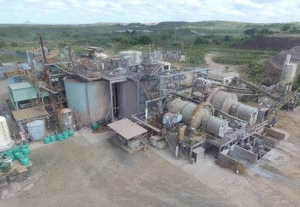
Everything you need to know about beryl. Learn the properties, discover how it's processed from raw stone to finished gem, and explore all its uses.
View details