 Zoneding Mining

Site Search
Search products, equipment and solution articles
整站搜索产品中心新闻中心
点击开始搜索
热门搜索
UltraForm-MXFlexiPoly-RNanoForm Z300EcoFab P200
Search products, equipment and solution articles
Limestone is arguably the most essential rock in human history. From the Great Pyramids of Giza to the concrete foundations of modern skyscrapers, this material serves as the literal building block of civilization. Despite being one of the most mined materials on Earth, many people—even within the construction and mining sectors—overlook the unique chemical and physical properties that make vast limestone deposits so economically valuable.
For investors and quarry operators, understanding the specific characteristics of limestone is not just academic trivia; it is a business necessity. The chemical composition dictates whether the rock is suitable for high-grade cement or mere road fill. The physical hardness dictates which crushing equipment will yield maximum profit versus which machine will drain budgets through excessive wear. This guide explores the seven essential facts about limestone, its industrial ecosystem, and how ZONEDING machinery helps operations worldwide transform raw rock into revenue.
Last Updated: January 2026 | Estimated Reading Time: 15 Minutes
Limestone differs significantly from igneous rocks like granite or basalt. It is not born from volcanic fire but from water. It is a sedimentary rock, meaning it forms through the accumulation of layers over millions of years.
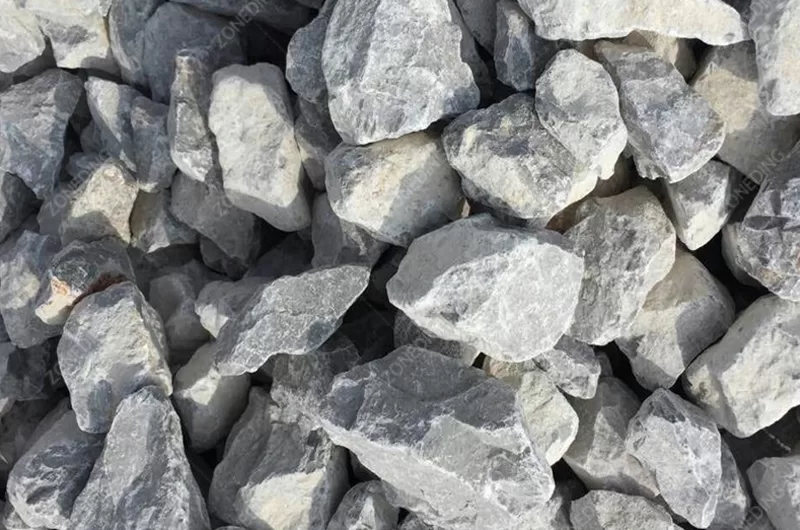
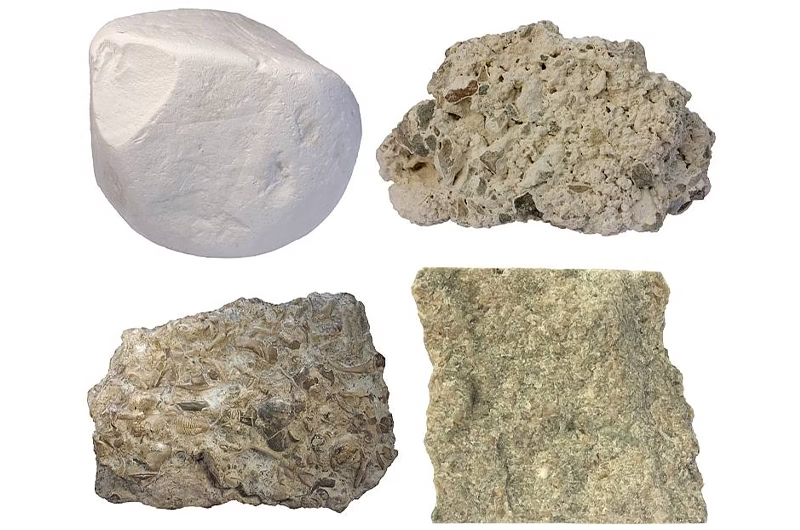
Most commercial limestone deposits originated in clear, warm, shallow marine waters. It is essentially the fossilized history of ancient oceans.
For mining companies, the sedimentary nature of limestone is a major advantage. Unlike granite, which forms in massive, unpredictable distinct bodies, limestone forms in horizontal beds or layers (stratification).
To be geologically classified as limestone, a rock must contain at least 50% calcium carbonate (CaCO3). This usually appears in the form of the mineral Calcite or, less commonly, Aragonite. This chemical makeup is what gives limestone its value.
Rarely is limestone found in a 100% pure state. The “grade” of the limestone—and its final sale price—depends on what else is trapped in the rock.
The silica content is the deciding factor in equipment selection. If silica is below 5%, the stone is non-abrasive. A highly efficient Impact Crusher is ideal here. However, if the limestone contains silica nodules (often appearing as dark veins), using an impact crusher will result in rapid wear of the blow bars. In these high-silica cases, ZONEDING engineers recommend switching to a Jaw Crusher combined with a Cone Crusher to minimize operating costs (OPEX).
This is the economic powerhouse fact. Without limestone, modern construction stops. It is the fundamental ingredient in Portland Cement, the glue that holds the world’s infrastructure together.
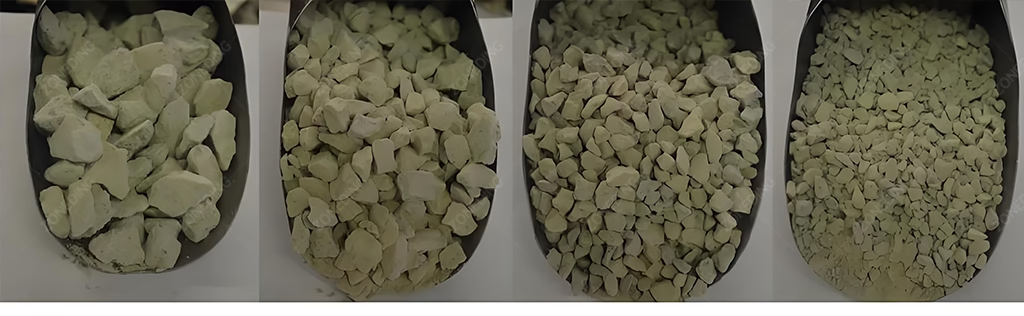
To make cement, limestone is crushed and fed into a massive rotary kiln. It is heated to approximately 1450°C.
Beyond cement, crushed limestone is the world’s most popular construction aggregate. It is used for:
For concrete to achieve its target strength, the aggregate stones must be “cubical” (shaped like a cube), not “flaky” (flat like a needle). Flaky stones crack easily under pressure.
While construction is the visible market, the steel industry is a massive, hidden consumer of high-grade limestone. It acts as a purifying agent in blast furnaces.
Iron ore mined from the ground is never pure; it contains silica (sand) and other impurities. If these are not removed, the steel becomes brittle and weak.
For this application, the limestone must be chemically pure (high calcium) and crushed to a very specific size range to ensure it melts at the right rate inside the furnace.
Limestone retains its value even when pulverized into dust. When crushed to a fine powder (usually less than 0.1mm), it is known as Agricultural Lime or “AgLime.”
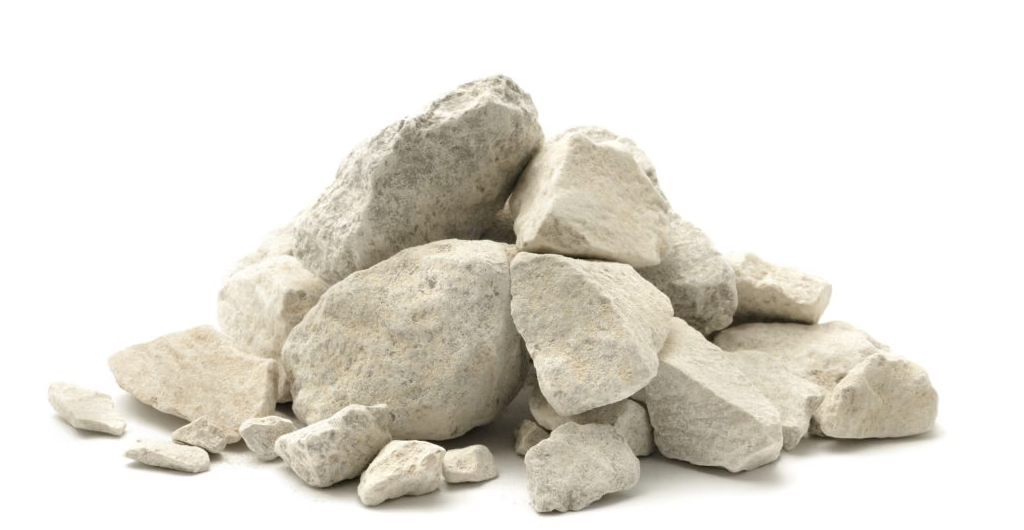
Farmers rely on limestone to feed the world. Over time, agricultural soils become acidic due to nitrogen fertilizers and acid rain. Crops like corn and wheat struggle to absorb nutrients in acidic soil.
The Solution: Farmers spread powdered limestone over their fields. The calcium carbonate reacts with the acid in the soil, raising the pH level to neutral. This allows plants to grow efficiently, significantly boosting crop yields.
A standard rock crusher cannot achieve the fine mesh required for AgLime. This application requires specialized Grinding Mills.The ZONEDING Raymond Mill or High-Pressure Suspension Mill is typically used. These machines use heavy rollers to grind pre-crushed limestone against a ring, reducing it to a consistency similar to flour (200-325 mesh).
Limestone has a unique interaction with water that creates some of the most spectacular—and problematic—geological features on Earth.
Unlike granite, which is physically eroded by wind, limestone is chemically dissolved by weak acids. Rainwater absorbs carbon dioxide from the air, becoming slightly acidic (carbonic acid). When this water hits limestone, it slowly dissolves the rock over thousands of years.
Karst Topography: This dissolution creates underground drainage systems, massive sinkholes, and intricate cave networks (stalactites and stalagmites).
For a quarry operator, this solubility presents challenges:
Limestone offers an excellent balance of high market demand and low production costs. It occupies a “sweet spot” on the hardness scale.
On the Mohs scale of mineral hardness, pure limestone ranks around 3 to 4. For comparison, Granite is 6-7, and Iron Ore is 6-7.
Because limestone is relatively soft, technological advancements have allowed for simplified plant designs.
Understanding the facts is the first step; applying them to build a production line is the second. While limestone is forgiving, efficiency is still key to maximizing margins.
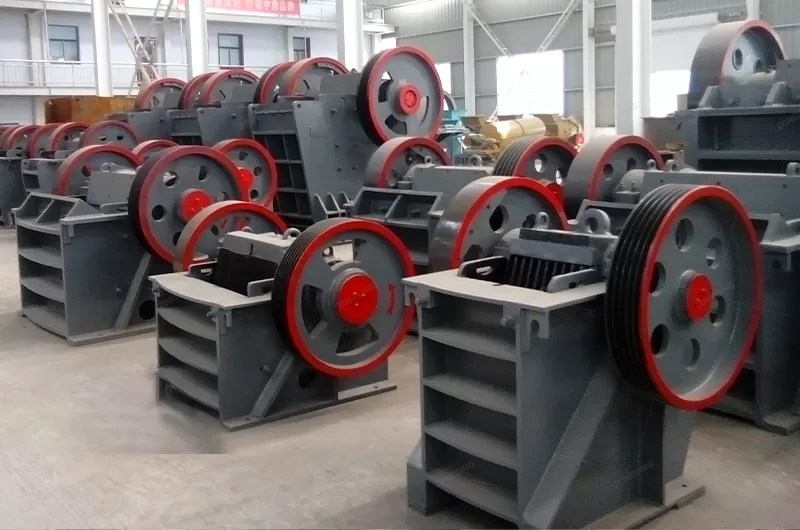
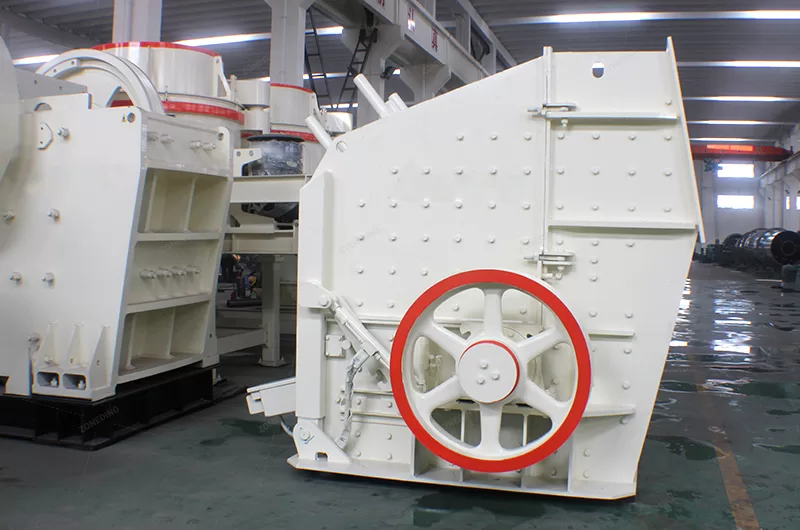
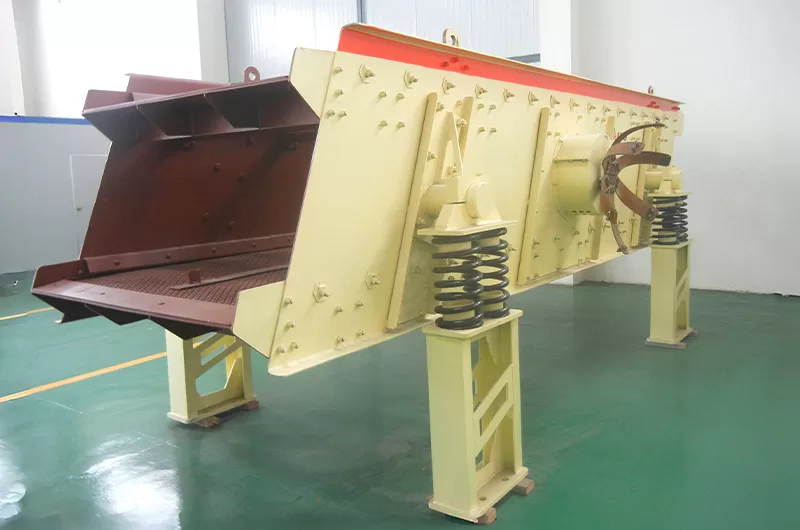
Large blasted rocks are fed into the system.
If a Jaw Crusher is used first, the rock is still 150-200mm.
Limestone is the unsung hero of the modern world. Its seven key characteristics—from its marine origins to its easy crushability—make it one of the most reliable investments in the mining sector.
For operators, the key takeaway is the material’s versatility. A single quarry can supply the cement industry, road builders, steel mills, and farmers simultaneously. However, unlocking this value requires the right equipment. Using a granite-configured plant for limestone wastes energy; using a standard plant for abrasive limestone wastes parts.
Key Takeaways for Buyers:
ZONEDING has engineered limestone processing lines in over 120 countries. Whether the goal is high-volume aggregate or fine agricultural powder, the technical team provides the specialized solutions needed.
Ready to start a quarrying project?
Contact ZONEDING today for a free material analysis and customized plant design.
Last Updated: January 2026
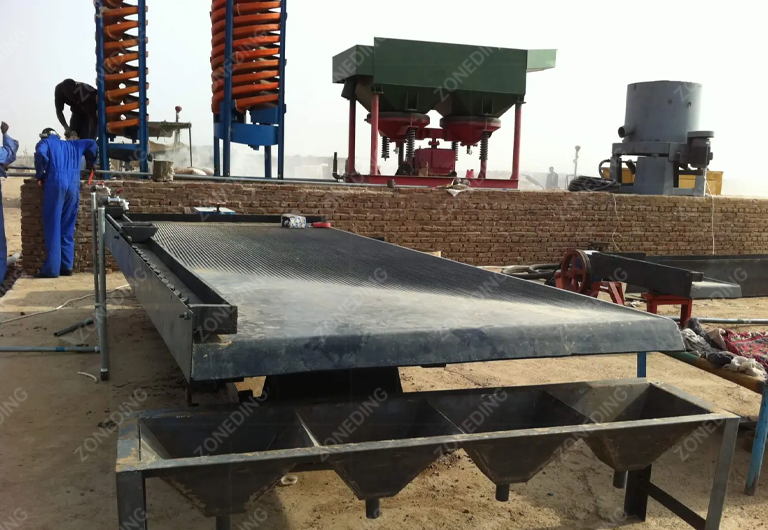
From jig machines to shaking tables, read this guide on the 3 gravity separation equipment for gold mining to boost your ore processing efficiency.
View details
Discover everything about iron ore.This guide covers its definition, main types, how it's mined, and its critical role in modern industry. Read Now!
View details
Master the complexities of gold extraction. From large-scale open-pit operations to deep underground mining, discover best methods to maximize gold recovery.
View details
Explore silica sand processing flow, including crushing, washing, screening, magnetic separation, and flotation technique essential for industrial applications.
View details