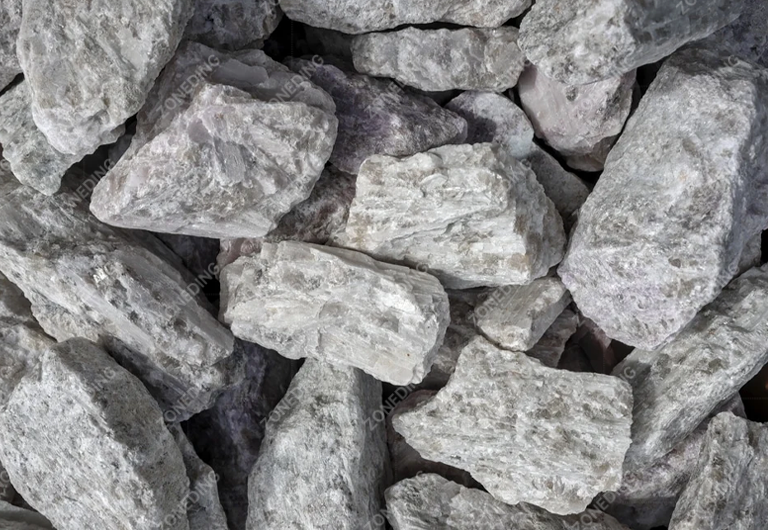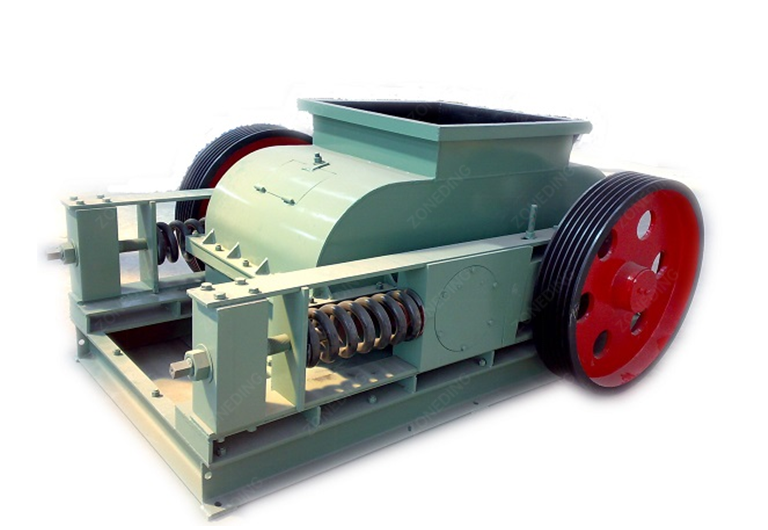
Mining extracts rock from the earth, but mining alone does not produce metal. The rock extracted from the ground, known as “Run-of-Mine” (ROM) ore, is often a mix of valuable minerals and useless waste rock. Before this material can be smelted into pure metal like copper, gold, or iron, it must undergo a crucial intermediate stage. This stage is called Ore Processing (or Mineral Processing).
Ore processing is the art and science of separating valuable minerals from waste rock (gangue) to produce a high-grade concentrate. Without this vital step, smelting would be economically impossible due to the sheer volume of waste material. This guide explores the definition of ore processing, details the four critical stages of the workflow, and explains how ZONEDING machinery facilitates this transformation for mining operations worldwide.
Ore processing, also referred to as Mineral Beneficiation or Mineral Dressing, involves the mechanical and chemical treatment of ores to separate the valuable components from the waste.
The primary goal is not to change the chemical structure of the mineral yet, but to physically upgrade it. For example, a copper mine might extract rock that contains only 1% copper. Transporting and melting 99% waste rock is too expensive. Ore processing removes the 99% waste, leaving a “concentrate” that might contain 30% copper.
Key Terminology Defined
Ore: Rock containing enough valuable mineral to be mined for profit.
Gangue (pronounced “gang”): The commercially worthless rock or mineral matter associated with the ore (e.g., quartz, calcite).
Comminution: The process of reducing particle size through crushing and grinding.
Liberation: The process of detaching valuable minerals from the gangue. This is the most critical concept. If the mineral is not physically freed from the waste rock, it cannot be separated.
Concentrate: The valuable product of the processing plant.
Tailings: The waste material left over after the valuable mineral has been extracted.
Why is Mineral Processing Necessary?
Why not send raw rocks directly to the smelter? The answer lies in economics and physics.
1. Transportation Costs
Mines are often located in remote areas. Transporting thousands of tons of waste rock to a smelter incurs massive freight costs. Processing the ore on-site reduces the weight by up to 90%, meaning the company only pays to transport the valuable material.
2. Smelting Efficiency
Smelters require high-grade feed. Feeding a furnace with low-grade rock wastes immense amounts of energy heating useless stone (slag). Processing ensures the smelter operates efficiently.
3. Environmental Management
By separating waste at the mine site, tailings can be managed locally in controlled dams or dry stacks, rather than creating pollution at the smelting facility.
The 4 Key Steps of Ore Processing
While every mine is unique, the fundamental workflow follows four universal stages: Comminution, Sizing, Concentration, and Dewatering.
Step 1: Comminution (Crushing and Grinding)
This is the stage of size reduction. The objective is “Liberation.” The rock must be broken down until the valuable mineral grain is physically detached from the waste rock.
Crushing: Ideally performed in dry conditions.
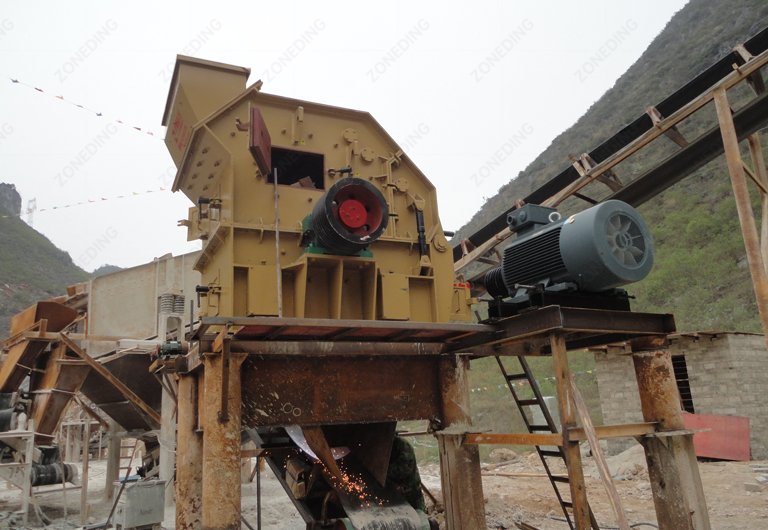
Primary Crushing: Huge rocks are fed into a Jaw Crusher (like the ZONEDING PE Series) or Gyratory crusher to reduce them to 150-200mm.
Secondary/Tertiary Crushing: Cone Crushers or Impact Crushers reduce the stone further to 10-20mm.
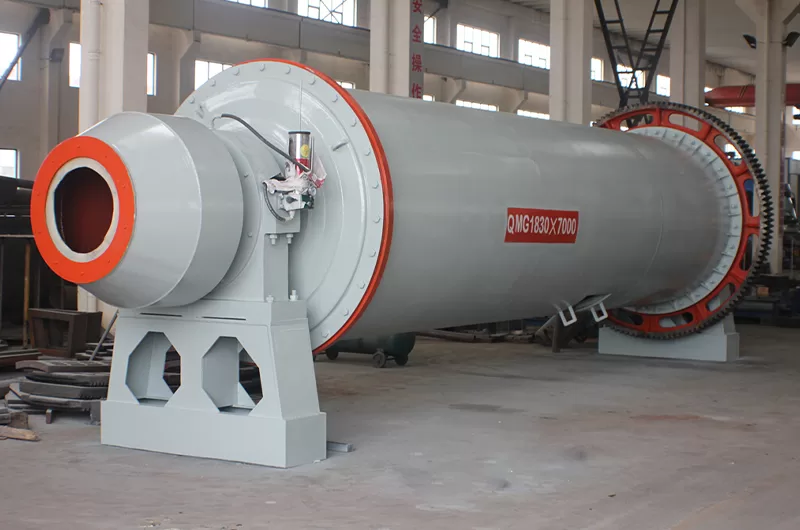
Grinding: Usually performed wet. The crushed stone enters a rotating steel drum called a Ball Mill or Rod Mill. Steel balls tumble inside, pulverizing the rock into a fine powder (slurry). This powder is fine enough that the mineral particles are free.
Step 2: Size Classification (Screening)
Size control is vital. If particles are too big, the mineral isn’t liberated. If they are too small (slimes), they hinder separation.
Vibrating Screens: Used after crushing to ensure no oversized rocks enter the mill.
Hydrocyclones or Spiral Classifiers: Used after grinding. They use centrifugal force to separate fine particles (ready for separation) from coarse particles (which are sent back to the ball mill for regrinding).
Step 3: Concentration (Separation)
This is where the actual value is created. The liberated minerals are separated from the gangue based on physical or chemical properties.
Separation Method
Principle
Typical Application
Flotation
Chemical Surface Properties
Copper, Lead, Zinc, Gold, Molybdenum.
Magnetic Separation
Magnetism
Iron Ore (Magnetite), Manganese.
Gravity Separation
Density/Weight
Gold (Placer), Tin, Tungsten, Coal.
Leaching
Chemical Solubility
Gold (Cyanide), Copper (Acid).
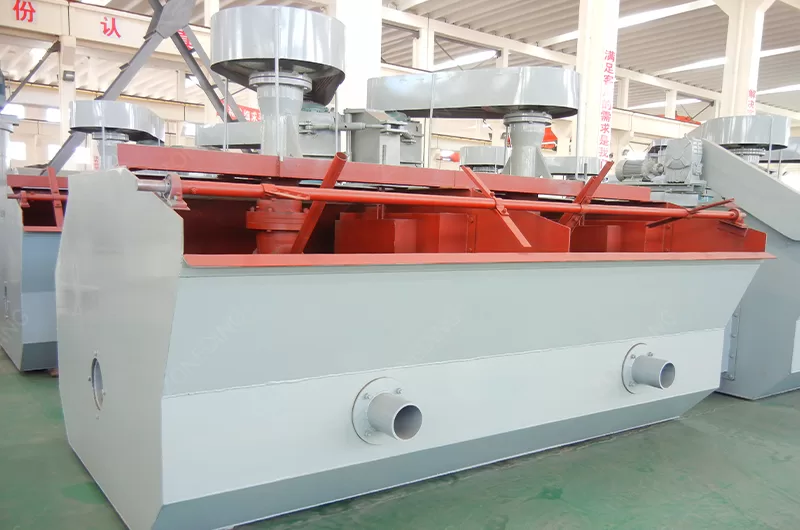
Froth Flotation: The most common method for sulfide ores (like copper). Reagents are added to a tank. Air bubbles are blown through the slurry. The valuable minerals attach to the bubbles and float to the top as froth, which is skimmed off. The waste sinks.
Magnetic Separation: Strong magnets pull magnetic minerals (like iron) away from non-magnetic waste.
Step 4: Dewatering
The concentrate produced in Step 3 is usually a slurry (wet). Smelters require dry material.
Thickening: The slurry is pumped into large tanks (Thickeners). The solids settle to the bottom, and clear water is recycled.
Filtration: The thickened mud goes through vacuum or pressure filters to squeeze out remaining water, creating a dry “filter cake” ready for transport.
Equipment Systems in a Modern Processing Plant
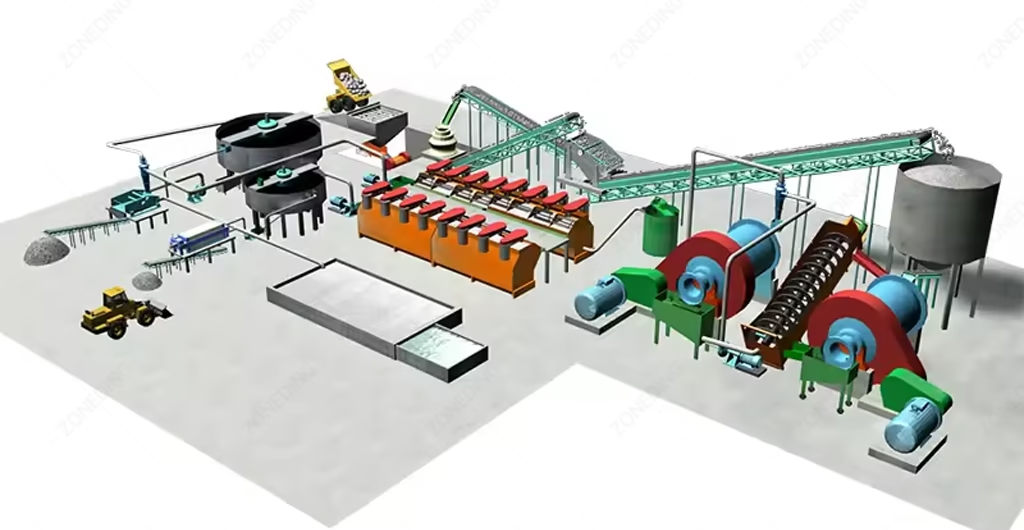
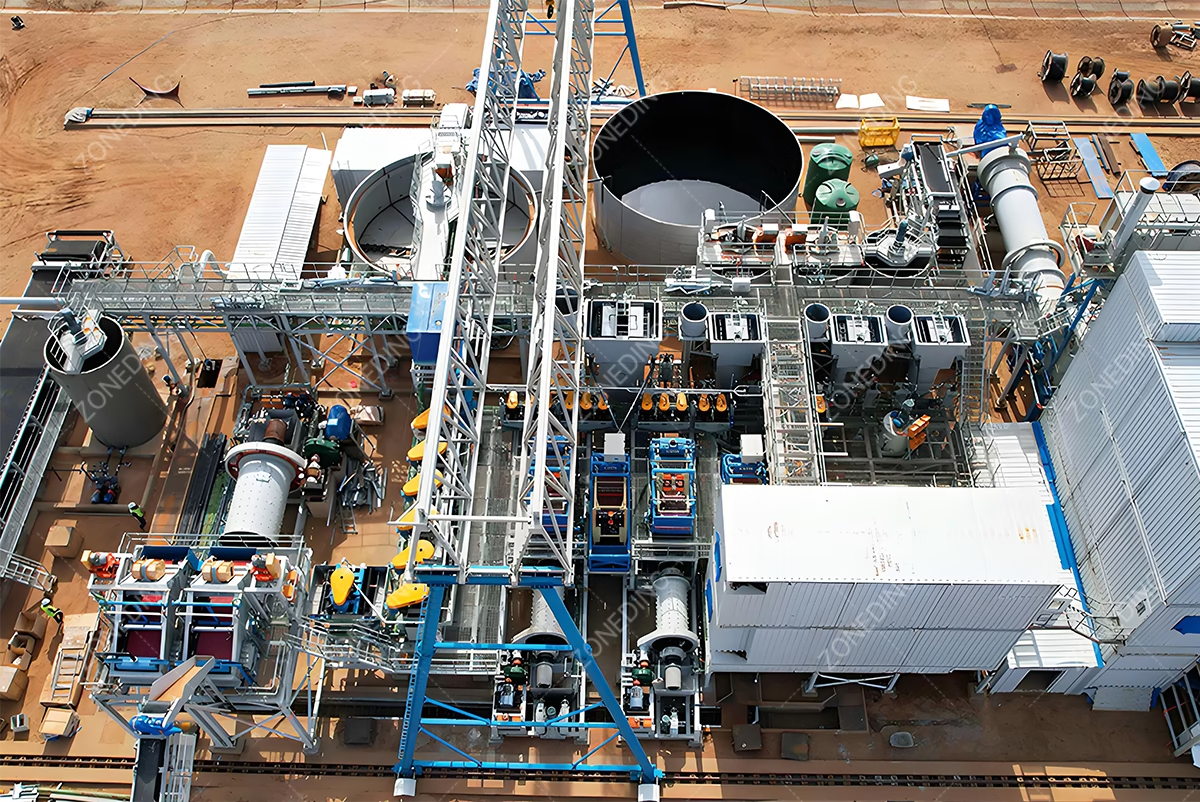
A processing plant is a complex system where each machine must match the capacity of the next. ZONEDING provides integrated solutions across the entire circuit.
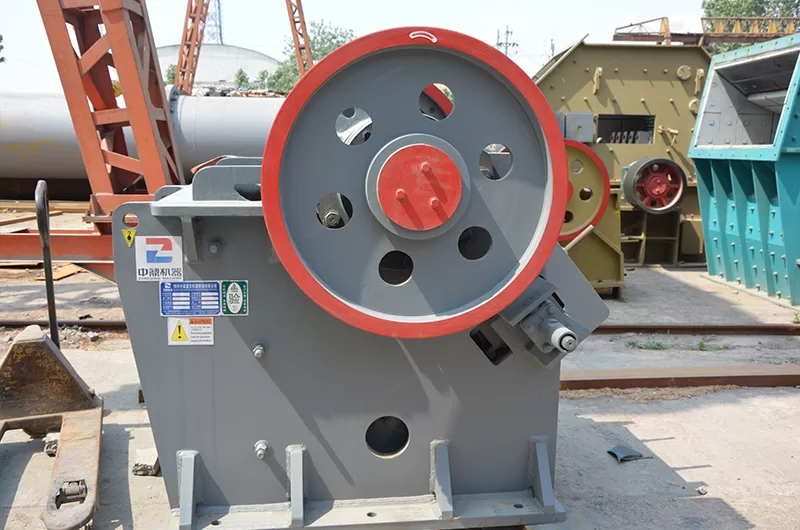
Crushing and Screening Systems
The Jaw Crusher remains the backbone of primary crushing. For hard metal ores, the Cone Crusher follows. ZONEDING emphasizes “laminated crushing” technology in cone crushers to protect the internal structure from the extreme hardness of iron or copper ore.
Grinding Systems
The Ball Mill is the workhorse of the industry. It consumes the most energy in the plant, so efficiency here is critical. Modern ZONEDING ball mills utilize rolling bearings instead of sliding bearings to reduce energy consumption by up to 30%.
Separation Machinery
Flotation Cells: Used for extracting copper, gold, and lithium.
Magnetic Separators: Essential for magnetite and hematite upgrading.
Shaking Tables/Jigs: Used for gravity separation of coarse gold or tin.
Factors Influencing the Processing Flow
Selecting the correct process isn’t random; it dictates the engineering.
Mineralogy and Hardness
Is the gold “free” or locked inside sulfides? Is the iron magnetic or hematite? Mineralogy dictates the separation method. Hardness (Bond Work Index) dictates the size of the Crusher and Ball Mill motor power.
Capacity Requirements
A small artisanal mine (5 TPH) might use a Hammer Mill and a Shaking Table. A large industrial mine (500 TPH) requires heavy-duty Gyratory Crushers and massive Flotation banks.
Water and Power Availability
Wet processing (Flotation/Gravity) requires immense water resources. In arid regions, dry magnetic separation or air classification might be preferred choices. ZONEDING designs water recycling systems (Thickeners) to recover up to 85% of process water.
2025 Trends in Mineral Processing
The industry is evolving rapidly due to environmental pressure and digital technology.
1. Dry Tailings Stacking
Traditional wet tailings dams are a safety risk. The trend in 2025 is toward dewatering tailings completely—using Filter Presses—to stack waste as dry soil. This reduces the risk of dam failure and reclaims water.
2. Sensor-Based Ore Sorting
Before the rock even enters the mill, x-ray sensors on conveyor belts analyze the stone. If a rock has no metal, compressed air jets blow it off the belt. This “Pre-Concentration” reduces the amount of material needing grinding, saving massive amounts of energy.
3. Eco-Friendly Reagents
Flotation chemicals can be toxic. The industry is shifting toward biodegradable collectors and frothers to minimize environmental impact.
Frequently Asked Questions
Q1: What is the difference between Mining and Ore Processing?
Mining is the excavation of materials from the earth. Ore processing is the purification of that material to separate the valuable mineral from waste rock. Mining moves the rock; processing upgrades it.
Q2: What is the most expensive part of ore processing?
Grinding (Comminution). The Ball Mill and Crushers consume roughly 50% of the total energy used at a mine site. Optimizing this stage provides the biggest financial return.
Q3: Can one plant process different types of ore?
Generally, no. A plant is specifically designed for the mineralogy of the mine. A flotation plant for copper cannot effectively process magnetic iron ore without major equipment changes.
Q4: How does ZONEDING ensure high recovery rates?
ZONEDING conducts mineral analysis before equipment selection. By matching the grinding fineness exactly to the liberation size of the mineral, loss to tailings is minimized.
Conclusion and Strategic Advice
Ore processing is the bridge between raw earth and modern industry. It is a value-add process that turns $50/ton rock into $2000/ton concentrate. However, the complexity of mineralogy means there is no “off-the-shelf” solution.
Success depends on:
Liberation: Ensuring the rock is ground to the correct size.
Separation: Choose the right method (Gravity, Flotation, Magnetic).
Reliability: Using equipment that withstands the abrasive nature of crushed stone.
ZONEDING provides the manufacturing capability and engineering expertise to design complete beneficiation lines. From the primary Jaw Crusher to the final Filter Press, the equipment is built to maximize recovery rates and minimize downtime.
Need a processing solution? Contact the ZONEDING engineering team today to discuss ore characteristics and receive a customized flow chart design.
Learn basics of gypsum production with our easy-to-follow guide. This Guide is from mining to processing so it is perfect for newcomers. Contact ZONEDING now!
From primary crushing to screening. We analyze the 9 kinds of machinery needed to build a stone crushing plant. Learn their function to optimize your circuit.
Discover why mine dewatering is crucial. Explore equipment like dewatering screens, learn about costs, maintenance, and see how ZONEDING can boost efficiency.
This blog ranks top 10 global rock crusher manufacturers on performance, durability, and after-sales support. Compare leaders like Metso, Sandvik, and more.