 Zoneding Mining

Site Search
Search products, equipment and solution articles
整站搜索产品中心新闻中心
点击开始搜索
热门搜索
UltraForm-MXFlexiPoly-RNanoForm Z300EcoFab P200
Search products, equipment and solution articles
The wet milling process is a cornerstone of modern mineral processing and various industrial manufacturing sectors. It is a highly efficient method for reducing the particle size of solid materials within a liquid medium, typically water. Understanding this fundamental process is essential for optimizing production, improving mineral liberation, and ensuring high-quality end products. This guide offers a complete overview of wet grinding, from its core principles and applications to the specialized equipment required for success. ZONEDING provides robust and efficient equipment designed to excel in wet milling applications.
The wet milling process, also known as wet grinding, is a method of comminution where materials are broken down into smaller particles inside a mill while mixed with a liquid. This mixture of solid particles and liquid is called a slurry. The presence of the liquid is the defining characteristic that distinguishes it from dry milling.
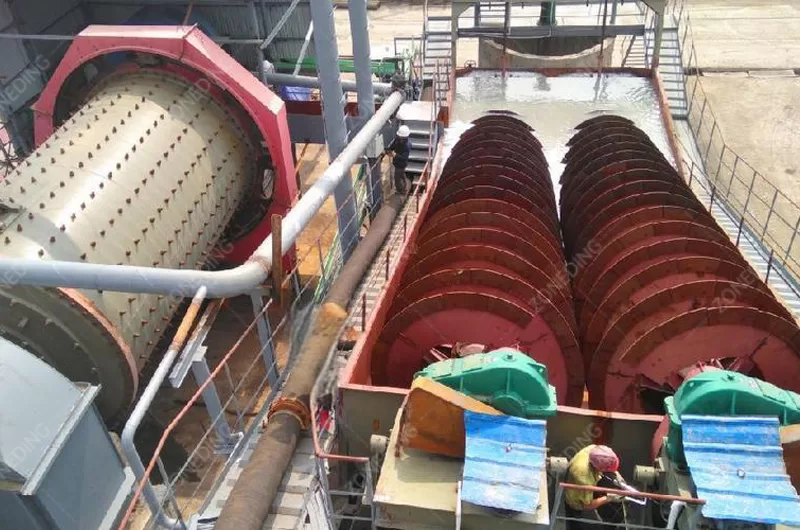
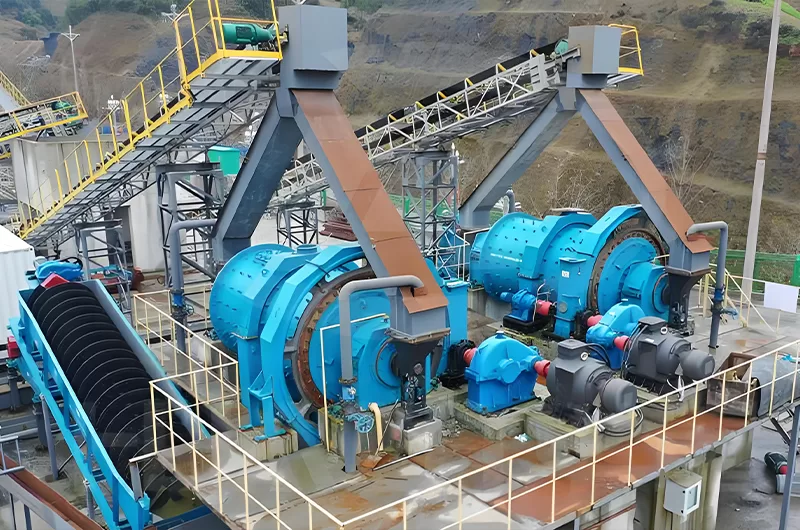
This process is not simply about mixing rock and water. The liquid plays several critical roles. It acts as a dispersing agent, preventing fine particles from clumping together and ensuring uniform grinding. It also helps to absorb the heat generated during the grinding process, preventing overheating of the mill and material. Furthermore, the resulting slurry is much easier to pump and transport to the next stage of processing, such as flotation or classification. The primary goal is to achieve a specific particle size distribution, which is often crucial for liberating valuable minerals from waste rock (gangue). ZONEDING designs complete grinding circuits that leverage the efficiency of the wet milling process to maximize mineral recovery.
The widespread adoption of the wet milling process in the mineral processing industry stems from a set of clear and significant advantages. These benefits directly impact operational efficiency, safety, and the effectiveness of subsequent processing stages.
While the wet milling process offers many benefits, it is important to acknowledge its potential drawbacks. A balanced understanding helps in selecting the right grinding method for a specific application and planning for operational requirements.
A successful wet milling circuit relies on several key pieces of interconnected equipment. Each component performs a specific function to ensure efficient and controlled particle size reduction.
The synergy between these machines is what defines an efficient grinding circuit. Material is continuously circulated between the mill and the classifier until it meets the target size, creating a “closed circuit.” ZONEDING specializes in designing and manufacturing these integrated systems, ensuring that each piece of mineral processing equipment works in harmony.
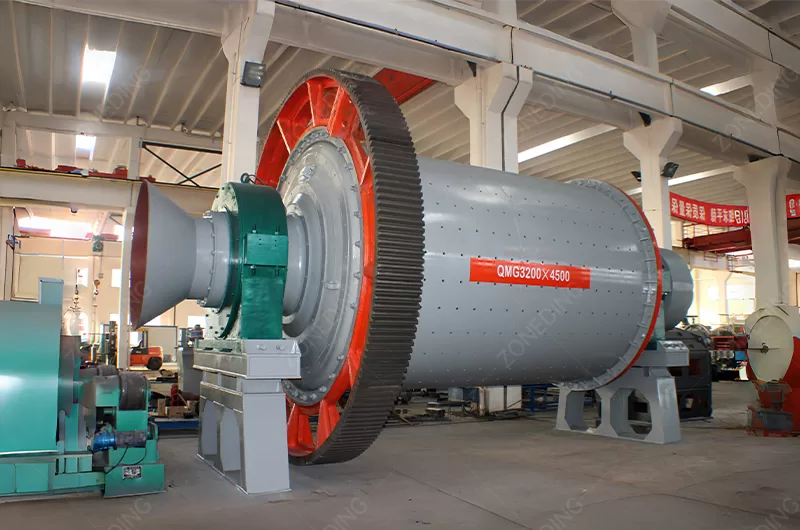
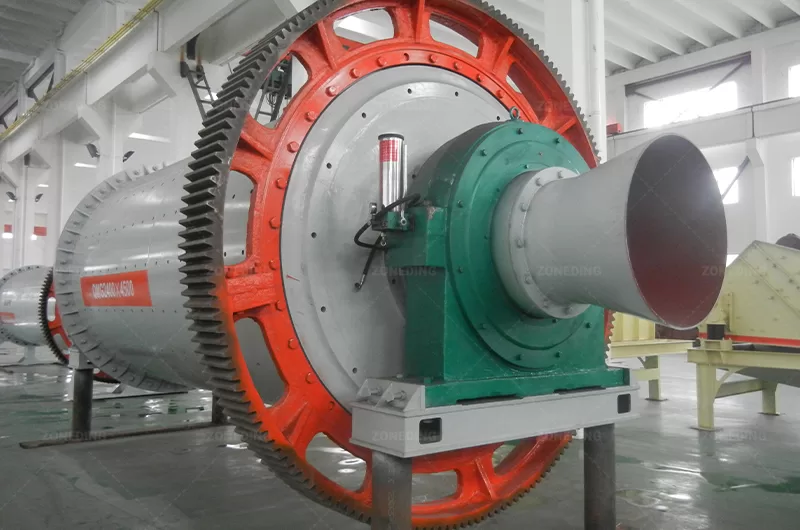
The ball mill is the most common and versatile piece of equipment for the wet milling process. It is a cylindrical shell that rotates on its axis, partially filled with the material to be ground and grinding media (typically steel balls). As the mill rotates, the media is lifted up the side of the shell and then tumbles back down, creating a cascading action that crushes and grinds the particles through impact and attrition. ZONEDING’s wet ball mills are engineered for high efficiency and reliability in continuous, heavy-duty applications.
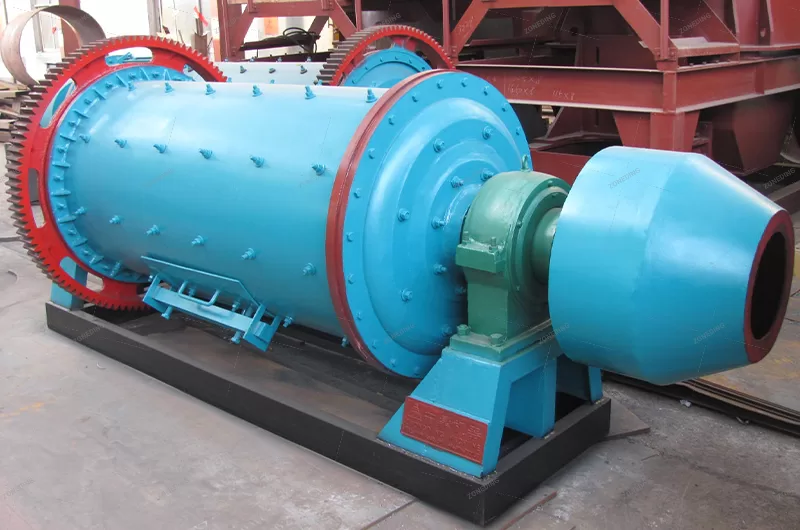
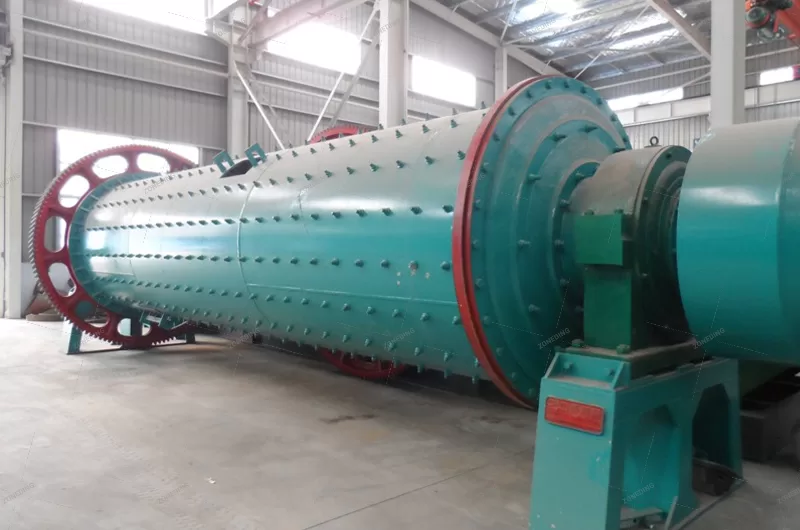
Similar in principle to a ball mill, a rod mill uses long steel rods as its grinding media. The line contact between the rods produces a preferential grinding action on the coarsest particles and minimizes the production of extreme fines (over-grinding). This makes them suitable for applications where a uniform, granular product is desired, often as a primary grinding stage before a ball mill.
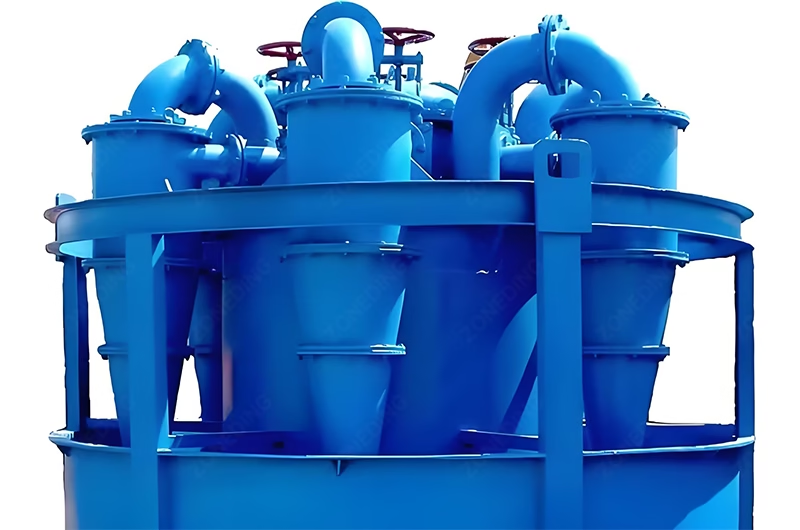
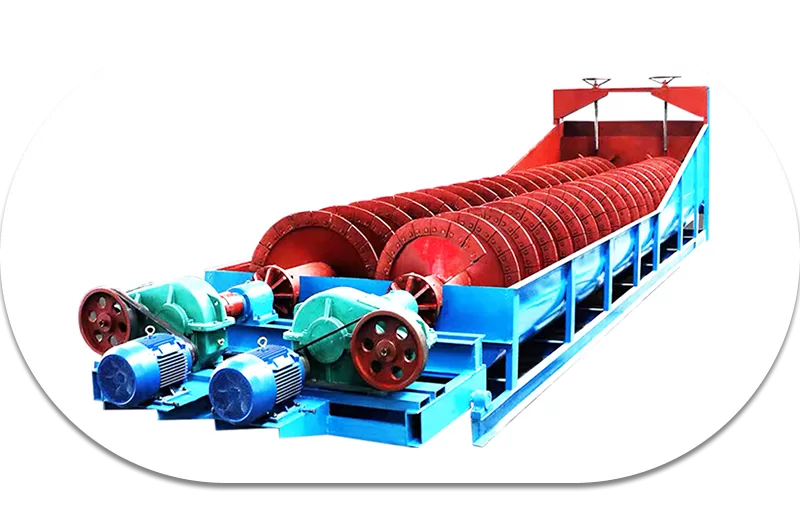
Classifiers are essential for controlling the final product size. They work in a closed circuit with the grinding mill. The slurry discharged from the mill is fed into the classifier. A hydrocyclone uses centrifugal force to separate fine particles (which overflow to the next process) from coarse particles (which are returned to the mill for further grinding). A spiral classifier uses mechanical means and settling principles for the same purpose, often in lower-capacity or specific applications.
Choosing between the wet and dry milling process is a critical decision in plant design. The choice depends on the material’s properties, the desired final product, and downstream processing requirements. The table below highlights the key distinctions.
| Feature | Wet Milling Process | Dry Milling Process |
|---|---|---|
| Grinding Environment | Material is ground in a liquid slurry. | Material is ground in a dry state with air as the medium. |
| Energy Consumption | Generally lower due to the lubricating effect of the liquid. | Typically higher due to increased friction and particle agglomeration. |
| Dust Generation | Almost zero, providing a safer working environment. | Significant dust generation, requiring extensive dust collection systems. |
| Material Handling | Slurry can be easily and cheaply pumped through pipes. | Requires conveyors, elevators, and pneumatic transport systems. |
| Downstream Process | Ideal for hydrometallurgical processes like flotation and leaching. | Suitable for processes that require a dry powder, like cement manufacturing. |
| Equipment Wear | Can be higher due to corrosion and abrasive slurry. | Primarily caused by abrasion; no corrosion from water. |
| Final Product | A slurry that may require costly dewatering. | A dry powder ready for immediate use or packaging. |
Ultimately, the decision is application-specific. For most large-scale mineral processing operations, especially for metallic ores like gold, copper, and iron, the efficiency and handling advantages make the wet milling process the superior choice.
The efficiency and versatility of the wet milling process make it a preferred method across a wide range of industries. Its ability to produce fine and ultra-fine particles in a slurry form is essential for many modern production workflows.
ZONEDING is a specialist manufacturer of high-performance mineral processing equipment, with deep expertise in designing and implementing wet milling solutions.
For a wet milling solution that combines efficiency, reliability, and expert support, choose ZONEDING.
The wet milling process is a powerful and efficient technology that is indispensable in mineral processing and many other industries. Its ability to reduce particle size effectively while controlling dust and simplifying material handling makes it the preferred choice for a vast range of applications.
By understanding the principles, advantages, and key equipment involved, operators can optimize their grinding circuits for maximum performance. The choice between wet and dry milling ultimately depends on the specific project requirements, but for large-scale operations requiring a fine product in slurry form, wet grinding remains the industry standard. Investing in high-quality, durable equipment is the foundation for a successful and profitable milling operation.
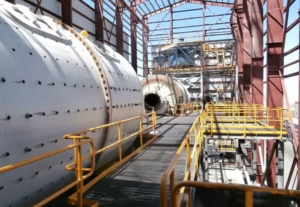
Understand dry grinding process: definition, workprinciple, advantages, and common applications in various industries. Get a complete overview here.
View details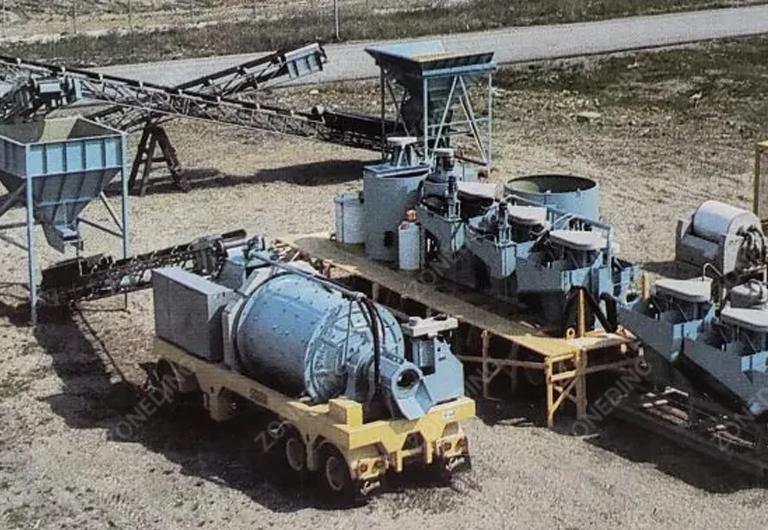
New to modular mining? Learn exactly what a gold modular processing plant is, how it works, and why it's the fastest way to start gold production.
View details
Crushing aggregate? This blog tells 5 essential cone crusher types you need to know for efficient and profitable aggregate production. Learn from the experts!
View details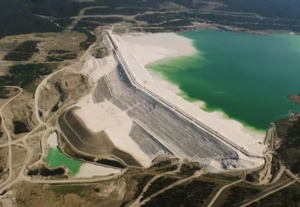
Know how mining tailings as a source for minerals, rare earths, and other valuable metals. Understand the economics and technologies to process tailings.
View details