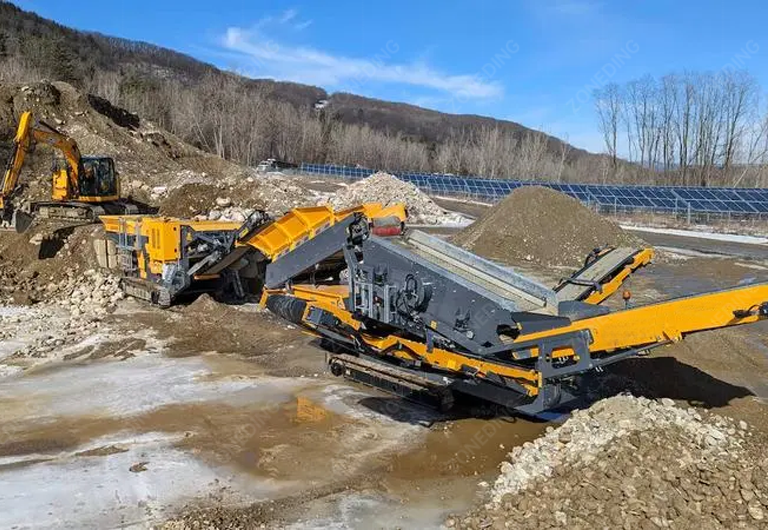
Hammer Crusher Faults: 9 Symptoms, Causes, and Solutions
A hammer crusher is the workhorse of many crushing operations, valued for its simple design and high reduction ratio. When running smoothly, it’s a model of efficiency. But when a fault occurs, it can bring your entire production line to a halt, costing you time and money. The key is to quickly and accurately diagnose the problem. An unusual noise or a drop in output isn’t just a minor issue—it’s a symptom of an underlying cause.
As a manufacturer that has designed and built hundreds of hammer crushers, we know these machines inside and out. We understand that effective troubleshooting is essential for minimizing downtime and extending the life of your equipment.
This guide is designed to be your go-to diagnostic chart. We will break down the 9 most common hammer crusher faults, explaining the symptoms you’ll see, the root causes behind them, and the practical, field-tested solutions to get your machine back online.
1. Excessive Crusher Vibration
Vibration is the number one enemy of any rotating equipment. While some vibration is normal, a sudden increase or violent shaking is a serious warning sign that requires immediate shutdown and inspection.
- Symptom: The entire crusher body shakes excessively during operation. The foundation may feel like it’s trembling, and you may hear a rhythmic thumping noise.
- Cause: The most common cause is an unbalanced rotor. This happens when hammers wear unevenly, or when one or more hammers break off. It can also be caused by loose anchor bolts that secure the crusher to its foundation, or by worn-out main bearings.
- Solution:
- Hammer Inspection: Lock out the machine and open the casing. Visually inspect all hammers for wear or breakage. If wear is uneven, you can sometimes turn the hammers to a new face. If replacing, always replace hammers in opposing sets to maintain balance.
- Rotor Rebalancing: After replacing hammers, the rotor should be checked for balance. ZONEDING rotors are precision-balanced at the factory, but impact and wear can affect this over time.
- Check Fasteners: Systematically check and tighten all foundation anchor bolts and casing bolts to the manufacturer’s torque specifications.
- Bearing Check: Inspect the main rotor bearings for signs of wear, looseness, or damage.
2. Bearing Overheating
Your crusher’s bearings support the entire weight and rotational force of the rotor. If they fail, the result is catastrophic damage. Heat is the first and most obvious sign of a bearing in distress.
- Symptom: The bearing housing is too hot to touch (typically over 70°C / 160°F). You might notice a burning smell or even smoke coming from the bearing area.
- Cause: This is usually due to lubrication issues—either not enough grease, too much grease (which prevents heat dissipation), or contaminated grease. Other causes include a damaged or failing bearing, a misaligned rotor shaft, or an overly tight drive belt putting excessive side-load on the bearing.
- Solution:
- Lubrication: Verify you are using the correct type of grease and following the recommended lubrication schedule. Purge the old grease and apply the correct amount of new, clean grease.
- Bearing Replacement: If the bearing is noisy, rough when turned by hand, or continues to overheat after proper lubrication, it is damaged and must be replaced.
- Alignment & Tension: Check the alignment of the motor and crusher pulleys. Ensure the drive belt tension is correct—tight enough to prevent slippage, but not so tight that it strains the bearing.
3. Reduced Production Capacity
A sudden or gradual drop in the tons-per-hour (TPH) output is a clear sign that your crusher’s efficiency has decreased.
- Symptom: The crusher is processing significantly less material than it normally does, even with a consistent feed.
- Cause: The most frequent cause is worn-out hammers that have lost their mass and sharp striking edge, making them less effective at breaking rock. Worn or clogged grate bars can also prevent material from discharging properly, causing it to build up inside the chamber. Belt slippage on the drive motor will also reduce the rotor’s speed and crushing power.
- Solution:
- Replace Wear Parts: Replace the hammers and inspect the grate bars. ZONEDING offers high-manganese steel and chrome composite hammers that provide excellent wear life, restoring original capacity.
- Check Drive System: Inspect the drive belts for wear and proper tension. Replace worn belts and tighten them as needed.
- Clear Discharge: Ensure the discharge chute and conveyor belt underneath the crusher are clear and running at the proper speed to carry away the crushed mate
4. Oversized or Inconsistent Product
If the final product coming from your crusher no longer meets the required size specifications, it compromises the quality of your entire output.
- Symptom: The crushed material contains a high percentage of oversized particles. The product size is inconsistent and fails quality control checks.
- Cause: This is almost always caused by an issue with the components that control sizing. Worn or broken hammers are a primary suspect. A broken or displaced grate bar creates a large opening for oversized material to escape. Lastly, the gap setting between the hammer tips and the grate bars may have widened due to wear.
- Solution:
- Inspect Hammers and Grates: Perform a thorough inspection of both the hammers and the grate assembly. Replace any broken components immediately. A single broken grate bar can ruin an entire stockpile of product.
- Adjust Rotor-to-Grate Gap: Most hammer crushers, including ZONEDING models, allow for the adjustment of the gap between the hammers and the grate. Adjust this gap back to the setting required for your desired product size.
5. Main Motor Overload or Stall
- Symptom: The main drive motor’s amperage spikes, tripping the electrical overload protection, or the crusher slows to a complete stop.
- Cause: This happens when the crushing demand exceeds the motor’s power. It can be caused by “choke feeding” (dumping too much material in at once), feeding rocks that are too large for the crusher’s intake, or feeding very hard material that the crusher was not designed for. It can also be a symptom of a clogged discharge.
- Solution:
- Controlled Feeding: Use a vibrating feeder or other controlled feeding mechanism to ensure a steady, consistent flow of material into the crusher. Never dump material directly from a loader bucket into the crushing chamber.
- Scalping: Use a grizzly or screen to remove oversized rocks before they enter the crusher.
- Clear the Chamber: If the crusher is clogged, safely lock it out, open the housing, and manually clear out the jammed material. Investigate why the material was unable to discharge.
6. Crusher Clogging with Wet Material
- Symptom: Material builds up inside the crushing chamber, sticking to the liner plates and grate bars, eventually forming a solid blockage.
- Cause: Hammer crushers are generally not well-suited for processing wet, sticky materials like clay or high-moisture limestone. The material compacts instead of shattering and clogs the grate openings, preventing discharge.
- Solution:
- Material Blending: If possible, blend the wet feed with drier material to reduce the overall moisture content.
- Modify Grate Bars: In some cases, specialized grate bars with wider slots or different profiles can help reduce clogging. Contact a ZONEDING specialist to discuss options.
- Consider an Alternative Crusher: For consistently wet and sticky material, a different type of crusher, like a roll crusher or an impact crusher with a different chamber design, might be a more suitable long-term solution.
7. Unusual Knocking or Grinding Noises
Any new, loud metallic noise from your crusher should be treated as a serious issue. These sounds often indicate that something is loose or broken inside the chamber.
- Symptom: Sharp, loud knocking, scraping, or grinding sounds that are not part of the normal crushing noise.
- Cause: A broken hammer or a piece of uncrushable tramp metal (like a loader tooth or steel plate) bouncing around inside the chamber. It could also be a loose liner plate or a hammer bolt that has backed out and is hitting the casing.
- Solution:
- Immediate Shutdown: Stop the machine and the feed conveyor immediately.
- Internal Inspection: Lock out all power sources. Open the crusher and perform a careful visual inspection. Look for any foreign metal objects, broken hammers, loose bolts, or damaged liners.
- Remove and Repair: Remove the foreign object. Tighten any loose components. Replace any broken parts. Do not restart the crusher until the source of the noise has been found and fixed.
8. Rotor Shaft or Assembly Failure
This is one of the most severe and costly failures a crusher can experience.
- Symptom: A catastrophic failure, often preceded by severe vibration or bearing failure. The rotor may seize completely, or you may find the shaft has bent or cracked upon inspection.
- Cause: This is often the end result of running the machine for extended periods with a severe imbalance (Challenge #1) or a failed bearing (Challenge #2). It can also be caused by a major overload event, such as a large piece of tramp steel entering the crusher and jamming the rotor.
- Solution:
- Replacement: A bent or broken rotor shaft is typically not repairable and requires a complete replacement of the rotor assembly. This is a major repair.
- Preventative Action: The best solution is prevention. Address vibration issues immediately. Follow a strict lubrication and maintenance schedule for bearings. Install a powerful cross-belt magnet on the feed conveyor to remove tramp metal. ZONEDING’s hammer crushers feature robust, forged-steel rotor shafts designed to withstand the rigors of heavy-duty crushing.
9. Excessive Dust Emission
- Symptom: Large amounts of dust are escaping from the crusher’s feed opening, discharge area, or casing joints.
- Cause: Worn or damaged seals around the casing doors and inspection hatches are common culprits. The crusher might also be operating under a positive pressure if the discharge chute is partially blocked, forcing dust out of any available opening. A failed or inadequate dust suppression system (water sprays or baghouse) is another likely cause.
- Solution:
- Inspect and Replace Seals: Check all rubber seals on doors and joints and replace any that are hardened, cracked, or missing.
- Ensure Free Discharge: Make sure the discharge area is clear to allow for proper airflow through the crusher.
- Maintain Dust Suppression System: Check that water spray nozzles are not clogged and that any connected dust collection system is functioning correctly with clean filters.
FAQ
- 1. How often should I inspect the hammers in my crusher?
- This depends heavily on the abrasiveness of the material you are crushing. For highly abrasive rock like granite, you may need to check them daily. For softer materials like limestone, a weekly inspection may be sufficient. The key is to establish a baseline and adjust your inspection frequency based on observed wear rates.
- 2. What is the most important daily check for a hammer crusher?
- A daily walk-around inspection is crucial. Listen for unusual noises, check the bearing temperatures (a non-contact infrared thermometer is a great tool for this), and look for any signs of excessive vibration or dust leakage. These simple checks can catch a small problem before it becomes a major failure.
- 3. Can I weld/hardface worn hammers to extend their life?
- While possible, it is a complex process that must be done correctly by a skilled welder using the right materials. Improper hardfacing can make the hammer brittle and lead to breakage. It’s also critical to re-balance the rotor after any welding work. For most operations, replacing hammers with high-quality parts from the OEM is a safer and more reliable option.
Your Partner in Crusher Reliability
Troubleshooting hammer crusher faults effectively comes down to understanding the symptoms and acting quickly. By using this guide, you can systematically identify the root cause of a problem and implement the correct solution, minimizing downtime and protecting your investment.
At ZONEDING, we build our hammer crushers to be robust, reliable, and easy to maintain. But we also know that wear and tear are inevitable. That’s why we back our equipment with comprehensive technical support and a ready supply of high-quality spare parts.
If you’re facing a persistent crusher issue or looking to upgrade to a more reliable machine, contact our engineering team today. Let’s keep your operation crushing.
 Zoneding Mining