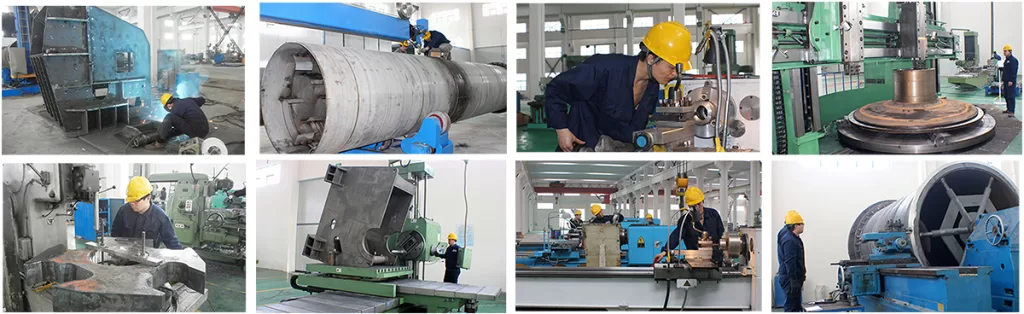
This guide explores the exciting world of manganese ore beneficiation. This process transforms raw manganese rock into valuable concentrated material. The process provides this essential metal to various industries. Manganese is not just another mineral; it proves vital for steel production, batteries, and many chemical applications. Understanding its journey from the mine to a high-grade concentrate is crucial for anyone in the mineral industry.
This guide covers everything from the basics of manganese ore to advanced manganese ore processing techniques. It shows how ZONEDING’s expertise and equipment can help achieve efficient manganese mineral recovery and create high-grade manganese concentrate.
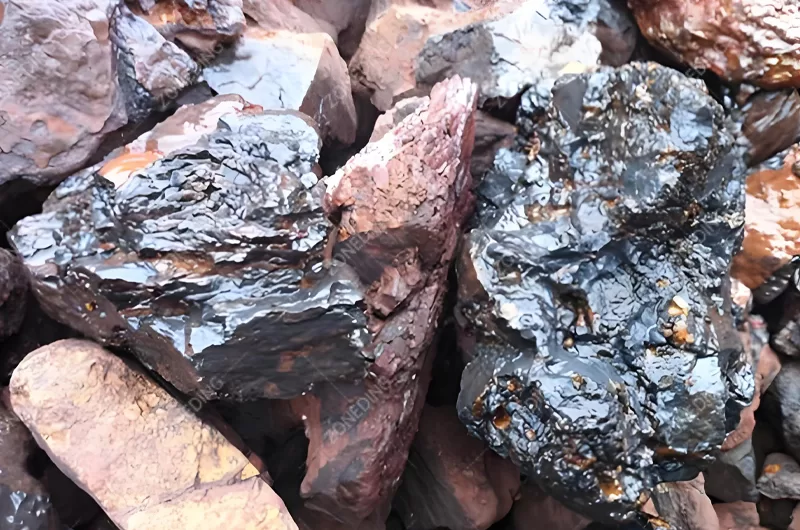
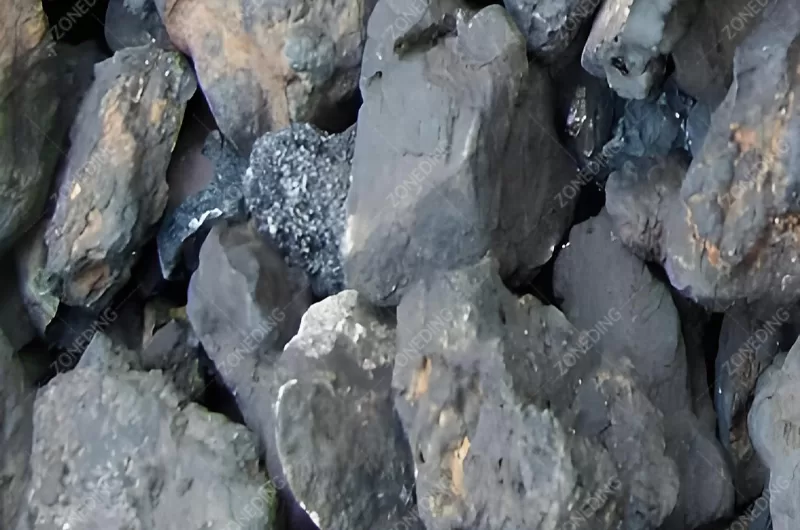
Manganese ore is a raw rock containing manganese minerals. Manganese (Mn) constitutes a silvery-grey metallic element. The element is very brittle. It is chemically reactive and tends to oxidize easily. Manganese rarely occurs as a native element in nature. Instead, it occurs in diverse minerals. These minerals often combine manganese with oxygen, silicon, or carbon.
Common manganese minerals include pyrolusite (MnO2), psilomelane (Ba, H2O)2Mn5O10, hausmannite (Mn3O4), rhodochrosite (MnCO3), and braunite (Mn(II)Mn(III)6SiO12). The ore usually contains varying percentages of manganese. The ore also contains impurities like iron, silica, phosphorus, and aluminum. The process of manganese ore processing separates these valuable manganese minerals from unwanted gangue minerals. This separation leads to a higher concentration of manganese content. This increases the material’s commercial viability.
What are Applications of Manganese Ore?
Manganese proves indispensable for modern industry. Its versatile properties make it a key component across many sectors.
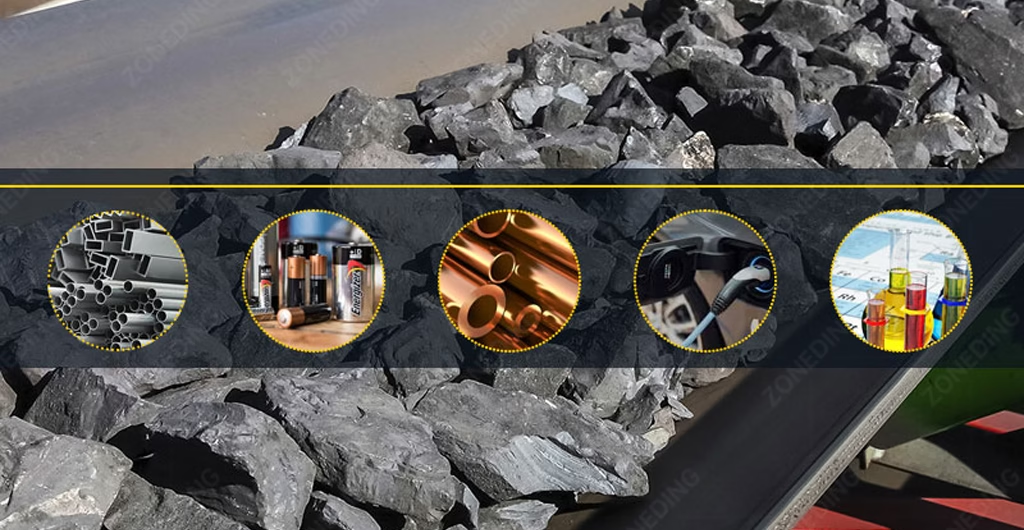
The primary use of manganese occurs in metallurgy. It acts as a vital alloying agent for steel. Steelmaking accounts for about 90% of global manganese consumption. Manganese improves the strength, hardness, and wear resistance of steel. It also reduces brittleness. Without manganese, high-strength steel structures, automobiles, and machinery would not be possible.
Beyond steel, manganese has other critical applications. It finds use in the manufacturing of various alloys. These alloys include aluminum and copper alloys. These alloys benefit from manganese’s strengthening effects.
In the chemical industry, manganese compounds are used in fertilizers, animal feeds, and as oxidizing agents. They are also present in pigments and chemicals for water treatment.
Perhaps one of the most rapidly growing applications exists in batteries. Manganese is an important component in cathode materials for lithium-ion batteries. These power electric vehicles and portable electronics. This demand for battery-grade manganese concentrate is increasing.
Other applications include ceramics, glass coloration, and pharmaceuticals. The diverse uses of manganese underscore the importance of efficient manganese ore processing.
ZONEDING aims to help fulfill the demand for these crucial applications. This is achieved through advanced manganese beneficiation.
What Key Physical & Chemical Characteristics of Manganese Ores?
The physical and chemical characteristics of manganese ore profoundly impact its beneficiation. Understanding these properties proves crucial for selecting the right manganese ore processing techniques. Knowledge of the ore’s specific properties helps design an efficient plant.
Physical Characteristic
Typical Manganese Ore Values
Impact on Beneficiation
Hardness (Mohs)
2.5 – 6 (e.g., Pyrolusite 2.5, Braunite 6)
Dictates crushing/grinding energy, wear on equipment.
Density (g/cm³)
3.5 – 5.0 (higher than most gangue)
Enables effective gravity separation of manganese particles.
Texture
Massive, earthy, nodular, crystalline
Influences liberation size, efficiency of physical separation.
Liberation Size
Varies (coarse to very fine)
Determines required grinding fineness and associated costs.
Physically, manganese ores often vary widely in hardness, density, and texture.
Hardness can range from soft to moderately hard.
Most manganese minerals possess a relatively high specific gravity, typically between 3.5 to 5.0 g/cm³. This high density makes gravity separation methods effective for manganese beneficiation.
The texture can be massive, earthy, or crystalline. These textures affect how crushing and grinding break the ore. The degree of liberation (how easily manganese minerals separate from gangue) depends on geology. Fine intergrowth means finer grinding is necessary. This impacts equipment choice and costs.
Chemically, manganese ores are complex. They contain various oxidation states of manganese. This impacts their magnetic properties and reactivity.
Impurities represent a major concern. Iron (Fe) is especially problematic. High iron content can reduce the grade of the final manganese concentrate. Silica (SiO2), phosphorus (P), and alumina (Al2O3) also occur as common gangue minerals. These impurities often exhibit different chemical behaviors than manganese minerals. This allows for selective separation.
Knowing these properties helps ZONEDING select appropriate manganese crushing and manganese grinding equipment. ZONEDING engineers analyze these chemical complexities. They develop tailored solutions for cost-effective manganese mineral recovery.
Practical Tips for Characterizing Your Manganese Ore
Comprehensive Sampling: Collect representative samples across the ore body.
Mineralogical Analysis: Use microscopy, XRD, and other tools to identify minerals and their intergrowth.
Chemical Analysis: Determine exact percentages of Mn, Fe, Si, P, Al, etc.
Bench-Scale Testing: Conduct laboratory tests on the specific ore. This confirms the effectiveness of different manganese ore upgrading methods.
Where Can We Find the Manganese Ore Deposits?
Manganese ore deposits are found worldwide. They occur in various geological settings. These deposits broadly categorize into two main types: sedimentary and volcanic-sedimentary.
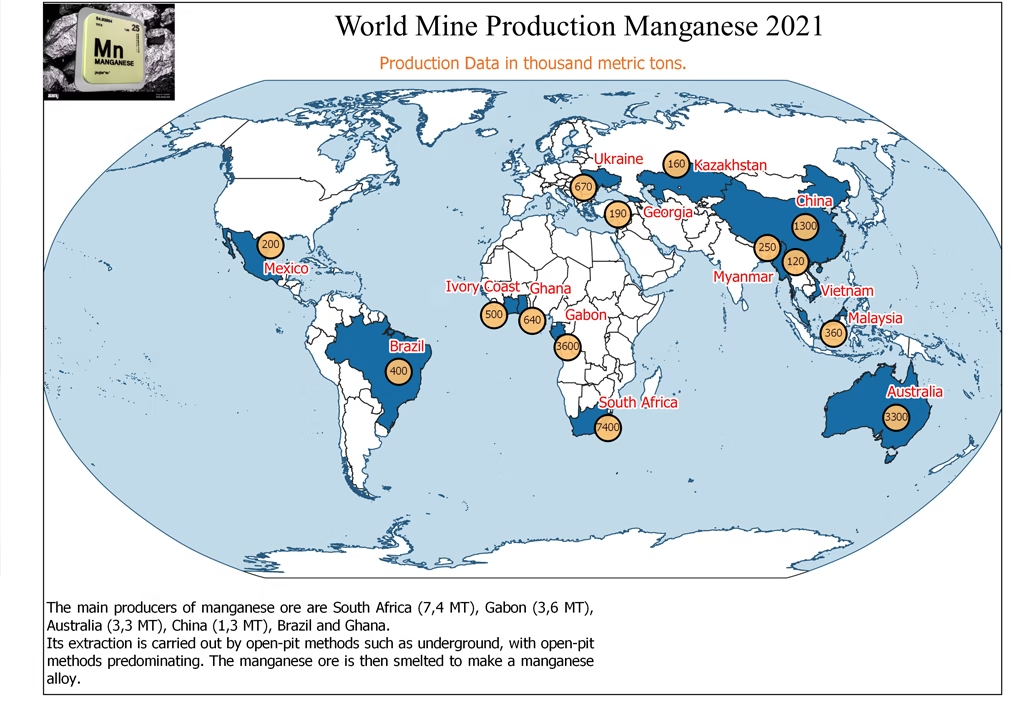
Sedimentary deposits are the most abundant. These form from the precipitation of manganese minerals in ancient oceans. They often occur as stratified layers within sedimentary rock formations. These deposits typically contain oxide minerals like pyrolusite. Common examples include large deposits in Ukraine, South Africa, and Gabon. Deposits in India and China are also significant.
Volcanic-sedimentary deposits associate with volcanic activity. Hydrothermal solutions enrich manganese along mid-oceanic ridges or volcanic arcs. These deposits can contain a mix of oxide, carbonate, and silicate manganese minerals. Examples include some deposits in Japan and the Pacific Ocean’s seafloor nodules.
Beyond land-based mines, vast quantities of manganese are locked in deep-sea polymetallic nodules and crusts. These ocean floor resources largely remain untapped but represent future potential. Major manganese-producing countries include South Africa, Australia, China, and Gabon. These regions contribute significantly to the global supply of manganese concentrate.
What are Challenges When We Process the Manganese Ore?
Processing manganese ore presents several unique challenges. These can significantly affect the efficiency and cost-effectiveness of manganese beneficiation. Addressing these challenges requires careful planning and robust manganese ore processing equipment.
One common challenge involves complex mineralogy. Manganese ores often compose multiple manganese-bearing minerals. These minerals can possess different physical and chemical properties. This makes selective separation difficult. For example, some oxide manganese minerals respond more amenably to gravity separation, while others might require magnetic or flotation methods. The fine intergrowth of manganese minerals with gangue represents another hurdle. This means very fine grinding might be necessary. This increases energy consumption and grinding costs. Over-grinding can also create slimes, leading to poor recovery.
Impurities constitute a major concern.
High iron content is especially problematic. Iron minerals often possess similar physical or magnetic properties to manganese minerals, making separation difficult.
High phosphorus content is also undesirable. Effectively removing these impurities while minimizing manganese losses presents a delicate balance. Varying ore characteristics from different parts of a mine can also prove challenging. The plant must be flexible enough to handle variations.
Environmental regulations also continue to become stricter. Disposing of tailings and managing water resources add to the complexity of manganese mineral recovery. ZONEDING engineers specialize in designing manganese ore upgrading solutions that intelligently overcome these complexities. This ensures both efficiency and environmental compliance. ZONEDING’s experience with low-grade manganese ore beneficiation allows for value recovery even from difficult ores.
What are Main Steps of Manganese Beneficiation?
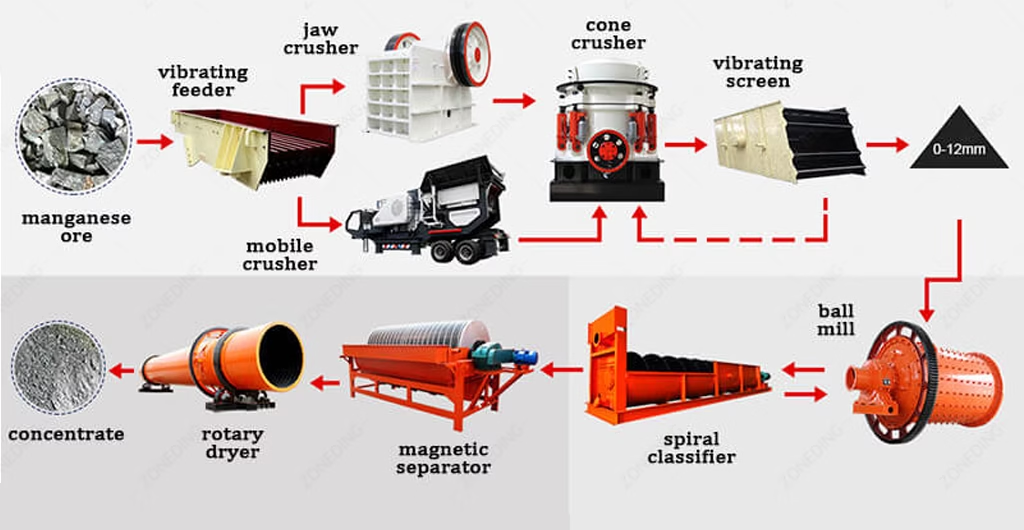
The journey of manganese from raw ore to high-grade concentrate involves several distinct stages. This complete process is known as manganese ore beneficiation. Each step uses specific equipment to achieve desired outcomes.
Crushing Stage: The beneficiation process typically starts with manganese crushing. Raw ore from the mine undergoes primary, secondary, and sometimes tertiary crushing. This reduces the particle size for further processing. handle subsequent crushing stages.
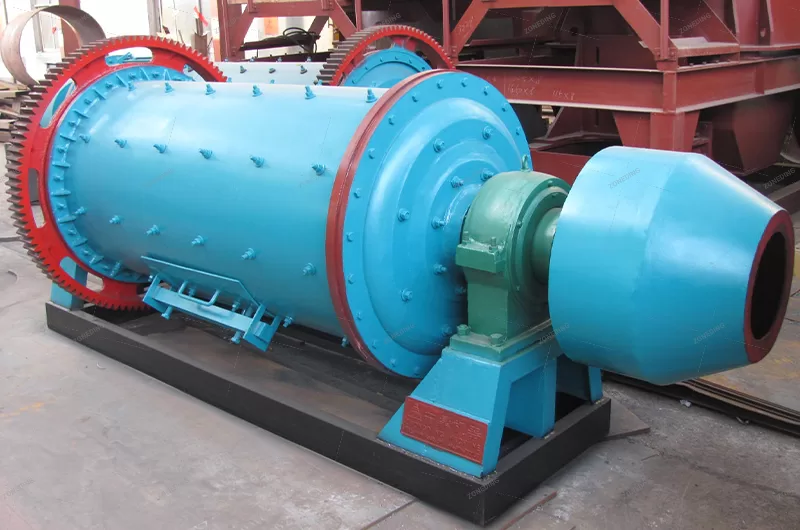
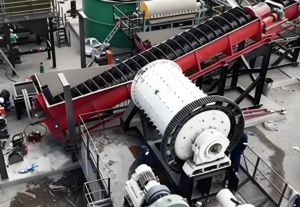
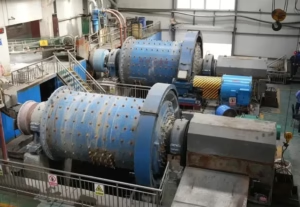
Grinding Stage: Then comes manganese grinding. Grinding mills, often ball mills or rod mills, further reduce particle size. This aims to liberate the manganese minerals from the gangue. After grinding, the slurry typically undergoes classification using spiral classifiers or hydrocyclones. This separates particles by size
Separation Stage: Next are the actual separation techniques.
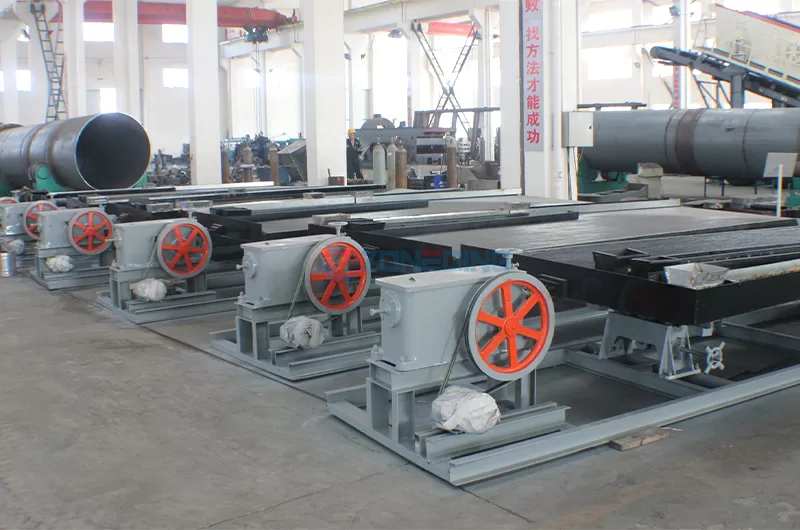
Gravity separation manganese proves very effective for many ores due to manganese’s high density. Equipment like jigs, shaking tables, and heavy medium separation circuits generally find use.
If iron or other magnetic impurities are present, magnetic separation manganese can be applied. Different types of magnetic separators are available.
For very fine or low-grade ores, flotation manganese might become necessary. This process selectively attaches valuable manganese particles to air bubbles.
Tailings Treatment: Finally, the concentrated manganese slurry undergoes dewatering using thickeners and filter presses. This removes excess water. The resulting filter cake constitutes the high-grade manganese concentrate. This forms a complete production line; ZONEDING designs and supplies every step.
What Are the Key Equipment for Manganese Ore Processing?
An efficient manganese ore processing plant relies on a suite of specialized equipment. Each piece plays a vital role in transforming raw ore into valuable manganese concentrate. ZONEDING stands as a leading manufacturer of these critical components.
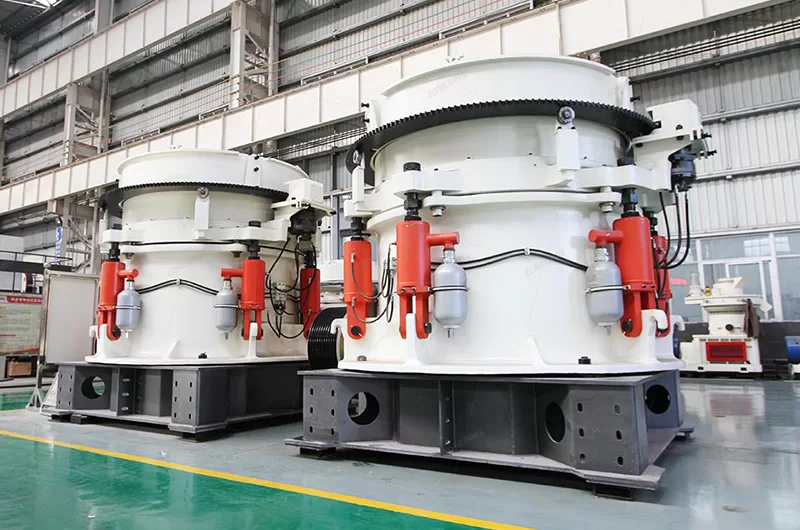
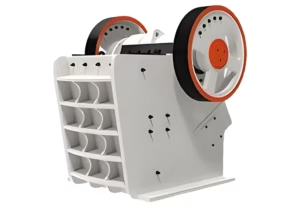
The process begins with crushing equipment. Jaw crushers are essential for primary crushing. They handle large feed sizes. Cone crushers generally find use for secondary and tertiary crushing. They produce a fine, cubical product. For finer liberation, grinding equipment is necessary. Ball mills and rod mills offer common choices. They reduce particle sizes significantly. Proper grinding proves crucial for effective manganese mineral recovery. After grinding, spiral classifiers or hydrocyclones sort the particles by size, preparing them for separation.
For separation, jigs and shaking tables are key for gravity separation manganese. These devices leverage density differences to separate manganese minerals. Magnetic separators, both low and high-intensity, are critical for removing magnetic impurities like iron. They can also recover weakly magnetic manganese minerals. Flotation machines find use for fine-grained ores. They are used when other methods are less effective. Finally, thickeners and filter presses dewater the final concentrate. This ensures its readiness for transport or further use.
ZONEDING offers a comprehensive range of manganese processing equipment. The company can provide complete manganese processing plant design based on specific ore characteristics and desired high-grade manganese concentrate. ZONEDING’s solutions aim for maximum efficiency and robust performance.
What Critical Factors Influence Overall Plant Design & Operational Efficiency?
Designing an efficient manganese ore processing plant involves more than just selecting good equipment. Several critical factors heavily influence both the plant’s design and its long-term operational efficiency. Ignoring these can lead to costly inefficiencies and reduced manganese mineral recovery.
First, ore characteristics are paramount. This involves a detailed understanding of the ore’s mineralogy, grade, impurities, hardness, and liberation size. A plant designed for easily liberated manganese ore will differ from one meant for low-grade manganese ore beneficiation. Highly abrasive ores require wear-resistant crushers and mills. Complex mineral intergrowth dictates finer grinding and more sophisticated separation techniques. Thorough ore characterization provides the foundation for an optimized manganese processing plant design.
Second, desired product specifications are crucial. What grade of manganese concentrate is needed? What are the acceptable impurity levels (e.g., Fe, P, Si)? These requirements directly influence the number of beneficiation stages and the precision of the equipment. Producing battery-grade manganese concentrate demands much finer separation. Production capacity also plays a significant role. This determines the size and number of each machine.
Third, site conditions and environmental considerations cannot be overlooked. Factors like water availability, power supply, climate, and topography affect design choices. Strict environmental regulations regarding tailings disposal and water usage necessitate innovative solutions. A plant must be designed for environmental manganese beneficiation. This prioritizes sustainable practices. Lastly, cost-effectiveness remains a key driver. This includes capital expenditure (CAPEX) for equipment and construction, and operational expenditure (OPEX) for energy, labor, and maintenance.
ZONEDING focuses on providing a cost-effective manganese extraction solution. This ensures a balance between efficiency, recovery, and economic viability. ZONEDING integrates all these factors into each specific manganese processing plant design.
How Can ZONEDING Experts Elevate Your Manganese Ore Processing Project?
ZONEDING understands the complexities of manganese ore processing. The company’s team of experts stands ready to elevate any project from concept to a highly efficient operation. ZONEDING brings decades of experience and cutting-edge technology to your site.
ZONEDING’s approach begins with a deep dive into specific needs. The company conducts thorough ore analysis. This is a crucial first step. It identifies the unique characteristics of a specific manganese ore. This includes its mineralogy, grade, and impurity profile. This detailed analysis forms the basis for a tailored manganese processing plant design. ZONEDING does not offer one-size-fits-all solutions. Instead, the company develops a customized flowsheet. This maximizes manganese mineral recovery and achieves desired high-grade manganese concentrate. ZONEDING engineers effectively overcome challenges like low-grade manganese ore beneficiation and complex impurity removal.
ZONEDING provides a comprehensive, one-stop solution. This covers everything from initial feasibility studies to equipment manufacturing, installation, and after-sales support. ZONEDING manufactures a full range of manganese processing equipment. This includes robust jaw crushers, efficient ball mills, and various gravity separation machines and magnetic separators. Its complete production line service ensures seamless integration of all units. This guarantees optimal operational efficiency. ZONEDING focuses on continuous innovation, pushing towards intelligent and energy-saving designs. The company’s goal is to provide a cost-effective manganese extraction solution. This helps achieve superior product quality while minimizing environmental impact. Partnering with ZONEDING means benefiting from proven expertise and advanced technology. This ensures the manganese beneficiation project achieves maximum profitability and sustainability.
2025 Latest Developments and Trends in Manganese Ore Processing
The manganese ore processing industry constantly evolves. It adapts to new demands, environmental concerns, and technological advancements. As 2025 approaches, several key trends shape the future of manganese beneficiation. These developments aim to improve efficiency, sustainability, and the quality of manganese concentrate.
Latest Developments at a Glance
Advanced Sensor-Based Sorting: New technologies are emerging for pre-concentration of manganese ore. These use X-ray transmission (XRT) or near-infrared (NIR) sensors. They can sort raw ore based on its characteristics before crushing or grinding. This removes barren rock early. This significantly reduces downstream processing costs and energy consumption. It proves particularly useful for low-grade manganese ore beneficiation.
Enhanced Flotation Reagents and Techniques: Research continues into specialized flotation reagents. These reagents offer higher selectivity for manganese minerals. They perform better in flotation manganese, especially for complex or fine-grained ores. This leads to improved manganese mineral recovery and manganese ore upgrading.
Integrated Digitalization and Automation: Modern manganese processing plants integrate advanced digital control systems and automation. This allows for real-time monitoring of operations. It enables automatic adjustments to optimize performance. This can include intelligent control of grinding circuits or automated reagent dosage in flotation. This boosts efficiency and reduces operational errors.
Sustainable Beneficiation Practices: A growing focus is placed on environmental manganese beneficiation. New processes aim to reduce water consumption. They also employ technologies for efficient tailings management. This minimizes environmental impact. Dry beneficiation methods, for example, gain traction where water resources are scarce.
Market Insight: The demand for high-grade manganese concentrate, especially for the rapidly expanding battery market, drives significant innovation. This necessitates more efficient and sustainable manganese ore processing techniques. Manufacturers like ZONEDING stand at the forefront. They develop next-generation manganese processing equipment. ZONEDING integrates these trends into its solutions. The company’s goal is to provide cost-effective manganese extraction that meets future industry demands. This helps achieve higher recovery and stricter quality standards.
FAQ
Question 1: What is the primary purpose of manganese ore beneficiation?
The main purpose is to increase the concentration of manganese minerals in the ore. This makes it suitable for industrial use. It removes unwanted gangue minerals to create a higher-grade manganese concentrate.
Question 2: Why is iron a problematic impurity in manganese ore processing?
Iron acts as a problematic impurity because it often possesses similar physical and magnetic properties to manganese minerals. This makes its separation difficult. High iron content lowers the quality of the final manganese concentrate.
Question 3: Can ZONEDING provide solutions for processing low-grade manganese ore?
Yes, ZONEDING specializes in low-grade manganese ore beneficiation. Its experts design optimized flowsheets and supply specialized equipment to maximize manganese mineral recovery even from challenging ores.
Question 4: What types of equipment does ZONEDING offer for manganese crushing?
ZONEDING offers a full range of manganese crushing equipment. This includes jaw crushers for primary crushing and cone crushers for secondary and tertiary crushing. This ensures efficient size reduction for manganese ore processing.
Question 5: What is environmental manganese beneficiation?
Environmental manganese beneficiation refers to processing methods that prioritize sustainability. These methods aim to minimize water and energy consumption. They also focus on responsible tailings management and pollution control.
Conclusion & Recommendations
The journey of manganese ore from the mine to a valuable manganese concentrate represents a complex but essential process. This guide has highlighted the critical stages and factors involved in manganese ore beneficiation. From understanding an ore’s unique characteristics to selecting modern manganese processing equipment, every decision impacts project success. Efficient manganese mineral recovery proves key for profitability.
A thorough understanding of raw material is recommended when approaching a manganese ore processing project. Carefully define desired product specifications and prioritize cost-effective manganese extraction through efficient technology. Partnering with a knowledgeable and experienced supplier is crucial. Such a partner can guide clients through the complexities of manganese beneficiation. Ready to optimize manganese ore processing operations? Contact ZONEDING today! Its experts are eager to provide a free consultation and customized solutions. Let ZONEDING help unlock the full value of manganese resources!
A step-by-step guide covers everything from crushing and grinding to advanced magnetic separation and dewatering, ensuring efficient magnetite processing.
A jaw crusher is a primary stone crusher in mining&aggregate. Learn its types, parts, work principle, maintenance, how to choose. ZONEDING provides good choice!
This guide tells steps for tungsten ore processing like crushing, grinding, gravity separation, flotation, magnetic separation to produce tungsten concentrate.
Unlock performance in apatite processing. Discover beneficiation methods, from crushing to flotation, ensuring max recovery and purity for phosphate products.
 Zoneding Mining