For decades, many large-scale construction and infrastructure companies primarily focused on their core business: building. The supply of essential construction materials, particularly aggregates like sand, gravel, and crushed stone, was frequently outsourced to independent producers. This approach seemed efficient, allowing giants to dedicate resources to their primary functions. However, a significant shift is now reshaping this traditional model.
Major aggregate consumers, including large construction firms, infrastructure developers, and even cement manufacturers, are increasingly considering and adopting in-house crushing operations. This strategic move from Outsource vs In-House Crushing represents a new trend among aggregate giants. It is driven by a critical need for enhanced cost control, guaranteed quality, and greater supply chain resilience. Companies are realizing that by producing their own aggregates, they gain a competitive edge previously unattainable.
This article explores the driving forces behind this transformation, the benefits of implementing in-house crushing plants, and how solutions from ZONEDING are enabling this new era of self-sufficiency in aggregate production.
Last Updated: February 2026 | Estimated Reading Time: 18 Minutes
The Traditional Dilemma: Outsourcing Aggregate Production
The decision to outsource aggregate production often stems from several initial advantages. Companies avoid significant upfront capital investment in crushing plants and equipment. They also gain flexibility, as aggregate supply can be scaled up or down based on project demands without managing idle machinery. On the surface, this model appears to simplify logistics and reduce operational overhead.
Perceived Advantages of Outsourcing
- Lower Upfront Capital: No need to purchase expensive crushing equipment or conduct site development.
- Reduced Operational Complexity: Aggregate production, maintenance, and staffing are handled by the supplier.
- Flexibility: Ability to source different types of aggregates from various suppliers as needed.
Hidden Costs and Challenges of Outsourcing
Over time, the disadvantages of outsourcing aggregates have become apparent, particularly for companies operating on a massive scale or with long-term infrastructure projects.
- Variable Costs: Purchased aggregates are subject to market fluctuations, fuel price changes, and supplier profit margins. These external factors directly impact project budgets and can be unpredictable.
- Lack of Quality Control: Companies rely on external suppliers to meet specifications. Inconsistencies in aggregate size, shape, and material properties can lead to issues in concrete strength, asphalt durability, and construction stability. Rectifying these issues can be costly and time-consuming.
- Supply Chain Risks: Dependence on third-party suppliers exposes projects to delays caused by supplier capacity limits, disruptions, or unexpected price hikes. For large-scale projects, even minor delays can result in substantial financial penalties.
- Transportation as a Major Cost: Aggregates are bulky and heavy. Transporting them over long distances from external quarries to project sites incurs significant costs (fuel, labor, vehicle maintenance), often comprising a large portion of the material’s final price.
These challenges have compelled aggregate giants to re-evaluate their strategies, leading them towards the compelling benefits of producing their own construction materials.
The New Trend: Why Major Companies are Shifting to In-House Crushing
The move towards in-house crushing is not merely a reactive measure; it is a proactive strategy embraced by forward-thinking companies. This trend is about achieving greater command over the construction process, from raw material to final structure. The insights gained from years of large-scale operations have made the benefits of vertical integration more apparent than ever.
Driving Factors for In-House Production
- Cost Rationalization: The long-term costs of purchased aggregates, especially when factoring in transportation and supply chain inefficiencies, often outweigh the initial capital investment required for an in-house plant. Producing aggregates at or near the point of use can dramatically reduce per-ton costs.
- Unwavering Quality Control: Companies can precisely control the gradation, shape, and cleanliness of their aggregates, tailoring them to specific project requirements. This often leads to superior final product quality in concrete and asphalt, reducing rework and enhancing structural integrity.
- Supply Chain Certainty: Having an in-house crushing plant guarantees a consistent and reliable supply of materials, mitigating project risks associated with external supplier delays or shortages. This is particularly crucial for time-sensitive, large-scale infrastructure developments.
- Resource Optimization: In-house operations allow for the efficient processing of available local raw materials, including natural deposits or recycled construction waste. This minimizes environmental impact from long-distance hauling and promotes sustainable practices.
This strategic shift represents a fundamental change in how major players approach the foundational elements of their construction projects.
Core Advantages of Operating In-House Crushing Plants
Implementing in-house crushing operations unlocks a range of powerful advantages that directly impact a company’s bottom line and project success. These benefits extend from financial savings to enhanced environmental responsibility.
1. Significant Cost Efficiency
The most compelling argument for in-house crushing is often the cost savings.
- Reduced Purchase Price: Companies eliminate the profit margin of third-party suppliers.
- Lower Transportation Costs: Producing aggregates on-site or at a nearby quarry drastically cuts down on hauling expenses, which can be a primary cost component. This also significantly reduces wear and tear on transportation fleets.
- Direct Control over Production: Optimized energy consumption, efficient maintenance cycles, and direct management of labor contribute to a lower cost per ton of aggregate produced. ZONEDING’s highly efficient impact crushers and cone crushers are designed for high throughput and low operational costs, directly translating to superior cost effectiveness for aggregate producers.
2. Unmatched Quality Control
For concrete, asphalt, and other construction materials, the quality of aggregates is paramount.
- Tailored Specifications: In-house operations allow for precise control over particle size distribution, shape, and cleanliness, ensuring aggregates meet exact project requirements. This is critical for achieving optimal strength, durability, and workability in final products.
- Consistency: Producing aggregates from a consistent source with controlled processing ensures uniform quality across entire projects, minimizing defects and rework.
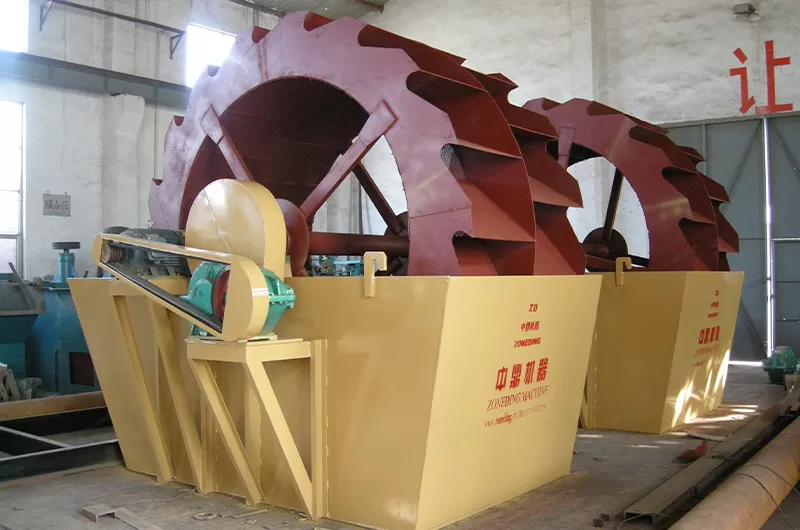
- Reduced Material Wastage: Better quality control leads to less rejection of substandard materials. ZONEDING’s vibrating screens and washing equipment provide excellent separation and cleaning, guaranteeing consistent aggregate quality.
3. Enhanced Supply Chain Resilience and Security
Reliance on external suppliers inherently introduces vulnerabilities.
- Guaranteed Supply: Companies control their own production schedule, ensuring a steady and reliable flow of materials directly to the project site. This eliminates reliance on supplier inventories and delivery schedules.
- Reduced Delays: Proactive production planning minimizes project delays caused by external factors such as supplier breakdowns, logistics issues, or port congestion.
- Immediate Adaptability: The ability to adjust production quickly in response to changing project needs or unforeseen material demands provides a competitive advantage.
4. Environmental and Sustainability Benefits
In-house crushing can offer significant environmental advantages.
- Reduced Transportation Emissions: Shorter hauling distances mean lower fuel consumption and fewer greenhouse gas emissions.
- Local Material Sourcing: Utilizing local raw materials or processing construction waste reduces the environmental footprint associated with extracting and transporting virgin materials from distant sources.
- Construction Waste Recycling: ZONEDING’s mobile crushing plants are particularly effective for recycling construction and demolition waste, transforming debris into reusable aggregates, supporting circular economy initiatives.
ZONEDING Solutions for In-House Crushing Plants
ZONEDING offers a comprehensive portfolio of crushing and screening equipment, along with full-service production line design, making it an ideal partner for companies transitioning to in-house aggregate production.
1. Complete Stationary Crushing Plants
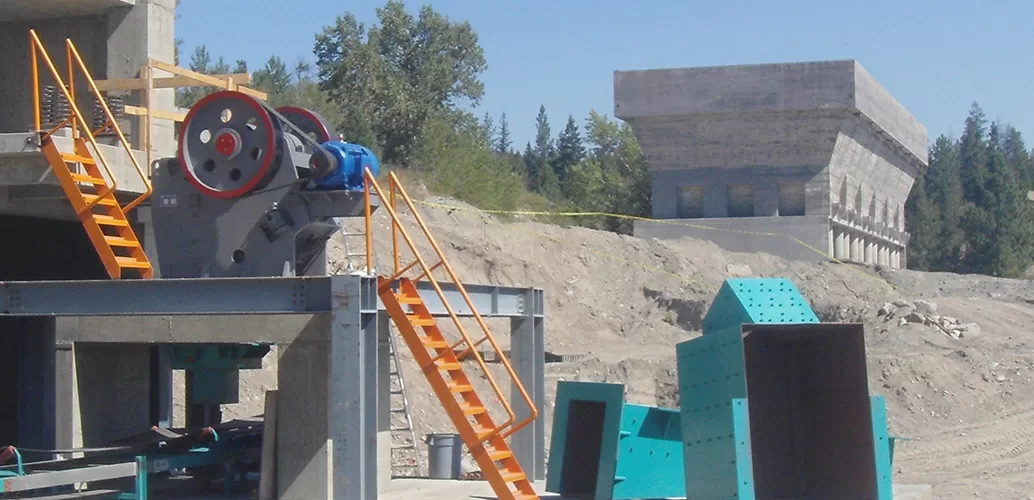
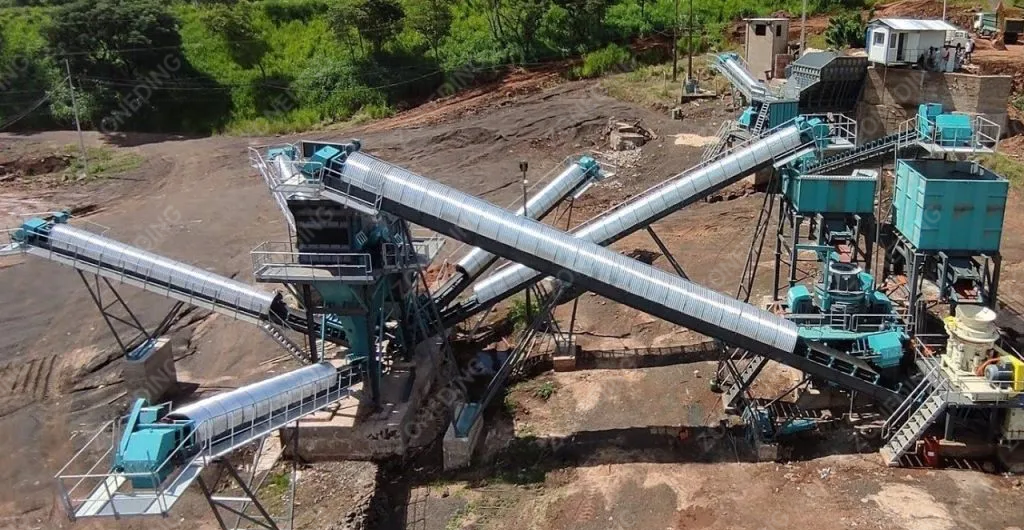
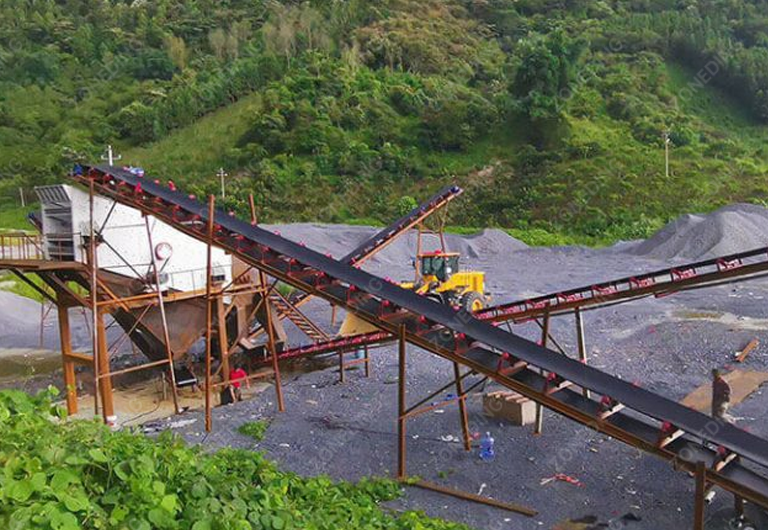
For large-scale, long-term aggregate demands, stationary crushing plants provide maximum capacity and efficiency. ZONEDING designs and provides complete, customized solutions.
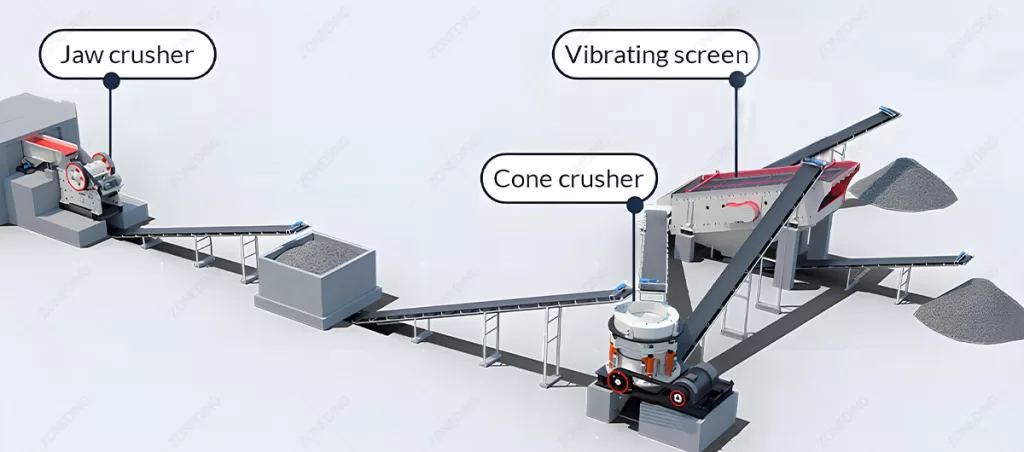
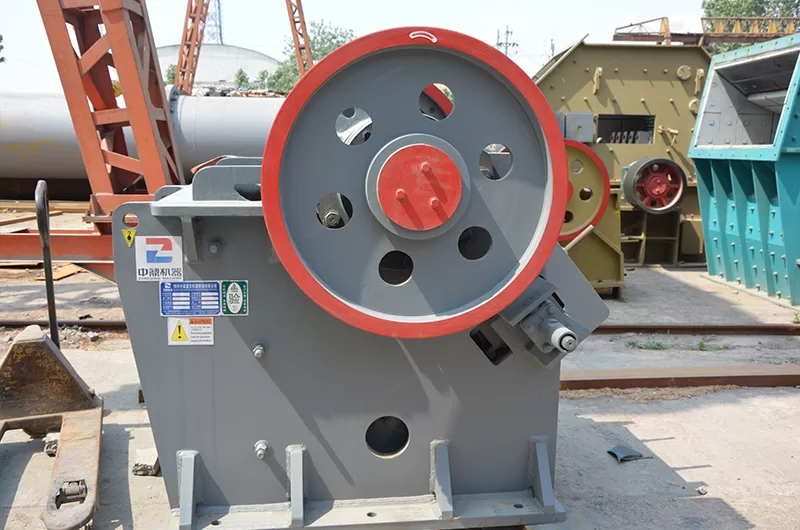
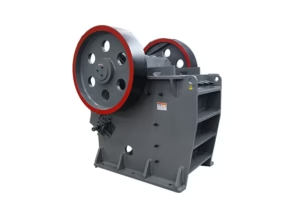
- Primary Breaking: Robust jaw crushers or gyratory crushers handle direct feed from quarries.
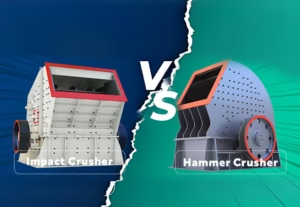
- Secondary and Tertiary Crushing: Cone crushers and impact crushers are selected for optimum reduction ratios and desired aggregate shapes (cubicity).
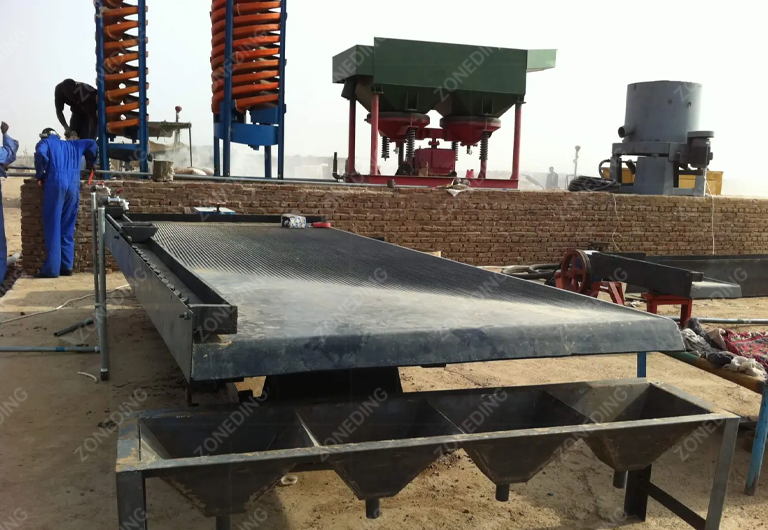
- Screening and Washing: Multi-deck vibrating screens precisely size the aggregates, while sand washing machines ensure cleanliness.
- Customization: ZONEDING engineers design the entire plant layout based on raw material characteristics, desired output sizes, and production capacity requirements.
2. Flexible Mobile Crushing Plants
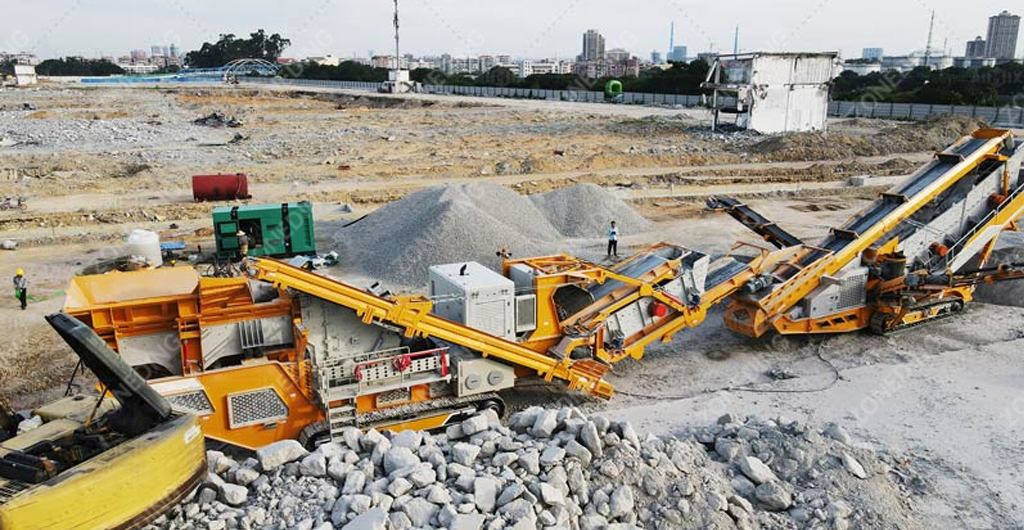
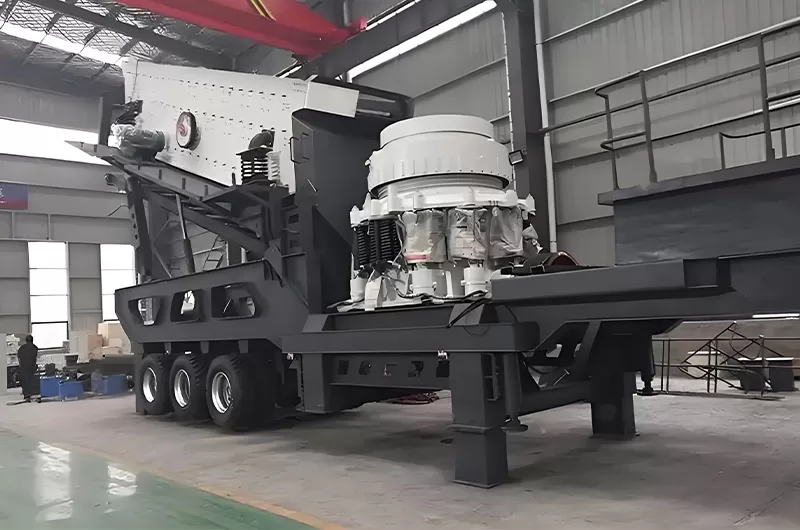
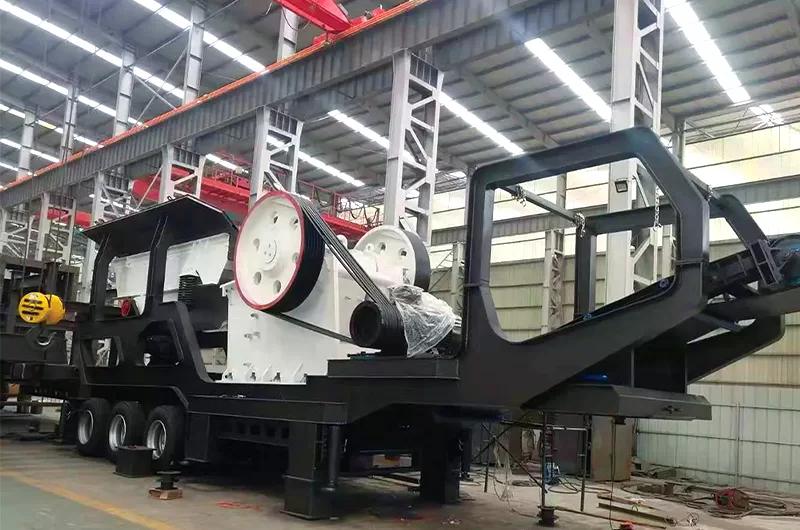
The increasing integration of mobile crushing plants is a key enabler for in-house aggregate production, especially for projects with shifting locations or temporary needs.
- On-Site Processing: Mounted on tracks or wheels, these units can be moved directly to the raw material source (quarry, demolition site, riverbed), significantly reducing transportation costs.
- Construction Waste Recycling: Mobile crushers are perfect for processing concrete, asphalt, and brick debris on construction sites, turning waste into valuable recycled aggregates.
- Flexibility and Rapid Deployment: ZONEDING’s mobile crushing plants offer quick setup and relocation, adapting to different project phases or short-term demands. This flexibility reduces the need for multiple fixed plants.
3. Full-Service Support
ZONEDING provides end-to-end support, from initial consultation and site assessment to plant design, equipment manufacturing, installation, commissioning, and after-sales service. This comprehensive approach ensures a smooth transition to in-house aggregate production.
Planning and Implementing Your Own Crushing Plant
Establishing an in-house crushing plant requires careful planning and execution. A detailed assessment of geology, logistics, and production goals is essential.
1. Site Assessment and Raw Material Analysis
- Geological Survey: Understand the characteristics of the raw material (hardness, abrasiveness, presence of clay, moisture content). This directly influences the choice of crushing technology.
- Site Logistics: Evaluate access, land availability, proximity to power and water sources, and product stockpiling areas.
- Environmental Considerations: Address dust control, noise levels, and permit requirements.
2. Equipment Configuration and Selection
ZONEDING’s expertise lies in matching the right equipment to specific needs.
- Primary Crusher: Typically a jaw crusher for primary size reduction of large rocks.
- Secondary Crusher: Often a cone crusher for hard and abrasive materials, or an impact crusher for softer materials and producing cubical aggregates.
- Tertiary Crusher/VSI: If fine aggregates or high cubicity are required, a Vertical Shaft Impact (VSI) crusher may be employed for sand making.
- Screening System: Essential for classifying aggregates into various marketable sizes.
3. Layout Design and Optimization
An efficient plant layout minimizes material handling, reduces operational bottlenecks, and ensures safety. ZONEDING’s engineering team provides detailed plant designs, considering:
- Optimal material flow from feeder to final product stockpiles.
- Accessibility for maintenance and quick component replacement.
- Dust suppression systems and noise abatement measures.
4. Operational Training and Maintenance
ZONEDING offers training programs for client staff on equipment operation and routine maintenance, ensuring smooth, long-term operation. Regular preventative maintenance is key to maximizing uptime and equipment lifespan.
Economic Justification for In-House Crushing
The decision to move towards in-house crushing is ultimately an economic one. It involves balancing the initial capital outlay against the long-term operational savings and strategic benefits.
Factors Favoring In-House Production
- High Volume and Longevity: Projects requiring substantial aggregate volumes over extended periods (e.g., dam construction, highway networks) make in-house production highly justifiable.
- Access to Raw Materials: Proximity to a suitable quarry or a large source of recyclable construction waste.
- Specific Quality Demands: Projects with stringent aggregate specifications (e.g., high-strength concrete for bridges) where external suppliers struggle to consistently meet precision.
- High Transportation Costs: If the cost to transport aggregates from outsourced suppliers represents a significant portion of the total material cost.
Companies typically conduct a detailed Return on Investment (ROI) analysis, comparing the total cost of ownership (TCO) for an in-house plant versus the cumulative costs of outsourcing over the project lifespan. ZONEDING often assists clients with these financial projections, highlighting the long-term value.
2025 Outlook: The Future of Aggregate Production
The trend toward in-house crushing is poised to accelerate, driven by technological advancements and evolving industry demands.
- Automation and Digitalization: Integration of smart control systems for remote monitoring, predictive maintenance, and optimized energy consumption.
- Emphasis on Sustainability: Increased use of mobile crushing plants for on-site construction waste recycling, contributing to circular economy principles and reduced landfill waste.
- Energy Efficiency: Development of more energy-efficient crushers and screens, reducing operational costs and environmental impact. ZONEDING is committed to innovation in this area, offering solutions that are both powerful and energy-conscious.
- Customization and Flexibility: Demand for highly customizable and adaptable crushing solutions that can produce multiple aggregate products from diverse raw materials.
Aggregate giants are not just adopting a new method; they are embracing a new philosophy of self-reliance, efficiency, and quality control that will define the future of material supply in construction.
Frequently Asked Questions (FAQ)
- Q1: What is the typical ROI period for an in-house crushing plant?
- The ROI period varies significantly based on project size, material volume, local aggregate prices, and transportation costs. Generally, for large-scale projects with consistent material demand, in-house crushing plants can achieve full payback within 1 to 3 years. ZONEDING can provide detailed financial projections based on specific project parameters.
- Q2: Are mobile crushing plants as efficient as stationary plants?
- Mobile crushing plants offer unparalleled flexibility and significantly reduce transportation costs by processing material directly at the source. While stationary plants generally offer higher throughput for continuous, large-scale operations, mobile plants are often more efficient for projects with changing locations or when processing smaller, distributed raw material sources like construction waste. ZONEDING manufactures both types, allowing for optimal selection.
- Q3: What types of raw materials can be processed by in-house crushing plants?
- ZONEDING crushing plants are designed to process a wide variety of materials, including hard natural stones (granite, basalt, river pebbles, quartz), limestone, coal, and various types of construction waste (concrete, asphalt, bricks). The specific crushing equipment (e.g., jaw crushers, cone crushers, impact crushers) is selected based on the hardness and characteristics of the raw feed material.
- Q4: How does ZONEDING ensure the quality of output aggregates?
- ZONEDING ensures high aggregate quality through precision-engineered crushers that produce well-shaped (cubical) particles and highly efficient vibrating screens for accurate sizing. Optional sand washing machines further remove impurities like clay, ensuring clean and high-quality construction materials that meet stringent industry standards.
Conclusion
The shift from outsourced to in-house crushing is a transformative trend adopted by aggregate giants, redefining how essential construction materials are sourced. This strategic move offers profound benefits including significant cost reductions, superior quality control, and enhanced supply chain security, moving beyond merely relying on external cement suppliers. It empowers companies to take direct ownership of their material quality and project timelines.
By integrating ZONEDING’s advanced crushing plants—whether stationary for high capacity or mobile for flexible, on-site processing—these industry leaders are not just saving money; they are building more resilient, efficient, and higher-quality infrastructure.
Ready to explore the benefits of an in-house crushing plant for your operations?
Contact ZONEDING today to discuss customized solutions for your aggregate production needs.
Last Updated: January 2025
 Zoneding Mining