 Zoneding Mining

Site Search
Search products, equipment and solution articles
整站搜索产品中心新闻中心
点击开始搜索
热门搜索
UltraForm-MXFlexiPoly-RNanoForm Z300EcoFab P200
Search products, equipment and solution articles
To a newcomer, sand might seem like one of the simplest materials on a construction site. It is just tiny grains of rock, right? In reality, sand is one of the most critical components in construction, and not all sand is created equal. The type of sand used can dramatically affect the strength, durability, and finish of concrete, plaster, and mortar. Choosing the wrong type can lead to structural weaknesses, cracks, and costly repairs down the road.
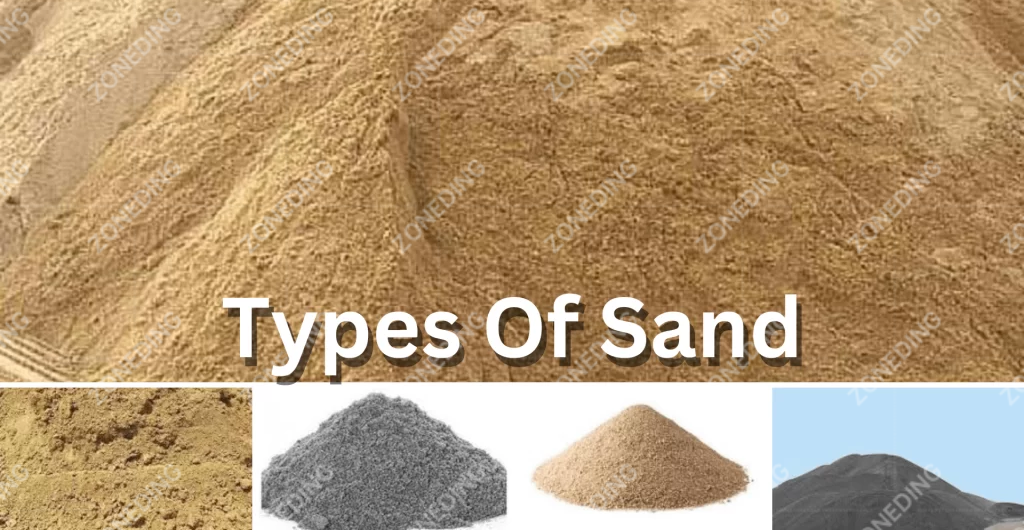
For anyone new to the construction industry—from project managers to procurement officers—understanding the basic types of construction sand is fundamental. The sand sourced from a riverbed has vastly different properties than sand manufactured from crushed rock. This guide will serve as your starting point, breaking down the five primary types of construction sand in easy-to-understand terms.
This article will cover the essentials of Pit Sand, River Sand, Sea Sand, Concrete Sand, and the increasingly important Manufactured Sand (M-Sand). We will explore where they come from, their key characteristics, and how their properties make them suitable for specific construction applications.
Last Updated: February 2026 | Estimated Reading Time: 18 Minutes
Before diving into the specific types, it is crucial to understand why the source and properties of sand matter so much. Three key characteristics determine how a sand will perform in a mix:
Pit sand is, as the name suggests, sourced from large pits dug deep into the ground. These deposits are often found several meters below the topsoil and have been formed over geological time.
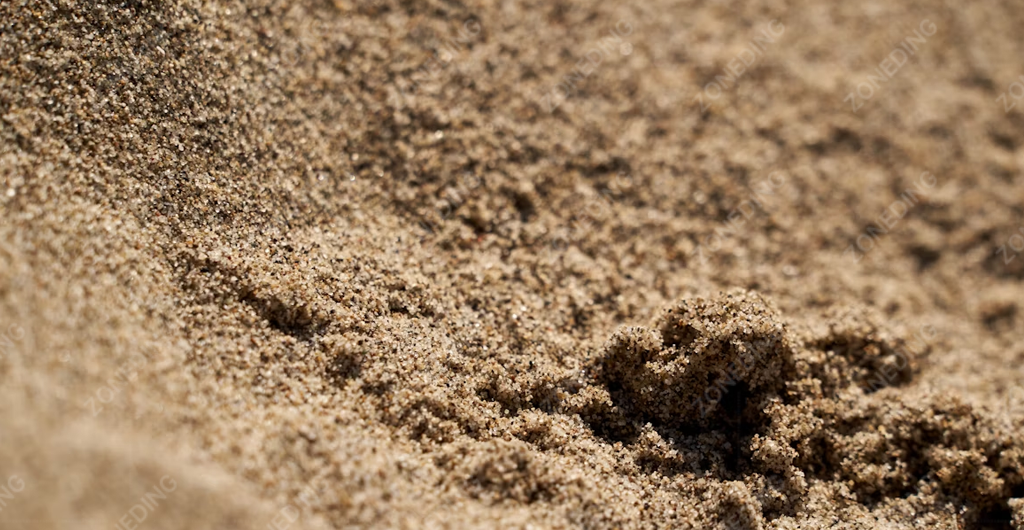
Due to its excellent binding properties, pit sand is highly sought after for concrete work. Its angular nature makes it ideal for creating strong and durable concrete for foundations, columns, and slabs. It is a go-to choice for structural applications where strength is the primary concern.
ZONEDING Insight: To ensure pit sand meets construction standards, it often needs to be processed. A sand washing machine is essential for removing the clay and silt content, improving the sand’s quality and ensuring a strong final concrete product.
River sand is naturally sourced from the banks and beds of rivers. For decades, it was considered the gold standard for many construction applications, especially for plastering and masonry.
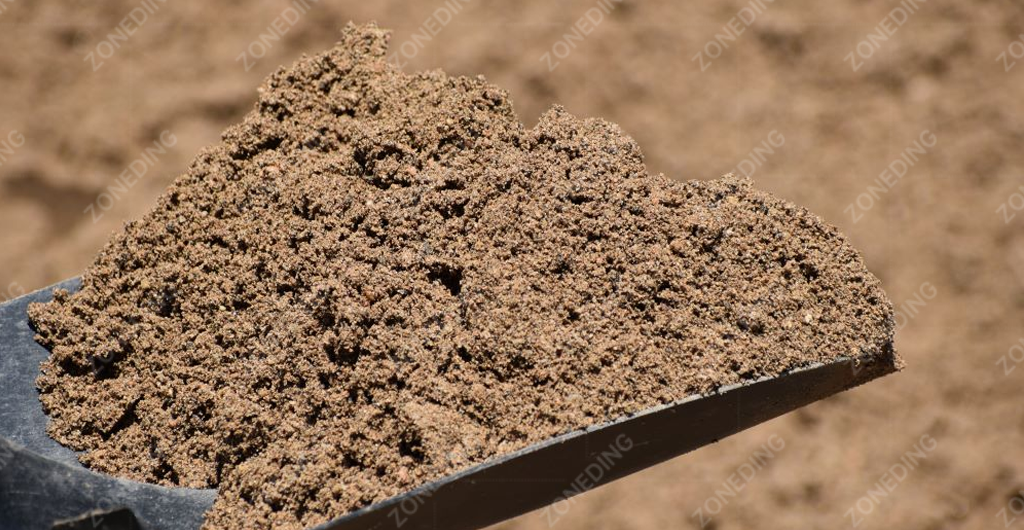
The fine texture and smooth finish of river sand make it perfect for plastering and masonry work. It creates a very smooth surface that is easy to work with. While it can be used in concrete, its rounded particles provide a weaker bond compared to the angularity of pit sand or M-Sand.
While its properties are desirable, extensive and often unregulated dredging of riverbeds has led to severe environmental consequences, including riverbank erosion and destruction of aquatic habitats. As a result, many governments worldwide have banned or heavily restricted river sand mining, making it increasingly scarce and expensive.
Sea sand is collected from beaches and seashores. Given its vast availability, it might seem like an obvious solution to the sand shortage. However, sea sand has a major flaw that makes it unsuitable for most construction work.
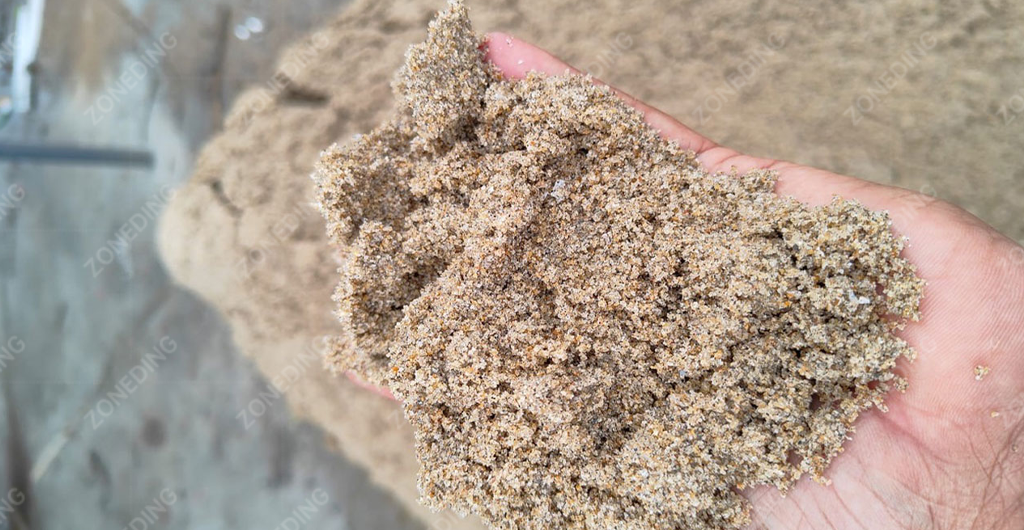
Using untreated sea sand in construction, especially in reinforced concrete (concrete with steel bars, or rebar), is extremely dangerous.
Due to these issues, untreated sea sand is never recommended for structural concrete or plastering. It can only be considered for construction use after undergoing an extensive and costly washing process to remove all salt content. Even then, it must be thoroughly tested. Its primary use is often limited to non-structural applications like land filling.
The term “Concrete Sand” does not refer to a natural source but rather to sand that has been processed to meet specific grading requirements for making concrete. It is a manufactured product designed for a specific purpose.
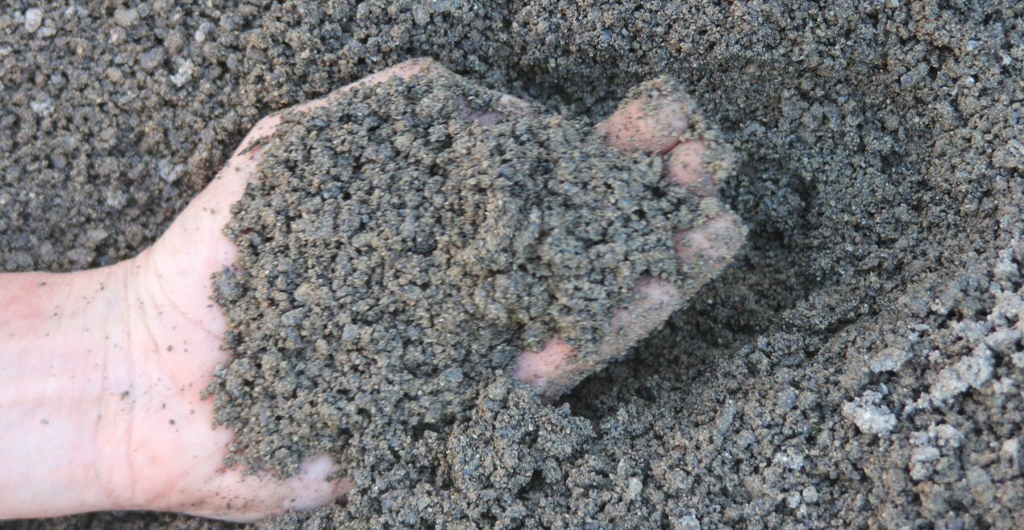
As the name implies, its primary application is for mixing concrete. It is also used as a bedding material for laying pipes, a base layer for patios and paving stones, and for traction on icy roads. It is not suitable for plastering due to its coarse texture.
Manufactured Sand, or M-Sand, is the modern and sustainable alternative to natural sands. It is not mined from the ground but is produced by crushing hard rocks like granite into sand-sized particles in a controlled industrial process.
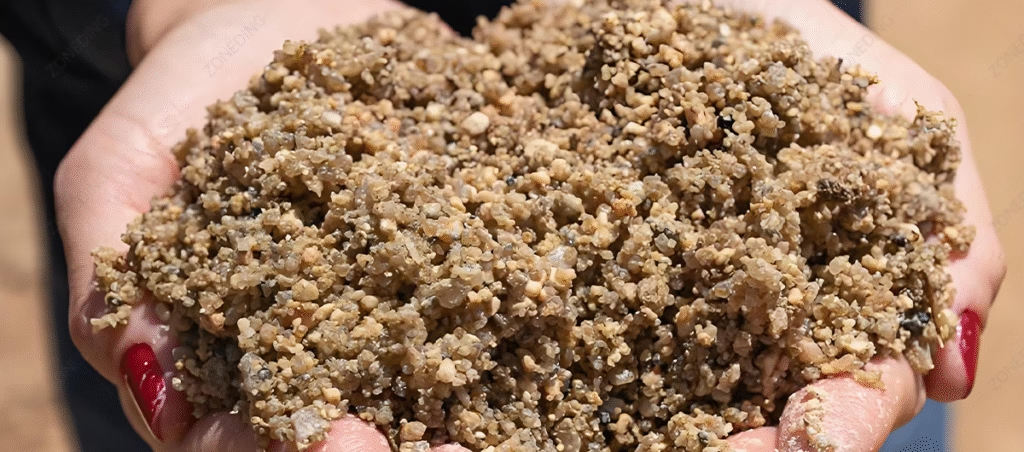
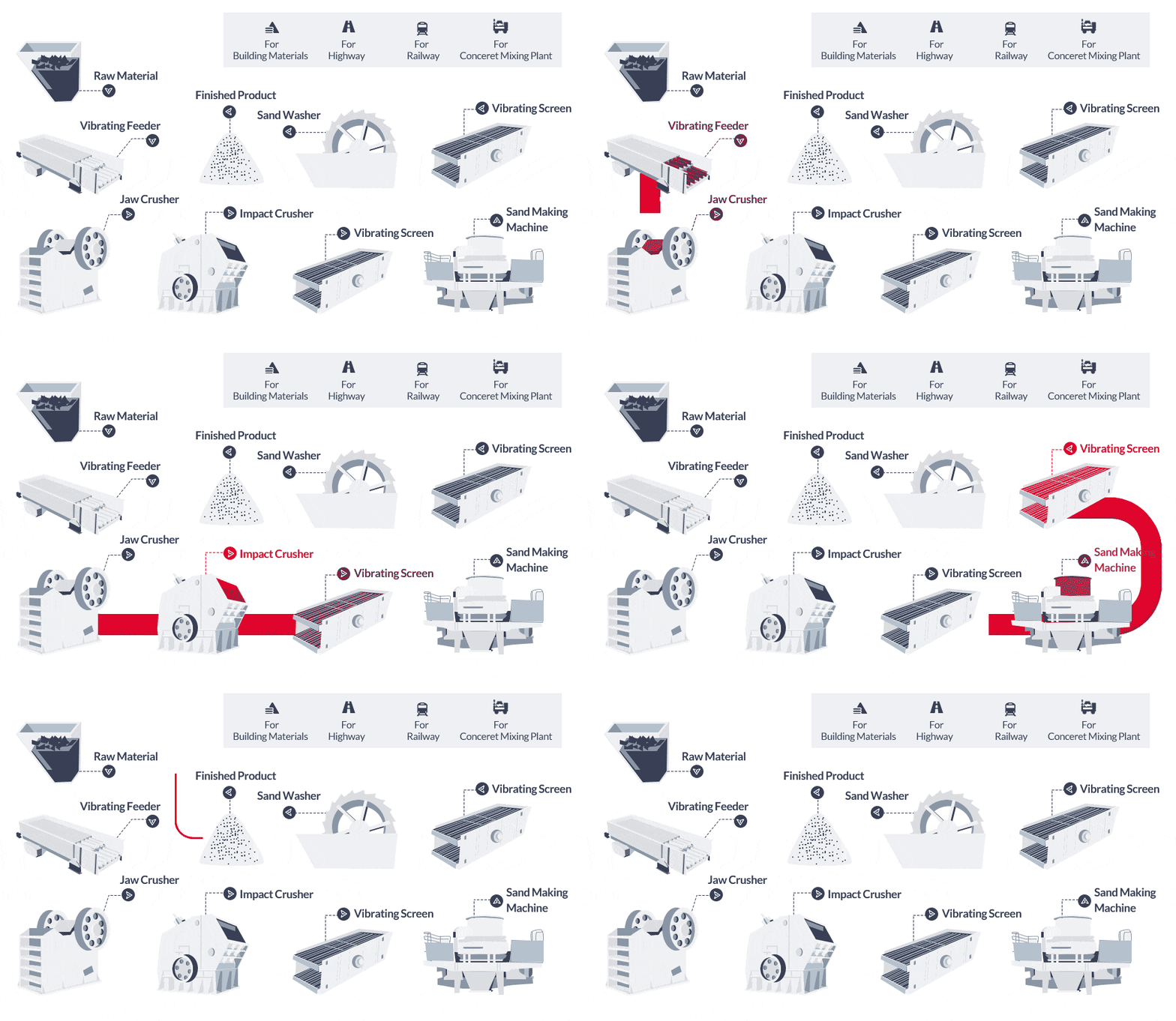
The production of high-quality M-Sand involves a multi-stage process, an area where ZONEDING specializes:
M-Sand is an excellent substitute for river sand in all construction applications.
| Sand Type | Source | Particle Shape | Primary Application | Key Advantage | Key Disadvantage |
|---|---|---|---|---|---|
| Pit Sand | Quarries/Pits | Sharp, Angular | Concrete | Excellent binding strength | Contains impurities, needs washing |
| River Sand | Riverbeds/Banks | Smooth, Rounded | Plastering, Masonry | Naturally fine and clean | Environmental impact, scarcity |
| Sea Sand | Seashores | Smooth, Rounded | Non-structural fill | Abundant | Contains harmful salts (chlorides) |
| Concrete Sand | Processed | Coarse, Angular | Concrete mixes | Meets specific standards | Not suitable for fine finishes |
| M-Sand | Crushed Rock | Cubical, Angular | All applications | Consistent, sustainable | Higher initial production cost |
For a beginner, the choice can be simplified with these rules of thumb:
Understanding the basic types of construction sand is the first step toward ensuring the quality and longevity of any construction project. While they may all look similar to the untrained eye, their hidden properties—shape, size, and cleanliness—have a massive impact.
The industry is clearly moving away from environmentally damaging river sand and towards sustainable, high-performance alternatives. Manufactured Sand (M-Sand) stands out as the future of construction aggregates, offering consistent quality, superior strength, and environmental benefits.
As a leader in mineral processing technology, ZONEDING provides complete, end-to-end solutions for producing high-quality M-Sand. From crushers to sand makers and washing plants, our equipment empowers companies to produce the perfect sand for any construction need.
Interested in producing your own high-quality M-Sand?
Contact a ZONEDING expert today to learn about our customized sand making plant solutions.
Last Updated: January 2025
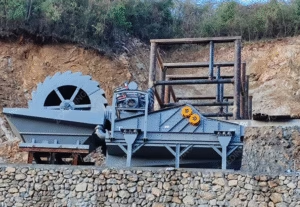
Boost the output with these sand washing plant operation tips. Learn best practices for feed control, water management, and preventative maintenance.
View details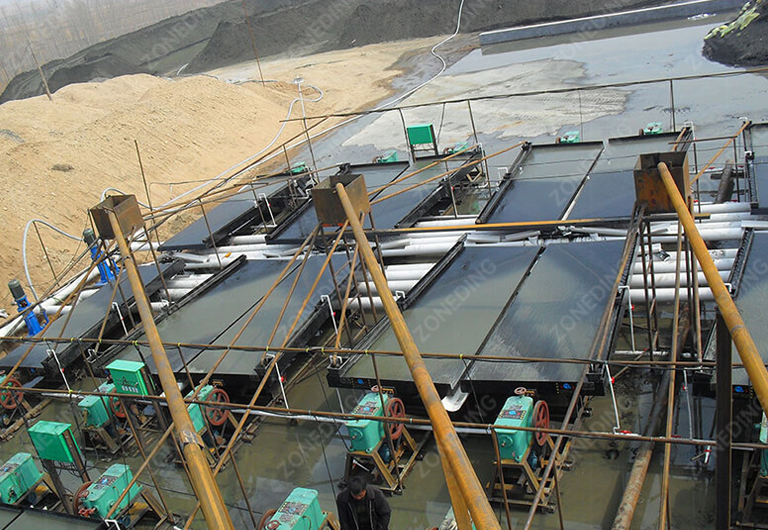
Comparing gold shaking table types? We analyze the best equipment based on capacity, recovery precision, and cost to help you make the right investment.
View details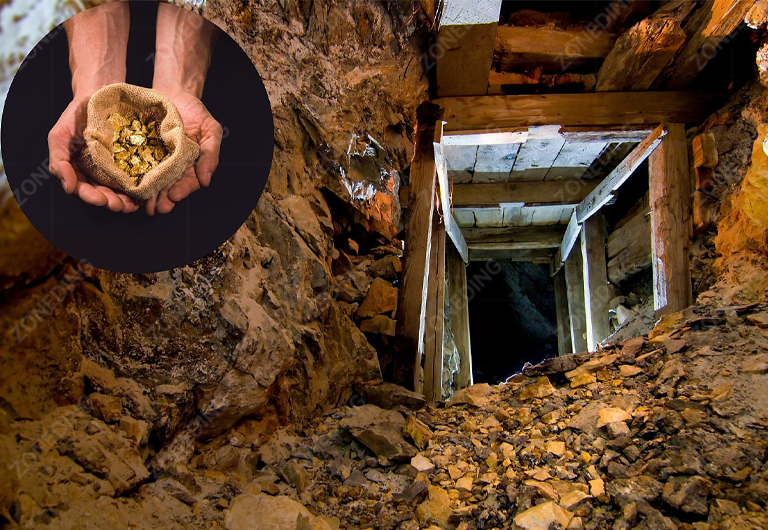
Master the complexities of gold extraction. From large-scale open-pit operations to deep underground mining, discover best methods to maximize gold recovery.
View details
Get answer to the questions about coarse material washing, including equipment selection, maintenance tips, and troubleshooting advice from our team of experts.
View details