 Zoneding Mining

Site Search
Search products, equipment and solution articles
整站搜索产品中心新闻中心
点击开始搜索
热门搜索
UltraForm-MXFlexiPoly-RNanoForm Z300EcoFab P200
Search products, equipment and solution articles
You want to extract valuable metals from raw rock. You must choose the right processing method to make a profit. Mine owners often struggle to decide between gravity separation vs flotation. Gravity separation uses water and weight differences to catch heavy metals. Flotation uses chemical bubbles to float valuable minerals to the top. We design complete mineral processing lines for both methods. This guide helps you choose the perfect system based on your specific ore type, budget, and particle size.
Last Updated: May 2026 | Estimated Reading Time: 18 Minutes
Gravity separation is a physical process that uses natural weight differences to separate heavy minerals from light waste dirt. You mix crushed rock with flowing water. Heavy metals sink to the bottom quickly. Lighter waste rocks wash away.
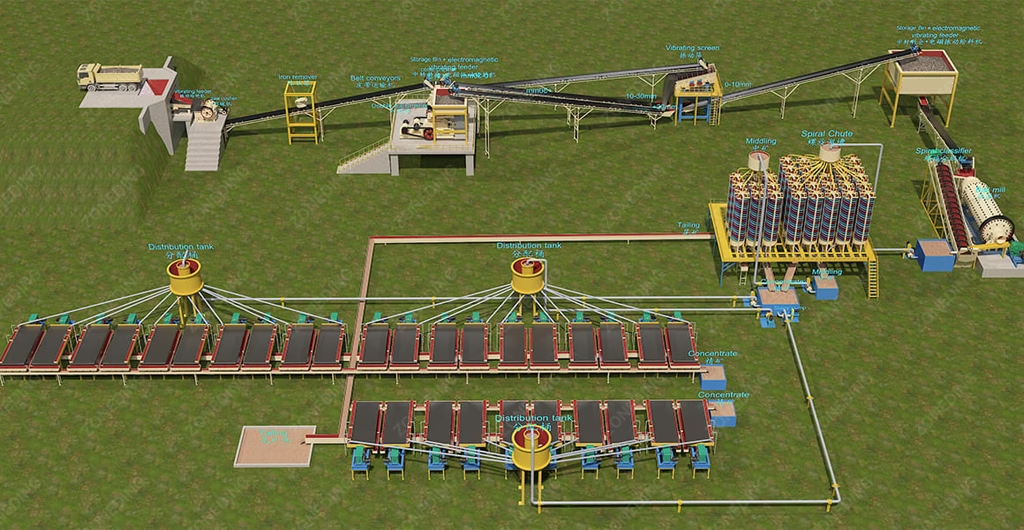
This method requires zero toxic chemicals. It costs very little to operate. It works perfectly for heavy minerals like free gold, tin, and tungsten. You must crush the rocks first to release the metal.
ZONEDING builds heavy-duty shaking tables and spiral chutes to catch these liberated metals. Our gravity machines handle coarse particles very well. A standard shaking table captures particles as small as 0.1 millimeters. You save massive amounts of money on processing chemicals. Your mining site stays completely clean and environmentally safe. Many governments prefer this green extraction method today.
You need different machines for different rock sizes. Water speed controls the separation process entirely. We match the exact machine to your crushed rock size. This guarantees maximum metal capture.
| Equipment Type | Best Particle Size | Water Action | Your Practical Benefit |
|---|---|---|---|
| Jig Machine | 2mm to 30mm | Upward water pulsing | Catches large heavy nuggets early |
| Spiral Chute | 0.1mm to 3mm | Circular downward flow | Processes large volumes of dirt cheaply |
| Shaking Table | 0.03mm to 2mm | Shaking flat surface | Produces highly pure metal concentrates |
Flotation separation uses chemical bubbles inside a water tank to lift fine metal particles to the surface. You grind the ore into a microscopic powder first. You add specific oils and chemicals into the water.
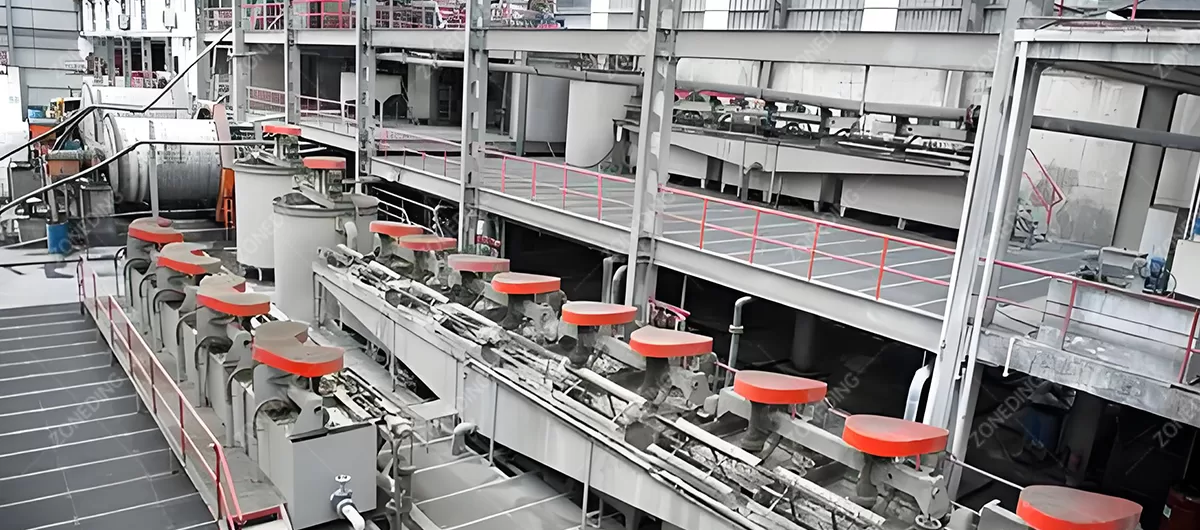
These chemicals make the valuable metal repel water. The metal attaches to air bubbles. The bubbles float up to form a rich metallic froth. Rotating scraper blades push this valuable froth out of the machine. The worthless rock stays wet and sinks to the bottom. This method works perfectly for sulfide ores like copper, zinc, and lead. It also captures microscopic gold dust that gravity machines lose.
ZONEDING manufactures advanced mechanical Mineral Processing Equipment including massive flotation cells. Our machines inject perfect air volumes to create strong, stable bubbles. You get a highly concentrated metal product.
The main difference is that gravity uses physical weight, while flotation uses chemical reactions to separate minerals.
Gravity works best for large, heavy particles. Flotation works best for tiny, lightweight powder.You pay much less to set up a gravity plant. The machines are simple metal and rubber structures. Flotation plants require complex air pumps, chemical mixers, and strict water control. You must spend money on chemicals every single day. Gravity separation struggles with microscopic metal dust. The dust simply floats away in the water.
Flotation catches that invisible dust easily. We often combine both methods in one processing plant. You can use a gravity machine first to catch the large gold nuggets. You then send the leftover fine powder to a flotation machine. This combined setup maximizes your total profit.
Particle size is the most important physical factor in mineral processing. If the rock is too large, the metal stays trapped inside. You must break the rock open completely.
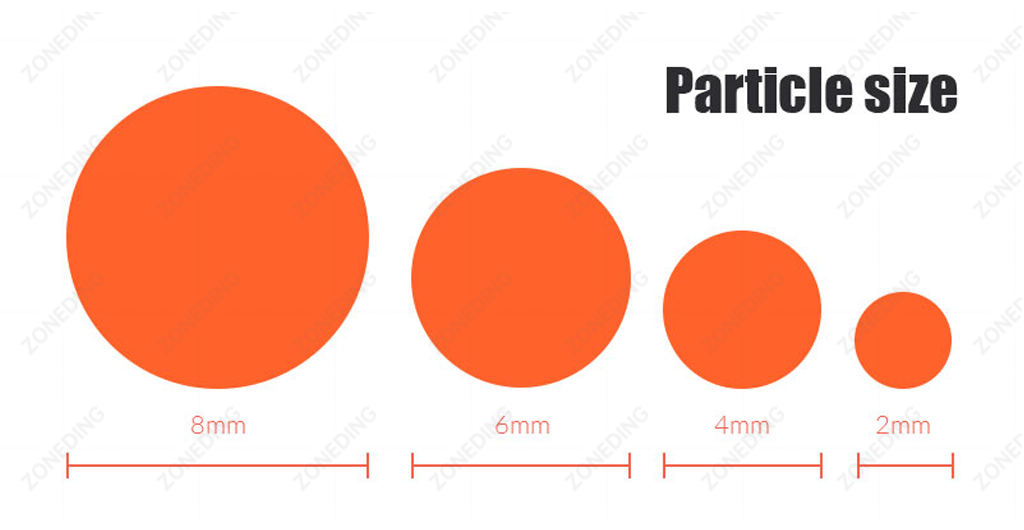
You must use a powerful grinding Ball Mill to turn the rock into smaller pieces. Gravity machines work perfectly for particles between 2 millimeters and 0.1 millimeters. The water pushes the light sand away easily at this size. If you grind the rock smaller than 0.1 millimeters, gravity machines fail. The tiny metal dust simply floats on top of the moving water. It washes away into the waste pile. You must use flotation for these microscopic particles. The chemical bubbles catch particles as small as 0.01 millimeters.
ZONEDING engineers always test your rock to find the perfect grinding size. We balance grinding costs against metal recovery rates to maximize your daily profit.
You must analyze your specific ore chemistry to make the right equipment choice. You cannot guess which method works best. You must test your raw rocks in a laboratory first.
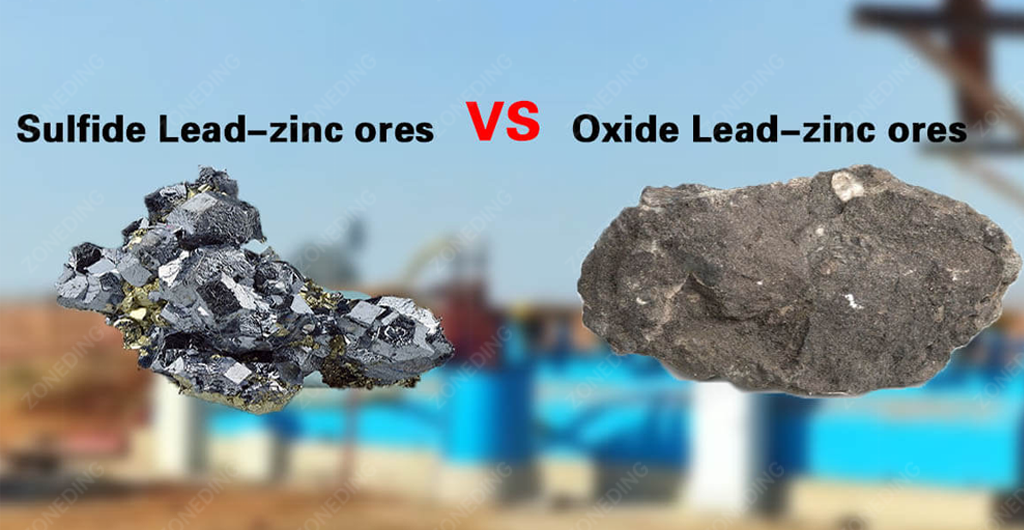
Look closely at your ore composition. Oxide ores usually require gravity separation. These minerals do not react well with flotation bubbles. Sulfide ores almost always require chemical flotation. The sulfur bonds attach to chemical bubbles perfectly. Consider your local environmental laws carefully. Some countries ban flotation chemicals entirely near public water sources. In those places, you must build a highly efficient gravity plant.
ZONEDING engineers analyze your laboratory rock test results carefully. We design the exact machinery flow you need. We ensure you do not buy unnecessary machines.
Gravity machines cost less to buy and run, while flotation requires a larger daily budget. Gravity equipment like shaking tables uses cheap rubber and steel. You only pay for electricity and water. Flotation cells require expensive chemical reagents every single day.
You must calculate your long-term budget carefully. A gravity plant requires a smaller initial investment. The machines are mechanically simple. A flotation plant needs complex air blowers, chemical mixing tanks, and precise pumps. This raises your setup cost significantly. Flotation also demands constant daily chemical purchases. However, if flotation captures 20% more pure copper from your rock, the extra chemical cost pays for itself quickly.
ZONEDING engineers help you calculate these exact costs. We provide a detailed profit analysis before you buy your equipment. We ensure your chosen method actually makes money for your specific mine.
Combining both methods catches heavy nuggets early and microscopic dust later. You maximize your total metal recovery. Large gold particles often sink too fast in a flotation tank. They break the chemical bubbles and wash away.
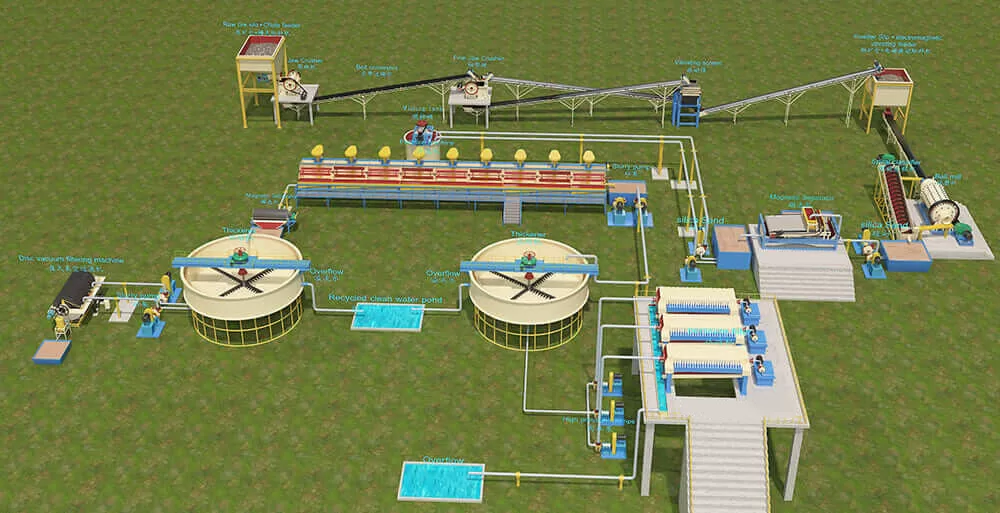
You do not have to choose just one method. The most profitable modern mines use a hybrid system.
ZONEDING designs complete custom processing lines that link these two methods perfectly. We match the exact water flow and pipe sizes so the gravity machines feed the flotation cells automatically.
Gravity equipment is much easier to maintain because it lacks complex moving parts and harsh chemicals. A shaking table only requires basic grease for the motor and occasional deck cleaning. Flotation machines require constant mechanical adjustments.
Your local workers can operate a gravity plant with very little training. They just watch the water speed and the metal separation line. If something breaks, a local mechanic can weld the steel frame easily. Flotation requires highly skilled operators. They must measure water acidity and adjust chemical drops perfectly every hour. The chemicals also eat away at the metal pipes over time. You must replace the rubber wear parts inside the flotation cells regularly. We build ZONEDING flotation machines using thick, acid-resistant polyurethane parts to extend their working life. We also provide complete operator training for both systems.
You must select a factory that builds complete production lines and offers direct technical support. Do not buy cheap, unverified machines from middlemen. A broken machine stops your entire mining income.
Check the manufacturing capabilities of the supplier first. A flotation tank requires precise robotic welding to prevent chemical leaks. Check if they build heavy-duty rock crushers too. You need a powerful Jaw Crusher to prepare the rocks before any separation happens.
ZONEDING manufactures every single machine in your processing line. We guarantee all parts connect properly. We test the complete system before shipping it to your mine. Buying factory-direct saves you thousands of dollars in hidden trading fees. Our specialized engineers visit your site to install the equipment. We train your local workers to operate the machines safely.
Mining operations now use smart sensors and hybrid systems to increase metal capture and reduce chemical waste. Technology is changing how we extract metals rapidly.
ZONEDING monitors these global trends closely. Water scarcity affects many mining regions today. We design our modern washing systems to recycle 85% of their water automatically. We build smart control panels that let your operator monitor the entire plant from one screen. This modern approach keeps your mining site fully compliant with new environmental laws while protecting your daily profit margins.
You now understand the main differences between gravity separation and flotation. Gravity uses natural weight and water to catch coarse heavy metals cheaply. Flotation uses chemical bubbles to capture microscopic sulfide powders efficiently. You must test your rocks first to know the exact particle size and ore chemistry.
Next Step: Stop guessing how to process your ore. Send us a sample of your rock today. Our engineers will test it and design the perfect custom processing line to maximize your metal recovery.
Last Updated: May 2026
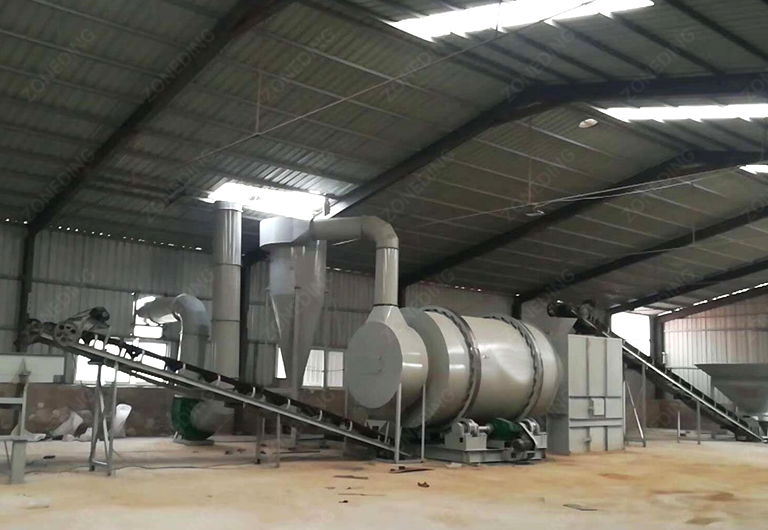
Our ultimate guide to drying sand covers everything from equipment selection to final drying process. Learn how to achieve 0.5% moisture with high efficiency.
View details
Beyond jewelry, what is gold used for? Discover wide range of gold uses in modern electronics, dentistry, aerospace, and as a global financial standard.
View details
Learn what makes copper most useful metals. We learn its properties—conductivity, malleability, corrosion resistance—and the essential applications they enable.
View details
Explore full kyanite processing plant flowsheet, including crushing, grinding, flotation, and magnetic separation to achieve high-purity kyanite concentrate.
View details