 Zoneding Mining

Site Search
Search products, equipment and solution articles
整站搜索产品中心新闻中心
点击开始搜索
热门搜索
UltraForm-MXFlexiPoly-RNanoForm Z300EcoFab P200
Search products, equipment and solution articles
You want to start capturing pure gold from river dirt today. To do this successfully, you must understand what a sluice box is and how it recovers gold. A sluice box is a long metal channel that uses flowing water to trap heavy gold particles. It remains the most reliable and cost-effective tool for processing loose river sand, known as alluvial deposits. Selecting a well-built metal channel ensures you do not wash your valuable metal away. We design massive industrial sluice systems that process hundreds of tons of raw dirt every hour. This complete beginner’s guide explains the mechanical components, prices, applications, and exact steps to operate this equipment profitably.
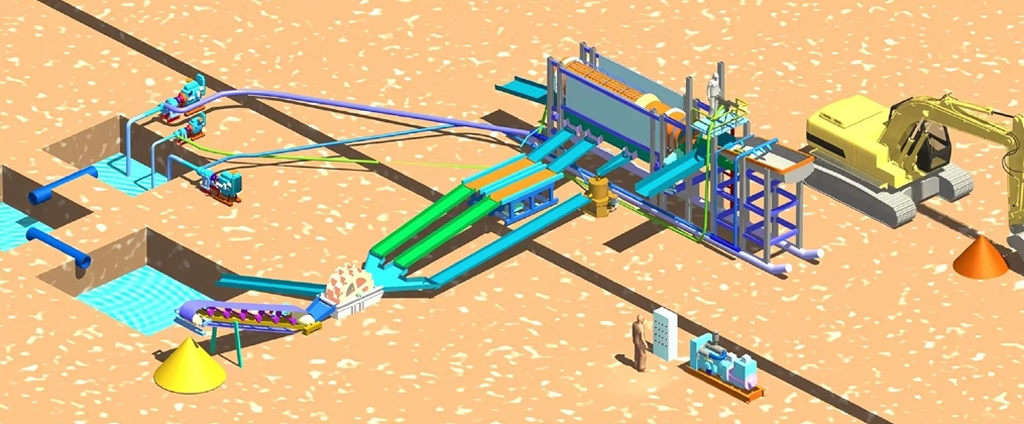
Last Updated: May 2026 | Estimated Reading Time: 18 Minutes
An industrial sluice box is a heavy steel trough designed to separate heavy metals from light waste dirt using constant water flow. You pump a mixture of muddy water and river rocks into the top end. The water washes the material down the long metal path automatically.
The basic science behind this machine relies entirely on specific gravity. Pure gold is incredibly heavy. It weighs roughly 19 times more than an equal amount of water. Normal river sand and quartz rocks only weigh about three times more than water. Because of this massive weight difference, gold drops to the bottom of moving water very quickly. The sluice box creates a controlled water environment to force this exact dropping action. We build our high-capacity channels at
ZONEDING using thick, wear-resistant steel plates. Industrial mining companies use our massive sluice systems instead of tiny plastic hobby boxes. Our commercial systems connect directly to large washing screens to process entire riverbeds efficiently. When you use a properly angled heavy-duty channel, the rushing water pushes the worthless light sand out the back. The heavy gold particles stay trapped safely inside the machine.
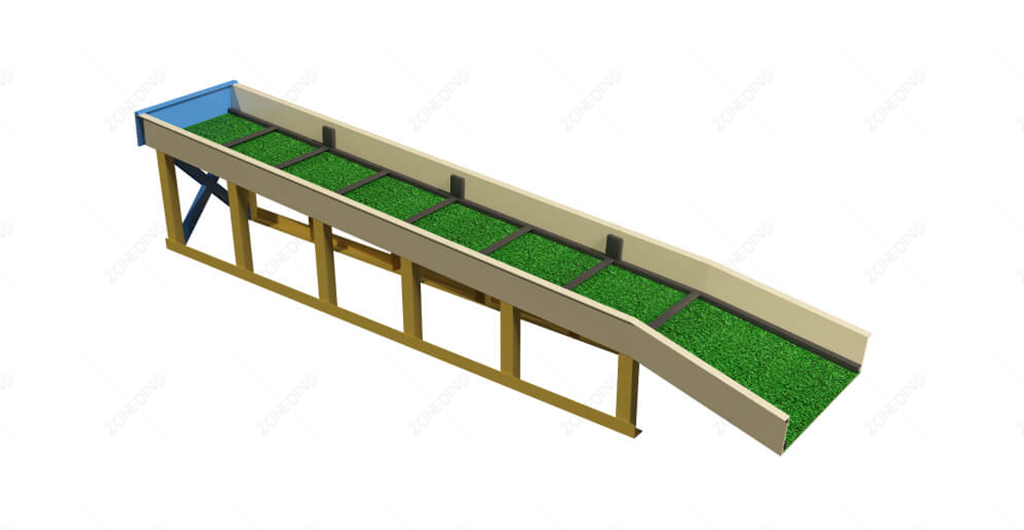
A professional sluice box contains a metal frame, heavy-duty riffles, and special catching mats. You must understand how these three main parts work together to stop gold from escaping. Each part plays a specific role in breaking down mud and trapping fine metal.
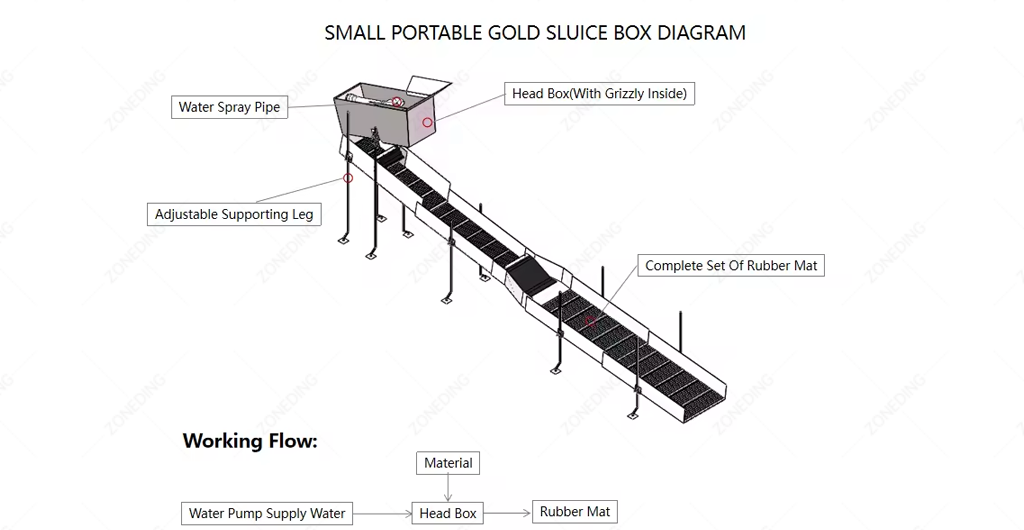
The main body is simply a long metal box with an open top and straight high walls. The high walls stop the fast-moving water from spilling over the sides during operation. Inside this metal box, we install the gold-catching system. The top layer consists of steel riffles, which look like small metal stairs or ladders. Below these steel riffles, we place a layer of expanded metal mesh. Finally, at the very bottom, we lay down a thick carpet called miner’s moss.
ZONEDING engineers design every single component to fit together tightly without any gaps. If your internal components have loose gaps, the heavy gold will simply slide underneath the mats and wash away forever. We use quick-release metal clamps to hold all these layers down securely. This smart clamping system allows your workers to remove the parts rapidly during the daily clean-up phase.
You cannot catch small gold dust with a flat piece of metal. You need physical barriers in the water path. Riffles are raised metal bumps placed across the bottom of the channel. When fast water hits a riffle, it creates a small circular whirlpool behind the bump. This spinning water drops the heavy gold straight down into the carpet while pushing the light sand up and over.
| Riffle Type | Physical Shape | Best Material to Catch | Your Practical Action |
|---|---|---|---|
| Hungarian Riffle | Angled metal lip | Fine and coarse gold | Use for fast water flow |
| Angle Iron | Straight metal bump | Large heavy nuggets | Use for rough unwashed gravel |
| Expanded Metal | Diamond shaped grid | Microscopic gold dust | Place over miner’s moss carpet |
The recovery process requires mixing raw dirt with water, flowing it over barriers, and washing away the light waste. You must maintain a steady, continuous operation to succeed. Stopping and starting the water flow ruins your daily metal capture rate.
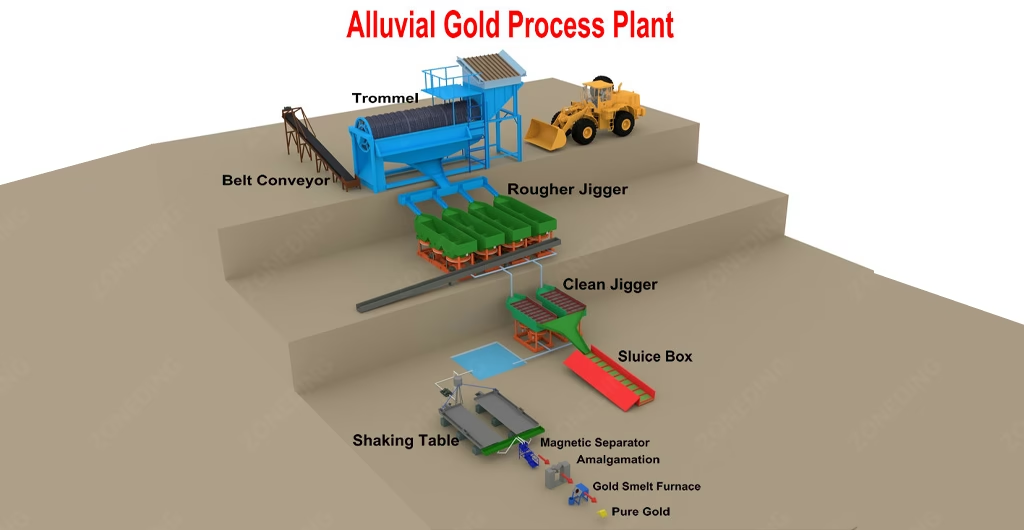
ZONEDING designs complete Mineral Processing Equipment lines that handle this entire feeding and washing process automatically. You do not need to shovel dirt manually. Our heavy-duty pumps provide the perfect volume of water required to keep the steel channel running perfectly all day.
You must stop the water flow entirely to remove your trapped gold from the bottom mats. This vital step is called the clean-up phase. You collect the rich black sand from the carpets and process it further to get pure gold.
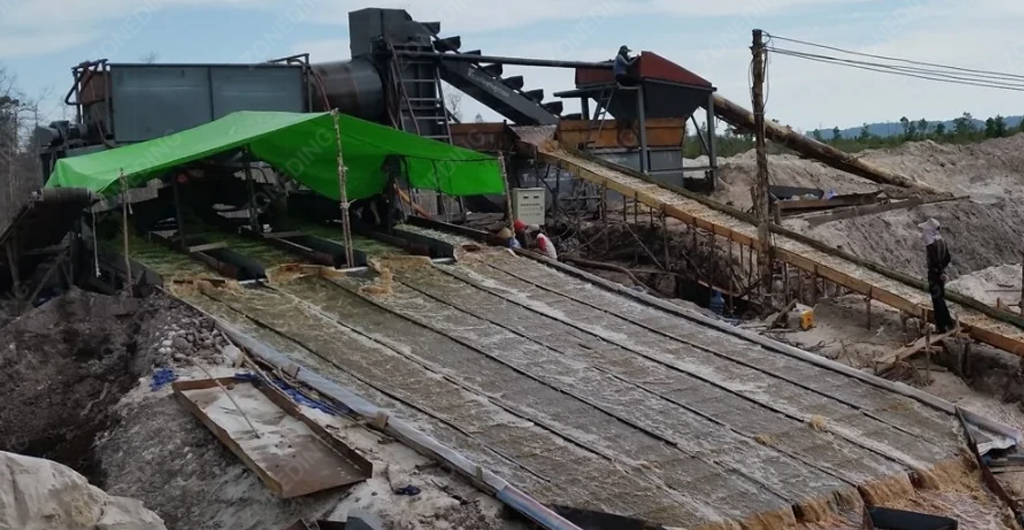
If you run your channel for too many days without stopping, the carpets become completely full of heavy black iron sand. Once the carpets are full, any new gold simply washes over the top and is lost forever. You should perform a clean-up every single day.
ZONEDING builds smart modular boxes that make this clean-up process incredibly fast. Your workers can strip, clean, and reassemble our commercial units in less than 20 minutes.
You use an industrial sluice box primarily for alluvial river mining, placer gold deposits, and old mine tailing recovery. These environments contain loose sand, dirt, and gravel instead of solid hard rocks. The channel washes this loose dirt quickly to separate heavy metals from light mud.
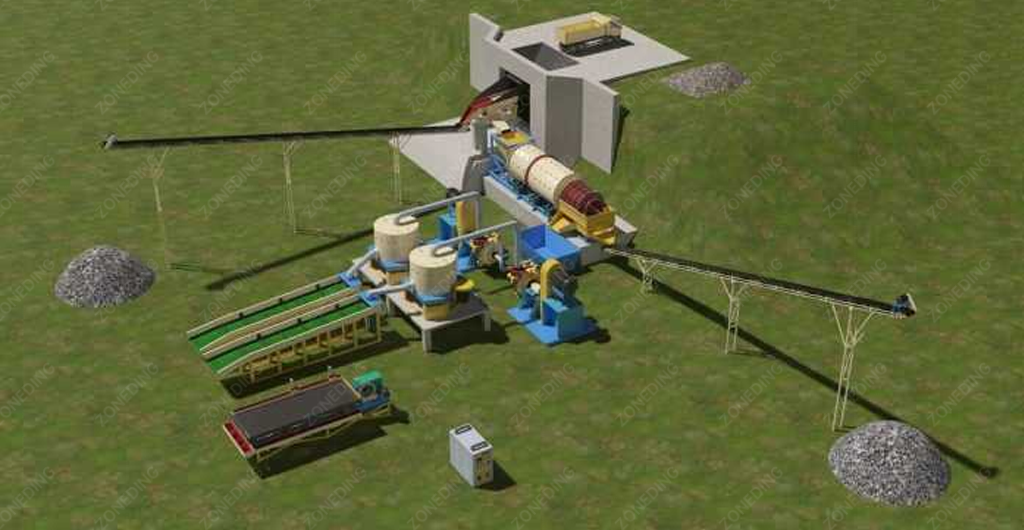
It handles massive volumes of wet river dirt efficiently. It is the perfect tool for extracting gold from active riverbeds, dry desert washes, and previously mined waste dumps. You cannot use this equipment for hard underground quartz mining directly. You must use it where nature has already broken the rocks into sand. Many contractors use our systems to clean up old river mining sites. Older machines often left fine gold behind. You can re-wash this old dirt to make a new profit.
ZONEDING customizes these metal channels to fit your specific mining environment perfectly. We build portable units for remote jungle rivers and massive stationary units for large desert operations. Because the system requires no chemicals, you can use it safely in environmentally sensitive areas. This flexibility makes our commercial channels incredibly valuable for any surface mining project.
The price of a commercial sluice box ranges from $500 to over $50,000 depending on size, capacity, and automation. A small, portable metal channel costs very little. A massive, complete river washing plant with pumps and trommel screens requires a larger investment.
The total cost directly reflects the tons of dirt the machine can process every single hour. Buying heavier steel increases the initial price but stops expensive breakdowns later. You must calculate the exact amount of river dirt you want to process daily. A high-capacity system costs more upfront but generates daily profit much faster. Trading companies often hide extra fees in their prices.
As a direct manufacturer, ZONEDING eliminates these hidden costs entirely. We offer highly competitive factory-direct pricing to our B2B clients globally. When you ask us for a quote, we do not just sell a metal box. Our 15 professional engineers design a complete washing system tailored to your specific budget and metal recovery goals. This means you only pay for exactly what you need. A well-built, correctly priced machine pays for itself in just a few weeks of active river mining.
Choosing the right equipment builder determines how long your river mining operation will survive. Cheap plastic or thin sheet metal will bend and break under the massive weight of continuous water and rocks.
You must look closely at the manufacturing quality of the equipment frame. A commercial sluice carries tons of heavy water and abrasive gravel every single minute. Inspect the thickness of the steel plates used for the main walls. Thin walls will warp under hot sun and heavy loads, creating gaps where gold will escape. Second, you must verify the welding quality. Look for a factory that uses automated robotic welding to ensure perfectly sealed joints. Third, focus on direct manufacturer relationships.
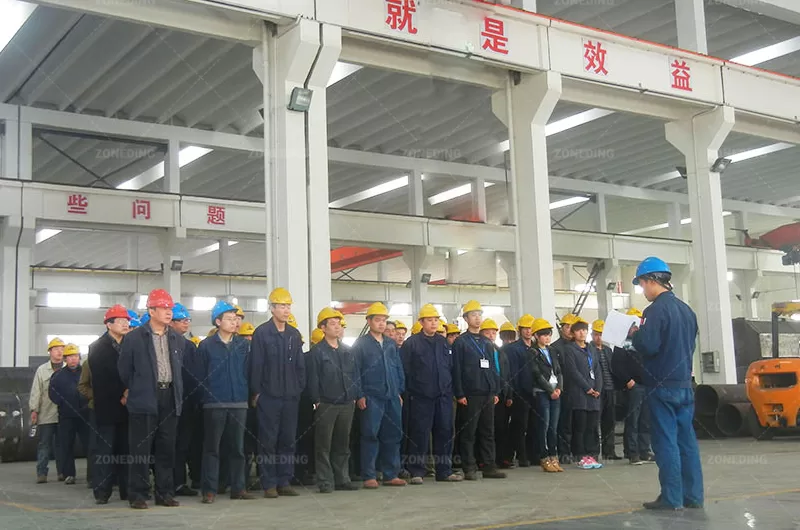
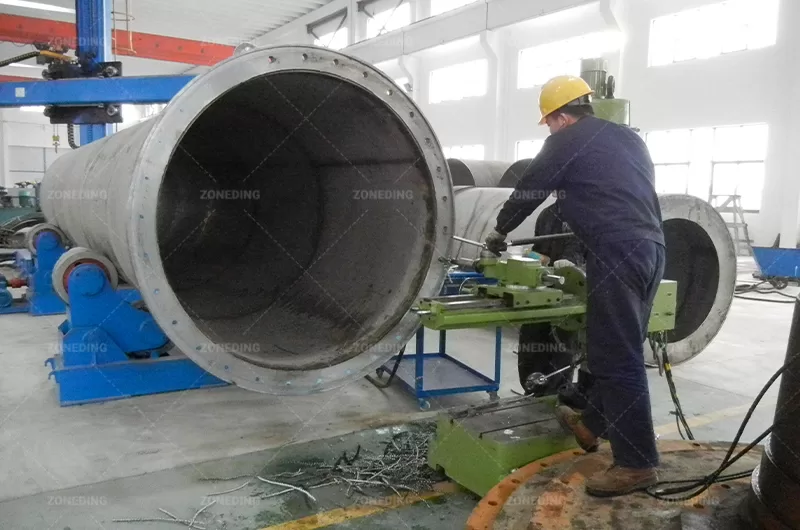
When you buy directly from a major factory like ZONEDING, you avoid paying massive fees to trading companies. You also gain direct technical support from the engineers who actually built your machine. Finally, check if the supplier provides the full processing line. Sometimes you discover solid quartz rocks mixed in your river gravel. You might eventually need a tough Jaw Crusher to break those hard rocks open. Buying all your machinery from one trusted factory ensures everything connects and works together smoothly.
The placer mining industry is rapidly adopting advanced synthetic materials to improve daily metal capture. The primary goal for 2026 is catching microscopic gold dust that older systems always lost.
Governments worldwide are implementing strict environmental rules for river mining. You can no longer dump dirty, chemical-filled mud back into local streams. Sluice boxes remain extremely popular because they require zero toxic chemicals to operate. They only use pure gravity and natural water flow to capture pure metal. The global market heavily favors this 100% green extraction method today.
ZONEDING responds to this market demand by building highly efficient, chemical-free gravity separation systems. We design our equipment to capture more metal using less fresh water. This green approach keeps your mining site fully compliant with new local laws while protecting your daily profit margins.
You now understand exactly what a sluice box is and how it recovers gold efficiently. It is a powerful metal channel that uses specific gravity and rushing water to trap heavy metals. You must use strong metal riffles and deep carpets to capture the microscopic particles. Remember to screen out large rocks first and maintain a perfectly steady water flow across your carpets.
Next Step: Stop wasting time with tiny hobby equipment. Upgrade to a high-capacity commercial washing plant today. Contact our technical team with your daily tonnage goals. We will design a complete, custom gravity separation system that maximizes your pure gold recovery immediately.
Last Updated: May 2026
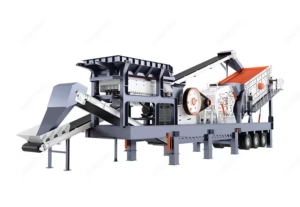
Find all the answers to your mobile crushing plant questions in our comprehensive FAQ guide. Learn about types, applications, maintenance and more!
View details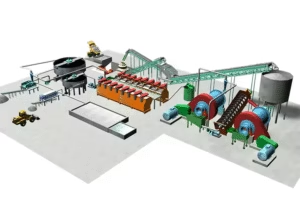
What is silver ore? Where is it found? How is it mined? This guide will answer with details on types, applications, deposits, and how to process it. Read Now!
View details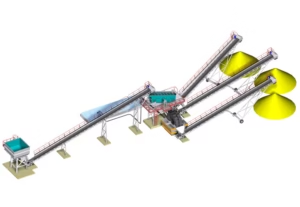
Learn sand washing process. Understand how sand washers, dewatering screens, & other machinery work together to achieve sand cleaning and classification.
View details
This article details extraction methods, pre-treatment strategies, and best practices to process refractory oxidized gold ore and improve gold yield.
View details