 Zoneding Mining

Site Search
Search products, equipment and solution articles
整站搜索产品中心新闻中心
点击开始搜索
热门搜索
UltraForm-MXFlexiPoly-RNanoForm Z300EcoFab P200
Search products, equipment and solution articles
A high-efficiency Stone Crushing Plant is a complex system of machinery designed to reduce large rocks into usable aggregate, sand, or gravel. The process involves a series of stages including feeding, crushing, screening, and transport. Each stage requires specific equipment like primary crushers, vibrating screens, and conveyor systems to ensure a smooth flow of material. Modern quarrying operations in 2026 focus on maximizing throughput while minimizing energy consumption and downtime. Selecting the right combination of machines allows a quarry operator to produce high-quality materials for road construction and building.
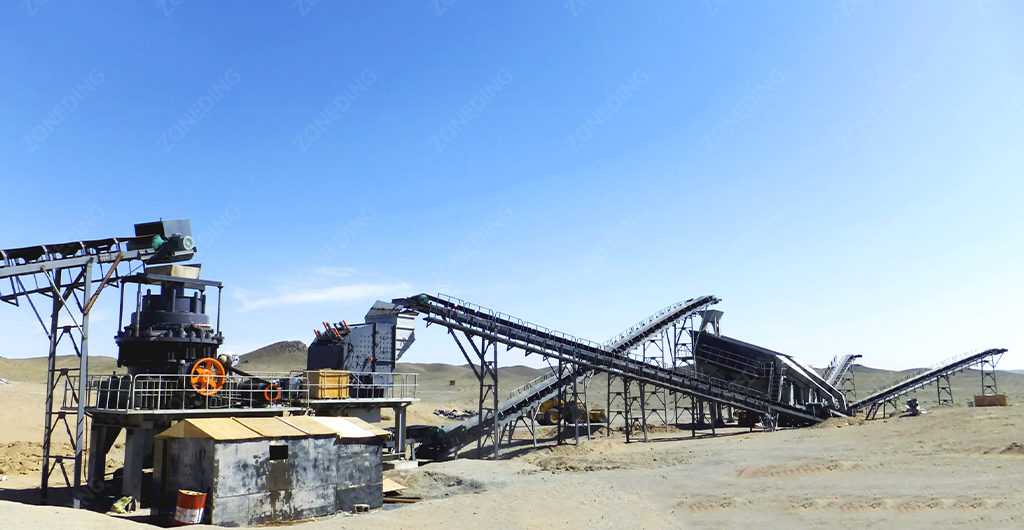
ZONEDING provides complete, customized solutions for all types of stone crushing requirements. Whether the project involves hard granite, abrasive basalt, or soft limestone, the engineering team designs a flowsheet that maximizes liberation. This guide explores the essential equipment needed in high-efficiency stone crushing plants, highlighting the technical roles of every machine from the primary intake to the final stockpile. Every machine in the sequence must be balanced to prevent bottlenecks and ensure a profitable production line.
Last Updated: March 2026 | Estimated Reading Time: 25 Minutes
The Jaw Crusher is the standard primary crusher for rock in almost every quarry. Its main job is to take large, raw boulders from the mining face and reduce them to a manageable size. A primary crusher must be robust because it faces the highest impact and the largest material sizes. High-efficiency plants use a primary jaw crusher to achieve a high reduction ratio, typically turning 500mm-1000mm boulders into 100mm-200mm fragments. Without a strong primary stage, the secondary and tertiary crushers would be overwhelmed or damaged by oversized feed.
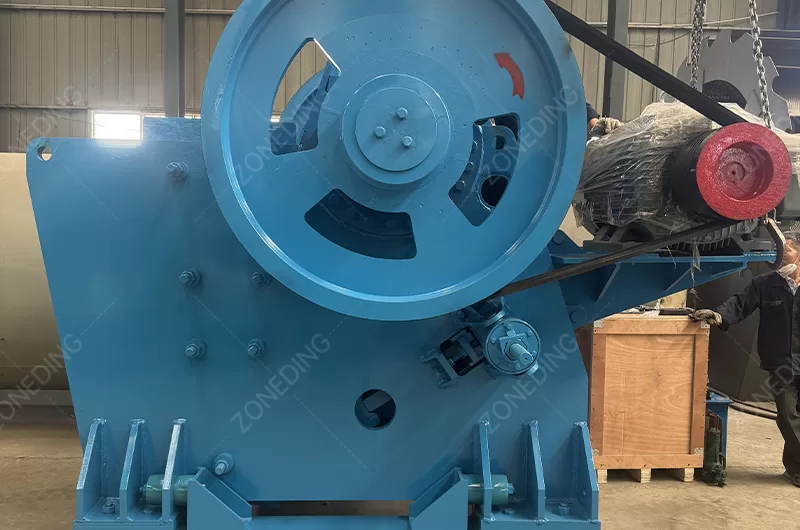
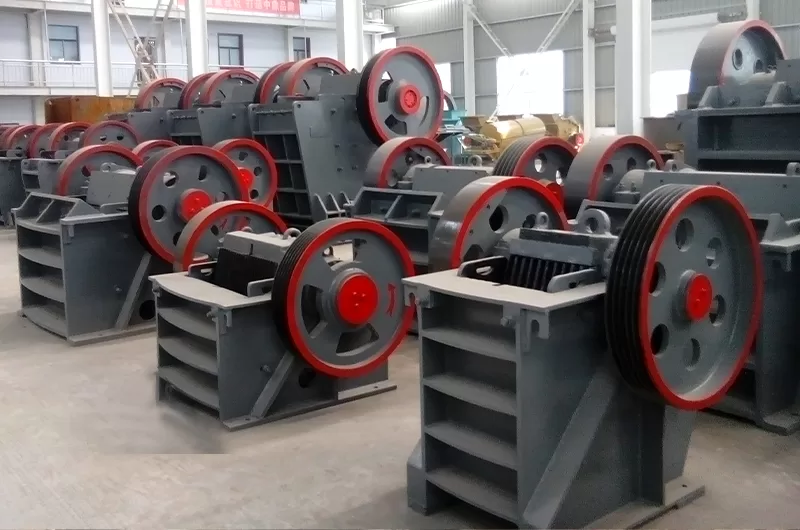
ZONEDING designs jaw crushers with deep crushing chambers and high-manganese steel jaw plates. This ensures that the machine can handle the toughest materials like granite or iron ore without frequent failures. The toggle plate and eccentric shaft are engineered to provide maximum force at the bottom of the chamber. This design speeds up the movement of material and prevents “bottlenecks” at the start of the production line. A well-chosen primary crusher is the heartbeat of the entire quarry operation.
A primary crusher cannot work alone. It requires a vibrating feeder to ensure a steady, continuous flow of rock. If the rock is simply dumped into the jaw crusher, the machine may stall or experience “bridging” where rocks get stuck. ZONEDING feeders use a “grizzly” section to remove fine dirt and small stones before they enter the crusher. This reduces the load on the jaw crusher and increases the overall life of the wear parts.
Because the primary stage takes the most abuse, maintenance is a major factor. ZONEDING jaw crushers feature a hydraulic adjustment system for the discharge opening. This allows operators to change the output size quickly without manually turning heavy bolts. It also makes it easier to clear the chamber if the power fails while the machine is full. Durable bearings and a reinforced frame ensure that the “Primary Crusher for Rock” stays operational for many years.
| Feature | Specification | Why It Matters |
|---|---|---|
| Eccentric Shaft | Forged Alloy Steel | Prevents breakage under high impact |
| Jaw Plate | High Manganese Alloy | Resists abrasion from hard rocks |
| Adjustment | Hydraulic Wedge | Saves time during size changes |
| Flywheel | Heavy Cast Iron | Provides inertia for tough crushing |
Once the rock leaves the primary stage, it enters the secondary crushing phase. The choice of machine depends entirely on the hardness and abrasiveness of the material. For hard and abrasive rocks like granite and basalt, a Cone Crusher is the best choice. For softer or non-abrasive rocks like limestone, an Impact Crusher provides a better cubic shape. ZONEDING engineers analyze the “Stone Crushing Plant” goals to decide which secondary crusher will provide the lowest cost per ton of produced aggregate.
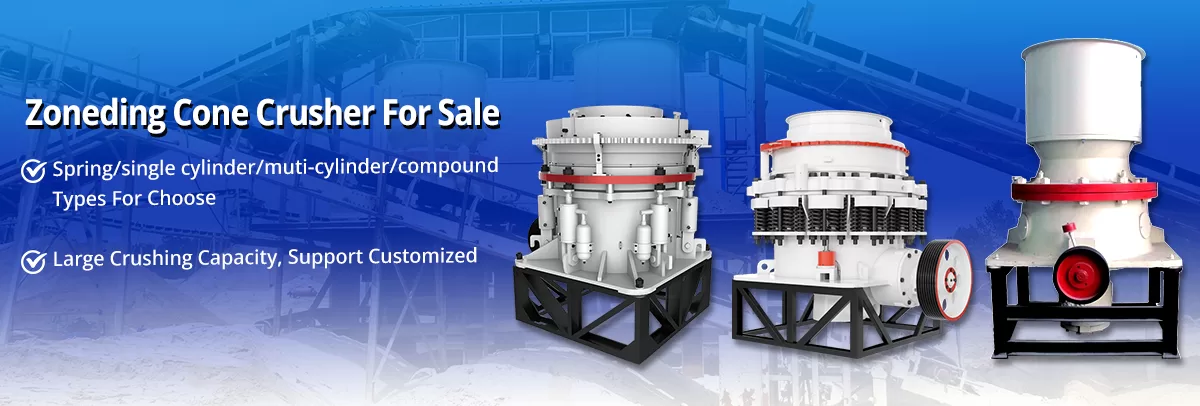
Cone crushers use a compression force to break the material between a moving mantle and a fixed bowl liner. They are highly efficient but have a higher initial cost. Impact crushers use high-speed blow bars to shatter the rock against impact plates. This produces a “cubic” product that is perfect for high-quality concrete. However, if an impact crusher is used on hard granite, the blow bars will wear out in days. ZONEDING provides both options, ensuring the quarry operator gets the right tool for their specific mineral.
ZONEDING multi-cylinder cone crushers offer high automation. These machines can adjust their settings and clear themselves of uncrushable objects using hydraulic cylinders. This is a massive upgrade compared to old-fashioned spring-type machines. It ensures that the fine crushing stage remains consistent throughout the day. Consistent output is vital for meeting strict sizing specifications for “Aggregate production line types.”
If the final project requires “cubic” aggregate (meaning the stones have equal dimensions in all directions), the impact crusher is necessary. In a ZONEDING flowsheet, the impact crusher often acts as the “shaper” in the third stage of a plant. This is especially important for asphalt production where the shape of the stone affects the strength of the road. Understanding the difference between these two machines is the key to quarry profitability.
The crushing machinery only breaks the rock; the Vibrating Screen is what turns it into products for sale. A “High-Efficiency Vibrating Screen” is capable of sorting materials into multiple sizes simultaneously, such as 0-5mm, 5-10mm, and 10-20mm. The screening process in quarrying ensures that every stone meets the size requirement. Anything that is too large is sent back to the crusher in a “closed-circuit” system. Without precise screening, the final aggregate would be low-grade and inconsistent.
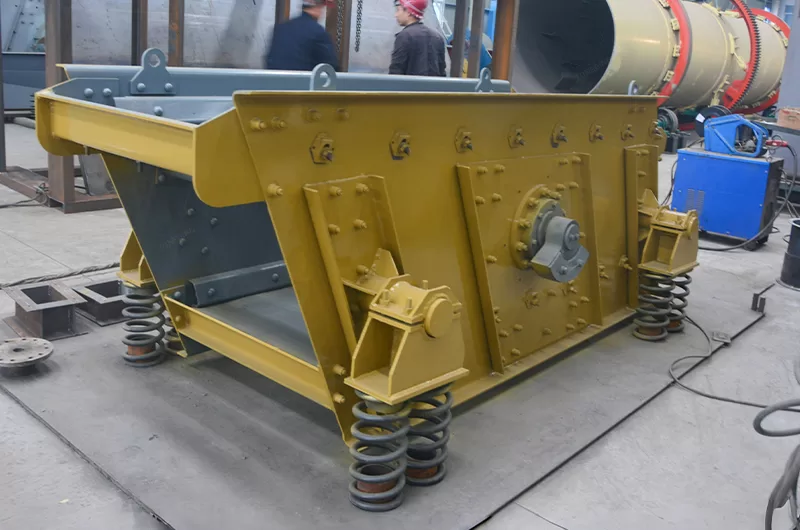
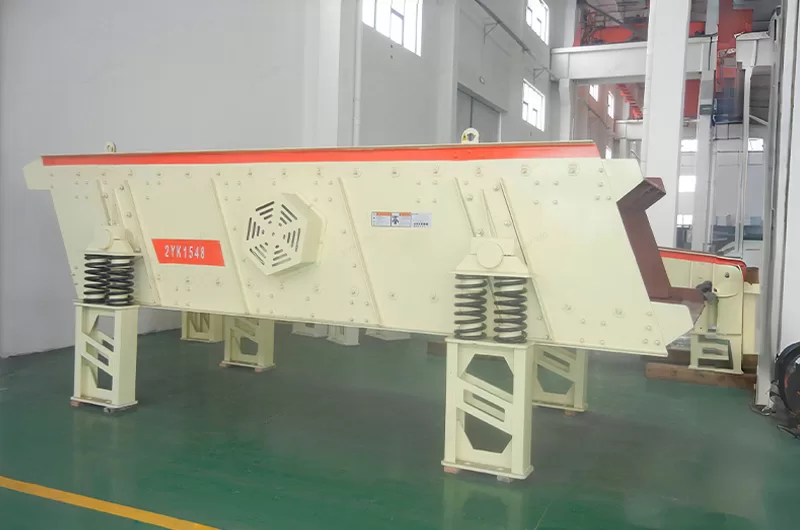
ZONEDING vibrating screens are built with high-quality steel and use a circular vibration motion. This motion ensures that the material stays in the air longer, giving it more chances to fall through the screen mesh. The decks can be fitted with different types of mesh, including polyurethane for long life or high-tensile steel for high throughput. A ZONEDING screen is a critical component for quality control in any “Stone Crushing Plant.”
In a closed-circuit system, the material that does not pass through the top deck of the screen is recirculated back to the secondary or tertiary crusher. This guarantees that 100% of the material eventually reaches the desired size. ZONEDING designs these circuits to be perfectly balanced. The “Stone Crusher Conveyor System” is sized to handle the additional load of the recirculated rock without overflowing. This balance prevents the system from becoming overwhelmed.
Efficiency depends on the angle of the screen and the frequency of the vibration. If the material moves too fast, it won’t be sorted properly. If it moves too slow, it piles up and “blinds” the screen. ZONEDING screens use adjustable eccentric blocks. These allow the operator to fine-tune the vibration force based on the moisture and size of the rock. Flexible operation is essential for maintaining “Industrial stone crusher spare parts” longevity and consistent product quality.
| Screen Type | No. of Decks | Product Sizes | Common Application |
|---|---|---|---|
| Single Deck | 1 | 2 (Over/Under) | Scalping or coarse sorting |
| Double Deck | 2 | 3 | Standard road base production |
| Triple Deck | 3 | 4 | Multi-size concrete aggregate |
| Four Decks | 4 | 5 | Complex industrial sorting |
A “Stone Crusher Conveyor System” is the most overlooked but vital part of the quarry. If a single conveyor belt stops, the entire plant stops. Conveyors move tons of rock every hour between the feeders, crushers, screens, and stockpiles. A high-efficiency conveyor design reduces labor costs and prevents material spills. ZONEDING conveyors use heavy-duty rollers and reinforced belts to handle the weight and sharp edges of crushed stone.

ZONEDING engineers design conveyor layouts that minimize the “drop height” of the stones. Minimizing the drop prevents the rocks from breaking further during transport and reduces dust production. High-quality motors and gearboxes ensure that the belts start smoothly even when fully loaded. The conveyor system connects all independent machines into a single, automated “Stone Crushing Plant.”
The width of the belt must match the capacity of the crusher. If a jaw crusher produces 200 tons per hour, but the belt can only carry 150, the plant will constantly fail. ZONEDING calculates the belt speed and width based on the maximum possible output. Using high-tensile rubber belts prevents tears from sharp granite shards. This reduces the “Industrial stone crusher spare parts” budget over the long term.
Modern conveyors in 2025 often include dust covers and spray systems. These additions prevent fine particles from blowing away into the environment. ZONEDING provides these options to help quarry owners meet “green mining” regulations. By keeping the dust on the belt, the operator also saves more of the “0-5mm sand” product. This product can then be sold for a profit instead of being lost to the wind.
Choosing between a stationary plant and a Mobile Crushing Plant depends on the nature of the project. A stationary plant is better for long-term quarries where the site will not move for many years. A mobile crushing plant is ideal for infrastructure projects where the equipment needs to move with the work. ZONEDING offers both solutions. The “Cost of mobile crushing plant” is higher initially, but it saves thousands in truck transport costs because the crusher sits at the mining face.
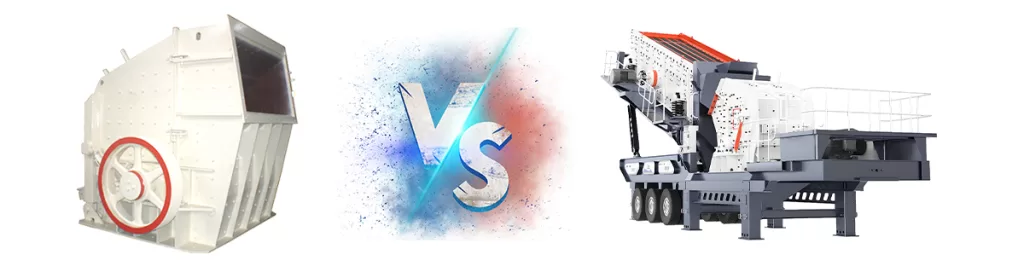
Mobile plants from ZONEDING are mounted on heavy-duty crawler tracks or wheels. They include the feeder, crusher, and screen all on a single chassis. This “one-stop” design allows for rapid deployment. A mobile plant can be operational within hours of arriving at a site. Stationary plants allow for much higher capacities and more complex multi-stage sorting. The decision rests on the expected duration of the quarrying activity.
Mobile units have a high resale value because they are easily moved to a new owner or new country. Many contractors prefer the mobile option because it can be leased out for different projects. ZONEDING mobile stations are designed with modular components. If the “Primary Crusher for Rock” on the mobile unit needs maintenance, it can be accessed easily without dismantling the whole machine.
Stationary plants require concrete foundations and significant electrical infrastructure. ZONEDING provides the full civil engineering designs for these plants. While the setup takes longer, a stationary plant is more stable and often easier to maintain because of the extra space around the machines. Analyzing the “Quarry Equipment List” for both options helps owners make the best financial decision for 2025.
Selecting a supplier for a “Quarry Equipment List” is a long-term partnership. Looking for a manufacturer that provides “Factory Direct” pricing, local technical support, and a complete range of industrial stone crusher spare parts is essential. Buying from a middleman often leads to delays when a new set of jaw plates or a replacement belt is needed. ZONEDING serves as a direct manufacturer, ensuring that the machines bought today will have parts available for decades.
The stone crushing industry is evolving toward smarter, cleaner, and more mobile operations.
Building a “Stone Crushing Plant” requires a careful selection of specialized machinery.
Last Updated: March 2026
Need to know ferrous metals? This guide introduces iron and its common alloys (steel, cast iron), outlining their basic composition and industrial relevance.
View details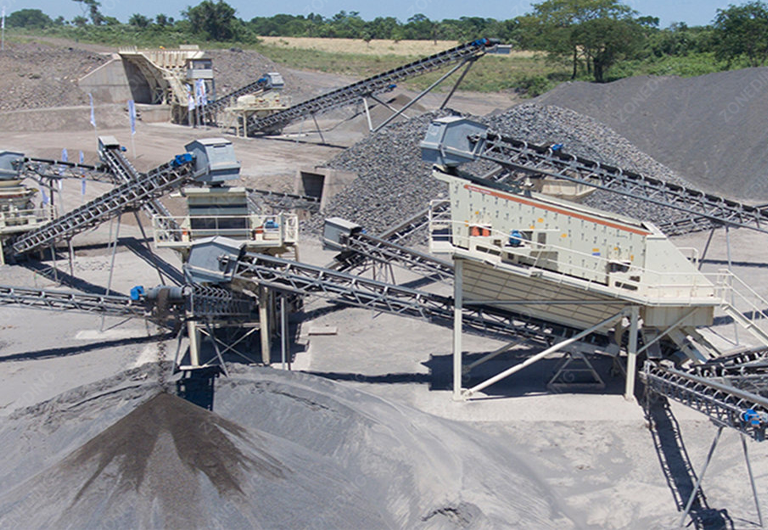
Wondering what a modular crushing plant is? Discover how these pre-engineered, skid-mounted systems offer fast setup and high efficiency for mining.
View details
Discover the gravity separation in mineral processing. Learn how density differences can separate valuable minerals,its basic principles, methods,machines etc..
View details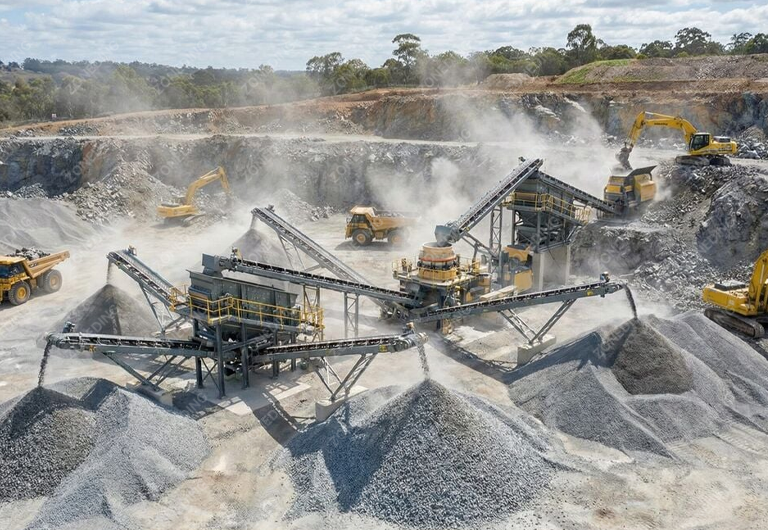
Processing andesite requires durable equipment. Learn about crushing plant setups, from jaw to cone crushers, to ensure high-quality aggregate production.
View details