 Zoneding Mining

Site Search
Search products, equipment and solution articles
整站搜索产品中心新闻中心
点击开始搜索
热门搜索
UltraForm-MXFlexiPoly-RNanoForm Z300EcoFab P200
Search products, equipment and solution articles
Gold mining is not just about finding a gold vein. The real profit is decided in the processing plant. If you use the wrong mining method or inefficient equipment, you leave a huge percentage of your gold in the waste pile. In the industry, we see many miners lose 30% to 50% of their gold because their grinding is too coarse or their separation method is outdated. This is called “recovery loss,” and in a gold mine, it is the most expensive mistake you can make.
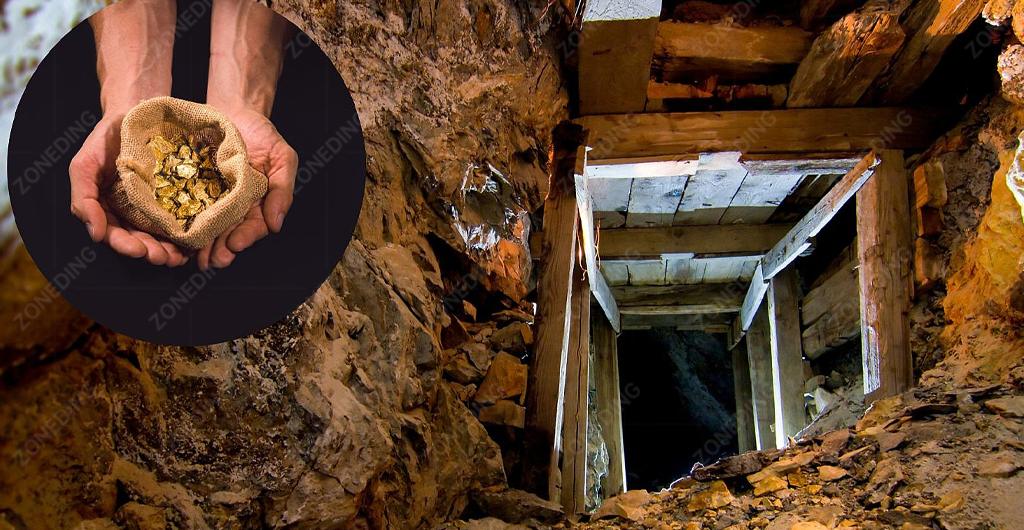
At ZONEDING, we specialize in helping miners bridge the gap between “finding gold” and “recovering gold.” We don’t just sell you a machine; we provide the engineering logic—the “flow sheet”—needed to ensure that every gram of gold is captured. Whether you are dealing with hard-rock quartz or alluvial sands, the goal is the same: maximum liberation and maximum recovery. This guide will walk you through the primary gold mining methods and the exact technical steps you need to take to maximize your return on investment.
Last Updated: May 2026 | Estimated Reading Time: 25 Minutes
Open-pit gold mining is the process of removing massive amounts of surface rock and soil to reach a gold deposit. We use this method when the gold is found near the surface or spread across a large area in lower concentrations. From a business perspective, open-pit mining is about “economies of scale.” Because you can use huge trucks and massive excavators, your cost per ton of rock moved is very low. However, the challenge is the “Stripping Ratio”—the amount of waste rock you must move to get to one ton of gold ore.
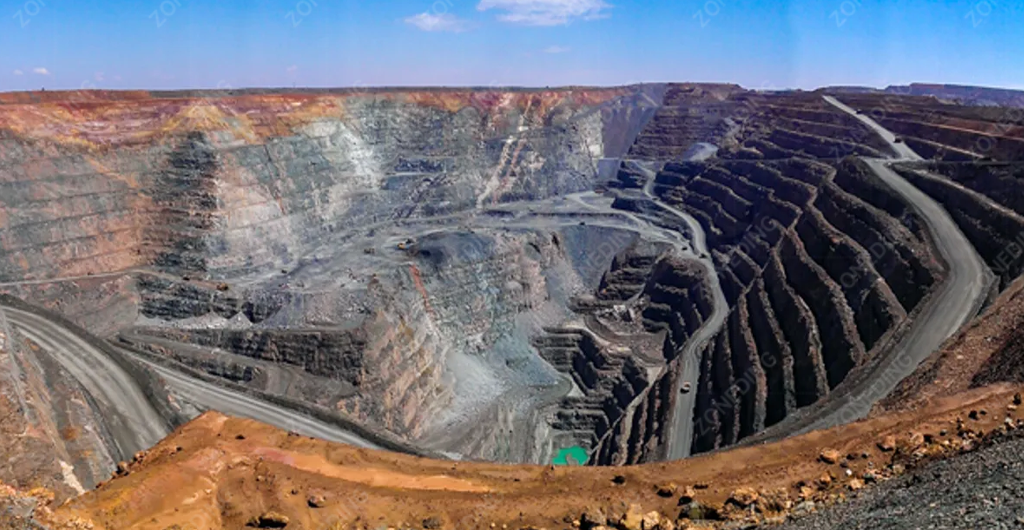
If your stripping ratio is high, your processing plant must be incredibly efficient to stay profitable. You cannot afford any downtime. This is why the primary crushing stage is the heart of an open-pit operation. If your primary crusher jams or wears out too quickly, the entire pit stops. We recommend a high-capacity Jaw Crusher for this stage. But the secret to efficiency here is “pre-screening.” Many operators dump everything into the jaw crusher. This is a mistake. It causes “packing,” where small rocks fill the crushing chamber and stop the big rocks from moving. This wastes electricity and destroys your liners. ZONEDING designs plants with a heavy-duty vibrating screen before the crusher to remove these “natural fines,” increasing your throughput by up to 30%.
| Stage | Technical Goal | ZONEDING Equipment | The “Pain Point” We Solve |
|---|---|---|---|
| Extraction | Maximize TPH | Heavy Excavation | Reducing haulage costs |
| Primary Break | Size Reduction | Jaw Crusher | Preventing “packing” & jams |
| Sizing | Material Flow | Vibrating Screen | Removing fines to save energy |
| Grinding | Gold Liberation | Ball Mill | Achieving the exact micron size |
| Recovery | Maximize Yield | Centrifugal Concentrator | Capturing “fine gold” losses |
Underground gold mining is used when the gold vein is too deep for a pit or is concentrated in a narrow, high-grade “lode.” In this scenario, you are not moving mountains; you are hunting for a “vein.” You dig vertical shafts and horizontal tunnels to follow the gold. This method is more expensive per ton because you have to deal with ventilation, water pumping, and rock stability. But since the ore grade is usually much higher, the profit per ton is significantly better.
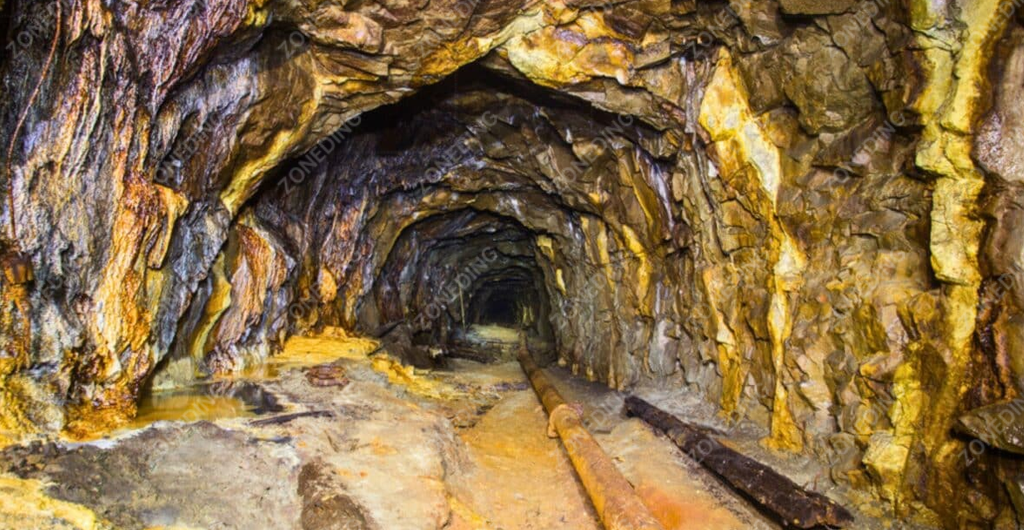
The biggest technical bottleneck in underground mining is logistics. You cannot move 500 tons of waste rock to the surface every hour—it is too expensive. The solution is “Underground Pre-Concentration.” This means you crush and concentrate the ore inside the mine and only send the gold-rich concentrate to the surface. This is where ZONEDING’s modular processing plants are a game-changer. We build compact, high-efficiency modules that fit into tunnel dimensions.
We use specialized Ball Mills designed for high-intensity grinding in a small footprint. By liberating the gold underground, you reduce the mass of material you need to lift up the shaft by 70% to 90%. This drastically cuts your hoisting costs and electricity bills.
| Feature | Open-Pit (Mass Volume) | Underground (High Grade) | Business Impact |
|---|---|---|---|
| Logistics | Huge Trucks / Short Hauls | Shafts / Hoists / Long Hauls | Underground has higher transport costs |
| Ore Grade | Low to Medium | High (Veins) | Underground needs higher grade to be viable |
| Infrastructure | Surface Roads | Ventilation / Safety Systems | Underground has higher fixed OPEX |
| Processing | Centralized Factory | Modular / Decentralized | ZONEDING modular plants save hoisting costs |
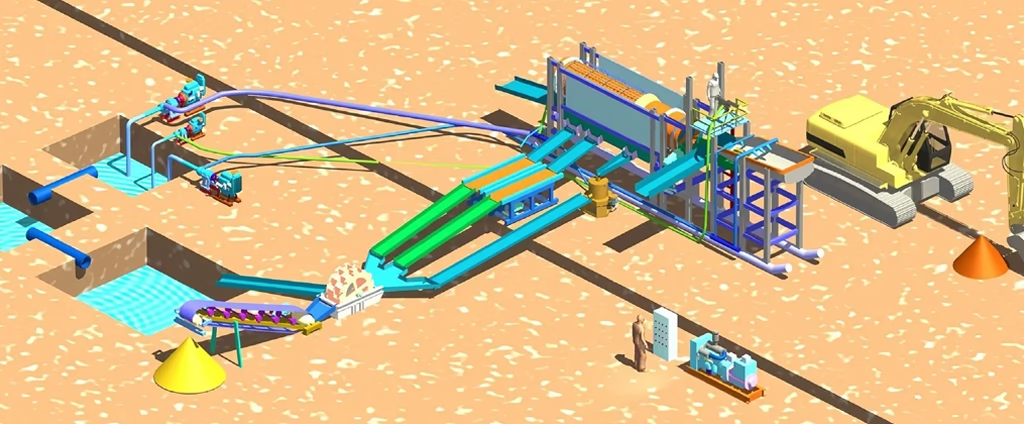
Placer gold mining involves recovering gold from riverbeds, stream banks, and ancient sea beds. In this case, nature has already done the “crushing” for you. Rain and rivers have broken the rock and washed the gold into the sand. This gold is “free,” meaning it is not trapped in quartz. But there is a hidden danger here: Fine Gold Loss.
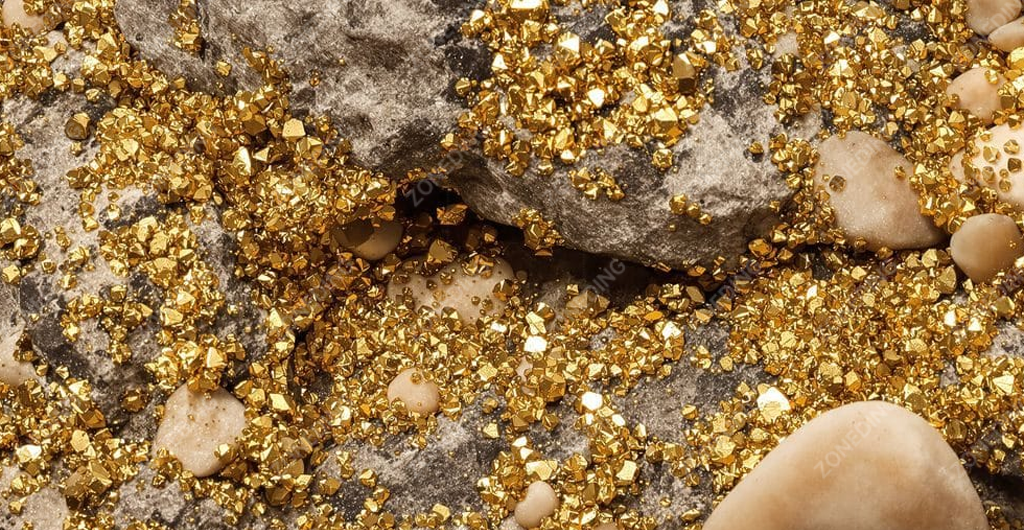
Most placer miners use simple sluice boxes. The problem is that very fine gold (microns in size) does not settle in a sluice; it floats away with the water. If you only use a sluice, you are likely losing 20% to 40% of your total gold. To fix this, you need to use the science of G-Force (Centrifugal Force).
We use centrifugal concentrators that spin the slurry at high speeds. This creates a force many times stronger than gravity. The heavy gold is forced into the walls of the bowl, while the light sand is washed away. ZONEDING’s gravity recovery systems are specifically designed to capture the “micro-gold” that traditional miners ignore. When you combine a centrifugal concentrator with a shaking table for final cleaning, your recovery rate jumps from “average” to “maximum.”
Regardless of the mining method, the most critical step in gold processing is “Liberation.” Liberation is the process of grinding the rock until the gold particles are physically detached from the surrounding quartz or sulfide minerals. If your gold is not liberated, it doesn’t matter how expensive your recovery equipment is—the gold will simply stay trapped in the rock and be thrown away as waste.
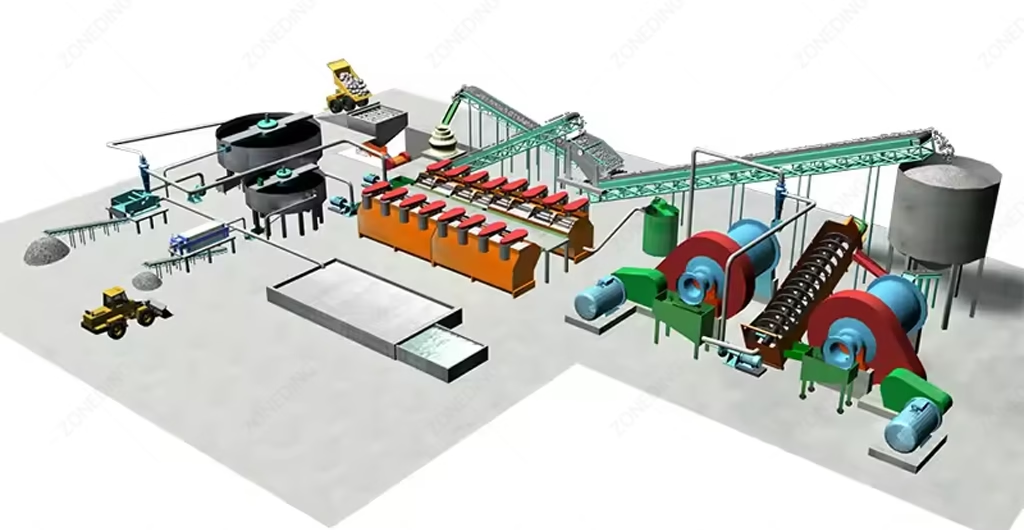
We design ZONEDING processing lines to follow a strict “Liberation Logic” in four stages:
| Method | Target Gold Type | Recovery Rate | Energy Cost | ZONEDING Advantage |
|---|---|---|---|---|
| Gravity | Free/Coarse Gold | 60-80% | Low | High-G force centrifugal bowls |
| Flotation | Sulfide/Fine Gold | 80-90% | Medium | Precision air-bubble control |
| Cyanidation | Refractory Gold | 90-98% | High | Integrated CIL/CIP systems |
Choosing a mining method is a financial calculation, not a guess. You must balance the capital cost (CAPEX) against the expected gold yield. If you spend $5 million on an underground shaft for a vein that is too thin, you will never make your money back.
Consider these four “Decision Factors”:
ZONEDING MACHINE is a global B2B leader in mineral processing. We don’t just assemble machines; we engineer solutions. In our 8000-square-meter factory, we use CNC precision and robotic welding to ensure that our equipment can handle the most abrasive gold ores in the world.
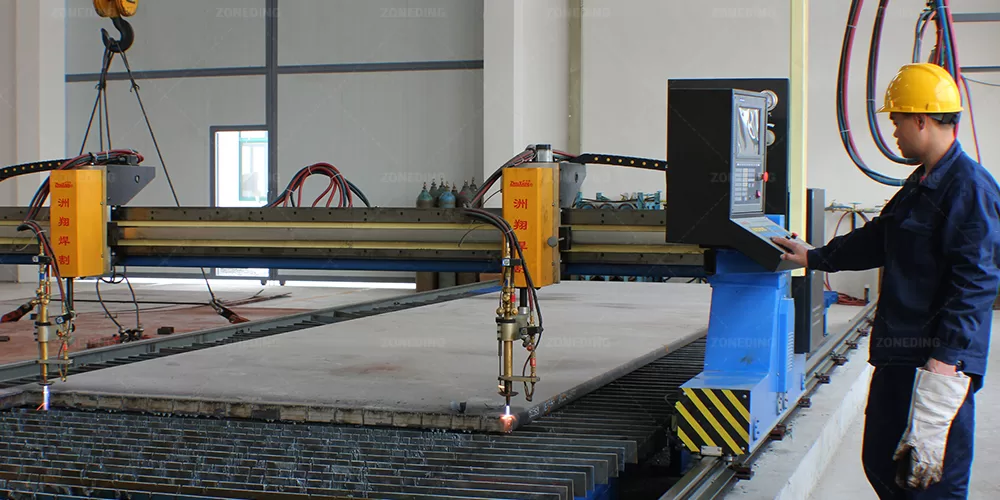
We employ 15 professional mining engineers who understand the complex chemistry of gold liberation. Because we are a factory-direct manufacturer, you get industrial-grade equipment without the middleman markup. With a track record in over 120 countries, ZONEDING has the experience to handle any geology. We are your partner in turning raw rock into pure gold.
The industry is moving toward “Precision Mining.” The goal is to move less waste and recover more gold using technology.
The secret to gold mining success is simple: Maximize Liberation and Minimize Loss.
Your next step: Do not guess your recovery rate. Send a 50kg sample of your ore to ZONEDING. We will perform a liberation test and provide a custom flow sheet—showing you exactly which machines you need to stop losing gold in your tailings.
Last Updated: May 2026
Learn steps, permits, machine, cost and market analysis needed to launch a quarry business. Get advice for new starters and successful project initiation.
View details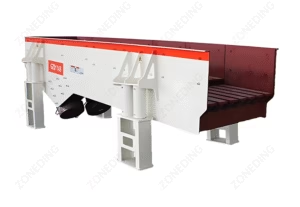
Feeling overwhelmed by vibrating feeder options? Follow 7-step checklist to select the perfect model based on material size, capacity, and operating conditions.
View details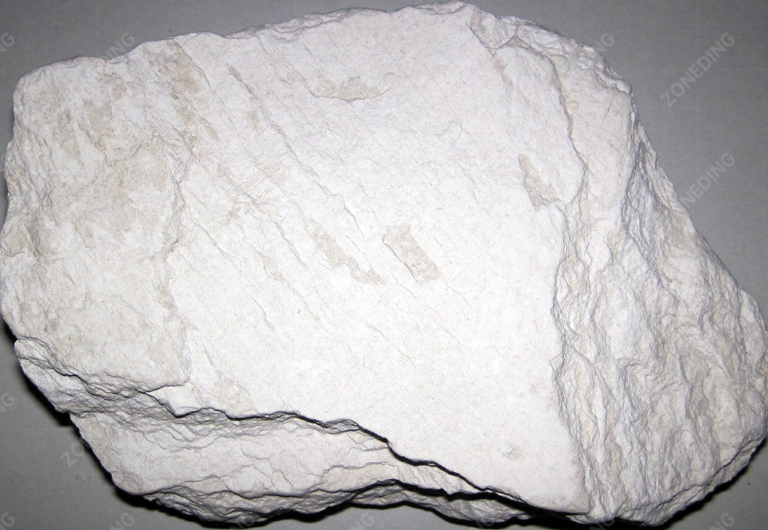
Discover what diatomite (diatomaceous earth) is, its unique skeletal structure, and essential steps of how to process it into high-purity filter aids & fillers.
View details
Are you struggling with inefficient mineral separation, leaving valuable materials behind? Are you experiencing low recovery rates and high operating costs? This comprehensive guide will give all the details about shaking tables. Shaking tables ar...
View details