 Zoneding Mining

Site Search
Search products, equipment and solution articles
整站搜索产品中心新闻中心
点击开始搜索
热门搜索
UltraForm-MXFlexiPoly-RNanoForm Z300EcoFab P200
Search products, equipment and solution articles
Impurities are the silent killers of profit in mineral processing. If your final product contains stray iron or unwanted magnetic minerals, your customers will reject the batch or demand a lower price. In 2026, “good enough” purity is no longer enough. The market now demands ultra-pure minerals, and the only way to achieve this is through high-precision magnetic separators. I have seen too many mine owners invest millions in crushing and grinding, only to lose their margins because they used a cheap, weak magnet at the end of the line.
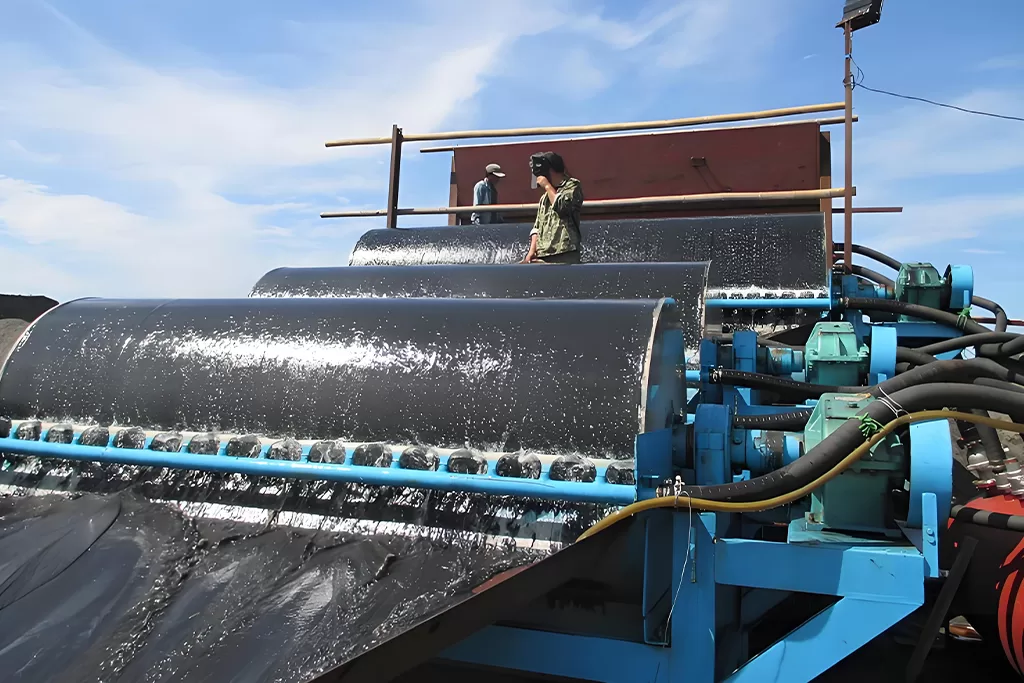
At ZONEDING, we view magnetic separation not just as a “cleaning step,” but as a value-adding process. A well-placed magnetic separator does two things: it increases the purity of your final product and protects your downstream equipment from damage. If a piece of scrap steel enters your Ball Mill, it can cause catastrophic liner failure or motor burnout. We design our magnetic systems to act as both a quality control tool and an insurance policy for your factory. In this guide, I will break down the technology of 2026 and show you exactly how to choose the right system for your specific ore.
Last Updated: May 2026 | Estimated Reading Time: 18 Minutes
Magnetic separators work by using a magnetic field to pull ferromagnetic materials (like iron) away from non-magnetic materials (like quartz or gold). Think of it as a giant, invisible filter. As the ore flows across a belt or through a drum, the magnetic field “grabs” the metal particles and pulls them in a different direction than the rest of the waste. In 2026, this process has become much more precise. We no longer just “catch iron”; we can now separate minerals based on their “magnetic susceptibility”—meaning we can tell the difference between strongly magnetic and weakly magnetic minerals.
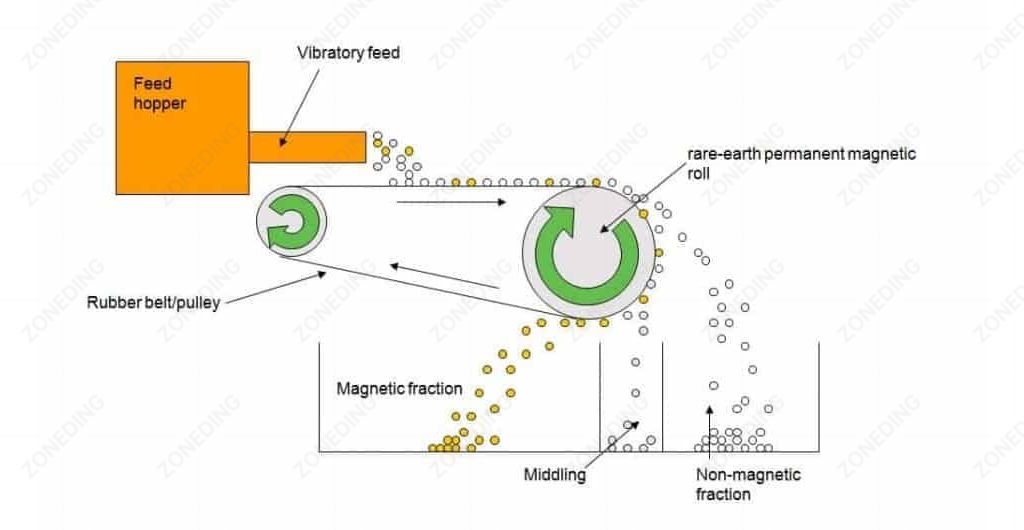
The technical secret lies in the “gradient” of the magnetic field. A flat magnetic field is weak. A concentrated, sharp gradient creates a powerful “pull” that can grab even the tiniest particles of iron. At ZONEDING, we optimize the geometry of our magnets to create the steepest possible gradient. This ensures that even if your ore is moving at high speed on a conveyor, the magnetic force is strong enough to snap the impurities out of the flow. This is critical because if the speed is too high and the magnet is too weak, the impurities simply “slide” past the magnet, leaving your final product contaminated.
| Material Type | Magnetic Strength | Best Separator Choice | Practical Result |
|---|---|---|---|
| Ferromagnetic | Very Strong | Permanent Magnetic Drum | 99% removal of scrap steel |
| Paramagnetic | Weak | High-Intensity Electromagnetic | Captures fine mineral impurities |
| Diamagnetic | Repelled | Non-Magnetic Equipment | These materials pass right through |
Permanent magnetic separators use materials like Neodymium (NdFeB) or Ferrite to create a constant magnetic field without needing electricity. These are the “workhorses” of the industry. Because they require no power, they have almost zero operating costs (OPEX). They are incredibly reliable because there are no coils to burn out and no power switches to fail. In 2026, the use of “Rare Earth” magnets has made these machines much smaller but significantly more powerful than the magnets of ten years ago.
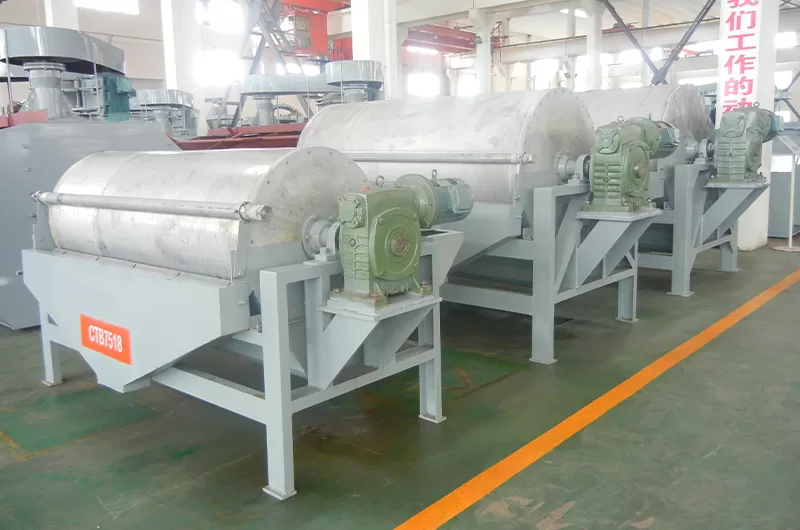
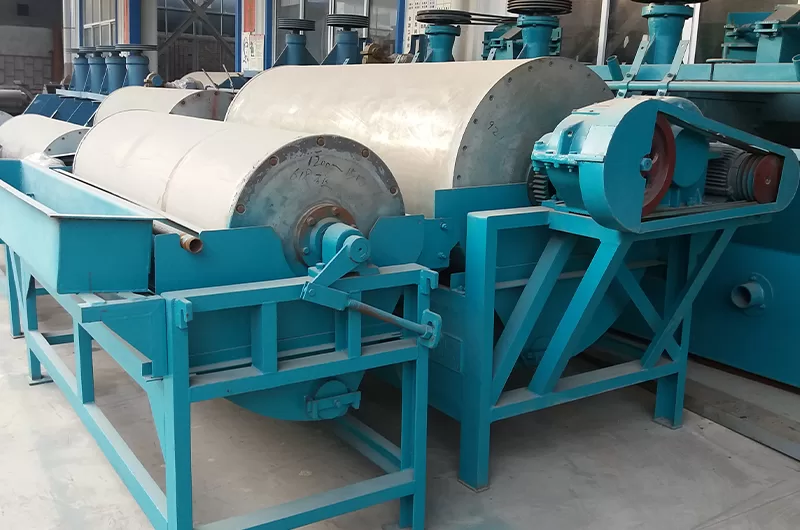
At ZONEDING, we specialize in Rare Earth magnetic drums and pulleys. The main advantage here is the “constant pull.” Whether the power is on or off, the machine is working. We design these for high-volume applications, such as removing scrap metal from crushed stone or cleaning raw ore before it hits the processing plant. The biggest mistake I see users make is buying a “cheap” ferrite magnet when they actually need a “Rare Earth” magnet. Rare earth magnets have a much deeper reach; they can pull iron from the bottom of a 30cm thick layer of ore, whereas ferrite magnets only catch what is on the surface.
| Feature | Ferrite Magnets | Rare Earth (NdFeB) | Your Bottom Line |
|---|---|---|---|
| Cost | Very Low | Medium | Rare Earth is a better long-term investment |
| Magnetic Strength | Medium | Extremely High | Rare Earth catches much finer particles |
| Lifespan | Very Long | Long (if coated) | Both last for years with basic care |
| Energy Use | Zero | Zero | Both save you money on electricity |
Electromagnetic separators use electricity to power copper coils, creating a magnetic field that can be turned on, off, or adjusted in strength. These are used for “difficult” ores. Some minerals are only “weakly magnetic,” meaning a permanent magnet isn’t strong enough to pull them. To catch these, you need a massive amount of concentrated energy. This is where High-Intensity Magnetic Separation (HIMS) comes in. By adjusting the voltage, you can “tune” the magnet to grab only specific minerals while letting others pass.
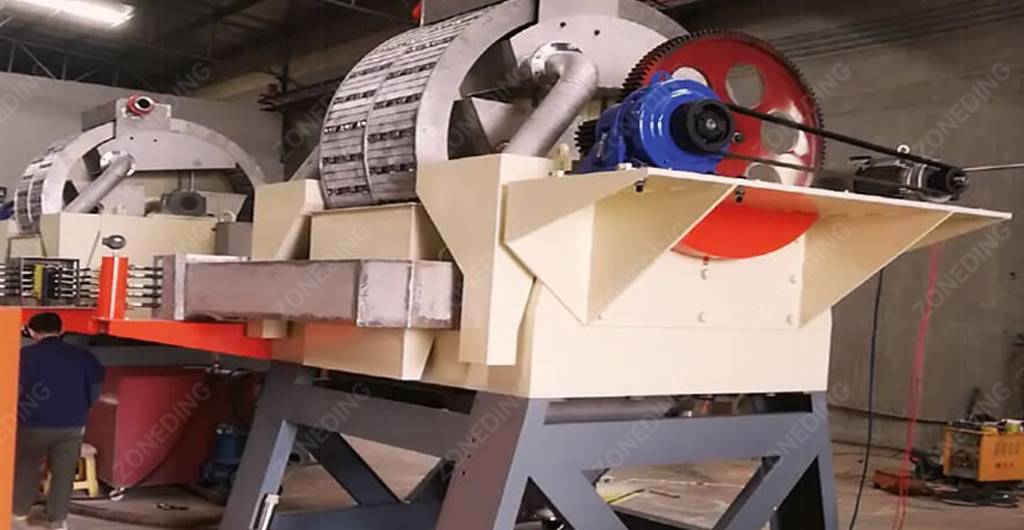
This is the “surgical tool” of Mineral Processing Equipment. For example, if you are separating ilmenite from zircon, a permanent magnet is too blunt an instrument. You need an electromagnetic system that can be precisely controlled. ZONEDING builds these systems with high-grade insulation and advanced cooling systems. Because these coils generate a lot of heat, a cheap machine will burn out in six months. Our systems use industrial-grade cooling to ensure they can run 24/7 in hot mining environments without losing magnetic strength.
The biggest advantage of the electromagnetic system is the “Adjustable Field.”
If you change your ore source and the mineralogy changes, you don’t need to buy a new machine. You simply adjust the current (Amperage). Increasing the current increases the “pull,” allowing you to capture smaller or more weakly magnetic particles. This flexibility is essential for mines that process different grades of ore throughout the year.
Choosing a magnetic separator is a balance between the “Magnetic Susceptibility” of your ore and your budget. You should never buy a magnet based on price alone; you must buy it based on the “Particle Size” and “Magnetic Strength” required. If you buy a permanent magnet for a weakly magnetic mineral, you will spend a lot of money on a machine that does nothing.
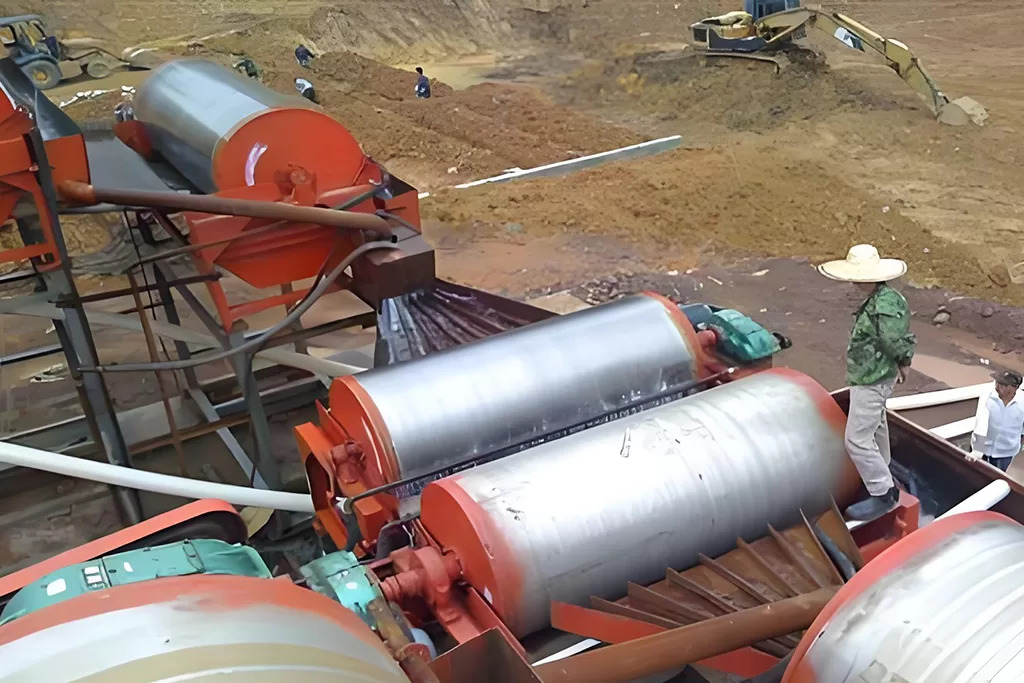
We recommend following this decision logic when choosing your ZONEDING equipment:
A medium-sized iron ore mine in Brazil was struggling with “silica contamination.” Their final concentrate had too much non-magnetic waste, which meant the steel mill they sold to was charging them a penalty fee. They were using a basic permanent drum, but it wasn’t catching the smaller, weakly magnetic iron particles.
The ZONEDING Solution:
We replaced their single-stage permanent drum with a Two-Stage Hybrid System.
The Results:
| Metric | Before ZONEDING | After ZONEDING | Impact |
|---|---|---|---|
| Fe Content | 62% | 66% | Higher Grade Ore |
| Silica Impurity | 4.5% | 1.8% | Lower Penalty Fees |
| Recovery Rate | 78% | 91% | More product from same ore |
The client stopped paying penalty fees to the steel mill and actually started receiving a “Premium Bonus” for the higher purity. The system paid for itself in less than 4 months.
In 2026, magnetic separation is moving toward “Intelligent Sorting.” We are no longer just using “on/off” magnets.
Magnetic separation is the final guard of your product quality. To succeed in 2026, you must stop thinking of magnets as simple “metal catchers” and start thinking of them as “precision purity tools.”
Your next step: If you are unsure which magnet you need, don’t guess. Send ZONEDING a 10kg sample of your ore. We will test its magnetic susceptibility in our lab and provide a custom “Magnetic Map” for your plant, ensuring you get the highest purity without overspending on equipment.
Last Updated: May 2026
An expert comparison of 4 stone crushers: Jaw, Cone, Impact (HSI), and Hammer, including advantages,disadvantages ,cost, output shape, and suitable rock types.
View details
Explore the typical price range of jaw crushers and understand the main factors influencing their cost, such as size, capacity, features, and machine quality.
View details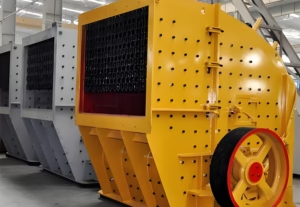
Seeking impact crusher prices? Learn 7 factors affecting its cost, including model, capacity, brand, configuration, and accessories. Get an accurate quote now!
View details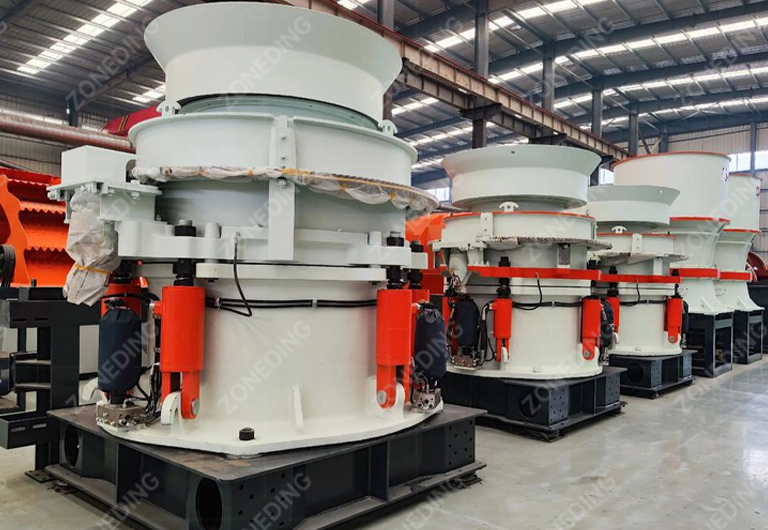
Learn everything you need to know about cone crushers. Discover how they work, their internal mechanisms, and what they can do to boost your quarry's output.
View details