 Zoneding Mining

Site Search
Search products, equipment and solution articles
整站搜索产品中心新闻中心
点击开始搜索
热门搜索
UltraForm-MXFlexiPoly-RNanoForm Z300EcoFab P200
Search products, equipment and solution articles
Lithium is the “white gold” of the 21st century, but the profit is not in the mining—it is in the processing. We have seen many investors rush into lithium projects only to realize that their recovery rates are abysmal because they bought “general” mining equipment instead of “lithium-specific” systems. Lithium minerals, especially spodumene, are temperamental. If you grind them too coarse, the lithium remains trapped in the rock. If you grind them too fine, you create “slimes” that float away during separation, and you literally wash your profits down the drain.
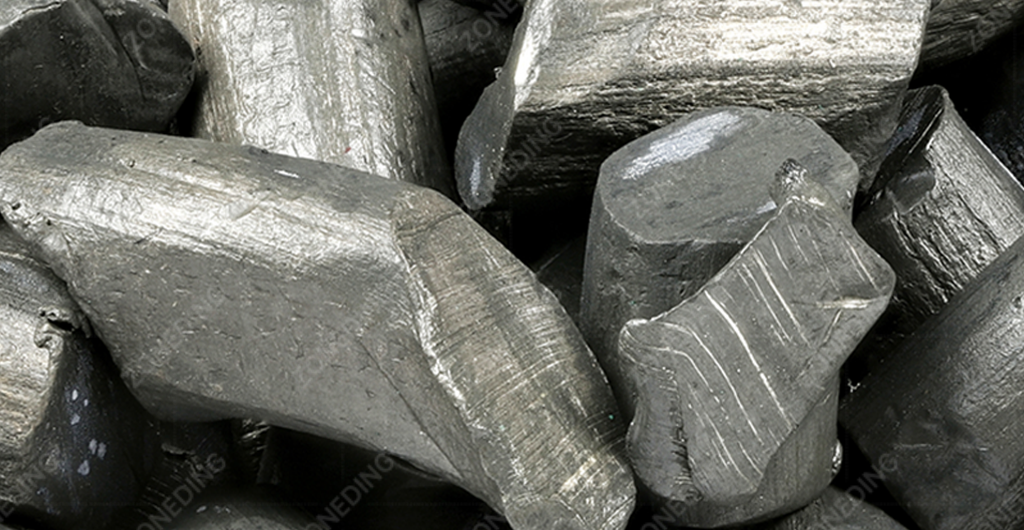
At ZONEDING, we approach lithium plant design as a precision science. The goal is not just to move rock, but to achieve a specific “liberation size” that allows for maximum purity. Whether you are building a spodumene concentrate plant or processing complex pegmatites, the equipment selection must be driven by the mineralogy of your specific ore. In this guide, I will provide you with the professional framework we use to design high-yield lithium lines, helping you avoid the costly mistakes that plague many new lithium operations.
Last Updated: May 2026 | Estimated Reading Time: 22 Minutes
The first strategic decision in lithium mining is identifying your source: Hard Rock (Spodumene) or Salar (Brine). These two sources require completely different industrial ecosystems. Brine mining is essentially a chemical evaporation process using ponds and filters. However, hard-rock mining—where ZONEDING specializes—is a mechanical process of crushing, grinding, and separation. Spodumene is the primary source of hard-rock lithium, and it requires a rigorous physical breakdown to separate the lithium-bearing crystals from the surrounding quartz and feldspar.
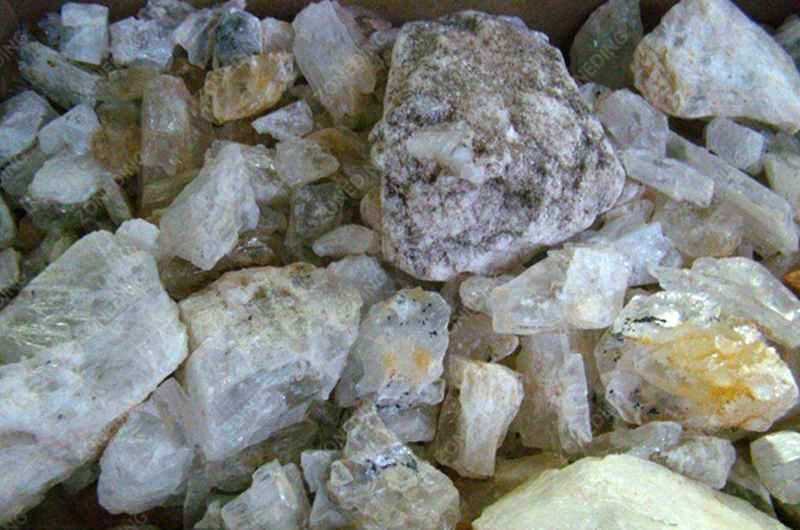
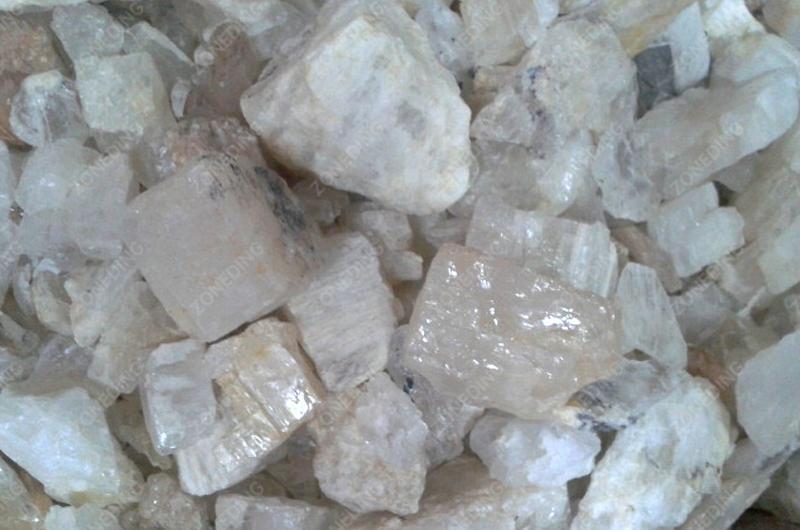
If you are dealing with hard rock, your plant is a “concentration factory.” You start with raw ore and end with a spodumene concentrate (usually 6% Li2O). The technical challenge here is that spodumene is often found in pegmatites, which are extremely abrasive. If you use standard steel liners in your machines, they will wear out in weeks. ZONEDING solves this by using high-chromium and specialized manganese alloys in our equipment. We design our lines to handle the abrasive nature of pegmatites while maintaining a steady throughput, ensuring your plant doesn’t stop every few days for unplanned maintenance.
| Feature | Hard Rock (Spodumene) | Brine (Salar) | Business Impact |
|---|---|---|---|
| Primary Process | Mechanical Crushing/Grinding | Chemical Evaporation/Leaching | Hard rock has higher CAPEX for machinery |
| Equipment Needs | Jaw Crushers, Ball Mills, Flotation | Evaporation Ponds, Reverse Osmosis | Hard rock requires heavy-duty machinery |
| Recovery Speed | Fast (Days from ore to concentrate) | Slow (Months for evaporation) | Hard rock allows for faster cash flow |
| ZONEDING Role | Full Processing Line Design | Solid waste/tailings management | ZONEDING optimizes the mechanical yield |
The goal of the crushing stage in lithium processing is to reduce boulders to a manageable size without creating too many “fines.” In many gold mines, creating fines is a good thing. In lithium mining, it can be a disaster. If you over-crush spodumene in the primary stage, you create ultra-fine particles that are too small for gravity separation and too unstable for flotation. This results in “recovery loss” before the ore even reaches the mill.
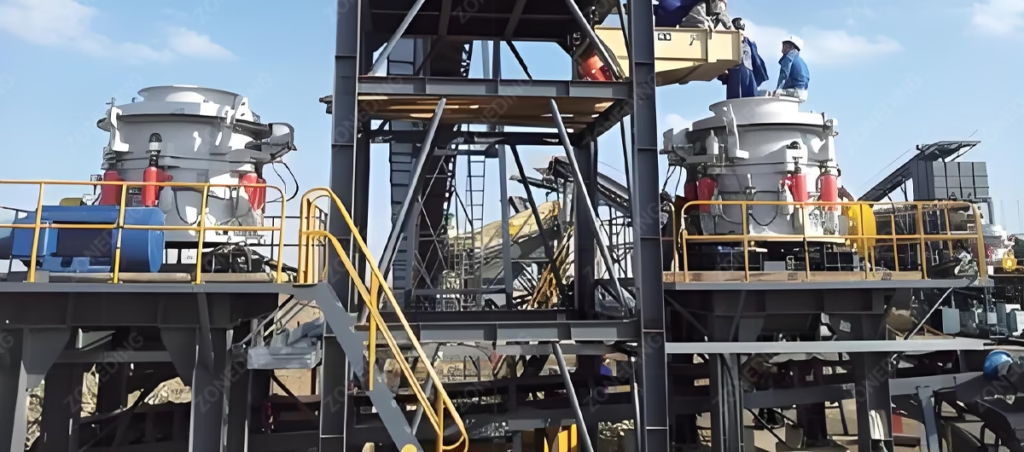
To prevent this, we implement a “Stage-Crushing” strategy. We start with a heavy-duty Jaw Crusher to handle the primary break. The key is to set the CSS (Closed Side Setting) precisely. We don’t want the jaw crusher to do all the work; we want it to prepare the material for the secondary crusher. ZONEDING’s jaw crushers are designed with adjustable toggles that allow operators to fine-tune the output size in real-time. By combining the jaw crusher with a vibrating screen, we remove the “natural fines” immediately. This prevents the “packing” effect and ensures that only the correctly sized material moves to the next stage, which saves roughly 15% in total energy costs.
Grinding is the most critical stage of lithium processing because this is where “liberation” happens. Liberation means the spodumene crystal is physically detached from the quartz or feldspar. If the grind is too coarse, the lithium remains “locked” inside the waste rock, and your flotation cells cannot “see” it. If the grind is too fine, you create “slimes,” which are particles so small they float randomly and contaminate your final concentrate.
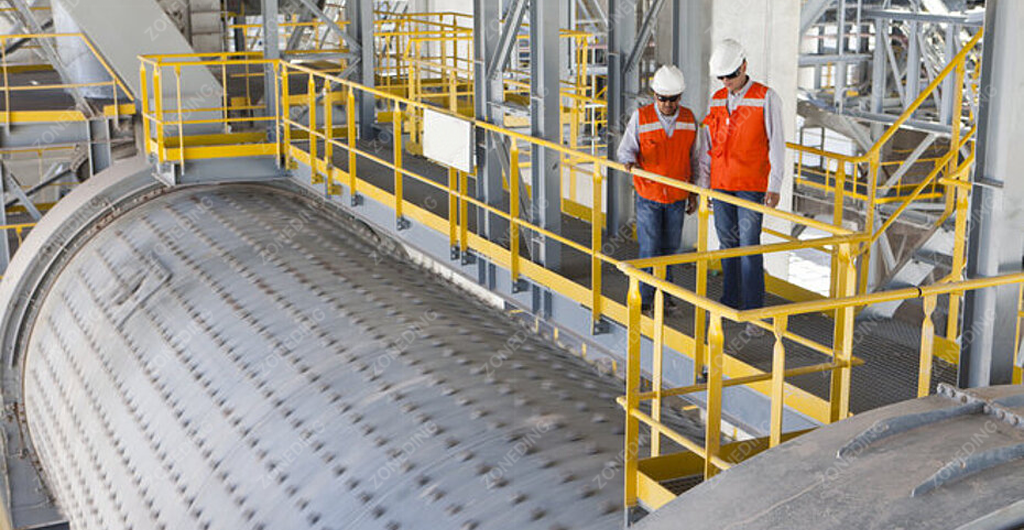
The solution is the Controlled Grind. We use the Ball Mill as the primary tool for liberation. But the secret isn’t just the mill itself—it’s the “Closed-Circuit” design. We connect the Ball Mill to a hydrocyclone. The cyclone acts as a gatekeeper: it sends the “correctly sized” particles (liberated lithium) to the separation stage and sends the “too large” particles back to the mill for more grinding.
ZONEDING specializes in designing these closed-loop circuits. We calculate the exact ball charge and rotation speed based on the Bond Work Index (BWI) of your lithium ore. This ensures that you achieve the “sweet spot” of liberation—usually between 74 and 150 microns—without wasting electricity on over-grinding.
| Grind Size | Effect on Lithium | Recovery Impact | ZONEDING Solution |
|---|---|---|---|
| Too Coarse | Lithium trapped in quartz | Low recovery (50-60%) | Higher power Ball Mill + Cyclone |
| Ideal (Sweet Spot) | Full liberation | Max recovery (85-95%) | Precision Closed-Circuit Grinding |
| Too Fine (Slimes) | Particles float away | Purity drops / Yield loss | Optimized cyclone cut-point |
Once the lithium is liberated, the goal is to separate the spodumene from the waste minerals (gangue). In hard-rock lithium, the most effective method is a combination of Gravity Separation and Froth Flotation.
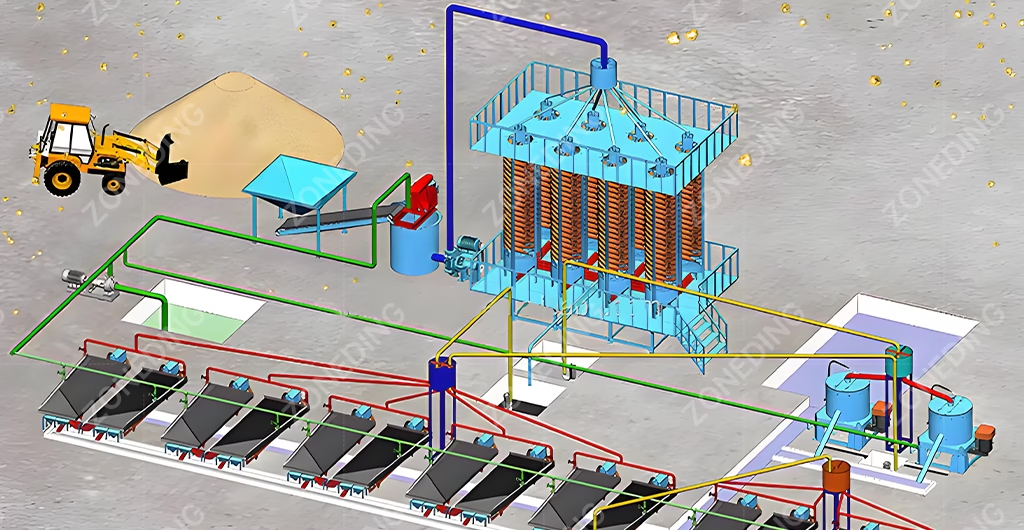
First, we use gravity separation to remove the “heavy” impurities. Since spodumene has a different specific gravity than quartz, we can use Mineral Processing Equipment like shaking tables or centrifugal concentrators to get a “rough” concentrate. This removes a large volume of waste early, meaning your flotation cells can be smaller and more efficient.
Then, we use Froth Flotation. This is the “magic” of lithium processing. We add specific chemicals (collectors) that make the spodumene particles hydrophobic (water-repelling). When we blow air into the tank, the lithium particles stick to the bubbles and float to the surface as a thick froth, while the quartz sinks. ZONEDING designs flotation cells with precise aeration systems to ensure that the bubbles are the right size to carry the spodumene without carrying the waste.
Selecting equipment for a lithium plant is not about buying the “biggest” machine; it is about balancing CAPEX (Initial Cost) against OPEX (Running Cost) and Yield. If you save $100,000 on a cheaper mill but lose 5% of your recovery, you are losing millions of dollars in revenue every year.
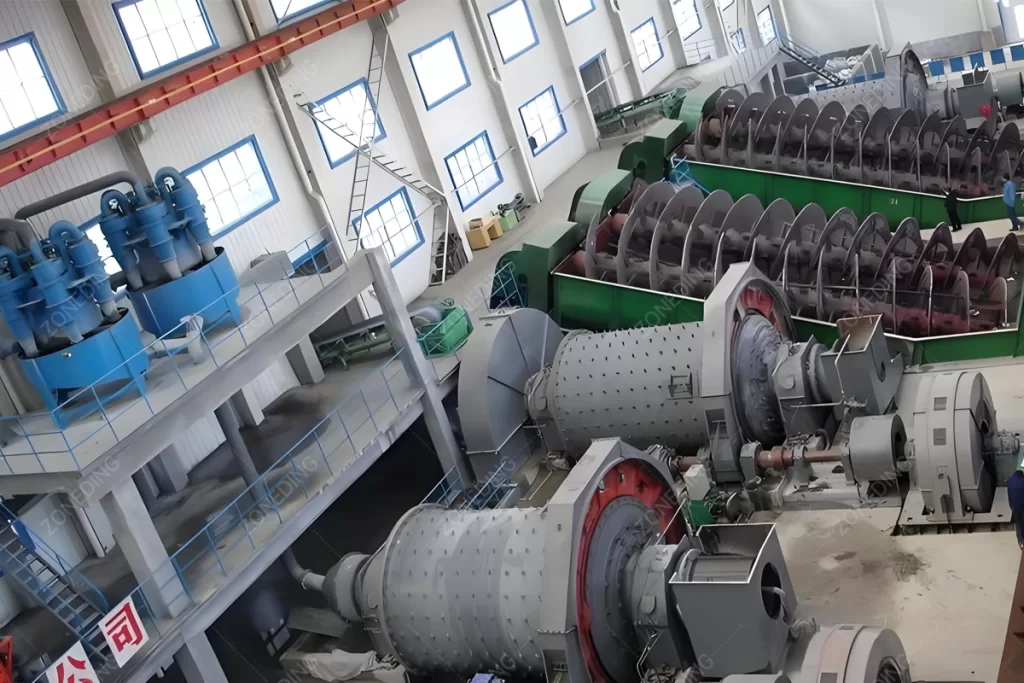
We recommend this professional framework for selection:
The industry is moving toward “Green Lithium.” The focus is no longer just on yield, but on the environmental footprint of the plant.
Success in lithium mining comes down to Precision Liberation.
Your next step: Do not buy equipment based on a catalog. Send ZONEDING a sample of your lithium ore. We will perform a liberation and flotation test in our lab and provide you with a Custom Model Selection Strategy—showing you exactly which machines will maximize your recovery and ROI.
Last Updated: May 2026
Wondering what marble rock is? Learn about this stunning metamorphic stone's formation, followed by 5 amazing facts about marble rock that will surprise you.
View details
Learn to produce ceramsite sand. This guide covers raw materials, crushing, pelletizing, calcining, screening, and machinery. Start manufacturing today!
View details
Planning an ilmenite plant? Discover essential equipment, proven processing methods, and optimized flowsheets to ensure maximum Ilmenite recovery and purity.
View details
Learn sand washing process. Understand how sand washers, dewatering screens, & other machinery work together to achieve sand cleaning and classification.
View details