 Zoneding Mining

Site Search
Search products, equipment and solution articles
整站搜索产品中心新闻中心
点击开始搜索
热门搜索
UltraForm-MXFlexiPoly-RNanoForm Z300EcoFab P200
Search products, equipment and solution articles
Mining operators need clean water. Plants require dry tailings. You must choose a thickener vs filter press for your mineral processing plant. Many buyers make the wrong equipment choice. This mistake wastes huge capital budgets. The machines process slurry in entirely different ways. You will learn the specific applications and key differences for each machine today. You will use this exact data to make the best equipment choice. ZONEDING manufactures both heavy dewatering machines for global mining sites.
Last Updated: April 2026 | Estimated Reading Time: 25 Minutes
A thickener separates liquids from solids through simple steady gravity settling. You pump wet mineral slurry into a large round steel tank. Heavy solid rock particles sink to the bottom of the tank. Clear water rises to the top edge and overflows into a clean water launder. Slow moving metal rakes push the settled mud to the center discharge hole. You must add chemical flocculants to the tank water. These chemicals bind small rock dust particles together. The larger bound particles sink faster. ZONEDING designs modern thickeners with heavy deep cone bottoms. This deep cone creates heavy weight compression on the bottom mud.
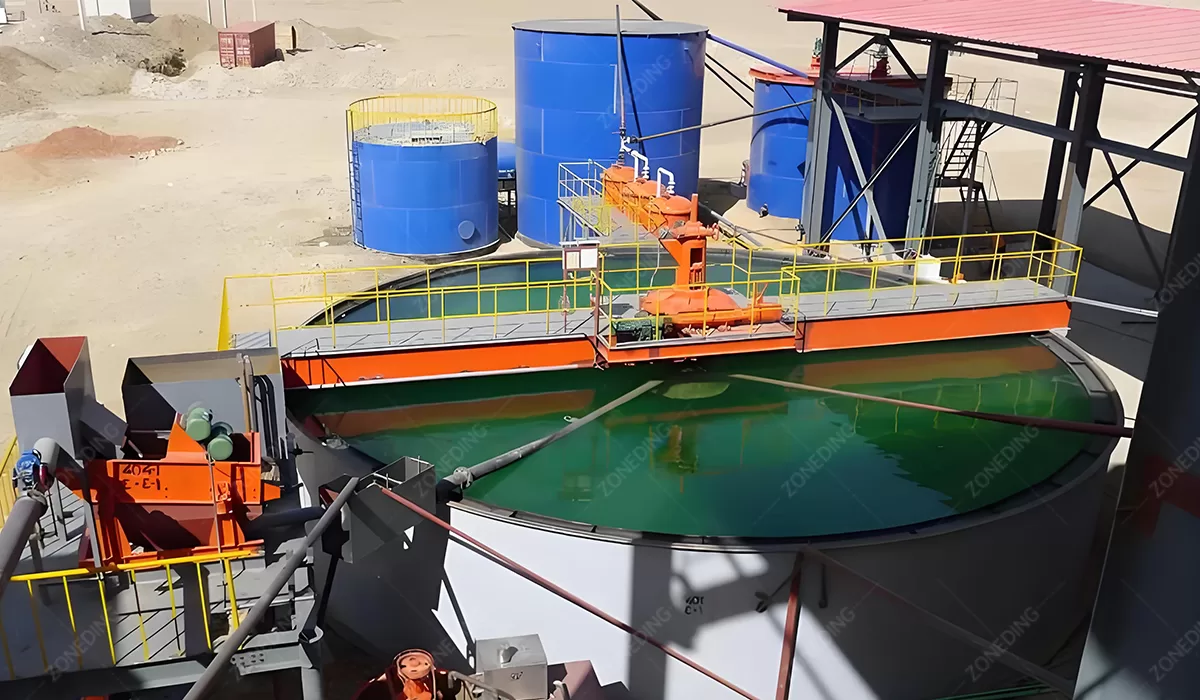
Thickeners provide excellent primary bulk water recovery. The machines handle massive volumes of slurry every single hour. The system consumes minimal amounts of industrial electricity. The moving rakes use very small gear motors. Thickeners operate continuously without stopping. However, the final bottom discharge underflow contains significant water. The bottom mud holds around thirty to fifty percent moisture. The mud remains a wet flowable paste. You cannot stack this paste with a front wheel loader. You must pump this liquid paste to a large wet tailing pond. Thickeners require massive amounts of flat land space. The tank diameter reaches up to thirty meters on large commercial models. ZONEDING supplies thickeners with automatic hydraulic rake lifting systems. The rakes lift up automatically to prevent mud blockages during sudden power outages.
The basic operating limits dictate exact plant designs. You must understand these limits.
| Feature Check | Standard Thickener | Deep Cone Thickener (ZONEDING) | Your Practical Benefit |
|---|---|---|---|
| Final Moisture Level | 40% to 50% | 25% to 35% | You recover more clean water for your plant |
| Chemical Usage | High flocculant need | Optimized mixture zone | You lower your monthly chemical budget |
| Underflow State | Liquid pumpable paste | Thick heavy mud block | You reduce the volume size of your tailing pond |
A filter press removes water from mineral slurry through extreme mechanical pressure. A high-pressure feed pump pushes wet mud into a series of lined plastic plates. Strong hydraulic cylinders squeeze the plates tightly together. The mechanical pressure forces the water through woven filter cloths. The solid rock dust remains trapped tightly between the plates. Clean filtrate water exits through side pipes. You open the hydraulic press plates. A hard, dry solid cake drops onto a conveyor belt below. ZONEDING builds these filter presses with durable reinforced carbon steel frames to survive high vibration.
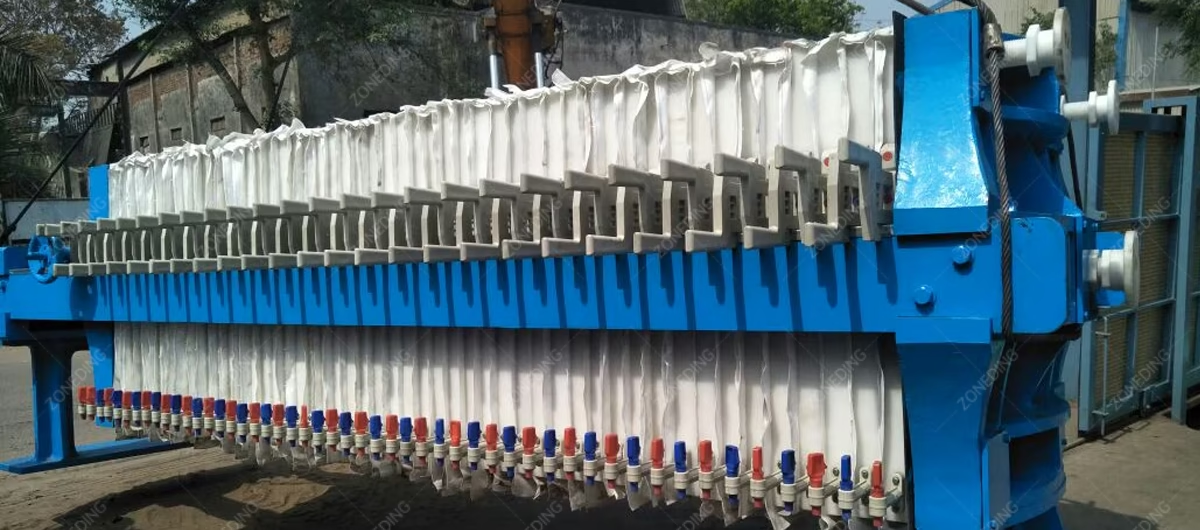
A filter press executes final tailings disposal projects perfectly. The machine removes maximum moisture from the rock dust. The final solid cake holds only ten to twenty percent water. You can stack the dry cake on trucks safely. You transport the dry cake to a secure dry landfill. This action completely protects the local environment. You avoid creating dangerous wet tailing ponds. However, the filter press demands high maintenance labor. The filter cloths rip and tear under high pressure. Workers must wash the filter cloths to prevent mud blockages. The machine process stops and starts in defined discrete cycles. It does not run continuous hours like a big thickener. ZONEDING designs automated cloth washing systems to reduce this daily labor burden.
You must understand the batch process cycle. The machine follows exact mechanical steps.
| Operation Stage | Action Description | Duration Time | Your Practical Benefit |
|---|---|---|---|
| Closing Phase | Hydraulic ram pushes plates shut | 2 Minutes | You secure a tight seal to prevent slurry leaks |
| Feeding Phase | Pump forces mud into chambers | 20 Minutes | You fill the void spaces with solid rock dust |
| Pressing Phase | Core pressure squeezes out water | 15 Minutes | You create a dry stackable solid cake |
The main difference lies in the final product moisture and the specific processing method. A thickener produces a wet flowable paste. A filter press produces a dry solid block. A thickener requires a massive concrete land area. A filter press needs a small protective room. A thickener runs as a continuous flow system. A filter press operates in separate discrete batch cycles. You must stop the filter press machine to remove the dry solid cakes. You do not stop the thickener machine to remove the bottom mud. You face different capital and operating costs with each machine.
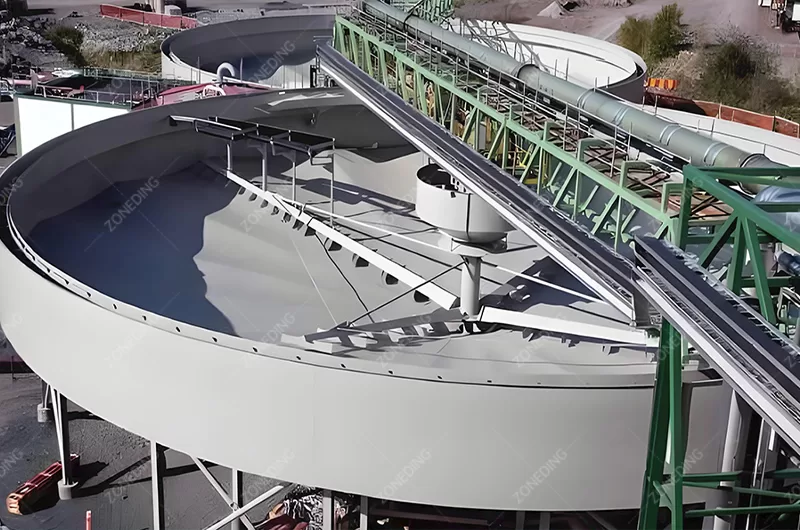
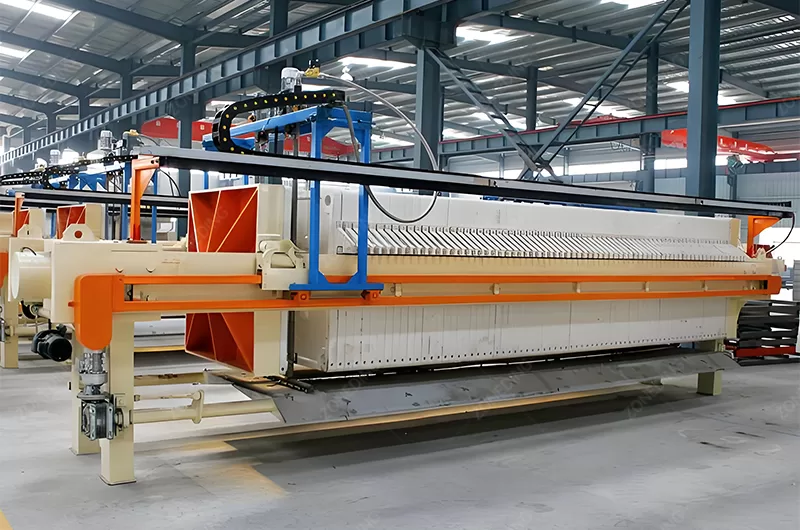
The thickener ownership costs remain extremely low. The machine uses a tiny electric motor to turn the center rake. You replace very few wearing parts. The filter press ownership costs rank high. The machine uses massive high-pressure feed pumps. These pumps draw big amounts of industrial electricity. You must buy replacement filter cloths and plastic plates on a regular schedule. The maintenance team spends hours changing broken filter plates. Smart operators evaluate their exact operating budgets before buying. ZONEDING engineers calculate exact power draw numbers for both machine types. The factory provides an estimated five-year maintenance budget before buyers sign a purchase contract.
Smart operators combine both machines in their mineral processing plant. The machines serve distinct sequential purposes. Do not treat this thickener vs filter press choice as a simple either-or decision. The thickener handles the primary vast water volume at the start. The filter press finishes the total drying job at the end. You pump raw dilute slurry into the center of the thickener first. The thickener removes eighty percent of the total clean water using zero electricity. The thickener discharges thick condensed mud from the bottom cone.
You pump this condensed mud into the filter press next. The filter press squeezes the remaining trapped water out. The press creates the final dry cake. This two-step combination strategy saves major capital money. The filter press would take days to process raw dilute slurry alone. The filter press chambers would fill with water instead of solid rock. Using the thickener first creates a dense heavy feed. A dense feed maximizes the filter press efficiency. The pump fills the press chambers with solid rock fast. ZONEDING designs complete total dewatering systems. The engineers map out the pipe routes between the thickener tank and the filter press room for maximum plant efficiency.
Buyers must demand proof of real manufacturing capabilities. Many online sellers act as simple trading offices. They buy cheap standard machines from small remote workshops. They paint the machines and add custom logos. They hold zero spare parts in their warehouse. You suffer a massive disaster when a machine breaks down. You contact the trading office for help. They ask you to wait weeks for a replacement part. Your whole plant shuts down and loses revenue.
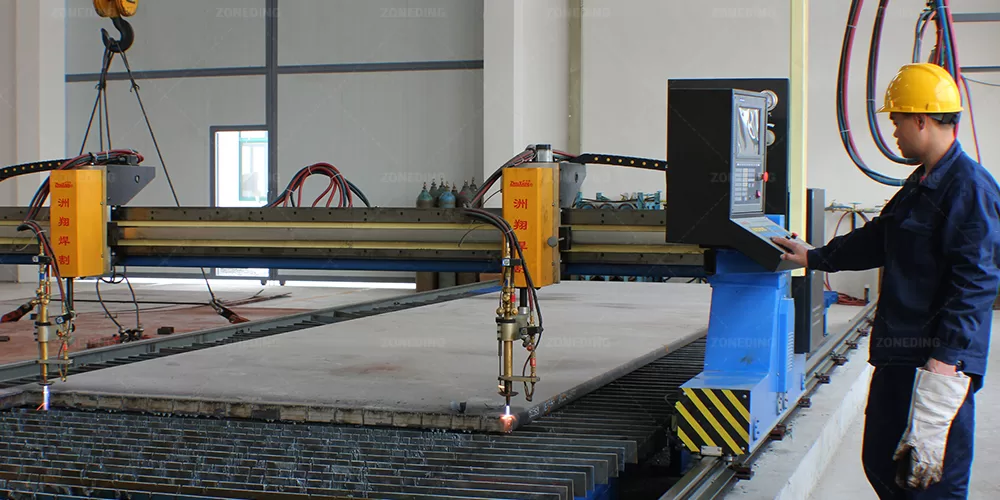
ZONEDING owns a major heavy production factory. Large plasma cutting machines process thick steel plates for the thickener tanks. The factory molds the specific high-pressure plastic plates for the filter presses in house. ZONEDING stocks thousands of replacement filter cloths for immediate dispatch. The company sends structural engineers to the mine site. The engineers lay out the concrete foundation plans. You get professional setup services and operator training.
Digital automation and environmental laws drive massive machine design changes in 2025. Mining companies focus strictly on zero liquid discharge targets.
Equipment manufacturers focus on artificial intelligence to lower power consumption. ZONEDING integrates digital sonar monitors into all new thickener models. The control system sends mud depth alerts directly to the operator phone. You adjust the flocculant dosing pumps from a remote control room securely. ZONEDING designs fully automated press systems with smart plate shakers to easily dislodge sticky cakes.
You must match the exact dewatering equipment to your specific plant goals. A thickener provides cheap primary water recovery. A thickener handles massive flow volumes with low power draw. A filter press provides extreme final dewatering. A filter press creates dry solid blocks for safe environmental stacking. Combine both machines for optimal results. Use the thickener to concentrate the mud initially. Put the concentrated mud into the filter press next. This sequential method saves capital money and greatly lowers maintenance labor.
Your next step requires a slurry laboratory test. Collect five gallons of raw tailing mud. Send this mud sample to an equipment manufacturer. Ensure the lab tests the settling velocity and filtration resistance. Use the real test numbers to properly size the heavy machines.
Last Updated: April 2026
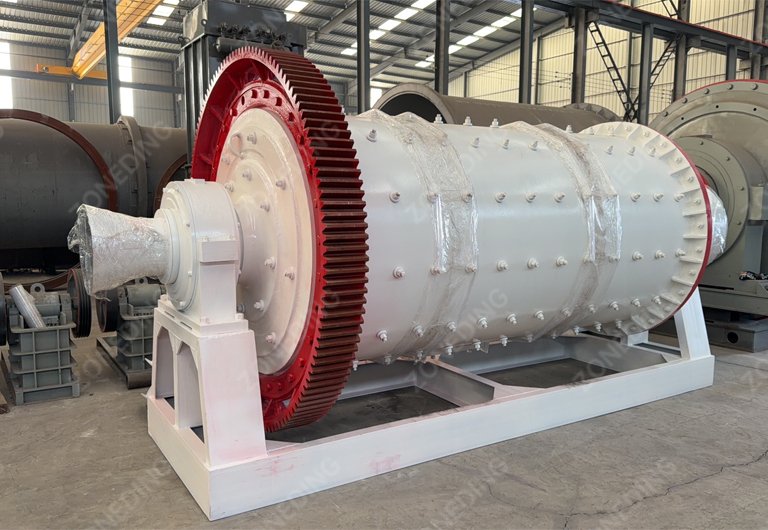
Compare the 5 most common types of ball mills for sale and learn how to match the right grinding technology to your specific project needs.
View details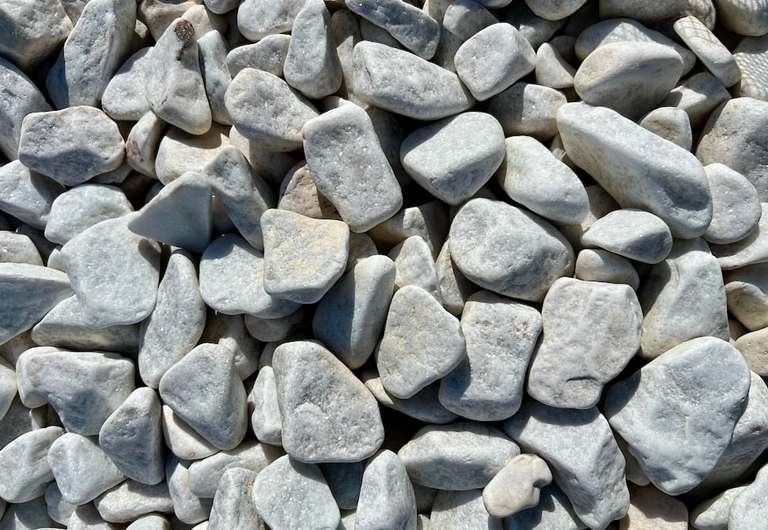
Wondering what marble rock is? Learn about this stunning metamorphic stone's formation, followed by 5 amazing facts about marble rock that will surprise you.
View details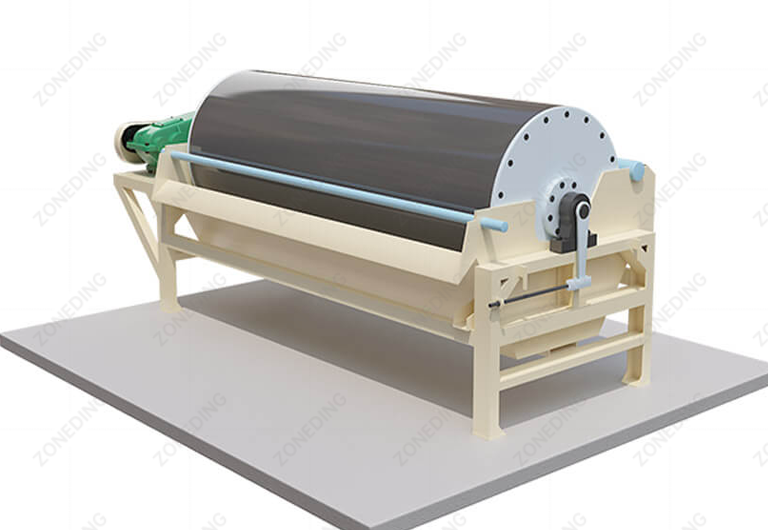
This is the only guide you'll ever need for magnetic separators in 2026. Explore everything from permanent magnets to high-intensity electromagnetic systems.
View details
Unplanned downtime costs money. Master essential cone crusher maintenance tips to keep your aggregate and mining operations running smoothly and safely.
View details