 Zoneding Mining

Site Search
Search products, equipment and solution articles
整站搜索产品中心新闻中心
点击开始搜索
热门搜索
UltraForm-MXFlexiPoly-RNanoForm Z300EcoFab P200
Search products, equipment and solution articles
Natural river sand reserves face global depletion. Construction companies need high volumes of artificial sand. You must buy appropriate sand making machines to fill this demand. You face multiple equipment choices in the market. You must pick the correct equipment model to make a profit. The wrong machine choice spikes your maintenance budget. This article details five distinct machine options. You will review comparative tables and feature lists to guide your purchase decision. ZONEDING supplies these diverse crushing machines to global quarry sites.
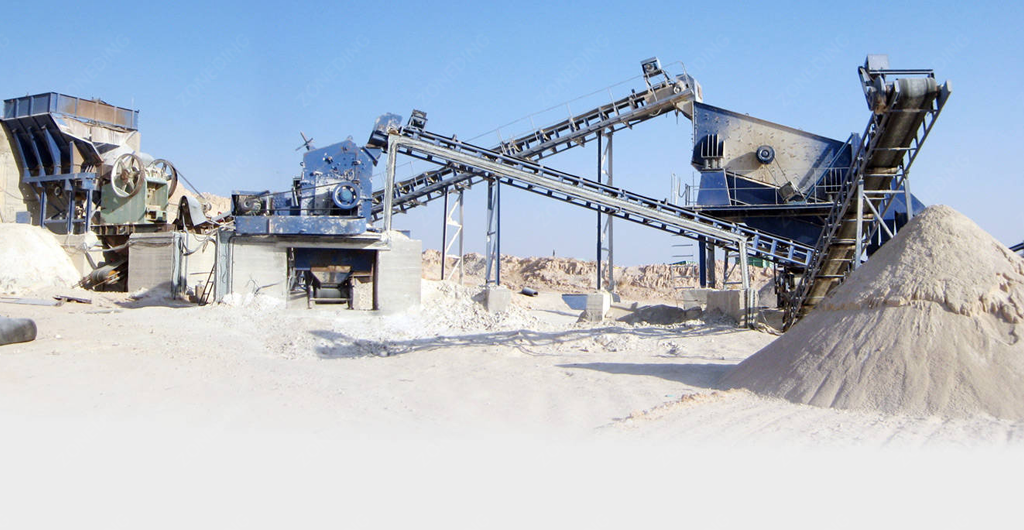
Last Updated: April 2026 | Estimated Reading Time: 25 Minutes
A Vertical Shaft Impactor (VSI) produces premium sand through a rock-on-rock crushing method. Stones enter the top feed hopper. The stones drop into a high-speed spinning rotor. The rotor throws the stones outward with massive kinetic energy. The flying stones hit a stationary wall of packed stones. The rocks break upon direct impact with each other. This creates excellent cubic sand grains. The cubic shape meets strict highway and bridge concrete standards.
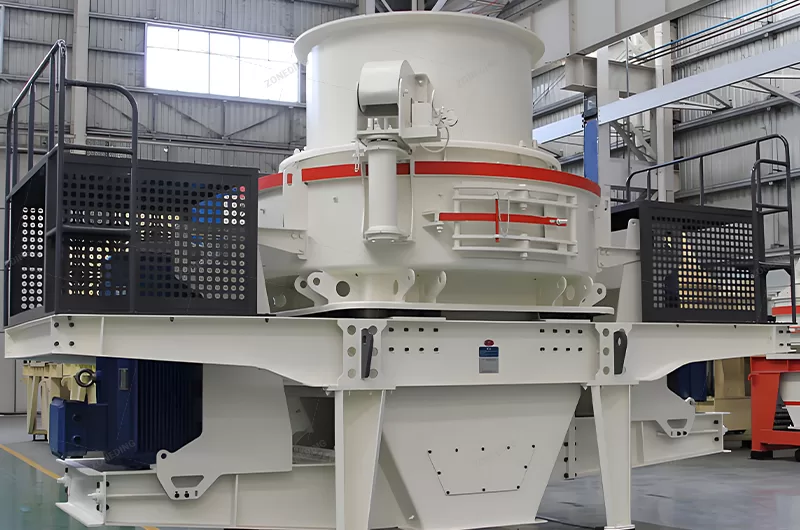
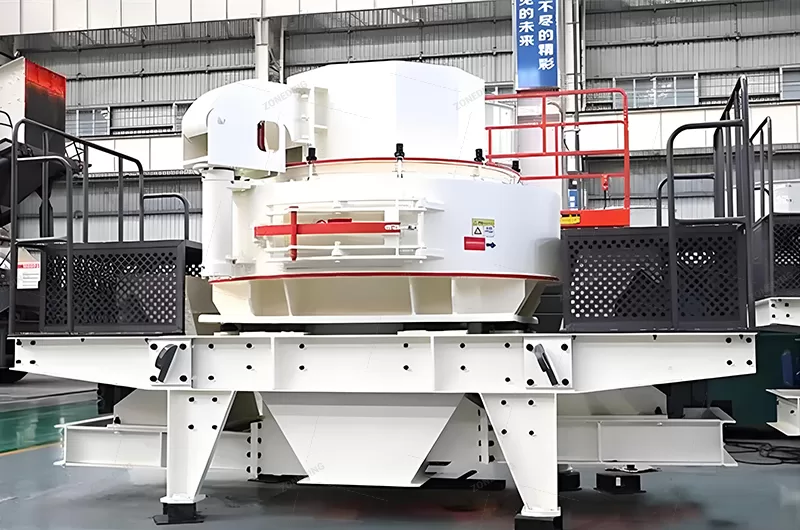
VSI machines process hard abrasive rocks like granite and basalt. Operators replace internal wear parts less often due to the rock lining protection. The stones wear against other stones instead of metal armor plates. This saves you significant operational capital over the plant lifespan. ZONEDING builds robust VSI machines for global buyers. ZONEDING engineers utilize thick steel for the main exterior frame. The deep rotor cavity design increases material throughput by thirty percent. Buyers get high sand output with less power draw. You must balance the rotor to prevent vibration damage.
| Feature Check | Traditional Impactor | VSI Sand Maker (ZONEDING) | Your Practical Benefit |
|---|---|---|---|
| Crushing Principle | Metal strikes rock | Rock strikes rock | Your metal replacement costs drop |
| Output Quality | Mixed shapes | Uniform cubic sand | Cement plants buy your sand at premium prices |
| Wear Plates | Heavy metal liners | Packed stone pockets | You avoid frequent machine shutdowns |
An HSI unit represents the newest generation of artificial sand making equipment. It serves a dual commercial purpose. It crushes rock into premium sand. It also reshapes poor gravel into structured cubic stones. The machine features a unique dual oil lubrication system. Two electric oil pumps guarantee safe bearing temperatures. The machine stops the main motor if oil pressure drops. This protects the expensive main shaft from heat destruction.
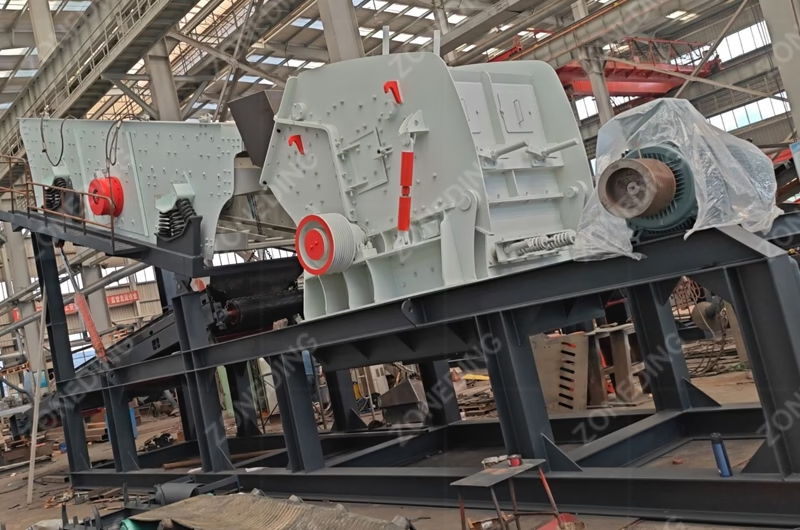
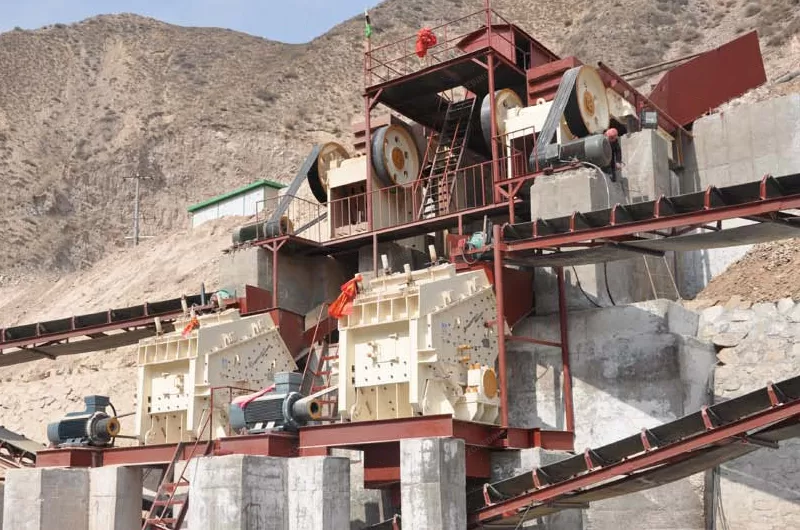
The HSI design uses modular wear plates on the rotor edges. You replace only the broken small plate segments. You save major money on replacement metal. Traditional rotors force you to replace the entire heavy metal plate. ZONEDING HSI machines feature a smart center feed system. You switch between center feed and cascade feed from the control cabin. This adjusts the final sand size distribution. You control the exact stone dust ratio. HSI units consume less electricity than older VSI models. Operators prefer HSI units for large commercial concrete projects.
A roller crusher uses two large spinning steel cylinders to crush stones into sand. The cylinders pull small stones into a tight gap. High compressive pressure crushes the stones into fine particles. This machine creates minimal dust during operation. It uses less electricity than impact-style machines. Operators process soft or medium-hard materials with roller machines. Cement plants use them for limestone. Coal plants use them for brittle coal preparation.
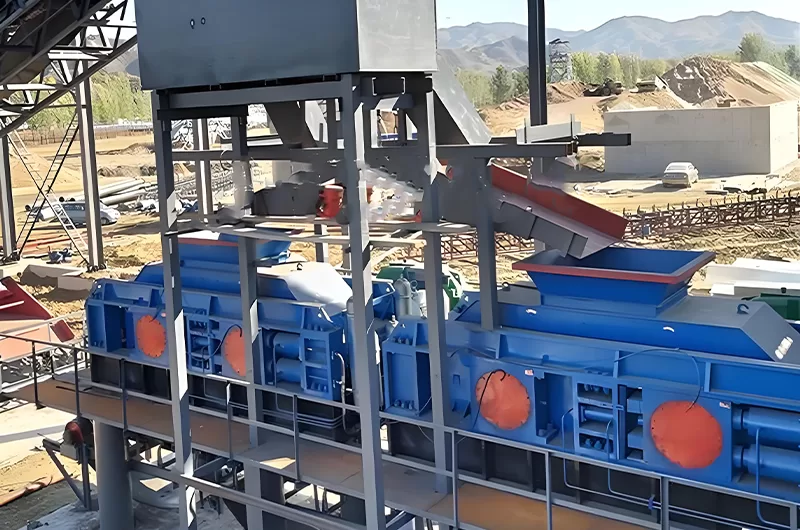
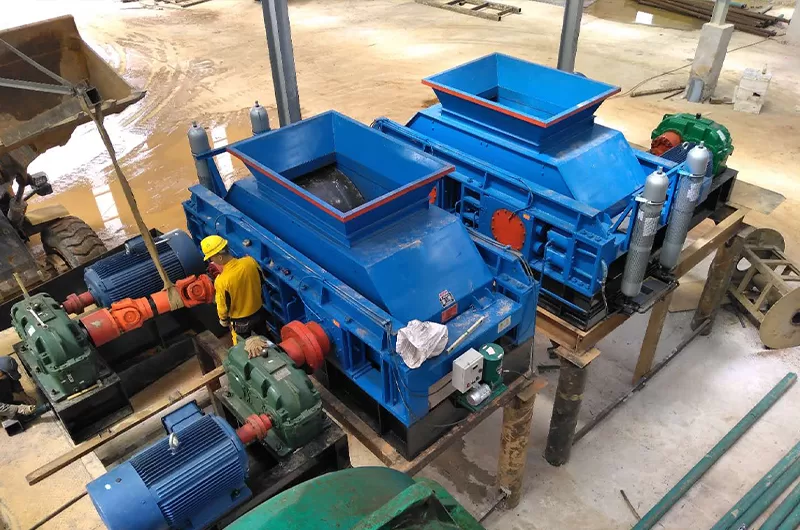
Roller crushers struggle with massive boulders. You must feed small uniform gravel into the machine. Wet materials do not clog the roller gap. You can crush damp ores without stopping the plant. ZONEDING manufactures smooth and grooved roller crushers. ZONEDING utilizes high-manganese steel rolls for long operational life. Operators adjust the roll gap to change the final sand size. You turn a metal screw to move the crushing rollers closer together. This provides precise control over the final product size.
| Material Condition | Roller Crusher Performance | Your Practical Benefit |
|---|---|---|
| High Moisture Content | No clogging or jamming | You process wet river stones all year |
| Soft Limestone | Minimal dust generation | You meet local environmental dust laws |
| Coal Crushing | Uniform size reduction | You avoid creating useless fine coal powder |
A hammer crusher features a heavy spinning rotor with swinging metal heads to smash rocks. A metal grate sits at the bottom of the machine chamber. The grate holes dictate the final output size. Only small sand particles escape the bottom metal grate. Large stones stay inside the chamber for more crushing. This machine provides a massive size reduction ratio. You can turn a large rock into sand in one single step. You save capital money on transfer conveyors and vibrating screens.
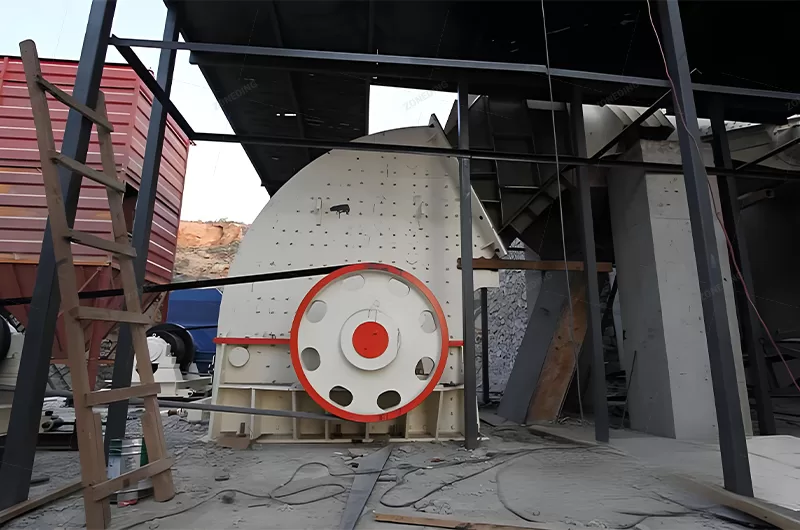
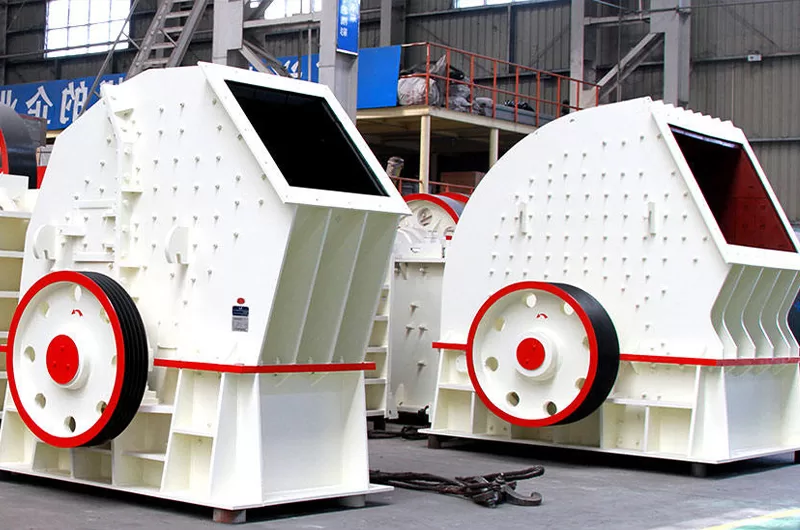
However, hammer machines produce lots of excess powder. High-silica rocks destroy the metal hammers in a few days. You face extreme maintenance bills on abrasive stones. ZONEDING targets hammer crushers for soft limestone aggregate projects. ZONEDING uses composite metal hammers to extend the operating life. The composite hammers combine high toughness in the core with high hardness on the surface. You must inspect the bottom grate clearings every week. Mud blocks the grate holes and stops production.
A fine compound crusher uses a vertical shaft without a bottom restrictive screen. It combines impact forces and grinding forces. Stones fall into the top chamber section. Fast metal blow bars strike the stones. The stones fall to the lower chamber section for further grinding. The lack of a bottom screen prevents wet material jams. Operators crush high-moisture rocks without stopping the motors. This makes the compound crusher ideal for tropical wet regions.
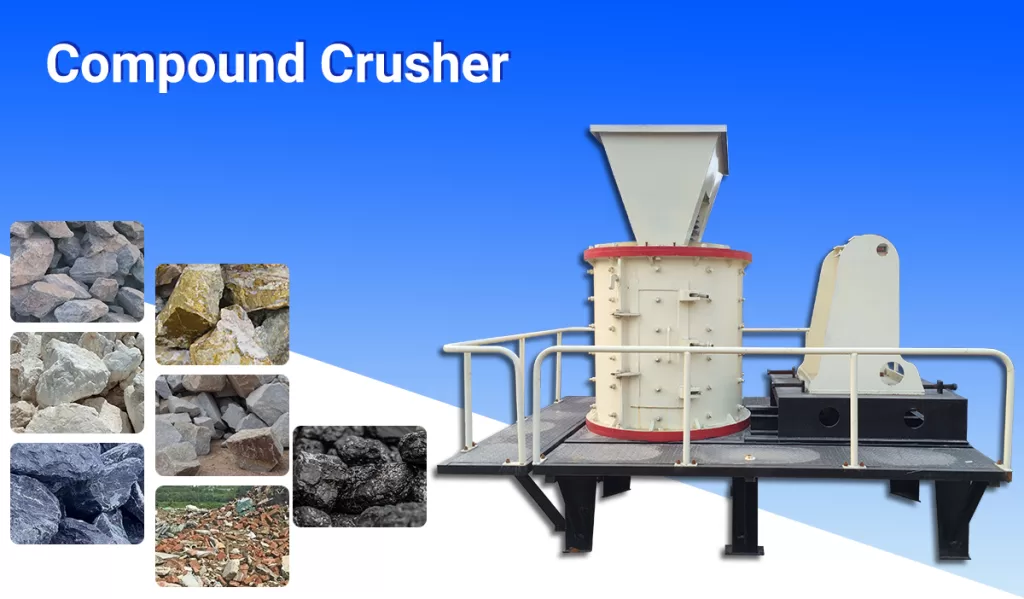
The machine processes glass, dolomite, and soft shale. The maximum ton capacity remains lower than premium VSI models. ZONEDING designs compound crushers with large access doors. Maintenance workers open the side doors to inspect inner wear parts. You replace damaged metal hammers without removing the entire top roof. This simple structure saves daily labor hours. New quarry owners utilize compound crushers for low-risk market entry. The investment cost stays very low.
| Machine Name | Best Feed Material | Purchase Cost | Ideal Project Scale |
|---|---|---|---|
| VSI Sand Maker | River pebble, Granite | High | Large commercial aggregate plants |
| HVI Sand Maker | Hard rock, Basalt | Premium | High-grade highway concrete supply |
| Roller Crusher | Wet coal, Limestone | Low | Small chemical or cement plants |
| Hammer Crusher | Soft shale, Gypsum | Very Low | Single-stage small quarry setups |
| Compound Crusher | Wet limestone, Glass | Low | Medium regional construction sites |
You must evaluate rock hardness, capacity tone, and budget before spending capital. First, test your raw rock hardness in a laboratory. Hard abrasive granite demands a VSI or HSI unit. Soft limestone accepts a hammer or roller unit. Buying a hammer mill for hard quartz leads to bankruptcy. Second, calculate your required ton per hour capacity. Massive commercial projects need giant HSI machines. Small local sites survive with a simple compound crusher.
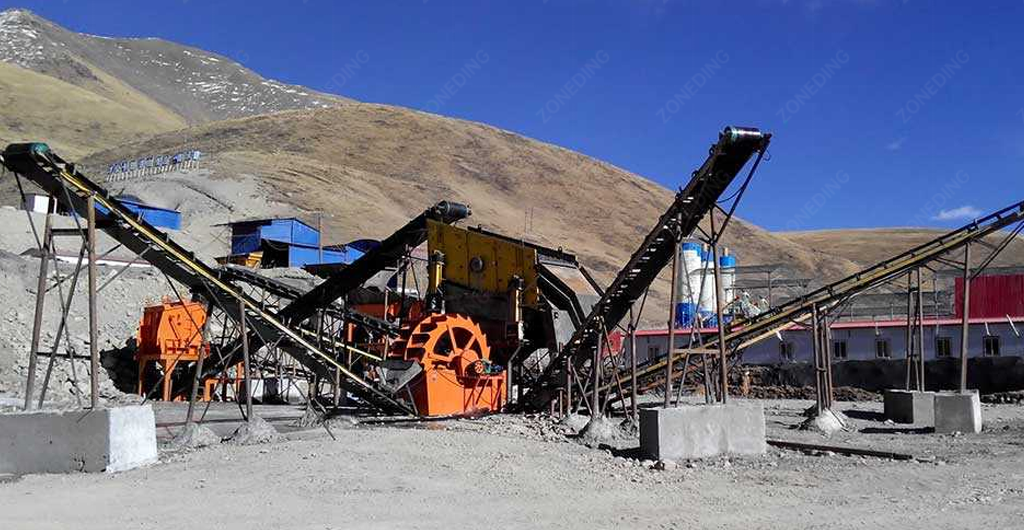
Third, review your finished sand shape requirements. Government concrete projects demand perfect cubic sand from VSI units. Block making factories accept mixed shapes from a hammer mill. Fourth, evaluate your raw material moisture level. Wet clay plugs up VSI rotors. Roll crushers process wet clay without issues. ZONEDING engineers guide buyers through this specific selection process. ZONEDING asks for rock samples to provide accurate machine data.
ZONEDING MACHINE manufactures reliable mineral processing equipment for B2B global clients. The factory maintains an 8000-square-meter workshop with advanced CNC machining centers. The skilled engineering team holds decades of crushing design experience. ZONEDING fabricates complete artificial sand production lines for any rock hardness. Direct factory sales eliminate middleman costs and lower your purchase price.
The service team provides comprehensive site blueprints, electrical diagrams, and installation supervision. Field engineers train your local personnel on safe operating rules. ZONEDING supplies exact matched wear parts for all machine models to ensure continuous stable production.
Digital technology and strict environmental laws dictate machine designs in 2025. Quarry sites face massive fines for water pollution and dust clouds.
Equipment manufacturers focus on artificial intelligence to lower power consumption. ZONEDING utilizes smart panels to monitor main bearing vibrations. The control system sends alerts to the operator phone. You schedule maintenance before the bearing shatters. ZONEDING designs integrated dry sand systems for zero water waste.
You must match the sand making machine to your exact stone properties. VSI and HVI machines dominate hard rock processing and produce premium cubic sand. Hammer crushers and compound crushers offer cheap solutions for soft rocks. Roller crushers excel at processing wet or sticky materials. Test your rock silica levels in a laboratory first. Calculate your required hourly tonnage next. Review your final product shape requirements for local concrete buyers.
Contact a professional equipment factory to discuss your test results. Provide your feed size and output targets. Request a full 3D plant layout design before signing any purchase contract.
Last Updated: April 2026

Learn 4 key gold extraction methods: dissolving it with chemicals (leaching), using density (gravity), making it float (flotation) & melting it out (smelting).
View details
Get the ultimate guide to crushers vs. breakers. Understand differences, applications, and key selection criteria. Make informed decisions with confidence.
View details
This guide explains how to improve your limestone sand making process with modern technologies to reduce wear costs and increase your overall profit margins.
View details
Explore the 10 most common minerals, from Quartz to Halite. Discover their fascinating and essential uses in technology, construction, and your daily life.
View details