 Zoneding Mining

Site Search
Search products, equipment and solution articles
整站搜索产品中心新闻中心
点击开始搜索
热门搜索
UltraForm-MXFlexiPoly-RNanoForm Z300EcoFab P200
Search products, equipment and solution articles
Natural river sand is running out across the globe. International governments are placing strict bans on river dredging to save the environment. This massive change has created a huge opportunity for quarry owners. You can now produce high-quality manufactured sand (M-Sand) from limestone. However, cost-effective limestone sand making is not as simple as just buying a machine.
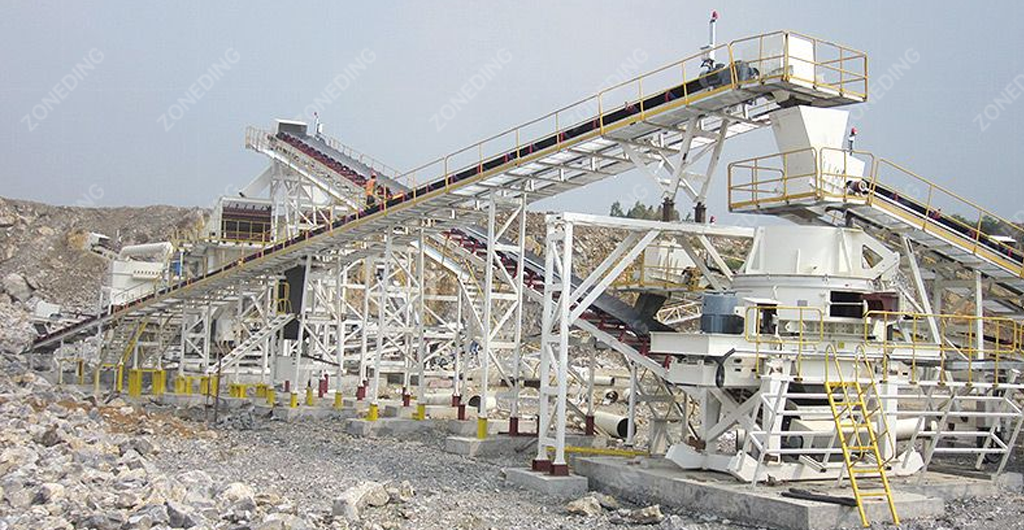
Many operators fail because they ignore the hidden costs of electricity and wear parts. We have seen plants where the cost of maintenance is higher than the price of the sand itself. You can avoid these mistakes. In this guide, We will share the strategies we use at ZONEDING to help our clients build highly profitable lines. We will show you how to choose the right technology, reduce your daily expenses, and create a product that construction companies will pay a premium for.
Last Updated: March 2026 | Estimated Reading Time: 18 Minutes
Limestone is the most common raw material used for sand making today. It is widely available and easier to process than granite or basalt. From my experience, limestone offers the perfect balance between durability and crushability.
When you use limestone, your cost-effective limestone sand making process benefits from lower energy consumption. It is a relatively soft rock on the Mohs scale, usually between 3 and 4. This means your crushers do not have to work as hard as they would with hard river stones. Because the rock breaks predictably, you can achieve a very consistent grain size. This consistency is exactly what concrete manufacturers look for when they buy sand.
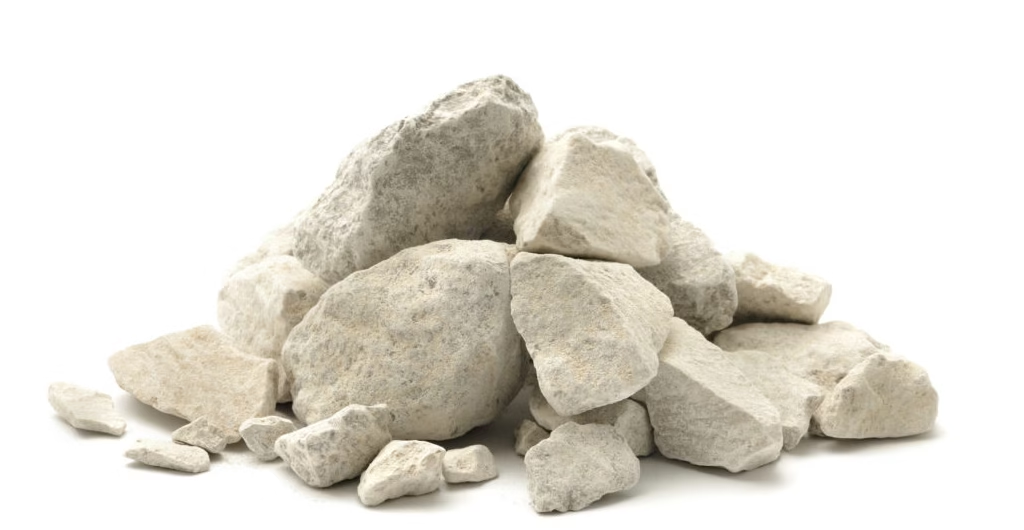
Building a dedicated limestone sand line allows you to turn “waste” 0-5mm or 5-10mm gravel into high-value sand. In many markets, sand sells for twice the price of small gravel. By adding a sand maker to your existing limestone quarry, you are essentially upgrading your stock to a higher-priced category. We see our customers doubling their profit margins just by making this one change in their production focus.
Not all limestone is the same. Some deposits contain high amounts of silica. Silica is very abrasive and will eat your machine parts fast. Before you buy any equipment, We recommend you get a laboratory test of your rock. If your silica content is above 5%, you need a different metallurgy for your wear parts. At ZONEDING, our engineers analyze these reports for free to ensure your plant design matches your specific geology.
The choice of machine will define your success or failure. We often talk to customers who try to make sand using only a hammer crusher. While a hammer crusher has a low purchase price, it is a nightmare for long-term profit. It creates too many “fines”—which is essentially dust that you cannot sell.
For cost-effective limestone sand making, you must use a VSI Sand Maker (Vertical Shaft Impactor). The ZONEDING VSI series uses a “rock-on-rock” crushing method. The machine accelerates the stones to high speeds and throws them against a wall of other stones. This natural collision breaks the rock along its internal lines of weakness.
| Machine Selection | Purchase Cost | Wear Part Life | Final Product Quality |
|---|---|---|---|
| Hammer Crusher | Low | Very Short | Poor (too many fines) |
| Impact Crusher | Medium | Medium | Good (but high dust) |
| ZONEDING VSI Sand Maker | Medium-High | Excellent | Premium (Cubical Shape) |
This technology provides three major benefits:
Different projects need different sand. A highway project might need coarse sand (2.6 – 3.1 fineness modulus). A plastering contractor needs very fine sand. With the ZONEDING VSI series, we install a frequency conversion controller. You can change the speed of the motor with a button. This allows you to “tune” your production to the exact needs of your buyer, ensuring you never lose a sale.
In the quarry business, downtime is more expensive than the parts themselves. If your plant stops for four hours to change a part, you lose hundreds of tons of production. To achieve cost-effective limestone sand making, you must focus on the durability of your components.
At ZONEDING, we use specialized alloys for all our high-impact parts. For limestone, we typically recommend high-manganese steel or high-chrome alloys. We also design our parts to be “flippable.” This means when one side is worn, you can simply turn the part over and use the other side. This small design choice doubles the life of the component.
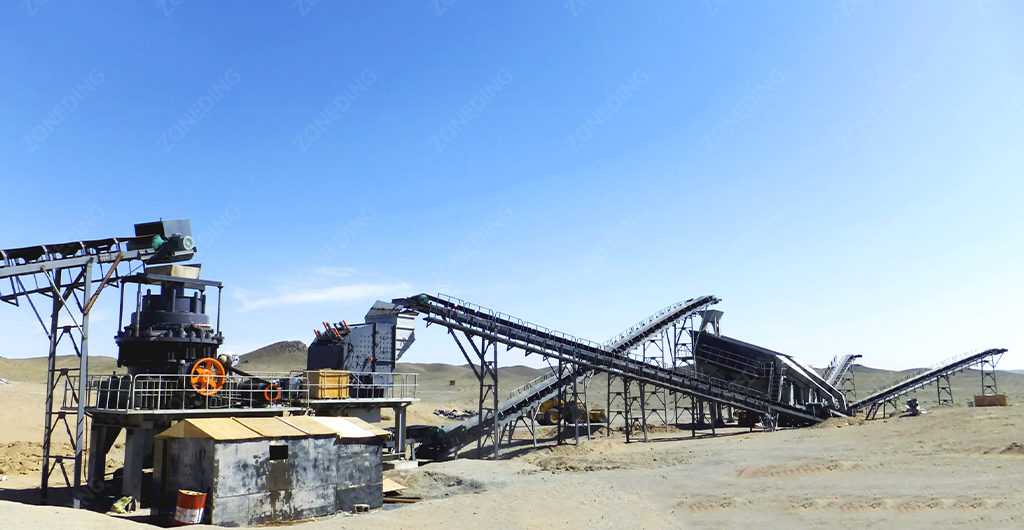
We tell all our clients that a ten-minute check every morning saves a ten-hour repair on the weekend.
Never buy the “cheapest” spare parts on the market. These parts are often made from recycled scrap metal with inconsistent hardness. They can break under pressure and cause internal damage to your machine. Always buy your crusher spare parts directly from the manufacturer. At ZONEDING, we keep a massive stock of parts for all our models, ready to ship anywhere in the world.
A machine is only as good as the system around it. If your conveyors are too slow or your screens are too small, your sand maker will be “choked.” For cost-effective limestone sand making, the material must flow like water through a pipe.
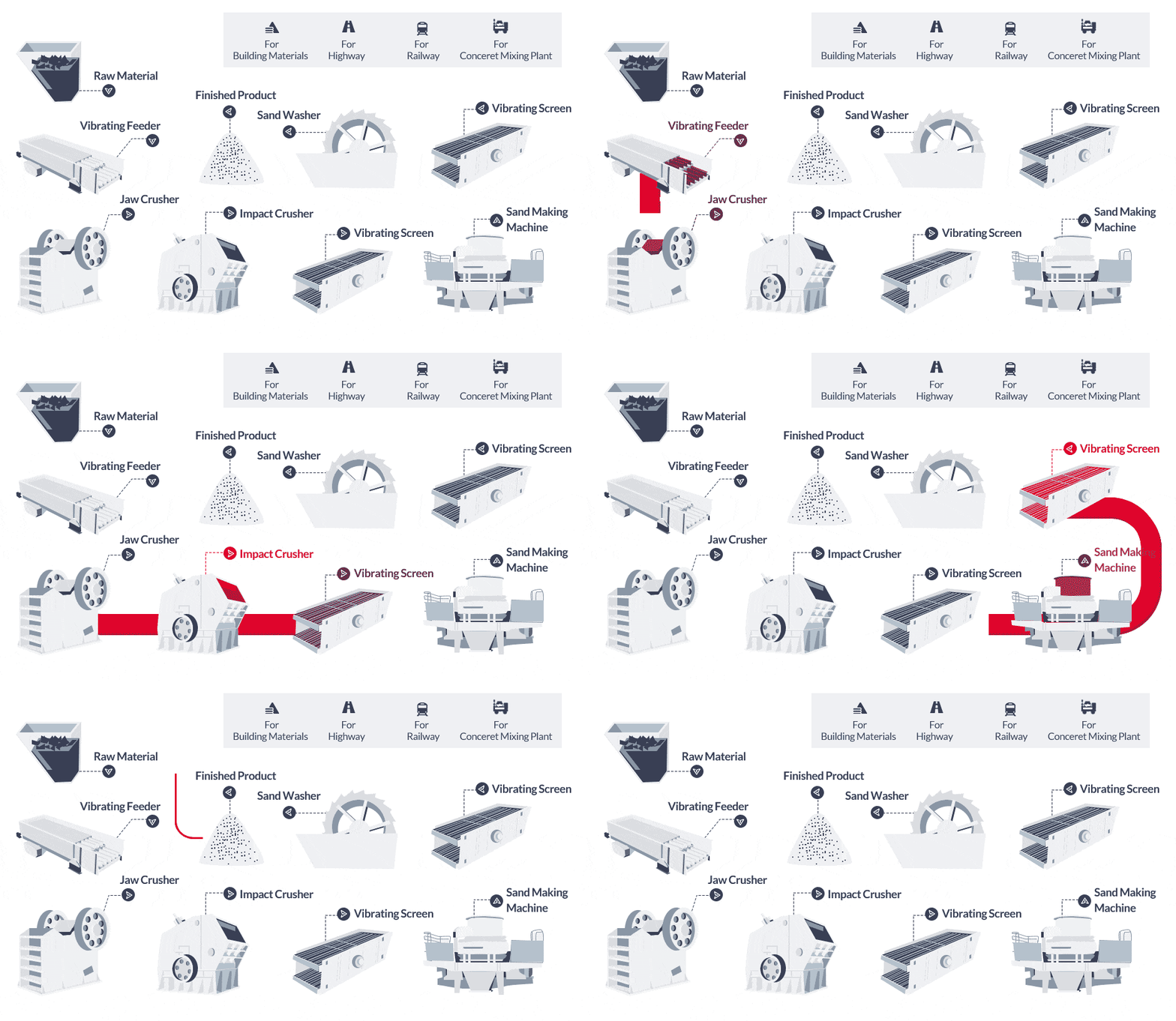
For the best sand quality and lowest cost, We recommend a three-stage layout:
Feeding the VSI machine with “pre-crushed” material under 40mm is the key. If the rocks are too large, the machine uses too much electricity and the wear parts break faster. By balancing the load between the primary, secondary, and tertiary stages, you ensure that no single machine is overworked.
The screen is the “judge” of your production. It decides what is sand and what is not. We use a circular Vibrating Screen in a closed-circuit system. This means any rock that is too big to be sand is sent back to the crusher automatically. This ensures that 100% of your raw limestone eventually becomes saleable product. We use high-tensile wire mesh to prevent “blinding” (when wet sand clogs the holes).
| Component | Function in the Line | Profit Driver |
|---|---|---|
| Vibrating Feeder | Provides steady feed | Prevents motor overload. |
| Conveyor Belts | Moves material | Reduces labor costs. |
| Vibrating Screen | Separates sizes | Ensures quality standards. |
| Sand Washer | Cleans the product | Increases the selling price. |
In many regions, dust is a major environmental concern. If you have too much dust, your plant might be shut down by regulators. ZONEDING lines can be equipped with dust suppression systems or air classifiers. These systems pull the dust out of the air and turn it into a dry powder that can be sold to asphalt plants or agricultural companies.
When you search for cost-effective limestone sand making equipment, you will see many companies. Why should you trust ZONEDING? Because we are not just a sales company. We are a manufacturer with 20 years of specialized experience.
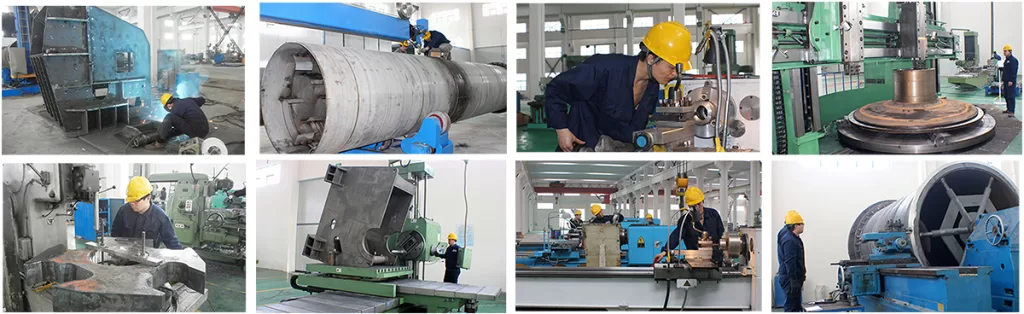
The world is moving toward “Intelligent Mining.” At ZONEDING, we are integrating these new technologies into our 2025 production models to make your business even more profitable.
Achieving cost-effective limestone sand making is about looking at the big picture. Do not be tempted by the lowest price for a machine. Instead, look for the lowest cost per ton of sand produced. Focus on three things: a high-quality VSI Sand Maker from a trusted manufacturer like ZONEDING, a balanced three-stage plant layout, and a strict daily maintenance schedule.
Manufactured sand is the future of the construction industry. By investing in the right technology today, you are securing your profit for the next twenty years. Don’t just take my word for it—let us show you the data.
ZONEDING MACHINE is more than just a equipment supplier; we are your strategic partner in mineral processing. Since 2004, we have focused on providing one-stop solutions for the B2B market. Whether you are a large mining group or a private quarry owner, we treat your investment with the respect it deserves.
We offer the perfect combination of world-class technology and competitive Chinese manufacturing pricing. We are committed to your long-term success. From the first site visit to the final training session, we are with you every step of the way.
Ready to start your sand making journey?
Contact ZONEDING today for a free site consultation and a custom production line quote. Let’s turn your limestone into gold.
Last Updated: January 2025
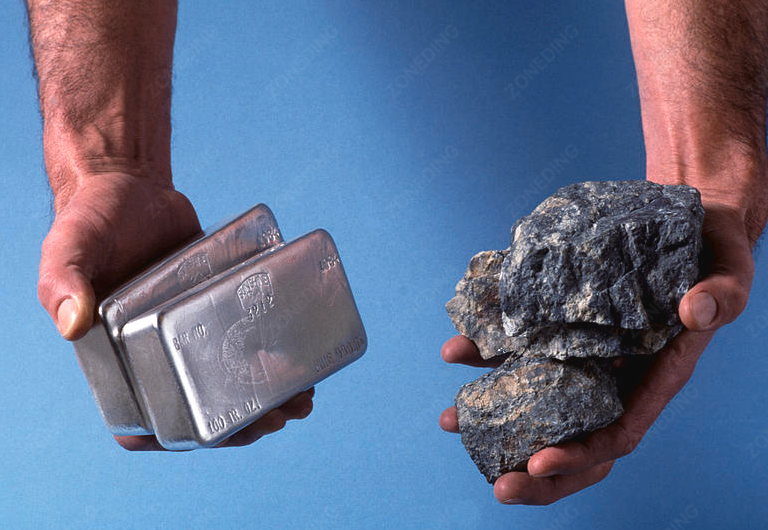
Want to learn how to extract silver from ore? Discover the complete step-by-step process, from crushing and grinding to flotation and cyanidation.
View details
Learning how to crush coal efficiently is vital for energy production. From primary breaking to fine pulverizing, we explain process and match right crushers.
View details
Looking for silver recovery solutions? We detail the 3 most common silver extraction process methods: Gravity Separation,Flotation, and Cyanidation Leaching.
View details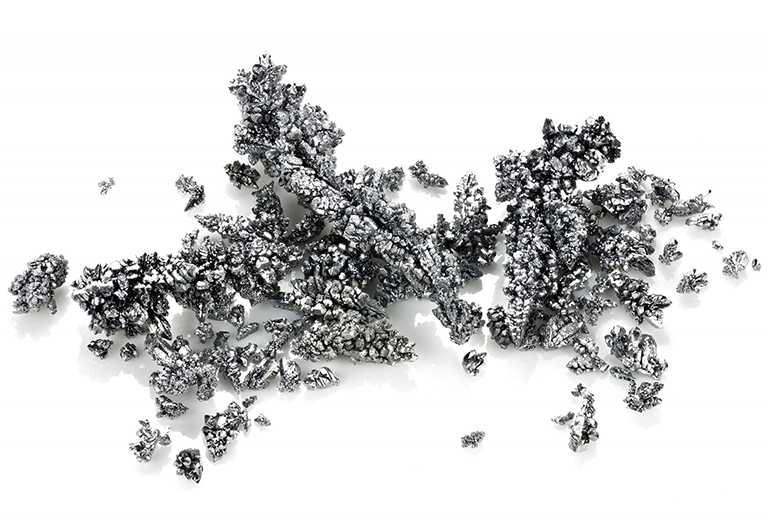
Explore modern vanadium processing techniques. From conventional roasting-leaching to innovative solvent extraction for chemical and battery-grade vanadium.
View details