 Zoneding Mining

Site Search
Search products, equipment and solution articles
整站搜索产品中心新闻中心
点击开始搜索
热门搜索
UltraForm-MXFlexiPoly-RNanoForm Z300EcoFab P200
Search products, equipment and solution articles
In the world of aggregate and mineral processing, the crusher gets all the glory. People love to talk about the immense power of a jaw crusher or the reduction ratio of a cone crusher. But I am here to tell you a simple truth: the crusher makes the rock, but the screen makes the money.
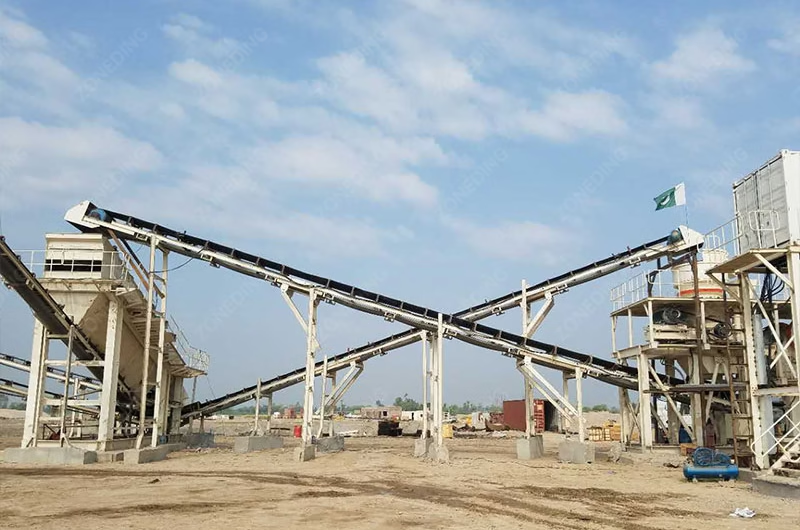
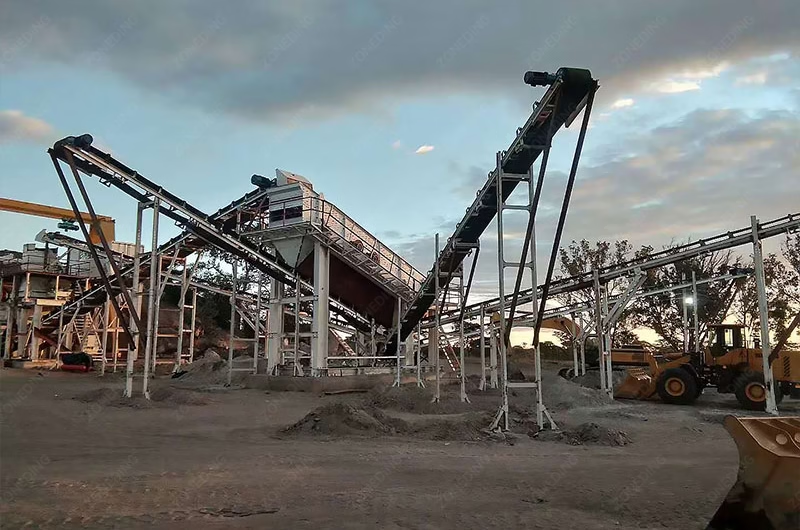
The industrial screening machine is the cash register of your operation. It is the final gatekeeper that determines if a product is sellable material or waste. If your screen is inefficient, you are sending good product back to the crusher (wasting energy) or selling off-spec material (ruining your reputation). This guide covers the engineering behind separation, the critical differences between machine types, and how to choose the right setup for your mine.
Last Updated: February 2026 | Estimated Reading Time: 15 Minutes
Before we look at the machines, we must understand what happens inside the screen box. Screening is not just about rocks falling through holes. It relies on a process called stratification.
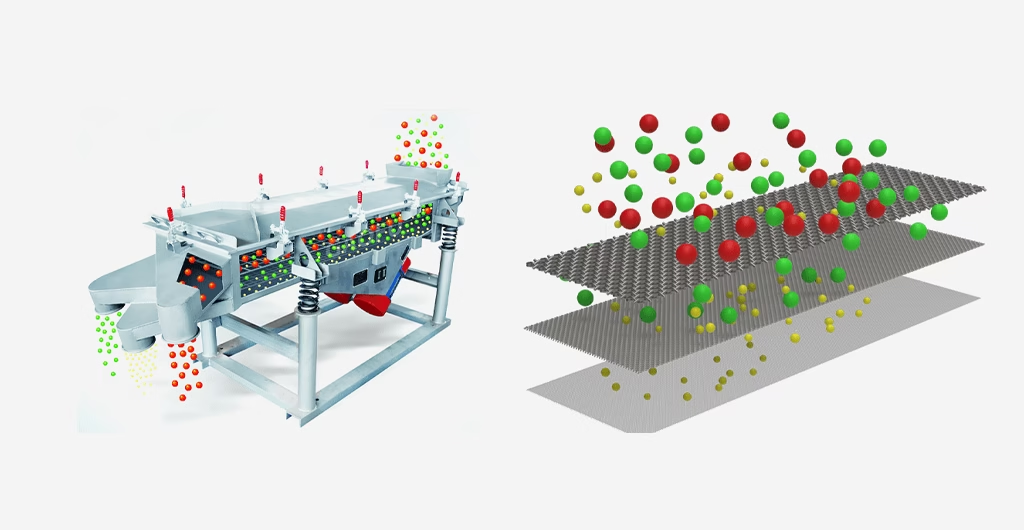
When a bed of material vibrates, the smaller particles sink to the bottom of the layer, while the larger particles rise to the top. Only the material touching the screen media (the mesh) has a chance to pass through.
At ZONEDING, we design our Circular Vibrating Screens to maximize this stratification process. We ensure the material spreads evenly across the width of the deck immediately upon entering.
There is no “one size fits all” screen. Different forces and motions are required for different materials.
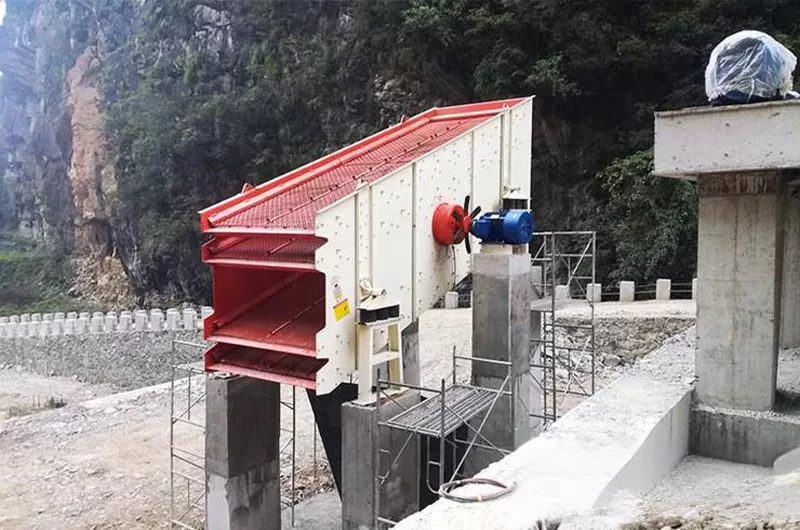
This is the workhorse of the industry. You will see these in 80% of aggregate quarries and mines. The huge advantage here is gravity.
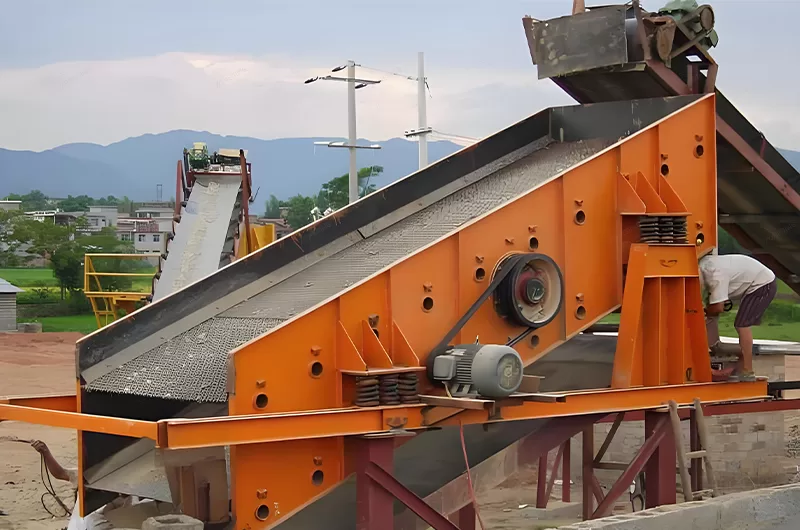
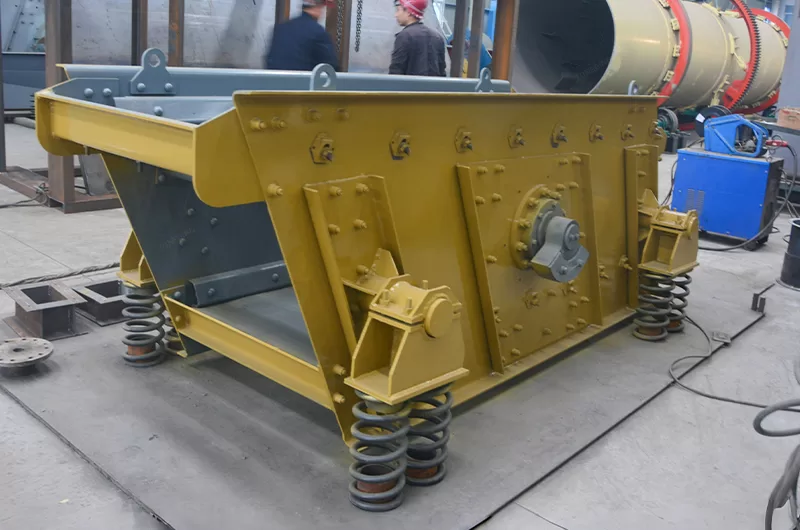
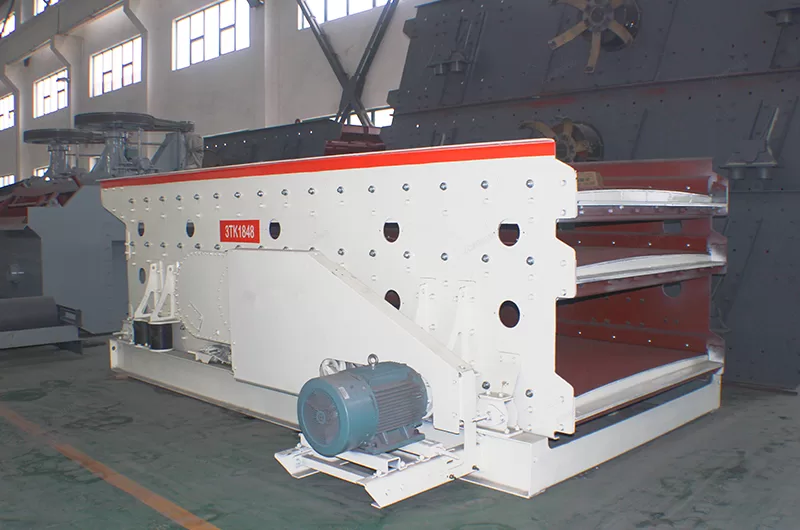
While the inclined screen uses gravity, the horizontal screen fights against it. It sits flat (0 degrees).
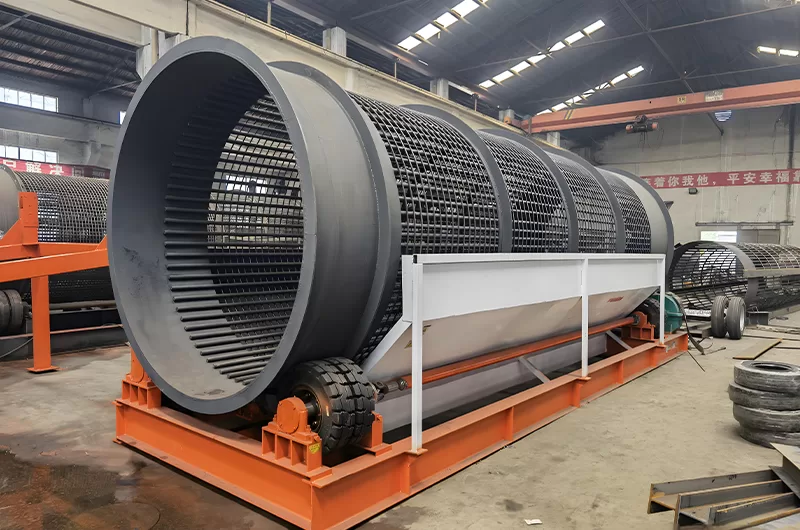
The Trommel Screen looks completely different. It is a large rotating drum with holes in it.
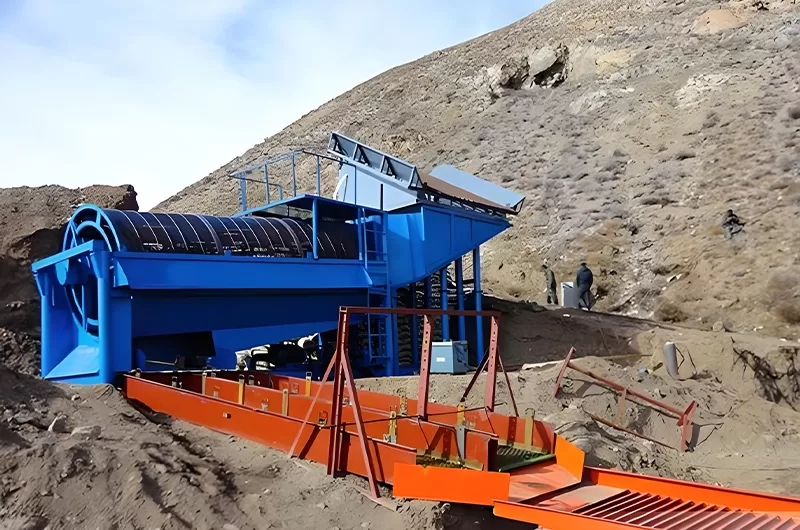
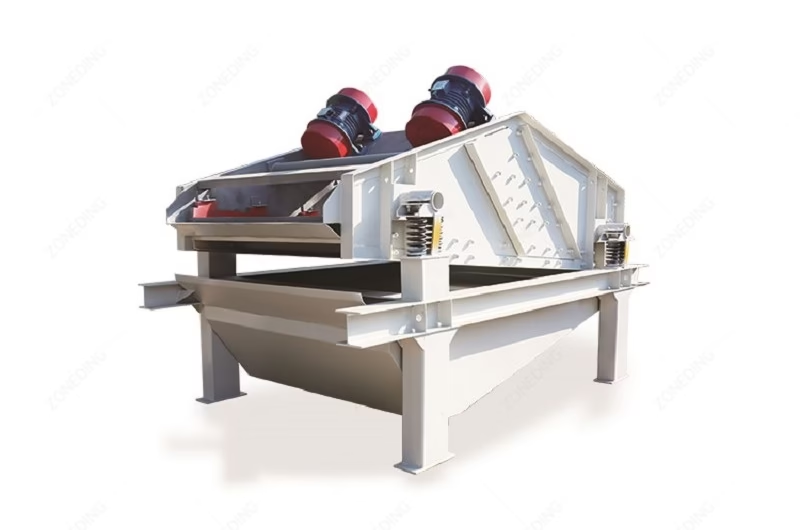
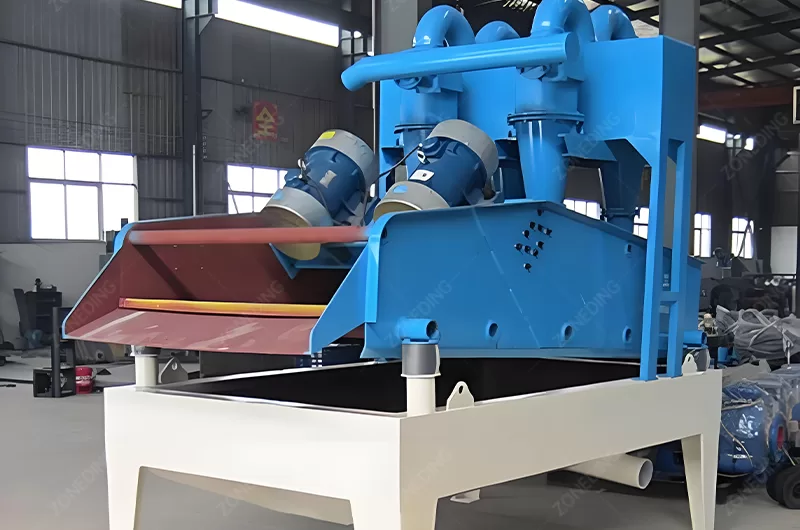
These are specialized horizontal screens. They are positioned at a slight negative angle (uphill). They use high-frequency linear motion to shake water out of sand slurry. We often use these in our sand washing plants to reduce the moisture content of the final product to below 15%.
Choosing between an inclined screen (like our YK series) and a horizontal screen is the most common dilemma for our customers. Here is how we break it down:
| Feature | Inclined Screen | Horizontal Screen | What This Means for You |
|---|---|---|---|
| Capacity | High | Medium | Inclined handles more tons per hour. |
| Efficiency (Accuracy) | Good (85-90%) | Excellent (90-95%) | Horizontal is better for strict specs. |
| Headroom | High | Low | Horizontal fits in tight spaces/mobile units. |
| Maintenance | Low | Moderate | Inclined has simpler drive mechanisms. |
| Cost | Lower | Higher | Horizontal requires more complex gearboxes. |
The machine is just the frame; the Screen Media is the part that touches the rock. Choosing the wrong media can cut your efficiency in half.
This is the standard. It is made of high-tensile steel wire woven into a grid.
These are modular plastic panels.
This is a steel plate with holes punched in it.
When you contact a manufacturer like ZONEDING, we need specific data to size the screen correctly. We utilize complex calculation formulas, but the logic is simple.
What are you screening? River stone is round and screens easily. Blasted basalt is jagged and locks together.
We need to hear the PSD (Particle Size Distribution). If you put 500 TPH of material onto a screen, but 90% of it is smaller than the hole size, the material will pass through instantly. This loads the under-conveyor but leaves the screen deck empty. Conversely, if 90% is “near-size” (close to the hole size), the screen will struggle. “Near-size” particles plug the holes.
Do not just buy the biggest screen. An under-loaded screen is actually inefficient because there is no material bed to help stratification. Rocks just bounce around wildly.
The humble screen is getting smarter. As we move through 2025, we are seeing new demands from our clients.
Traditional screens run at 800-900 RPM. New High-Frequency screens run at 3000+ RPM. They stir the material violently but with a very small stroke. This is revolutionizing fine screening (sand and mineral powders).
We are beginning to see sensors installed on the bearing housings. These monitor temperature and vibration levels. They alert the operator via an app if a bearing is failing or if the screen motion is becoming irregular (a sign of a broken spring). This predictive maintenance saves days of downtime.
Screening is the art of balance. You are balancing capacity against precision, and upfront cost against wear life.
Here is my advice for a profitable setup:
At ZONEDING, we manufacture the full range of screening solutions, from heavy-duty scalpers to precision finishing screens. We build them to handle the tough realities of the mining site.
Ready to optimize your circuit?
If you are unsure which screen fits your specific crushing line, we can help run the flow calculations for you.
Last Updated: January 2025

Everything you need to know about pebble sand manufacturing. From selecting the right pebbles to configuring your equipment line and calculating your ROI.
View details
Learn how to separate minerals by magnetic methods, covering magnetic separation properties, machine types, applicable materials, and the step-by-step process.
View details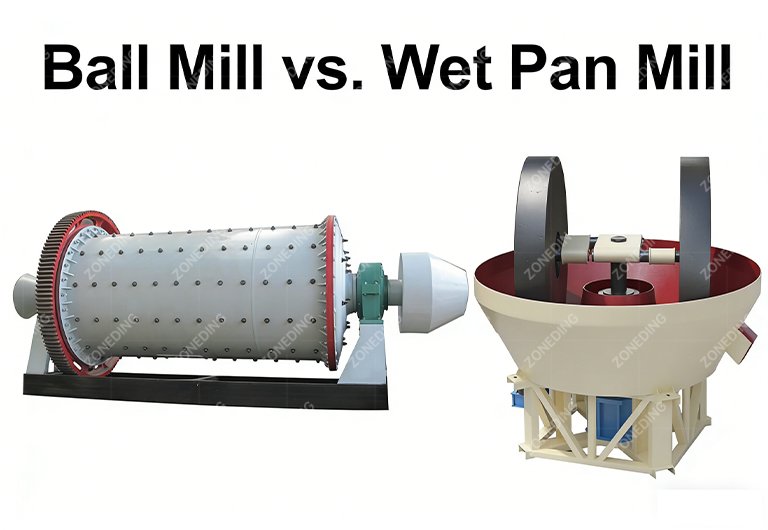
Discover pros and cons of ball mills and wet pan mills for gold ore grinding. Learn how to choose right equipment to optimize your gold recovery efficiency.
View details
You know silica sand is used for glass, but what about in electronics, paints, or golf courses? Discover applications of silica sand.
View details