 Zoneding Mining

Site Search
Search products, equipment and solution articles
整站搜索产品中心新闻中心
点击开始搜索
热门搜索
UltraForm-MXFlexiPoly-RNanoForm Z300EcoFab P200
Search products, equipment and solution articles
Thorium is a naturally occurring, slightly radioactive metal that many experts call the “fuel of the future” for clean energy. It is found in small amounts in most rocks and soils, but it is specially concentrated in minerals like monazite. In 2025, thorium has gained massive attention as a safer and more abundant alternative to uranium for nuclear power. Processing thorium requires a specialized Mineral Processing Plant because it is often found in heavy beach sands or hard rock deposits. The extraction process involves high-precision crushing, grinding, and separation to isolate the thorium-bearing minerals from waste sand or rock.
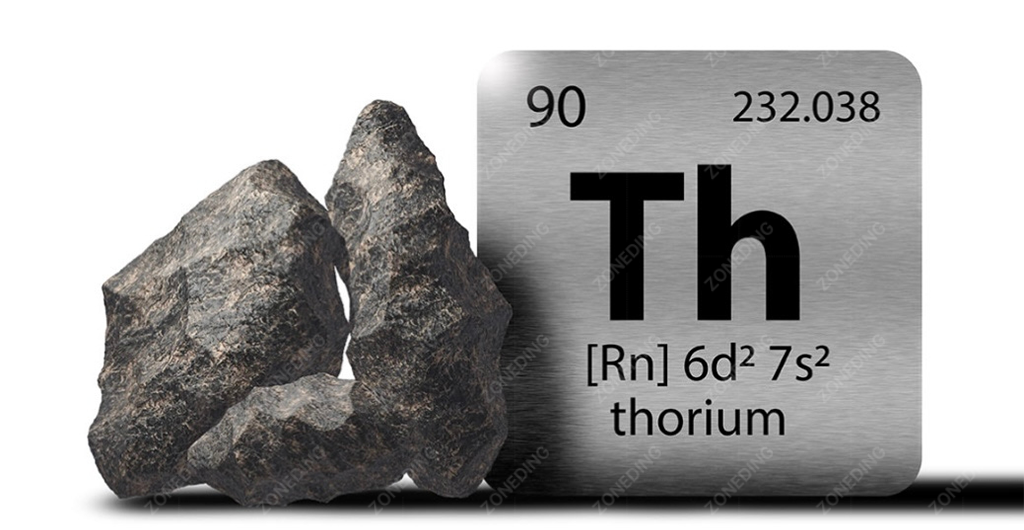
At ZONEDING MACHINE, we design the heavy-duty equipment needed to handle these complex ores. Because thorium minerals are often very dense and abrasive, the machinery must be exceptionally durable. From the initial primary crushing to the final concentration stage, every step must be optimized to ensure high recovery rates. Whether you are mining monazite sands or hard rock thorium deposits, our technology provides the reliability needed for a profitable operation. This guide will walk you through what thorium is, why it is so valuable, and how the processing flow works in a modern mining environment.
Last Updated: March 2026 | Estimated Reading Time: 25 Minutes
Thorium is a silvery-white metal that tarnishes black when exposed to air. It is a member of the actinide series and is about three to four times more abundant in the earth’s crust than uranium. It was first discovered in 1828 by the Swedish chemist Jöns Jacob Berzelius, who named it after Thor, the Norse god of thunder. Unlike uranium, thorium is “fertile” rather than “fissile,” meaning it must capture a neutron to become a fuel for nuclear reactors. This unique characteristic makes it a much safer option for the next generation of power plants.
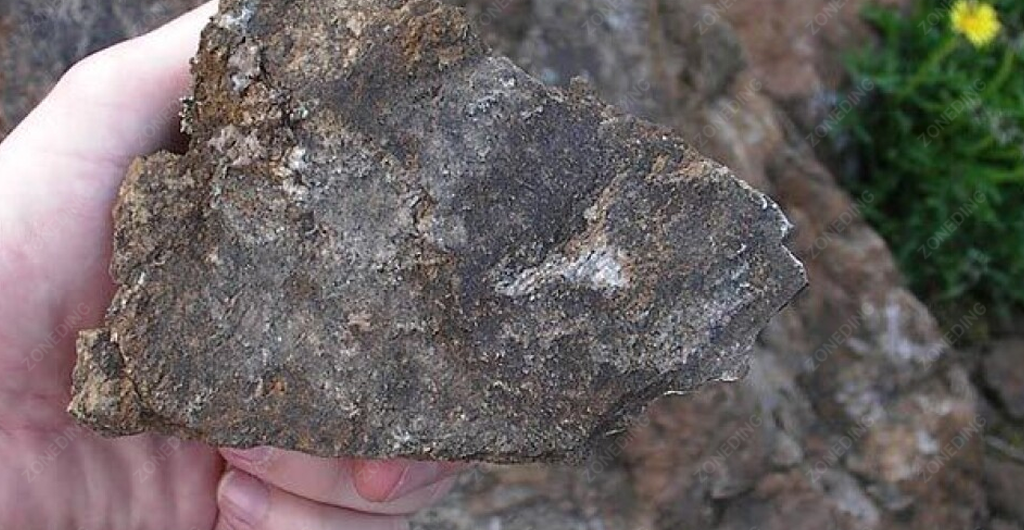
Extracting thorium begins with identifying the right minerals. The most common source is monazite, a phosphate mineral that also contains rare earth elements. To get to the thorium, you first need to break down the host rock. We usually recommend a ZONEDING Jaw Crusher for the first stage of reduction. These machines are built to handle the toughness of the igneous rocks where thorium is often found. Once the rock is broken into small pieces, it becomes much easier to separate the thorium atoms from the surrounding waste.
For many years, thorium was mostly a byproduct of rare earth mining. It was used in gas mantles because it glows with a bright white light when heated. However, as we move into 2025, the focus has shifted entirely toward its nuclear potential. Many countries are now building test reactors that use thorium as their primary fuel source. This shift means that mining companies are looking for more efficient ways to extract thorium directly, rather than just treating it as a waste product.
Thorium is found all over the world, with major deposits in India, Brazil, Australia, and the United States. In many of these places, it is found in “heavy mineral sands” along the coast. Processing these sands requires a different set of tools than hard rock mining. We provide specialized Spiral Classifiers that use water and gravity to separate the heavy monazite from lighter quartz sand. This process is the first critical step in concentrating the thorium for further chemical refining.
| Property | Value/Description | Why it Matters |
|---|---|---|
| Atomic Number | 90 | Defines its chemical behavior |
| Melting Point | 1,750°C | Needs high-heat resistance for processing |
| Density | 11.7 g/cm³ | Allows for gravity separation |
| Abundance | 6-10 ppm | More plentiful than uranium |
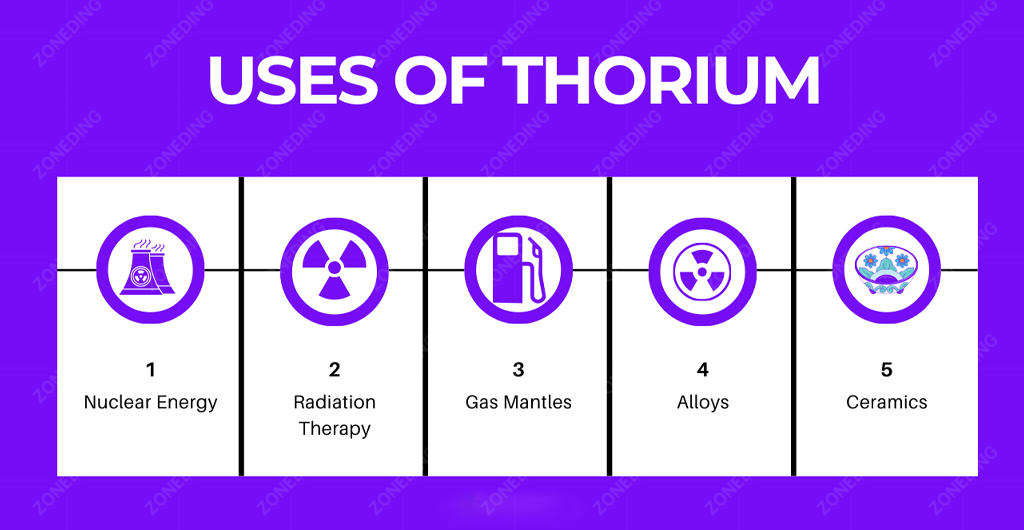
The most important use of thorium in 2025 is in nuclear energy. Thorium-based nuclear reactors, such as Molten Salt Reactors (MSRs), are designed to be “walk-away safe.” They produce significantly less long-lived waste than uranium reactors and are much harder to use for making weapons. This makes thorium a key player in the global effort to reduce carbon emissions. Beyond energy, thorium is used to strengthen magnesium alloys in aircraft engines and as a coating for high-end camera lenses to improve light transmission.
To supply these industries, the thorium must be exceptionally pure. This starts at the mine site. We use a ZONEDING Ball Mill to grind the thorium concentrate into a very fine powder. This increase in surface area allows the chemical leaching stage to work much faster and more thoroughly. A consistent grind is the secret to high-purity thorium. If the particles are too large, the chemicals cannot reach the thorium trapped inside. Our mills ensure that every gram of ore is ready for the next step in the supply chain.
In the aerospace industry, thorium is alloyed with magnesium to create parts that can withstand extreme heat and pressure. These alloys are used in missiles, rockets, and jet engines. Because these parts are critical for safety, the thorium used in them must be free from impurities like iron or silica. This is where our Magnetic Separator comes in. By removing magnetic impurities before the alloy is created, manufacturers can ensure the final metal is as strong as possible.
Even though it is an older technology, thorium is still used in camping lanterns. It helps the mantle withstand high heat and emit a bright light. It is also used in TIG welding electrodes because it helps the welding arc stay stable and last longer. These small-scale uses still require a steady supply of thorium. Many of our smaller clients use a compact ZONEDING processing line to serve these niche markets. This allows them to run a profitable business without needing a massive industrial site.
The processing of thorium is a journey from raw rock or sand to a clean chemical concentrate. The first phase is physical beneficiation. This involves crushing and grinding the ore to liberate the monazite or thorite crystals. Then, we use magnetic and gravity separation to create a core concentrate that is often 60% to 70% thorium mineral. This physical stage is vital because it reduces the amount of material that needs to be treated with expensive chemicals in the lab.
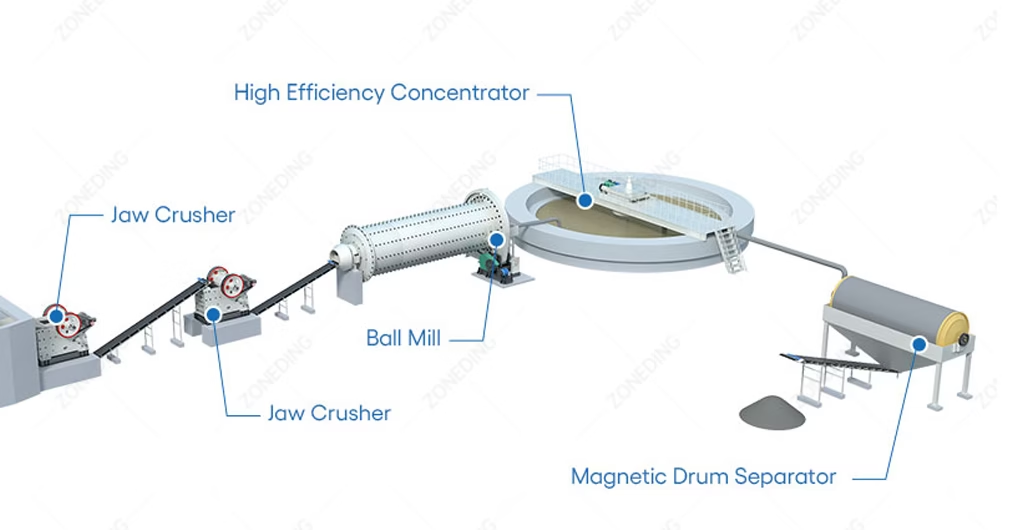
The process usually follows this flow:
If you are working with beach sands, gravity is your best friend. Thorium minerals are much heavier than the white sand you see on a beach. By using a series of spirals, we can wash away the light sand and keep the dark, heavy minerals. This is an extremely low-cost way to start the concentration process. ZONEDING spirals are designed to be easy to maintain, even when working with salt water and abrasive sands. This makes them perfect for coastal mining operations in places like India or Australia.
Monazite is “paramagnetic,” which means it is weakly attracted to magnets. We use high-intensity magnetic separators to pull the monazite out of a mixture of other minerals. This is a very delicate process. If the magnetic field is too weak, you lose thorium. If it is too strong, you pull in too much waste. ZONEDING separators feature adjustable field strengths, so you can tune the machine to your specific ore type. This level of control is what helps our clients achieve 95% recovery rates or higher.
Since thorium is radioactive, dust control is very important. We design our Mineral Processing Plant systems to be as enclosed as possible. This prevents workers from breathing in dust and keeps the environment safe. Using wet grinding and wet separation methods also helps keep the dust levels near zero. Safety and efficiency go hand-in-hand in a modern thorium mine.
Thorium mining is a specialized field. You cannot just use standard iron ore equipment and expect good results.
ZONEDING MACHINE is a leading Chinese manufacturer of high-quality mineral processing equipment. Since 2004, we have specialized in providing B2B solutions for mining companies all over the world. Our 8,000 square meter factory produces over 500 products a year, ranging from massive jaw crushers to precision magnetic separators.
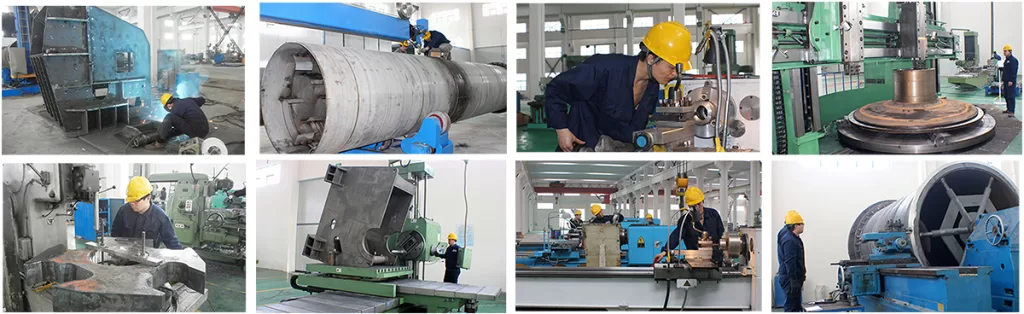
We offer a “Full-Service Support” model. This means we don’t just sell you a machine; we help you design the entire plant, install the equipment, and train your staff. Our products are exported to over 120 countries, giving us the global experience needed to handle any mining challenge. When you choose ZONEDING, you are choosing a partner dedicated to your long-term success in the thorium market.
The world is moving toward a “Thorium Economy” as we seek better ways to power our cities.
Recent data shows that the demand for thorium is expected to double by 2030. Most of this growth will come from the energy sector in Asia and North America. Mining companies that invest in high-efficiency Mineral Processing Plants today will be the ones that benefit most from this massive energy transition.
Thorium is the key to a safer, cleaner nuclear future. Understanding its properties and how to process it correctly is the first step toward a successful mining project.
Last Updated: May 2025
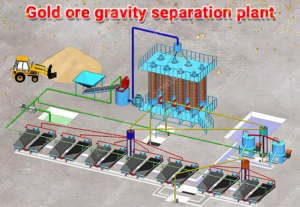
Discover the gravity separation in mineral processing. Learn how density differences can separate valuable minerals,its basic principles, methods,machines etc..
View details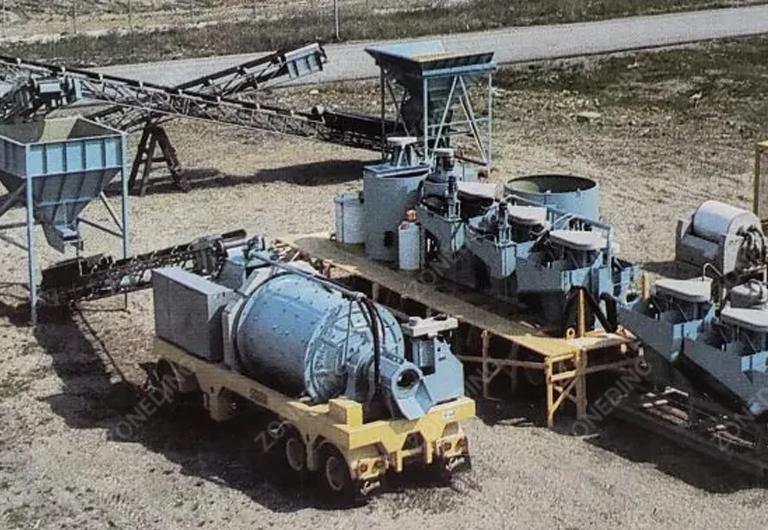
New to modular mining? Learn exactly what a gold modular processing plant is, how it works, and why it's the fastest way to start gold production.
View details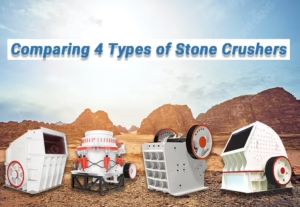
An expert comparison of 4 stone crushers: Jaw, Cone, Impact (HSI), and Hammer, including advantages,disadvantages ,cost, output shape, and suitable rock types.
View details
Explore the typical price range of jaw crushers and understand the main factors influencing their cost, such as size, capacity, features, and machine quality.
View details