 Zoneding Mining

Site Search
Search products, equipment and solution articles
整站搜索产品中心新闻中心
点击开始搜索
热门搜索
UltraForm-MXFlexiPoly-RNanoForm Z300EcoFab P200
Search products, equipment and solution articles
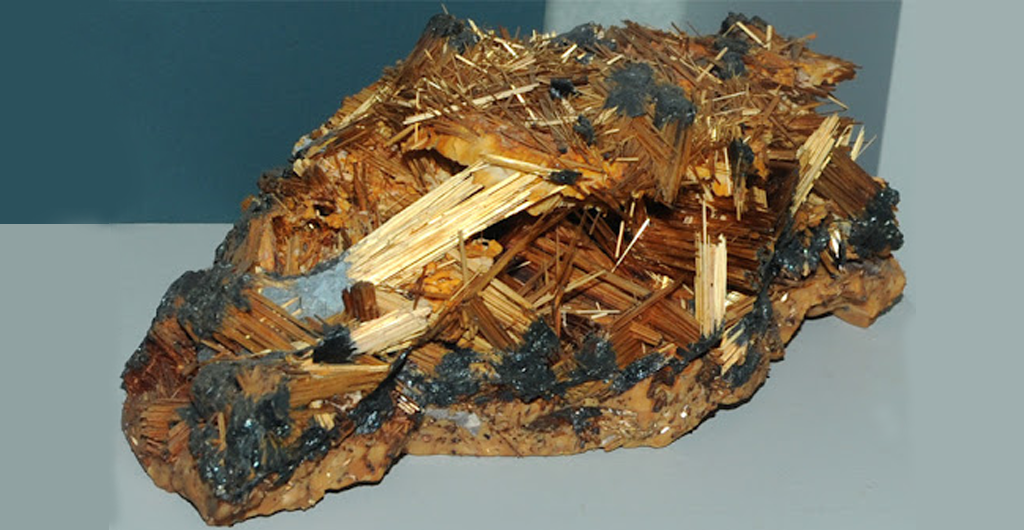
Outdated processing lines lose valuable titanium every single day. Proper Rutile Beneficiation turns cheap raw sand into a high-value industrial product. ZONEDING engineers design heavy machinery to extract pure rutile quickly and cheaply. Rutile acts as a key source of titanium dioxide. Global buyers use this material for premium white paint and strong aircraft parts. Many factories fail because the machines cannot separate the rutile from other heavy minerals like ilmenite. This complete guide shows how to build a highly profitable titanium processing plant using modern separation methods. Customized mechanical solutions guarantee a high yield and a perfectly pure output.
Last Updated: April 2026 | Estimated Reading Time: 25 Minutes
Rutile beneficiation refers to the mechanical process of cleaning raw titanium ore to remove useless dirt and isolate the valuable rutile grains. Raw heavy mineral sands contain many different elements mixed together. Silica sand, ilmenite, zircon, and rutile all sit in the exact same pile. Buyers refuse to purchase this mixed sand. Processing factories must separate the rutile to generate actual profits.
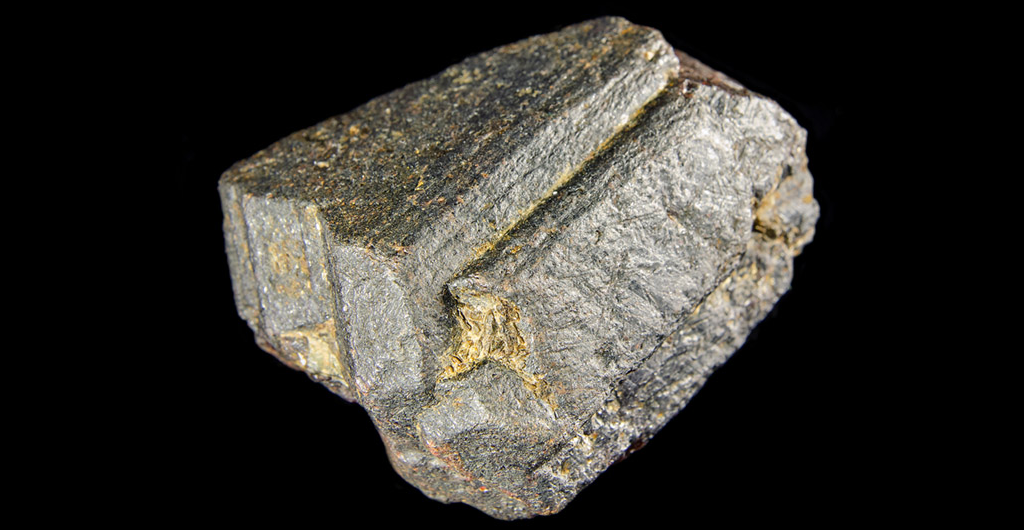
Beneficiation uses standard physical differences to separate the various stones. The machines look at the specific weight, the magnetic pull, and the electrical conductivity of each individual mineral grain. ZONEDING designs customized separation lines based exactly on the specific sand sample from the mining site. High-pressure water washes the lightweight dirt away first. Strong magnets then pull the iron-rich stones out of the dry mixture. High-voltage electricity sorts the final remaining grains. This purely mechanical process never uses dangerous chemicals at any stage. This factor makes the daily operation completely safe for factory workers and the surrounding natural environment. A well-designed beneficiation line runs continuously without stopping. The system takes wet beach sand in one end and outputs bags of high-purity titanium ore at the other end.
Processing heavy mineral sands is highly profitable because global factories desperately need pure titanium dioxide for manufacturing. Sand just sitting on a local beach holds very little market value. Unprocessed ore sells for bare minimum prices. Pure rutile powder sells for thousands of dollars per ton on the global market.
The industrial world demands more titanium every single year. Medical supply companies use high-grade titanium for human joint replacements. Aerospace engineers build jet engine parts with this strong material. Chemical companies need titanium dioxide to manufacture bright white colors for commercial house paint. Mine owners secure a steady and massive income stream by upgrading the raw materials.
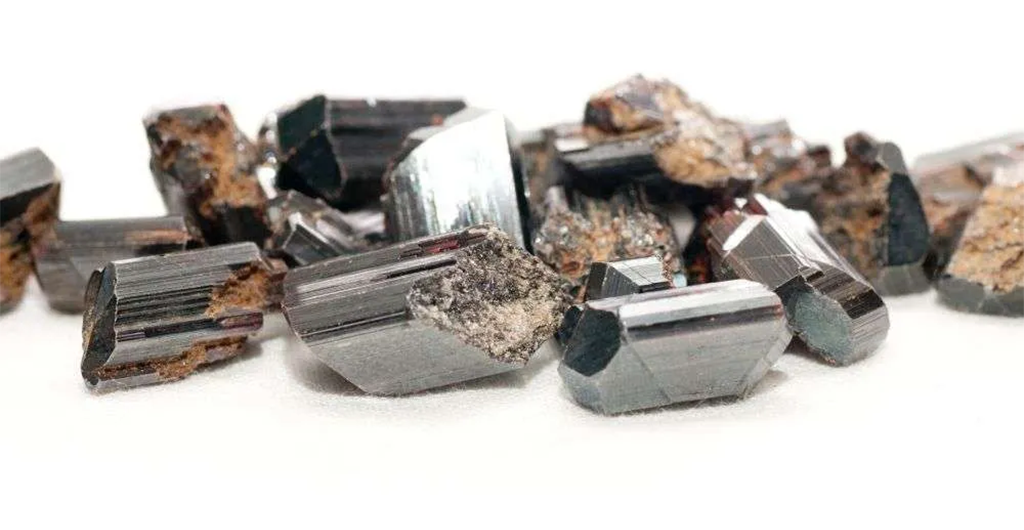
A complete Rutile Beneficiation plant allows a mining business to sell directly to these high-paying industries. The mining company stops acting as a low-level bulk dirt supplier. The business becomes a premium mineral partner. Small mining operations frequently double their yearly revenue by simply adding a proper machine processing stage. ZONEDING provides the exact robust machines necessary to capture this massive global market demand.
Gravity spirals separate titanium ore from basic beach sand by pushing heavy minerals down the center and washing light sand away. A spiral separator operates as a tall and twisting fiberglass chute. Large industrial pumps push a thick mixture of water and raw sand to the very top. The muddy water then flows rapidly down the twisting spiral path.
Basic gravity handles all the hard sorting work naturally. Silica sand is a very lightweight material. The fast-moving water washes the light sand to the far outside edge of the spiral track.
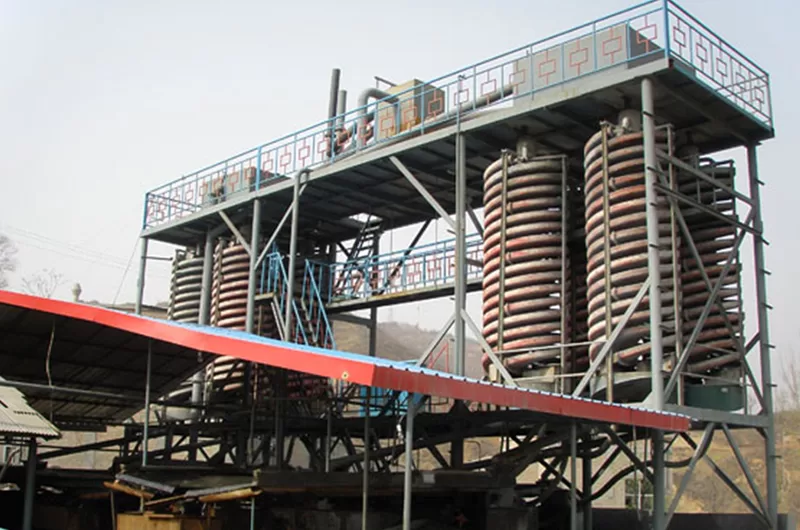
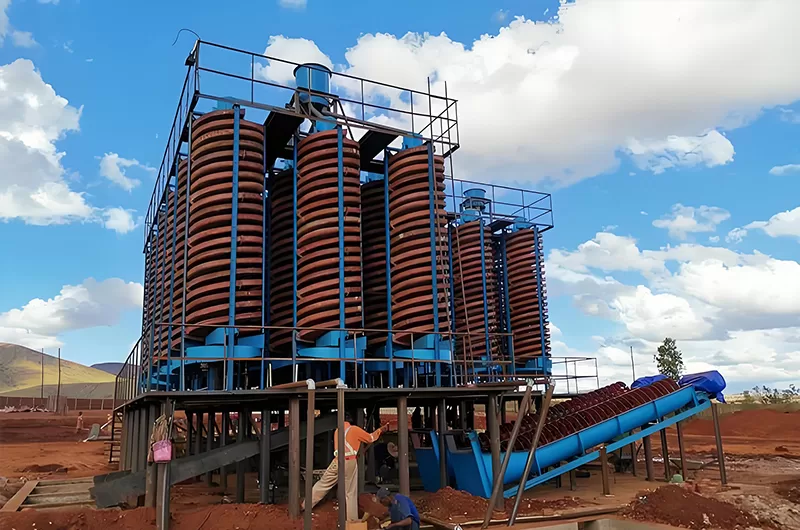
Rutile and ilmenite are extremely heavy materials. These heavy grains stay locked on the inside track closest to the center pole. Small adjustable splitters sit at the very bottom of the chute to catch the heavy minerals in a separate pipe. This initial washing step is completely free of energy costs after the initial water pumping. The spirals remove eighty percent of the useless dirt instantly.
ZONEDING supplies highly durable fiberglass spiral banks designed to handle hundreds of tons of sand per hour. Large arrays maximize the daily mineral output. This step leaves a concentrated mix of heavy valuable minerals ready for the drying stage.
Dry magnetic separation perfectly removes ilmenite from the heavy mineral mix because ilmenite contains magnetic iron by magnetic separator, while rutile does not. The heavy sand mixture contains rutile, zircon, and ilmenite after leaving the gravity spirals. A factory must separate these three elements completely. Ilmenite is naturally a magnetic mineral.
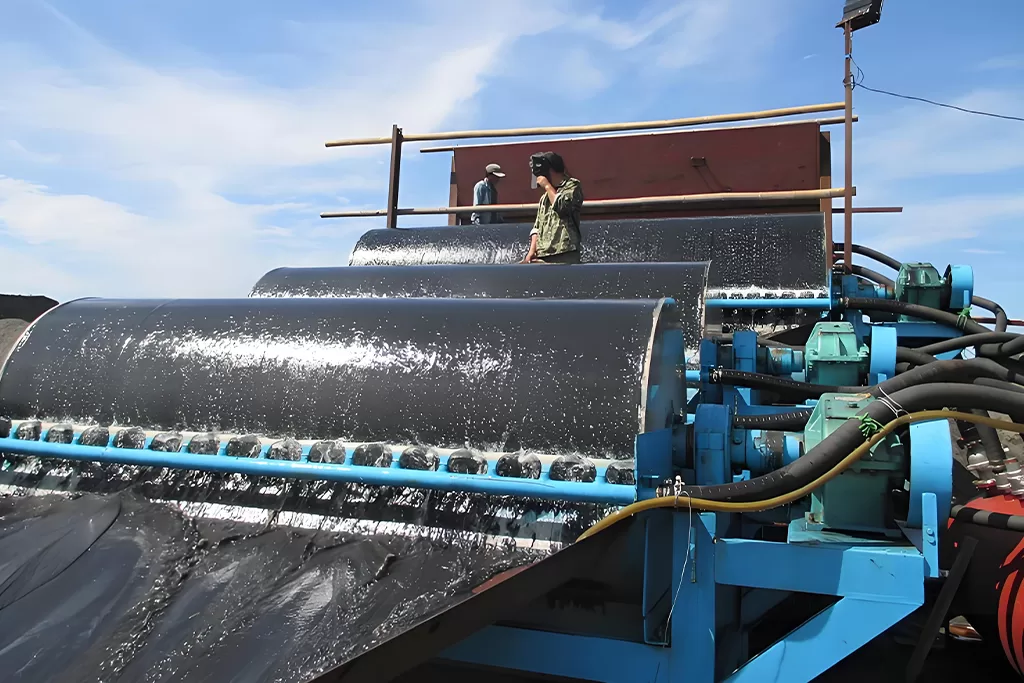
The dry mineral mix passes slowly over a fast-spinning magnetic roller. The strong magnet grabs the iron-rich ilmenite grains immediately. The spinning roller carries these magnetic grains around the back side before dropping them. The rutile and zircon grains ignore the magnetic field completely. They fall straight down into a clean collection bin at the front of the machine. This step represents a very simple and highly effective mechanical process. ZONEDING utilizes advanced rare-earth permanent magnets inside the sorting machines. These premium magnets never lose pulling power over time like older electromagnets do. They provide a clean and sharp separation every single hour of the day. A factory can then bag and sell the extracted ilmenite as a valuable secondary product. This setup creates two distinct revenue streams from one single feed of raw sand.
High-tension electrostatic separators utilize immense high voltage to split conductive rutile grains away from non-conductive zircon grains. The mineral mixture still contains both rutile and zircon after the magnetic rollers remove the iron. These two minerals share the exact same weight. They are also both entirely non-magnetic. Gravity water spirals and magnetic rollers cannot separate them.
Rutile naturally conducts electricity very well. Zircon totally blocks electricity from flowing. The heated sand mixture drops down over a spinning metal drum. A high-voltage wire continuously sprays static electricity onto the falling sand. The conductive rutile grains lose the electrical charge quickly and fall off the drum normally into a front bin. The non-conductive zircon grains hold the strong electric charge tightly. The zircon sticks firmly to the spinning metal drum until a stiff brush scrapes it off into a back bin. This high-tension electrical action splits the two valuable materials perfectly. The factory gets ultra-high purity Titanium Ore in one bin, and premium high-value zircon sand in another bin. This final specialized stage guarantees the final rutile product easily meets incredibly strict buyer purity standards.
Heavy jaw crushers must break solid granite boulders to process rutile trapped inside hard mountain rocks. Loose beach sand remains very easy to process with water. Hard rock titanium mining requires immense raw grinding power. The valuable rutile crystals sit firmly locked inside massive granite boulders.
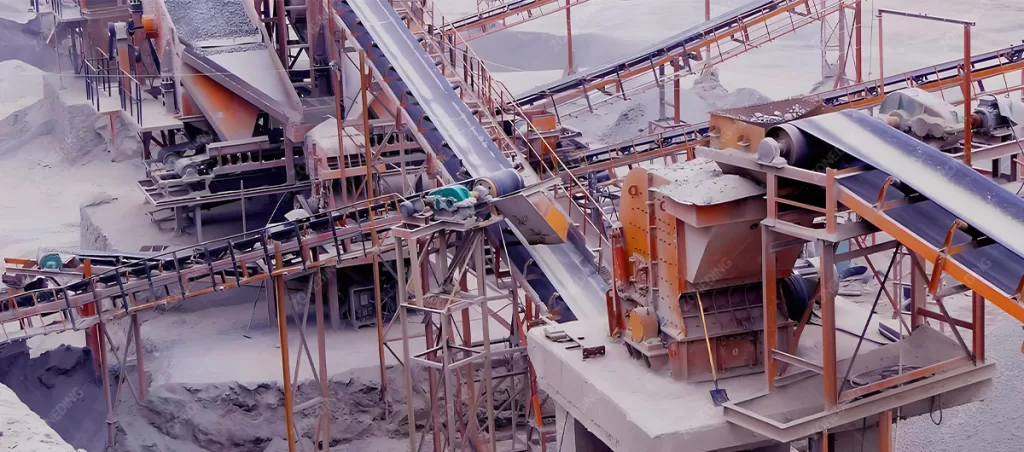
A mining operation must crush the hard rock into fine dust before utilizing the magnets or water spirals. ZONEDING supplies a massive and highly durable stone crusher machine for the primary breaking stage. A fine ball mill always follows the primary jaw crusher to grind the broken stones into a fine sandy powder.
The modern ZONEDING factory uses extremely thick manganese steel plates to build these machines. This special steel easily survives constant contact with highly abrasive mountain rock. These heavy-duty crushers operate continuously to feed the downstream beneficiation line without any costly delays. A strong primary crushing stage acts as the only physical way to release the microscopic titanium grains from the heavy host rock. A weak crusher simply jams and stops the entire factory.
An efficient mineral layout places gravity water spirals on the highest floor and electrical sorters on the ground floor. Factory managers must plan the interior processing space very carefully. Moving thousands of tons of heavy wet sand up and down costs massive amounts of electricity. Smart engineering designs allow natural gravity to do the heavy moving.
Large industrial water pumps move the raw wet sand to the highest floor of the factory building. The water spirals process the sand and drop the clean heavy minerals down to a rotary drying furnace on the floor below. The hot dry minerals then drop directly into the magnetic separators. Finally, the non-magnetic minerals drop straight down into the electrical sorters on the ground floor. This vertical design saves the factory thousands of dollars on long conveyor belts and extra water pumps. ZONEDING engineers provide full 3D layout drawings before any heavy equipment leaves the shipping dock. The engineers ensure all the selected machines fit securely inside the existing building structure. A properly planned vertical layout prevents massive feed bottlenecks and keeps all factory workers fully safe.
The total price depends strictly on the requested daily tonnage capacity and the exact type of raw material being processed. A fully complete Rutile Beneficiation line requires several different specialized machines working together. There is no single price for every project.
A small factory processing 5 tons per hour with a basic spiral and magnet setup costs around $40,000 to $60,000. A massive 50-ton-per-hour comprehensive processing plant utilizing full automation easily costs $150,000 to $350,000 to build. Hard rock crushing lines always add much more initial equipment cost compared to processing loose beach sand. Buyers purchase directly from the ZONEDING heavy machinery factory. Direct purchasing successfully avoids all high trading agency markups. The equipment features premium electrical parts like Siemens PLC controllers. Extreme long-term machine durability completely justifies the initial capital setup cost. Factory owners quickly make the investment back completely when they begin selling bags of fully pure titanium ore.
Maintaining mechanical separation machines remains very easy when factory workers follow a simple daily inspection checklist. Heavy mineral machines require consistent lubrication to prevent catastrophic friction damage. Factory owners must ensure workers understand the basic operating rules.
The maintenance team must pump fresh grease into the side bearings of the magnetic rollers every week. Technicians must check the high-voltage wires on the specific electrostatic machines daily to completely prevent fire sparks. Workers must keep the twisting fiberglass water spirals totally clean from sudden heavy mud clumps. ZONEDING mining machines utilize a very straightforward and robust mechanical design approach. The layout totally avoids unnecessary and complex fragile parts. Mechanics fix most daily operating issues with basic standard hand tools. Standard instruction manuals feature clear photographs for every single unit. Regular light cleaning stops small dust buildup problems from turning into massive factory breakdowns.
Buyers need a machinery partner with deep direct mineral testing experience, not just a basic steel trading company. Many companies sell mining equipment without understanding actual mineral chemistry. Sand separation requires specific engineering knowledge.
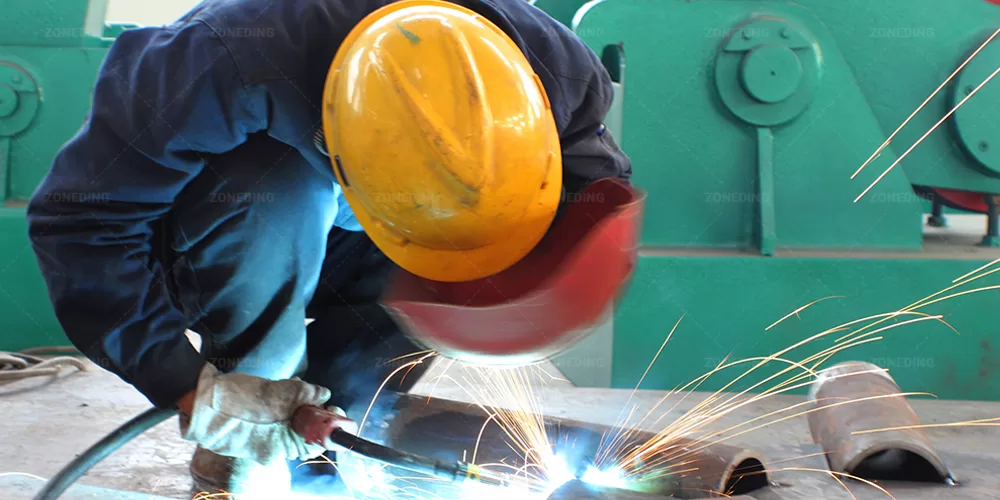
Smart buyers choose a direct manufacturer that operates a real physical factory equipped with precise CNC cutting machines. Buyers must demand free sample testing before signing any purchase contract. A good supplier needs to confirm global spare parts delivery timelines clearly. ZONEDING operates an advanced 8,000 square meter manufacturing factory based in China. The company strictly employs 15 specialized mineral processing engineers. The factory laboratory actively tests specific customer sand samples first to accurately guarantee final separation results. The engineers design the whole plant layout from the initial wash to the final bag. The factory ships genuine replacement belts and strong magnets worldwide very fast to prevent downtime. Finding a serious long-term machinery partner guarantees business success.
The titanium mining industry in 2025 focuses aggressively on higher overall recovery rates and fully smart machine automation.
The global titanium market strictly demands absolute environmental compliance. Strict local water limits encourage modern mines to actively recycle ninety percent of all utilized washing water. Older processing plants accidentally waste highly valuable zircon inside the dirty tailings piles. Upgrading to a modern Titanium Ore separation line fully captures that lost daily revenue and completely modernizes your factory operation.
A truly modern Rutile Beneficiation plant easily transforms low-value raw sand into highly profitable titanium dioxide material. Factory owners must definitely utilize a strict step-by-step mechanical approach. Fast-moving water washes the dirt using physical gravity spirals. Intense spinning magnetic rollers pull the dark iron out securely. High-tension electrical fields finalize the cleaning process perfectly. Durable heavy-duty steel and proven separation technology build these massive complete factory lines. Professional buyers firmly protect the heavy capital investment by specifically choosing robust equipment designed strictly for abrasive raw minerals.
Last Updated: April 2026
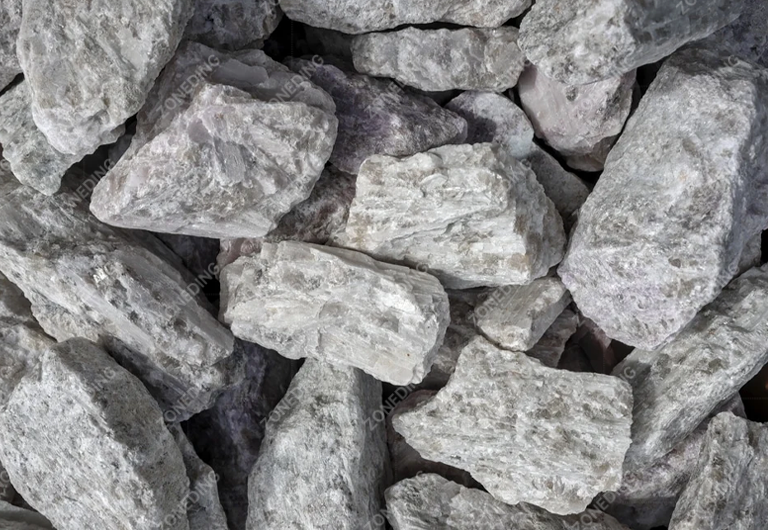
Master lithium plant design. Our strategic guide provides a professional framework for selecting mining and processing equipment to optimize purity and yield.
View details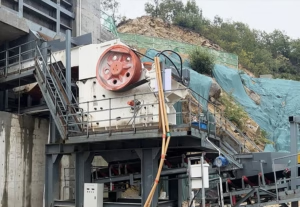
This expert guides you key factors: rock hardness (Ai), feed size, capacity requirements, and operational costs to tell how to choose right primary crusher.
View details
What is silver ore? Where is it found? How is it mined? This guide will answer with details on types, applications, deposits, and how to process it. Read Now!
View details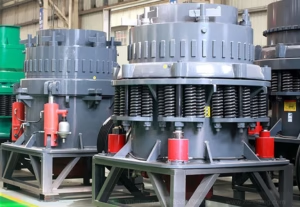
Learn 9 core factors driving cone crusher prices. From brand and model to technical specs, materials, and after-sales support. Get precise budgeting Now!
View details