 Zoneding Mining

Site Search
Search products, equipment and solution articles
整站搜索产品中心新闻中心
点击开始搜索
热门搜索
UltraForm-MXFlexiPoly-RNanoForm Z300EcoFab P200
Search products, equipment and solution articles
You want your quarry to run without sudden stops. A broken impact crusher kills your daily profit and wastes your workers’ time. These machines use high-speed impact forces to break rocks. This process creates massive stress on every metal component. We see many operators struggle with simple mechanical issues that cause long delays. You can fix most of these problems if you know what to look for. This guide provides nine common problems and clear troubleshooting tips. You will learn how to keep your rotor spinning and your production high. We share our expert knowledge to help you maintain a reliable crushing plant.
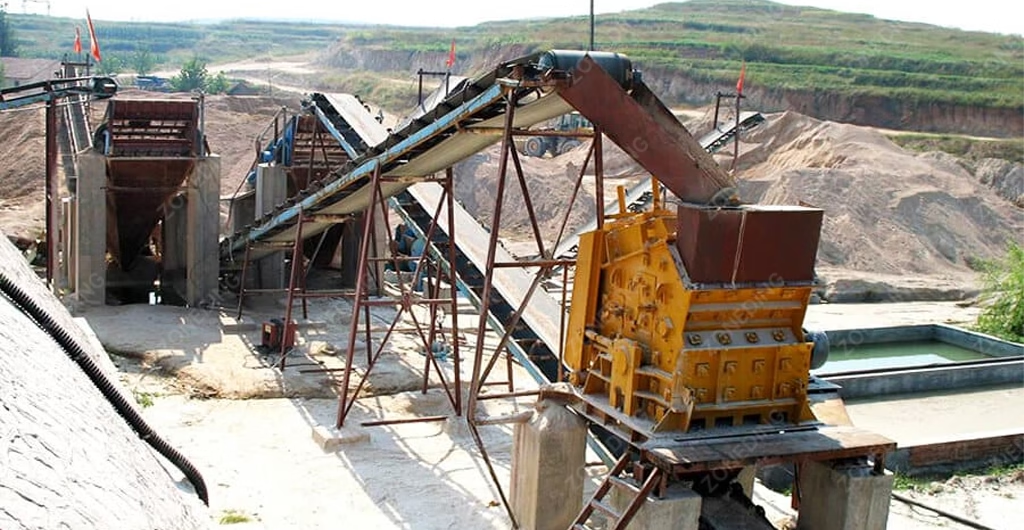
Last Updated: April 2026 | Estimated Reading Time: 25 Minutes
Abnormal vibration is the most dangerous signal your crusher can give. You must stop the machine immediately if you feel the ground shaking. Excessive vibration usually means the heavy rotor is out of balance. This happens when the blow bars wear down unevenly on one side. It also happens if a blow bar is broken or missing. Sometimes a small piece of uncrushable metal gets jammed in the rotor. This extra weight creates a lopsided spinning force that can crack your machine frame.
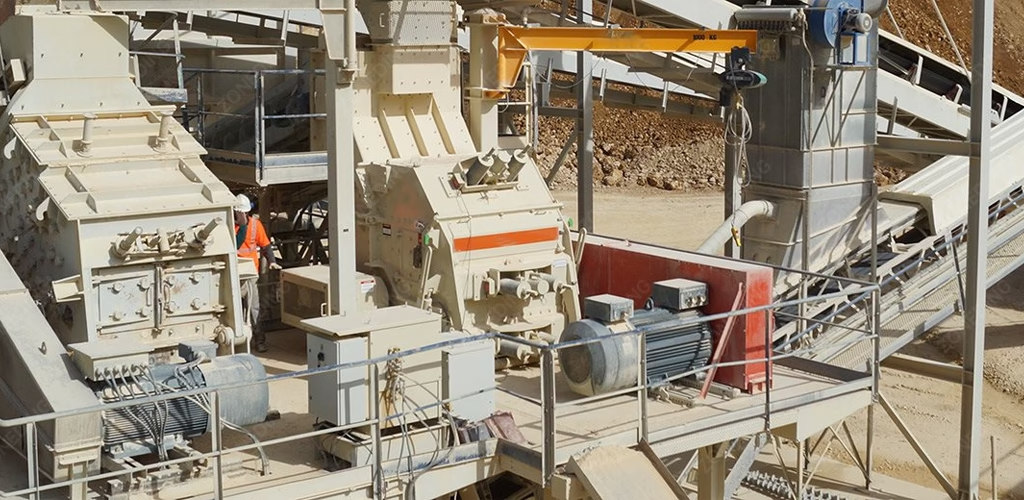
We at ZONEDING build our rotors with high-precision balancing tools. But even the best rotor loses balance if you do not replace blow bars in pairs. You must always change the opposite blow bars at the same time. This keeps the weight equal on both sides of the shaft. You should also check the foundation bolts every week. Loose bolts allow the machine to jump during operation. This movement increases vibration and damages the main bearings. You must clean the rotor surface to remove caked-on mud or dust. Small amounts of dirt can pull the rotor off-center. We suggest you check the rotor balance every time you open the chamber for inspection. You protect your expensive main shaft and bearings by keeping the machine steady.
You can find the source of vibration by following these simple steps. Do not restart the motor until the shaking stops completely.
| Part to Inspect | Possible Issue | Practical Action for You |
|---|---|---|
| Blow Bars | Uneven wear or breakage | Replace opposite bars in pairs |
| Rotor Body | Stuck metal or mud buildup | Clean rotor and remove debris |
| Foundation | Loose or broken anchor bolts | Tighten bolts and check concrete |
| Main Shaft | Bent or misaligned shaft | Call a professional ZONEDING engineer |
You will notice the bearing housings get very hot when something is wrong. Bearings are the heart of your impact crusher. They allow the heavy rotor to spin at high speeds for many hours. Overheating usually happens because of bad lubrication. You might be using the wrong type of grease. Or you might be adding too much grease to the housing. Too much grease creates internal friction and prevents heat from escaping.
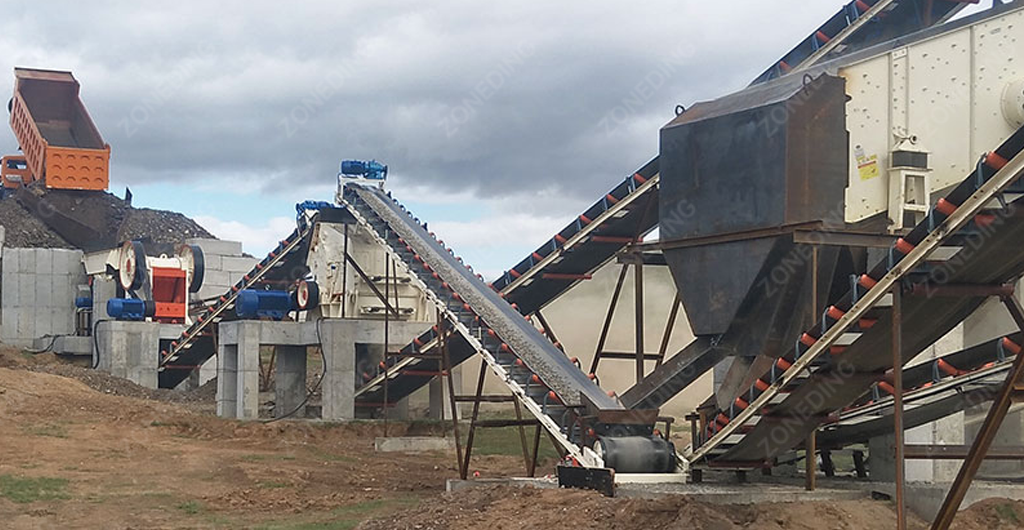
We at ZONEDING recommend a specific high-temperature lithium grease for our crushers. You should check the bearing temperature Every two hours during the shift. You can use a hand-held infrared thermometer for this task. If the temperature goes above 80 degrees Celsius, you must stop and investigate. Sometimes dust enters the bearing housing because of a broken seal. This dust acts like sandpaper and destroys the smooth metal rollers. You must replace broken seals immediately to keep the oil clean. You should also check the belt tension. If the belts are too tight, they pull the shaft to one side and put extra load on the bearing. Proper bearing care saves you from a very expensive and difficult repair.
You might see your hourly tonnage start to drop. This often happens because the material is too wet or sticky. Wet clay sticks to the impact plates and the walls of the crushing chamber. This buildup reduces the space inside the machine. The rocks cannot fly freely and hit the plates. Eventually, the entire chamber becomes blocked with mud. The motor will draw high current and might even trip the circuit breaker.
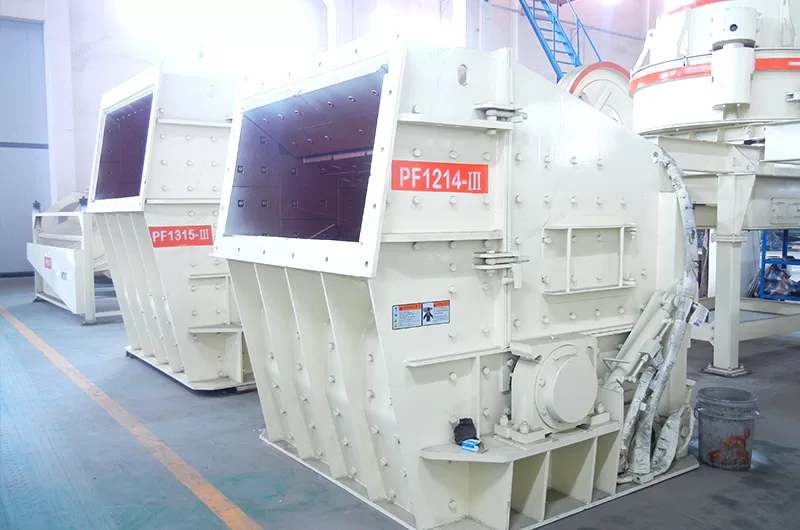
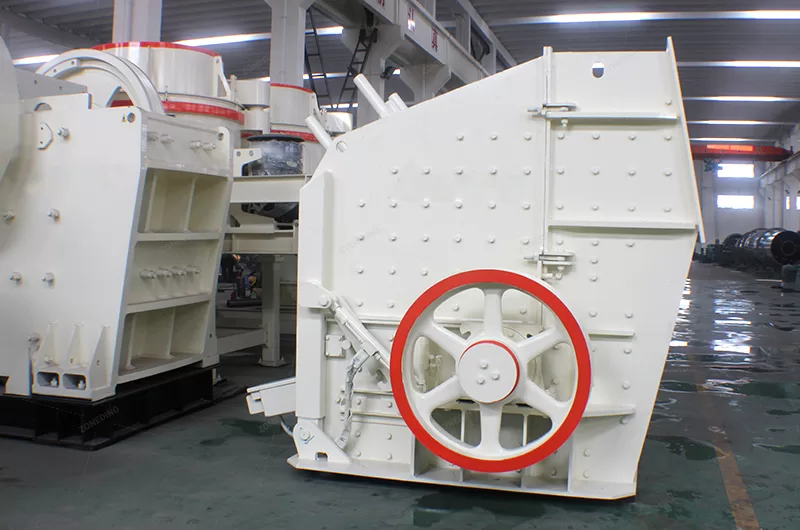
You must control the moisture of your feed material. We at ZONEDING suggest using a vibrating feeder with a grizzly screen. This screen removes the fine dirt and wet mud before it enters the crusher. You should also check the gap between the blow bars and the impact plates. If this gap is too wide, the rocks do not break correctly. They just swirl around the chamber and slow down the flow. You must adjust the tension springs to move the impact plates closer to the rotor. This adjustment keeps your product size consistent and your flow speed high. You maintain a profitable production rate by keeping the chamber clear and the gaps tight.
Blow bars are the most expensive wear parts in your impact crusher. You want them to last as long as possible. Fast wear happens when you crush rocks that are too hard or abrasive. Impact crushers work best on limestone and other medium-hard stones. If you try to crush granite or basalt, your blow bars will disappear in a few days. Sometimes the bars break in half because a piece of “tramp iron” entered the chamber. Tramp iron is scrap metal like excavator teeth or old bolts.
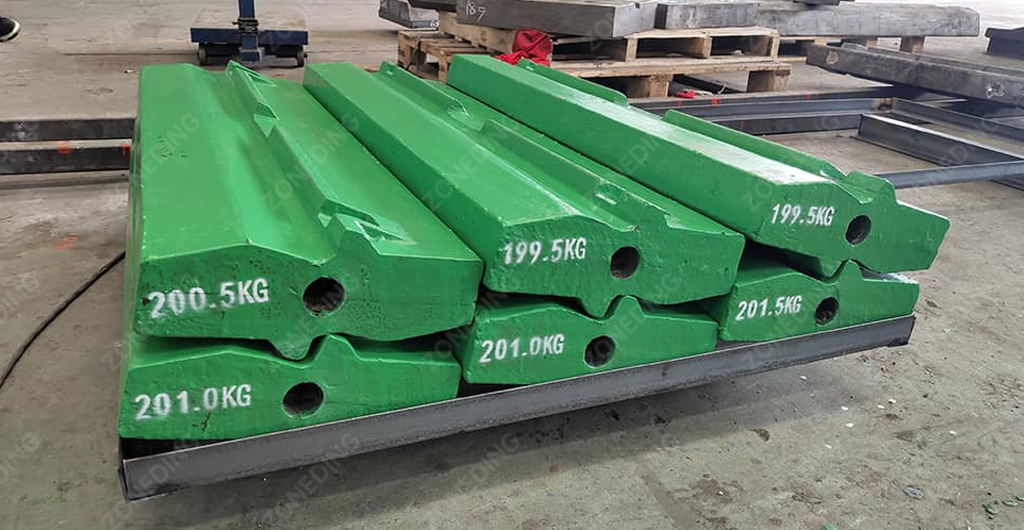
We at ZONEDING manufacture blow bars with different metal alloys. We use high-manganese steel for tough rocks and high-chrome iron for abrasive rocks. You should install a strong magnet over your feed conveyor. This magnet catches scrap metal before it hits the rotor. You must also check the tightness of the blow bar wedges every day. If the bars are loose, they will rattle and snap under the rock impact. You can flip the blow bars once to use the other side. This doubles the life of the part and saves you a lot of money. You get the best value by matching the right metal to your specific rock type.
You should listen to your machine every time it starts. A healthy crusher makes a steady humming sound. A loud knocking or localized “bang” means something is loose. A metal-on-metal Screaming sound is a sign of a serious mechanical failure. It could mean the rotor is hitting the impact plate. This happens if the adjustment bolts have slipped or broken. It could also mean a blow bar has come loose from its slot.
You must stop the motor immediately if you hear a new noise. Open the inspection door and look for shiny metal scratches. Shiny spots show you exactly where two parts are rubbing together. Check the liners on the side of the chamber. If a liner bolt breaks, the plate will fall and hit the spinning rotor. This can destroy the whole machine in seconds. ZONEDING crushers have safety limit switches on the main doors. You cannot open the machine while the rotor is spinning. You must wait for a full stop. You prevent total machine destruction by acting fast when the noise changes.
Your motor might fail to start or might stop suddenly during work. This is often an electrical problem, not a mechanical one. Check the voltage in your control cabinet. Low voltage makes the motor run hot and reduces its power. You might also have a loose connection in the main power cables. The vibration of the crusher can shake wires loose over time.
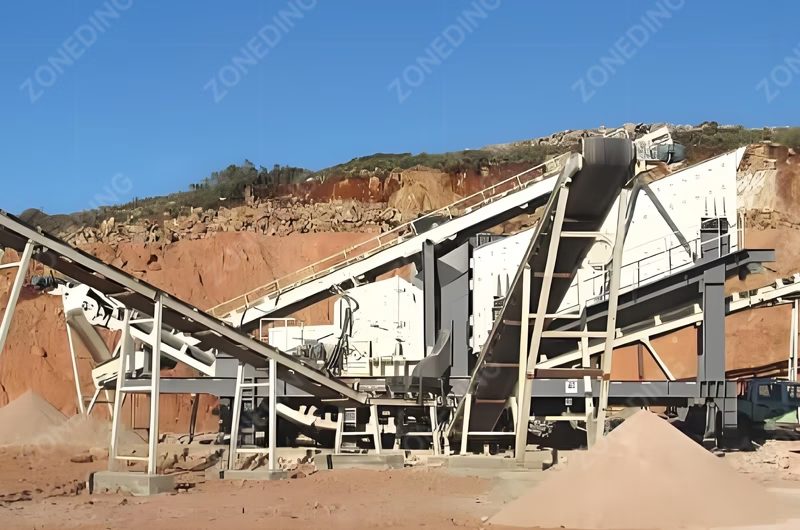
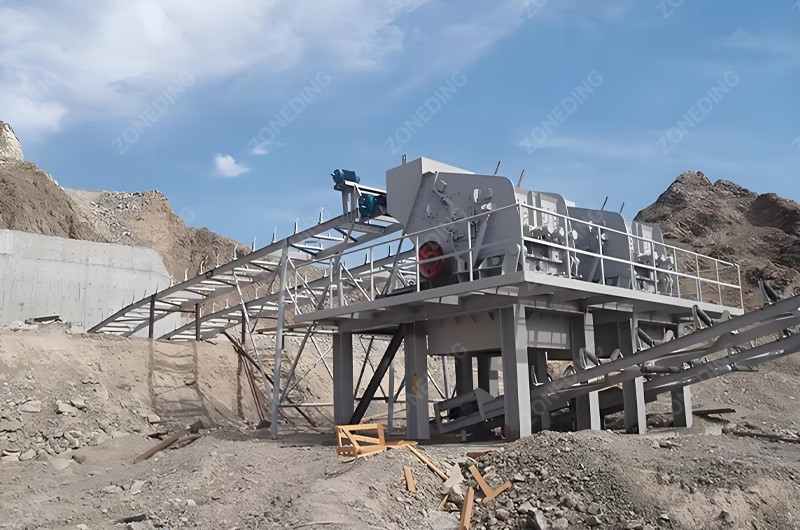
If the motor keeps tripping, your crusher might be overloaded. You are feeding too much rock at once. Or the rocks are too large for the motor to handle. We at ZONEDING recommend using a soft-starter or a VFD for large motors. These tools allow the motor to speed up slowly. This reduces the stress on your electrical grid and the crusher belts. You should also check the motor cooling fan. Dust often blocks the air vents. A hot motor will shut down to protect itself. You keep your plant running by keeping your electrical system clean and your feed rate steady.
You want your final rocks to be a specific size for your customers. If you see too many large rocks in your output, your impact plates are likely too far away. The gap at the bottom of the chamber determines the final size. As the blow bars wear down, this gap gets wider and wider. You must adjust the impact plate position every few days to compensate for this wear.
You adjust the gaps using the heavy springs on the outside of the machine. Tighten the bolts to pull the plates closer to the rotor. You should also check the speed of the rotor. If the rotor is spinning too slow, it does not have enough energy to break the rocks small. Check the tension of the v-belts. Slipping belts reduce the rotor speed significantly. We at ZONEDING provide a gap-gauge tool with our machines. Our engineers show you how to measure the gap safely. You satisfy your customers and win more contracts by producing the perfect rock size every shift.
Impact crushing creates a massive amount of fine dust. This dust is bad for your workers’ lungs. It is also bad for your machine. Dust enters the bearings and the motor. It coats the v-belts and makes them slip. If you see dust clouds around the crusher, your seals are probably worn out. You might have holes in your conveyor covers or the feed chute.
You should use water spray nozzles at the feed and discharge points. This turns the dust into heavy droplets that fall with the rock. You must check the rubber curtains at the feed opening. These curtains block dust and small rocks from flying out of the machine. Replace them if they are torn or missing. We at ZONEDING design our machines with tight dust seals. We also offer dust collection systems for dry quarries. You create a safer workplace and reduce your machine wear by controlling the dust. You stay in compliance with local environmental laws and keep your neighbors happy.
The impact plates catch the rocks that the rotor throws. These plates take a lot of punishment. Over time, the surface of the plate will wear flat. The rocks will start to bounce back toward the rotor instead of breaking. The springs behind these plates are also vital. They allow the plates to move back if a giant rock hits them. This prevents the frame from cracking.
You must inspect the springs for cracks or rust. A broken spring will let the impact plate hang loose. This plate could fall into the rotor and cause a major wreck. You should also check the liner plates on the inside of the chamber. These liners protect the main steel frame from wear. If a liner falls off, the rocks will eat through the machine body very fast. ZONEDING uses high-quality spring steel and thick liners in all our models. We help you replace these parts before they fail. You protect your heavy investment by maintaining the inner “armor” of your crusher.
You should be careful when buying mining equipment from international markets. Many companies are just traders who do not own a factory. They cannot provide technical support or spare parts when you have a problem. You need a partner who understands the engineering of the machine. A real manufacturer like ZONEDING has a professional workshop and experienced engineers.
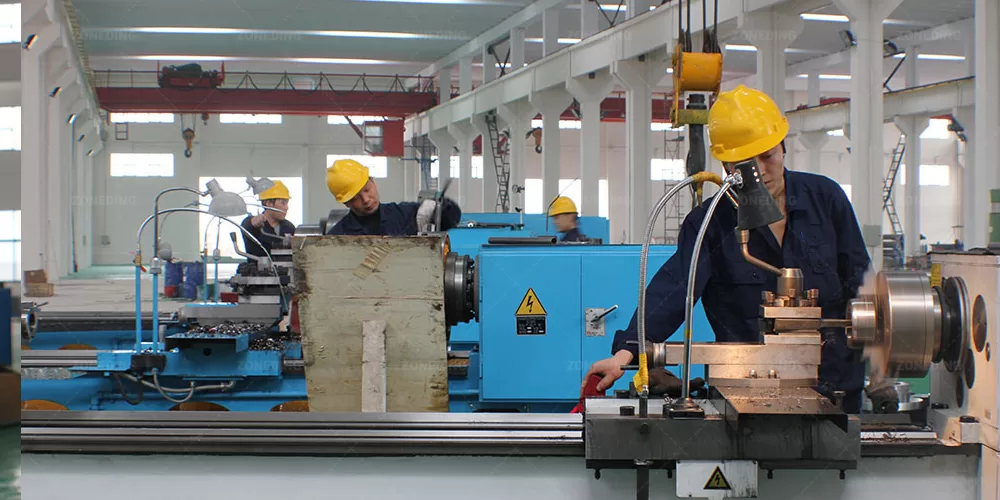
You save money by buying directly from the factory. You eliminate the middleman’s profit. You also get parts that actually fit your machine. We at ZONEDING provide a full-service support package. We help you design your plant layout and choose the right equipment. We send our engineers to your site for installation and training. You get more than just a machine; you get a partner for your business success. We focus on long-term relationships with our B2B clients. We ensure you have the parts and the knowledge to keep your quarry running.
The industry is moving toward “Intelligent Crushing” in 2025. You can now use advanced sensors to monitor your crusher’s health. These sensors track vibration, heat, and power use in real-time. This helps you find problems before the machine breaks. You move from “fixing things” to “preventing things.”
We at ZONEDING are integrating these technologies into our latest models. We offer remote monitoring systems that you can check on your phone. You see your daily production and machine status from anywhere. This technology helps you run a modern and efficient quarry. You reduce your maintenance costs and increase your total output.
You maintain your impact crusher by following a strict daily routine. You must check for vibration, heat, and noise every shift. You should maintain the correct gaps between the rotor and the impact plates. You need to use high-quality ZONEDING spare parts to ensure the best fit. You should train your workers to spot problems early. These simple steps keep your downtime low and your profits high.
You should start by cleaning your machine every evening. You can see cracks and loose bolts much better on a clean machine. We suggest you keep a stock of common spare parts like blow bars and liners. This lets you fix problems in hours instead of weeks. Contact ZONEDING today for a professional health check of your crushing plant. We help you stay ahead of the competition with reliable equipment and expert advice.
Last Updated: April 2026
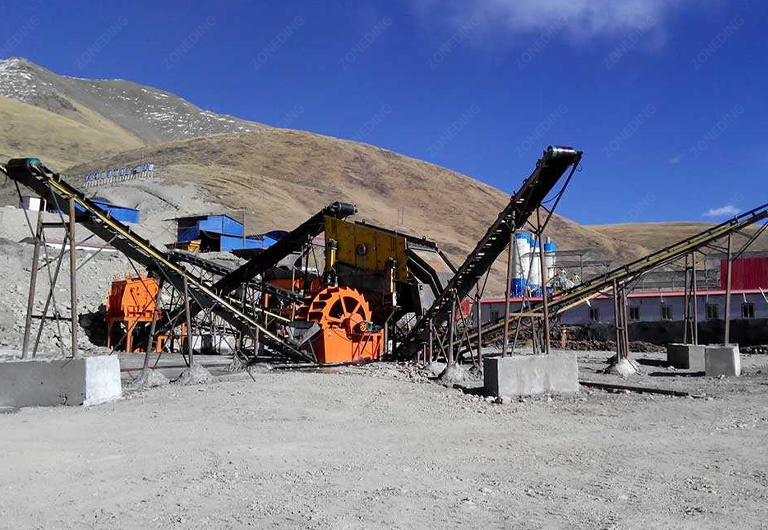
Explore our breakdown of the top 5 types, their unique pros and cons, and learn exactly how to choose the right one for your artificial sand plant.
View details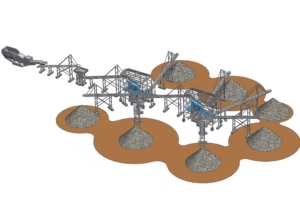
Explore efficient stone crusher plant layouts. Learn how we configure feeder, jaw crusher, impact crusher, and vibrating screen for maximum aggregate output.
View details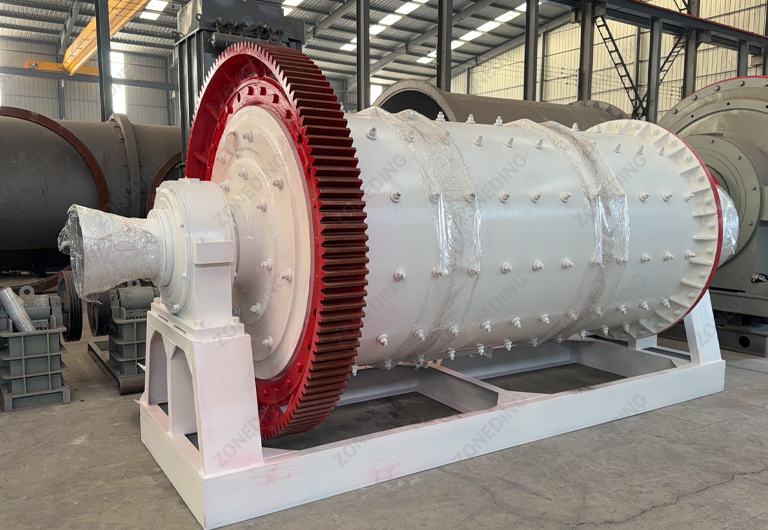
Want to boost your grinding performance? Discover 5 tips to improve ball mill efficiency, from optimizing feed size to adjusting the grinding media ratio.
View details
Get the ultimate guide to crushers vs. breakers. Understand differences, applications, and key selection criteria. Make informed decisions with confidence.
View details