 Zoneding Mining

Site Search
Search products, equipment and solution articles
整站搜索产品中心新闻中心
点击开始搜索
热门搜索
UltraForm-MXFlexiPoly-RNanoForm Z300EcoFab P200
Search products, equipment and solution articles
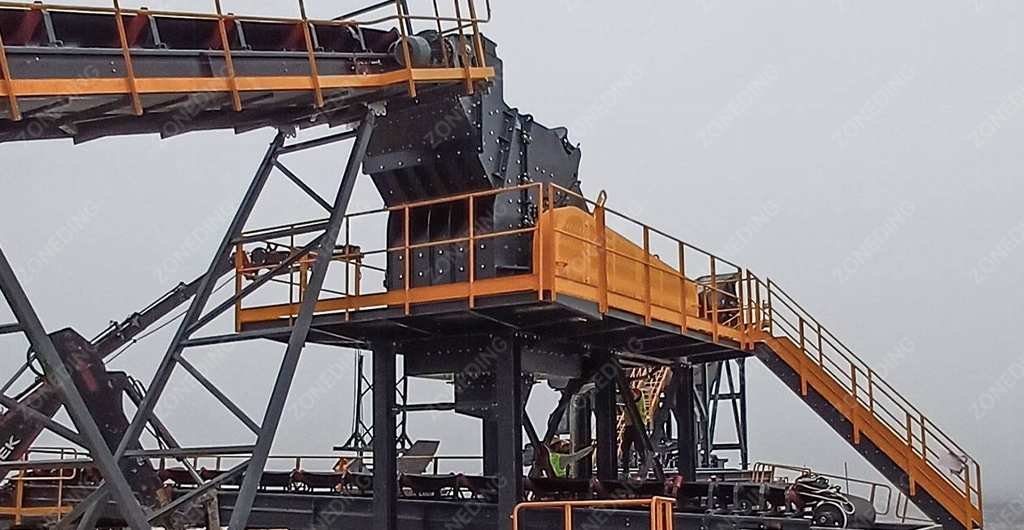
You need a new rock crusher for an aggregate quarry. You must weigh the impact crusher pros and cons before you spend capital. This objective guide explores equipment production efficiency, expected wear costs, and operational traps. You will learn specific metallurgical secrets and structural differences. You can use this guide to evaluate your exact rock type.
Last Updated: April 2026 | Estimated Reading Time: 25 Minutes
An impact crusher creates high production efficiency through a massive reduction ratio. You drop a huge boulder into the top feed opening. The machine turns that massive boulder into small gravel in one single pass. A standard jaw crusher provides a small six-to-one reduction ratio. An impactor delivers a massive twenty-to-one ratio. You bypass the secondary crushing stage altogether. You require fewer belt conveyors on the site. You consume less electricity to run the aggregate plant. Your initial plant capital drops.
| Machine Type | Typical Reduction Ratio | Intake Feed Size | Your Practical Benefit |
|---|---|---|---|
| Impact Crusher | 20:1 | Up to 1000mm | You produce final gravel in one single machine pass |
| Jaw Crusher | 6:1 | Up to 1200mm | You must push material to a second crushing machine |
| Cone Crusher | 5:1 | Up to 300mm | You need a primary crusher to prepare the feed first |
Buyers often obsess over the electric motor horsepower rating. Buyers assume a higher horsepower motor means better rock breaking ability. The electric motor does not physically break the stone. The kinetic energy inside the spinning heavy rotor breaks the stone. A heavy solid rotor crushes rock better than a light open rotor. A heavy rotor recovers rotation speed faster after a heavy rock surge. A heavy rotor design consumes less electricity per ton. You must ask the equipment manufacturer for the rotor mass data. ZONEDING builds machines with massive solid steel rotors. These solid rotors store huge amounts of kinetic energy. This design maintains steady production figures without stalling.
The fast impact force shatters rock along internal weak fault lines. Highway builders reject flat stones. Flat stones break under heavy road traffic. Flat stones require extra cement paste. A jaw crusher squeezes rock between two metal plates. This slow compressive pressure creates unwanted flat shapes. An impact crusher hits falling rock at extreme speeds. The rock flies across the open chamber. The rock hits stationary steel breaker plates. This violent collision knocks off all weak thin rock edges. You get high-value cubical aggregate production.
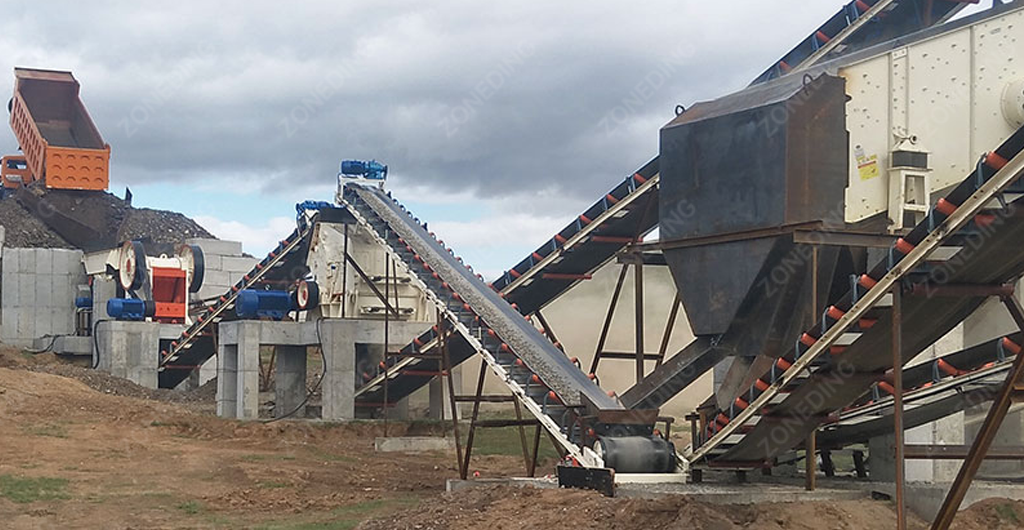
Operators know impactors create excellent cubic shape. Few operators understand how to control that final shape. The physical penetration zone dictates the final cubic yield. The penetration zone measures how deep the rock falls into the rotor path before a blow bar strikes it. You must control this zone to make perfect cubic shapes. ZONEDING equips modern impactors with adjustable breaker plates to control this material flow.
You face high maintenance costs to replace metal blow bars on abrasive rock. The spinning rotor uses thick metal bars to strike the feed material. Hard rocks wear these metal bars down. You must stop the electric motor. You must replace the heavy bars. Buyers often order standard manganese blow bars without studying the machine environment. You must match the bar metallurgy to your specific stone type to control your impact crusher maintenance guide expenses. High-chrome bars provide abrasive resistance for soft stones. However, high-chrome metal is brittle. Uncrushable tramp iron shatters a high-chrome bar and destroys the rotor.
| Blow Bar Metal Type | Best Application Fit | Major Weakness | Your Practical Benefit |
|---|---|---|---|
| Manganese Steel | Clean soft limestone | Fast wear on abrasive stone | You avoid rotor damage if tramp iron enters the feed |
| High-Chrome Iron | Abrasive soft materials | Brittle against tramp iron | You get long wear life on clean recycling jobs |
| Martensitic with Ceramic | Mixed hard rock and dirt | Higher initial purchase price | You triple your wear life and lower cost per ton |
Manganese bars handle heavy iron impacts. Manganese steel hardens under heavy pressure. However, impact crushers lack the steady compressive force to harden the manganese. The manganese wears away fast. You face the razor and blades financial trap. The machine acts as the cheap razor. The blow bars act as the expensive blades. A fifty-year industry secret solves this problem. You must buy martensitic steel bars with ceramic inserts for mixed abrasive feeds. The initial purchase price is higher. The martensitic steel provides impact resistance. The ceramic inserts provide wear resistance. This technology triples your daily blow bar life. ZONEDING engineers check your exact feed material chemistry first. ZONEDING matches the metal to the stone.
The initial purchase price sits below comparable cone or jaw combinations. New quarry contractors notice the low capital expenditure first. You spend less money to purchase an impact machine. You set up your new aggregate production line faster. A single machine accepts large boulders and produces sellable gravel. This makes the machine desirable for short-term construction projects. ZONEDING builds machines with thick steel plates around the main feed box. Big rocks bump the thick steel feed box without denting the frame. Your initial plant investment generates revenue faster.
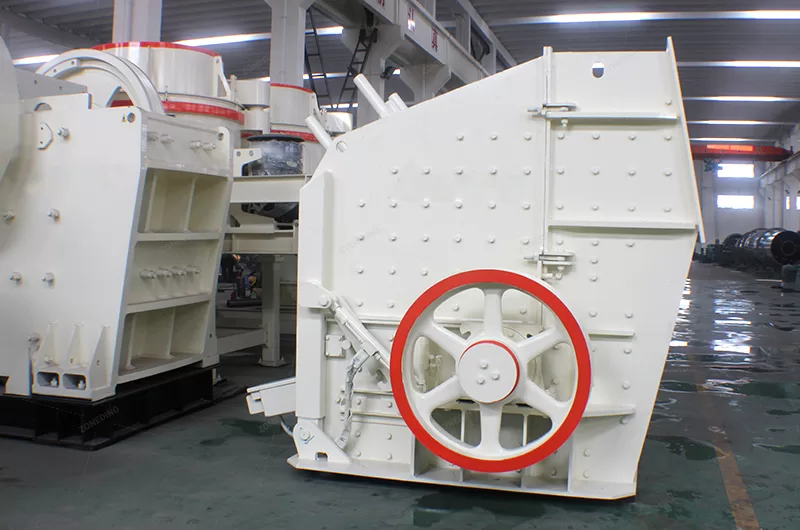
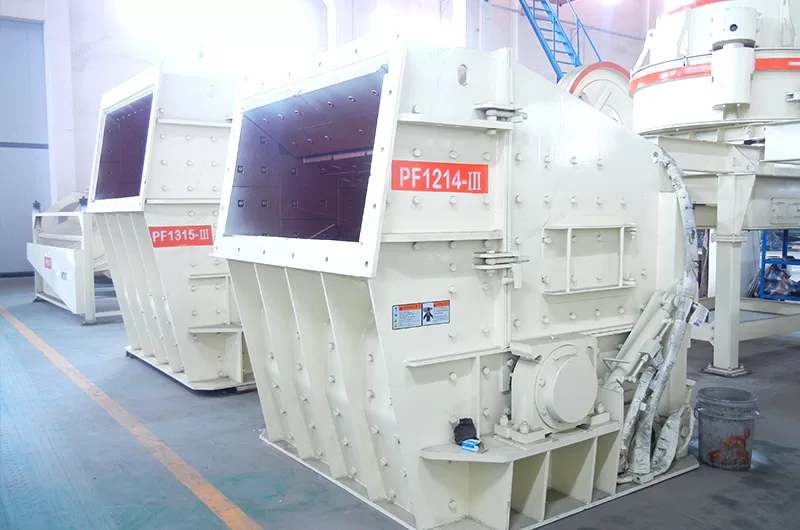
High variable operating costs destroy profit margins on high-silica rocks. The blow bars wear out fast on abrasive stone. High hourly operating costs erase the initial low equipment price advantage. Main bearing failures act as another severe operational con. Bearing failures cost thousands of dollars and create weeks of downtime. These bearing failures rarely happen suddenly. Operators destroy the bearings through simple carelessness. Operators replace blow bars based on factory weight stamps. A tiny weight imbalance of five hundred grams creates high-frequency micro-vibrations. You must use a digital scale to weigh every blow bar before installation. Opposing rotor sides must balance within one hundred grams. This saves your bearings.
Hard abrasive rocks scrape the expensive metal off spinning bars. You must test the rock Silica and Abrasiveness Index before purchasing an impact crusher. Silica acts like sandpaper against internal machine parts. You calculate your cost per ton based on blow bar life. If your silica content sits above fifteen percent, stop your project. An impact crusher serves as the wrong machine for high silica environments. The metal blow bars melt away in days. ZONEDING provides free rock testing services for all clients.
You must demand proof of a physical manufacturing factory before spending capital. Many online sellers act as simple trading offices. They buy cheap machines from small workshops. They lack spare parts inventory. You suffer operational disaster when a part breaks. You contact trading offices and they ask you to wait weeks for replacements. You must avoid these bad situations.
| Supplier Check | Trading Company | Real Manufacturer (ZONEDING) | Your Practical Benefit |
|---|---|---|---|
| Spare Parts Stock | Order per request | Thousands in local warehouse | You minimize downtime during a machine breakdown |
| Custom Design | Standard models only | Modifies hoppers and frames | You get a machine that fits your exact quarry layout |
| Engineering Support | Reads manual to you | Sends engineers to your site | You get professional installation and operator training |
ZONEDING owns an 8000-square-meter production factory. Large precision cutting machines process thick steel plates. Engineers design heavy-duty equipment for global B2B clients. ZONEDING stocks thousands of metal spare parts for immediate dispatch.
Your feed size dictates the choice between HSI vs VSI crusher models. A Horizontal Shaft Impactor (HSI) uses a horizontal rotor to strike large falling boulders. The horizontal design accepts massive feed chunks up to one meter wide. An HSI acts as a primary or secondary crusher for soft materials. A Vertical Shaft Impactor (VSI) spins small stones rapidly inside a vertical chamber. The VSI throws stones against a rock-lined outer wall. The rocks break against other rocks.
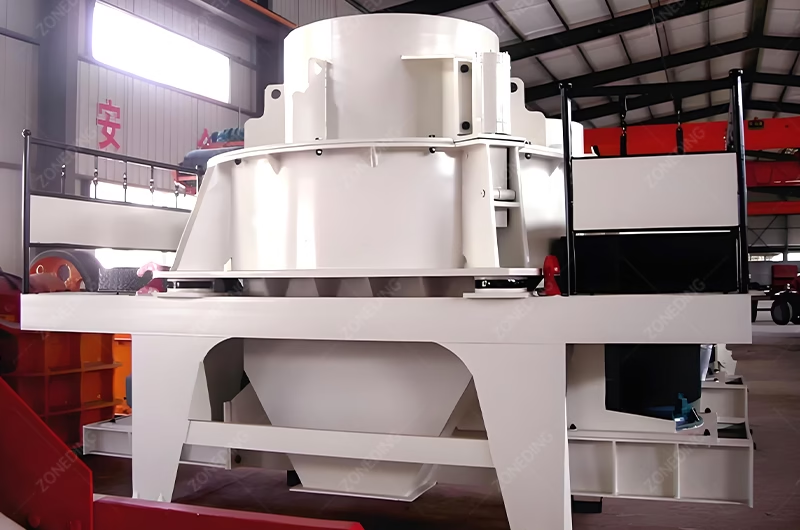
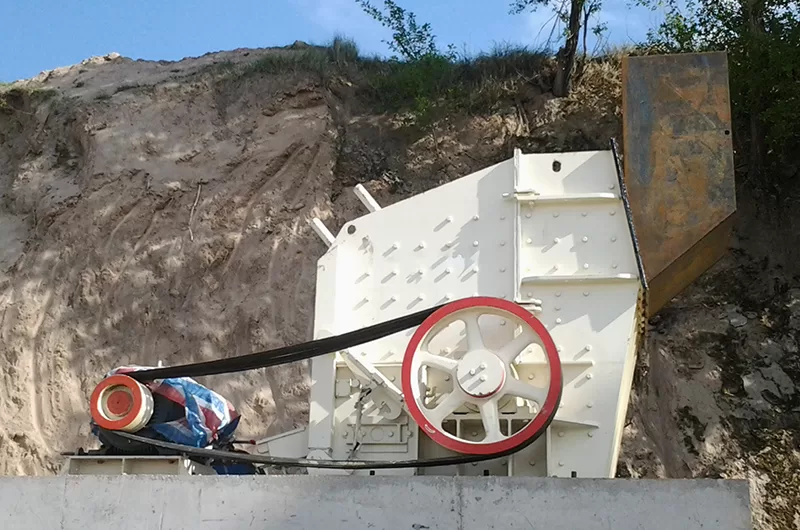
You use a VSI machine exclusively for tertiary crushing and sand making. VSI models cannot accept large boulders. The VSI feed material must measure smaller than two inches. If you want to make premium manufactured sand, you choose the VSI. If you want to crush a limestone mountain into medium gravel, you choose the HSI. ZONEDING manufactures both horizontal and vertical models. A heavy ZONEDING HSI followed by a fast VSI creates a complete aggregate production line.
Horizontal impactors dominate the concrete recycling industry. Concrete and demolition recycling requires specific machine actions. The fast impact force shatters old concrete blocks. This shattering action liberates internal steel rebar. Jaw crushers bend rebar around concrete chunks. Impactors separate metal from concrete. A magnetic belt clears the liberated steel. This makes the horizontal machine standard concrete recycling equipment globally. ZONEDING reinforces the machine frame to survive harsh urban demolition environments.
Equipment manufacturers aim to reduce operating costs through smart technology. ZONEDING integrates digital vibration monitors onto the main bearing housing. The computer warns operators if blow bars lose weight balance. This monitoring logic prevents catastrophic main shaft failures. Hydraulic opening systems allow operators to inspect internal components quickly.
You must run a silica test on your stone before buying an impact crusher. This machine creates incredible production efficiency and perfect cubic stone for low-silica rock. You save huge capital by combining primary and secondary crushing stages into one machine. The machine acts as a financial trap if applied to abrasive materials. Operators must balance every metal blow bar to prevent bearing destruction. Control the rotor penetration zone with a digital frequency drive. Compare rock hardness against hourly maintenance costs to make a smart buying decision.
Next steps dictate that you contact a testing lab. Send a bucket of your quarry stone for analysis. Match the test results to the proper crushing chamber design.
Last Updated: April 2026
Learn basics of gypsum production with our easy-to-follow guide. This Guide is from mining to processing so it is perfect for newcomers. Contact ZONEDING now!
View details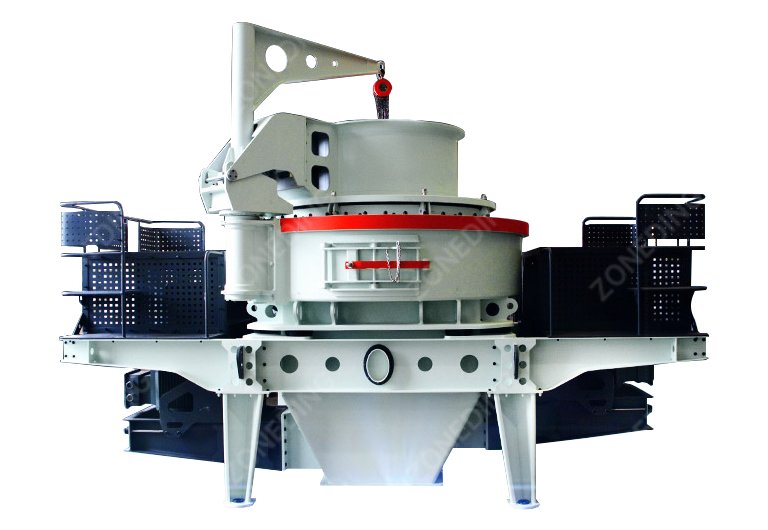
Discover how to protect your investment. Read 9 tips on VSI sand making machine maintenance to reduce wear, prevent breakdowns, and extend crusher life.
View details
The ultimate guide to stone washing machines. Covers wheel vs. spiral washers, process flow, pricing factors, and maintenance tips. Master sand washing today.
View details
Want to know how to get gold by gold gravity beneficiation? Follow our step-by-step processing guide to recover gold from raw ore to final concentrate.
View details