 Zoneding Mining

Site Search
Search products, equipment and solution articles
整站搜索产品中心新闻中心
点击开始搜索
热门搜索
UltraForm-MXFlexiPoly-RNanoForm Z300EcoFab P200
Search products, equipment and solution articles
Mineral grinding is the most energy-intensive process in any industrial mining or aggregate plant. It often accounts for over 50% of total site power consumption. Choosing the right Mineral Grinding Equipment is not just about pulverizing rock into dust. It requires a precise balance of mechanical force, metal durability, and energy management. If a machine is poorly matched to the material, the cost of replacement parts can destroy profit margins in months. In the B2B sector, professional buyers must look past the purchase price. The true cost of a Grinding Mill includes the lifetime electricity bill and the frequency of maintenance shutdowns.
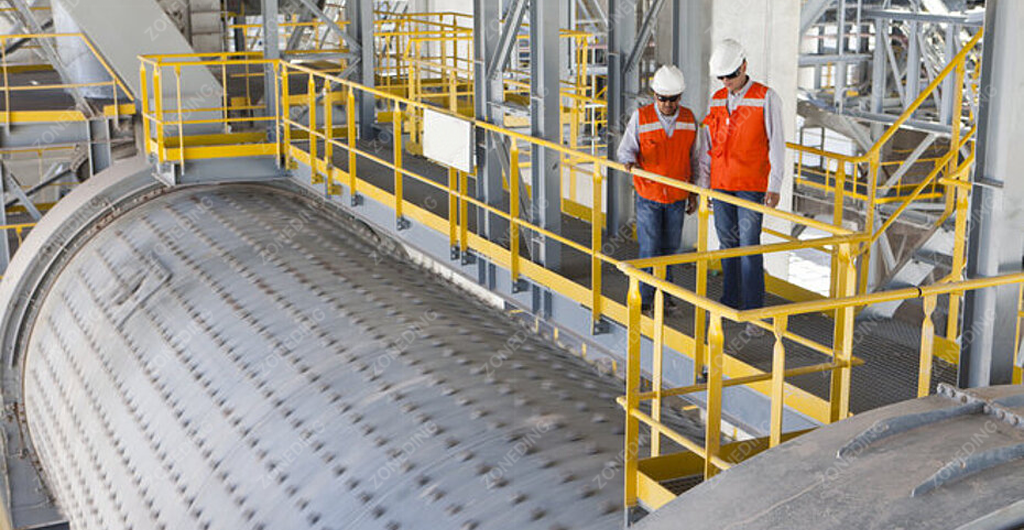
The year 2025 brings new standards for efficiency and automation. Success in modern mineral processing depends on matching the “Bond Work Index” of the rock to the specific torque of the mill. Whether processing gold ore, limestone, or quartz, the choice between impact-based or pressure-based grinding creates a massive difference in final product quality. ZONEDING MACHINE provides high-performance solutions designed for these exact challenges. This guide offers seven expert strategies to evaluate Grinding Efficiency and mechanical reliability before making a final investment.
Last Updated: March 2026 | Estimated Reading Time: 21 Minutes
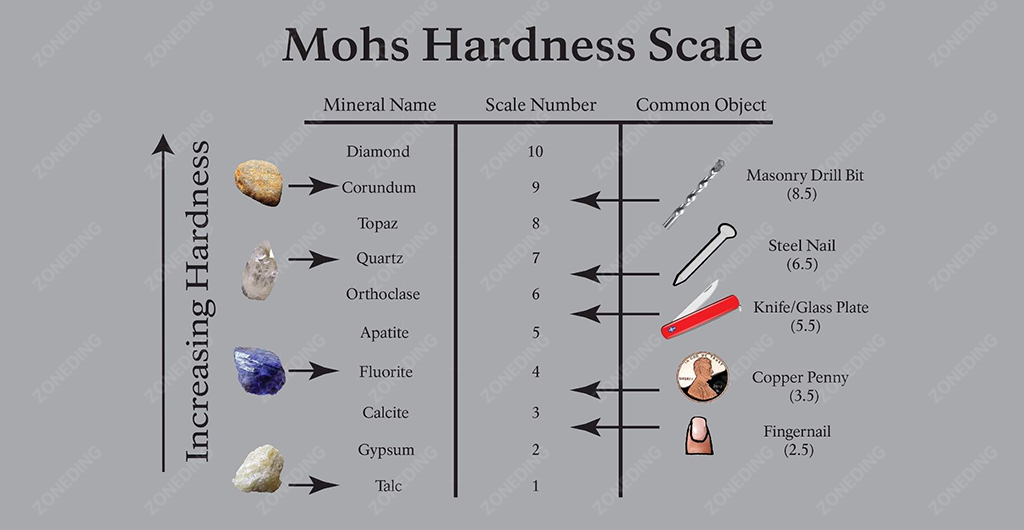
The physical characteristics of the raw material determine the fundamental design of the grinding circuit. In mineralogy, rock hardness is typically measured on the Mohs scale. However, industrial engineering requires a more technical metric known as the Bond Work Index (BWi). This index measures the kilowatt-hours of energy required to reduce one ton of a specific rock to a target size. Choosing Mineral Grinding Equipment without this data leads to underpowered motors or excessive wear.
Abrasiveness measures how quickly the mineral scratches and removes metal from the mill liners. High-silica rocks act like industrial sandpaper. ZONEDING designs utilize different alloy compositions based on this factor. For highly abrasive rock, high-chrome cast iron is used. For minerals with high impact but low abrasion, high-manganese steel is preferred. Testing a sample of the rock is the only way to determine the correct metallurgy for the liners.
| Mineral Type | Mohs Hardness | Bond Work Index (kWh/t) | Best Equipment Choice |
|---|---|---|---|
| Gold Ore (Quartz) | 6.5 – 7.5 | 13.0 – 16.0 | Ball Mill |
| Limestone | 3.0 – 4.0 | 10.0 – 12.0 | Raymond Mill |
| Phosphate Rock | 4.0 – 5.0 | 9.0 – 11.0 | Fine Grinding Mill |
| Barite | 3.0 – 3.5 | 6.0 – 8.0 | Ultrafine Mill |
Production capacity is more than just a specific number of tons per hour. It represents the volume of material processed to a specific fineness. A machine that produces 20 tons of coarse powder will be much smaller than a machine that produces 20 tons of ultrafine powder. The “L/D Ratio” (Length to Diameter) of a Grinding Mill is a critical engineering factor.
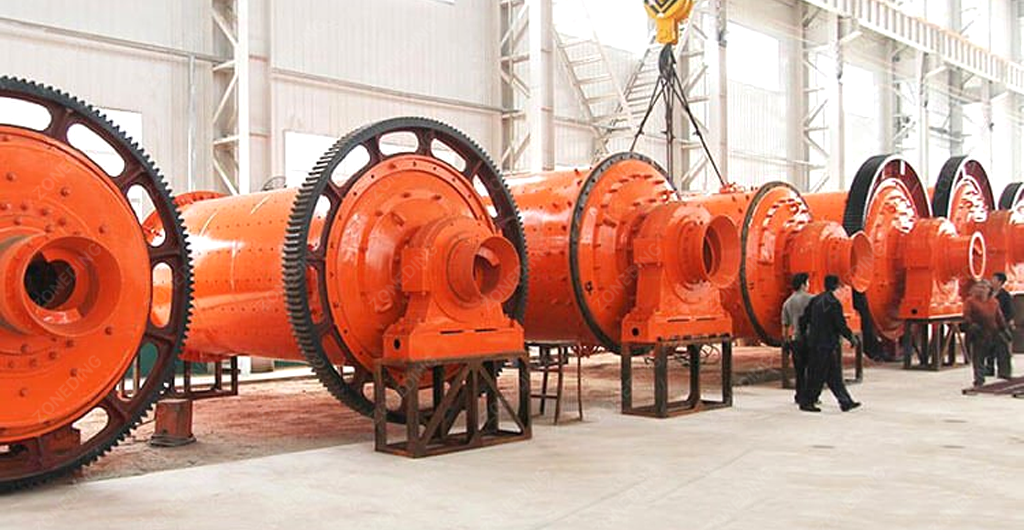
For high-capacity mining operations (50 to 500 TPH), large-diameter ball mills are mandatory. A larger diameter increases the “drop height” of the grinding balls. This creates more kinetic energy during the impact. ZONEDING provides custom mill sizing where the motor power is matched exactly to the weight of the ball charge. This ensures the machine does not stall during high-load periods.
Many companies begin with a single production line and expand later. ZONEDING recommends a modular approach for these scenarios. Instead of buying one massive machine that sits half-empty, it is often better to install two medium-sized mills. This allows for redundancy. If one machine needs a liner change, the plant continues to operate at 50% capacity. This prevents total production failure. Additionally, multiple small lines can be tuned to produce different mesh sizes simultaneously for different customers.
The size of the rock entering the mill directly limits the capacity. If the rocks are too large, the mill becomes a secondary crusher, which is very inefficient. High-efficiency plants ensure the feed size is less than 25mm. This allows the mill to focus purely on grinding. Using a ZONEDING Jaw Crusher before the mill ensures a consistent feed. This consistency stabilizes the capacity and prevents the “surges” that cause motor overheating.
The “mesh count” defines the market value of the finished mineral powder. Certain industries require “coarse” powder (80-200 mesh), while others require “ultrafine” powder (800-2500 mesh). Final fineness is not simply about how long the rock stays in the mill. It depends on the efficiency of the air classifier system.
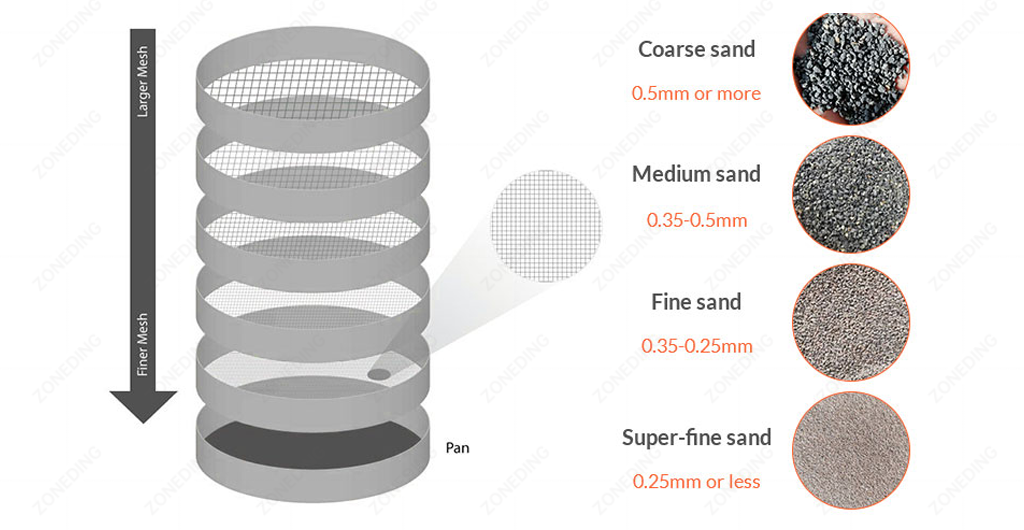
The classifier acts as a filter. It allows particles of the correct size to leave the system while returning oversized particles to the mill for more grinding. Modern ZONEDING mills utilize high-speed turbine classifiers.
In industries like paint or plastics, even 1% of oversized particles can ruin a batch. Professional Mineral Grinding Equipment must maintain a “steady state.” This means the output 10 hours from now must be identical to the output now. Automation sensors in the classifier detect changes in air pressure and automatically adjust the fan speed. This keeps the micron-size within a 2.5% tolerance regardless of external temperature or humidity changes.
Wet grinding in a ball mill can often achieve finer results than dry grinding because there is no dust to interfere with particle separation. However, if the final product must be a dry powder, a Rotary Dryer is needed after the wet mill. Alternatively, a dry-grinding Raymond mill using an air-swept system provides a direct path to the packaging bin. The choice depends on the moisture of the ore and the needs of the end-user.
Energy represents the highest operational expense (OPEX) in the milling process. A mill with a lower purchase price but a higher power draw will eventually become a financial burden. Any evaluation of Mineral Grinding Equipment must look at the “Energy Intensity”—the kilowatt-hours consumed per ton produced.
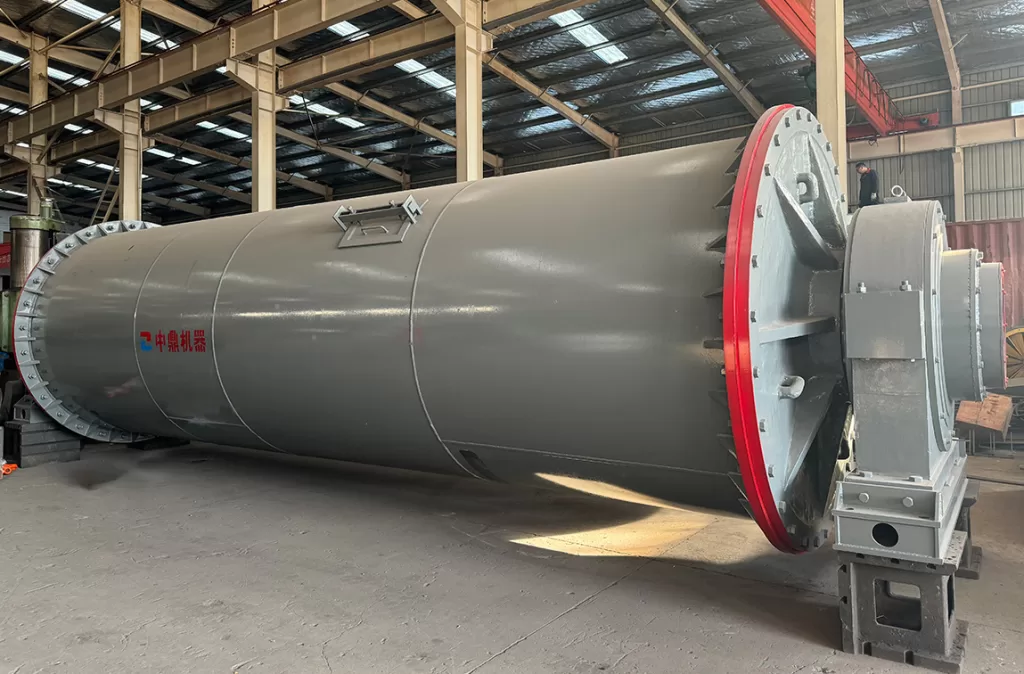
Modern plants use IE3 or IE4 high-efficiency motors. These motors convert a higher percentage of electricity into mechanical torque. ZONEDING mills are paired with precision-engineered gear reducers. These reducers minimize energy loss during the transfer of power from the motor to the drum. Compared to old belt-drive systems, a direct-coupled gear drive can reduce power loss by 4% to 7%.
Starting a 500-ton ball mill takes an immense amount of current. This “peak load” can cause the electric company to charge higher rates for the entire month. Using a Variable Frequency Drive (VFD) allows for a soft start. It gradually ramps up the speed, protecting the electrical grid and the machine’s gears. Furthermore, a VFD allows the operator to lower the mill speed if the production requirement is low, saving significant power.
In dry grinding systems, the fan consumed nearly as much power as the mill. ZONEDING utilizes “closed-circuit” air systems. In this design, the air is recycled through the classifier and the dust collector. Because the air is already moving, the fan does not have to work as hard to accelerate it from zero. This “re-circulation” logic can save up to 10% on total system electricity usage.
The “Inside” of the mill is where the real work happens. It is also where the most money is spent on maintenance. Choosing the wrong liner material leads to frequent shutdowns and high costs for Ore Processing. Expert buyers must specify the exact alloy composition of the wear parts.
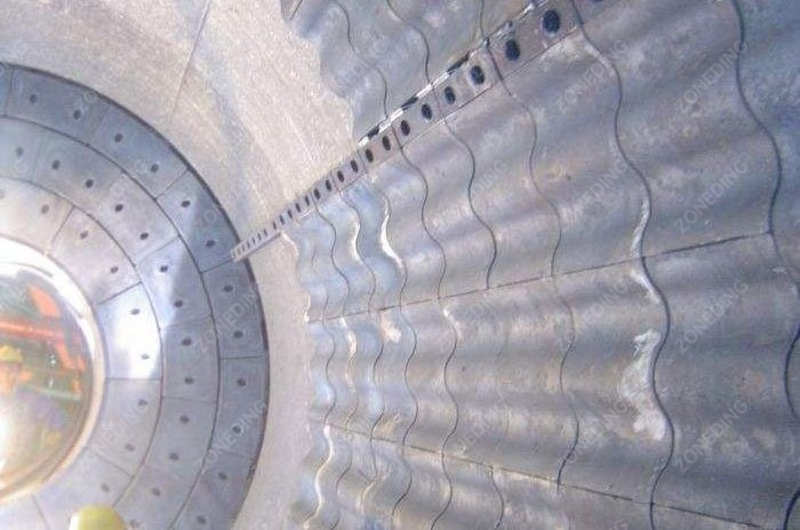
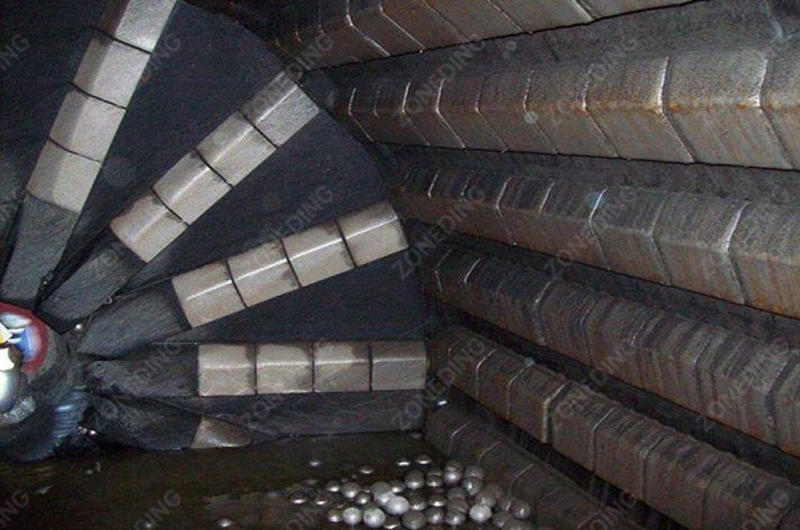
In a ball mill, the size and weight of the balls determine the Grinding Efficiency. Using balls that are too large will break the liners. Using balls that are too small will not break the rock. ZONEDING provides a “Graded Ball Charge” plan. This involves a calculated mix of different ball diameters to fill the gaps and maximize the contact surface area. High-chrome cast grinding balls are recommended for most abrasive ores as they keep their round shape longer than forged steel.
Traditional liners take days to remove and replace. ZONEDING has engineered “wedge-lock” designs. These liners fit together in a way that requires fewer bolts through the machine shell. This reduces the risk of leaks and speeds up the replacement process by 30%. When selecting a supplier, always ask for the estimated “Liner Life in Hours” based on your specific mineral hardness.
A Grinding Mill that is difficult to maintain will eventually have a catastrophic failure. Human error in lubrication or inspection is a major cause of downtime. Professional equipment should be designed to be “operator-proof.”
Large trunnion bearings and gear sets require constant lubrication. Manually greasing these parts is dangerous and often forgotten. ZONEDING systems include a centralized lubrication station. It uses a small pump to deliver a measured dose of oil to every critical bearing every 15 minutes. If the oil reservoir is low or a tube is blocked, the system sounds an alarm and can automatically stop the mill to prevent bearing seizure.
In 2025, intelligent sensors are becoming standard.
Some manufacturers use custom-sized bearings or bolts to force customers to buy from them. ZONEDING uses international standard components like SKF bearings and Siemens electrical parts. This ensures that the B2B buyer can find a replacement part locally in an emergency. Standardizing these components reduces the “Mean Time To Repair” (MTTR) and keeps the production line running.
Modern industrial regulations require dust-free operation. Beyond legal compliance, escaping dust represents a loss of finished product and a health hazard for employees. A high-quality Mineral Grinding Equipment package must include a secondary dust collection system.
Old-fashioned cyclone collectors only catch 80-90% of the dust. A pulse bag filter uses fabric bags and compressed air to catch 99.9% of particles. This allows the air released to the atmosphere to be cleaner than the ambient air. ZONEDING integrates these collectors directly into the air-swept circuit. The dust collected by the bags is then dropped into the final product bin, increasing the total yield of the plant.
Milling is a noisy process. In many regions, plants cannot exceed 85 decibels at the site boundary. Thick-wall shells and secondary enclosures help reduce noise. Rubber liners are the most effective way to lower the “clang” of steel balls. For plants near residential areas, ZONEDING can provide insulated housing for the entire mill and motor assembly.
In wet ball mill operations, water consumption is a significant concern. Sustainable plants use thickeners and filter presses to recover 90% of the water from the pulp. This water is then pumped back to the mill inlet. This “Zero Liquid Discharge” (ZLD) setup reduces the water bill and the environmental impact of the mining site.
Selecting the supplier is as critical as selecting the machine. For B2B industrial purchases, the relationship is a long-term partnership.
The grinding industry is moving toward “Digital Twins” and “Sustainable Processing.”
The global demand for high-quality mineral fillers (in paper, plastic, and pharmaceuticals) is growing at 6% per year. Companies that invest in “Ultrafine” capability now will be the market leaders of the 2030s. Efficiency is no longer an option; it is a requirement for survival in a carbon-taxed world.
Choosing the right Mineral Grinding Equipment requires a data-driven approach. To maximize ROI and operational stability:
Last Updated: March 2026
Keep your plant running efficiently. This crusher maintenance checklist covers critical daily inspections, weekly lubrication, and monthly wear part checks.
View details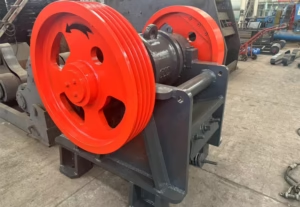
Explore the typical price range of jaw crushers and understand the main factors influencing their cost, such as size, capacity, features, and machine quality.
View details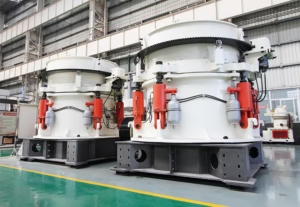
Your one-stop resource for diagnosing and solving cone crusher issue. This guide tells mechanical, hydraulic, and operational problems with detailed solutions.
View details
This article details extraction methods, pre-treatment strategies, and best practices to process refractory oxidized gold ore and improve gold yield.
View details