 Zoneding Mining

Site Search
Search products, equipment and solution articles
整站搜索产品中心新闻中心
点击开始搜索
热门搜索
UltraForm-MXFlexiPoly-RNanoForm Z300EcoFab P200
Search products, equipment and solution articles
Andesite is a volcanic rock known for its high strength, durability, and resistance to chemical erosion. Because of these properties, andesite is a preferred material for high-grade railway ballast, highway pavement, and heavy-duty concrete aggregate. However, the same characteristics that make it a great construction material also make an Andesite Crushing Plant difficult to design. Andesite typically contains high levels of silica (SiO2), ranging from 52% to 63%. This high silica content makes the rock extremely abrasive. If a plant is equipped with the wrong machinery, the wear parts will vanish in weeks.
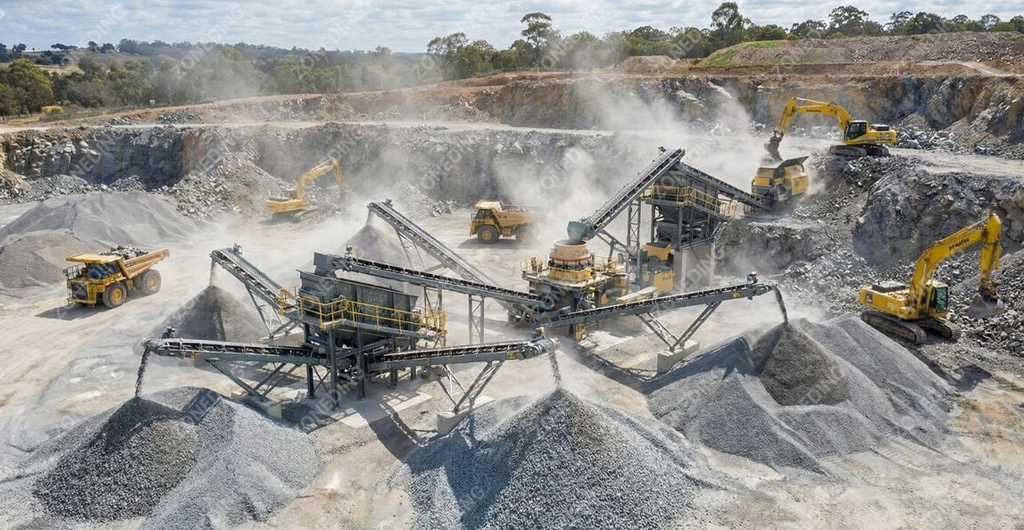
Processing volcanic rock requires a specific mechanical approach that balances “crushing force” with “wear resistance.” A standard configuration for an andesite line involves three stages: primary crushing, secondary crushing, and screening. In 2025, the demand for premium cubical aggregate is higher than ever. Buyers in the B2B sector must focus on choosing heavy-duty Jaw Crushers and automated Cone Crushers to handle the high Mohs hardness of the raw stone. ZONEDING MACHINE provides these specialized solutions to ensure maximum uptime and consistent output for global mining and construction companies.
Last Updated: March 2026 | Estimated Reading Time: 21 Minutes
Andesite is an extrusive volcanic rock that forms from the cooling of intermediate magma. It sits between basalt and dacite in terms of composition. The mineral structure consists mainly of plagioclase feldspar, pyroxene, and sometimes hornblende. These minerals create a dense, fine-grained matrix that is incredibly tough and difficult to break.
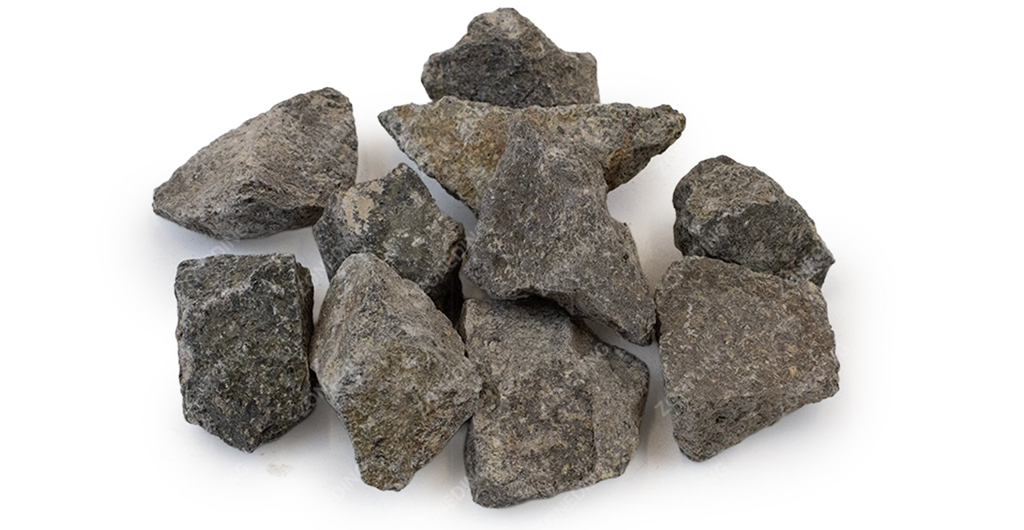
On the Mohs scale, andesite averages a hardness of 6 to 7. This is significantly harder than limestone or marble. The primary challenge in Andesite Processing is the “wear cost.” Every time a metal plate hits an andesite rock, small microscopic fragments of the metal are scratched away. High-silica rocks act like a grinding wheel against the crusher’s liners. Without the correct metallurgy, the maintenance cycle becomes unmanageable.
| Rock Property | Range | Impact on Crushing |
|---|---|---|
| Mohs Hardness | 6.0 – 7.0 | High wear on liners and teeth |
| Silica Content (SiO2) | 52% – 63% | Extreme abrasiveness |
| Compressive Strength | 150 – 250 MPa | Requires high crushing force |
| Density | 2.4 – 2.8 t/m3 | High power consumption per ton |
Andesite has a high density, often exceeding 2.5 g/cm3. This means the rock is heavy and requires more electrical energy to break per ton compared to lighter volcanic rocks. The crushing ratio—the ratio of the feed size to the output size—must be managed carefully. Trying to reduce a 1-meter boulder to a 20mm aggregate in a single step would destroy most machines. Therefore, a multi-stage Andesite Crushing Plant is the only viable solution for industrial-scale production.
Unlike limestone, which fractures easily upon impact, andesite tends to absorb some energy before breaking. This means that “impact-style” crushers suffer from high vibration and rapid fatigue when processing this material. The machinery must be reinforced at the chassis and bearing levels to handle the constant, high-energy kickback from the volcanic stone. ZONEDING focuses on heavy-duty frame casting to mitigate these mechanical stresses.
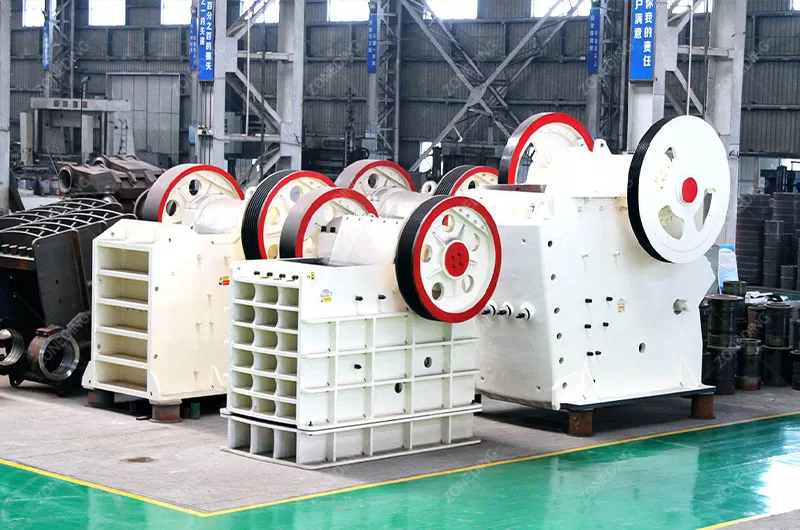
The primary stage is the most brutal part of the process. It must take “run-of-mine” (ROM) stone, which can be as large as 1000mm, and reduce it to manageable chunks for the secondary circuit. For a rock as hard as andesite, an impact crusher should never be used as a primary machine. The only reliable choice is a heavy-duty Jaw Crusher.
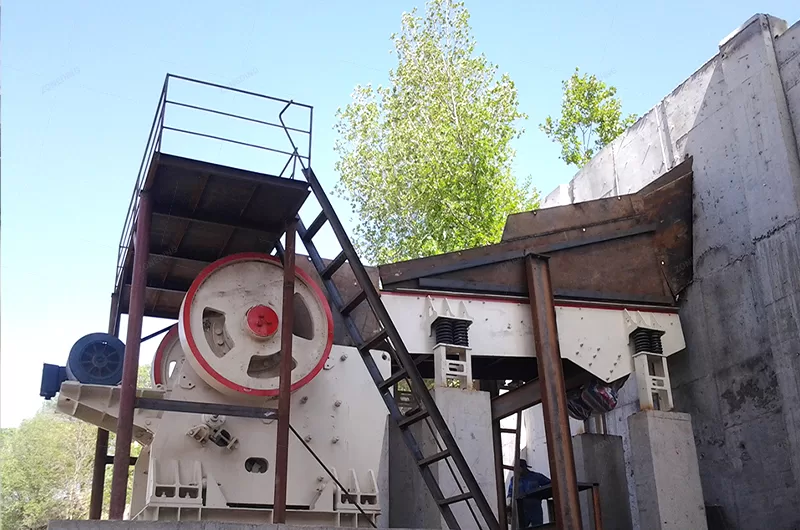
The primary crusher is only as good as the machine feeding it. A Vibrating Feeder is used to provide a steady, uniform flow of andesite into the jaw. ZONEDING feeders often include a “pre-screening” or “grizzly” section. This allows small dirt and fine stones to bypass the jaw crusher entirely. By removing the fines early, the primary crusher only works on the large rocks, which reduces unnecessary wear and energy consumption.
In an andesite plant, the eccentric shaft of the jaw undergoes massive stress. Materials like forged steel and high-quality bearings are mandatory. The weight of the flywheel must also be optimized to provide the necessary inertia to crush through a 200 MPa block of andesite without stalling the motor. This mechanical stability is what differentiates a professional Andesite Crushing Plant from a low-standard setup. ZONEDING ensures that all primary units are tested for stress resistance before delivery.
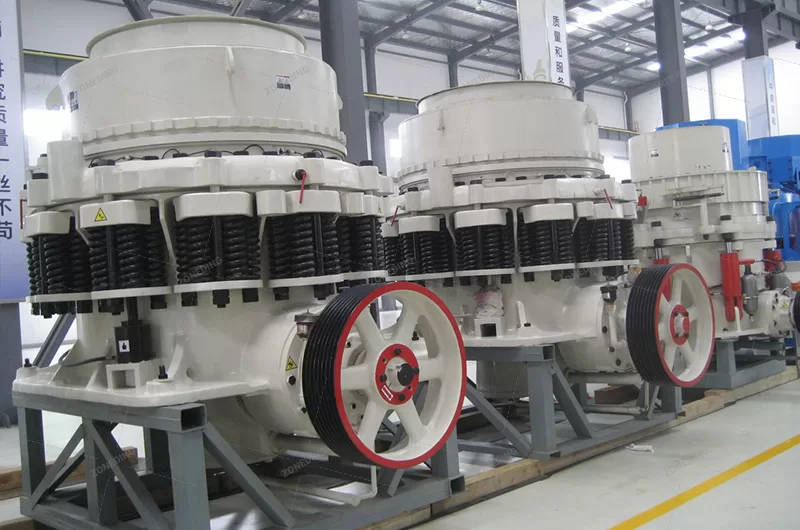
After the primary jaw crusher produces material in the range of 100mm to 200mm, it moves to the secondary stage. This is where the product is reduced to its final aggregate sizes (such as 0-5mm, 5-10mm, 10-20mm). For andesite, the undisputed king of secondary crushing is the Cone Crusher.
An impact crusher uses a high-speed rotor and blow bars to smash the rock. While this produces a very good cubical shape, the blow bars will wear out every 2 or 3 days when processing high-silica andesite. The cost of replacing these bars would make the entire project unprofitable. The mechanical downtime for constant part changes can destroy a project’s timeline.
A cone crusher uses “Laminated Crushing” technology. The rock is crushed not just by the mantle and the concave, but also by the interaction between the rocks themselves as they are compressed. This results in:
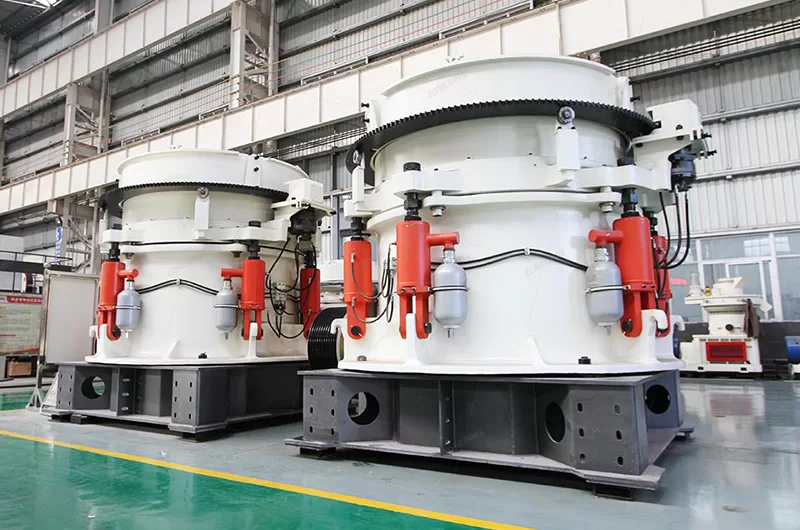
ZONEDING offers both multi-cylinder and single-cylinder hydraulic cone crushers. For an Andesite Crushing Plant focused on high-quality road aggregate, the multi-cylinder version is often preferred. It provides a higher crushing force and a higher percentage of “fines” in the output. This allows the plant to reach strict gradation requirements with fewer recirculating loads. Conversely, single-cylinder models offer simplified maintenance and better control over the final discharge size via a single hydraulic jack.
| Crusher Type | Wear Cost | Grain Shape | Maintenance | Recommended Material |
|---|---|---|---|---|
| Impact Crusher | Very High | Excellent | Moderate | Limestone, Coal |
| Cone Crusher | Low | Good / Very Good | Moderate | Andesite, Granite, Basalt |
| Hammer Crusher | High | Moderate | High | Soft minerals |
A professional three-stage process ensures that each machine works within its most efficient range. This “balanced” circuit maximizes the lifespan of the equipment and minimizes the “over-grinding” of material into waste dust.
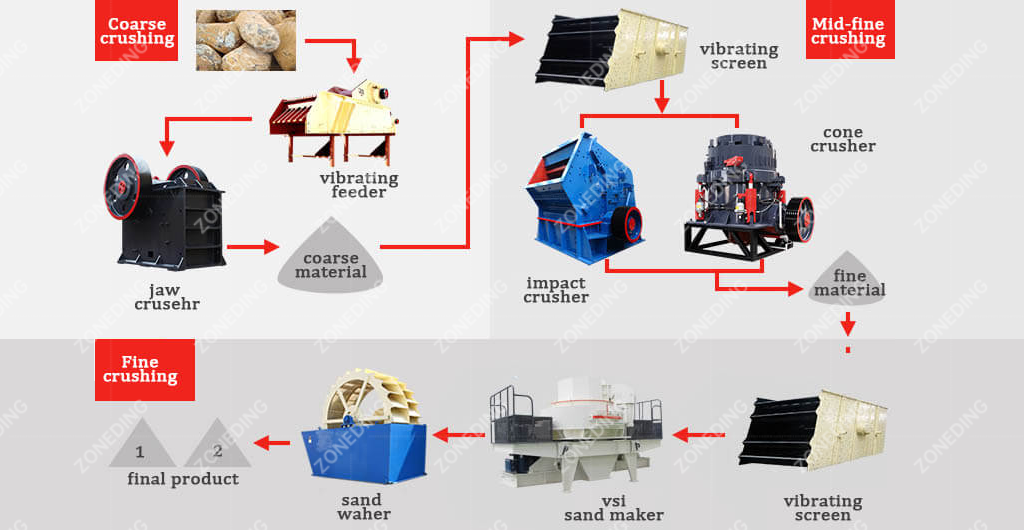
Raw andesite is dumped into a hopper. A Vibrating Feeder moves the stone into the PE Series Jaw Crusher. The goal here is to reduce the size from 800mm down to 150mm. This material is then transported via a Belt Conveyor to a surge pile. This surge pile acts as a buffer, ensuring the secondary crusher never runs empty.
The 150mm stone enters the hydraulic cone crusher. The cone is set to a “closed side setting” (CSS) of around 25mm to 40mm. This stage creates the majority of the finished aggregate. The output from the cone crusher is then sent to a high-frequency Vibrating Screen. The accuracy of this screen is vital for meeting commercial specs.
The vibrating screen separates the andesite into different bins:
The VSI crusher uses “rock-on-rock” impact to reshape the aggregate into a perfect cube. This is essential for andesite because cone crushers can sometimes produce elongated particles. For high-speed rail and airport runways, the elongation index must be very low, making the VSI stage mandatory.
Maintenance of wear parts is the difference between a profitable company and one that loses money on every ton. In an Andesite Crushing Plant, “preventative” maintenance is far more effective than “reactive” repair.
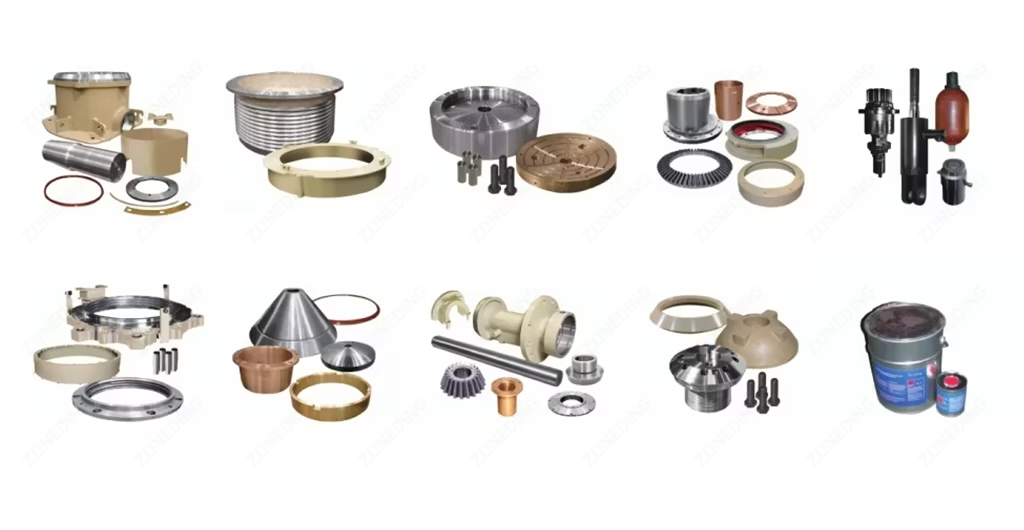
Standard cast steel is not enough for andesite. ZONEDING utilizes High-Manganese alloys (Mn18Cr2 or Mn22Cr2). The addition of chromium increases the hardness of the manganese, which prevents the abrasive silica from “plowing” through the metal. For the cone crusher’s mantle and concave, these high-spec alloys can extend the service life by 20% to 30%. It is important to remember that manganese steel “work-hardens” under pressure, which is why it performs so well in compression crushing.
Hard rock crushing generates significant internal friction and heat. If the oil in the cone crusher exceeds 65°C, it loses its viscosity, leading to bronze bushing failure. ZONEDING cone crushers feature an integrated oil cooling and filtration station. It automatically circulates the oil through a radiator and filters out any metal shavings. Keeping the oil clean and cool is the single most important factor in making a crusher last 20 years.
Operating a cone crusher “starved” (half-empty) causes the mantle to hit the concave unevenly. This creates “localized wear,” which can cause the liner to crack. The best practice is “choke feeding”—keeping the crushing chamber completely full. ZONEDING automated systems use ultrasonic sensors to monitor the level in the chamber and adjust the feeder speed accordingly. This ensures the stone-on-stone crushing effect is maximized, which actually protects the metal liners from direct impact.
A B2B buyer is not just purchasing a machine; they are purchasing a supply chain and an engineering partner. For an Andesite Crushing Plant, the supplier must provide technical depth.
The crushing industry is evolving toward mobility, digital management, and environmental sustainability.
As infrastructure in developing nations shifts to higher quality “Superpave” road designs, the demand for high-strength andesite aggregate is skyrocketing. The shift from “impact-based” to “cone-based” crushing is now standard for any contractor wanting to secure large-scale stadium or airport contracts. The environmental regulation regarding dust collection is also becoming stricter, leading to the adoption of high-efficiency bag filters in all new plant designs.
Developing a successful Andesite Crushing Plant is a balance of metallurgy and mechanical design. To maximize profit in 2025:
Last Updated: March 2026
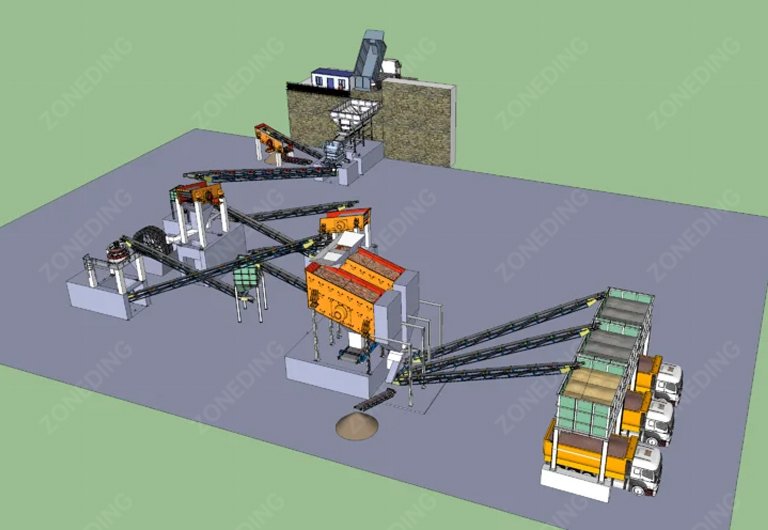
Why stop at cement? Learn how producing your own aggregates with in-house crushing plants is helping major companies cut costs and control quality.
View details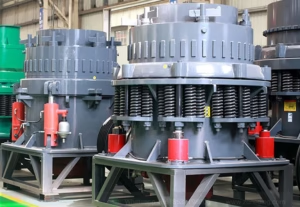
Learn 9 core factors driving cone crusher prices. From brand and model to technical specs, materials, and after-sales support. Get precise budgeting Now!
View details
Don't buy a granite crusher without these 10 tips! Maximize output for hard rock, and make an informed decision for your quarry or construction project.
View details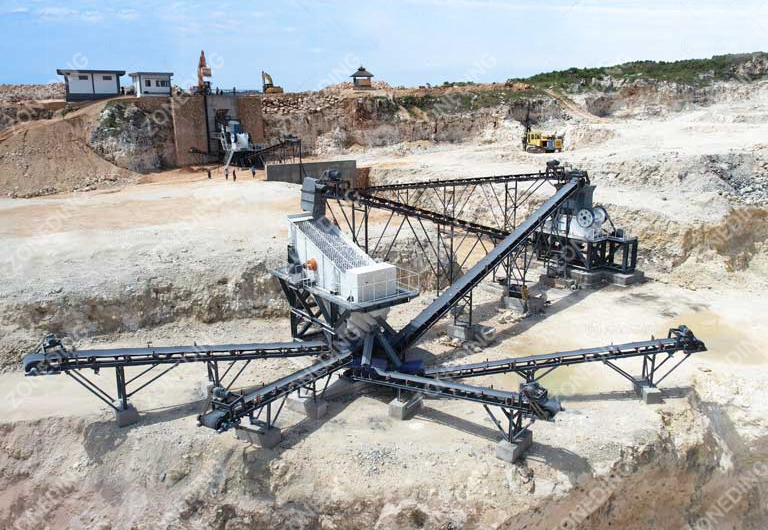
This guide explains how to improve your limestone sand making process with modern technologies to reduce wear costs and increase your overall profit margins.
View details