 Zoneding Mining

Site Search
Search products, equipment and solution articles
整站搜索产品中心新闻中心
点击开始搜索
热门搜索
UltraForm-MXFlexiPoly-RNanoForm Z300EcoFab P200
Search products, equipment and solution articles
Platinum extraction from Sperrylite (PtAs2) involves a multi-stage metallurgical process including crushing, grinding, gravity separation, flotation, and chemical refining. Sperrylite is a platinum arsenide mineral and serves as one of the most significant sources of platinum-group metals (PGM). Unlike native platinum, Sperrylite contains high levels of arsenic, which requires specialized handling during the extraction and smelting phases. The mineral has a high specific gravity of 10.6, making it highly responsive to gravity-based recovery methods in the early stages of processing. However, because Sperrylite is often finely disseminated within hard host rocks like norite or gabbro, achieving high recovery rates requires a precise balance of mechanical pulverization and chemical flotation.
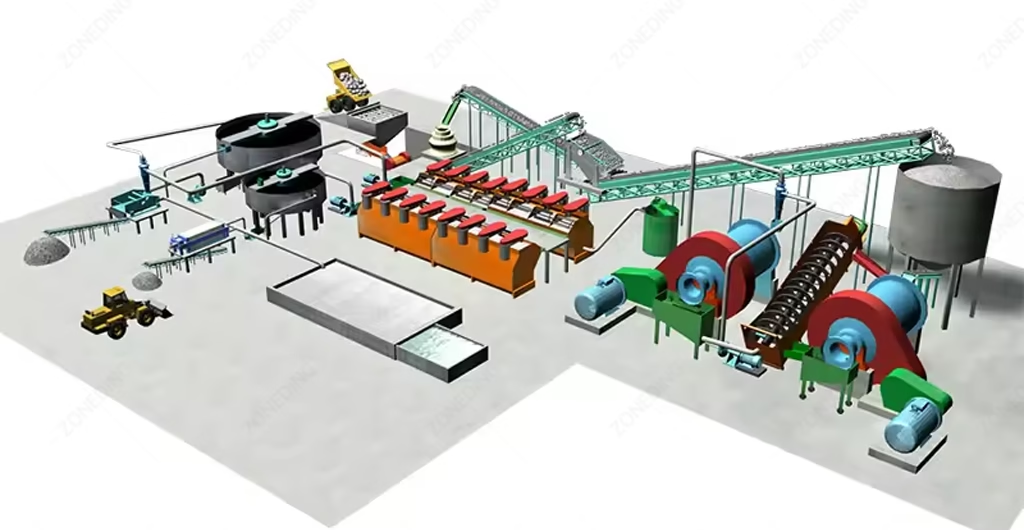
The year 2025 marks a shift toward more automated and environmentally conscious extraction technologies. In the B2B mining sector, operators must focus on maximizing the “Recovery Factor” while minimizing the release of toxic arsenic byproducts. Success in platinum mining depends on the ability of the Ball Mill to liberate the fine mineral grains without “over-grinding” them into useless slimes. ZONEDING MACHINE provides the specialized mineral processing equipment necessary to handle these heavy, abrasive ores. This guide provides an in-depth look at the step-by-step metallurgy of Sperrylite processing and the equipment selection required for industrial-scale success.
Last Updated: March 2026 | Estimated Reading Time: 21 Minutes
Sperrylite (PtAs2) is a unique mineral because it is the only common arsenide of platinum. It typically appears as tin-white metallic crystals with a cubic structure. It is found most famously in the Sudbury Basin in Canada and the Bushveld Complex in South Africa. The primary difficulty in processing Sperrylite lies in its chemical composition and its physical association with other sulfide minerals. Arsenic is a “penalty element” in the smelting process. High arsenic content in the final concentrate can lead to environmental fines and higher refining costs.
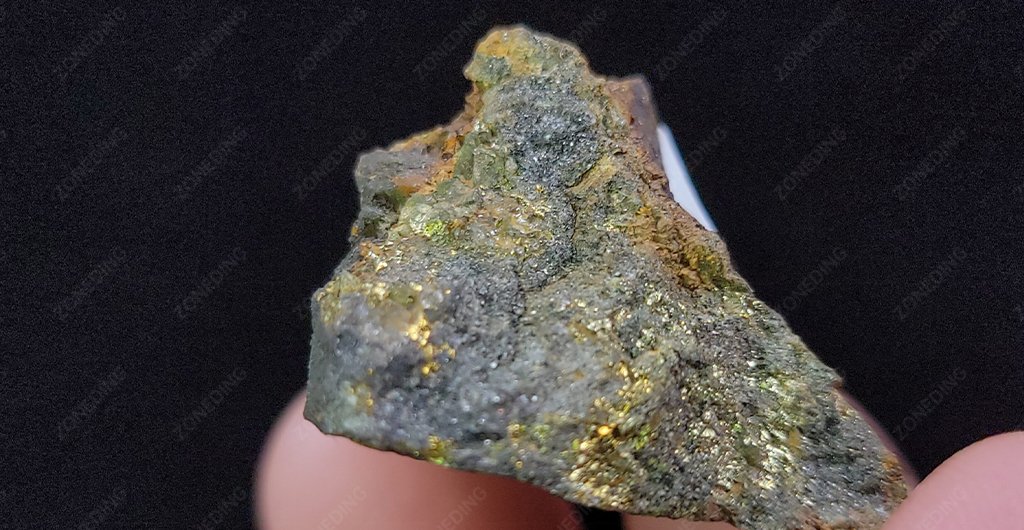
Sperrylite is often found in mafic and ultramafic igneous rocks. These rocks are extremely hard, often reaching 6 to 7 on the Mohs scale. The platinum mineral grains are frequently locked deep inside the silicate matrix. To recover the platinum, the ore must be crushed and ground to a point where the PtAs2 grains are “liberated” or freed from the waste rock. If the grinding is too coarse, the platinum stays locked in the waste. If the grinding is too fine, the heavy Sperrylite particles sink too fast in the flotation cells and are lost.
| Property | Value | Impact on Extraction |
|---|---|---|
| Chemical Formula | PtAs2 | High arsenic requires specialized smelting |
| Specific Gravity | 10.5 – 10.7 | Ideal for early gravity separation |
| Mohs Hardness | 6.0 – 7.0 | Requires heavy-duty crushing equipment |
| Crystal System | Isometric (Cubic) | Brittle; tends to fracture into fine dust |
The presence of arsenic requires a closed-loop water system in the Mineral Processing Plant. During the chemical stages, arsenic can leach into the process water. Modern 2025 standards require platinum mines to use thickeners and filter presses to capture and treat all process water. ZONEDING equipment is designed with these environmental controls in mind. The goal is to produce a high-grade platinum concentrate while safely sequestering the arsenic in a stable tailing form.
The first stage of platinum extraction is the reduction of large ore boulders. Because Sperrylite host rocks are extremely tough, the crushing circuit must be robust. A two-stage or three-stage crushing circuit is standard. In these stages, the goal is to reduce 800mm blocks down to a “mill-ready” size of less than 20mm. ZONEDING heavy-duty machines provide the necessary force to break these igneous rocks with minimal mechanical fatigue.
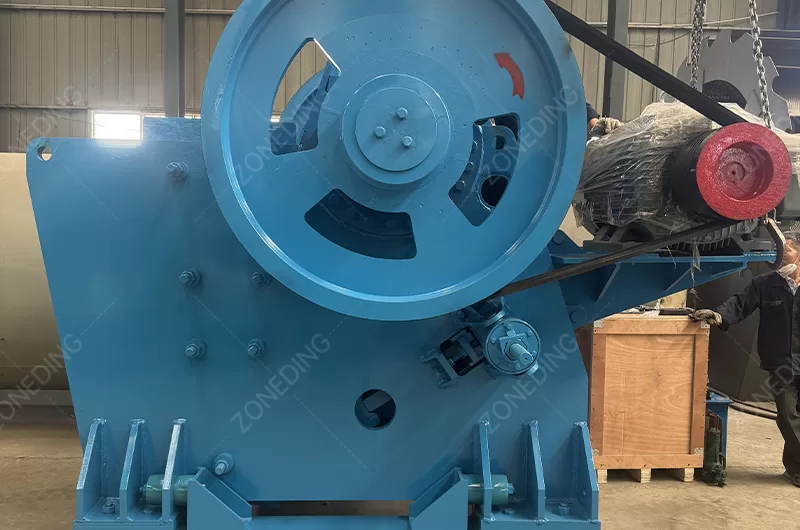
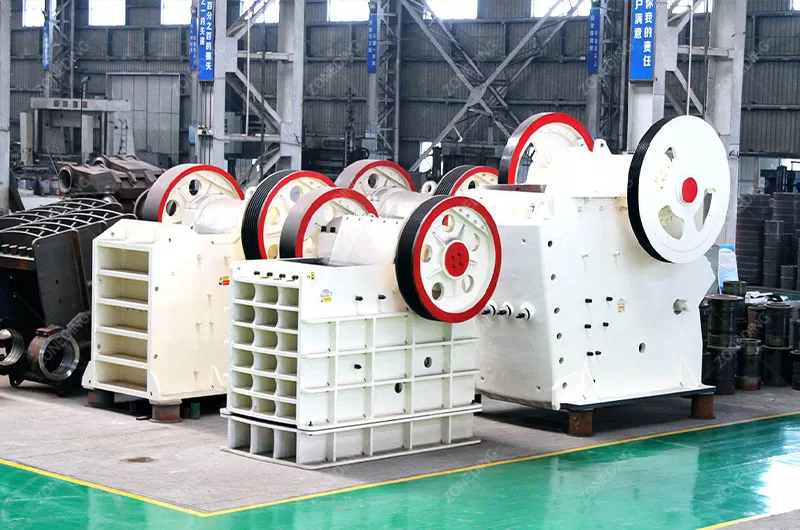
For the first break, a Jaw Crusher is the only reliable choice. It uses a high-torque compression force to squeeze the norite or gabbro rock. Because these rocks are abrasive, ZONEDING utilizes high-manganese steel jaw plates (Mn18Cr2). This alloy work-hardens under the pressure of the rock, extending the life of the wear parts. The eccentric shaft is forged from high-strength steel to handle the thousands of tons of pressure generated during each stroke.
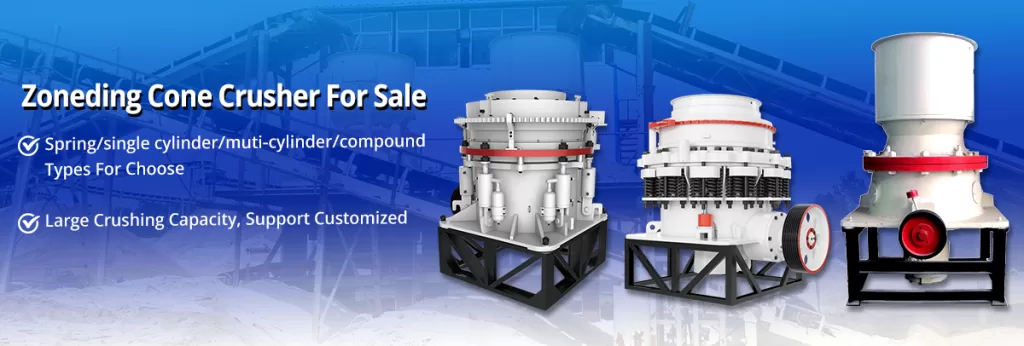
Once the ore is reduced to 150mm, it moves to the Cone Crusher. A cone crusher is preferred over an impact crusher for platinum ore because of the abrasiveness of the silica-rich host rock. The cone crusher uses a laminated crushing principle to produce a finer, more uniform feed for the grinding stage. ZONEDING’s hydraulic cone crushers allow for “on-the-fly” adjustments of the discharge gap. This ensures that the ore entering the ball mill is always at the optimal size, which maximizes the overall efficiency of the plant.
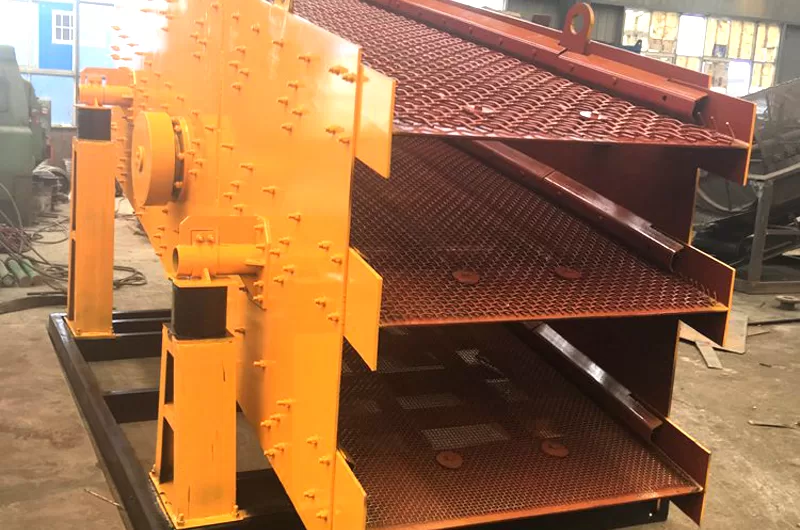

Between the crushing stages, a Vibrating Screen is essential. It removes any material that is already small enough for the next stage. This “bypass” logic prevents “over-crushing,” which saves energy and reduces the production of fine dust. In Sperrylite processing, minimizing fine dust in the crushing stage is important because platinum dust is difficult to catch in the early stages of the circuit.
Grinding determines the recovery rate of the entire plant. If the Sperrylite is not fully liberated from the host rock, the flotation chemicals cannot attach to the platinum. However, Sperrylite is brittle. If the ore stays in the mill too long, the platinum particles become too small (less than 10 microns). These “slimes” do not respond well to flotation and often end up in the tailings pile.
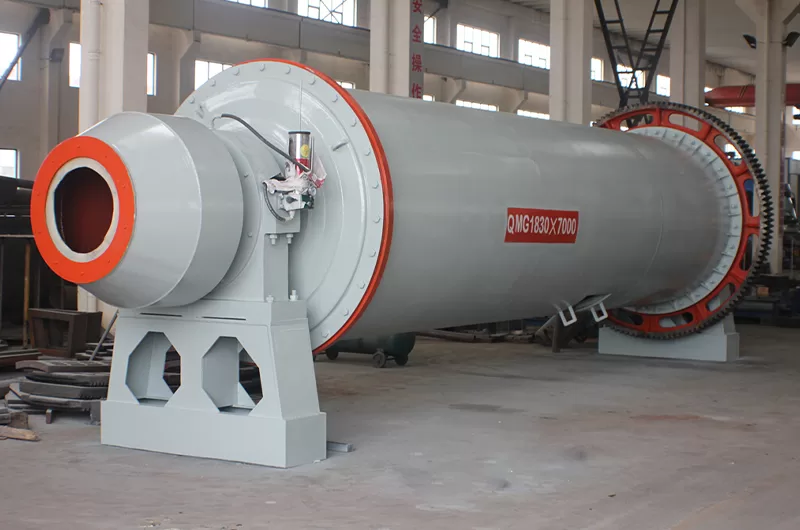
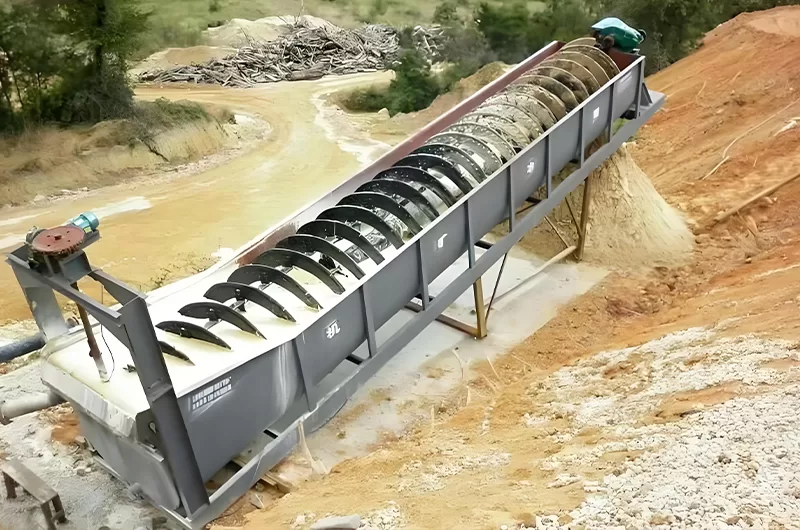
The Ball Mill is the primary tool for this stage. It is a rotating cylinder filled with steel balls. As the mill turns, the balls fall and crush the ore. For Sperrylite, a “closed-circuit” grinding system is mandatory. This includes a Spiral Classifier or a hydrocyclone. The classifier checks the size of the material leaving the mill. If the particles are too large, they are sent back into the mill. If they are the correct size (usually 75 microns), they move to the flotation circuit.
Grinding is the most energy-intensive part of the process. ZONEDING mills use high-efficiency motors and precision gear drives to reduce power consumption. Liner selection is also critical. For platinum ore, rubber liners are sometimes used to reduce noise and weight. However, because PtAs2 host rocks are so hard, high-chrome alloy liners are more common to provide maximum wear resistance. The goal is to keep the mill running 24/7 without frequent shutdowns for liner changes.
The size of the steel balls inside the mill must be carefully calculated. A mix of large balls (to break the remaining 20mm rocks) and small balls (to polish the surfaces and liberate the fine Sperrylite) is used. This is called a “graded ball charge.” ZONEDING provides technical support to help B2B clients calculate the exact ball ratio based on the Bond Work Index of their specific platinum ore.
| Grinding Stage | Equipment | Target Particle Size | Purpose |
|---|---|---|---|
| Primary Grinding | Rod Mill / Ball Mill | 200 – 500 microns | Initial liberation of sulfides |
| Secondary Grinding | Ball Mill | 45 – 75 microns | Final liberation of PtAs2 |
| Regrinding | Vertical Mill | < 20 microns | Cleaning the PGM concentrate |
Because Sperrylite has a specific gravity of 10.6, it is more than three times heavier than the surrounding waste rock (density approx. 2.7 to 3.0). This makes gravity separation a highly effective “pre-concentration” technique. By recovering the large grains of Sperrylite immediately after the ball mill, the plant can significantly reduce the load on the flotation circuit.
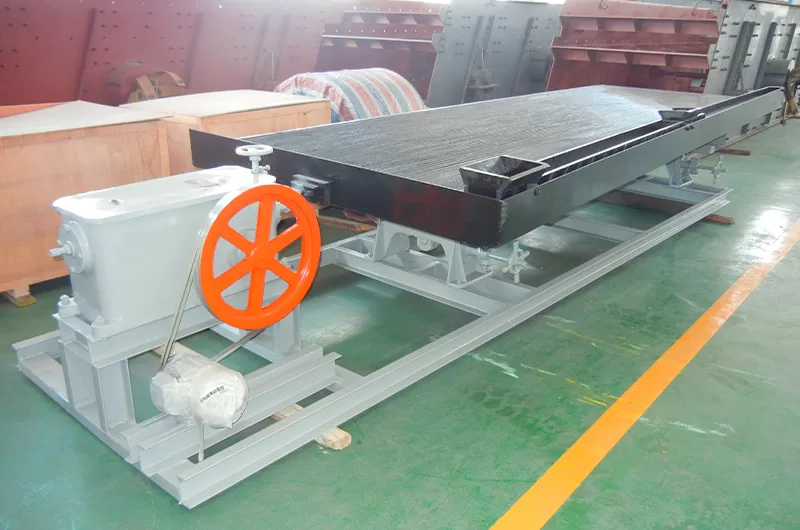
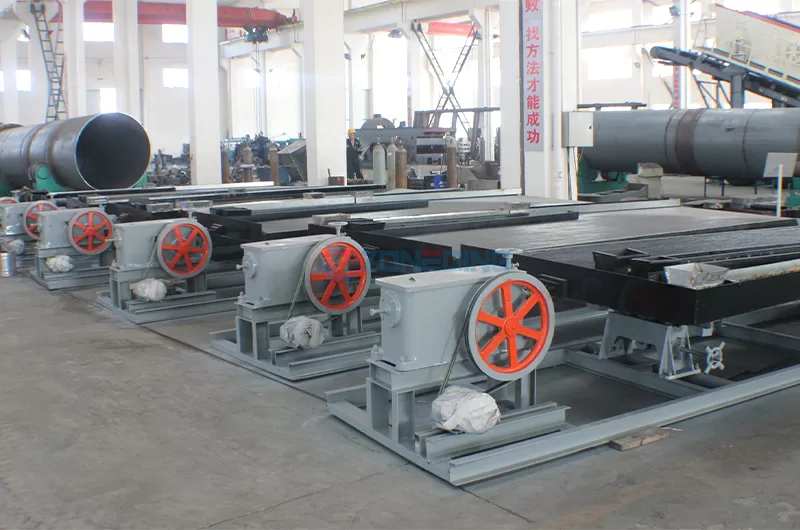
A Shaking Table is one of the most effective gravity tools for fine platinum. It uses a vibrating deck and a thin film of water to separate minerals based on density. The heavy Sperrylite particles stay on the high side of the table and are collected in a separate trough. This produces a very high-grade “gravity concentrate.” ZONEDING shaking tables are designed with adjustable stroke lengths and frequencies, allowing operators to fine-tune the separation for different ore grades.
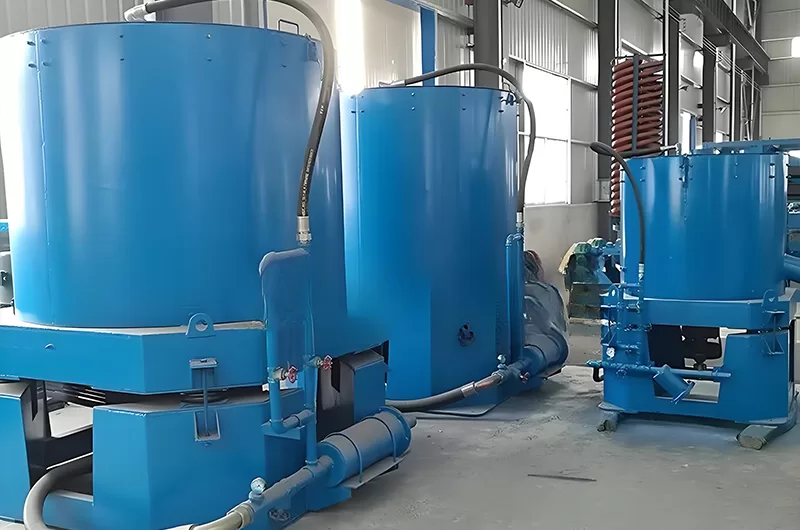
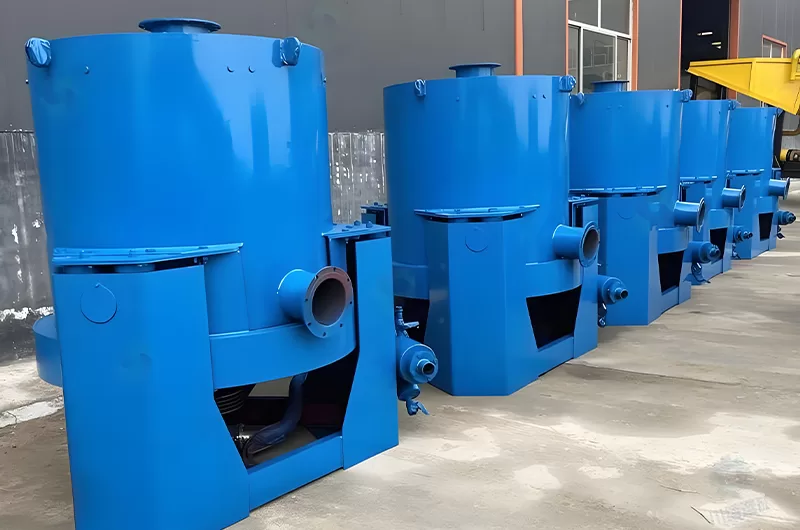
For very fine platinum particles that are too small for a shaking table, a centrifugal concentrator is used. These machines use high G-force to catch heavy minerals. The process involves spinning the ore slurry at high speeds, forcing the heavy Sperrylite into grooves in the machine’s bowl. This is often used as a “scavenger” stage to catch the PGM values that might otherwise be lost to the tailings.
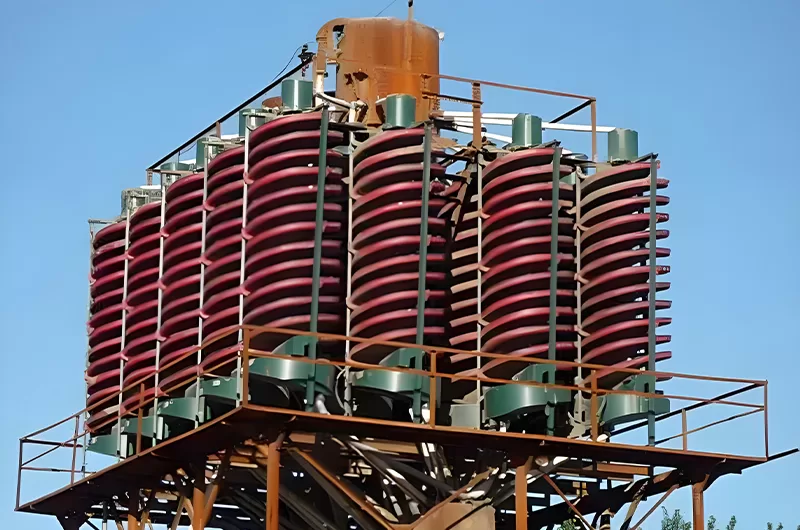
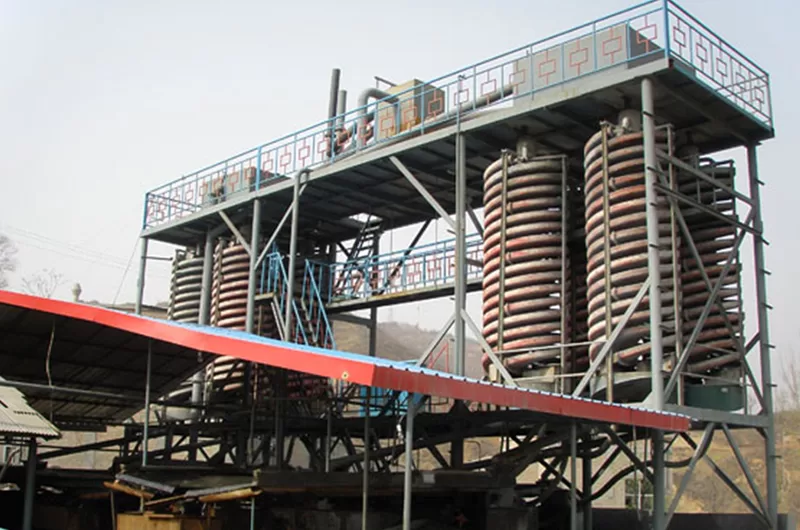
In large-scale operations, Spiral Chutes are used to process large volumes of ore. They require no power and use gravity alone. As the slurry flows down the spiral, the heavy Sperrylite stays close to the center axis, while the light waste is pushed to the outer edge. This is an excellent way to reject 50-60% of the waste rock before the more expensive flotation stage begins.
While gravity separation catches the large grains, the majority of Sperrylite is recovered through froth flotation. This process exploits the difference in surface chemistry between the platinum mineral and the waste rock. In a Flotation Machine, air is bubbled through a chemically treated ore slurry. The Sperrylite particles attach to the bubbles and float to the surface, where they are skimmed off as a concentrate.

Because Sperrylite is a platinum arsenide, it does not respond to chemicals in the same way as native platinum or gold.
A professional platinum plant uses a “Rougher-Scavenger-Cleaner” circuit.
ZONEDING flotation machines are designed for high-volume B2B operations. The impellers are made of wear-resistant rubber to handle abrasive ore. The machines feature an advanced air-regulation system that allows for precise bubble size control. In 2025, ZONEDING has integrated IoT sensors into these cells to monitor the “froth level” in real-time. This allows the plant’s central computer to adjust reagent dosing automatically, ensuring maximum recovery even if the ore grade changes.
The concentrate produced by the flotation circuit is a mix of platinum, arsenic, and other sulfides (like nickel and copper). It is not yet pure metal. This “bulk concentrate” must undergo pyrometallurgical (heat) and hydrometallurgical (chemical) refining.
The concentrate is first dried and then fed into an electric arc furnace. During smelting, the minerals melt. The heavy metals sink to the bottom to form a “matte,” while the waste rises to the top as slag. Because PtAs2 contains arsenic, the furnace gas must be passed through a baghouse or an electrostatic precipitator. This catches the arsenic trioxide dust, preventing it from entering the atmosphere. Modern 2025 refineries convert this arsenic into stable calcium arsenate for safe disposal.
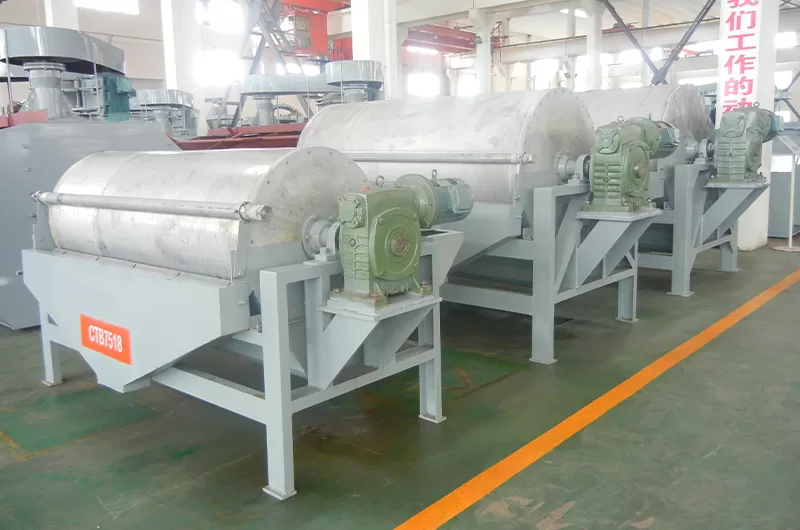
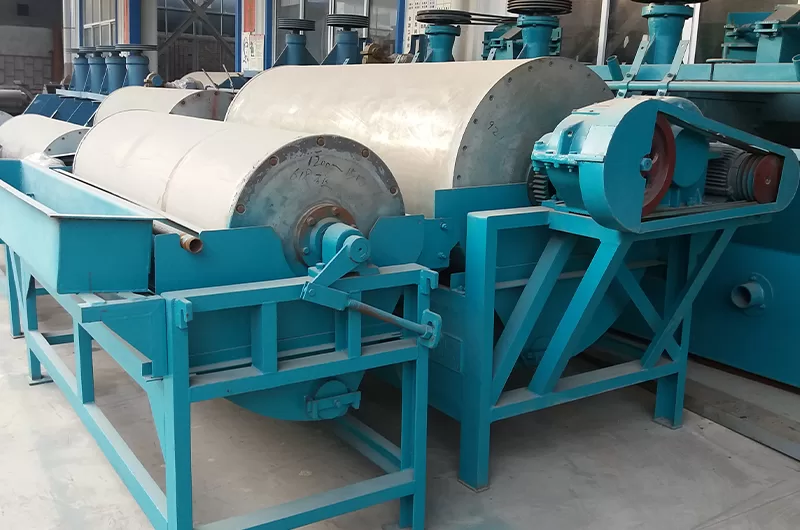
In some Sperrylite deposits, the ore is associated with pyrrhotite, an iron-sulfide mineral that is magnetic. ZONEDING Magnetic Separators can be used to remove this iron mineral before smelting. This reduces the amount of material that needs to be melted, saving significant energy in the refinery.
The matte is crushed and dissolved in acids (like aqua regia or hydrochloric acid with chlorine). The platinum is then separated from other metals (palladium, rhodium, gold) using solvent extraction or ion exchange. Finally, the platinum is precipitated as a pure salt and heated to produce 99.95% pure platinum sponge or ingots. This high-purity metal is what is sold to the automotive, jewelry, and industrial sectors.
| Refining Step | Method | Result |
|---|---|---|
| Concentrate Drying | Rotary Dryer | < 1% moisture content |
| Smelting | Electric Furnace | PGM-rich Matte |
| Leaching | Acid Dissolution | Metal ions in solution |
| Precipitation | Chemical Reaction | 99.95% Pure Pt Metal |
Building a platinum processing plant is a major capital investment. For B2B buyers, the relationship with the equipment manufacturer is critical to the long-term success of the mine.
ZONEDING MACHINE is a leading Chinese manufacturer of mineral processing equipment, providing B2B solutions for mining operations worldwide. Founded in 2004, the company offers a comprehensive range of products from heavy-duty jaw crushers to advanced flotation machines. With a focus on innovation and quality, ZONEDING helps mining companies optimize their production lines for complex ores like Sperrylite.
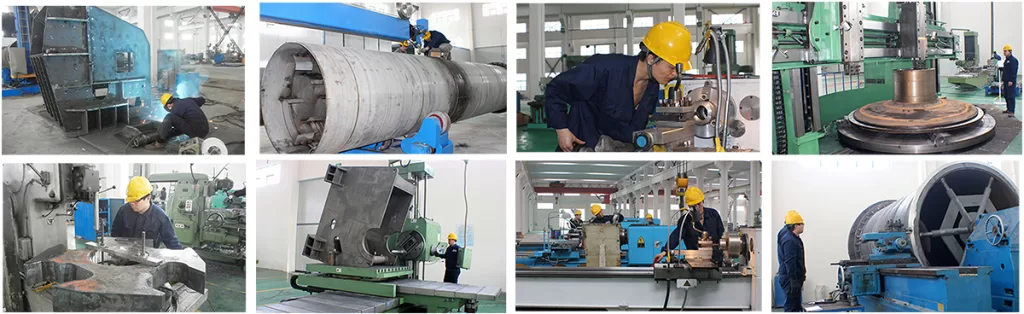
As a manufacturer with direct sales, ZONEDING provides a 15-20% price advantage over trading companies. The company’s 15 senior engineers provide all process service, including plant design, installation, and personnel training. With equipment exported to over 120 countries, ZONEDING has the industry experience to make your platinum mining project a success.
The industry is moving toward “Intelligent Mining” and “Sustainable Recovery” to meet global ESG (Environmental, Social, and Governance) targets.
The demand for platinum remains strong due to its role in hydrogen fuel cells and the green energy transition. As the “easy” native platinum deposits are depleted, the mining industry is turning more toward complex minerals like Sperrylite. This makes high-efficiency mineral processing equipment more valuable than ever before. Companies that invest in modern, automated recovery lines today will have the lowest production costs in the 2030s.
Extracting platinum from Sperrylite is a challenging but rewarding metallurgical process. To ensure success in 2025:
Last Updated: March 2026
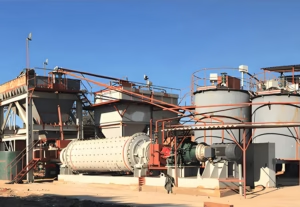
Dive deep into complete Gold Ore CIP (Carbon-in-Pulp) Process Flow including crushing, grinding, leaching, adsorption, elution, electrowinning, and smelting.
View details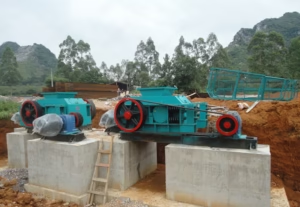
Ensure you choose right roll crusher by asking these questions. Our checklist covers factors from goals to maintenance considerations for specific application.
View details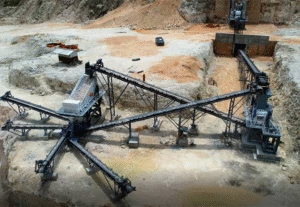
Learn from 9 considerations about optimal equipment, material handling, safety protocols, and quality control to maximize efficiency in basalt processing plant.
View details
Master lithium plant design. Our strategic guide provides a professional framework for selecting mining and processing equipment to optimize purity and yield.
View details