 Zoneding Mining

Site Search
Search products, equipment and solution articles
整站搜索产品中心新闻中心
点击开始搜索
热门搜索
UltraForm-MXFlexiPoly-RNanoForm Z300EcoFab P200
Search products, equipment and solution articles
Understanding the jaw crusher price is crucial for any project involving primary crushing. A jaw crusher is a fundamental piece of equipment in mining, quarrying, and aggregate production. Investing in the right one requires careful consideration of various factors beyond just the initial cost. This guide will provide a balanced overview of typical price ranges. It will explain the key elements that influence the final price of these essential crushing equipment. I will help you make an informed decision for your operation.
A jaw crusher is a primary piece of crushing equipment. It functions by compressing material between a fixed and a movable jaw. This action reduces large rocks and ore into smaller, manageable sizes. It is the first step in most mineral processing and aggregate production lines. Its robust design is essential for handling abrasive and hard materials. Quality in a jaw crusher directly translates to durability, efficiency, and consistent performance. A well-built jaw crusher offers reliable operation. It also handles various materials effectively.
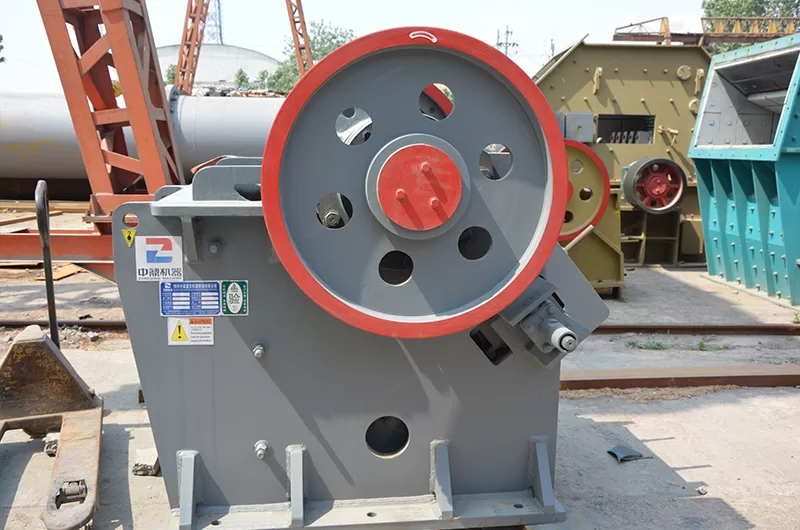
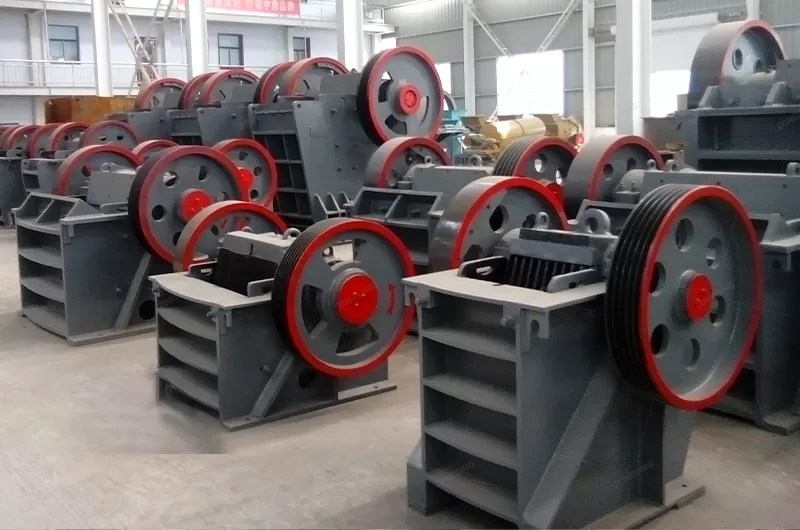
The quality of a jaw crusher impacts several critical aspects of your operation. High-quality materials like manganese steel for jaw plates ensure a longer lifespan. This reduces wear part replacement costs and downtime. Precision engineering in components like the eccentric shaft and bearings guarantees smooth operation. This minimizes energy consumption and maintenance needs. ZONEDING manufactures high-quality jaw crushers designed for demanding environments. We focus on durable construction and robust components. This ensures reliable performance in the toughest applications, making ZONEDING a trusted name in crushing equipment.
The size and capacity of a jaw crusher are among the most significant determinants of its price. Generally, larger crushers with higher capacities command higher prices. This is because they require more materials for construction, more powerful motors, and more complex engineering. Capacity is typically measured in tons per hour (TPH). It indicates how much material the crusher can process within a given timeframe. Selecting the right size ensures your operation meets its production targets efficiently.
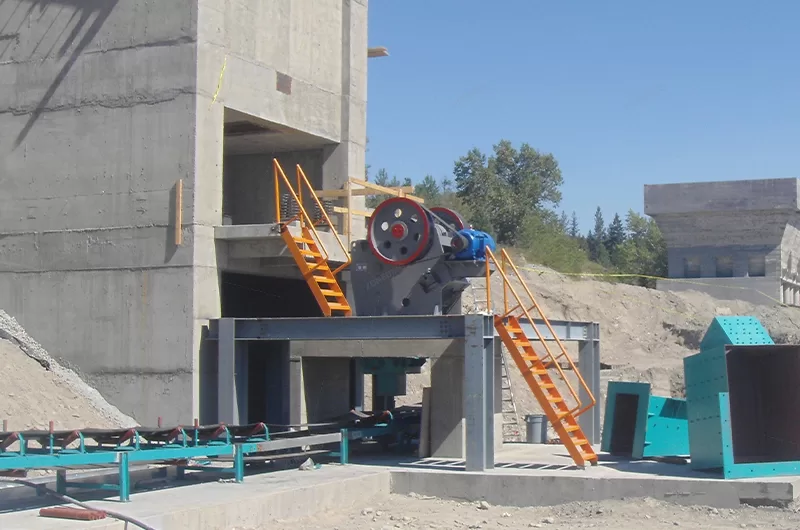
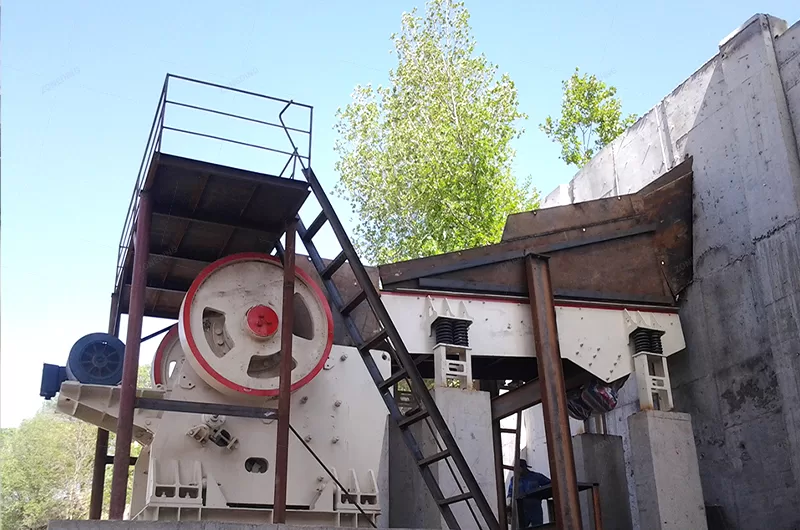
Small laboratory-scale jaw crushers might process a few hundred kilograms per hour. They are thus very different in price from industrial machines. Mid-sized jaw crushers, commonly found in aggregate plants, handle 50-300 TPH. Large primary jaw crushers found in major mining operations can process thousands of TPH. Each step up in capacity requires proportionally bigger components. This increases both manufacturing costs and the mechanical power required. ZONEDING offers a comprehensive range of crushing equipment. This ensures we have a jaw crusher size and capacity to match diverse project needs. We provide suitable options from primary crushing lines for mines to smaller setups for mobile applications.
Beyond size and capacity, specific features and integrated technologies significantly influence the jaw crusher price. These additions enhance performance, improve safety, or reduce operational complexities. However, they also add to the manufacturing cost and, thus, the selling price. Understanding these features helps clients choose the right balance between cost and functional benefits.
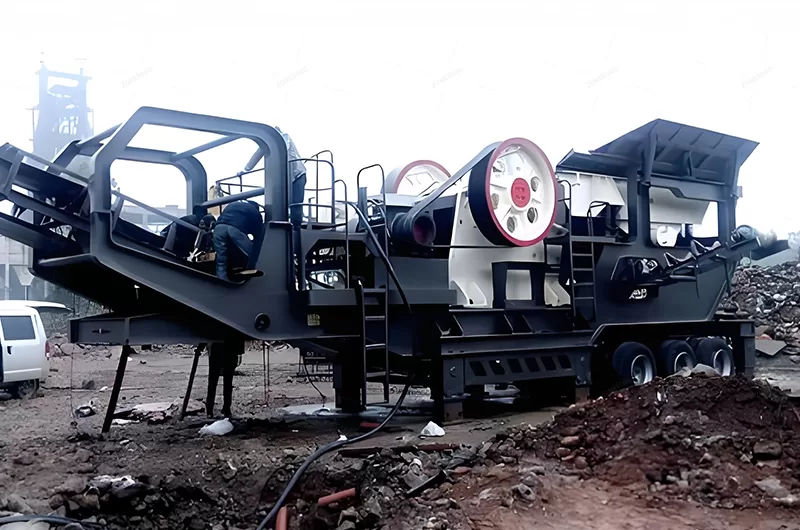
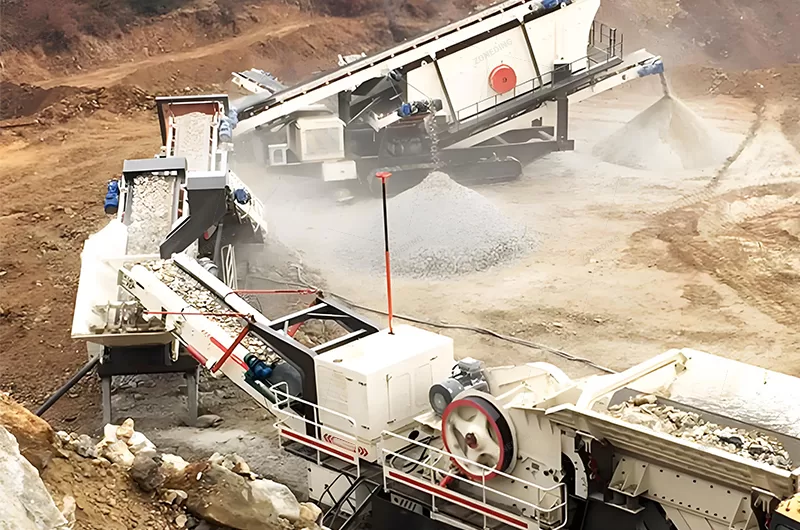
Key features and technologies driving costs include:
ZONEDING focuses on integrating efficient and intelligent features into its crushing equipment. We offer tailored solutions to meet specific operational requirements. This ensures our machines are both high-performing and value-driven.
The brand and manufacturer significantly influence the jaw crusher price. Established brands often command higher prices due to their reputation, proven track record, and extensive research and development. These companies invest heavily in material science, engineering innovation, and product testing. This leads to more reliable, efficient, and technologically advanced crushing equipment. Their prices often reflect the perceived value of quality, longevity, and superior performance.
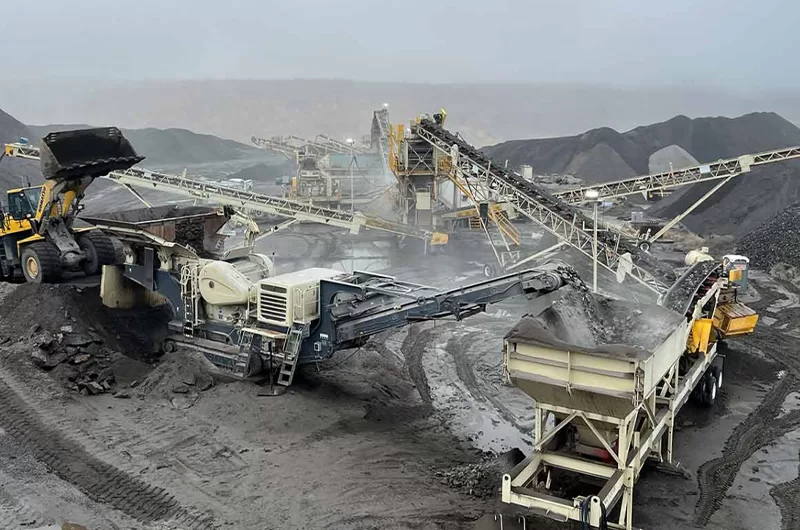
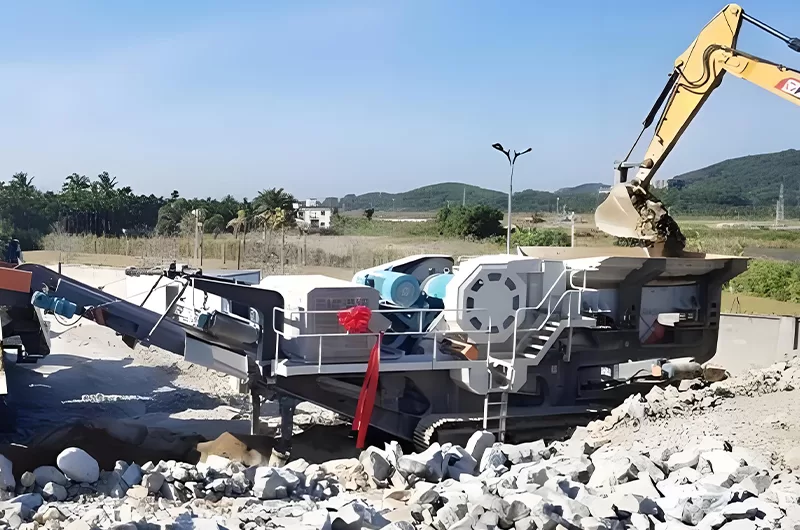
Manufacturers like ZONEDING, with a long history in the industry, bring considerable advantages. Our experience since 2004 means we have refined our designs and optimized production processes. We also have a global presence. This includes exporting to over 120 countries. This demonstrates our commitment to international quality standards. Choosing a reputable manufacturer also often comes with better after-sales support. This includes spare parts availability, technical assistance, and warranty guarantees. As a direct manufacturer, ZONEDING offers a unique advantage. Our “factory direct sales” model allows us to provide competitive prices. This eliminates middleman markups without compromising on product quality or comprehensive service. Our team of 15 professional engineers ensures strict quality control and innovative design.
The jaw crusher price can vary widely based on all the factors discussed. It is important to note that these are approximate figures for 2025. Actual prices will depend on current market conditions, specific configurations, and supplier. Generally, you can expect the following ranges for a new jaw crusher for sale:
| Crusher Type/Size | Price Range (USD) | Capacity (Approx. TPH) | Common Applications |
|---|---|---|---|
| Small (Lab/Pilot) | $2,000 – $10,000 | 0.1 – 5 | Labs, small-scale testing |
| Medium (Stationary) | $20,000 – $100,000 | 50 – 300 | Aggregate plants, small mines |
| Large (Stationary) | $150,000 – $800,000+ | 300 – 1000+ | Large mines, heavy quarrying |
| Mobile Jaw Crusher | $150,000 – $1,000,000+ | 50 – 500+ | Construction waste, remote sites |
These ranges are for the crusher unit itself. They do not include additional components like feeders, conveyors, screens, or installation costs. A mobile jaw crusher plant, for instance, is a complete integrated unit. Its higher price reflects that it includes a chassis, power unit, and often a screen. This makes it a ready-to-operate solution. When considering a jaw crusher for sale, always obtain detailed quotes. Compare specifications to ensure you are getting the best value for your investment.
When evaluating the jaw crusher price, it is often tempting to focus solely on the upfront investment. However, operational expenses (OpEx) contribute significantly to the total cost of ownership over the equipment’s lifespan. Overlooking these ongoing costs can lead to financial surprises and impact your project’s profitability. A higher initial investment in a quality machine can often translate to lower OPEX in the long run.
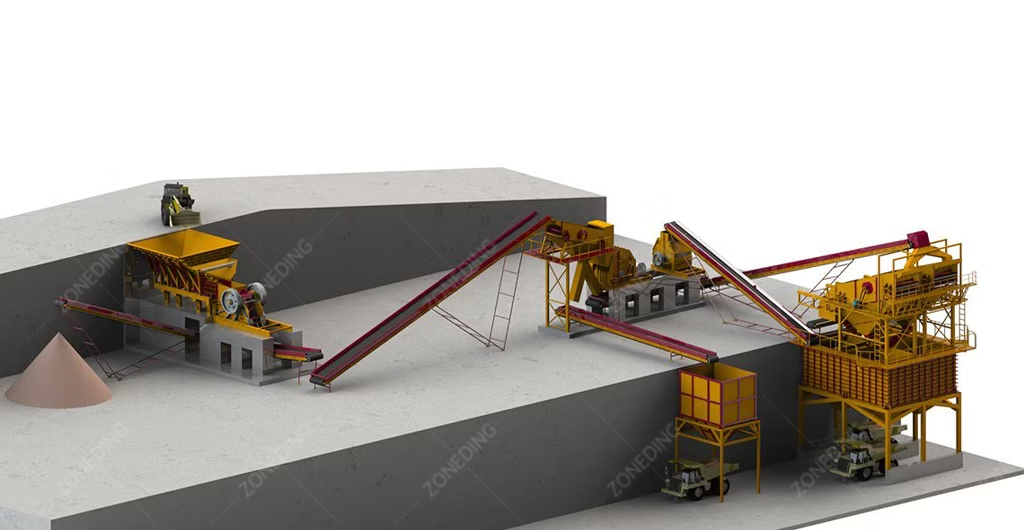
Key operational expenses include:
ZONEDING’s crushing equipment is specifically engineered for high efficiency and durability. This focus on design quality directly contributes to lower power consumption and extended wear part life. Our full-service support helps minimize downtime. This ensures that your investment not only has a competitive initial jaw crusher price but also achieves optimal long-term operational efficiency and cost-effectiveness.
Securing the best value for your jaw crusher investment goes beyond finding the lowest jaw crusher price. It involves a strategic approach that balances initial capital outlay with long-term performance, reliability, and support. A smart investment maximizes your return over the equipment’s operational life.
Here’s how you can ensure you get the best value:
ZONEDING offers comprehensive full-process solutions. We provide expert advice from initial consultation and design to equipment manufacturing, installation, and after-sales support. Our commitment to customized solutions and high-quality crushing equipment ensures you receive optimal value.
The jaw crusher price market for 2025 is influenced by several evolving trends. These factors stem from global economic shifts, technological advancements, and increasing demands for sustainability. Staying informed about these trends helps in making strategic purchasing decisions for crushing equipment.
Key trends for 2025 impacting jaw crusher prices include:
These macro trends indicate a shift towards more advanced, efficient, and environmentally compliant crushing equipment. While the jaw crusher price might reflect these innovations, they ultimately offer improved value through enhanced performance and reduced long-term costs.
Understanding the complex web of factors that influence jaw crusher price is essential for making a smart investment. It extends far beyond the initial cost, encompassing everything from size and capacity to advanced features, manufacturer reputation, and crucial operational expenses. A truly valuable purchase prioritizes reliability, efficiency, and long-term cost-effectiveness. The right crushing equipment forms the backbone of your processing line.
By carefully considering your specific needs, evaluating total cost of ownership, and partnering with a reputable manufacturer, you can ensure your investment in a jaw crusher delivers maximum productivity and profitability for years to come.
For competitive jaw crusher prices and expert guidance, turn to ZONEDING. We offer a comprehensive range of high-quality crushing equipment and full-process solutions tailored to your project. Our commitment to technology, quality, and service ensures you receive the best value.
Find all the answers to your mobile crushing plant questions in our comprehensive FAQ guide. Learn about types, applications, maintenance and more!
View details
Everything you need to know about beryl. Learn the properties, discover how it's processed from raw stone to finished gem, and explore all its uses.
View details
Learn how to close a mine sustainably by ecological rehabilitation. Techniques for soil restoration, water management, and repurposing land for recycle use.
View details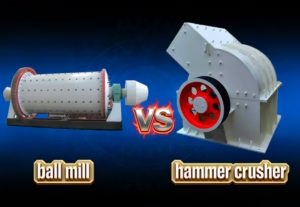
Learn differences between Ball mill and hammer mill in working principles, reduction ratios, and output size (mesh). Learn which grinder suits your material.
View details