 Zoneding Mining

Site Search
Search products, equipment and solution articles
整站搜索产品中心新闻中心
点击开始搜索
热门搜索
UltraForm-MXFlexiPoly-RNanoForm Z300EcoFab P200
Search products, equipment and solution articles
A Carbon Black Processing Plant is a complex industrial facility designed to produce high-purity elemental carbon through the partial combustion or thermal decomposition of hydrocarbons. Carbon black is an essential raw material for the tire, rubber, plastic, and ink industries. Global demand for high-grade reinforcement fillers continues to rise in 2025. Modern plants must produce consistent particle sizes while meeting strict environmental standards regarding gas emissions. The process involves high-temperature furnaces, collection systems, pelletizing lines, and industrial drying equipment to convert raw oil or gas into a marketable industrial product.
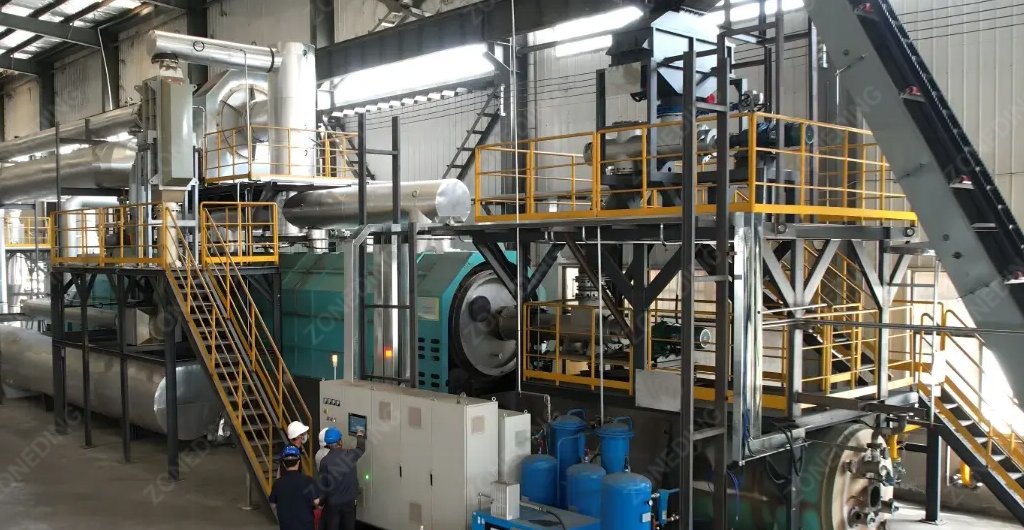
Building a turnkey carbon black facility requires deep engineering expertise in thermal dynamics and mechanical handling. The primary goal for any B2B operator is to maximize the yield of carbon black per ton of feedstock. Efficiency depends on the configuration of the reactor and the reliability of the recovery systems. ZONEDING MACHINE provides the heavy-duty machinery required for the logistics, grinding, and drying stages of carbon black production. This guide details the necessary equipment and process steps for a modern, profitable production line.
Last Updated: March 2026 | Estimated Reading Time: 25 Minutes
Carbon black production relies on the controlled decomposition of feedstock in a reactor. There are several methods, but the oil furnace process is the most common for industrial-scale manufacturing. This method allows for precise control over the primary particle size and the “structure” of the carbon black.
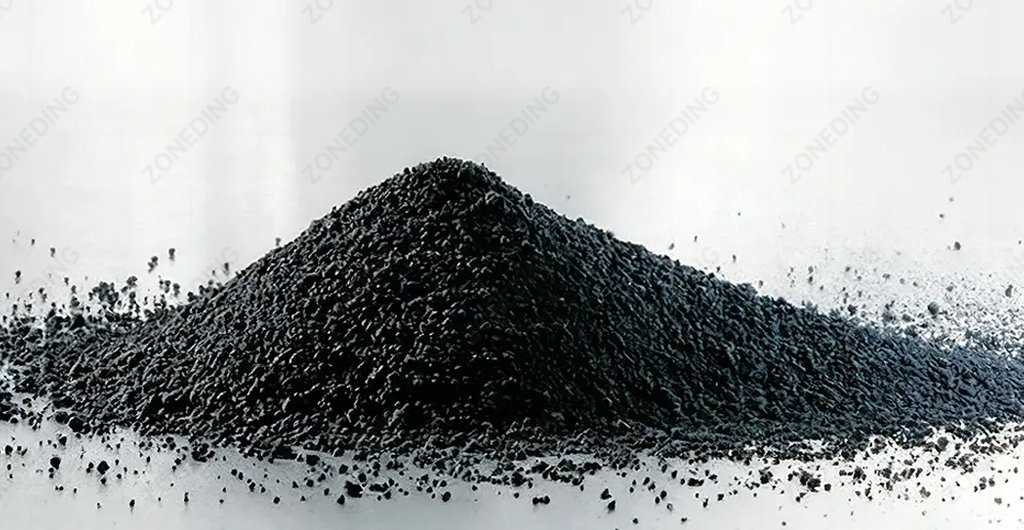
In this process, liquid hydrocarbon feedstock is injected into a high-temperature furnace fueled by natural gas or oil. The temperature inside typically exceeds 1,400°C. The feedstock undergoes a rapid thermal split into carbon and hydrogen. Water sprays then quench the reaction at a specific point to stop the carbon particle growth. The timing of this quench determines the final properties of the product. ZONEDING provides technical support for integrating these high-temperature reactors with downstream thermal management systems.
Once the carbon black leaves the furnace, it exists as a fine “smoke” or gas-borne powder. Large bag filters are used to separate the carbon black from the tail gas. This tail gas is often reused to provide heat for the drying stage or to generate electricity. This circular energy approach is a standard requirement for 2025 plants. Effective collection ensures that no valuable material is lost to the atmosphere, protecting both the profit margin and the local environment.
Modern plants utilize air preheaters to recover heat from the furnace exhaust. This heat is transferred back to the combustion air, which significantly reduces fuel consumption. Higher air temperatures also allow for better control over the furnace flame, resulting in more uniform carbon black grades. Engineering the thermal balance of the reactor and the preheater is the most critical step in turnkey plant design.
| Process Variable | Impact on Product | Control Mechanism |
|---|---|---|
| Furnace Temperature | Primary particle size | Fuel-to-air ratio |
| Quench Position | Structure and surface area | Water spray timing |
| Feedstock Flow | Production yield (TPH) | Precision pump systems |
| Tail Gas Temp | Recovery efficiency | Heat exchanger design |
A turnkey production line involves multiple stages of material handling and processing. The equipment must be capable of 24/7 operation in high-heat and dusty environments. Selecting heavy-duty machinery prevents unplanned downtime, which is the largest cost factor in the carbon black industry.

The plant requires a robust system to manage oil and gas inputs. High-precision pumps and flow meters ensure the furnace receives a consistent chemical load. For plants that use solid carbon sources or specific additives, a heavy-duty Belt Conveyor system is used to transport materials to the dosing bins. ZONEDING conveyors are reinforced to prevent material leakage and withstand the corrosive nature of some industrial feedstocks.
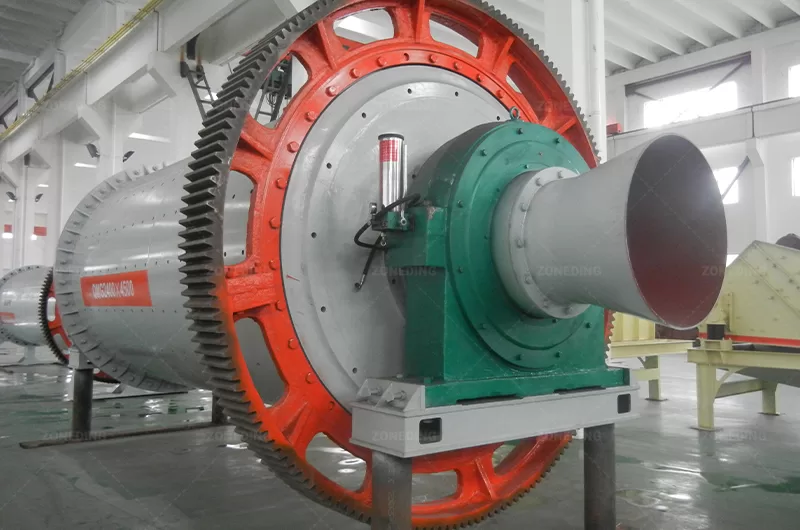
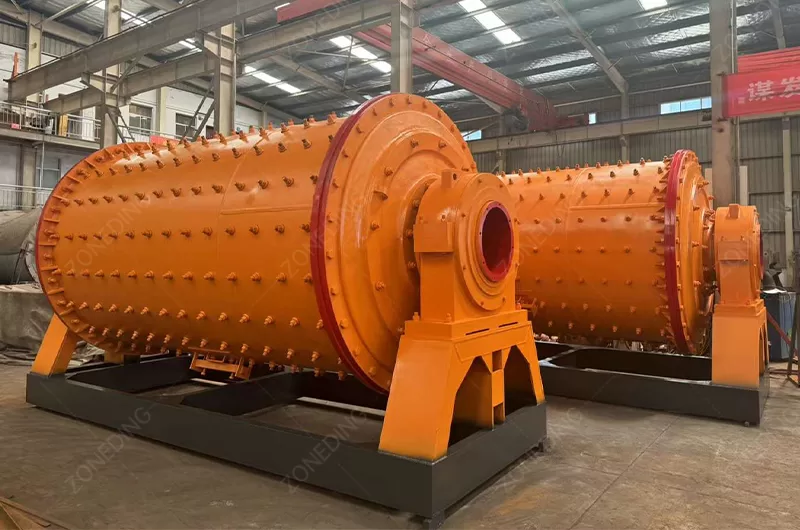
Some grades of carbon black require specific mineral additives to improve thermal stability or electrical conductivity. These minerals must be ground to a fine powder before injection. A Ball Mill is used to achieve the necessary micron-level fineness. This ensures the additives mix perfectly with the carbon particles during the formation phase. ZONEDING ball mills feature high-alloy liners to handle abrasive mineral inputs effectively.
The primary collection unit is the bag filter house. These units contain thousands of heat-resistant filter bags. A pulse-jet system cleans the bags continuously, allowing the carbon black to drop into a collection hopper. The design of the hopper must prevent “bridging,” where the fine powder sticks together and blocks the flow. Vibration motors and air cannons are often integrated into the hopper design to keep the carbon black moving toward the pelletizing stage.
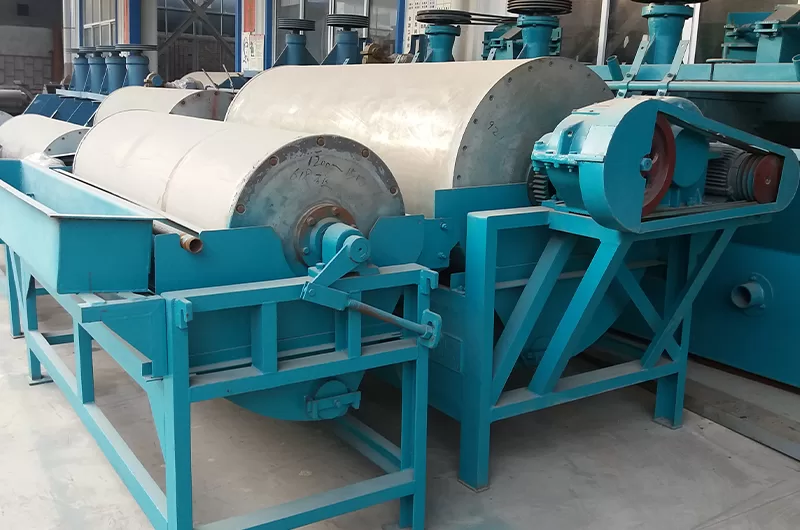
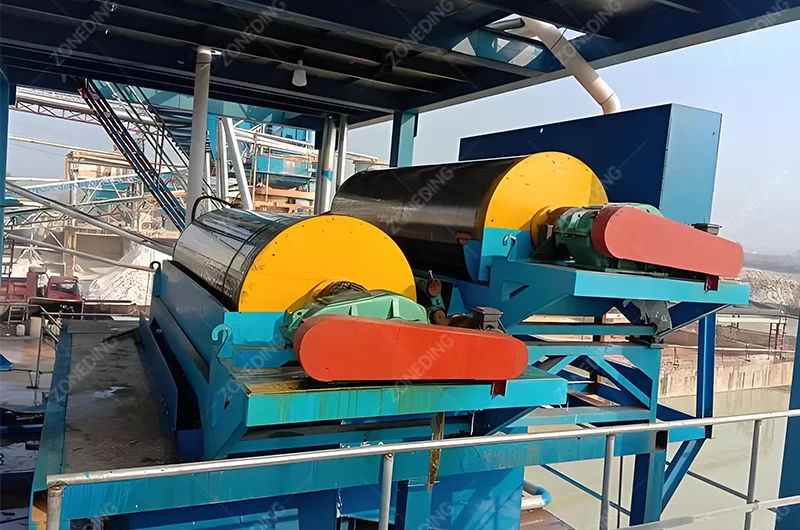
During the high-temperature reaction, small particles of metal or refractory material may break off and contaminate the product. A Magnetic Separator is installed in the conveying line to catch any iron-based contaminants. This is critical for producers selling to the electronics or high-end plastic sectors, where purity is a top priority. Removing magnetic impurities protects downstream equipment like pelletizers from damage.
In its raw form, carbon black is an extremely light and fluffy powder. It is difficult to transport and creates significant dust hazards. Almost all industrial buyers require the product to be in the form of small, dense pellets. The pelletizing and drying process makes the material handleable and reduces shipping costs.
Raw carbon black is mixed with water and a small amount of binder (like molasses or lignin) in a pin mixer. This machine spins at high speeds, forcing the particles to clump together into small spheres. The amount of water must be precisely controlled. Too much water makes the pellets soft and mushy, while too little water prevents them from forming at all. The pin mixer is a high-wear machine that requires regular maintenance of the internal pins.
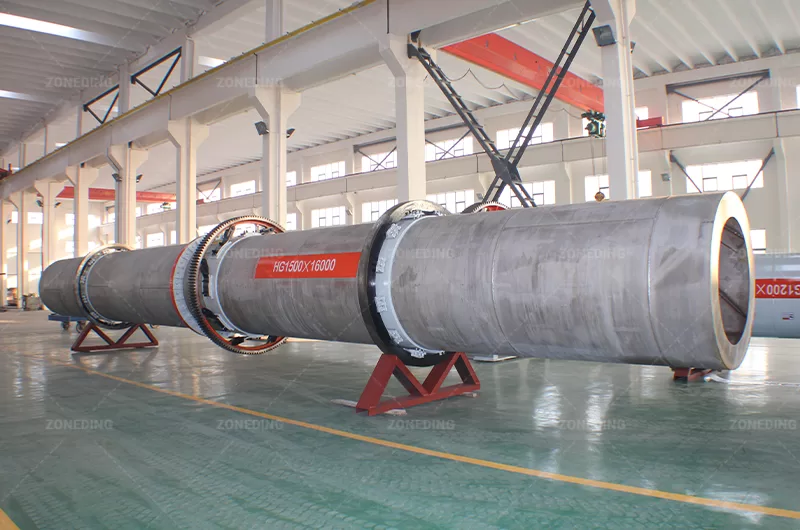
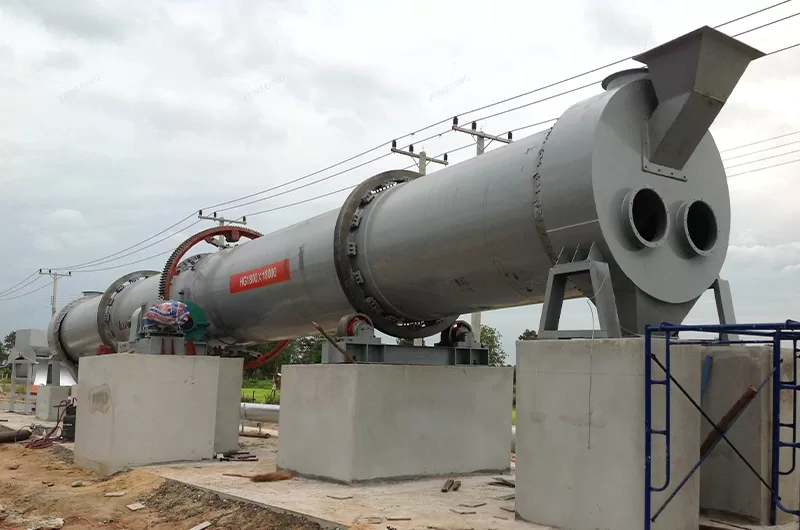
Wet pellets contain 30-50% moisture and must be dried before packaging. The Rotary Dryer is the standard tool for this task. The pellets enter a large, rotating cylinder heated by the furnace tail gas or a dedicated burner. ZONEDING rotary dryers are engineered with internal lifting flights that gently tumble the pellets through the hot air. This “gentle” movement is vital because aggressive tumbling would break the fragile wet pellets back into dust.
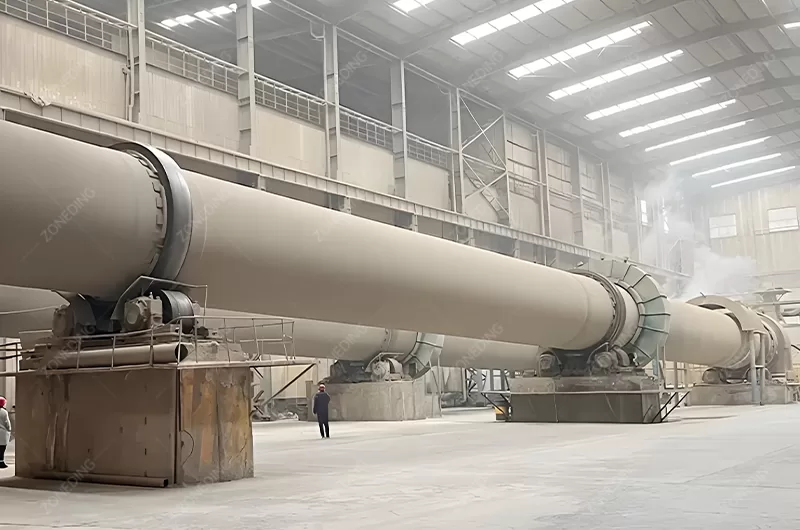
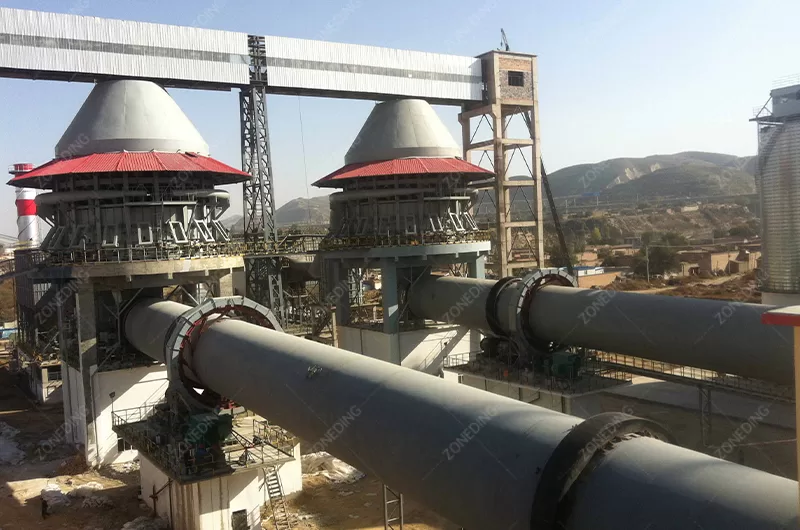
A Rotary Kiln or a specialized dryer must maintain a consistent temperature gradient. If the temperature is too high, the pellets can burn or lose surface area properties. If it is too low, the core of the pellet remains wet, leading to mold or clumping during storage. ZONEDING automated control systems track the inlet and outlet temperatures in real-time, adjusting the rotation speed and heat input to maintain a perfect 1% moisture final product.
| Stage | Equipment | Input Moisture | Output Moisture | Purpose |
|---|---|---|---|---|
| Forming | Pin Mixer | 0% (Dry Powder) | 40% (Wet Pellet) | Shape creation |
| Drying | Rotary Dryer | 40% | 1% | Bulk density & stability |
| Cooling | Cooler Drum | 1% (Hot) | 1% (Ambient) | Packaging safety |
Scaling a plant from 10 tons per day to 100 tons per day involves more than just buying bigger machines. It requires a fundamental shift in how material moves through the facility. Higher volumes put extreme pressure on the logistics and recovery circuits.
Small plants often rely on manual or semi-automated dosing. In high-capacity plants, computerized weighing systems are mandatory. These systems ensure that the ratio of oil to air is perfectly balanced across multiple furnace lines. ZONEDING provides integrated PLC systems that synchronize the speed of the Belt Conveyor with the furnace demand. This prevents bottlenecks and ensures the reactor never “starves” or “floods.”
Large plants typically use multiple smaller reactors rather than one giant furnace. This provides flexibility. An operator can shut down one line for maintenance while the others continue production. It also allows the plant to produce different grades of carbon black (e.g., N220 and N550) simultaneously. Managing these multiple streams requires a complex manifold system for the tail gas and the carbon black powder conveying.
Moving fine carbon black through a large plant is best done using pneumatic systems. High-pressure air moves the powder through sealed pipes, preventing dust escape. However, carbon black is abrasive. Over time, the bends in the pipes will wear thin. ZONEDING uses ceramic-lined elbows and reinforced steel piping in their turnkey designs to extend the life of the conveying network.
Environmental compliance is the biggest hurdle for new carbon black plants. Regulatory bodies now require the capture of sulfur oxides (SOx) and nitrogen oxides (NOx), in addition to the carbon dust itself. A plant that ignores these trends will face heavy fines or closure.
The tail gas produced in the furnace contains vaporized sulfur and other chemicals. Modern plants do not simply burn this gas; they treat it. Flue Gas Desulfurization (FGD) units are installed to remove sulfur before the gas reaches the dryer or the power plant. This creates a clean-burning fuel that meets the 2025 air quality standards. Engineering this treatment into the turnkey design from the start is much cheaper than retrofitting it later.
While the primary baghouse recovers the product, a secondary baghouse is often used as a “safety” filter. This catches any minute particles that might bypass the first stage during pulse-cleaning. This ensures the smoke stack shows “zero visible emissions.” ZONEDING specifies high-temperature PTFE-coated filters that can operate up to 260°C without degrading, providing a long-lasting solution for clean production.
Pelletizing consumes large quantities of water. In many regions, plants are required to operate on a “Zero Liquid Discharge” (ZLD) basis. Water used in the scrubbers and pelletizers is filtered, treated, and returned to the plant. This reduces the operating cost and the environmental footprint. Using a high-effieciency thickener and sludge press from ZONEDING helps recover the fine carbon black trapped in the wastewater, further increasing the total plant yield.
For a B2B investor, choosing the right manufacturer for a Carbon Black Processing Plant is a long-term commitment. The quality of the engineering dictates the profit of the facility for decades.
The industry is moving toward “Green Carbon” and “Smart Factory” concepts to align with the global energy transition.
The demand for “specialty blacks” for conductive plastics and high-end coatings is growing faster than standard tire grades. These specialty products require even finer grinding and more precise drying. Investing in a versatile production line that can switch between grades is the most secure strategy for new investors in 2025.
Developing a modern Carbon Black Processing Plant requires integrating high-temperature chemistry with rugged mechanical engineering. To ensure a successful project in 2025:
Last Updated: May 2025
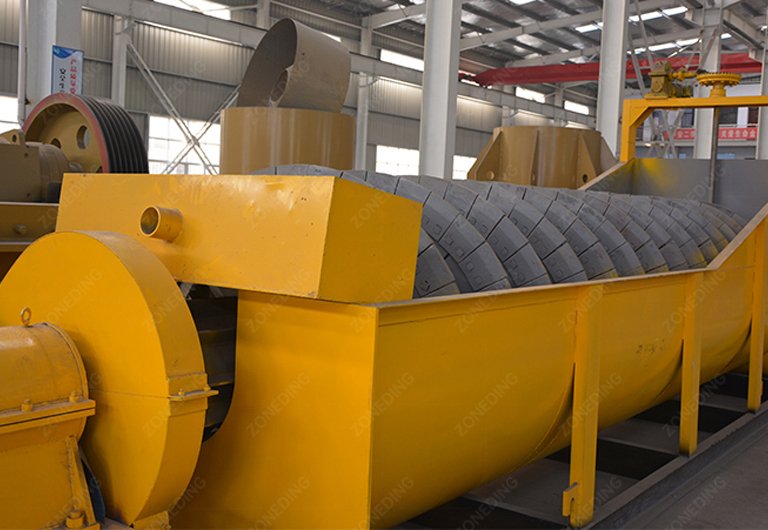
Struggling with poor classification? Learn top 5 factors affecting working efficiency of spiral classifiers & how to adjust them for better mineral recovery.
View details
A jaw crusher is a primary stone crusher in mining&aggregate. Learn its types, parts, work principle, maintenance, how to choose. ZONEDING provides good choice!
View details
This guide covers the essential stages: crushing, grinding, and various beneficiation methods like gravity separation, magnetic separation, and flotation.
View details
Discover what diatomite (diatomaceous earth) is, its unique skeletal structure, and essential steps of how to process it into high-purity filter aids & fillers.
View details