 Zoneding Mining

Site Search
Search products, equipment and solution articles
整站搜索产品中心新闻中心
点击开始搜索
热门搜索
UltraForm-MXFlexiPoly-RNanoForm Z300EcoFab P200
Search products, equipment and solution articles
Road waste recycling has become a global priority for construction companies and urban developers. Every year, millions of tons of old pavement are removed during highway maintenance and urban reconstruction. Reclaimed Asphalt Pavement (RAP) is the material produced when old asphalt is crushed and screened. Using high-quality RAP allows contractors to reduce the cost of new asphalt mixtures by up to 30%. However, processing this material is difficult because old asphalt contains sticky bitumen and hard stone aggregates. If the crushing process is not precise, the resulting material is either too sticky to handle or too fine to be used in high-grade road construction.
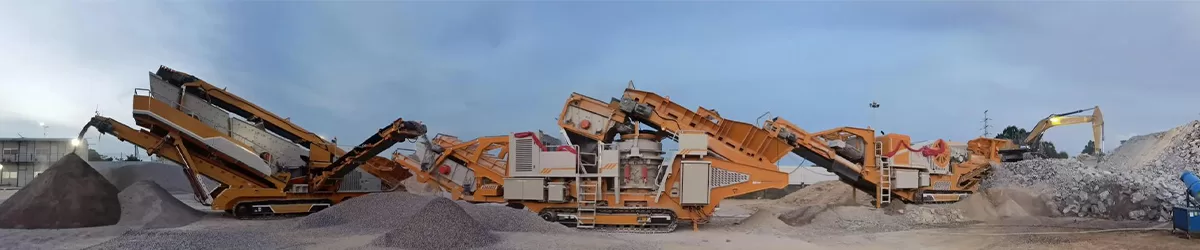
The 2025 market for road recycling equipment focuses on maximizing the “utility value” of every ton of waste. Modern machinery now integrates advanced liberation technology and refined screening to ensure that the RAP meets strict engineering specifications. ZONEDING MACHINE designs these systems to help B2B clients transform waste into high-value assets. By utilizing automated feeding and precise impact forces, modern asphalt crushers accelerate the entire recycling timeline. This guide explores seven specific ways these technological advancements are changing the landscape of road waste management.
Last Updated: March 2026 | Estimated Reading Time: 25 Minutes
The most critical factor in asphalt recycling is “liberation.” This means separating the stone aggregate from the old bitumen coating without shattering the stone itself. Traditional crushing methods often pulverize the stone, which creates too many “fines” (dust). High levels of dust make the new asphalt mixture weak and prone to cracking. Modern Asphalt Crushers use selective impact technology to solve this problem.
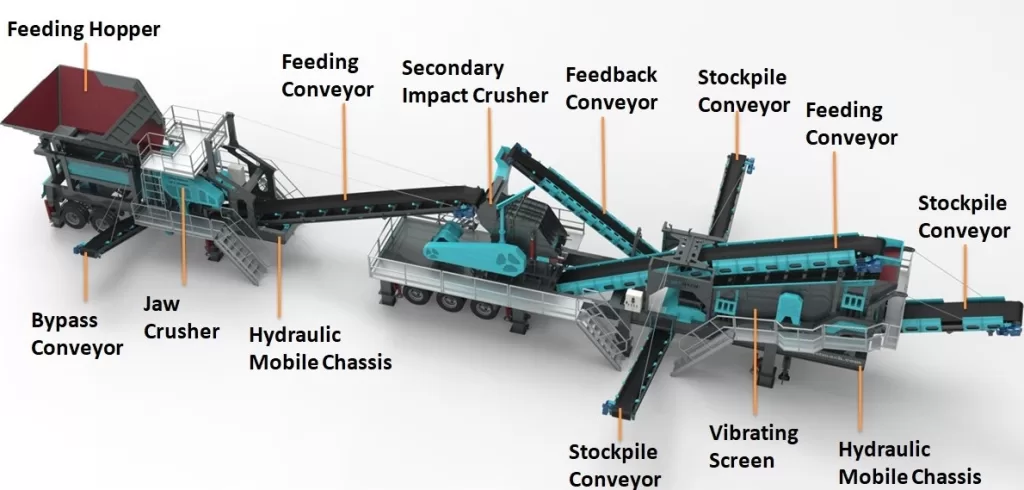
A specialized impact crusher uses a high-speed rotor equipped with heavy blow bars. When the old asphalt chunks enter the chamber, they are hit with extreme force. The impact tends to break the material along the natural lines of the bitumen bond. This results in a product that retains the original size and shape of the high-quality stone aggregate. ZONEDING impact units are designed with adjustable “curtains” inside the chamber. Operators can change the gap between the rotor and these curtains to control the final size of the RAP. This flexibility ensures the recycled material fits perfectly into the gradation requirements of the new project.
By using impact force instead of compression force (like a jaw crusher), the machine minimizes the crushing of the internal stone. Compression often squeezes the stone until it shatters into powder. High-quality RAP should have a specific grain size distribution to ensure the stability of the new road surface. Modern machines from ZONEDING are engineered to produce a cubical product shape. This shape is preferred by asphalt plant operators because it provides better interlocking in the final pavement. Achieving this quality in a single pass accelerates the speed at which contractors can move from “waste” to “new material.”
| Crushing Factor | Traditional Method | Modern Impact Method | Impact on Project |
|---|---|---|---|
| End Product Shape | Flaky / Dusty | Cubical / Uniform | Better road stability |
| Material Clogging | High risk in heat | Low risk (non-stick) | Increased machine uptime |
| Recovery Rate | 60-70% | 90% + | Reduced disposal costs |
| Process Speed | Multi-stage required | Single-pass efficiency | Faster project completion |
Asphalt becomes sticky when the weather is hot. In the past, this caused crushers to “clog” or jam. Modern asphalt-specific crushers feature widened discharge openings and non-stick liners. These design improvements prevent the humid, bitumen-rich material from adhering to the metal surfaces. ZONEDING focuses on these small but vital mechanical adjustments to ensure that the recycling line never stops, even in tropical climates or high-friction environments.
One of the largest costs in road construction is logistics. Transporting heavy asphalt waste from the job site to a stationary recycling yard is expensive and slow. The development of the Mobile Crushing Plant has revolutionized this aspect of the industry. Instead of moving the waste to the machine, the machine moves to the waste.
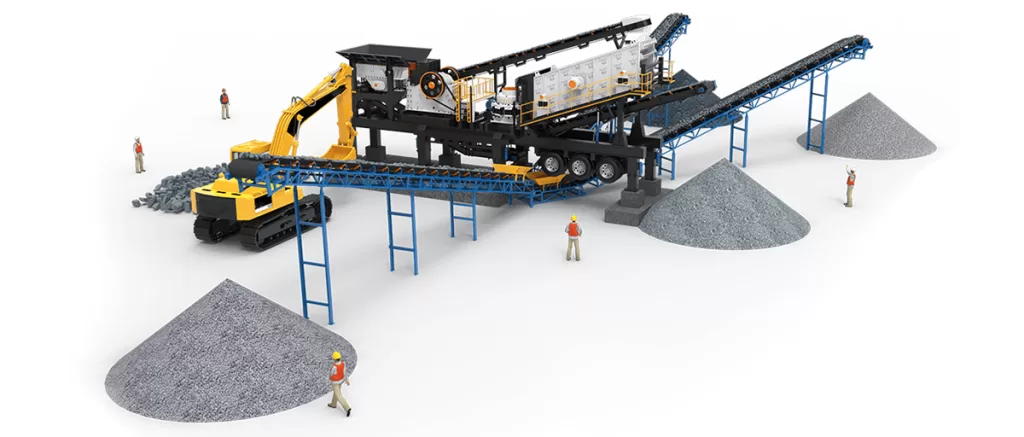
A mobile crusher can be driven directly onto a highway project site. It can follow the milling machines as they remove the old surface. The waste is fed into the mobile unit immediately. It is crushed, screened, and stockpiled right on the shoulder of the road. This eliminates the need for dozens of dump truck trips. For B2B contractors, this translates to immediate savings on fuel, labor, and truck maintenance. ZONEDING mobile units are built on heavy-duty crawler or wheeled chassis, allowing them to relocate within minutes as the work zone moves forward.
Stationary plants can take weeks to design and build. Modern mobile stations are “plug-and-play.” They arrive at the site, unfold their conveyors, and start crushing within two hours. This speed is essential for road contractors who face tight deadlines and heavy fines for late completion. The integration of all components—the feeder, the crusher, the screen, and the power unit—into one chassis simplifies the management of the recycling work. ZONEDING ensures that these mobile systems are robust enough to handle the vibrations of heavy asphalt crushing without losing structural integrity over time.
While these machines are optimized for asphalt, they are also versatile. A contractor can use the same mobile unit to crush concrete or natural stone if the project requirements change. This “multi-purpose” nature increases the Return on Investment (ROI) for the equipment. By providing a single machine that can handle multiple types of road waste, ZONEDING Helps companies expand their service offerings without purchasing separate fleets.
Recycled asphalt is only useful if it is sorted into the correct sizes. An asphalt plant might need 0-5mm sand for one mix and 10-20mm aggregate for another. Modern recycling lines use high-frequency Vibrating Screens to achieve this level of precision. These screens act as the “quality control” filter for the entire production line.

A standard screening unit in a ZONEDING recycling plant features multiple decks. Each deck has a different mesh size. This allows the machine to produce three or four different sizes of RAP simultaneously. The speed of the vibration is tuned to ensure that the sticky asphalt particles do not “blind” or block the mesh holes. By providing perfectly graded material, the screening stage ensures that the final asphalt mixture meets the technical standards required for airport runways or high-speed motorways.
In a modern setup, the screen is connected back to the crusher in a “closed loop.” Any material that is too large to pass through the top screen deck is automatically sent back to the crusher via a Belt Conveyer. This ensures that 100% of the road waste is eventually reduced to the target size. There is no waste in the waste. This automated loop reduces the need for manual monitoring and increases the total output of the plant.
Bitumen properties change with the temperature. In colder months, the RAP is more brittle and breaks into smaller pieces. In the summer, it can be chunkier. Modern vibrating screens from ZONEDING allow for quick “mesh changes.” A contractor can switch out the screening surface in less than an hour to adapt to the material’s behavior. This adaptability keeps the production speed consistent regardless of the weather conditions or the age of the asphalt being recycled.
Road waste is never just asphalt. It often contains pieces of rebar, manhole covers, loader teeth, or forgotten tools. If these metal items enter an asphalt plant’s mixer, they can cause hundreds of thousands of dollars in damage. Modern asphalt crushers integrate high-strength Magnetic Separators as a standard feature.
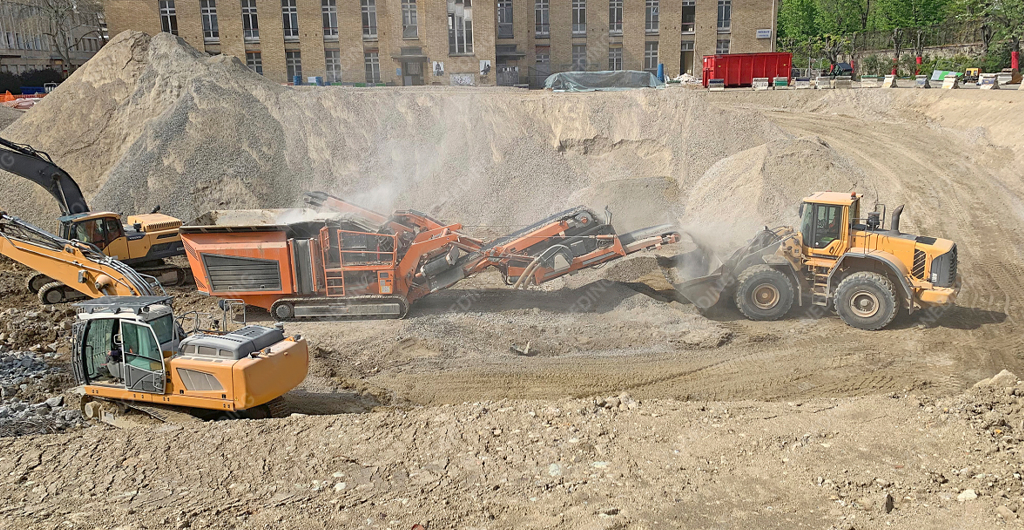
The magnetic separator is usually located above the main discharge conveyor. As the crushed RAP moves along the belt, the magnet pulls any ferrous metal out of the stream. This happens automatically and at high speeds. This protective step is what makes “Road Waste” safe to be used as “Material.” Without this, the risk of metal contamination would make many recycled products unusable in high-end construction. ZONEDING utilizes permanent magnets or electromagnets depending on the volume and size of the potential contaminants.
A “self-cleaning” magnetic belt is the most efficient choice for B2B operators. These systems don’t just catch the metal; they throw it into a separate bin. This means the operator doesn’t have to stop the machine to clear the magnet. By automating the removal of “tramp iron,” the recycling process remains continuous. ZONEDING integrates these systems into the mobile and stationary plant designs to ensure the highest purity of the final RAP.
Crushing a piece of steel plate can break a rotor or snap a drive belt. By installing a primary Jaw Crusher with a sensor-driven hydraulic “relief” valve, the plant can protect itself. If the machine detects an uncrushable object (like a large steel block), the jaw opens instantly to let it pass through. The magnetic separator then catches it on the conveyer. This combination of “hydraulic protection” and “magnetic separation” is the hallmark of a professional ZONEDING recycling line.
Crushing old asphalt creates significant amounts of dust. In urban environments, dust is a major regulatory concern. If a site is too dusty, local authorities can shut down the operation. Modern asphalt crushers integrate “wet” dust suppression systems to keep the site compliant and safe for workers.
| Method | Type | Efficiency | Water Usage |
|---|---|---|---|
| Mist Sprays | Wet | High | Moderate |
| Dust Hoods | Physical | Medium / High | Zero |
| Bag Filters | Vacuum | Very High | Zero |
| Foam Suppression | Chemical | Extreme | Low |
Modern ZONEDING crushers are equipped with water spray systems at the feed opening, the crushing chamber, and the conveyor discharge points. These systems use high-pressure nozzles to create a fine mist. The mist attaches to the dust particles, making them heavy so they fall back onto the material belt instead of floating away. This system is designed to use the minimum amount of water possible. This is important because adding too much water to RAP can make it difficult to heat later in the asphalt plant.
In addition to water sprays, modern plants use “encapsulation.” This means the conveyors and screen decks are covered with dust-proof hoods. These hoods contain the fine particles and prevent the wind from blowing them across the job site. ZONEDING provides these covers as part of their turnkey recycling solutions. By combining “wet” suppression with “physical” containment, the plant can operate in the middle of a city without disturbing the local population.
Reducing dust is not just about regulation; it is about the health of the operators. Prolonged exposure to stone and bitumen dust can lead to respiratory issues. A clean site is a safe site. Furthermore, the fine dust (when contained) actually becomes a valuable part of the final graded product. By keeping the dust in the RAP rather than in the air, the contractor maximizes the weight of the material they can sell or reuse.
Operating a large crusher requires a significant amount of energy. Fuel costs are often the second-largest expense after labor. Modern asphalt crushers have adopted dual-power or high-efficiency direct drives to reduce this burden on the contractor.
Traditional crushers used “fluid couplings” or complex belt drives that lost a lot of energy to heat. Modern ZONEDING crushers use a “direct drive” system from the engine to the rotor. This ensures that nearly 95% of the engine’s power is used for crushing rock. This efficiency allows the machine to process more tons of asphalt for every liter of diesel consumed. For B2B buyers, this directly improves the profitability of every recycling project.
Many modern mobile units are now “Dual-Power.” They have a diesel engine for moving around the site, but they can be plugged into the electrical grid to do the actual crushing. Electricity is often cheaper than diesel, and electric motors are easier to maintain. This flexibility is a major trend in 2025. ZONEDING provides these dual-power options to help clients future-proof their fleet against rising fuel prices and stricter carbon emission regulations.
Modern engines are equipped with “Load Sensing” technology. When the crusher is empty, the engine automatically drops to a lower RPM (idle). When material enters the hopper, the engine instantly ramps up to full power. This prevents the machine from wasting fuel when it is not working. This “smart” power management can reduce total fuel consumption by up to 20% compared to older, “constant-speed” machines.
The final way modern crushers accelerate recycling is through automation. In the past, an operator had to manually adjust the feeder speed and the crusher gap. Today, a centralized Programmable Logic Controller (PLC) handles these tasks.
The ZONEDING PLC system monitors the “current” or “pressure” on the crusher’s motor. If the machine is about to be overloaded, the PLC automatically slows down the Vibrating Feeder. Once the load decreases, it speeds up again. This “self-regulating” behavior ensures the machine always operates at its maximum possible throughput without ever jamming. This eliminates human error and keeps the production line running at peak capacity all day.
In the 2025 construction site, operators can control the entire crushing plant from the cabin of their excavator. ZONEDING provides simple, rugged remote controls. The person loading the machine can also stop it, start it, and adjust the conveyors. This reduces the number of staff required to run the recycling operation, which provides a massive labor-saving benefit for the company.
Modern PLC systems log every ton of material processed and every hour the engine runs. The system will alert the manager’s smartphone when it is time for a “grease service” or a “filter change.” This preventative maintenance prevents small problems from turning into catastrophic breakdowns. By keeping the machines in perfect health via digital tracking, ZONEDING ensures that the contractor’s recycling schedule is never interrupted by preventable mechanical failure.
Selecting a manufacturer for an asphalt recycling plant is a long-term strategic decision. For B2B buyers, the “Total Cost of Ownership” is more important than the initial purchase price.
The road recycling industry is moving toward “High-Percentage RAP” and “Green Tech.”
As carbon taxes and landfill fees increase across Europe and Asia, the “Waste to Value” model is no longer optional. The most successful contractors in 2025 are those who view road waste not as a problem to be solved, but as a raw material to be harvested. Early investment in high-quality, mobile crushing equipment is the most effective way to secure a competitive edge in government infrastructure bidding.
Modernizing a road waste recycling operation is about more than just “crushing stone.” To maximize your speed and quality in 2025:
Last Updated: May 2025
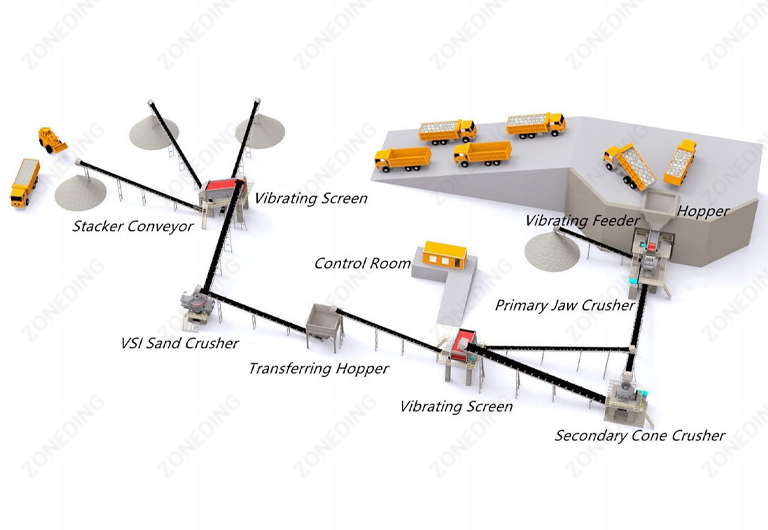
Planning a quarry? Discover essential equipment needed in high-efficiency stone crushing plants, from primary crushers to vibrating screens and conveyors.
View details
Demystify VSI crushers! This blog explains inner workings of vertical shaft impact crushers, the components, and the role in producing high-quality aggregates.
View details
Searching for the 5 uses of apatite? From phosphoric acid manufacturing to its role as an ore of phosphorus, explore why this mineral is indispensable.
View details
About manufactured sand (M-Sand): its definition, production process, applications in construction, and advantages over natural sand. Contact ZONEDING Now!
View details