 Zoneding Mining

Site Search
Search products, equipment and solution articles
整站搜索产品中心新闻中心
点击开始搜索
热门搜索
UltraForm-MXFlexiPoly-RNanoForm Z300EcoFab P200
Search products, equipment and solution articles
Boron is a critical mineral that drives modern industrial growth across dozens of sectors. It is primarily found in nature as borate minerals like borax, colemanite, and ulexite. These minerals must undergo rigorous crushing, grinding, and chemical processing before they can be used in manufacturing. In 2025, the global demand for boron is surging due to its unique ability to resist heat, withstand chemical corrosion, and absorb neutrons. This demand is reflected in the increasing number of mining projects requiring specialized Mineral Processing Plant solutions for borate ores. Whether it is making smartphone screens or protecting a nuclear reactor, boron is the essential element behind high-performance technology.

The quality of the final boron product depends strictly on the efficiency of its extraction. Borate ore must be reduced to a precise particle size to ensure maximum solubility and purity. ZONEDING MACHINE provides the heavy-duty machinery required to handle these abrasive boron ores, from primary crushing to fine pulverization. This guide provides a detailed look at the top 9 uses of boron and the technology required to prepare it for market. Mining companies use these insights to optimize their production lines to meet the strict purity standards of global industrial buyers.
Last Updated: March 2026 | Estimated Reading Time: 25 Minutes
The glass industry is the largest consumer of boron worldwide. Over 50% of all boron produced goes into making borosilicate glass and fiberglass. Boron acts as a powerful flux that lowers the melting temperature of silica. This saves energy and improves the structural integrity of the glass. Borosilicate glass is famous for its low thermal expansion. This means it can go from extreme cold to extreme heat without breaking. This glass is found in laboratory beakers, kitchenware, and high-end telescopes.
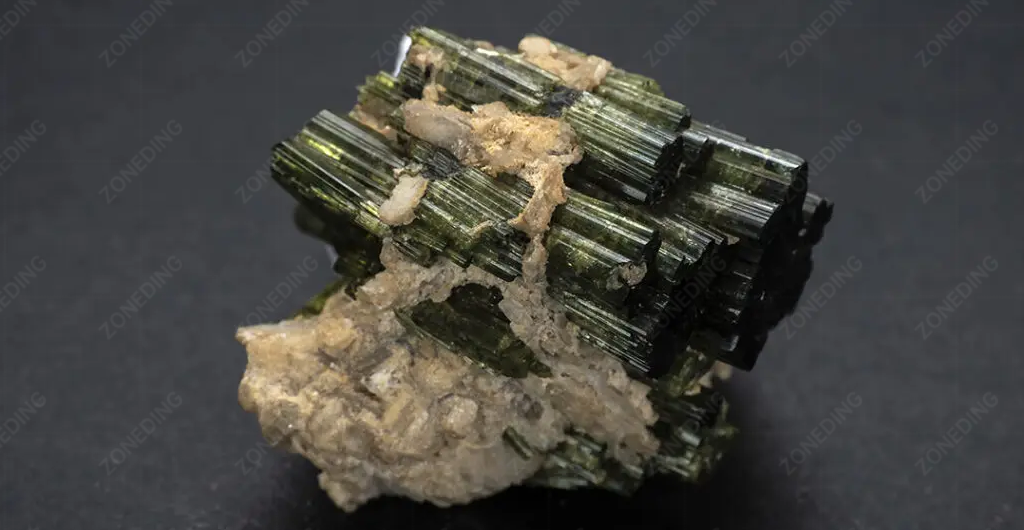
To produce this glass, the raw borate ore must be ground into a very fine and consistent powder. If the particles are too large, they will not melt evenly in the furnace. This causes “seeds” or bubbles in the glass. A Ball Mill is the standard equipment used to achieve the necessary fineness. ZONEDING ball mills are engineered to produce a uniform grain size. This ensures a perfect chemical reaction in the glass furnace. Modern grinding circuits also minimize contamination from iron. This is vital for maintaining the clarity of the glass. High-efficiency milling helps glass factories reduce their carbon footprint and improve final product quality.
Fiberglass is another massive application for boron. It is used for thermal and acoustic insulation in buildings. The boron in the glass fibers makes them more durable and resistant to water. This is essential for long-term construction safety. In the automotive and aerospace sectors, boron-reinforced fiberglass provides high strength with very low weight. This helps manufacturers create fuel-efficient vehicles without sacrificing passenger safety.
Modern smartphone and computer monitors use boron-containing glass. These screens must be perfectly flat and resistant to chemical etching during the manufacturing process. Boron allows the glass to be formed into extremely thin sheets while remaining strong. This high-tech application requires ultra-high purity borates. The electronic industry relies on a consistent supply of these minerals to produce the next generation of touchscreens.
| Glass Type | Boron Content (Approx) | Primary Benefit | Industrial Application |
|---|---|---|---|
| Borosilicate | 12% – 15% | Heat resistance | Laboratory/Kitchenware |
| Fiberglass | 5% – 8% | Tensile strength | Building Insulation |
| LCD Glass | 10% | Chemical stability | Electronics Screens |
In the world of metals, boron is a versatile additive. It is primarily used as a “hardenability agent” in steel. Just a tiny amount of boron (less than 0.003%) can significantly increase the depth to which steel can be hardened during heat treatment. This makes the steel ideal for high-stress applications like automotive frames, earthquake-resistant buildings, and heavy machinery parts. Boron steel is much lighter than traditional steels but provides the same level of protection.
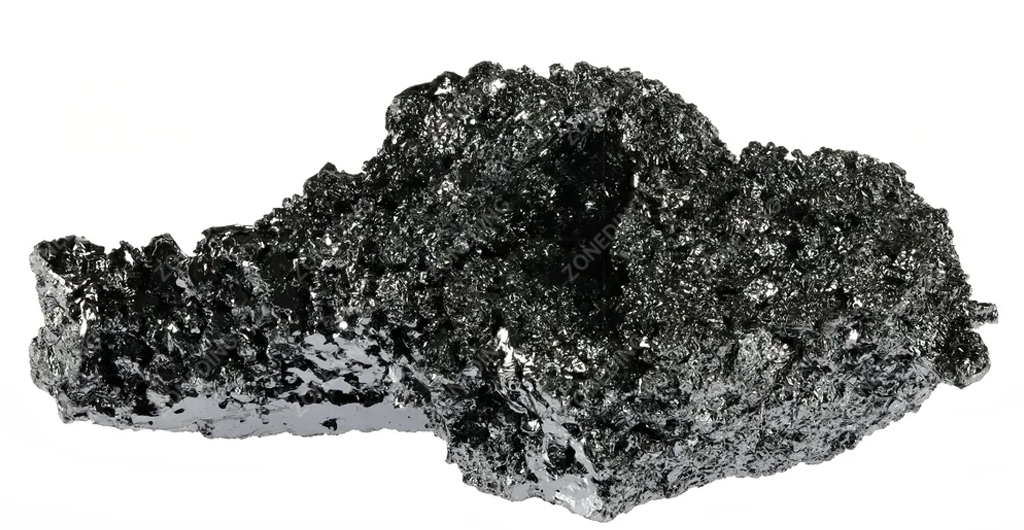
Preparing the ferroboron or boron-based alloys for the steel industry requires heavy-duty crushing equipment. Raw minerals are often hard and abrasive. A Jaw Crusher is used to break the initial large chunks of boron ore. This machine provides the massive compression force needed to reduce hard silicate rocks associated with boron deposits. ZONEDING jaw crushers use high-manganese steel plates. These are designed to withstand the abrasive nature of these minerals. This ensures that the metallurgic input remains consistent and pure throughout the processing stages.
Beyond alloying, boron is used in a process called “boriding.” This involves diffusing boron into the surface of a metal part. It creates an extremely hard surface layer. This layer protects the part against severe wear and abrasion in oil and gas drilling or mining. Boriding results in a surface that is often harder than tool steel or chrome plating. It extends the life of critical components in harsh environments.
In copper and nickel refining, boron acts as a deoxidizer. It reacts with oxygen and other impurities to form a slag. This slag can be easily removed. This results in higher purity metals for electrical components. ZONEDING Magnetic Separators are often used in these refining lines. They capture metallic byproducts for recycling and ensure the purity of the boron additives before they enter the smelting furnace.
Boron is one of the seven essential micronutrients for plant growth. It plays a critical role in cell wall formation, seed production, and sugar transport within the plant. Without enough boron, crops like apples, cotton, and oilseeds fail to produce healthy yields. In many regions, the soil is naturally deficient in boron. Farmers apply borate fertilizers to ensure their crops can survive and thrive. This use of boron is vital for global food security in 2025.
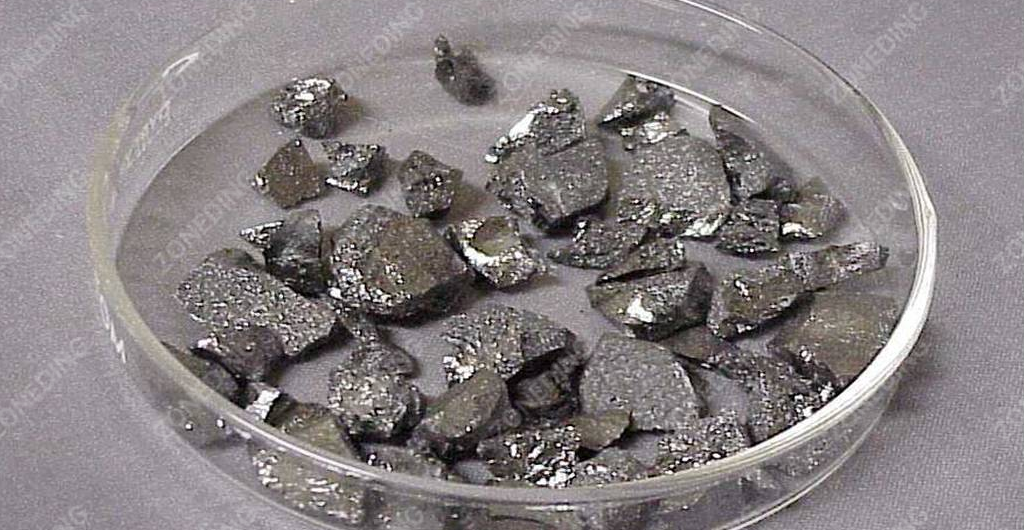
Processing agricultural-grade borates requires careful drying and sizing. Minerals are often mined in a wet state. They must be processed in a Rotary Dryer. ZONEDING dryers are designed to remove moisture without causing chemical degradation of the borax or colemanite. Once dry, the material is screened to produce a “granule” that is easy for farmers to spread. These fertilizer processing lines are essential for B2B clients in South America and Southeast Asia. These regions face high demand for micronutrient-enriched fertilizers to boost crop exports.
The size of the fertilizer granule is critical for modern farming. If the granules are too small, they drift in the wind. If they are too large, they do not dissolve correctly in the soil. A high-precision Vibrating Screen ensures that the fertilizer meets local agricultural standards. ZONEDING screening systems allow for quick changes in mesh size. This flexibility enables processors to produce different grades of boron fertilizer for various soil types and crops.
The nuclear industry depends on boron for safety and control. Boron-10 is an exceptional “neutron absorber.” It can catch neutrons without forming radioactive byproducts. Inside a nuclear reactor, control rods containing boron are used to manage the rate of the nuclear reaction. If the reaction gets too fast, the rods are lowered to absorb more neutrons and slow things down. Boron is also dissolved in the reactor’s cooling water as a secondary safety measure against sudden power surges.
This high-tech application requires ultra-pure boron carbide (B4C). Producing boron carbide involves reacting boric acid with high-purity carbon in an electric furnace. The resulting material is one of the hardest substances on earth. Crushing boron carbide requires specialized equipment. This material wears down normal steel in an extremely short time. ZONEDING provides custom-engineered mills with ceramic or tungsten carbide linings. These linings handle the abrasive forces of boron carbide without contaminating the final product.
Boron is also used in the concrete and polymers that surround a reactor. This “borated concrete” acts as a shield to protect workers from radiation. The boron particles inside the concrete absorb stray neutrons. This makes the power plant safer for the community. Preparing the boron powder for this concrete requires precise milling to ensure even distribution throughout the mix. ZONEDING ball mills are frequently used by industrial chemical companies to produce this specialized safety powder.
In 2025, boron is emerging as a critical “green metal.” It is a key component in the production of neodymium-iron-boron (NdFeB) magnets. These are the most powerful permanent magnets in the world. These magnets are essential for the motors of electric vehicles (EVs) and the generators in wind turbines. Without boron, these magnets would lose their strength over time. This is especially true at the high operating temperatures found inside an electric car motor.
Mining the rare earth minerals and borates needed for these magnets involves complex mineral separation. Flotation Machines are used to separate the valuable boron minerals from waste rock. ZONEDING flotation cells provide the precision air-control needed to float delicate boron crystals. This high-recovery technology ensures that green energy producers have a steady supply of raw materials. This infrastructure is the backbone of the renewable energy supply chain.
New developments in 2025 show that adding boron to lithium-ion battery electrodes improves charging speeds. Boron helps stabilize the internal structure of the battery during high-voltage use. This leads to longer-lasting batteries for portable electronics and electric cars. Many battery manufacturers are now seeking high-purity boron sources to enhance their energy density.
Solar panels require high-transparency glass to maximize energy capture. Boron is used in specialized solar glass to improve its ultraviolet (UV) resistance. This ensures that the panels do not degrade or turn yellow after years of exposure to intense sunlight. High-quality solar glass depends on the iron-free boron powder produced by ZONEDING Magnetic Separators.
In the ceramics industry, boron is used to create glazes and enamels that are smooth and durable. It reduces the viscosity of the glaze during the firing process. This allows the glaze to flow evenly over the ceramic surface, preventing pinholes and other surface defects. Boron also increases the scratch resistance and chemical durability of the finished piece. It is used in everything from luxury dinnerware and bathroom tiles to industrial spark plugs.
To get a “mirror finish” on a tile, borate minerals must be ground to a sub-micron level. This is often done in a secondary Ball Mill stage. ZONEDING mills can be configured with rubber or ceramic liners to prevent metal contamination. This keeps the colors vivid and the surface pure. Modern ceramic plants rely on this high-precision grinding to meet the quality demands of the global export market.
In automotive and space engineering, boron is used in advanced ceramics that must survive extreme heat. These include brake discs for high-performance cars and heat shields for spacecraft. The boron provides these parts with extra strength and a high melting point. The production of these “technical ceramics” requires perfectly graded boron powders to ensure structural uniformity.
Sodium borate, or borax, has been a staple in the cleaning industry for over a century. It is a natural bleach alternative and water softener. Borax helps to stabilize enzymes in detergents. This makes them more effective at breaking down stains in cold water. While liquid detergents use boron derivatives, traditional powdered detergents still rely on granulated borax. In many regions, borax remains the most affordable and effective way to ensure clean clothing.
Processing borax for the detergent industry involves massive scale. A single mine might process 1,000 tons of material per day. This requires high-capacity Belt Conveyer systems to move the material between stages. ZONEDING conveyor systems are designed for 24/7 industrial use. They feature reinforced belts that can handle the heavy borate ore without stretching or breaking over time.
Boron compounds are also used in soaps, shampoos, and skin creams. They act as pH buffers and mild antiseptics. In 2025, the trend toward “naturally derived” mineral ingredients has increased the demand for borates in the premium cosmetic sector. This shift requires processors to use high-purity screening techniques to remove any crystalline sand or silica from the borax used in skin care products.
| Application | Boron Compound | Role |
|---|---|---|
| Detergent | Borax / Perborate | Bleaching / Softening |
| Personal Care | Boric Acid | pH Buffer / Antiseptic |
| Cleaning | Sodium Borate | Stain Removal |
In the semiconductor industry, boron is used as a “dopant.” It is injected into the silicon of a computer chip to change its electrical conductivity. Boron creates a “P-type” semiconductor. This is essential for the function of trillions of transistors and diodes. Every smartphone, computer, and data center server on the planet contains chips that have been treated with boron during the manufacturing process.
This application uses very small amounts of material, but the purity must be 99.999% or higher. Producing this grade of boron requires advanced chemical refining. The initial mining of the precursor minerals must be extremely clean. ZONEDING Magnetic Separators are used early in the process. They ensure that zero metallic contaminants enter the refined boron chemical stream. This protects the delicate chemical vapor deposition (CVD) equipment used in modern chip factories.
Boron compounds are highly effective as flame retardants. When heated, borates release water and form a “glassy” char layer on the surface of the material. This layer blocks oxygen and prevents the fire from spreading further. Boron flame retardants are found in cellulose insulation, wood products, and plastics used in electrical housing. They are preferred because they are less toxic than old-fashioned halogen flame retardants.
Because these flame retardants are often added to wood fiber or paper, the boron must be processed into a very fine, soluble powder. This ensures it penetrates the fibers deeply. ZONEDING provides the Mineral Processing Plant design for these specialty chemical plants. The focus is on micron-level grinding and automated dosing to ensure the flame retardant meets global building safety standards.
Boron fibers are used in aerospace for their high strength and fire resistance. They are used in the interior panels of aircraft. This ensures that any fire would be slow-burning and self-extinguishing. This gives passengers more time to evacuate during an emergency. The production of boron fiber requires ultra-fine boron powder that is free from any structural impurities.
The boron market is evolving rapidly as the world shifts toward high-technology and green energy.
The push for electric vehicles is the biggest driver for boron in 2025. The need for neodymium magnets will keep boron prices stable for the next decade. Mining companies that invest in high-efficiency Flotation Machines today will be the market leaders of tomorrow. The shift toward sustainable agriculture also ensures a steady demand for micronutrient-grade borates across emerging markets.
Boron is a versatile and essential element for the 2025 economy. To succeed in the boron industry, mining companies and processors must:
Last Updated: May 2025
Learn how stone crushers are operated to convert rocks into uniform sand. This guide covers setup, material flow, and control strategies for sand production.
View details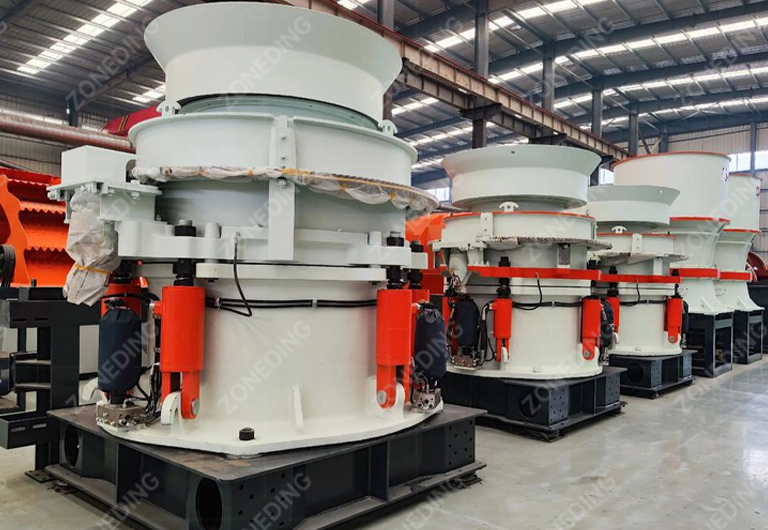
Learn everything you need to know about cone crushers. Discover how they work, their internal mechanisms, and what they can do to boost your quarry's output.
View details
Get answer to the questions about coarse material washing, including equipment selection, maintenance tips, and troubleshooting advice from our team of experts.
View details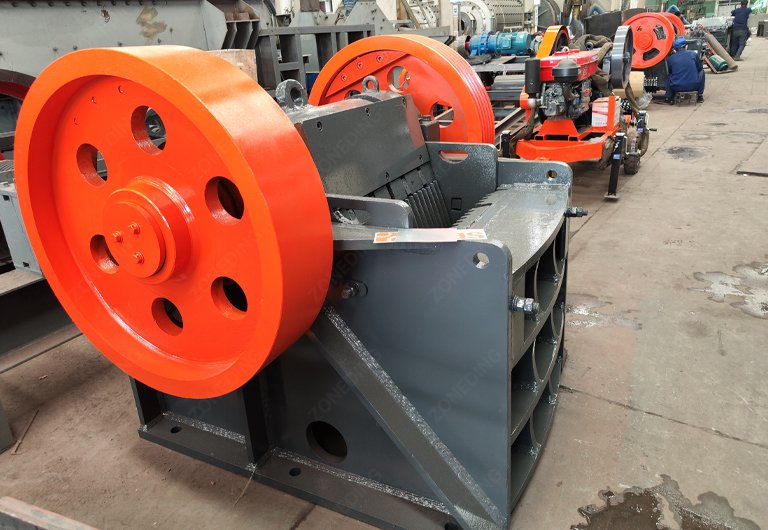
Searching for a reliable jaw crusher? Learn best platforms and regions to source high-quality machine, including tips on verifying manufacturer certifications.
View details