 Zoneding Mining

Site Search
Search products, equipment and solution articles
整站搜索产品中心新闻中心
点击开始搜索
热门搜索
UltraForm-MXFlexiPoly-RNanoForm Z300EcoFab P200
Search products, equipment and solution articles
Apatite is a group of phosphate minerals that serves as the most important source of phosphorus in the world. As of 2025, phosphorus has become a strategic mineral due to its role in food security and advanced battery technology. Most apatite is found in sedimentary rocks or igneous deposits such as carbonatites. Extracting phosphorus from these rocks requires a sophisticated Mineral Processing Plant to remove impurities like calcium and silica. The processing involves heavy crushing, intensive grinding, and chemical separation to produce a high-grade concentrate.
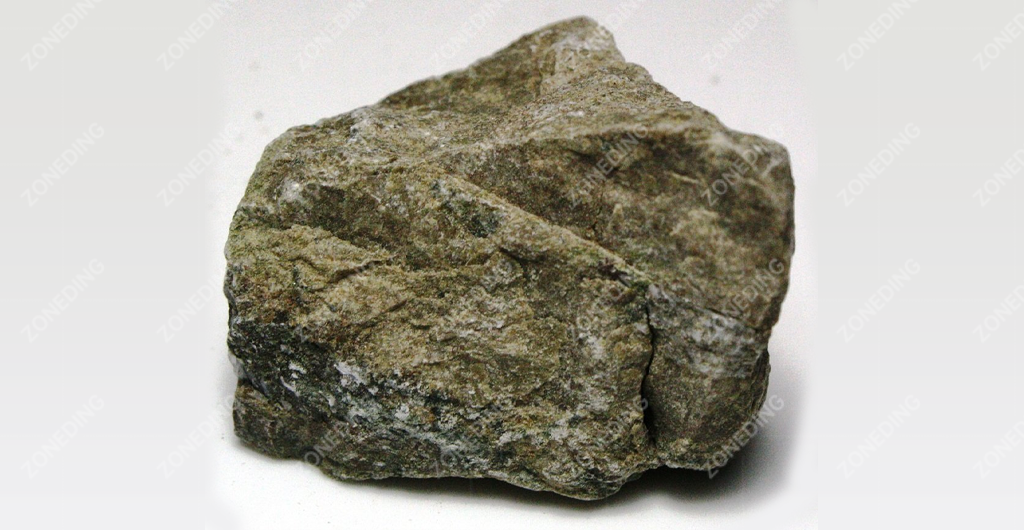
The global demand for apatite is rising because there is no synthetic substitute for phosphorus in agriculture. Industrial buyers look for apatite with high P2O5 (phosphoric anhydride) content and low contaminants. ZONEDING MACHINE provides the specialized mining equipment needed to achieve these purity levels. From massive primary crushers to fine-grinding ball mills, the right technology ensures that the apatite is ready for chemical conversion. This guide explores the five main applications of apatite and how modern processing helps meet industrial needs.
Last Updated: March 2026 | Estimated Reading Time: 25 Minutes
Agriculture is the largest consumer of apatite mineral worldwide. Over 90% of all phosphorus extracted is used to manufacture fertilizers. Plants require phosphorus for energy transfer, photosynthesis, and root development. Without apatite-based fertilizers, modern farming could not produce enough food to support the global population. Apatite is processed into phosphoric acid, which is then combined with ammonia or other minerals to create fertilizers like DAP (Diammonium Phosphate) and MAP (Monoammonium Phosphate).
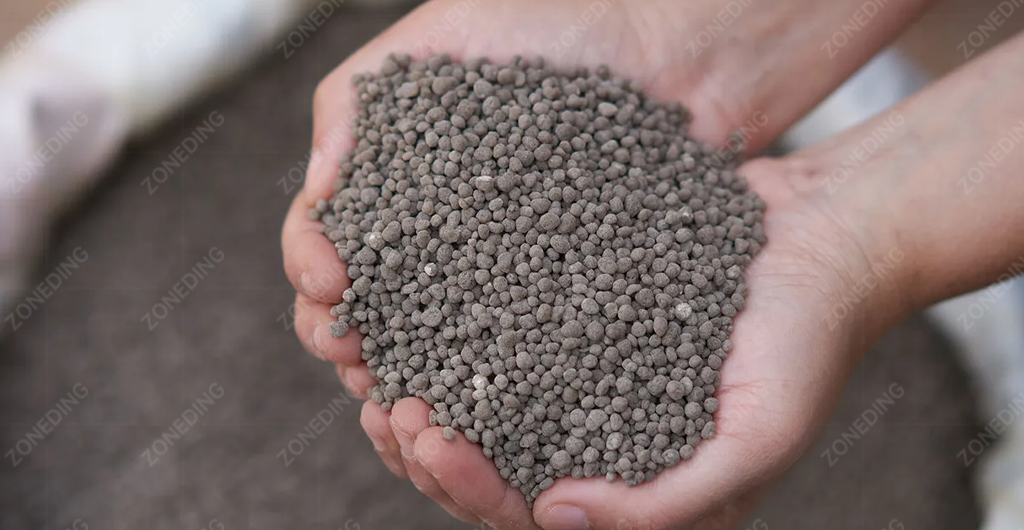
To make these fertilizers, the raw apatite ore must be ground into a very fine powder. This increases the surface area for the chemical reaction with sulfuric acid. A Ball Mill is the essential tool for this stage. ZONEDING ball mills are designed to handle the abrasive nature of phosphate rock while maintaining a consistent output size. A uniform particle size ensures that the acid can leach the phosphorus efficiently. This reduces chemical waste and lowers the overall cost for the fertilizer producer.
Soil depletion is a major concern for farmers in 2025. Apatite-based fertilizers allow for targeted nutrient replacement. This helps maintain high crop yields even in poor soil conditions. Some organic-certified farms also use finely ground apatite directly as “rock phosphate” for slow-release fertilization. This application avoids the use of strong acids but requires even finer grinding to ensure the plants can slowly absorb the nutrients over several years.
Industrial fertilizer plants prefer a phosphate concentrate with at least 30% P2O5. If the raw ore is low-grade, it must pass through a Flotation Machine. This equipment separates the valuable apatite from sand and other waste minerals. ZONEDING flotation cells use precise air-bubble management to lift the apatite particles. This high-recovery method is vital for mining companies that need to compete in the global fertilizer market.
| Fertilizer Type | Primary Component | Benefit to Farmer | Industrial Value |
|---|---|---|---|
| DAP | Apatite + Ammonia | Fast root growth | High demand/High price |
| MAP | Apatite + Ammonia | Good for alkaline soil | Essential for exports |
| Rock Phosphate | Raw Ground Apatite | Long-term soil health | Organic market growth |
Phosphoric acid is a vital intermediate chemical produced from apatite. While most of it goes into fertilizer, a significant portion is refined for other industrial uses. Phosphoric acid is used as a rust converter, an electrolyte in fuel cells, and a key ingredient in cleaning products. High-purity phosphoric acid is also used in the food industry as an acidulant in soft drinks and jams. It gives sodas like cola their characteristic sharp taste and prevents the growth of bacteria.
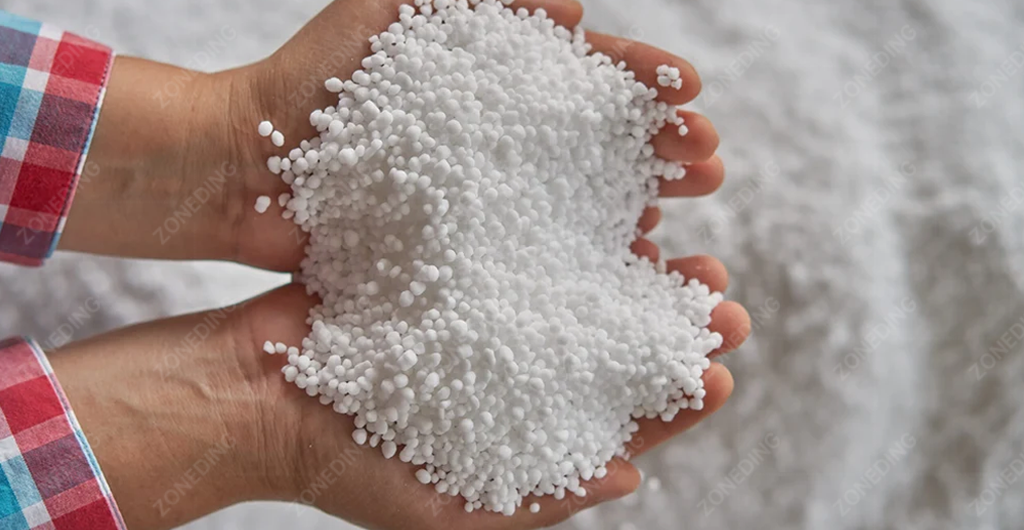
Producing high-purity phosphoric acid requires removing metallic impurities from the initial apatite ore. Before the ore reaches the chemical tanks, it undergoes magnetic separation. A ZONEDING Magnetic Separator captures iron-bearing minerals that would otherwise contaminate the acid. Removing iron at the mining stage is much cheaper than chemical purification later. This makes the mining operation more profitable and the final acid product more valuable to chemical buyers.
Many industrial detergents contain phosphates derived from apatite. These compounds soften hard water and improve the efficiency of the cleaning agents. Although some countries have limited phosphate use in household soaps for environmental reasons, industrial and commercial demand remains strong. These applications require the apatite ore to be washed and screened carefully. A ZONEDING Vibrating Screen helps remove clay and organic debris from the apatite before it enters the chemical circuit.
The metal industry uses phosphoric acid for a process called “phosphating.” This creates a protective coating on steel and aluminum parts. It improves corrosion resistance and helps paint stick to the metal surface. This is essential for car bodies, appliances, and construction materials. The demand for these high-spec industrial acids drives the need for high-recovery apatite mining plants.
Apatite serves as a key mineral in the specialty metals sector. In metallurgy, phosphorus is used as an alloying agent to improve the strength and corrosion resistance of copper and steel. Phosphor-bronze, for example, is famous for its toughness and is used for springs, bolts, and electrical components. Adding phosphorus to molten metal requires a steady supply of high-purity apatite concentrate or ferro-phosphorus.
Processing apatite for the metal industry requires high-precision crushing. The ore must be reduced to a specific size fraction for the furnace. An HP Cone Crusher is often used in the secondary and tertiary stages of the processing plant. ZONEDING cone crushers provide a consistent product shape and size. This is critical for the metallurgy industry because it ensures the mineral melts at a predictable rate inside the furnace.
Many apatite deposits contain small but valuable amounts of rare earth elements like neodymium and yttrium. As technology advances in 2025, apatite mining is becoming a dual-purpose operation. Miners extract the phosphorus for fertilizer and the REEs for electronics and magnets. Separating these minerals requires a complex Mineral Processing Plant layout. ZONEDING engineers design these multi-stage circuits to maximize the recovery of all valuable minerals from the apatite ore.
Phosphor-bronze is essential for marine hardware because it resists seawater corrosion. The phosphorus acts as a deoxidizer during the casting process. This results in a cleaner metal with fewer defects. To produce the high-quality additives needed for this metal, apatite ore must be ground and then concentrated using gravity or flotation methods. ZONEDING provides the complete range of equipment to handle this entire transition from rock to refined additive.
While most apatite is crushed for industry, some transparent and colorful crystals are used in jewelry. Gem-quality apatite is found in stunning colors like neon blue, forest green, and golden yellow. Because it is a softer mineral, it is typically used for earrings and pendants rather than rings. Collectors also prize well-formed apatite crystals for their geometric beauty and variety of colors.
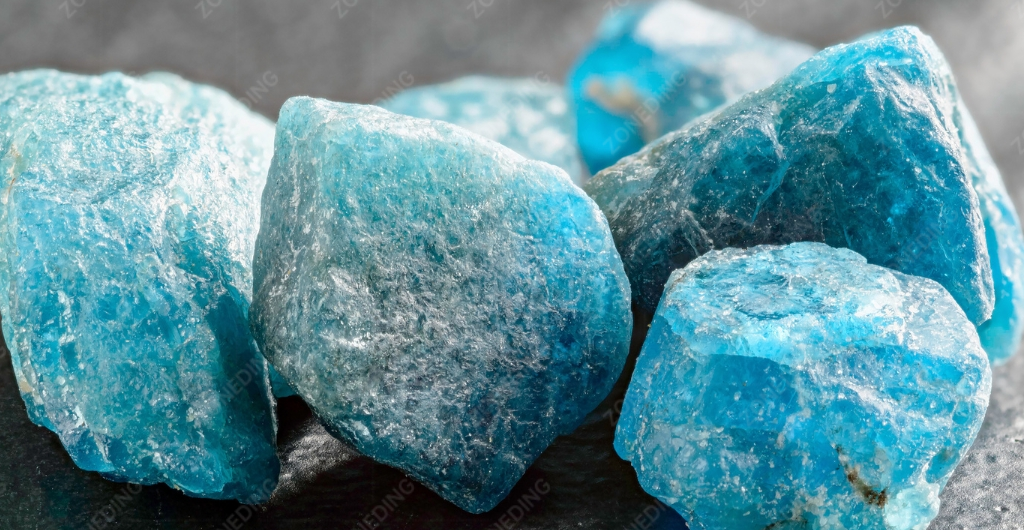
Handling gem-quality apatite requires a different approach at the mine. Heavy machinery can easily shatter these valuable crystals. Some miners use a Jaw Crusher with a wider gap setting for the primary break. This reduces the pressure on the rock and helps preserve large crystal specimens. Once the waste rock is removed, the crystals are sorted by hand. ZONEDING provides custom-designed sorting conveyors and low-vibration screens that help protect the integrity of these delicate minerals before they reach the gem market.
In recent years, neon blue apatite from Madagascar has become very popular in the gemstone market. This material mimics the look of expensive Paraiba tourmaline but at a much lower price. This market segment requires very high clarity. Processing plants in these regions must use extremely clean equipment to avoid color contamination. ZONEDING helps these small-to-medium mining operations set up efficient, clean processing lines that maximize the profit from every gem-specimen found.
Apatite is not just a commercial mineral; it is a biological one. Hydroxyapatite, a variety of apatite, is the primary mineral component of human bones and tooth enamel. In the medical field, synthetic apatite is used for bone grafts and dental implants because the body accepts it as natural material. This “bio-compatibility” makes apatite indispensable for modern healthcare.
Beyond medicine, apatite is used for environmental protection. It is an excellent material for water filtration. Apatite can absorb heavy metals like lead and cadmium from contaminated water and soil. This process is called “sequestration.” As environmental laws become stricter in 2025, many industrial sites are using ground apatite to treat their wastewater. This creates a high demand for finely ground apatite powder.
Medical and environmental applications require extremely fine and ultra-pure apatite powder. This is often achieved using a ZONEDING Ball Mill followed by a precision classifier. The goal is to reach a particle size measured in microns. ZONEDING ball mills can be fitted with ceramic linings to prevent any metal from entering the medical-grade powder. This ensures the material is safe for human use or sensitive environmental applications.
In old industrial zones, lead contamination is a serious health risk. Mixing finely ground apatite into the soil can “lock up” the lead in a stable mineral form that plants cannot absorb. This is a cost-effective way to clean up land for redevelopment. The demand for this technology is growing in urban areas worldwide. ZONEDING provides the mobile crushing and grinding plants needed for these on-site remediation projects.
When building an apatite processing line, the choice of supplier is critical. B2B mining companies must look for engineering expertise and robust hardware.
The apatite market is shifting as phosphorus becomes a “strategic” resource for the energy transition.
The demand for apatite will continue to grow because of global population growth. However, the highest profit margins are now in “Specialty Phosphorus” for batteries and electronics. Mining companies that invest in advanced Concentration equipment like ZONEDING Flotation Machines will be best positioned to capture these new, high-value markets.
Apatite is an indispensable mineral for the modern world. Its five key applications—fertilizer, acid production, metallurgy, gemstones, and biological uses—provide the foundation for global food and industrial systems. To succeed as an apatite producer in 2025:
Last Updated: May 2025
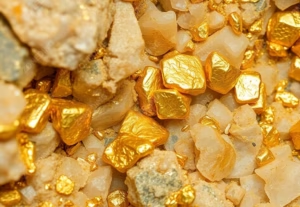
How much gold remains underground? While about 212,000 tonnes are above ground, the USGS estimates only 59,000 tonnes of proven reserves are left to mine.
View details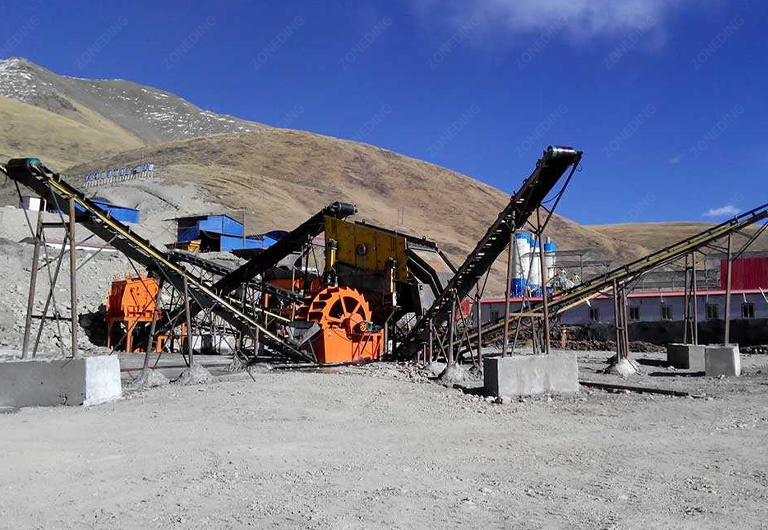
Explore our breakdown of the top 5 types, their unique pros and cons, and learn exactly how to choose the right one for your artificial sand plant.
View details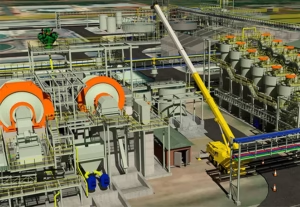
This guide tells what mineral processing is, explaining how valuable materials are extracted through essential steps like crushing, grinding, and separation.
View details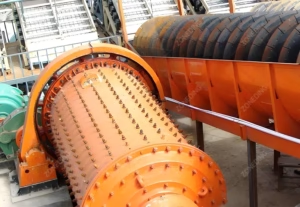
Learn basics of gypsum production with our easy-to-follow guide. This Guide is from mining to processing so it is perfect for newcomers. Contact ZONEDING now!
View details