 Zoneding Mining

Site Search
Search products, equipment and solution articles
整站搜索产品中心新闻中心
点击开始搜索
热门搜索
UltraForm-MXFlexiPoly-RNanoForm Z300EcoFab P200
Search products, equipment and solution articles
You know that every minute your crusher stops, you lose money. Unplanned downtime in a mining or aggregate plant can cost more than $5,000 per hour in lost production. Most mechanical failures are not accidents. They happen because of small problems that no one noticed during the shift. You can prevent ninety percent of these breakdowns with a simple and consistent maintenance plan. This guide provides practical steps to keep your ZONEDING cone crusher running at peak performance. You will learn how to check your oil, monitor your liners, and protect your machine from tramp iron. We help you turn your maintenance routine into a powerful tool for profit.
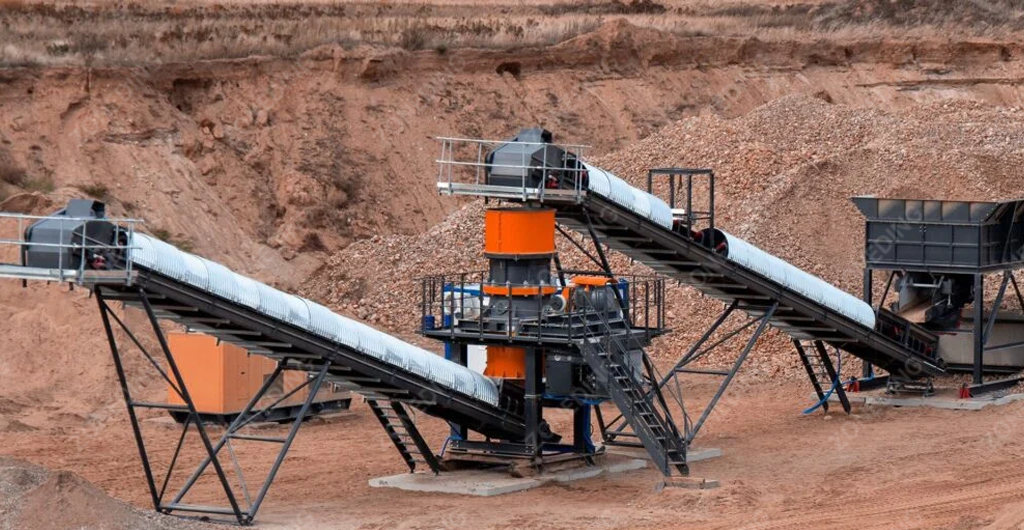
Last Updated: April 2026 | Estimated Reading Time: 25 Minutes
You must treat your lubricating oil like the blood of your crusher. A cone crusher uses high-pressure oil to protect the eccentric bush and the main shaft. If the oil is dirty or too hot, these parts will rub together and seize up. This kind of failure can destroy your machine in just a few minutes. Most ZONEDING users check their oil levels once a shift, but you must do more. You need to look at the oil temperature when it returns to the tank. If the return oil is hotter than 60 degrees Celsius, something is wrong inside the machine.
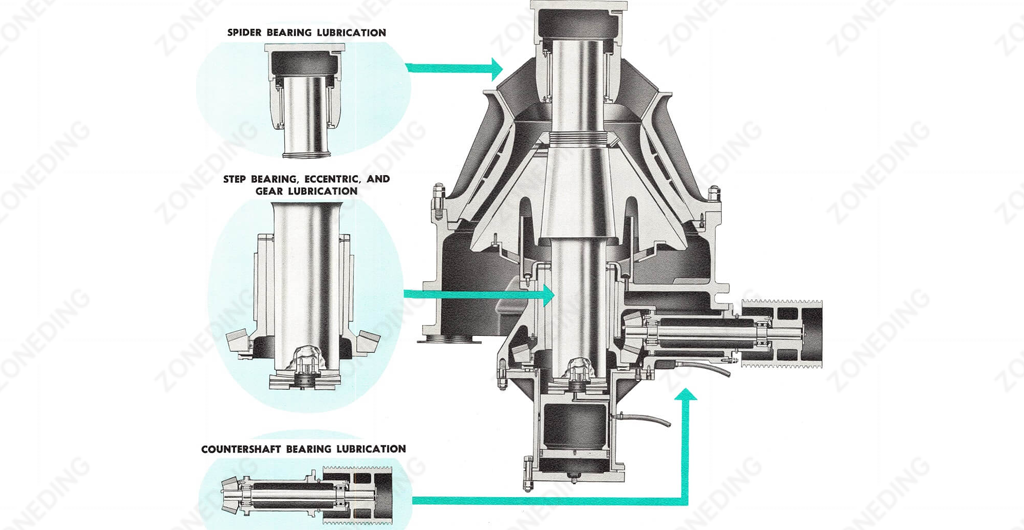
You should check your oil filters every single day. If you find metal flakes in the filter, your bushings are wearing down too fast. You must also keep the oil clean from dust. We at ZONEDING design our mineral processing equipment with advanced dust seals to protect the internal parts. You should also use the correct weight of oil for your climate. In hot areas like Africa, you need a thicker oil. In cold regions like Russia, you need a thinner oil to ensure flow. You save thousands of dollars on expensive spare parts by keeping your lubrication system perfect.
You should follow a strict list of tasks every morning before you start the motor. Consistent checks prevent major failures later in the week.
| Maintenance Task | Frequency | Practical Benefit for You |
|---|---|---|
| Check Oil Level | Daily | Prevents pump dry-run and air bubbles |
| Inspect Filter Drips | Daily | Finds small leaks before they grow large |
| Test Oil Flow Rate | Every Shift | Ensures the eccentric has enough cooling |
| Change Oil Entirely | Every 2000 Hrs | Removes microscopic dust and moisture |
The mantle and bowl liner are the parts that actually break the rocks. These liners wear down every day as they hit hard granite or basalt. You must track how much metal is left on the liners. If you let them get too thin, the liner will crack. This allows the rocks to hit the main frame of the crusher. A cracked frame is a disaster that usually cannot be fixed. Most ZONEDING liners are made from high-manganese steel that hardens as it works.
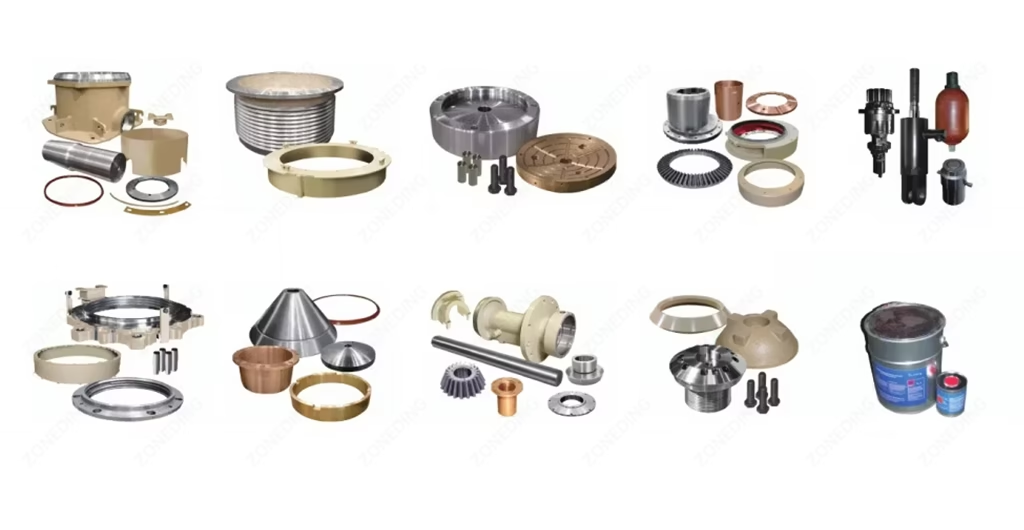
You should measure the discharge gap, or the Closed Side Setting (CSS), every day. As the liners wear, this gap gets wider. You must adjust the machine to keep your product size consistent. We at ZONEDING suggest you keep a logbook of these adjustments. When you reach the limit of your adjustment range, it is time to change the liners. You should also check the backing material behind the liners. If the backing is loose, the liners will rattle and break. You protect your heavy investment by changing the “teeth” of your machine before they are completely gone.
Tramp iron is any uncrushable metal that enters the machine. This could be an excavator tooth, a bolt, or a piece of scrap metal. Unlike a rock, metal will not break. If the crusher tries to squeeze a piece of iron, it will create a massive shockwave. This can snap the main shaft or break the heavy springs. You must have a working “release” system to handle these events. Modern ZONEDING crushers use hydraulic cylinders to let the iron pass through safely.
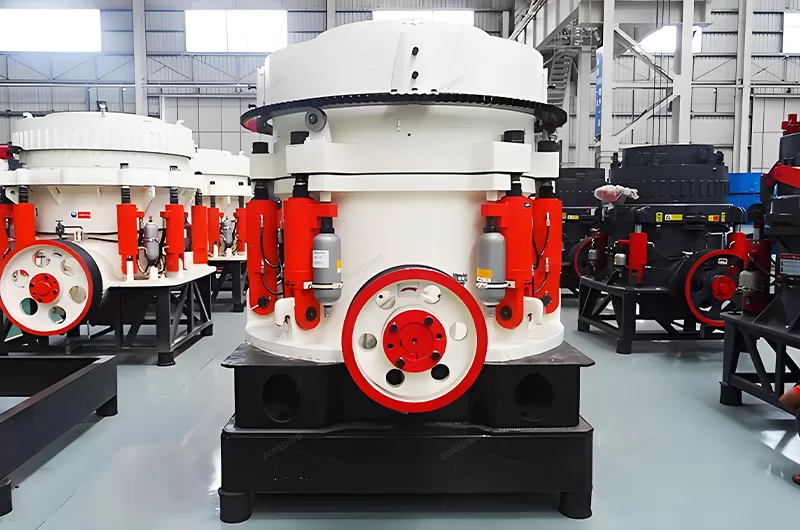
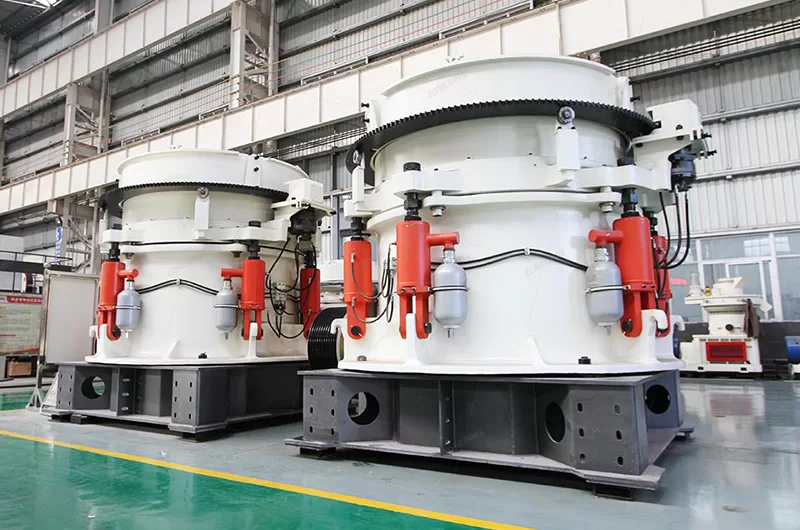
You should test your hydraulic release system once a month. Make sure the cylinders move freely and the pressure is correct. You must also install a magnetic separator on your feed conveyor. This magnet catches the metal before it ever touches your crusher. You should also use a metal detector that stops the belt if it finds non-magnetic metal like manganese steel. You reduce the risk of a “catastrophic failure” by keeping iron out of the chamber. This simple step keeps your workers safe and your machine in one piece.
Extreme temperatures change how your machine’s metal and oil behave. If you operate in a tropical environment, you face heat and humidity. Your oil can thin out too much and lose its ability to protect the bearings. You must ensure your oil coolers are clean and the fans are turning at full speed. Dust can block the cooling fins in just a few days. If the air cannot pass through, the oil temperature will skyrocket.
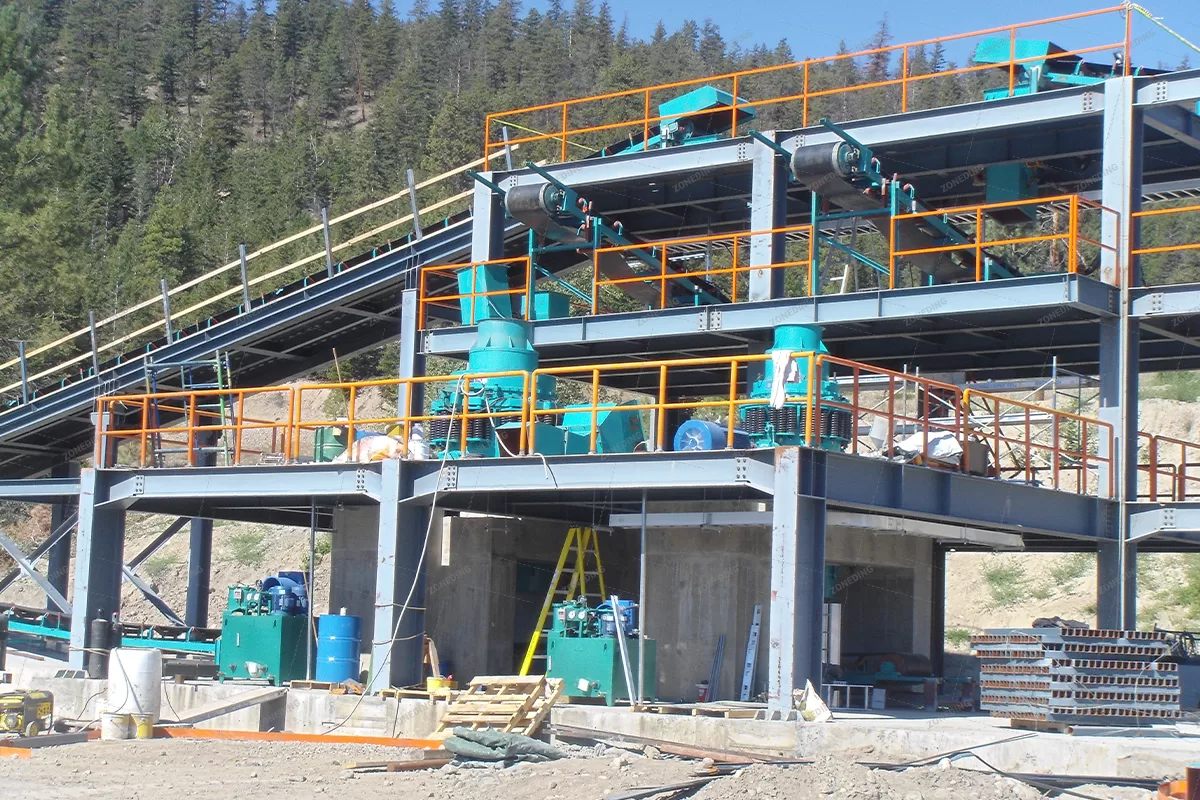
We at ZONEDING provide specialized heating and cooling units for different climates. In very cold regions, you need an oil heater in the tank. If you start a cold crusher with thick oil, the pump might snap. You should run the oil pump for 30 minutes before you start the main motor in winter. This warms up the bushings and ensures they are coated in slippery oil. You should also check the rubber seals in winter. Cold makes rubber brittle and causes leaks. By adjusting your routine to the weather, you keep your machine reliable all year round.
You might think that a rock crusher is meant to be dirty. This is a big mistake. Dirt hides problems that can destroy your machine. If your cone crusher is covered in grease and dust, you cannot see a small oil leak. You cannot see a hairline crack in the frame. You cannot see a loose bolt on the motor mount. A clean machine is a visible machine. It allows you to spot a problem when it costs $10 to fix instead of $10,000.
We at ZONEDING encourage our clients to use a pressure washer once a week. You should clean the areas around the hydraulic hoses and the main bearings. Be careful not to spray water directly into the electrical boxes. When the machine is clean, you can also see the labels and warnings clearly. This improves safety for your workers. A clean environment also helps the machine stay cool. Thick layers of mud act like a blanket that traps heat inside the motor and the gearbox. You extend the life of your electrical components by keeping them free from dust and moisture.
You can save your entire workday by spending just ten minutes in the morning. You should walk around the machine while it is idling. Look for any oil dripping on the ground. Check the pressure gauges on the hydraulic unit. If the pressure is too low, your liners might be loose. Listen for any strange clicking sounds. A healthy ZONEDING crusher should have a steady, deep hum. Anything that sounds like a hammer hitting metal is a sign to stop.
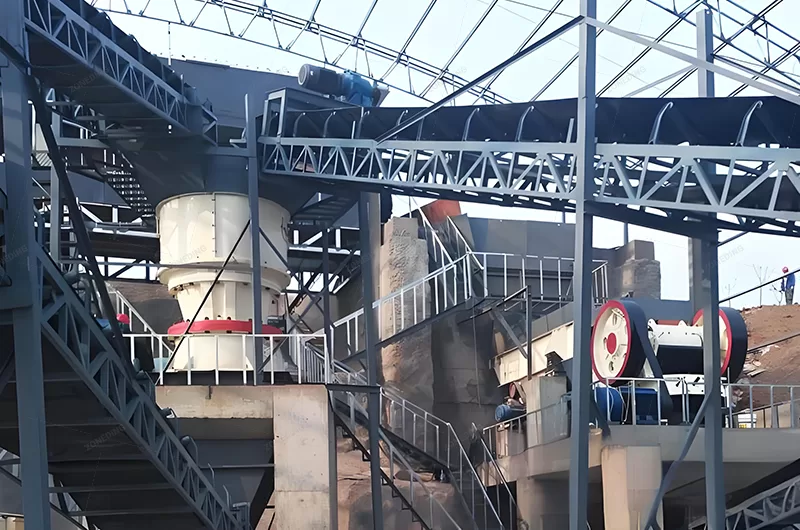
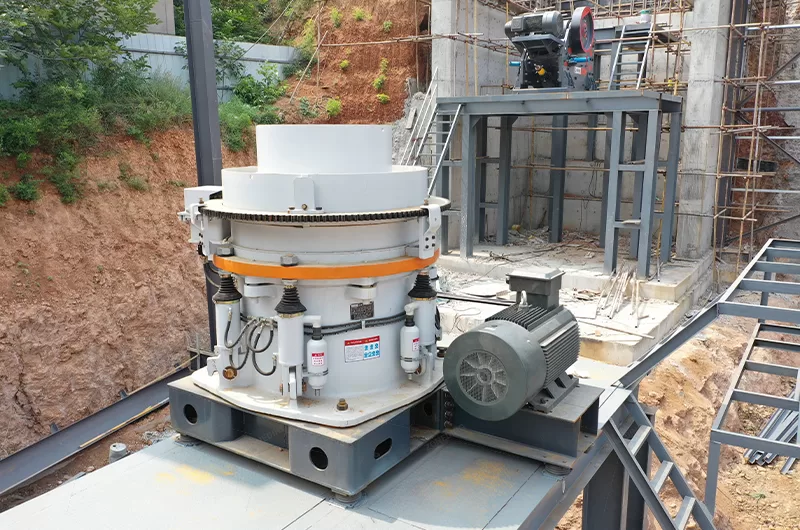
You should involve your operators in this process. We provide a simple checklist with every machine we sell. This list covers the belts, the bolts, and the grease points. You should also check the feed conveyor. If the conveyor is dropping rocks from too high, it can damage the feed hopper. By making inspection a habit, you build a culture of care in your plant. Your workers will feel more responsible for the equipment. This reduces the “it’s not my job” attitude that leads to broken machines. A disciplined team is the best defense against unplanned downtime.
| Part | What to Look For | Fix |
|---|---|---|
| Hydraulic Hoses | Wet spots or bulges | Tighten or replace hose |
| V-Belts | Cracks or frayed edges | Replace the full set |
| Anchor Bolts | Movement or loose nuts | Tighten with a torque wrench |
| Discharge Area | Metal scrap or liner bits | Stop and check the chamber |
Your crusher will eventually stop because of a power failure while it is full of rocks. This is called a “loaded start” and it is very hard on the motor. You must never try to start the machine while it is full. The rocks will act like a brake and burn out your electrical system. In the old days, workers had to climb inside and dig out the rocks by hand. This was very dangerous and took several hours.
ZONEDING hydraulic cone crushers have a “clearing” function. You can use the hydraulic cylinders to lift the entire bowl. This allows the rocks to fall out of the bottom. You can clear a jammed machine in less than 15 minutes without any risk to your staff. You must always follow the lockout-tagout procedure before anyone touches the machine. Once the chamber is empty, you lower the bowl back to its setting and restart. This hydraulic feature is a major advantage of modern ZONEDING designs. It turns a potential half-day delay into a small coffee break.
ZONEDING MACHINE is a specialized Chinese manufacturer of high-quality mineral processing equipment. We focus on providing B2B solutions for mining and aggregate companies around the world. We operate an advanced 8000-square-meter factory that can produce over 500 machines every year. Our team includes 15 expert engineers who handle everything from site design to machine customization. We don’t just sell you a machine; we provide a lifetime of support for your project.
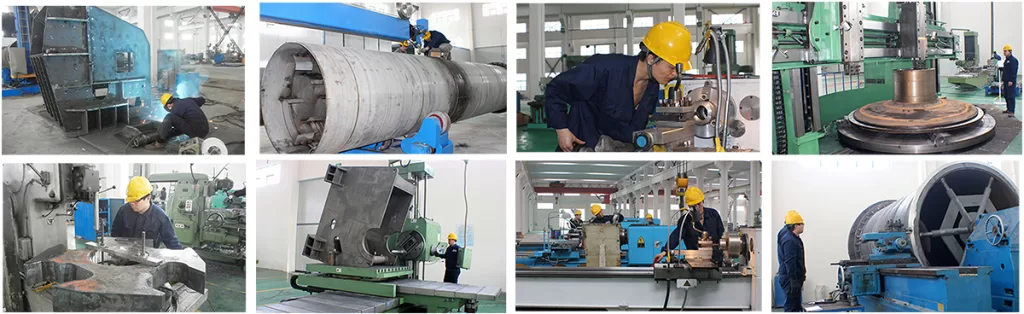
We offer factory-direct sales to ensure you get the most competitive price. Our crushers and mills have been exported to more than 120 countries. We have a deep understanding of the global mining market and local conditions. We provide a full-service experience including on-site installation, operator training, and 24/7 technical help. Our machines are built with thick steel and high-end parts to ensure they handle the toughest jobs. We are committed to your long-term success. Choose ZONEDING for reliable technology and professional partnership.
You prevent downtime by being proactive. You must monitor your lubrication system and change your filters on time. You should track your liner wear to protect your main frame. You need to use a magnet to keep iron out of your machine. You should listen to your machine and fix small noises before they become big crashes. These simple steps keep your ZONEDING equipment running year after year.
You should start by creating a daily maintenance log for your operators. Use a simple checklist for oil level, temperature, and vibration. We suggest you keep a “First Aid Kit” of spare parts on-site. This should include oil filters, seals, and one set of liners. Contact ZONEDING today to learn about our maintenance training programs for your team. We help you run a safer and more profitable crushing operation.
Last Updated: April 2026
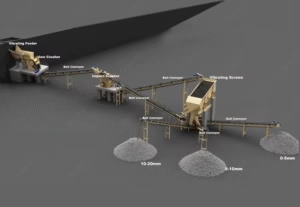
Don't select the wrong crusher for your circuit. Learn to avoid costly mistakes in secondary, tertiary, & quaternary crushing stages from this ZONEDING's Blog.
View details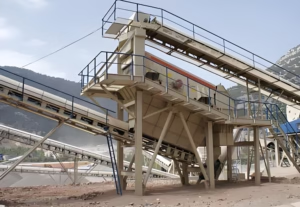
Looking for everything you need to know about screening machine? We break down inclined vs horizontal screens, trommels, and how to choose right screen media.
View details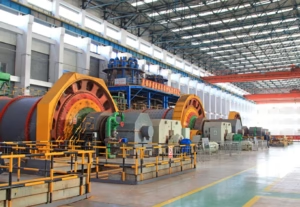
Follow limestone journey from raw material to finished product! This blog provides a detailed breakdown of each processing stage, from crushing to screening.
View details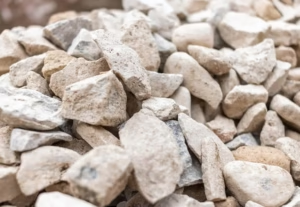
Looking for answers? We list 7 essential facts about limestone. 1. It's sedimentary. 2. Made of calcite. 3. Used in concrete. Click to read the full list.
View details