 Zoneding Mining

Site Search
Search products, equipment and solution articles
整站搜索产品中心新闻中心
点击开始搜索
热门搜索
UltraForm-MXFlexiPoly-RNanoForm Z300EcoFab P200
Search products, equipment and solution articles
Coal is not merely a rock; it is fuel. In the power generation and chemical industries, the physical state of the coal is just as important as its chemical composition. If coal is fed into a boiler too large, it clogs the feed system. If it is crushed too fine into dust, valuable calorific value is lost, and a significant safety hazard is created.
The objective of coal crushing extends beyond simply making smaller rocks. It is about Granulometry Control. Achieving a specific particle size distribution is essential to maximize burn efficiency. Furthermore, coal presents unique challenges that hard rocks like granite do not: it is brittle, it produces dangerous combustible dust, and—most critically—it is often wet and sticky.
Crushing coal effectively requires a fundamentally different approach than crushing aggregate or iron ore. Standard hard-rock crushers often fail in coal applications, leading to blockages, excessive fines generation, and wasted energy. This guide outlines the specialized physics of crushing coal, the correct process flow, and why selecting equipment specifically tailored for soft, friable material—such as those manufactured by ZONEDING—is the key to a profitable operation in 2025.
Before selecting machinery, the material properties must be understood. Crushing coal requires a different strategy than crushing aggregate due to two primary factors: Friability and Moisture.
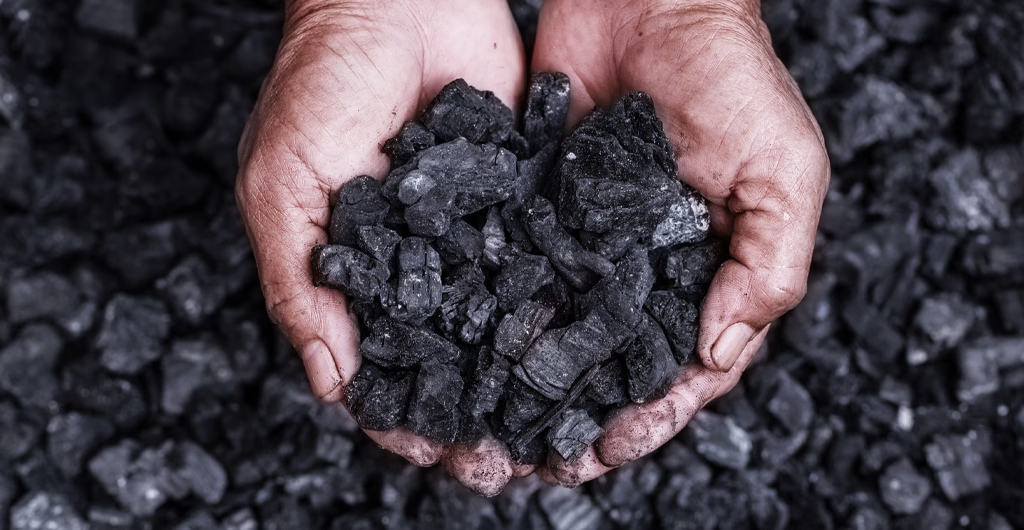
Coal is a sedimentary rock with relatively low hardness (usually 1-4 on the Mohs scale). It is “friable,” meaning it practically crumbles under pressure.
Using a high-compression machine like a standard Jaw Crusher or a high-speed Impact Crusher designed for limestone risks “over-crushing.” This turns valuable lump coal into useless powder (fines). In thermal power plants, excessive fines can disrupt airflow in the furnace. Therefore, the ideal coal crusher utilizes Shear and Splitting forces rather than pure compression. The goal is to snap the coal, not pulverize it.
Coal is rarely dry. Run-of-Mine (ROM) coal often arrives as a muddy paste mixed with clay, shale, and surface moisture.
Standard rock crushers rely on gravity: rock falls in, gets crushed, and falls out. However, wet coal defies gravity. It adheres to steel liners and builds up in corners, eventually bridging across the opening and halting production. Efficient coal crushing requires machinery designed with “self-cleaning” mechanisms or geometry that prevents sticky buildup.
Designing a coal preparation plant requires a focus on flow. A staged reduction process is necessary to protect equipment and ensure a uniform output size (typically 0-50mm or 0-30mm for power plants).
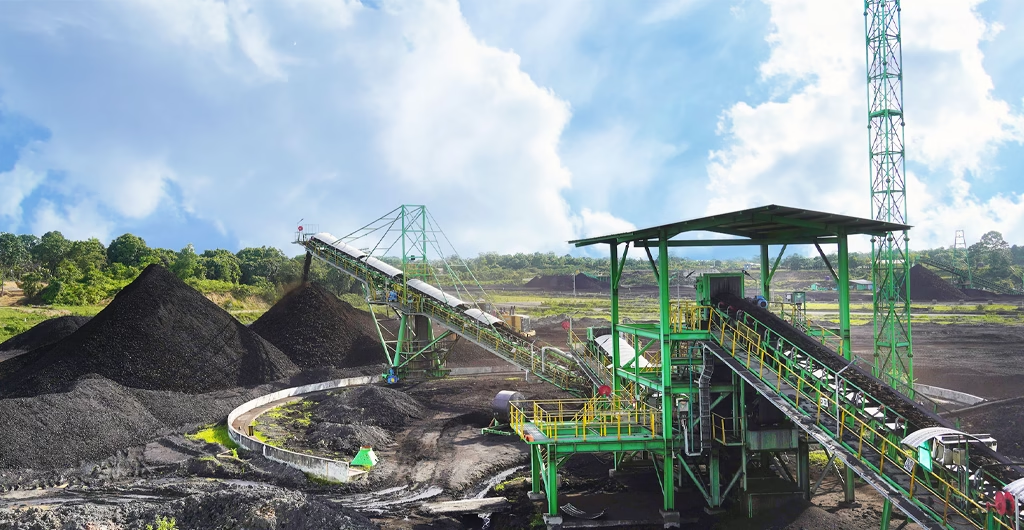
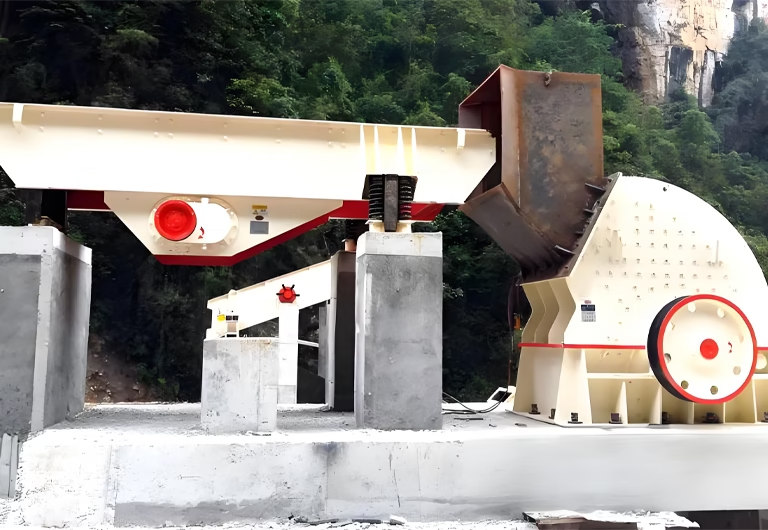
The process begins at the hopper. A heavy-duty Vibrating Feeder moves the raw coal to the primary crusher.
Standard ROM coal size can range up to 1000mm – 1200mm. The objective here is to reduce this down to roughly 200mm – 300mm.
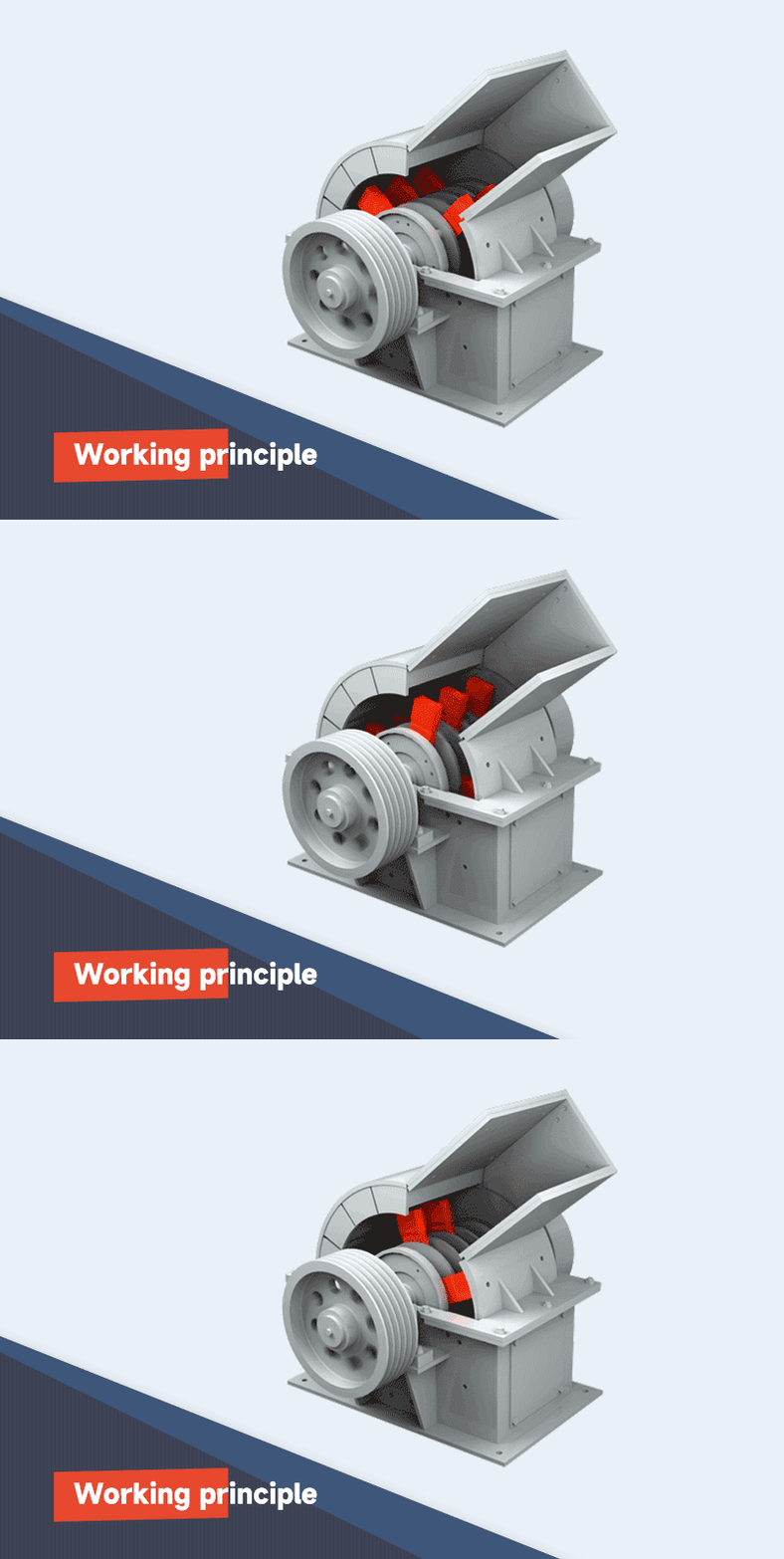
Standard Jaw Crushers are typically avoided in this stage for coal applications due to clogging risks. Instead, large Toothed Roll Crushers or Ring Hammer Crushers are preferred. These machines “bite” large chunks and pull them through, handling reduction quickly without excessive dust generation.
This is the finishing stage, bringing the 200mm coal down to final specifications (e.g., 50mm).
This “Closed Circuit” ensures 100% of the product meets buyer specifications. ZONEDING designs these circuits to be compact, minimizing conveyor lengths while maximizing accessibility for maintenance.
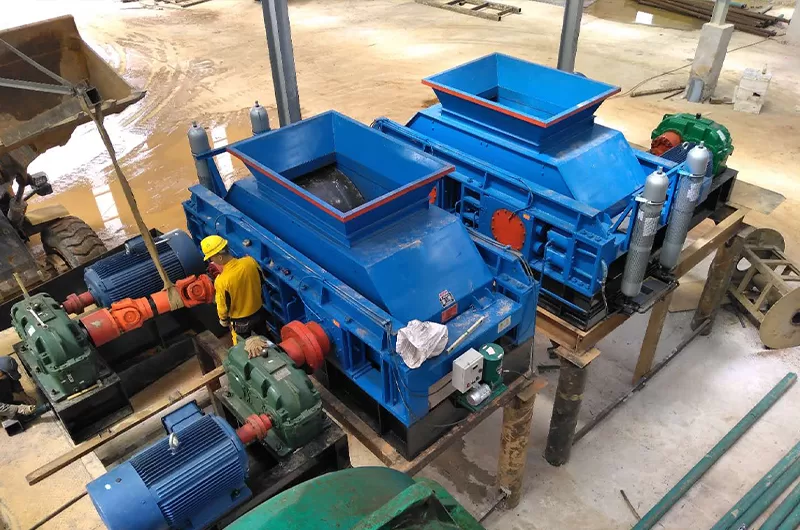
Selecting the wrong machine is a costly error. ZONEDING manufactures specific units tailored for the coal industry. Below is a breakdown of the three primary machines for coal processing.
This unit is considered the Gold Standard for coal processing.
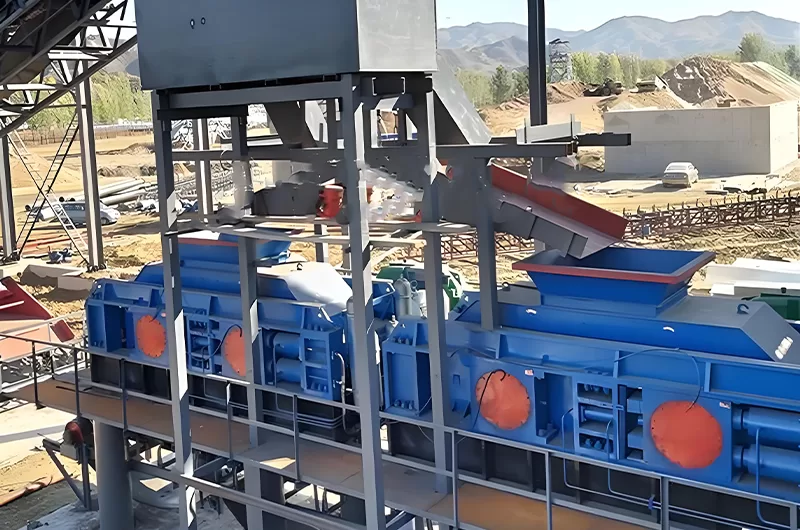
A variation of the impact crusher, modified specifically for coal.
| Feature | Toothed Roller | Ring Hammer | Standard Jaw |
|---|---|---|---|
| Mechanism | Shearing / Cutting | Impact / Kinetic | Compression |
| Fines Generation | Very Low | Medium/High | Low |
| Clogging Risk | Very Low | Medium | High (in wet coal) |
| Best Use | Wet/Sticky Coal | Dry/Hard Coal | Hard Rock inclusions |
High moisture content creates significant operational headaches. When pits flood or rains are heavy, moisture content can jump from 8% to 25%. A standard crushing line can fail within minutes under these conditions.
Wet coal dust acts similarly to cement. In a standard crushing chamber, it packs into corners and builds up on impact plates. This buildup narrows the passage until flow ceases entirely. Furthermore, on vibrating screens, wet coal “blinds” the mesh, plugging holes and sending “clean” product into the oversized pile, destroying efficiency.
ZONEDING engineers solutions specifically to combat moisture:
Crushing rock presents hazards; crushing coal presents explosion risks. Coal dust is highly combustible. A cloud of fine coal dust combined with a spark creates a dangerous environment.
Open systems are not viable for coal.
Consider this real-world example from the ZONEDING project portfolio.
The Client: A thermal power plant in Kalimantan, Indonesia.
The Challenges: The plant utilized traditional Jaw Crushers. During the six-month rainy season, production dropped by 60%. Wet lignite coal blocked the jaws hourly, requiring dangerous manual clearing with pry bars.
The ZONEDING Solution:
Analysis revealed the coal was soft (Hardness 3) but sticky and wet.
The Result:
Crushing coal is a delicate balance involving enough force to break the fuel but enough gentleness to avoid creating dust, alongside enough ruggedness for mining but smart design for sticky muck.
Treating coal like simple rock results in lost efficiency and high maintenance costs.
ZONEDING recognizes that lignite behaves differently from anthracite. Therefore, engineering the tooth profile, crusher speed, and plant layout to match specific moisture levels and output targets is crucial.Proper equipment selection eliminates clogged chutes and wasted fines.
Contact ZONEDING today for a customized coal crushing proposal.
Last Updated: January 2026
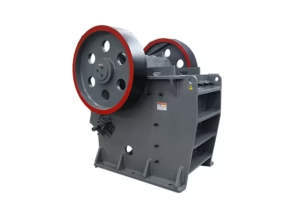
If you need a stone crusher? If you need on-site aggregate, this guide is for you. Learn 5 key signs that a crusher is the right investment for your project.
View details
Explore the machinery behind crushed stone and gravel production. From crushing blasted rock to washing river deposits, we provide complete plant solutions.
View details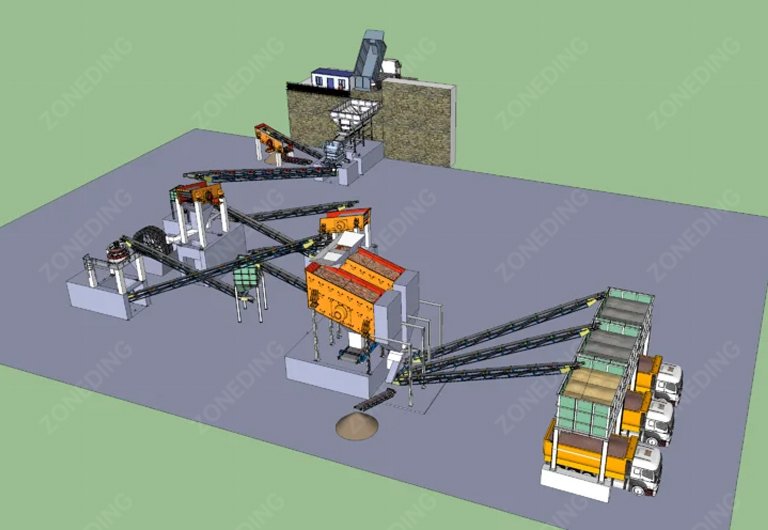
Why stop at cement? Learn how producing your own aggregates with in-house crushing plants is helping major companies cut costs and control quality.
View details
Your one-stop resource for diagnosing and solving cone crusher issue. This guide tells mechanical, hydraulic, and operational problems with detailed solutions.
View details