 Zoneding Mining

Site Search
Search products, equipment and solution articles
整站搜索产品中心新闻中心
点击开始搜索
热门搜索
UltraForm-MXFlexiPoly-RNanoForm Z300EcoFab P200
Search products, equipment and solution articles
Mineral processing projects require massive capital investment. A single wrong equipment choice ruins the ROI of an entire plant. Many buyers focus only on the initial purchase price. This narrow focus leads to high operating costs and frequent breakdowns. You must balance the upfront cost with the long-term cost of ownership. ZONEDING provides professional design services to prevent these expensive errors. This guide details the seven most common mistakes in machinery selection. You will learn how to avoid CAPEX traps and reduce OPEX waste.
Last Updated: April 2026 | Estimated Reading Time: 25 Minutes
Choosing the cheapest machine often leads to the highest long-term costs. Low-cost machines usually save money by using thinner steel and low-grade alloys. These machines wear out fast. You spend more money on replacement parts every month. You lose more money during unplanned downtime. The “cheap” machine becomes the most expensive asset in the plant.
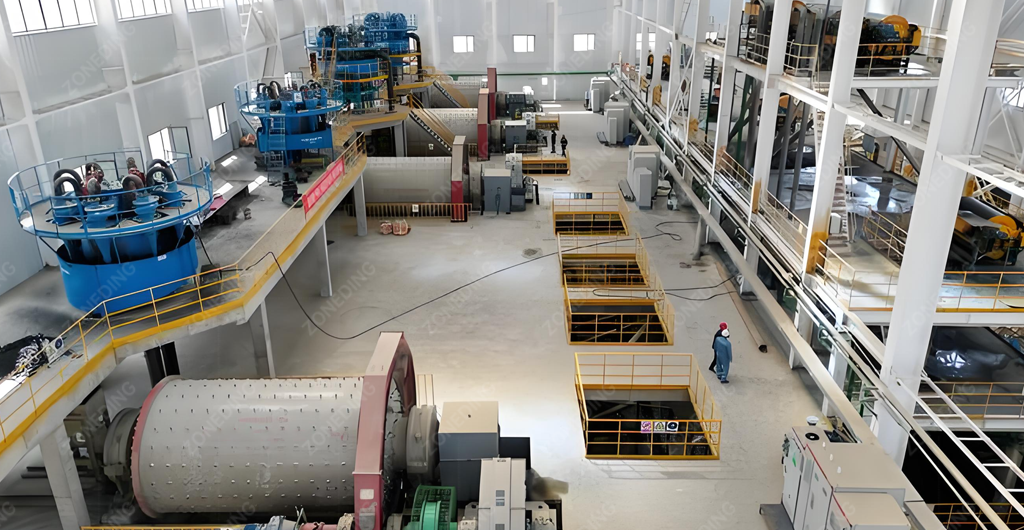
Total Cost of Ownership includes the purchase price, energy use, wear part costs, and labor. ZONEDING focuses on high-strength manganese steel and precision CNC machining. This reduces the frequency of part replacements. ZONEDING equipment maintains a higher resale value because the frames do not warp under stress. Buyers who save 10% on the initial price often spend 50% more on maintenance within two years. You must calculate the cost per ton of processed material rather than the cost per machine.
The table below shows the real cost difference between low-grade and professional equipment.
| Cost Factor | Low-Budget Machine | ZONEDING Professional Grade | Your Practical Benefit |
|---|---|---|---|
| Initial Price | Very Low | Moderate | You get a stable long-term asset |
| Energy Draw | High (Inefficient) | Optimized (Low) | Your monthly power bill drops |
| Wear Life | 3-6 Months | 12-18 Months | You reduce plant shutdown days |
| Spare Parts | Hard to find/Cheap | Standardized/Durable | You avoid long delivery waits |
Buying a machine that does not match the rock type leads to rapid equipment failure. Every rock has a different Mohs hardness and silica content. High-silica rocks like granite act like sandpaper on metal. If you use a hammer crusher for high-silica granite, the blow bars will vanish in days. You will spend all your time changing parts instead of producing sand.
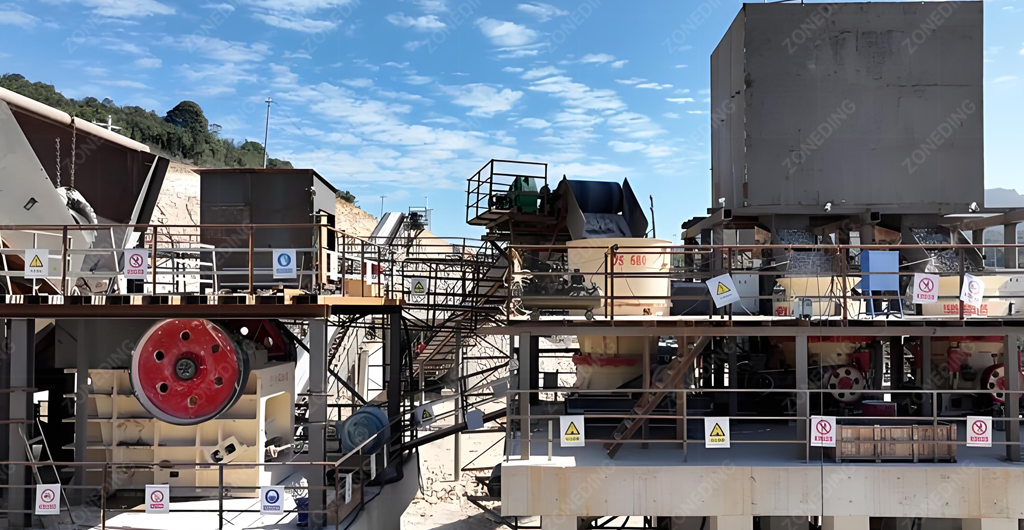
You must perform a laboratory test on your ore before buying any machinery. Hard, abrasive materials require compression crushing or rock-on-rock impact. ZONEDING engineers analyze your rock samples to recommend the correct machine. For hard rocks, ZONEDING suggests Cone Crushers or VSI machines. For soft materials like gypsum or coal, hammer crushers are the best choice. Using the wrong machine can destroy your profit margin through extreme wear costs.
| Material Type | Recommended Machine | Wrong Choice (Mistake) | Result of Mistake |
|---|---|---|---|
| Granite/Basalt | Cone / VSI / Jaw | Hammer Crusher | Extreme wear, daily downtime |
| Limestone | Impact / Jaw | High-end VSI | Over-investment, high cost |
| Coal/Gypsum | Hammer / Roller | Cone Crusher | Low efficiency, clogging |
| River Pebble | VSI / Jaw | Standard Impact | Rapid liner wear |
Buying a machine that is too large for your needs wastes energy and capital. Many owners buy a 500 TPH machine when they only need 200 TPH. They think “more is better” for future growth. However, running a giant machine at 40% capacity is highly inefficient. The motor draws too much power for the small amount of material processed.
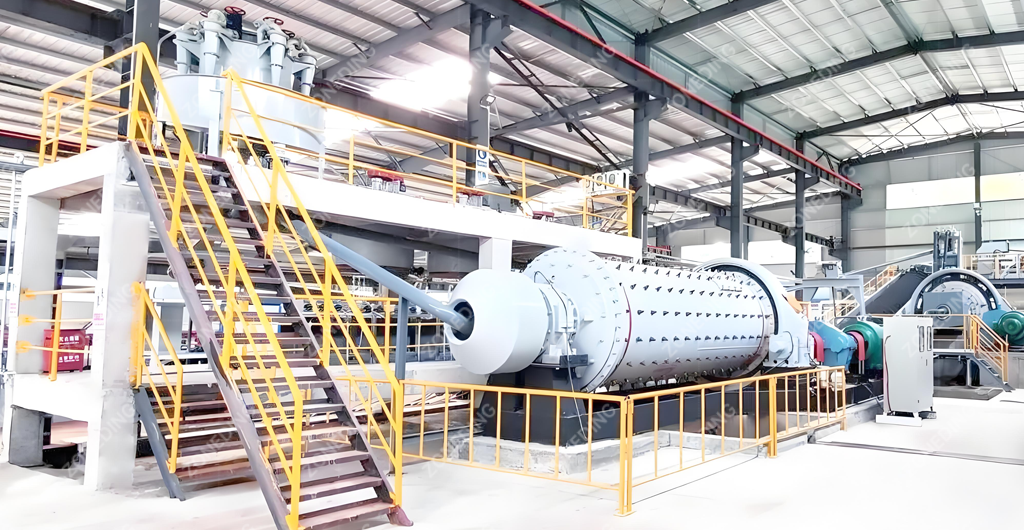
Oversized equipment also creates problems for the rest of the production line. A giant crusher will overwhelm a small vibrating screen. This creates a bottleneck. You end up waiting for the screen while the crusher sits idle. ZONEDING provides customized capacity calculations. We design the plant to run at a balanced load. This ensures every machine works at its peak efficiency. You save money on the initial purchase and reduce your monthly electricity bills.
A machine is only as good as the speed at which you can fix it. Some manufacturers design machines that look good but are impossible to service. To change one bearing, you might have to dismantle the entire main frame. This turns a four-hour job into a four-day disaster. Every hour of downtime costs you thousands of dollars in lost revenue.
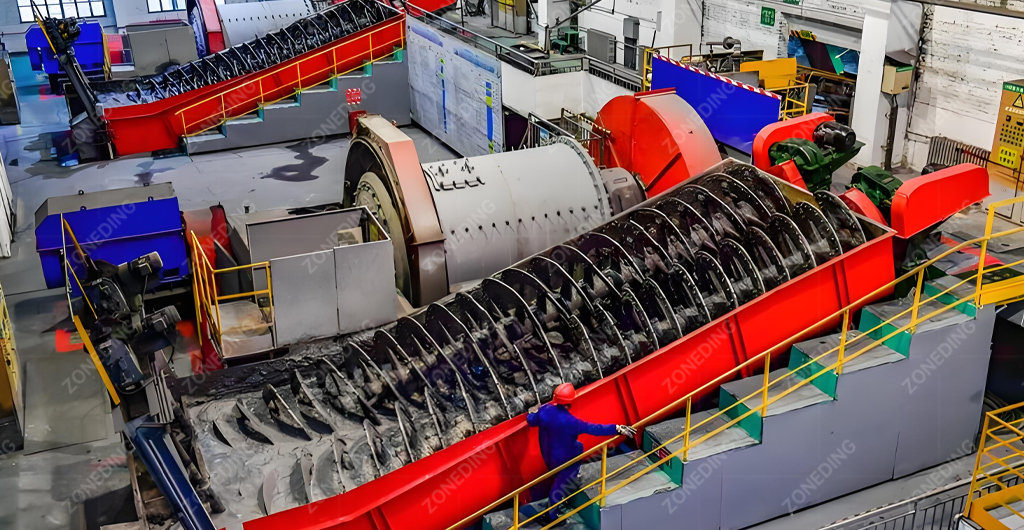
You must check the “serviceability” of the design. ZONEDING designs machines with large access doors and quick-release fasteners. Our engineers ensure that common wear parts can be swapped in minutes. Also, consider the location of the supplier. If you buy from a company with no local parts network, you wait weeks for a shipment. ZONEDING stocks all critical spare parts in our warehouse for immediate global shipping. We provide a complete spare parts kit with every machine order to ensure your plant never stops.
Buying the best individual machines does not guarantee a great production line. A plant is a chain. The chain is only as strong as the weakest link. If your jaw crusher produces 300 TPH but your conveyor only handles 200 TPH, your plant capacity is 200 TPH. You wasted money on a 300 TPH crusher.
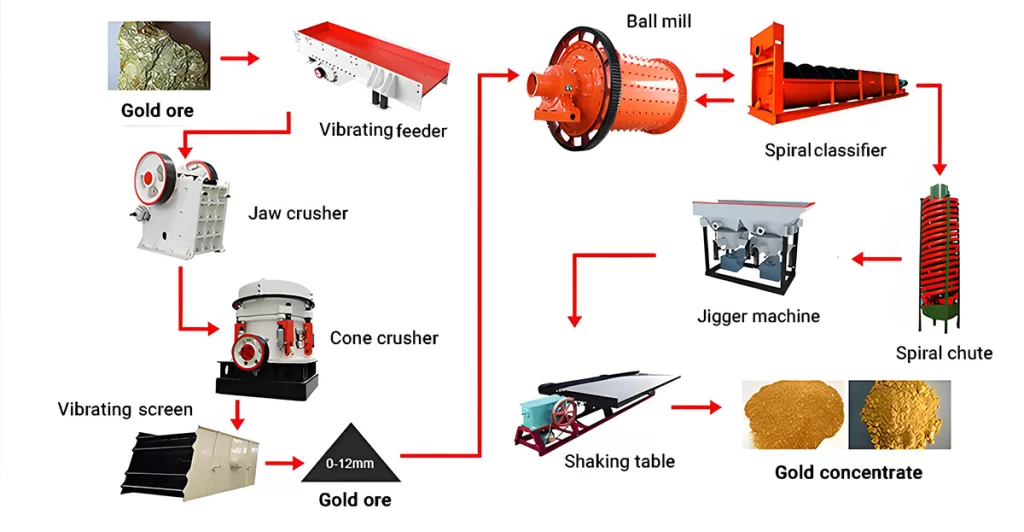
This mismatch creates “bottlenecks.” Material piles up at one point and other machines sit empty. This creates safety hazards and reduces overall efficiency. ZONEDING offers full production line design. We use flow simulation to ensure that the crusher, screen, and conveyor are perfectly matched. We balance the feed rate from the Vibrating Feeder to the final stockpiling belt. You get a smooth flow of material without surges or gaps.
| Link in Chain | Faulty Selection | Result | Solution |
|---|---|---|---|
| Feeder → Crusher | Feeder too fast | Crusher chokes and stalls | Install a frequency inverter |
| Crusher → Screen | Screen too small | Material overflows, spills | Increase screen deck area |
| Screen → Conveyor | Belt too slow | Material piles up on screen | Match belt speed to TPH |
Buying through an agent often means you lose the technical link to the engineer. Trading companies buy the cheapest machines from various workshops. They do not know the internal engineering of the machine. When a technical problem occurs, the agent cannot fix it. They simply send an email to the factory and wait for an answer. This communication gap delays your repairs.
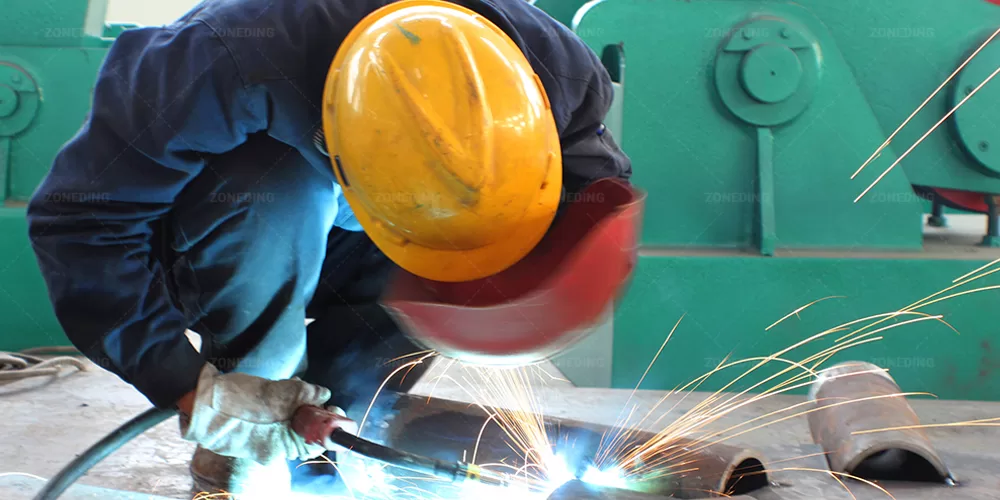
Trading agents also add a markup. You pay more for a lower-quality product. By buying direct from ZONEDING, you talk directly to the 15 professional engineers who designed the machine. We understand every weld and every bolt. You get factory-direct pricing and direct technical support. We provide the exact blueprints and electrical diagrams for your specific machine serial number. This eliminates guesswork during installation and maintenance.
Neglecting dust and noise laws can lead to government fines or plant closure. Many buyers forget that a crusher is a loud and dusty machine. In 2026, environmental laws are very strict. If your plant creates a massive dust cloud, the government may shut you down. Installing dust collection systems after the plant is built is much more expensive than designing them into the plant.
Energy efficiency is also a legal and financial requirement. Old-style machines waste power through friction and poor motor control. ZONEDING integrates enclosed structures and dust suction systems into our plant designs. We use high-efficiency motors and smart control panels to reduce the carbon footprint. This ensures your plant complies with local laws and avoids costly fines.
Digitalization and “Green Mining” are the biggest trends in 2026. Selection is no longer just about steel and motors.
ZONEDING is leading these trends. We integrate smart monitoring systems into our Mobile Crushing Stations. You can monitor your TPH and energy use from a smartphone. We also design dry sand making lines that use zero water, helping you avoid environmental permits.
Avoid the “cheap price” trap. Focus on the Total Cost of Ownership. Always test your rock hardness in a lab before selecting a crusher. Balance your production line to avoid bottlenecks. Buy direct from the manufacturer to secure engineering support. Plan for environmental compliance from day one.
Your next step should be a material analysis. Collect three different samples from three areas of your mine. Send these samples to ZONEDING for a free hardness and silica test. We will provide a balanced plant layout and a 5-year OPEX forecast to ensure your budget is spent wisely.
Last Updated: April 2026
Seeking impact crusher prices? Learn 7 factors affecting its cost, including model, capacity, brand, configuration, and accessories. Get an accurate quote now!
View details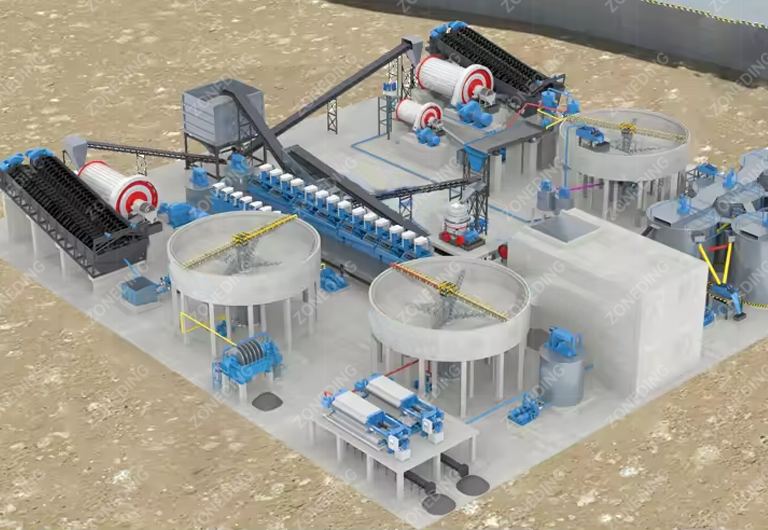
Deciding between gravity separation vs flotation? Learn how to choose the right mineral processing method based on ore type, particle size, and recovery goals.
View details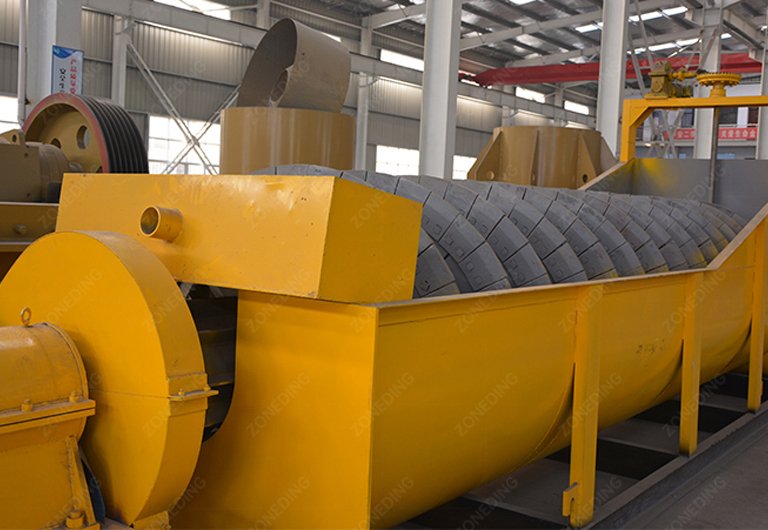
Struggling with poor classification? Learn top 5 factors affecting working efficiency of spiral classifiers & how to adjust them for better mineral recovery.
View details
Learn the complete rock crushing process, from primary to tertiary stages. Discover how a crushing plant works and how to choose right equipment with ZONEDING.
View details