 Zoneding Mining

Site Search
Search products, equipment and solution articles
整站搜索产品中心新闻中心
点击开始搜索
热门搜索
UltraForm-MXFlexiPoly-RNanoForm Z300EcoFab P200
Search products, equipment and solution articles
Grinding is the most energy-heavy part of any mineral processing plant. The wrong ball mill choice leads to wasted electricity and low powder quality. Not all ball mills are the same. Some work in continuous flows. Others work in separate batches. Choosing the correct grinding technology depends on the ore hardness, the required final particle size, and the daily production volume. ZONEDING manufactures high-efficiency ball mills for global mining projects. This guide compares the five most common types of ball mills for sale. It provides the exact data needed to match a machine to a specific project.
Last Updated: April 2026 | Estimated Reading Time: 25 Minutes
An overflow ball mill is a continuous grinding machine where material exits through the open end of the cylinder. The slurry enters one side of the drum. The internal steel balls grind the rock as the drum rotates. The ground powder moves forward until it reaches the discharge end. The material simply “overflows” out of the mill. This design is the most common for large-scale mining operations. It is simple and requires very few moving parts. ZONEDING produces overflow mills with high-precision shells to ensure perfect balance and rotation.
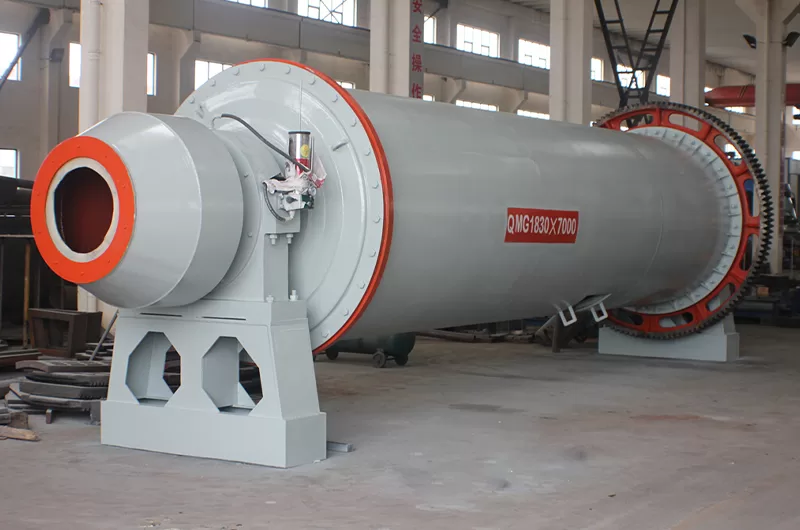
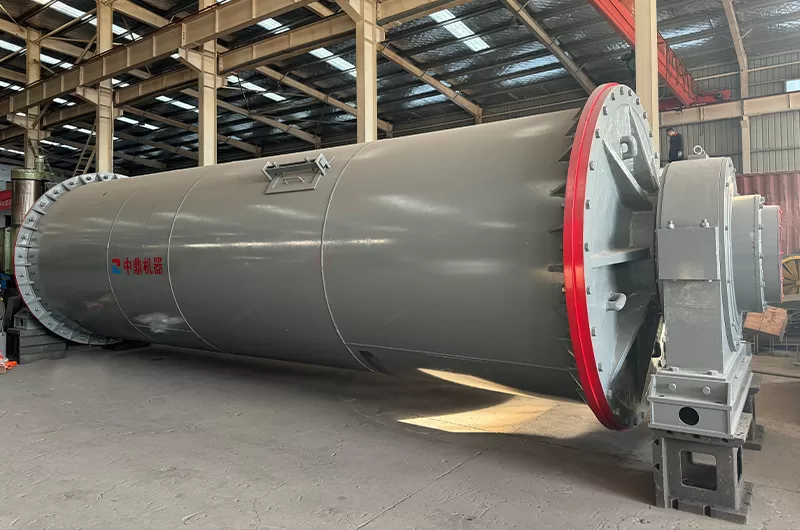
Overflow mills are best for projects requiring a very fine final product. They provide a long residence time for the material. This means the rock stays inside the mill longer. The result is a consistent, high-quality powder. However, overflow mills can struggle with “over-grinding.” Sometimes, the fine particles stay in the mill too long. This wastes energy. We offer oversized diameter designs to help move material faster. These mills are ideal for gold, copper, and iron ore processing.
The following table shows the typical operational limits of a standard overflow system.
| Feature Check | Standard Overflow Mill | ZONEDING High-Efficiency Model | Practical Benefit |
|---|---|---|---|
| Process Style | Continuous | Continuous Optimized | You maintain a steady plant flow |
| Particle Size | Very Fine | ultra-fine optional | You get a consistent powder grade |
| Energy Use | Moderate | 10-15% Lower | You reduce monthly power costs |
| Maintenance | Low | Very Low | You spend less time on repairs |
A grate discharge ball mill uses a perforated metal screen at the end of the drum to control material exit. Instead of a simple open end, the material must pass through small holes in a grate. Large particles that are not yet ground stay trapped inside. Only the particles small enough to fit through the holes exit the machine. This prevents over-grinding. It ensures that the material leaves the mill as soon as it reaches the target size. ZONEDING manufactures these grates from heavy-duty wear-resistant alloys.
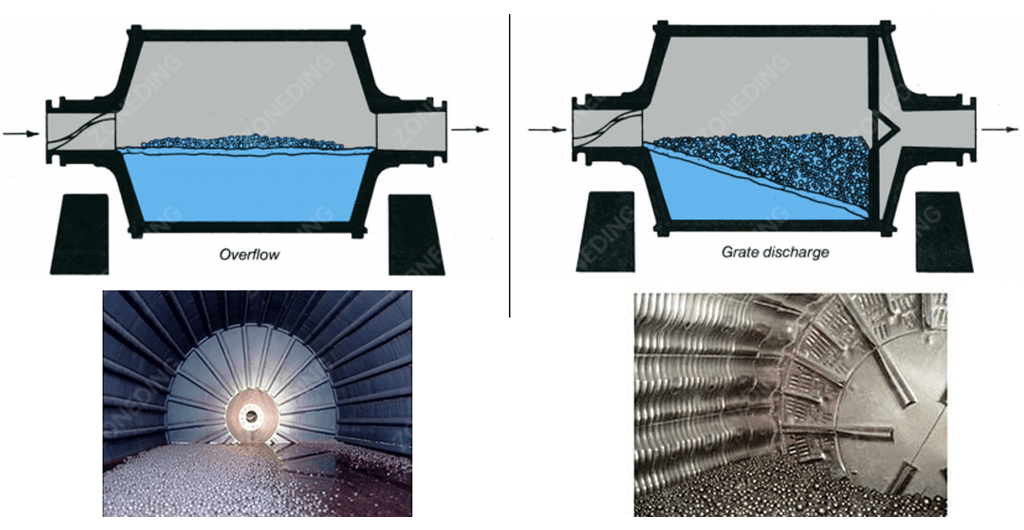
Grate discharge mills are far more efficient for coarser grinding tasks. They process material faster than overflow mills. This increases the overall plant capacity. These machines are the top choice for mineral beneficiation and ore concentration. Because the material doesn’t stay inside too long, the energy use per ton of rock is lower. However, the grates are wear parts. They eventually thin out and need replacement. ZONEDING provides quick-change grate systems to reduce the time spent during maintenance shutdowns.
| Selection Factor | Overflow Mill | Grate Discharge Mill | Winner for Project |
|---|---|---|---|
| Processing Speed | Slower | Faster | Grate Discharge |
| Particle Control | Basic | Precise | Grate Discharge |
| Wear Part Cost | Lower | Higher (Grate wear) | Overflow |
| Over-grinding Risk | High | Low | Grate Discharge |
An intermittent ball mill works in separate cycles: loading, grinding, and discharging. This is a batch process. The operator fills the drum with a specific amount of ore and grinding balls. The drum rotates for a set amount of time. Once the target fineness is reached, the drum stops. A discharge door opens, and the finished powder drops out. This provides the highest level of control over the final product. ZONEDING designs these mills with heavy-duty reinforced doors for easy emptying.
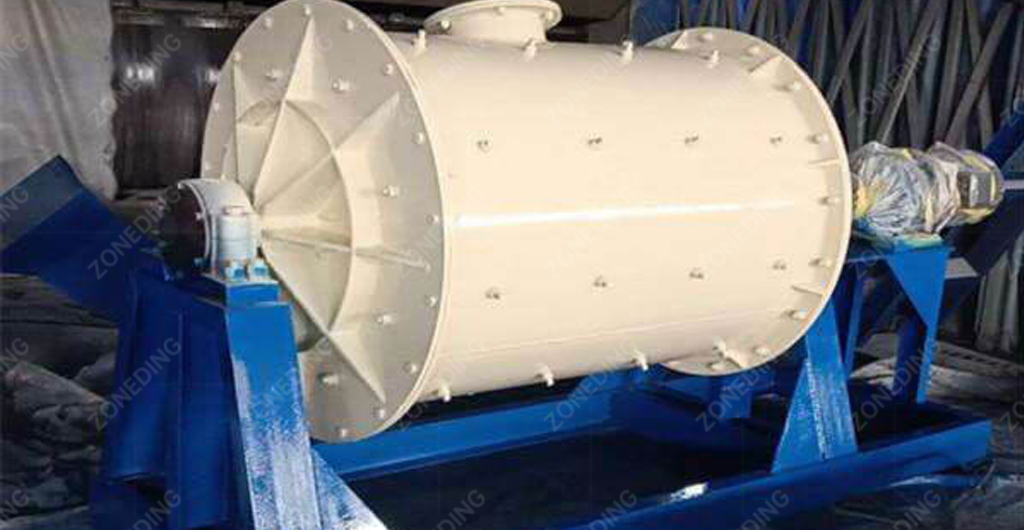
Batch mills are not for massive mining operations. They are perfect for small-scale projects, laboratories, or specialized chemical processing. They are also used for materials that are very expensive or rare. Since the operator controls the exact time of grinding, there is zero risk of losing material. You can change the grinding time for every single batch to match different ore grades. ZONEDING’s intermittent mills are compact and easy to install in small workshops.
| Project Type | Volume Requirement | Target Result | Why use Batch Mill? |
|---|---|---|---|
| Lab Testing | Very Low | Exact Specs | You test different grind times |
| Rare Earths | Low | High Recovery | You avoid material loss |
| Special Chemicals | Low to Medium | High Purity | You ensure total homogenization |
A tube mill is a specialized ball mill with an exceptionally long cylinder relative to its diameter. While a standard ball mill is short and wide, a tube mill looks like a long pipe. This design creates a linear grinding process. Material travels a long distance through multiple “zones” of grinding. The first zone handles coarse breaking. The middle zones perform primary grinding. The final zones produce the ultra-fine powder. ZONEDING engineers these mills with specialized support rollers to prevent the long shell from sagging.
Tube mills are the gold standard for the cement and gypsum industries. They are used when the project requires a massive amount of extremely fine powder. The long travel path ensures that every single particle is impacted by the steel balls multiple times. This results in a very high uniformity of the powder. However, tube mills require a huge amount of space in the plant. They also need powerful motors to rotate the long shell. ZONEDING provides heavy-duty gear drives to handle the high torque required for tube mills.
A vertical ball mill grinds material using a vertical axis of rotation combined with gravity. Unlike the horizontal drums mentioned above, the vertical mill uses a rotating table or a vertical cylinder. The grinding media (balls) move in a way that compresses and shears the material against the walls. This design is significantly more energy-efficient. It uses gravity to help the grinding process. ZONEDING offers vertical solutions for projects with strict power limits or small land areas.
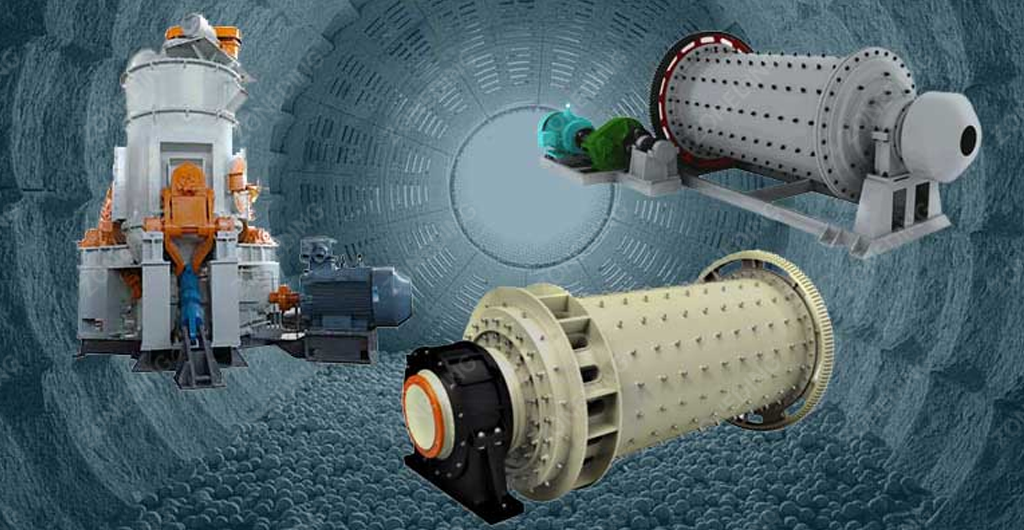
Vertical mills are gaining popularity in 2026 due to “Green Mining” laws. They reduce electricity consumption by up to 30% compared to traditional horizontal mills. They also have a much smaller footprint. This means you spend less money on concrete foundations. They are excellent for fine grinding and regrinding applications. ZONEDING’s vertical designs include smart speed controls. This allows the operator to adjust the grinding intensity based on the ore hardness in real-time.
| Benefit | Traditional Horizontal | ZONEDING Vertical Mill | Your Practical Gain |
|---|---|---|---|
| Power Draw | High | Low | You save money on energy |
| Space Need | Massive | Compact | You reduce construction costs |
| Wear Rate | High | Controlled | You replace liners less often |
| Complexity | Simple | Moderate | You get higher efficiency |
Matching the mill to the project requires a balance of material science and budget. You must not choose a machine based on price alone. You must look at the “grindability” of your ore. Harder ores require more power and usually a grate discharge system to avoid wasting energy. Softer ores can use simple overflow systems.
Consider these four factors:
ZONEDING provides a complete selection service. Our engineers analyze your ore samples. We calculate the necessary power draw and drum size. We provide a full cost-benefit analysis for each of the five mill types.
The grinding industry is moving toward automation and energy recovery. In 2026, “Smart Grinding” is the key trend.
Manufacturers are focusing on reducing the carbon footprint. ZONEDING is developing “Dry Grinding” circuits that eliminate the need for water. This helps mines in dry regions avoid water permits and reduce environmental impact.
Choosing the right ball mill is a decision between speed, fineness, and cost. Overflow mills are simple and produce fine powder. Grate discharge mills are faster and prevent over-grinding. Intermittent mills are for small, precise batches. Tube mills are for massive, ultra-fine cement production. Vertical mills are the future of energy saving.
Your next step should be a “Grindability Test.” Collect 50kg of your ore. Send it to ZONEDING. We will test the Bond Work Index (BWI). This number tells us exactly how much energy is needed to grind your rock. We will then recommend the specific mill type and size for your project.
Last Updated: April 2026
This guide covers various slag types,methods, equipment, and diverse utilization pathways for slag processing, helping for efficient resource transformation .
View details
Learn the wet milling process. Learn about what is it, advantages and disadvantages; applications; main equipment and differences between dry and wet milling.
View details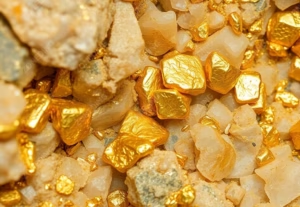
How much gold remains underground? While about 212,000 tonnes are above ground, the USGS estimates only 59,000 tonnes of proven reserves are left to mine.
View details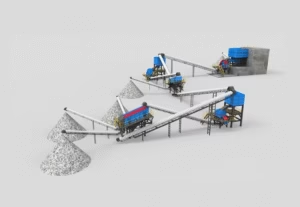
Don't buy a granite crusher without these 10 tips! Maximize output for hard rock, and make an informed decision for your quarry or construction project.
View details